Press Release

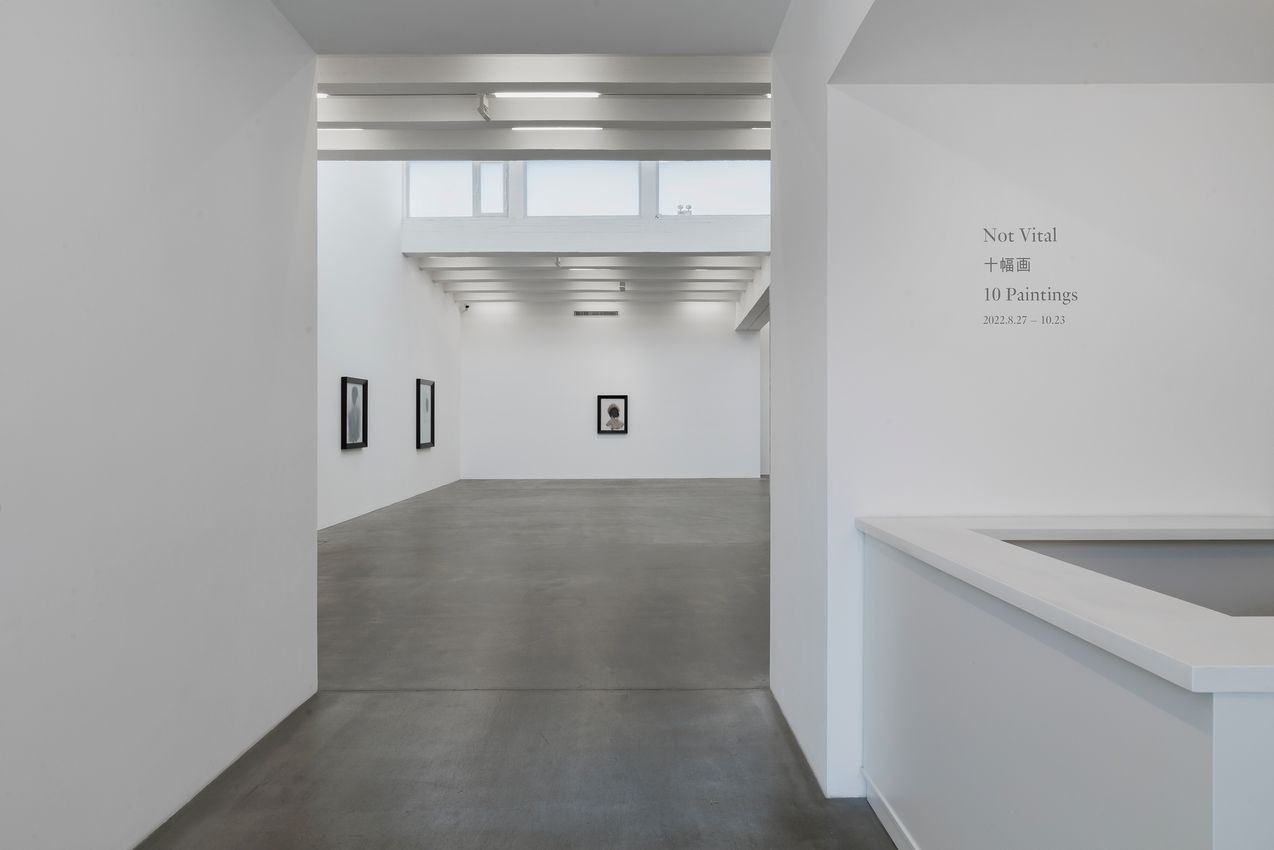
Galerie Urs Meile is pleased to announce 10 Paintings, Not Vital’s (*1948 in Sent, Engadin, Switzerland) latest solo exhibition in China.

When Not Vital established his studio in Beijing in 2008, he found himself in a very unfamiliar and almost unprecedented predicament. Years of travelling and working at breakneck speed, organising increasingly complex projects, and setting up camp in various locations around the world had resulted in a lifestyle with little room for idle introspection and rumination. Sitting in a quiet room of his brand-new working space, he now found himself with something he seldom had before—time. This sudden realisation was unsettling. It probably generated a feeling or sense of displacement, but fortunately the answer as to what to do with this unexpected moment of calm surfaced as quickly as it came. ‘It all happened very fast’, remembers the artist about 15 years later from his home in the Engadin. ‘I just went out one morning, bought some brushes, oil and a couple of canvases, and started painting people around me, like my studio assistants. From then I picked it up again. It was that raw’.

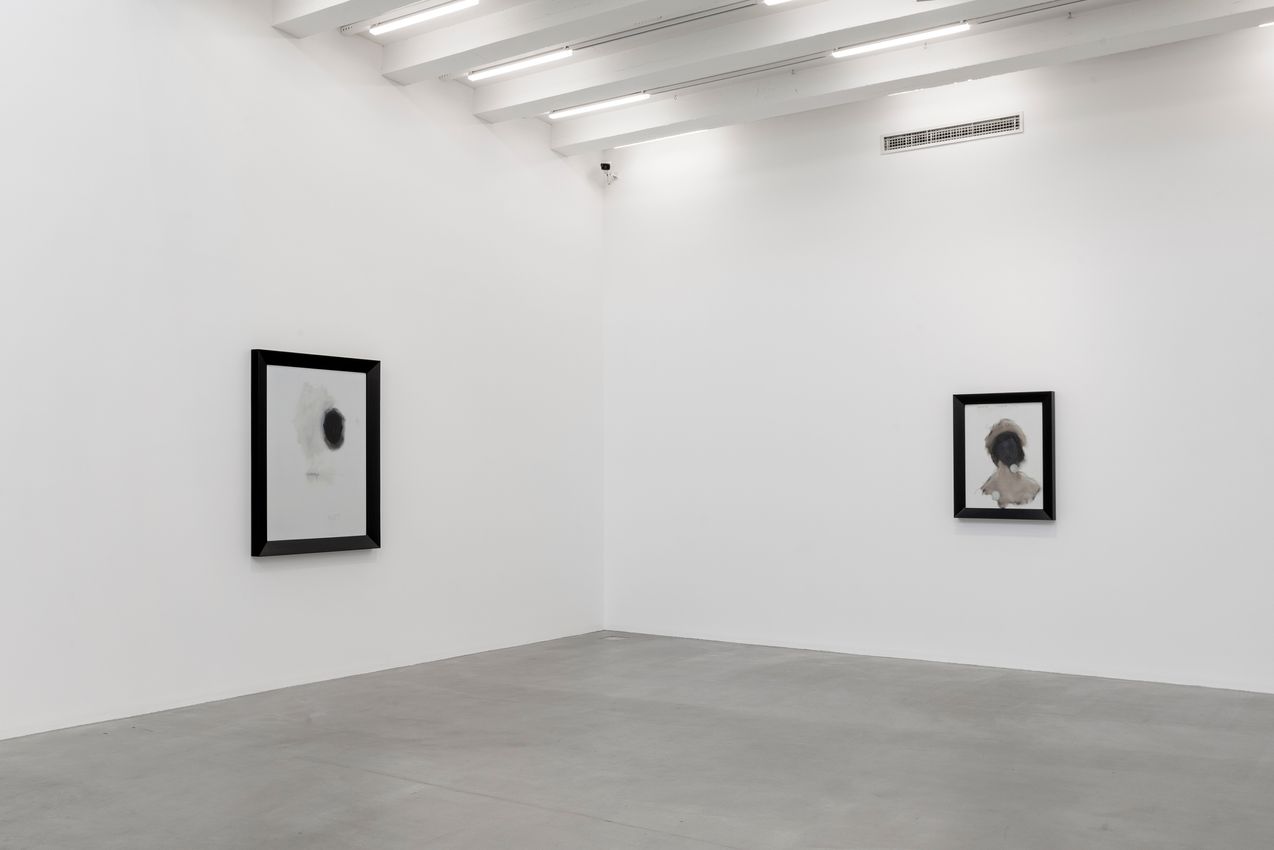
The idea of Not Vital painting could admittedly sound a tad strange for those accustomed to his sculptural and architectural work, but even the most cursory glance at the history of contemporary art shows, that practically every first-generation conceptual or performance artist began as a painter. The ten canvases in the exhibition at Galerie Urs Meile in Beijing are a testament, first and foremost, that Not Vital has always been a painter at heart. His formative years in Paris do not provide any significant insight into his first encounter with one of art’s most traditional and enduring forms. It was, after all, May 1968. A revolution of unparalleled socio-political relevance was in the making. There were institutional status quos to challenge and wars to take down. But Vital remembers a subsequent trip to Rome as a more cathartic moment, with the pastel tones of the city inspiring a series of large canvases with very light chromatic variations. A sojourn in New York in 1974 further produced a group of grey monochromes—a tonality he stills deploys to this day. (‘I am from Graubünden’, he jokingly concurs). Thirty-five years later his paintings in Beijing, however, are an entirely different proposition. They are no longer the exercise of a young art student trying to find his own voice but a deliberate change of direction from an artist with an illustrious four-decade international career spent assembling pieces of epic proportions, and engaging with different cultural landscapes aided and abetted by a large array of collaborators. So how to reconcile this procedural approach with a solitary activity like painting?

‘Maybe that’s exactly what I wanted’ reflects Vital. ‘It was different. I really enjoyed being completely by myself, actually. Most of the times I worked with a sitting model, like Ai Weiwei, who was then my studio neighbour. And then my assistants or friends came by. It was very important to have a person in front of me. It was very quiet. No talk, no communication—just the essentials’.This renewed sense of freedom—with the artist able to work in the spur of the moment and paint literally anyone who happened to be in front of him—was matched by the immediacy of the results. Used to the idea of working on long term projects that would require site-recognition, a profound study of the setting, laborious planning, and weeks or months to develop, Vital was shocked to see how quickly something would materialise on the canvas once he started. The experience, apart from the initial charm, proved to be empowering, and brought him to continue with renewed alacrity. Usually completed in a single session—Vital confirms it was seldom that a painting wasn’t finished within the day—the canvases, when no one was available to get immortalised, turned to another classic mode of painting: self-portraiture. Three of the most finest examples (Self-Portrait, Self-Portrait on a Sunday, and Self-Portrait in a Snowstorm) on view in this exhibition are exceptional in their masterful use of the monochromatic scale.

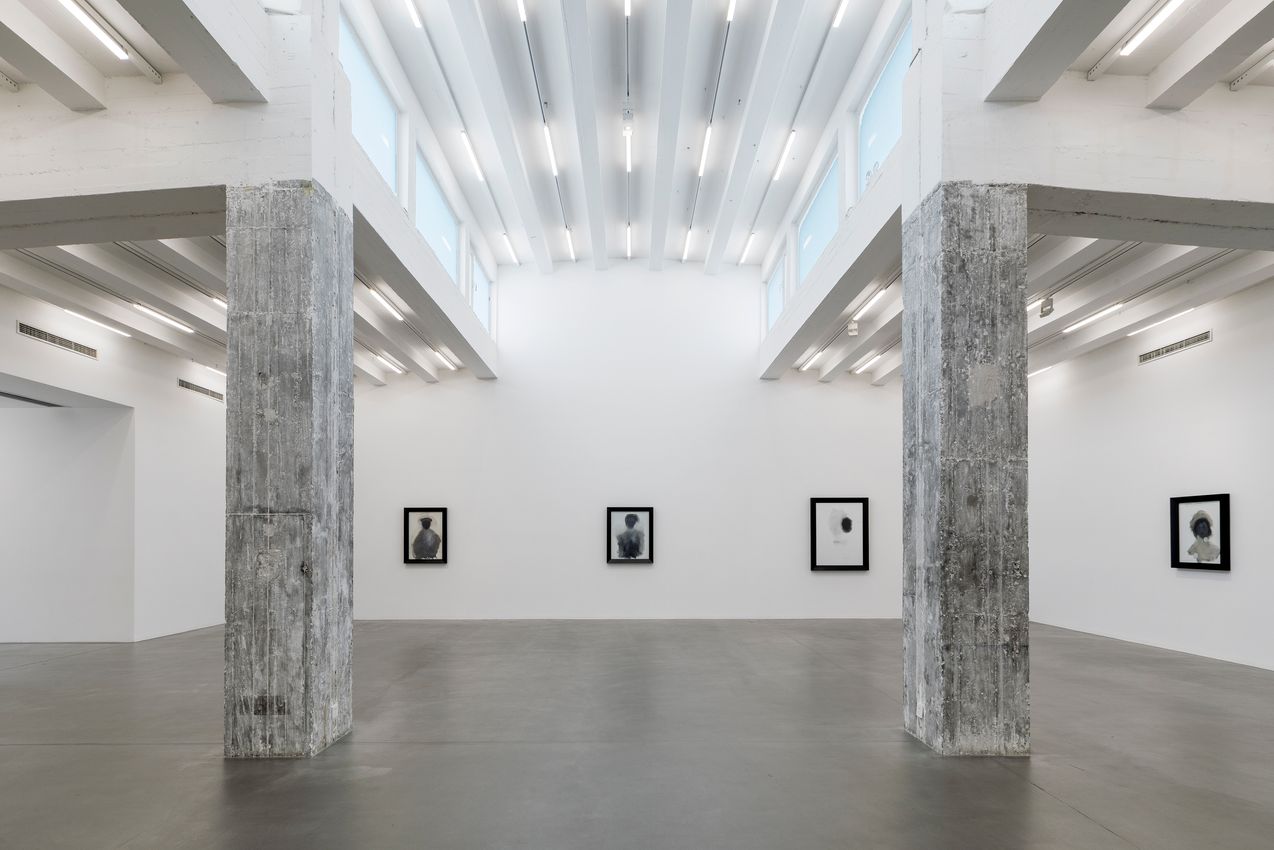
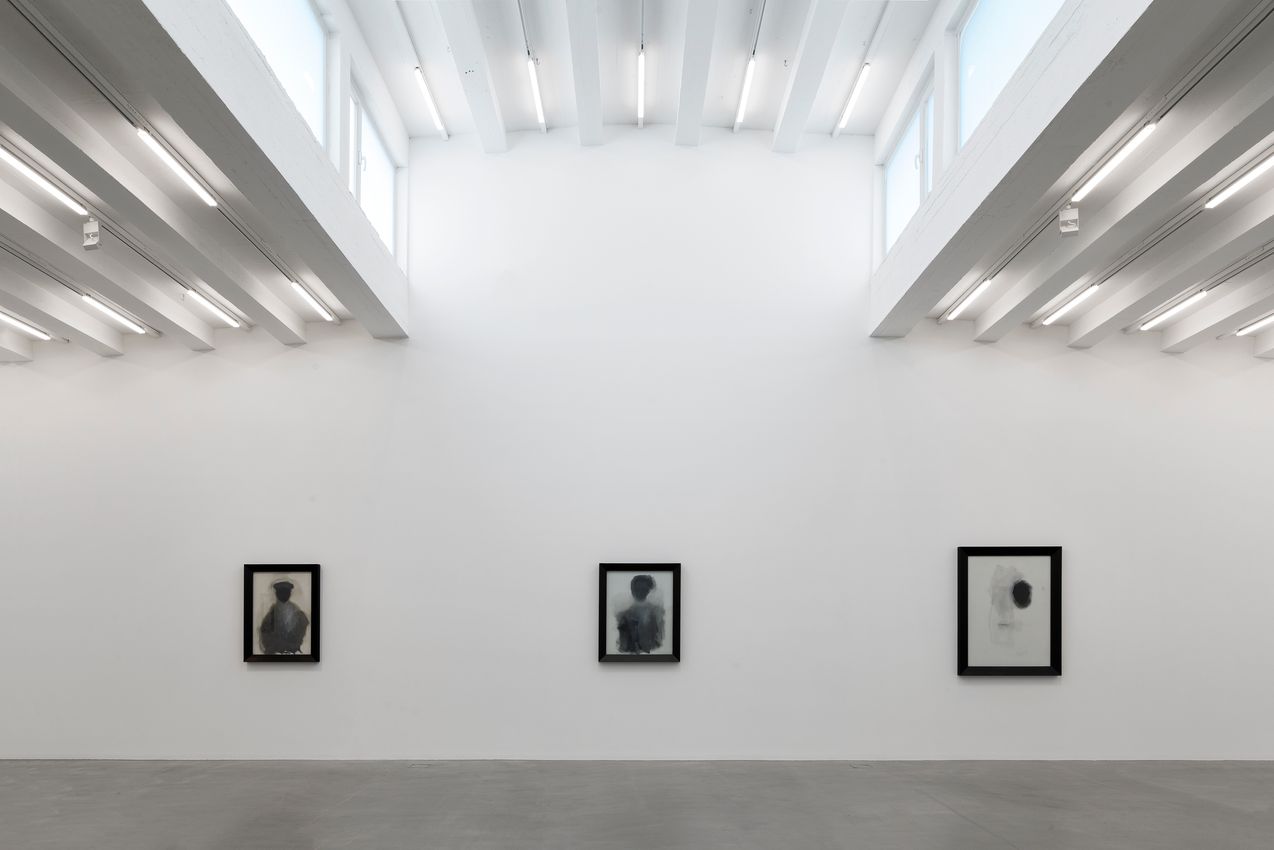
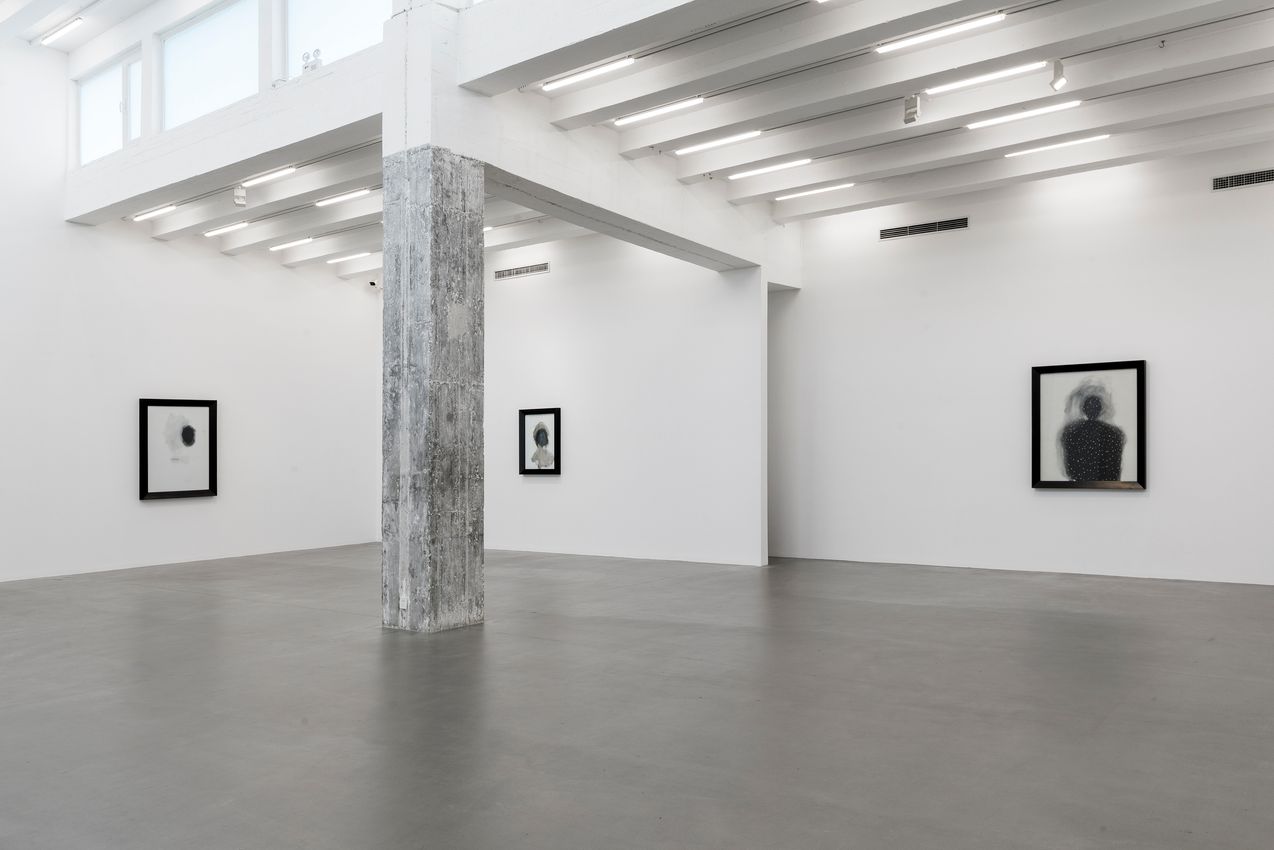
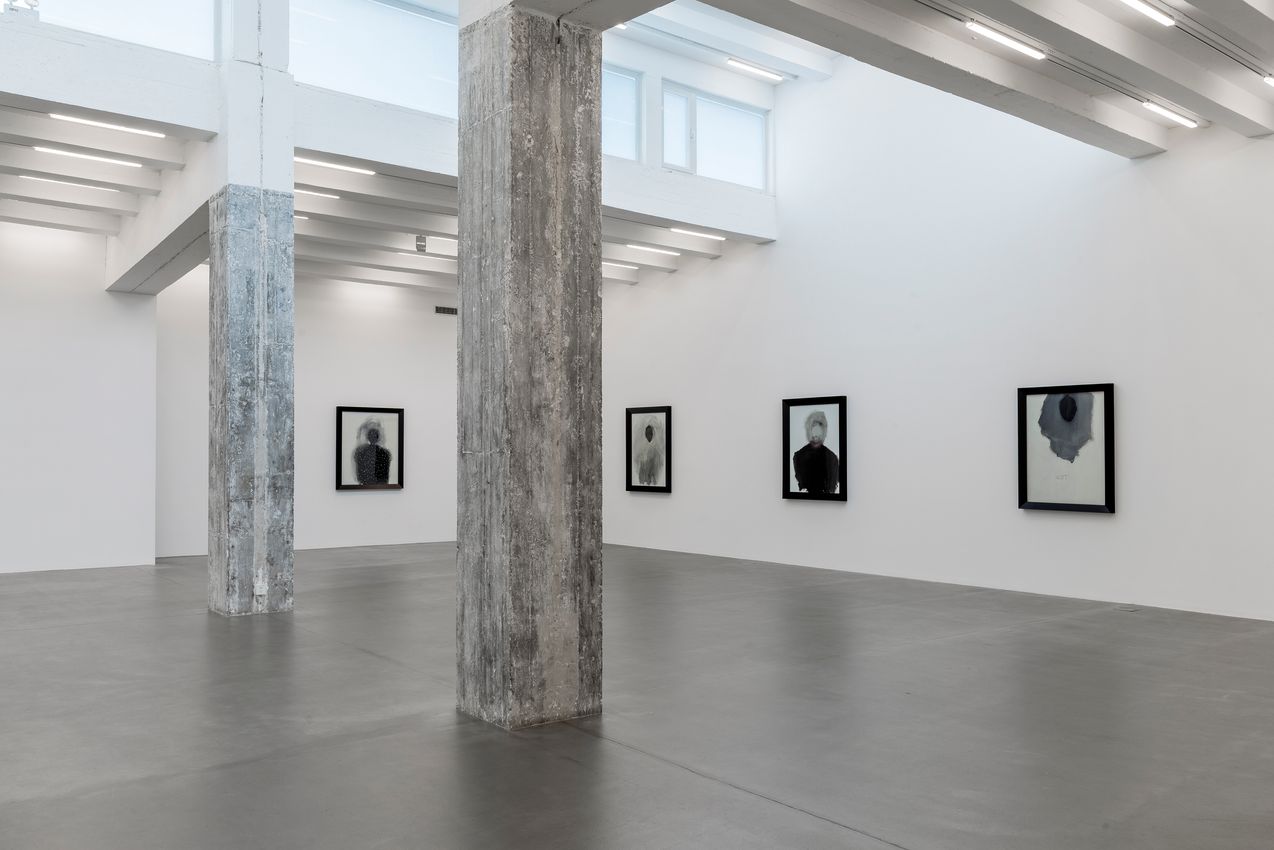
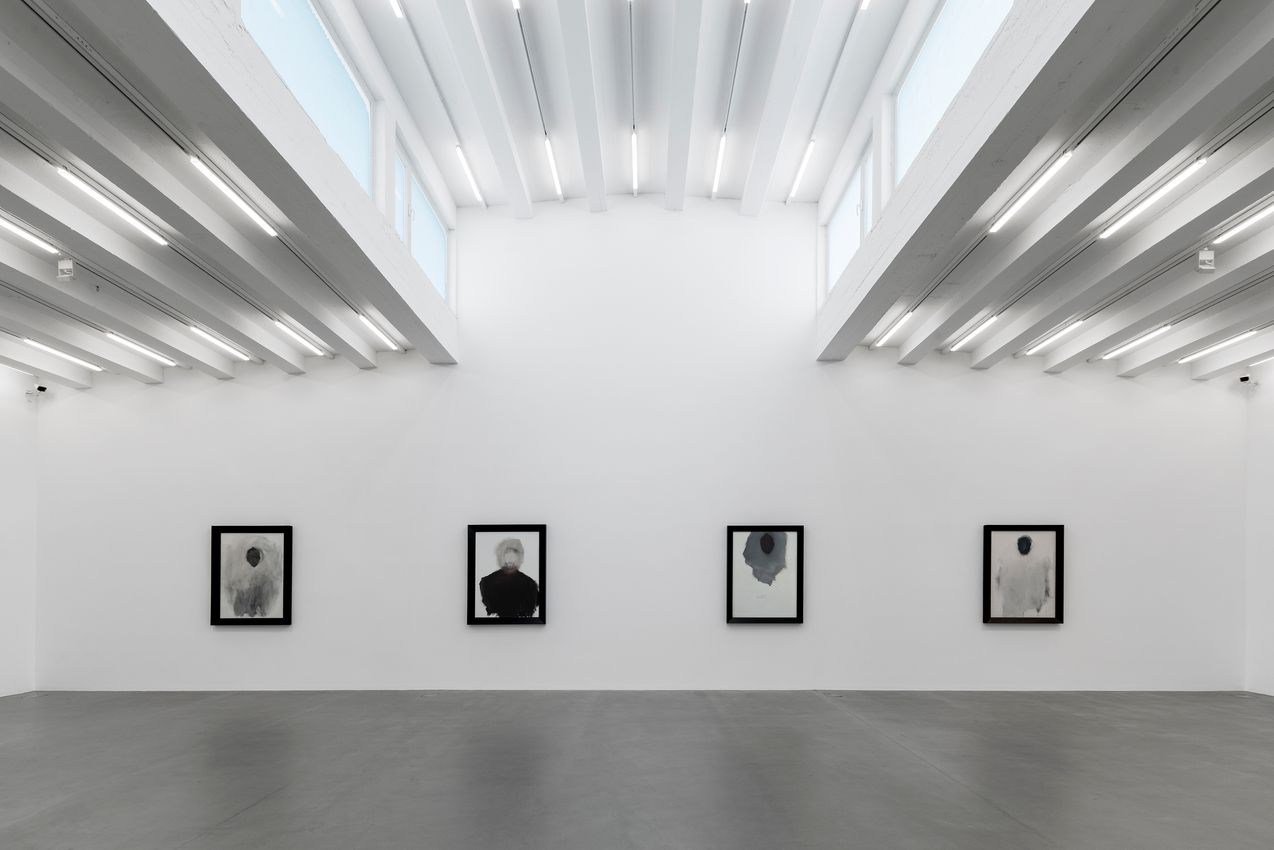
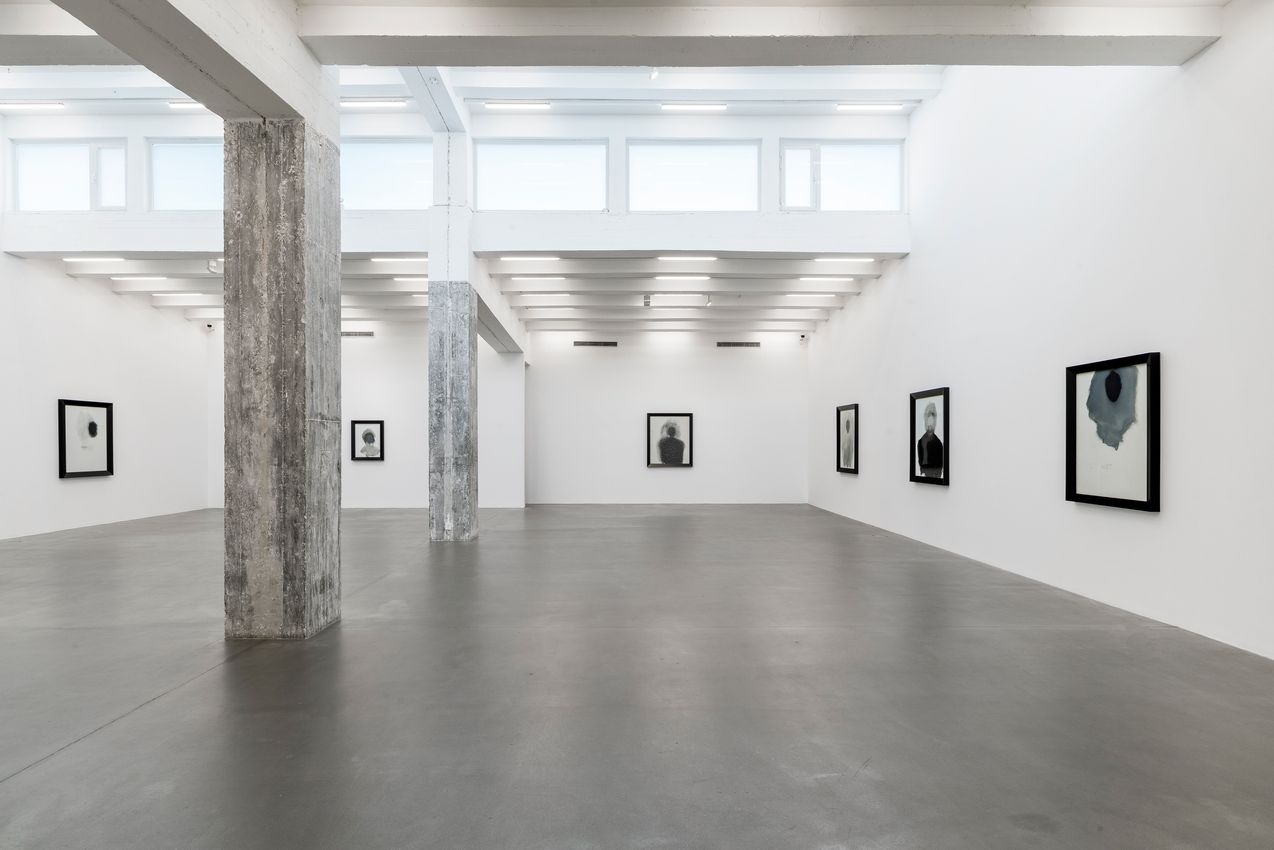
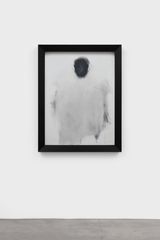
One of Vital’s earliest works, the enigmatic Man (2010), is characterised by the presence of a full figure—a task almost unrepeated. With the exception of the beautiful Paloma (2012), in fact, most of the other works on view have the face of his subjects emerging as the darkest and more defined part of a corporal structure that seems to gradually dissolve around them. Although Vital has declared each body to have an ‘aura’ and even acknowledged that his choice of colour and use of space make his figures somehow ‘ghostly’, he accepts but refutes the notion that they are ‘spiritual’. His paintings, he says, are about the present, not the past—a logic that he swiftly applies even to those works which appear to contradict this stance, such as My Father (2013, arguably one of the most powerful pieces in the exhibition), or the recent Throwing Snowballs at Gogol (2019). The former, elaborates Vital, came about during the construction of a self-portrait, when he realised that the stylised signs he had ad- opted to depict himself were actually reminiscent of his father. The latter, in contrast, carries a more mundane explanation, referencing the classics Vital started re-reading in Beijing to kill time. Ordinary episodes and self-deprecating argumentations notwithstanding, Vital’s ephemeral bodies are possibly the key factor that connects his paintings with the rest of his practice. Just like the figures he paints, the houses he built in Patagonia or in Engadin play a similar game of hide and seek.

But there is another aspect that links Vital’s paintings with his oeuvre, and that is his of- ten-questioned decision to put them behind a glass partition. Given how artists like Jeff Koons or Damien Hirst have recognised and exploited the vitrine’s power to assign institutional value in the past, it is legitimate to wonder if Vital’s endgame is to use glass as a magnifying strategy. Or perhaps it is there because he doesn’t consider his paintings done until he puts something between him and them? ‘It’s a quite complex thing’ he agrees. ‘It’s about space. They invite you to the paintings, but they also create the right distance to look at them. The glass generates a reflection and gives them light. We mostly observe our surroundings through glass, if you think about it. Even now I am looking at the landscape out of my house through a window. But if I think about painting in general’, he adds, almost provocatively, ‘I believe all paintings should be put behind a glass. Even Rembrandt’s.’

Just as Vital’s paintings are intrinsically interesting, so is their story. After spending about ten years between the artist’s studio and storage, these ten canvases now have the opportunity to be seen in public for the first time since their inception. ‘In the beginning I wasn’t sure if I should paint them, let alone show them. Initially I thought of bringing them to Europe. But then I decided to show them where they were made and keep them there. Why should we ship all these works around the world? Why don’t we keep them where we made them?’ Beijing was their place of birth and it is now their final destination. By showing them in the Chinese capital, the same year he moved out of his local studio, 10 Paintings is finally on view as a testament of a very fertile creative period in the artist’s life and the fact that things, for Not Vital, have really come full circle.

Michelle Robecchi

Read More

Installation Views

About the Artist

Drawing inspiration from the landscapes, environments, and cultures encountered on his extensive travels, multi-disciplinary artist Not Vital is particularly known for his installations that are akin to architectural monuments.

View Artist Profile

Also Exhibiting at Galerie Urs Meile

About the Gallery

Galerie Urs Meile, established 1992 in Lucerne, Switzerland, is dedicated to representing a diverse array of Chinese and European artists spanning various generations and artistic media, encompassing painting, sculpture, installation, photography and video.

View Gallery Profile
Address
D10, 798 East Street
798 Art District, No. 2 Jiuxianqiao Road
Chaoyang District
Beijing
China
Opening Hours
Tues - Sun, 11am - 6.30pm
(1)
Beijing D10, 798 East Street, 798 Art District, No. 2 Jiuxianqiao Road
Galerie Urs Meile
D10, 798 East Street, 798 Art District, No. 2 Jiuxianqiao Road, Chaoyang District, Beijing, China

Opening hours
Tues - Sun, 11am - 6.30pm
The art world in focus