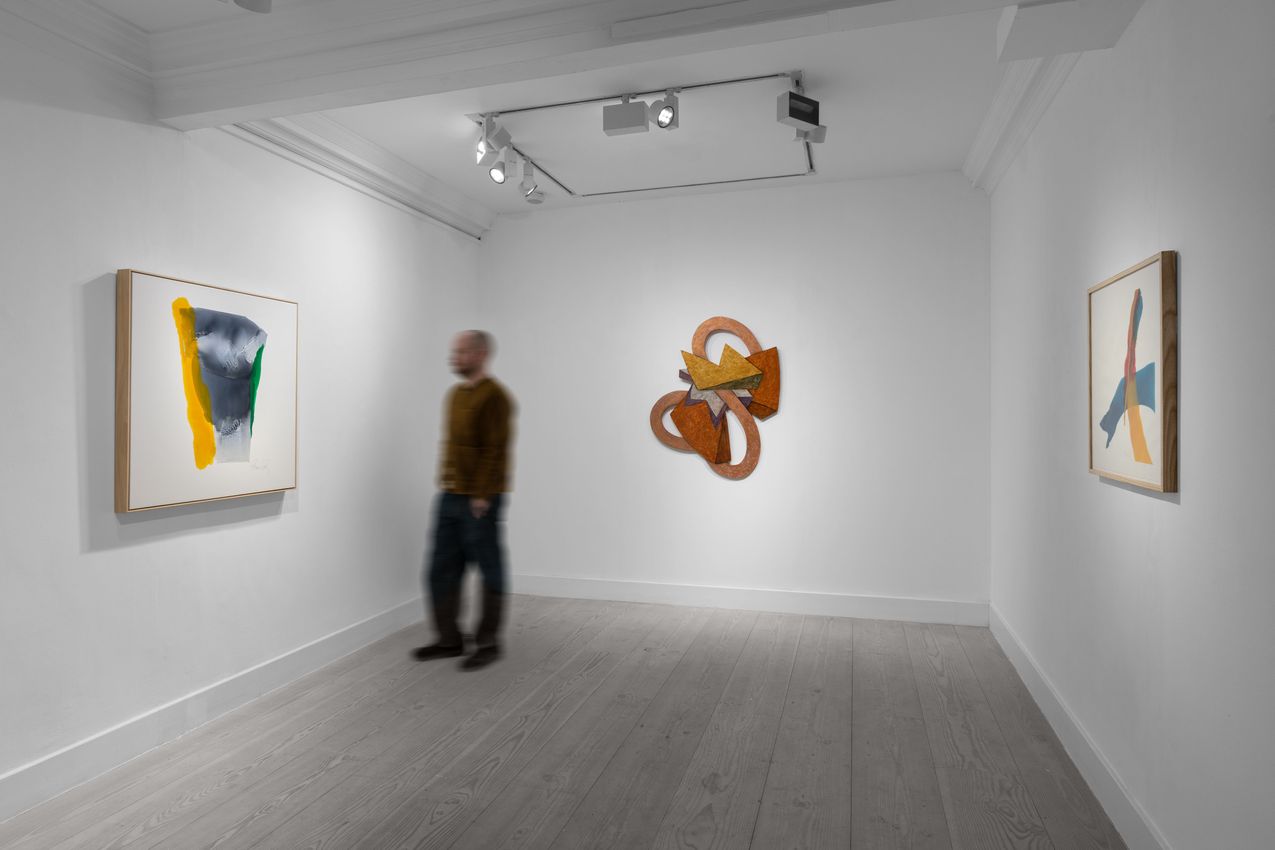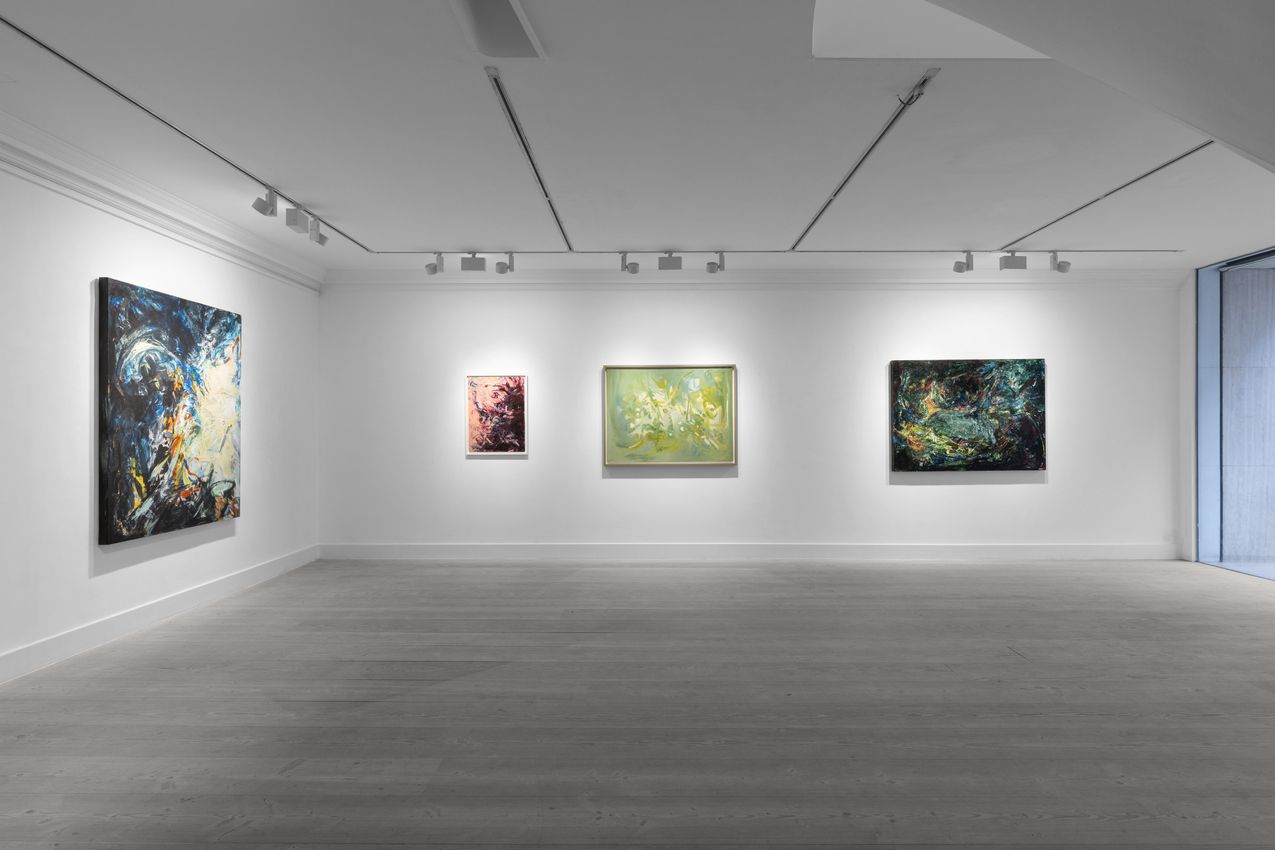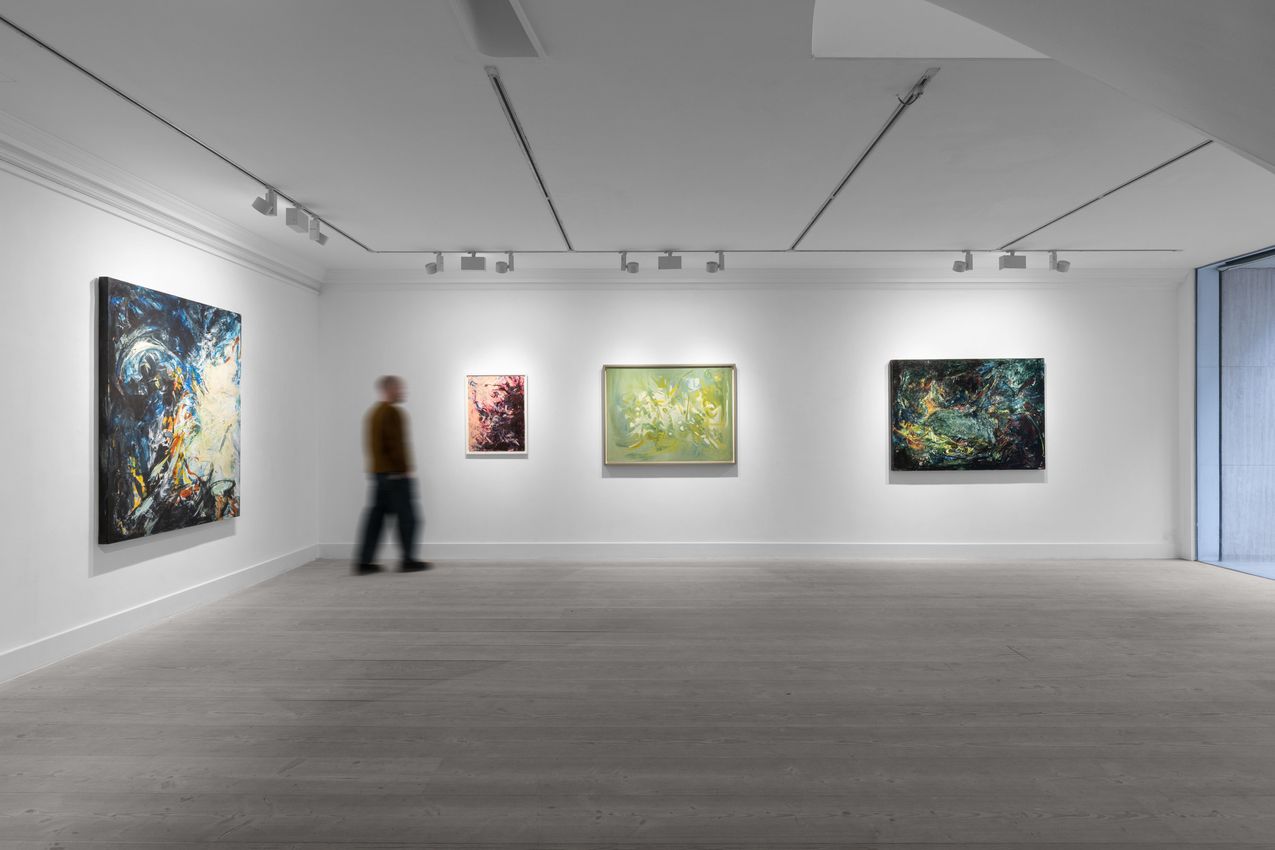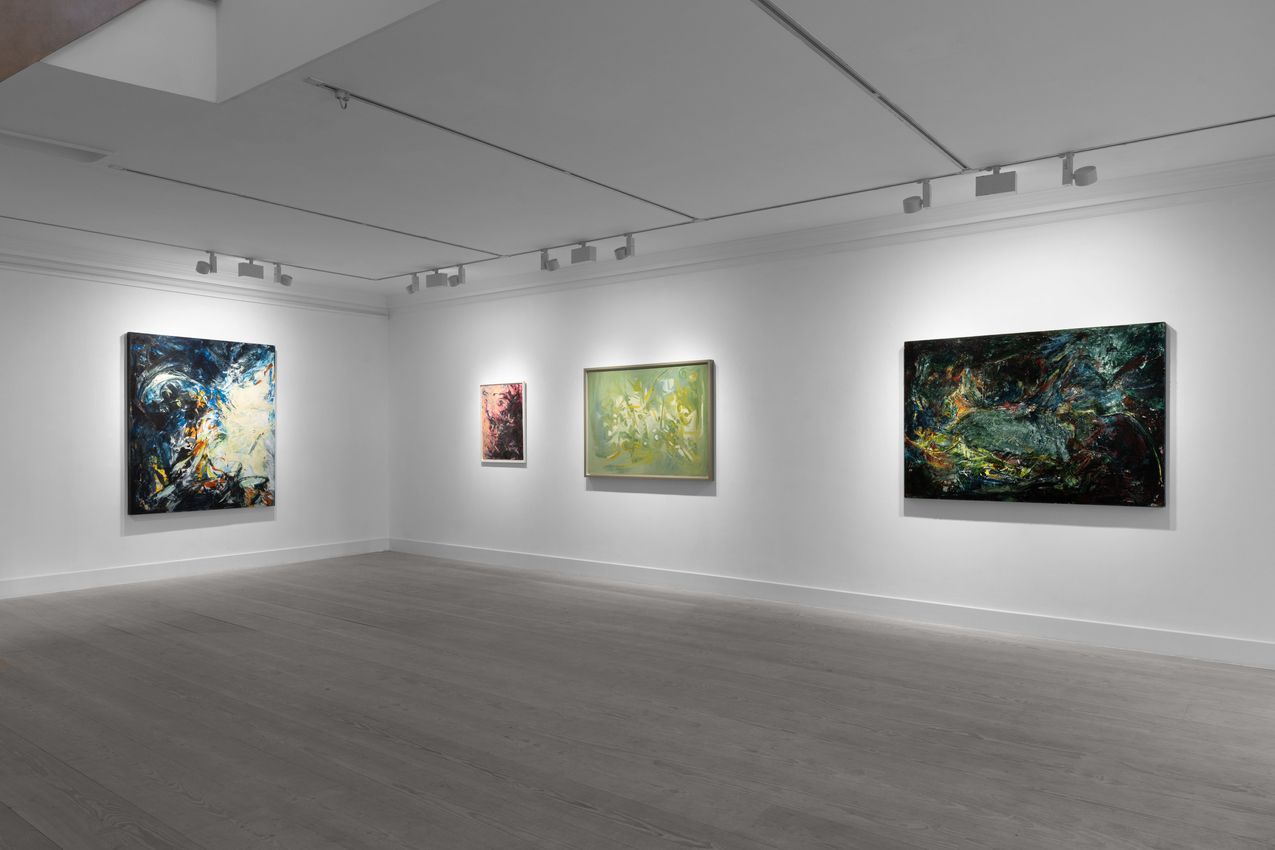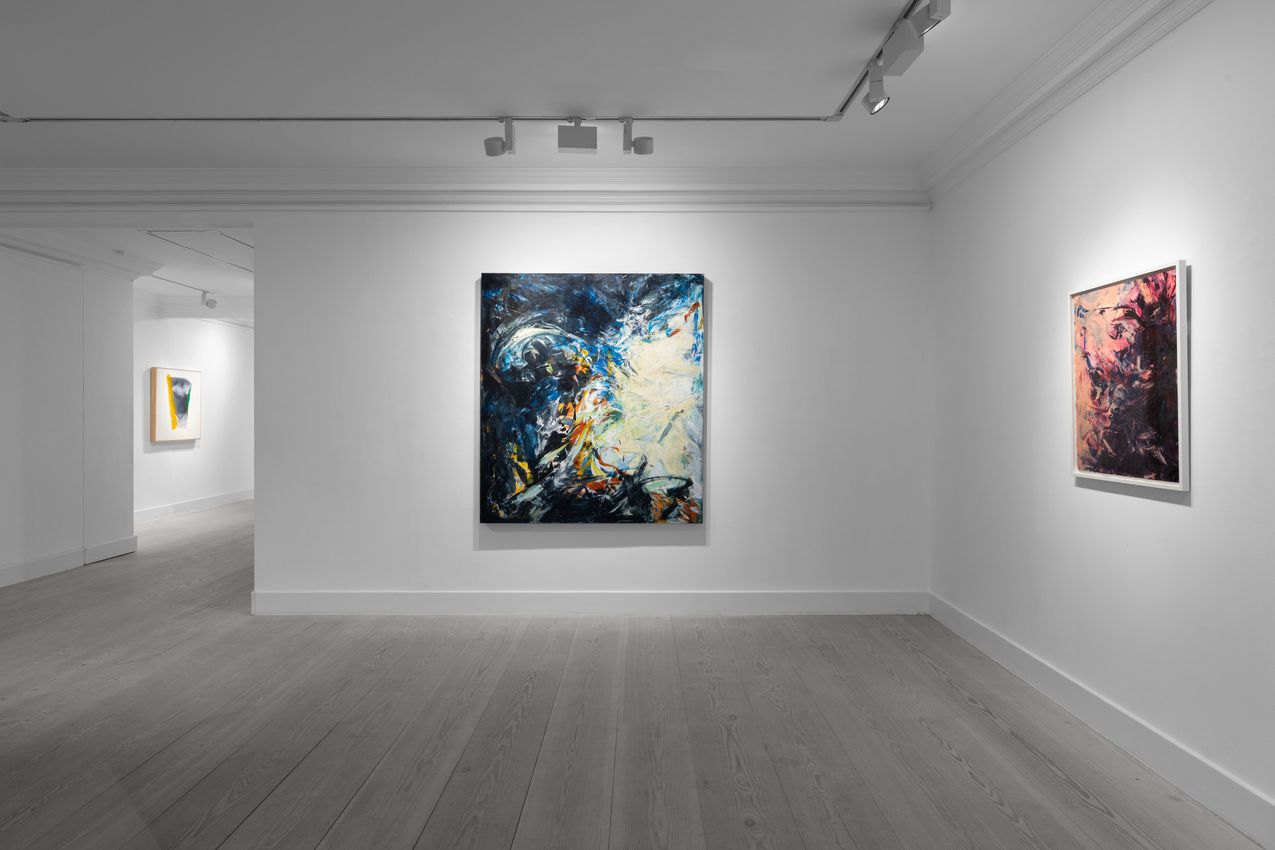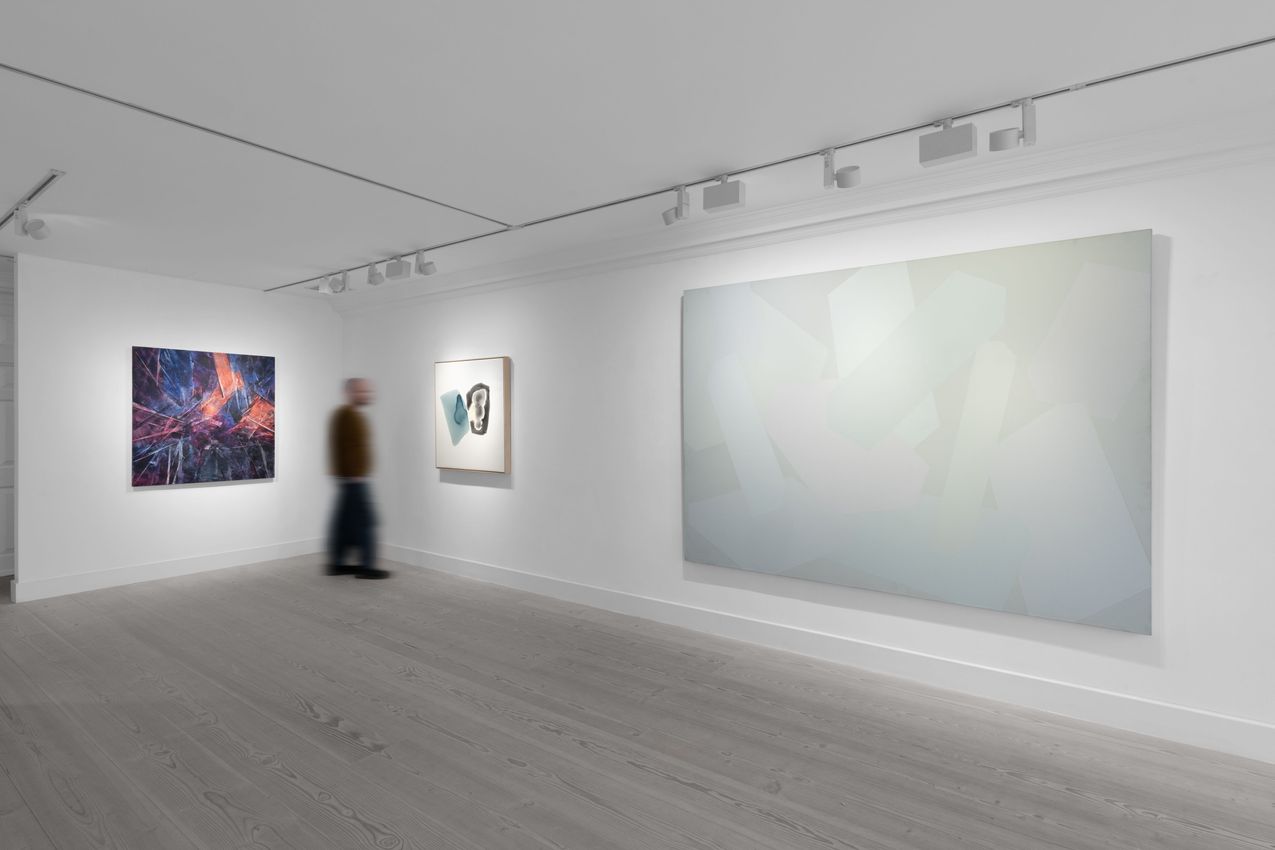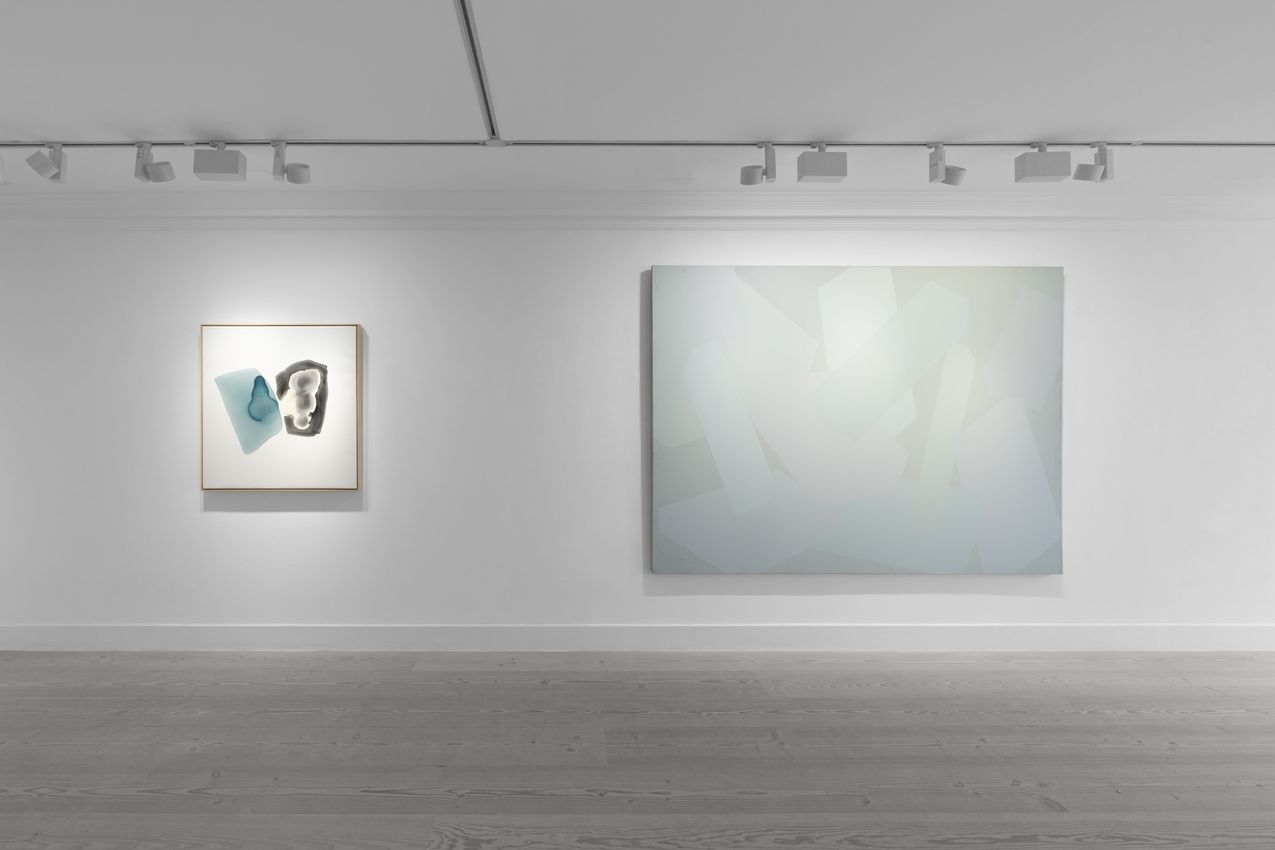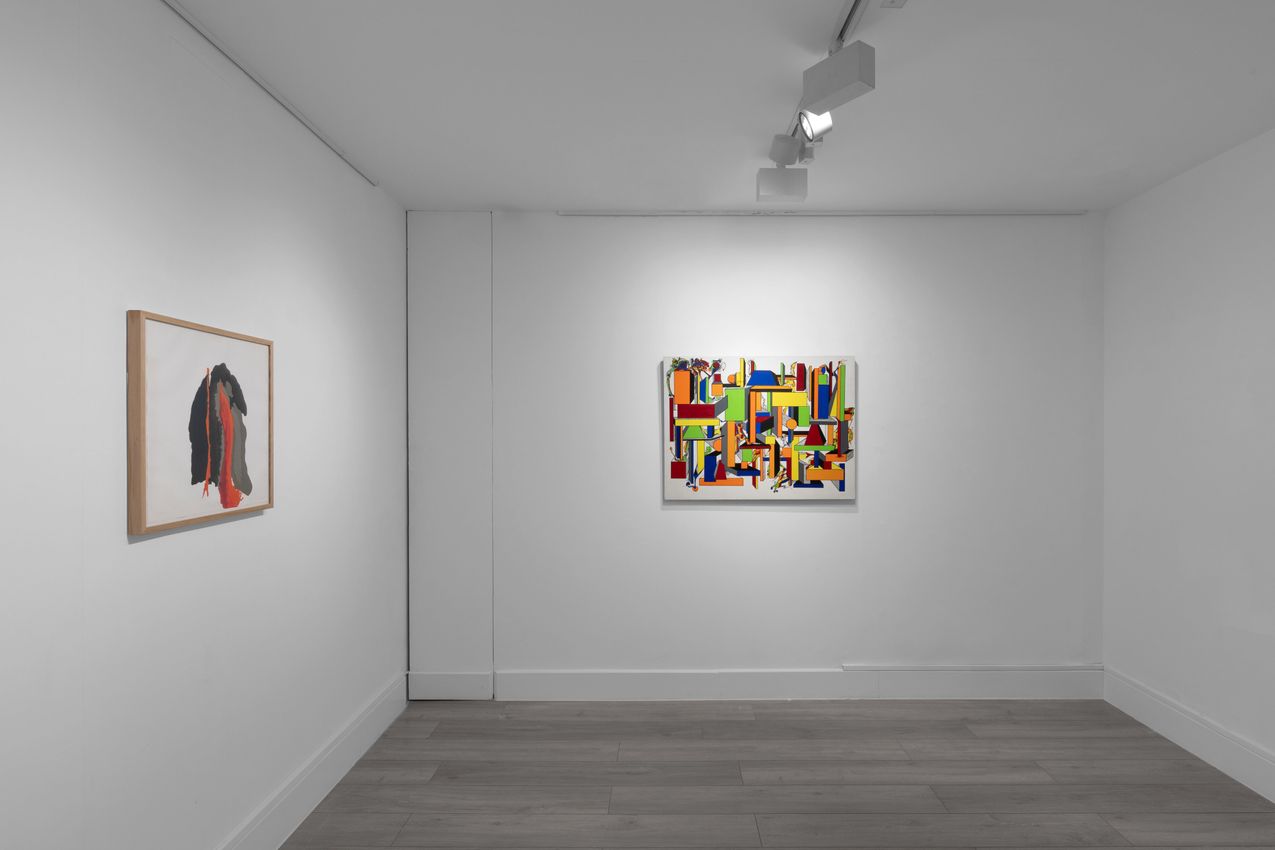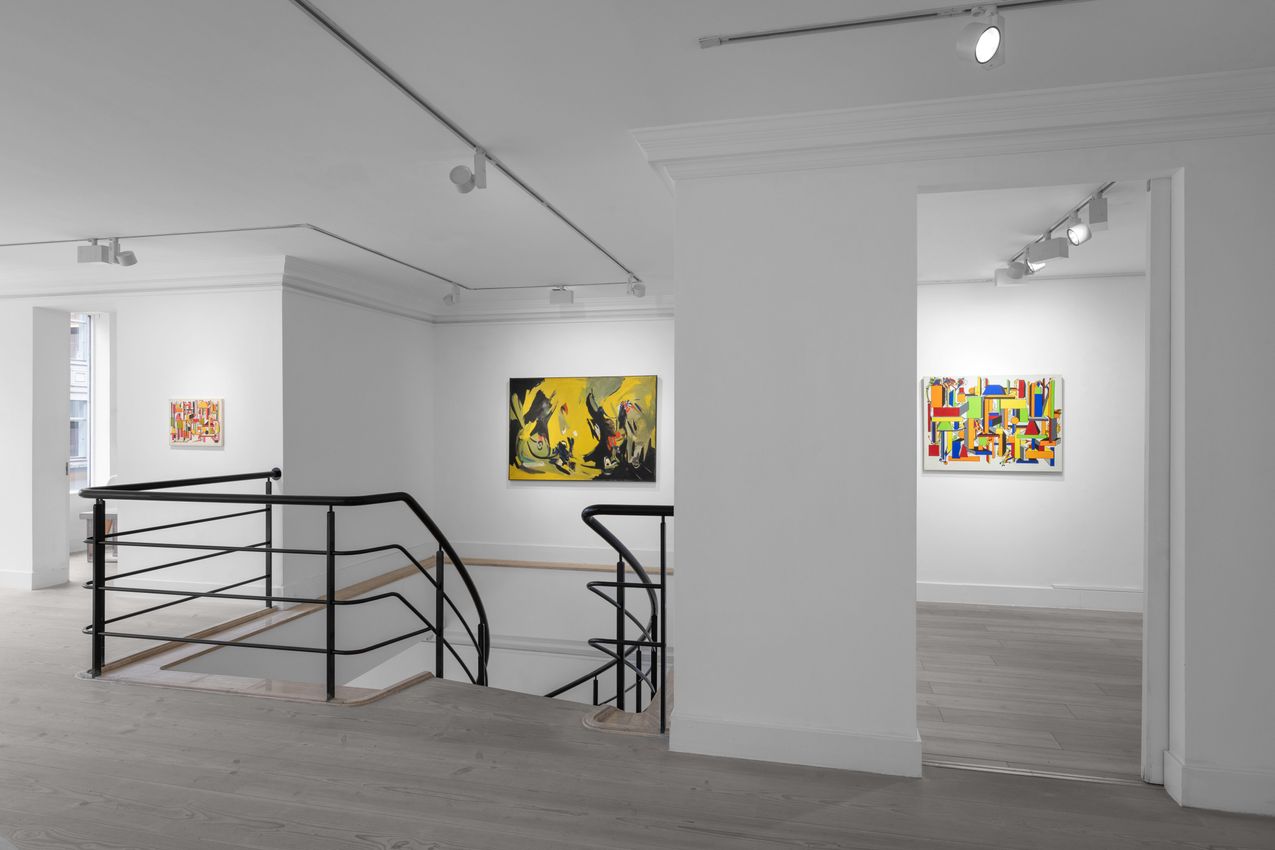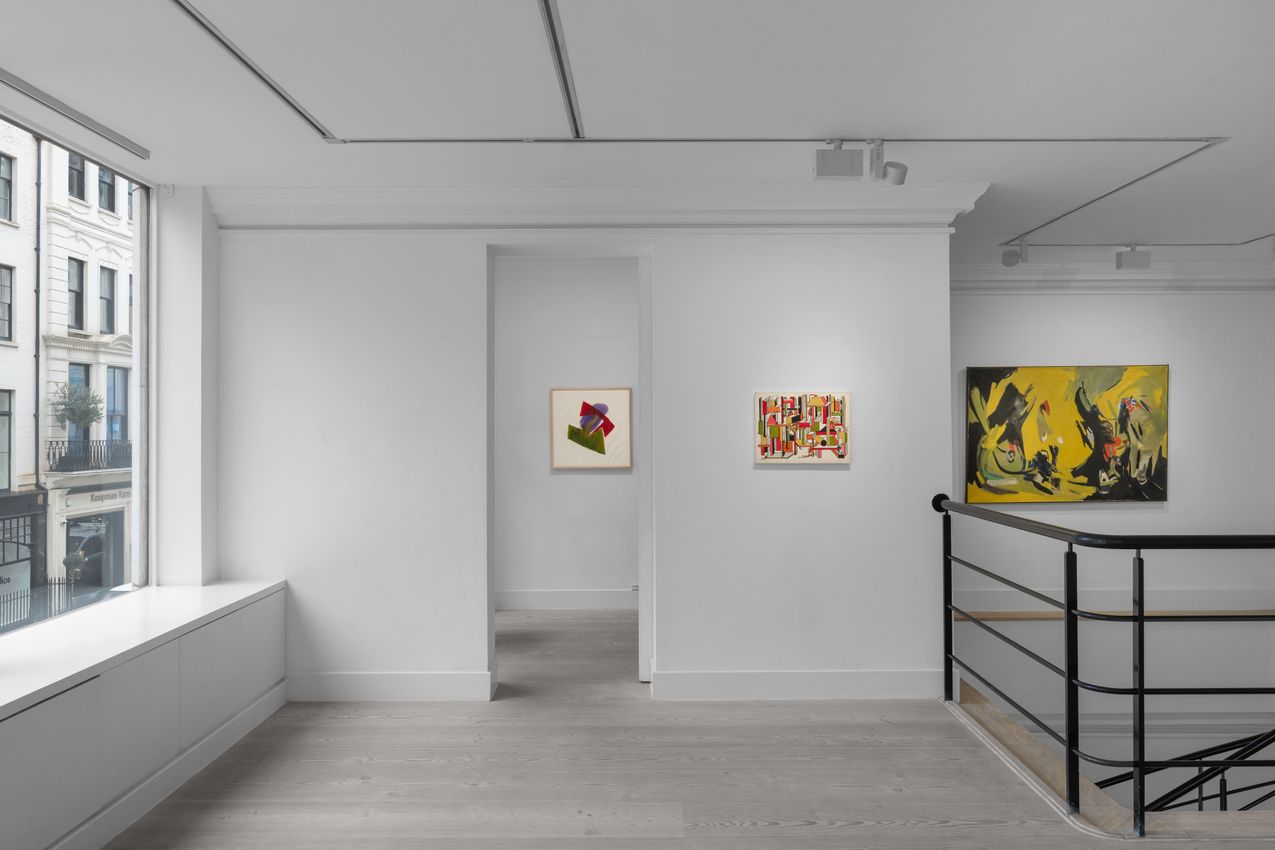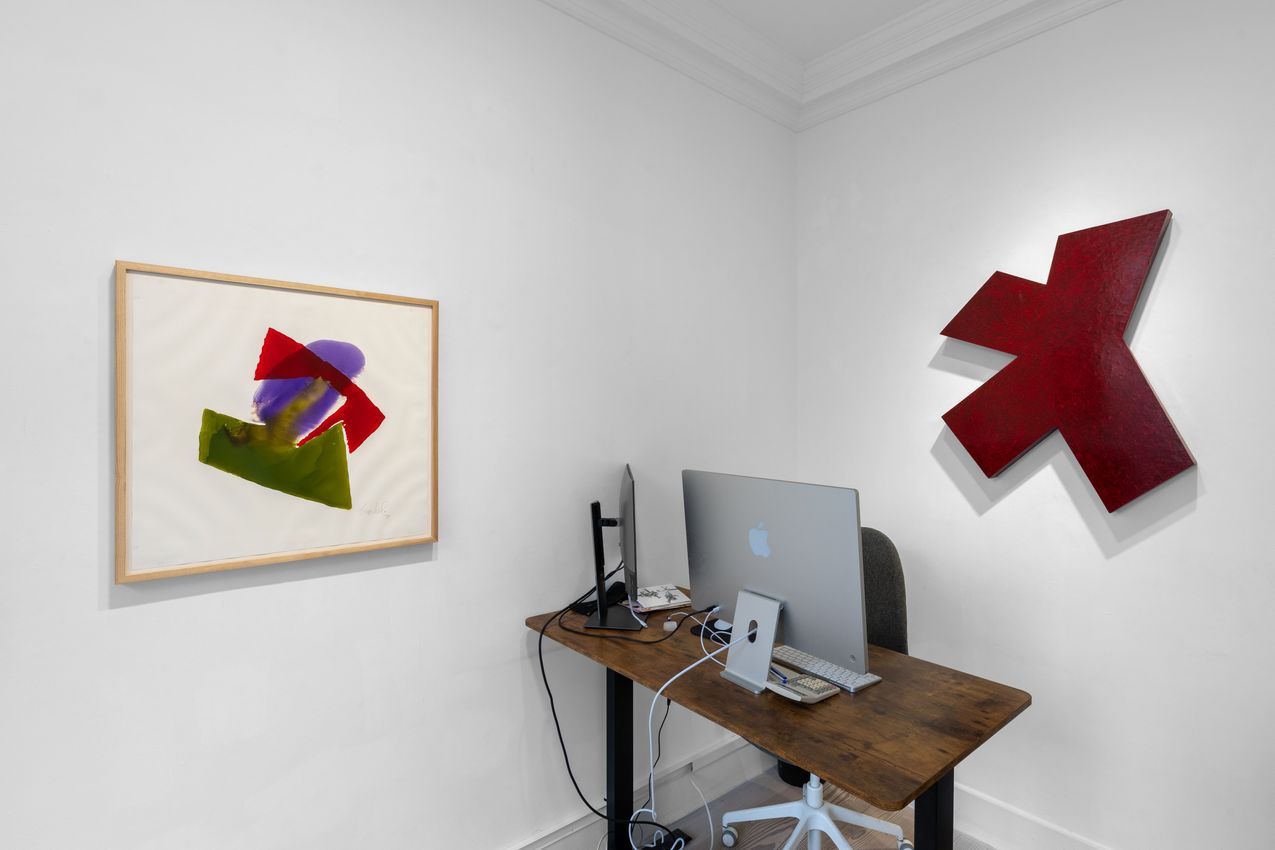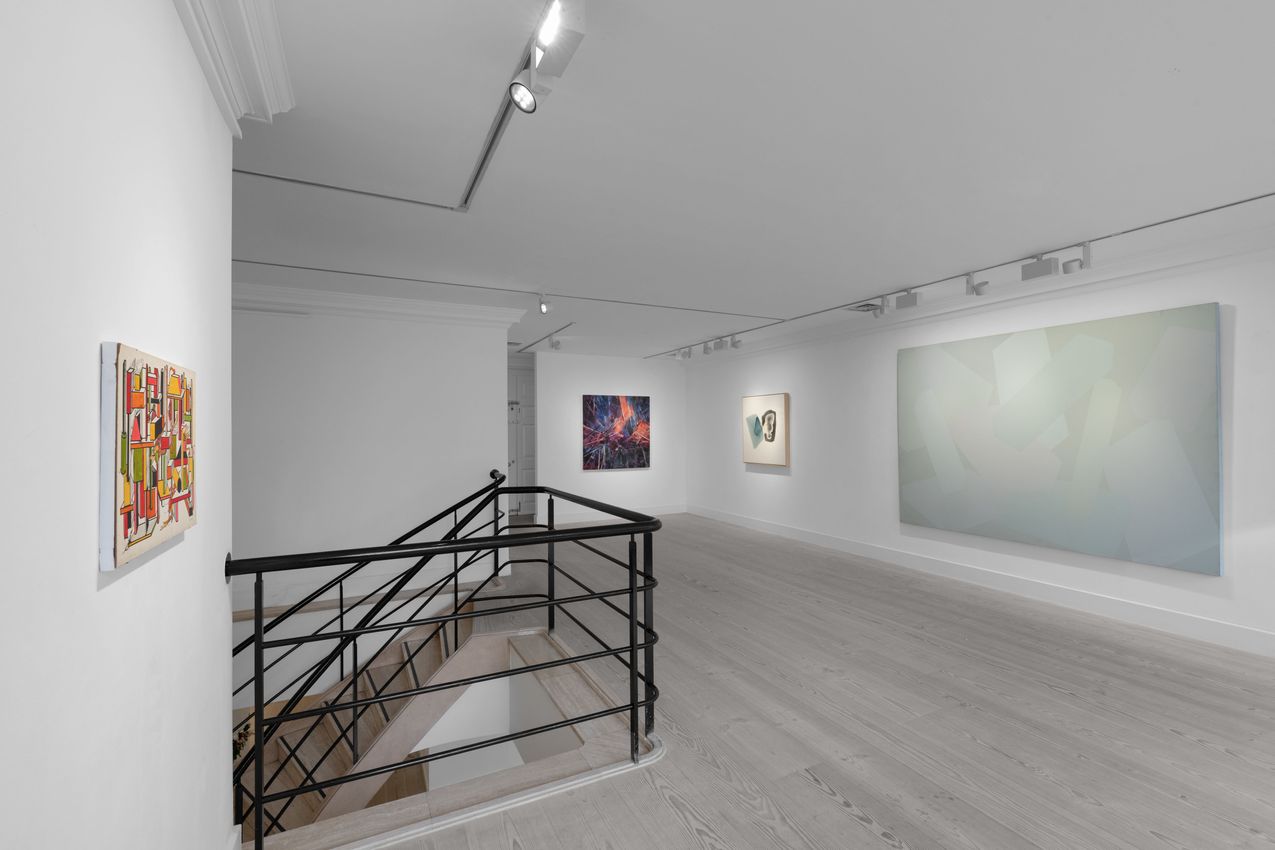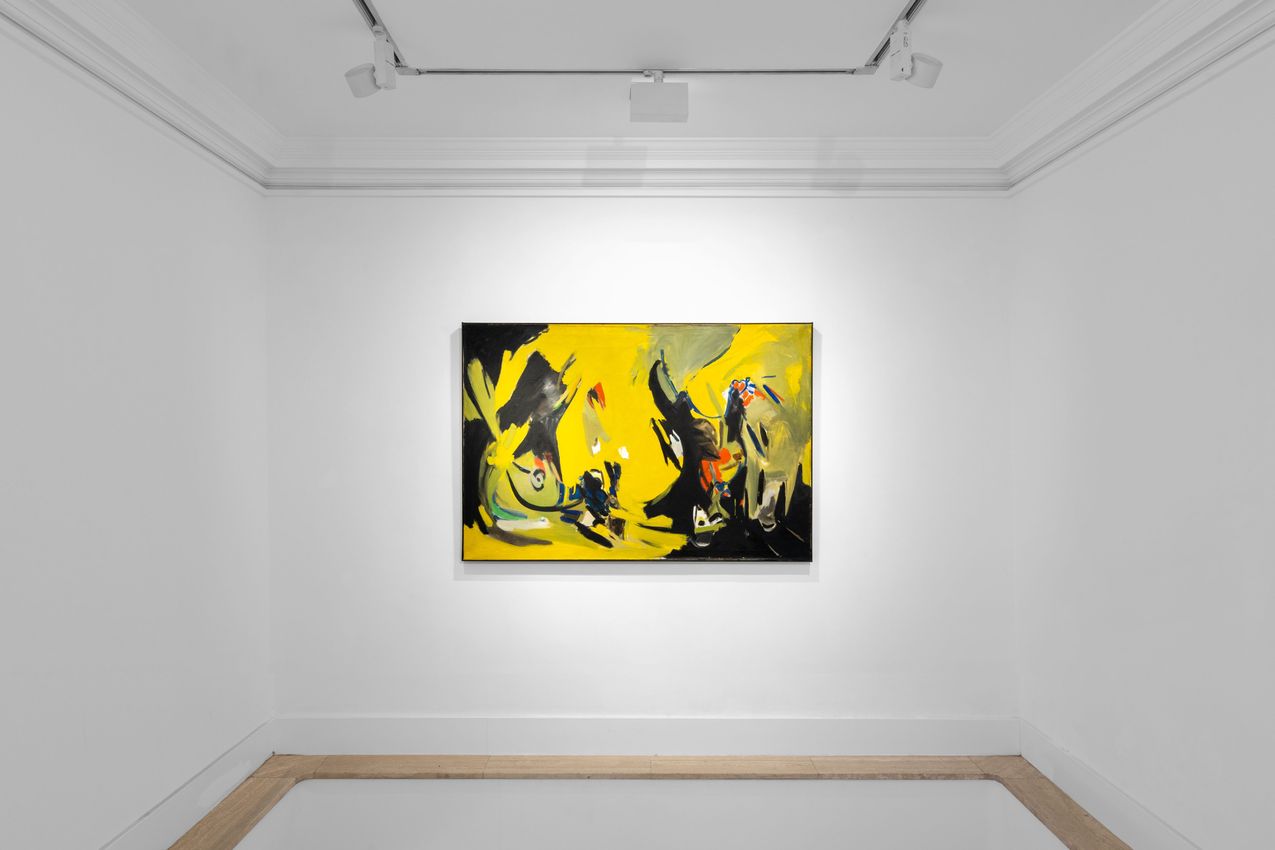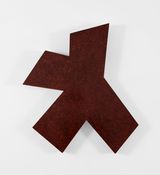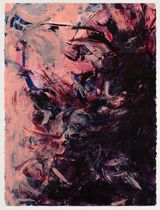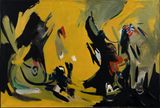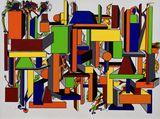




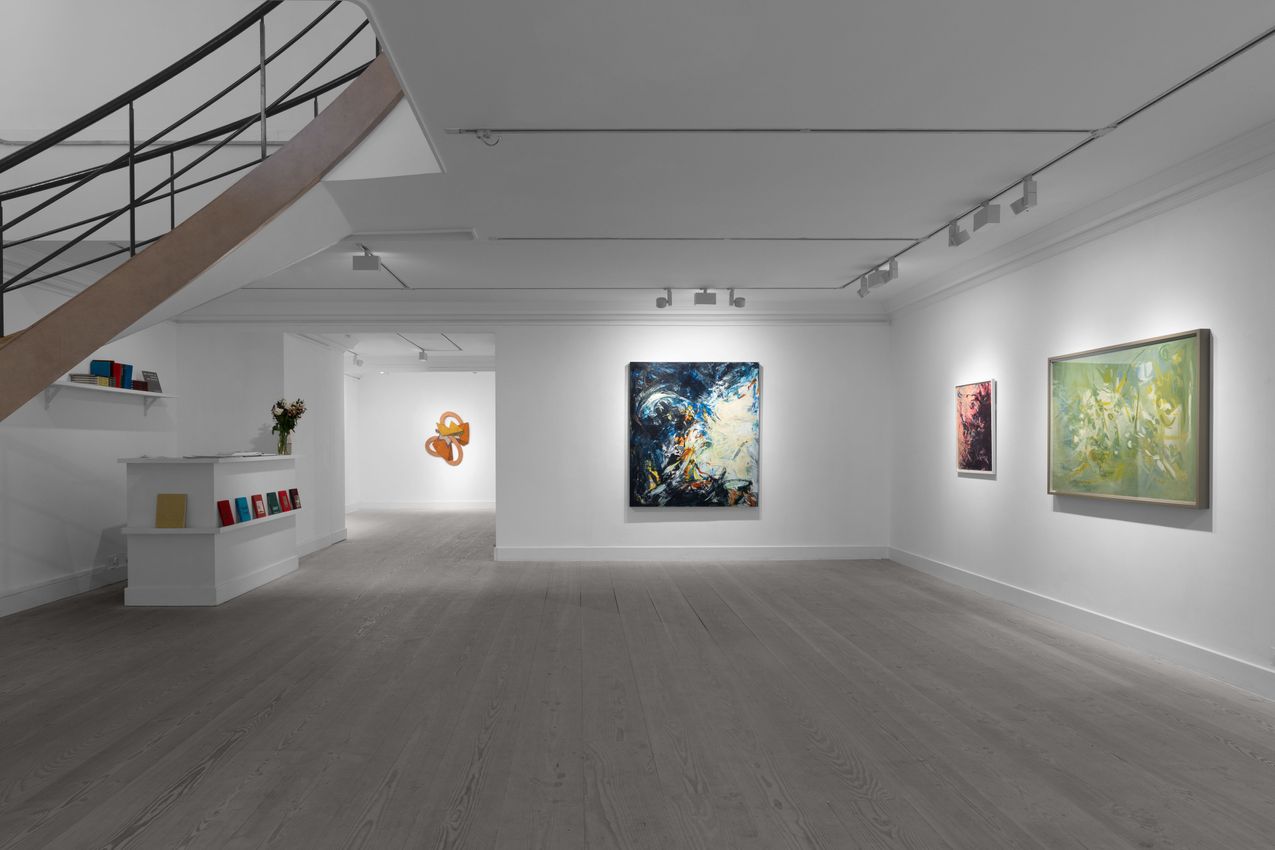
Gazelli Art House is delighted to open our 2025 programme with Lilly Fenichel’s first UK solo exhibition, titled, Against the Grain. Fenichel’s work is imbued with her own powerful rebel persona and defiance, a career defined by resistance to the art market’s pressures and an unwavering commitment to her own vision. Her expressive canvases, haunting drawings, and layered sculptures stand as a tribute to an artist who didn’t follow trends but set her own creative path, embodying the spirit of independence that fuelled mid-century abstraction.
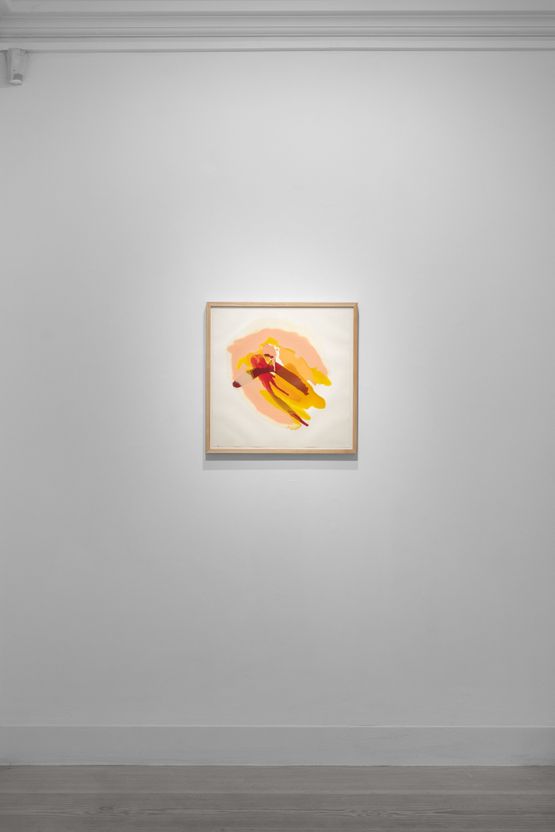
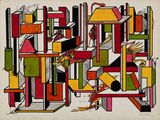
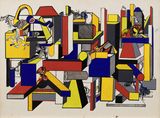
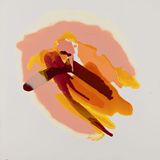
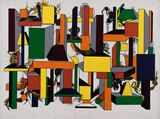
Lilly Fenichel’s work is refreshingly varied, revealing her relentless curiosity and the range of her creative expression. Her diverse body of work speaks to an artist unafraid to explore different media, forms, and techniques. Untitled ‘E’ (1967), for example, is from a series of geometric abstract works that echo architectural forms. The energy, vibrancy, and bustling colours express an urban scene teeming with life.
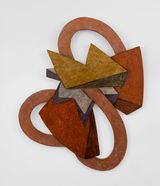
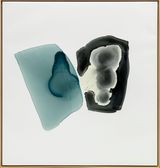
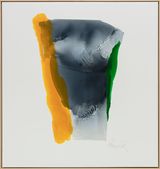
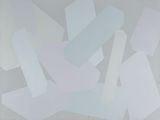
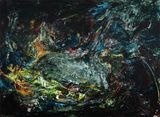
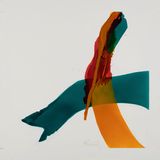
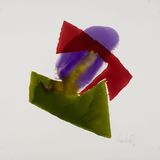
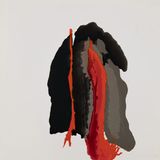
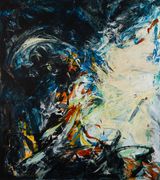
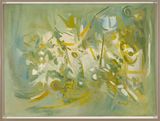
In Arioso (1988), Fenichel showcases her mastery of three-dimensional, sculptural work, as she skillfully creates robust, but fluid forms. And Untitled #23 (2008), one of Lilly Fenichel’s final series of paintings, demonstrates her restless energy and innovation in relation to the materiality and process of her work.
The variation in her practice doesn’t dilute her vision; rather, it amplifies it, offering a multi-faceted view into her creative mind. Each piece feels distinct yet connected, collectively expressing a dynamic, evolving artistry that resists confinement to a single style or interpretation.
Susan Landauer, in the catalogue essay for Denver Art Museum’s eponymous exhibition Women of Abstract Expressionism (2016), wrote “Among the few women admitted into the male-dominated abstract expressionist movement, Lilly Fenichel produced formidable paintings with a range of compositional strategies and a gritty elegance all their own.”
Reflecting on her career, Juri Koll, Director of the Venice Institute of Contemporary Art, remarks, “She is one of the true rebels and is an extremely important, if somewhat under-recognized artist in art history.” In a landscape where artists often bent to the demands of galleries and markets, Fenichel was steadfast, and her legacy is now seen as one of quiet but unyielding impact.
As an artist, Fenichel moved in circles with notable peers like Richard Diebenkorn, Hassel Smith and Frank Lobdell, yet she chose a path uniquely her own. Her creative journey was marked by resistance to external pressures, and each piece carries an unmistakable sense of liberation. Lilly Fenichel’s work is a timeless reminder of what art can achieve when it is true to itself, uncompromising, and passionately free.
—
Lilly Fenichel (1927–2016) was born in Vienna, Austria, to a Jewish family. She fled the Nazi invasion in 1939 and eventually settled in Hollywood, where she studied at the Chouinard Art Institute and the California School of Fine Arts under Hassel Smith, Edward Corbett, David Park and Elmer Bischoff. In 1952, Fenichel moved to New York, shared a studio with Harland Jackson and taught art classes at the Museum of Modern Art. Her contemporaries included Mark Rothko, Jackson Pollock, and Franz Kline.
She returned to California and spent many years in Los Angeles, notably showing at the Santa Barbara Museum of Art in 1968. Following a move to New Mexico, she became a member of the Taos Moderns. She was the recipient of three Pollock Krasner grants.
Fenichel had exhibitions and is in the permanent collection of major museums including LACMA, the Crocker Museum, the Denver Art Museum, the Santa Barbara Museum of Art and the Albuquerque Museum of Art. Fenichel’s work was recently featured in Action, Gesture, Paint: Women Artists and Global Abstraction 1940-70 at the Whitechapel Gallery in London.
—
Founded in 2010 by Mila Askarova, Gazelli Art House, London champions pioneering international artists through exhibitions, events, and art fairs. Along with its sister site in Baku, Gazelli Art House specialises in promoting art from Azerbaijan and its neighbours to introduce a greater understanding of the rich linguistic, religious and historical ties that connect these areas to international audiences. In 2015, the gallery further expanded to support artists working in digital art through an online platform GAZELL.iO. This platform features an online Residency programme, NFT drops and collaborations, a dedicated Project Space holding monthly exhibitions, and a library of VR works.
A respected voice in contemporary art discourse.
Focusing on ambitious storytelling and insightful art-world commentary. Ocula Magazine publishes in-depth interviews, critical essays and timely analysis on the artists, exhibitions and ideas driving the global art world.
Learn more about Ocula Magazine
Showcasing the best of the art world.
Ocula partners with galleries from around the world to highlight their artists, artworks and exhibitions. Gallery membership is by application and invitation, with each member vetted by an independent panel.
Learn more about Ocula Membership

Specialises in the sale of major artworks.
Led by a team with deep ties to the world’s leading auction houses, galleries and collectors. Ocula’s advisory team offers bespoke services to high-net-worth clients from around the world who are looking to acquire the best of contemporary and modern art.
Learn more about our team and services