
Press Release

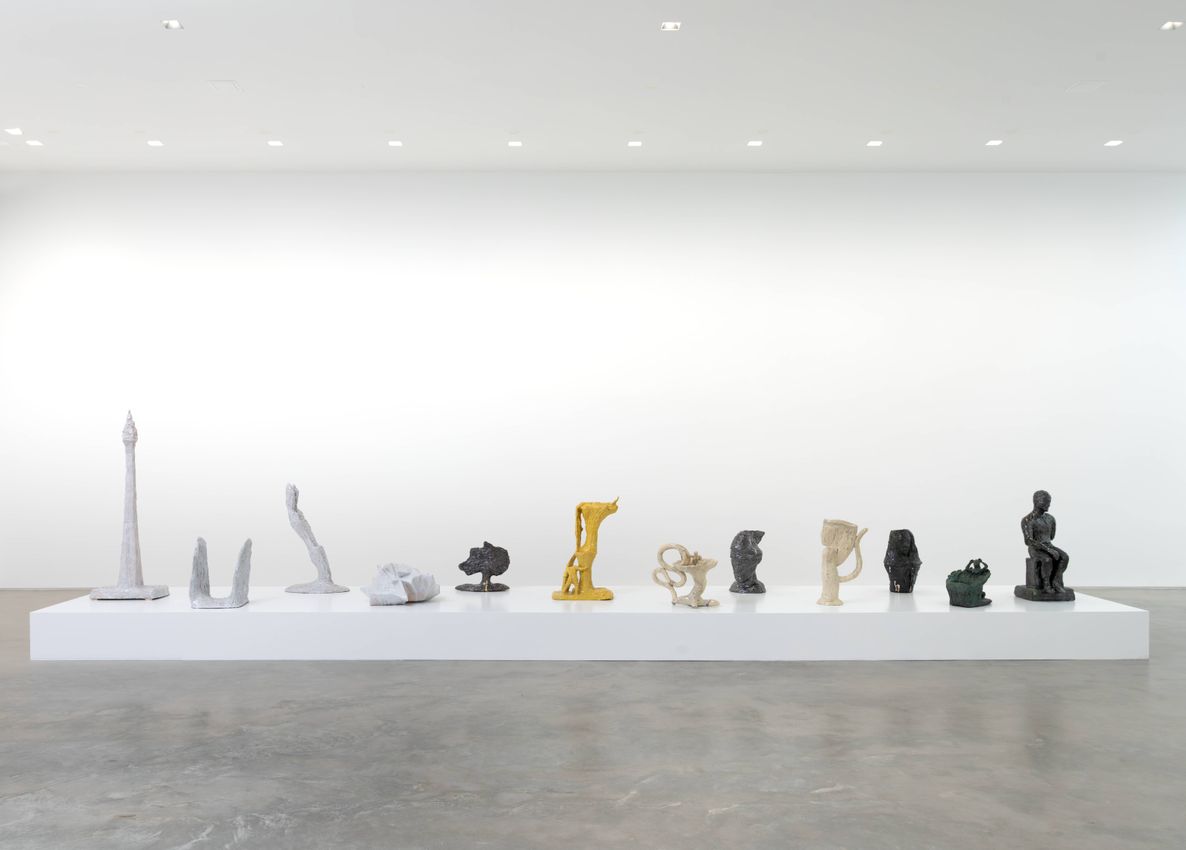
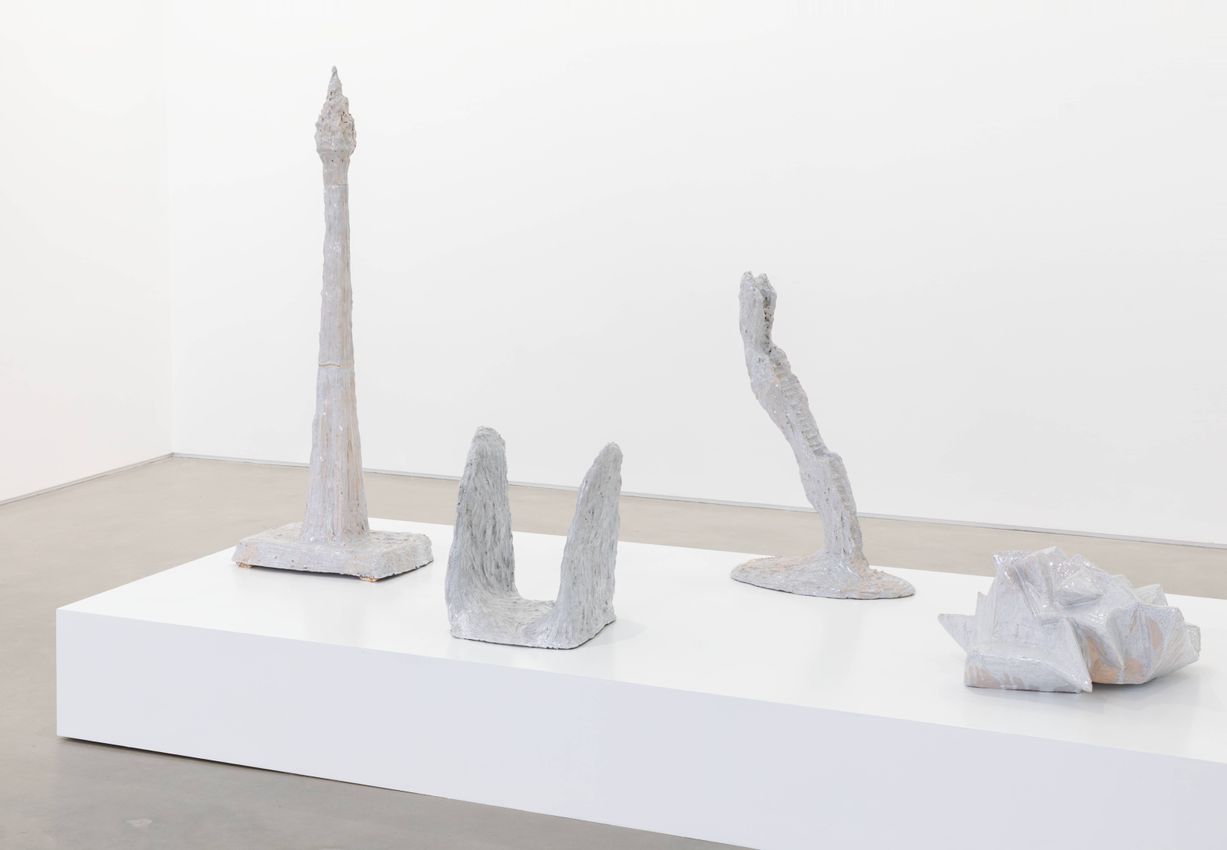
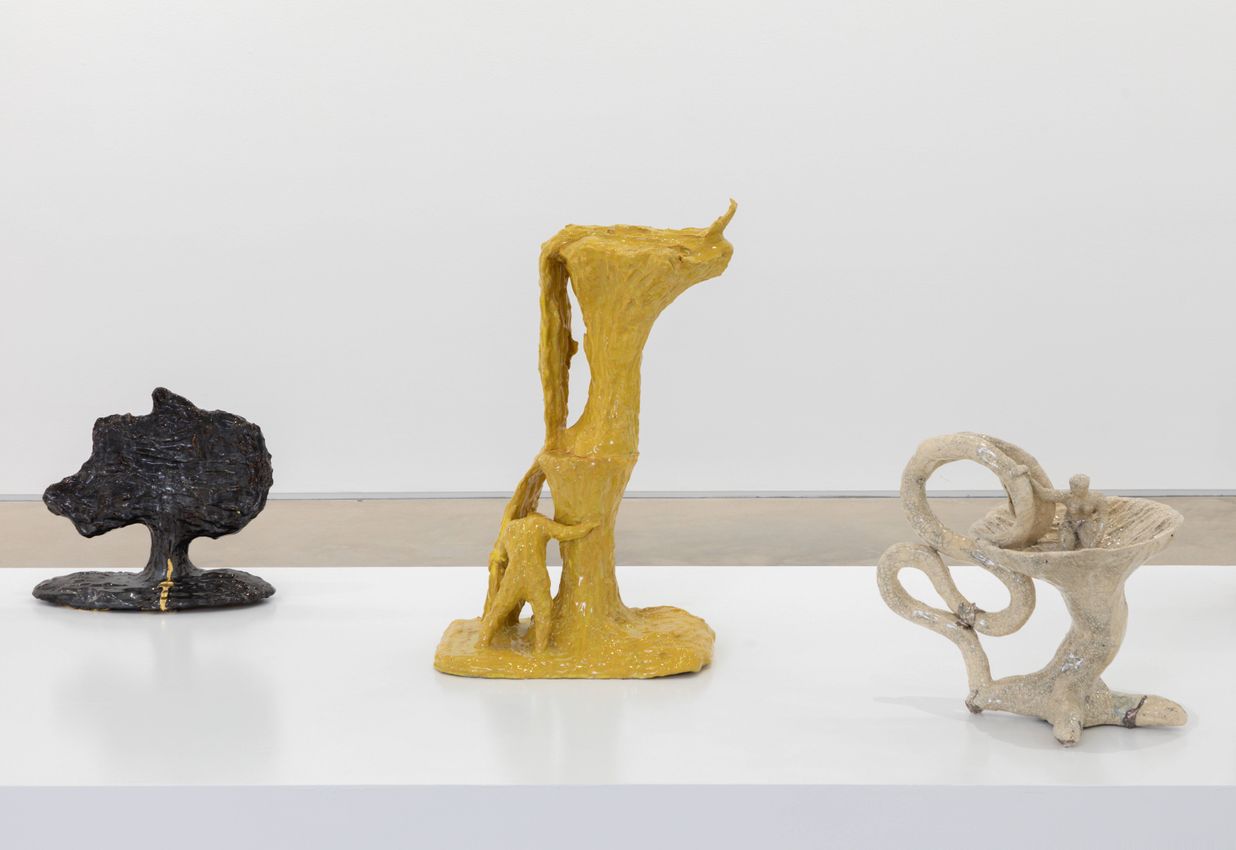
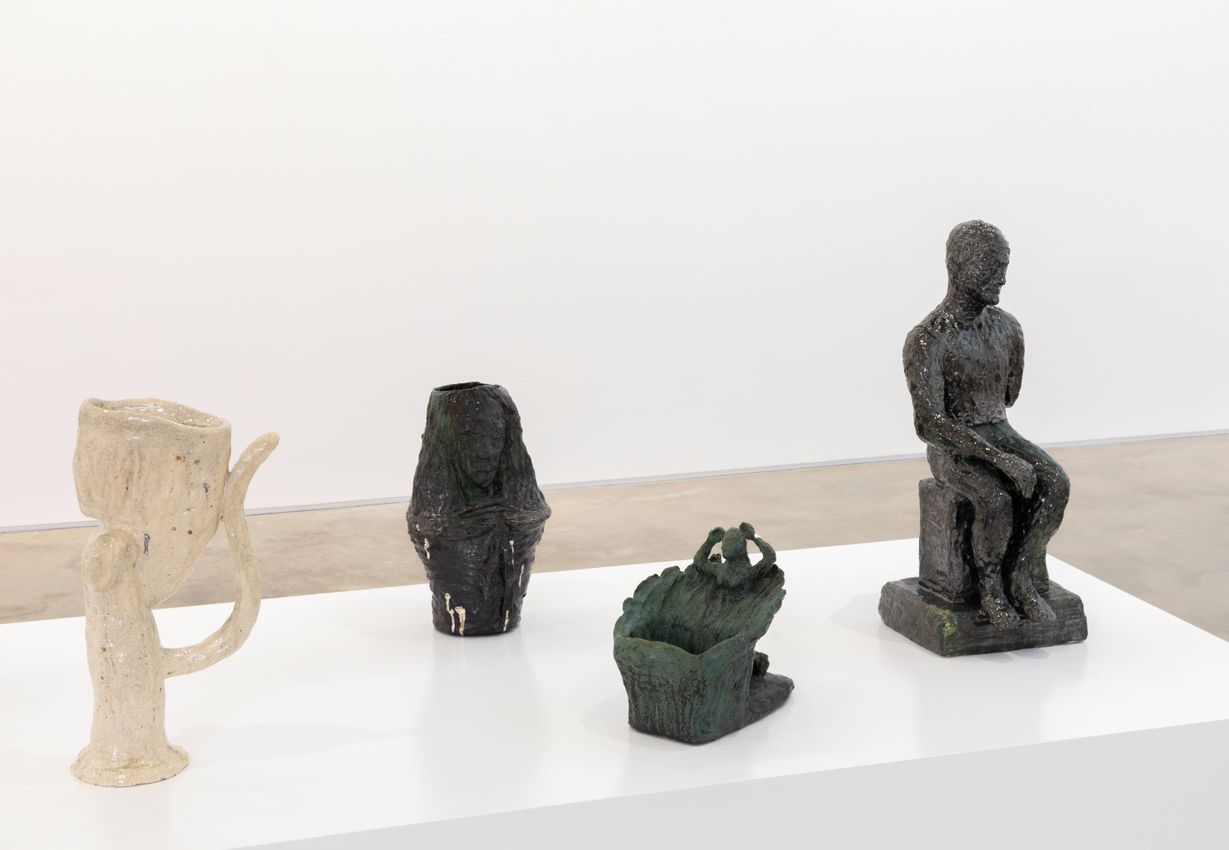
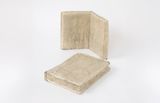
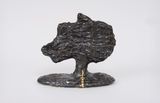
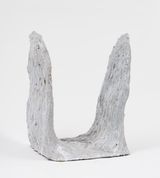
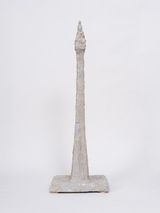
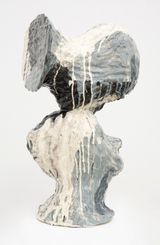
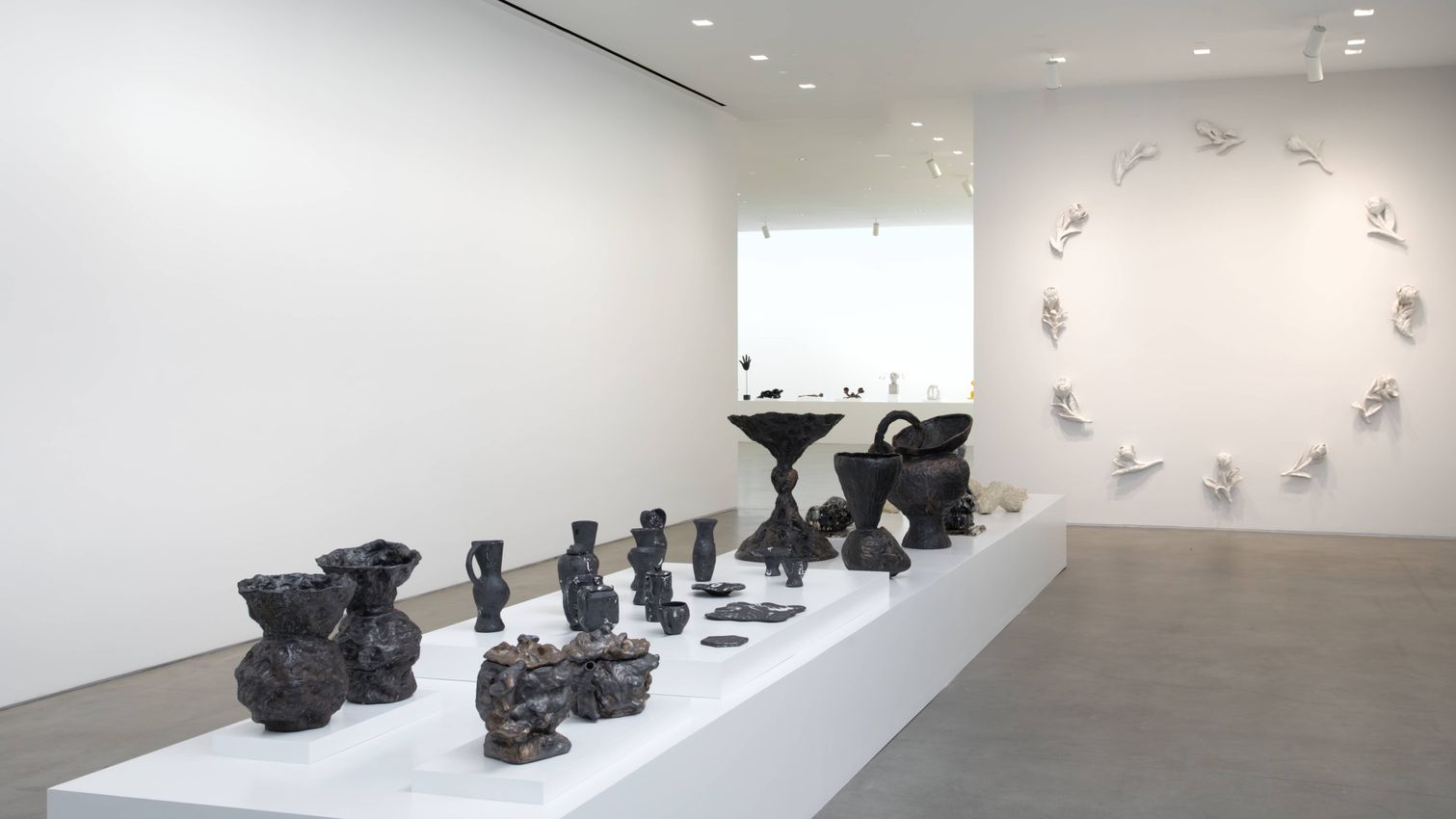
Gladstone unveils survey spanning four decades of Andrew Lord’s career Featuring ceramic and bronze works, the exhibition traces the themes including memory, light, and physical touch that consistently recur throughout Lord’s practice Gladstone presents its first survey of Andrew Lord’s sculptural works, spanning the artist’s production over the last 40 years. Comprising clay and bronze objects that illuminate the artist’s conceptual approach to ceramics, the exhibition foregrounds the remarkable breadth of Lord’s experimental and experiential oeuvre while revealing the harmony of his vision across decades.

Eschewing function and decoration—elements that have historically relegated ceramics to the realm of craft—Lord’s work investigates subjects ranging from the tactility of making to the light in Impressionist painting, from childhood memories of landscapes in his native England, to the atmospheric conditions on Carson Mesa, New Mexico. Thought in Material: Andrew Lord, Selected Works 1984–2025 will be on view January 15, 2026, through February 21, 2026, at Gladstone’s M<th Street Gallery.

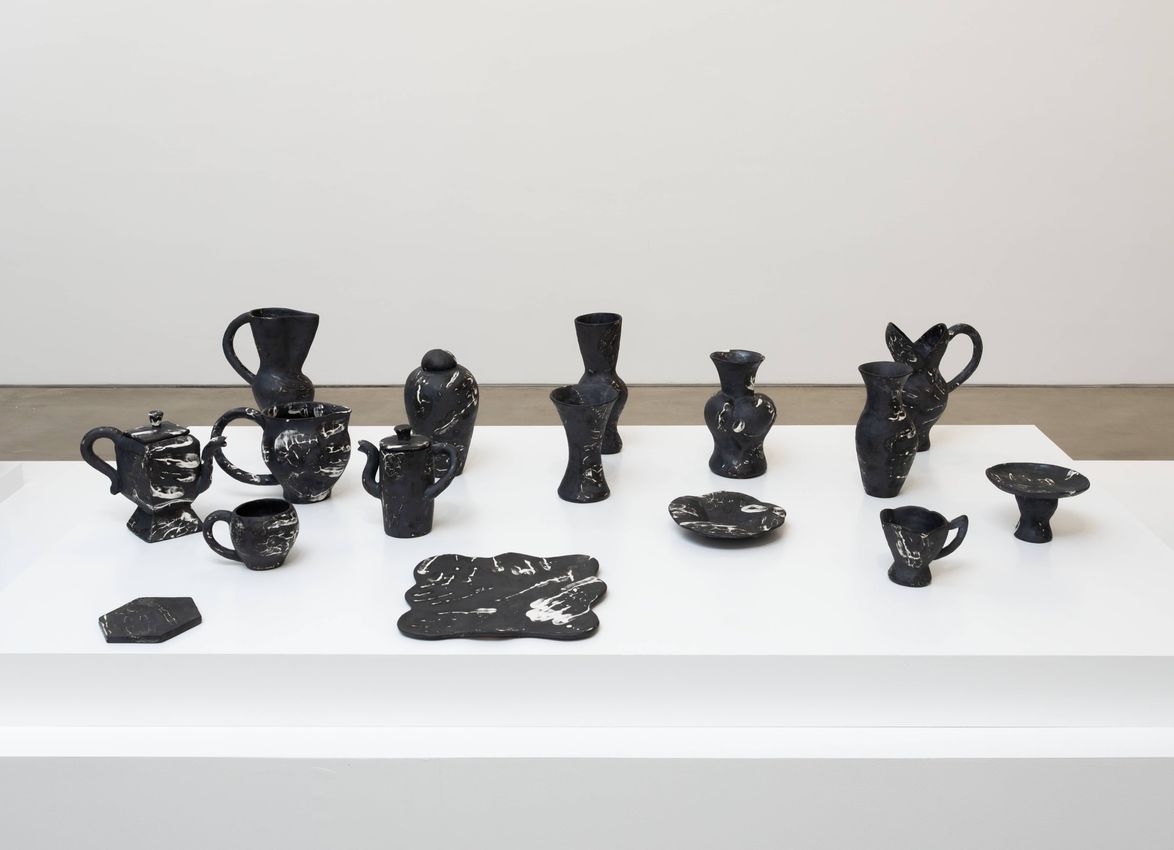
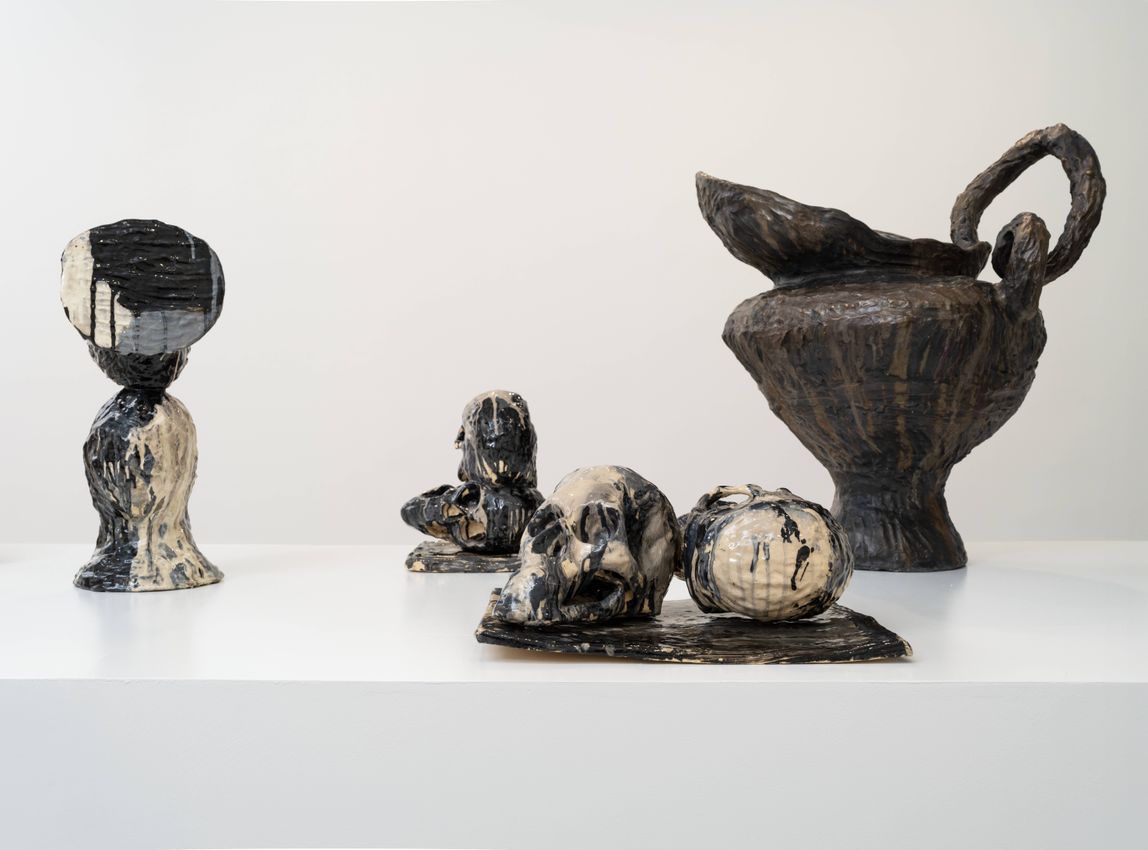
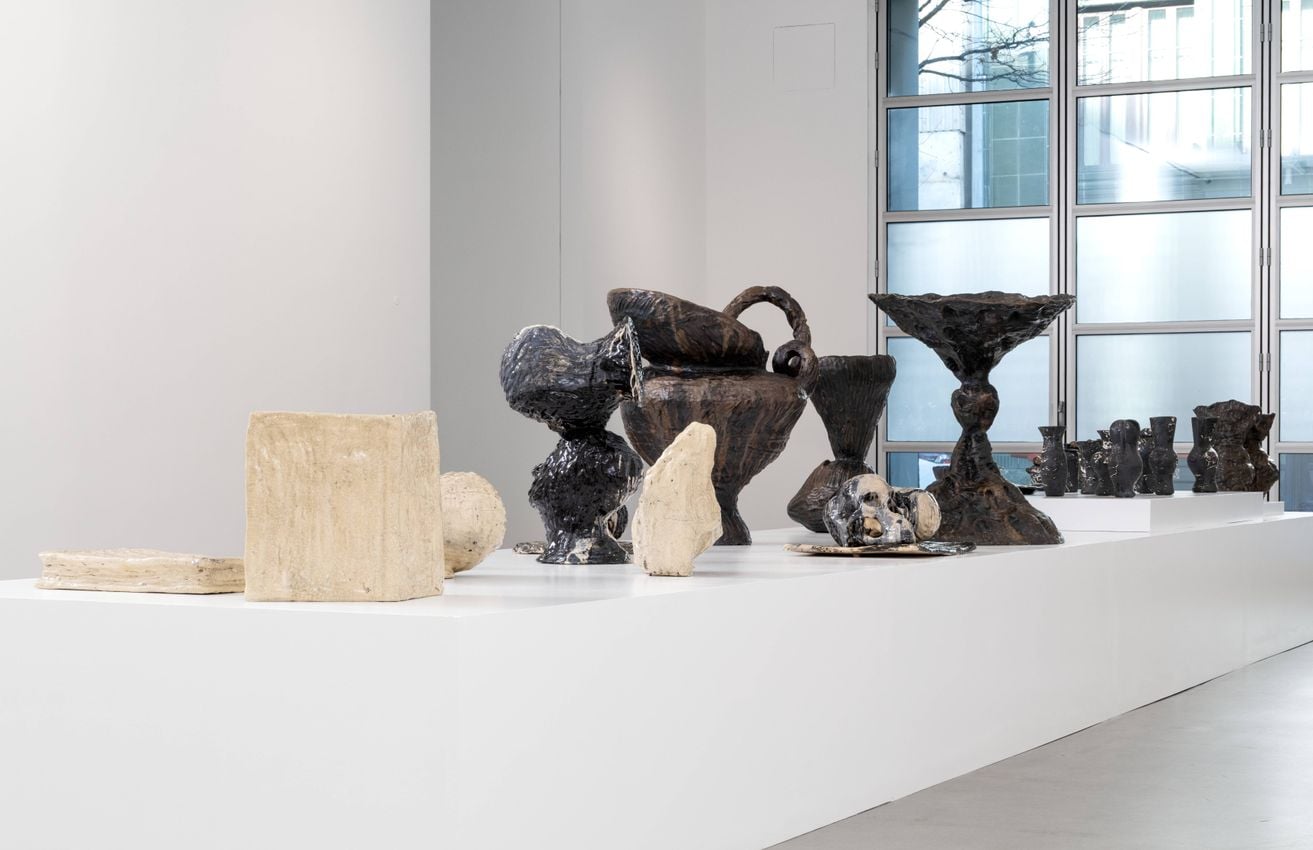
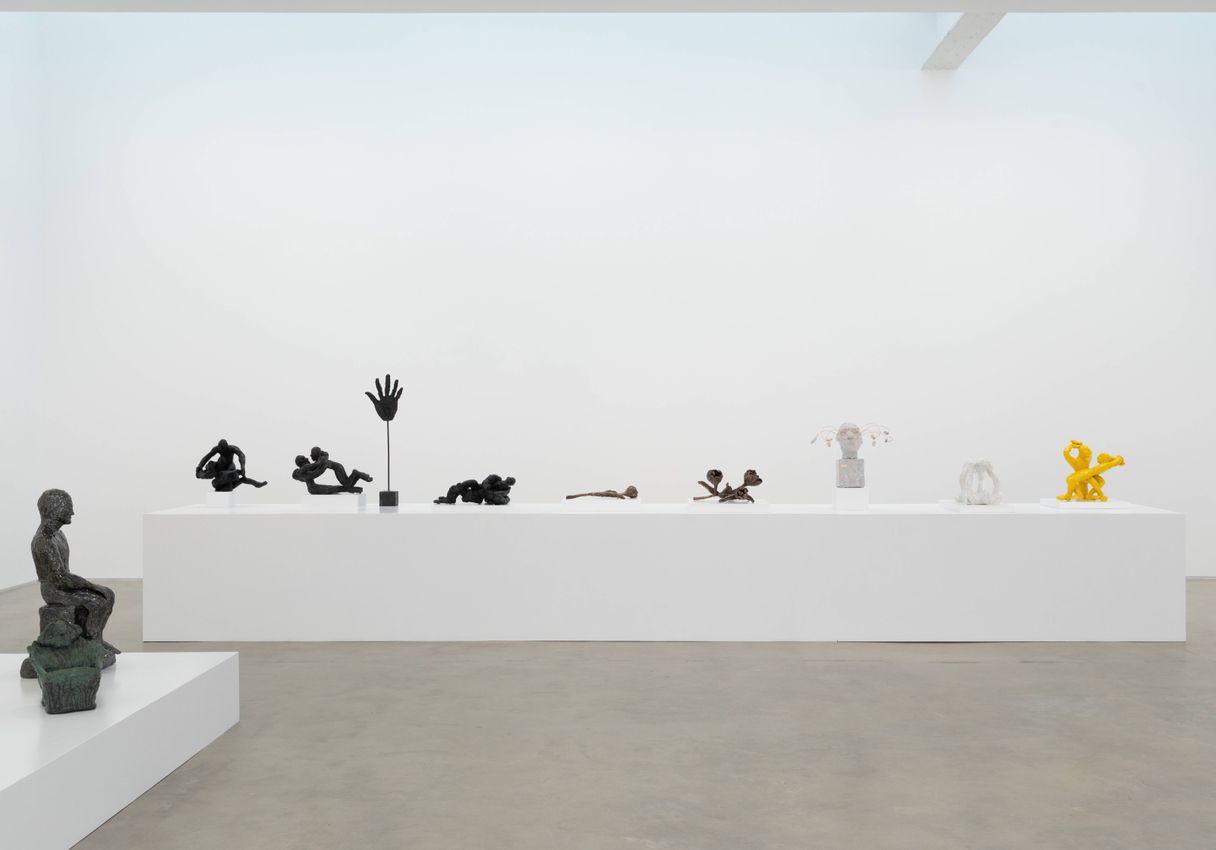
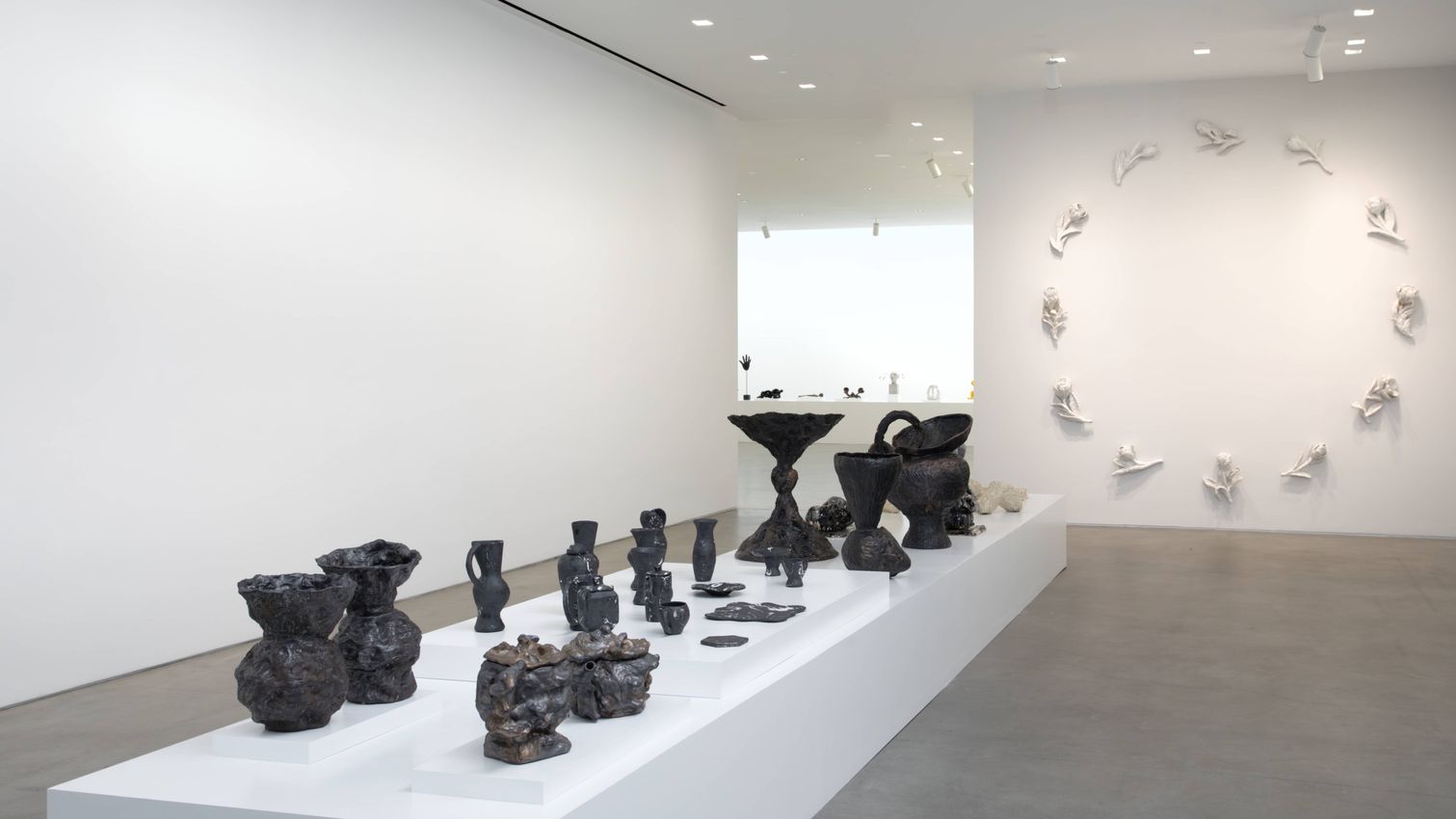
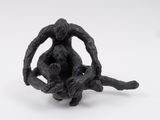
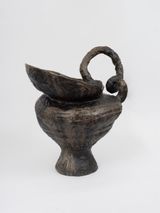
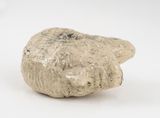
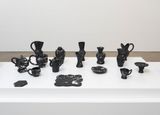
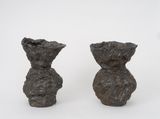
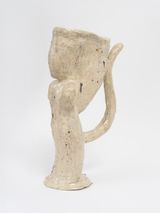
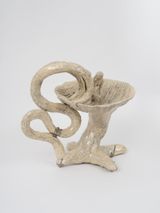
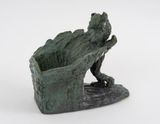
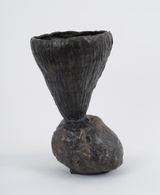
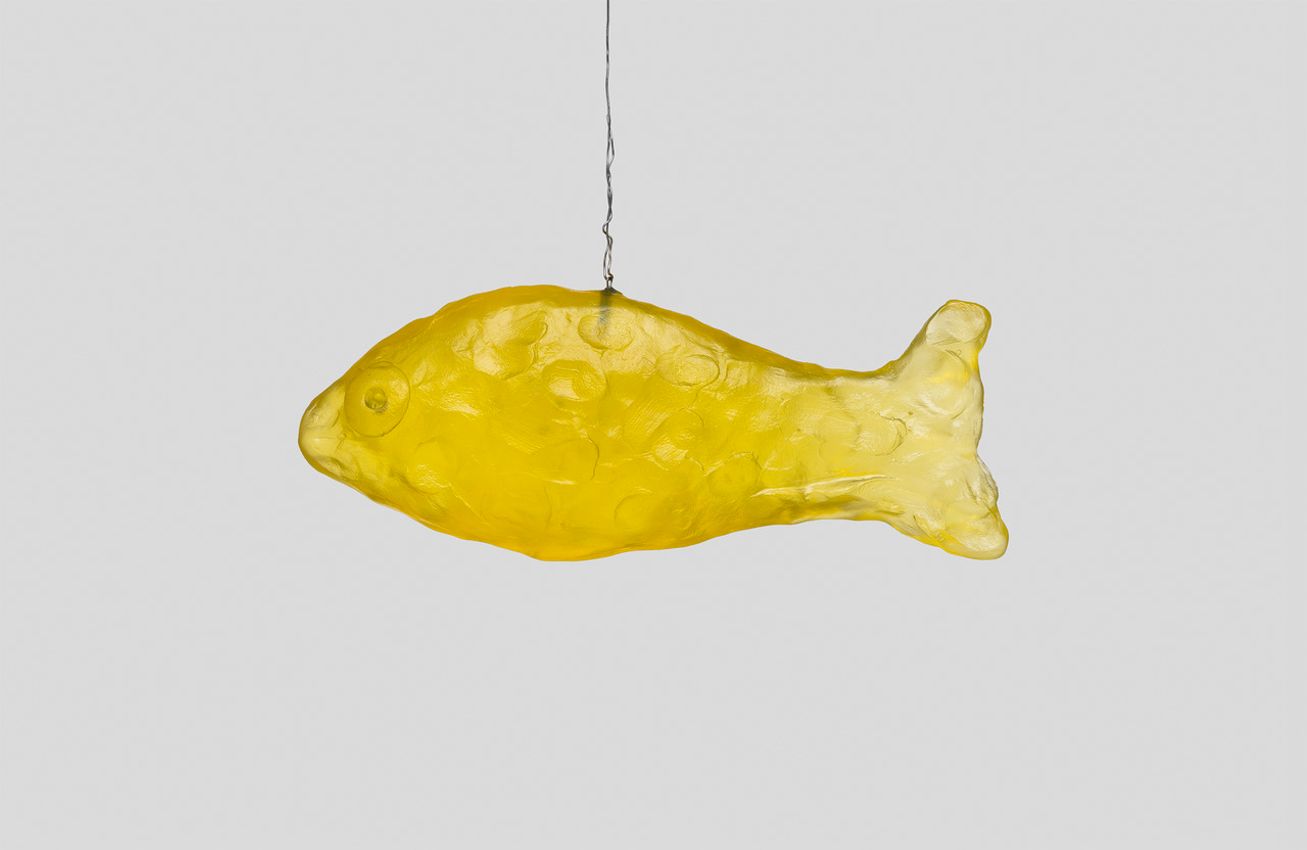
The survey showcases several strands in Lord’s oeuvre, each of which evolved chronologically, but overlap and intertwine across their years of production. It highlights his protean approach to the medium, stylistically shifting from series to series, yet always recognizable as a product of his hand. In marks my hands make, begun in the early 1980s, the artist has explored the different ways his body could interact with clay using a set of physical techniques he describes as: “round, modelling, touching and holding, pressing and squeezing, marking, fist and palm.” The resulting works harbor the indexical traces of his contact with the material—each object revealing how it yielded to his touch. The shapes are familiar—urns, vases, pots, and pitchers—but they operate more as receptacles of his bodily imprint than as any utilitarian item. From his study of Mycenaean, Delft, Mexican, and Chinese pottery, among other civilisational artefacts, Lord adopted such archetypal forms and invested them with corporeal presence. They reflect the physicality of their own making, recording each gesture and mark that brought them into being.

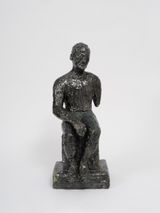
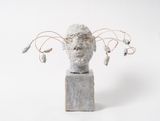
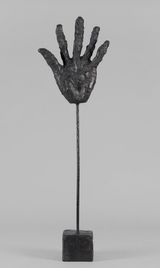
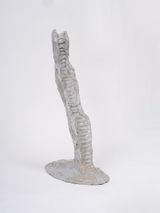
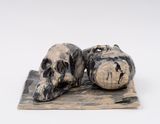
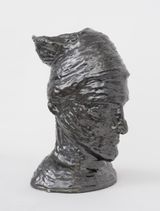
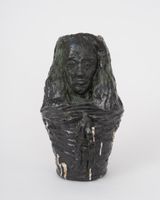
For Lord, the body is not only an instrument of creativity, but also a subject in and of itself. With parts and poems, the artist shifted his focus from the hollow vessel to anatomical fragments—a sleeping head, an arm and hand, shoulders, a left leg—each modeled to retain the pressure of his fingers. Inspired by the inventory of body parts in Walt Whitman’s poem, “I Sing the Body Electric,” (1855), Lord took the verse as a directive of sorts: “Head, neck, hair, ears, drop and tympan of the ears,/ Eyes, eye-fringes, iris of the eye, eye-brows, and the waking or sleeping of the lids,/Mouth, tongue, lips, teeth, roof of the mouth,jaws, and the jaw-hinges...” This ongoing strand in the work is a meditation on the corporeal and how it relates to space and light, as well as to touch.

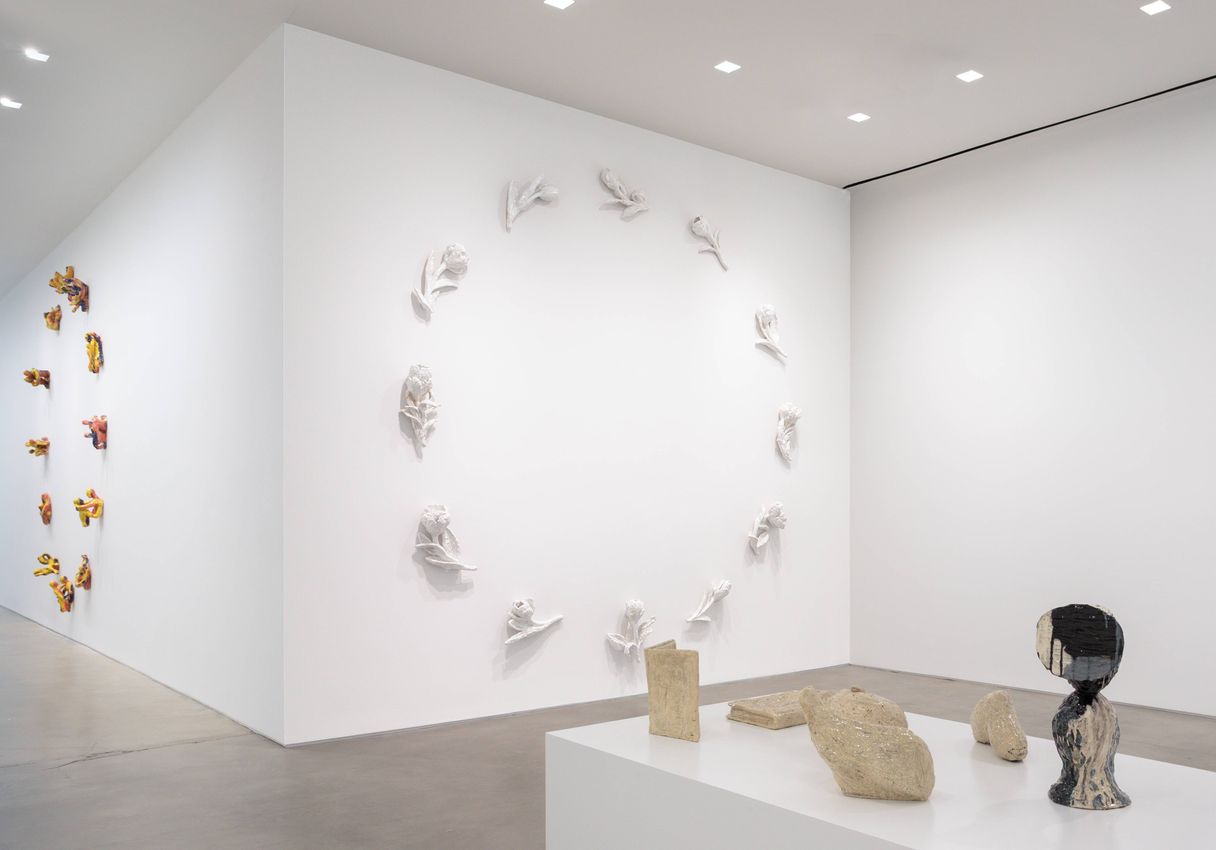
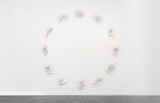
Memory is another important touchstone in Lord’s work. With the series, Whitworth, he invokes what he has called a “catalogue of things lost,” culled largely from his experiences of growing up in Lancashire, England. Elements of the landscape—a valley known as Doctor’s Wood, a bridge spanning the river in Healey Dell, the passage to Market Street, seafront steps in Blackpool—are manifest in ceramic form as are almost forgotten figures and monuments associated with his past. The level of translation he employs, from place or person to sculpted object is, perhaps, most beautifully rendered in a circle of wall reliefs of birds flying in a ring, crafted from his memory of a great-uncle’s circular neck tattoo.

The history of art has been as consequential to Lord’s practice as his keen understanding of traditions in ceramics. His early encounter with Gauguin’s use of the medium was transformative, evincing a pathway from craft to the fine arts and providing a rich iconographic source for his sculptures. Also influential was the light and tactility expressed in Modern painting, namely the work of Cezanne, the Impressionists, and Picasso, which Lord first saw in Paris in the KRd=s. In the series After Gauguin and light falling, he captures the changing light, fractured brush strokes, and perspectival shifts that define early 20th-century Modernist painting in three-dimensional form.

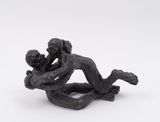
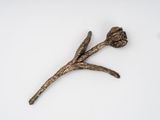
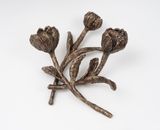
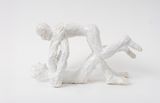
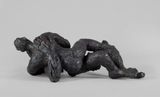
Recent series continue to draw upon the figurative tradition in art. Lord’s embraces (begun in 2019) depict entangled bodies, amorous couples in the throes of passion conceived in clay and, in some cases, cast in bronze. Botanical motifs have begun to populate the work, as demonstrated in the beautiful, white flowers (2024), an homage to C.P. Cavafy’s 1929 poem “Beautiful, White Flowers As They Went So Well.” Rendered as a large circle of twelve glazed white flowers on the wall, the work harks back to Lord’s ring of swallows from 2019, revealing the essential continuity of his rich, aesthetic practice.

Read More

Installation Views

Selected Works

Loading...

Also Exhibiting at Gladstone

About the Gallery

Gladstone is known for its commitment to artists whose prescient approaches and experimental practices have defined the contours of contemporary art. The gallery has long been an active partner in the cultivation of iconoclastic careers, fostering a roster of artists recognied for their ground-breaking contributions. Headquartered in New York and including outposts in both Brussels and Seoul, Gladstone’s impact extends globally, enabling both the presentation of new bodies of work, and an amplification of the international reach of its artists. Alongside its work with contemporary artists, the gallery is steward to the legacies of pivotal historical artists and serves as an advocate for the enduring power of art. Gladstone is led by a team of partners who spearhead its long-term vision and program, building on the values of its founder Barbara Gladstone.

View Gallery Profile
Address
515 West 24th Street
New York
United States
Opening Hours
Tuesday - Saturday
10am - 6pm
(1)
New York 515 West 24th Street
Gladstone
515 West 24th Street, New York, United States
+1 212 206 9300
http://gladstonegallery.com

Opening hours
Tuesday - Saturday
10am - 6pm
The art world in focus