Press Release

Shahryar Nashat presents Beast in Both Palms at Gladstone in New York, opening June 24

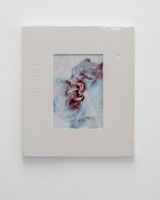
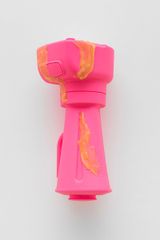
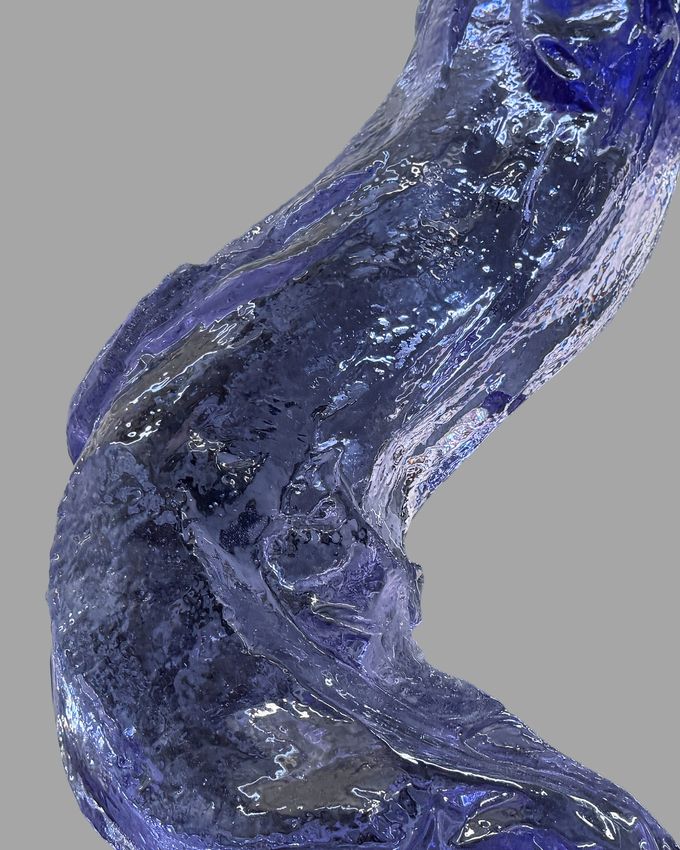
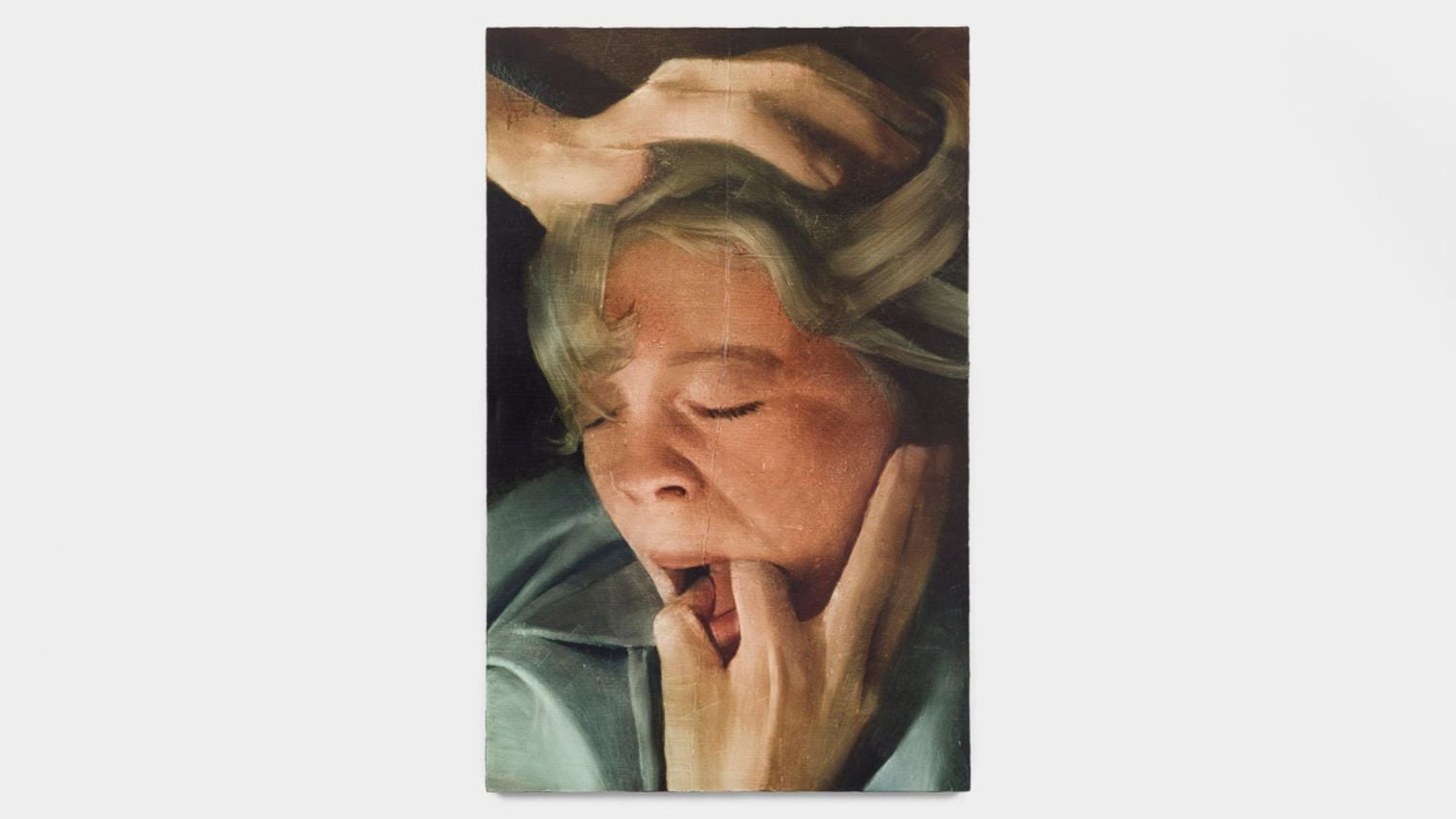
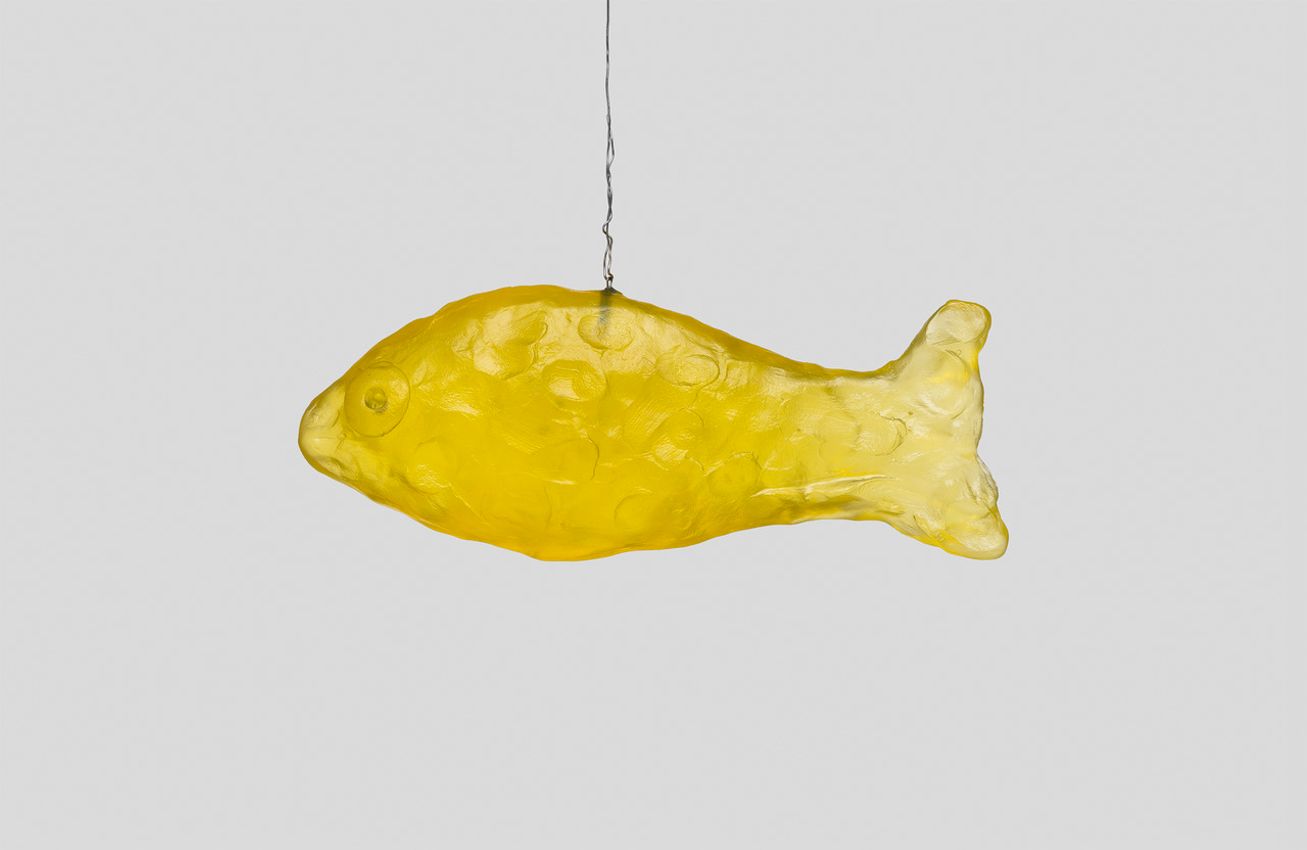
Opening at Gladstone New York on June 67 new works spanning two distinct series explore the raw tension between aggression and intimacy. In this show, the artist pairs cats with cats, tigers with tigers, shapes with mirrored shapes. Nashat’s vision is surreal, sharp, and deeply material. Digital at birth, hardened into resin, fiber, or cardboard, his works beg the question: “What does it mean, to have a body today?”

The exhibition is accompanied by a text by writer Alissa Bennett: When I was twenty, I had a boyfriend who looked just like me. I met him in Paris, a city I’d only been in for a matter of hours when a girl I hardly knew decided to make a match of me. “I think you’re going to fall in love with each other,” she said as she surveyed my face, tilting her head to calculate something that hovered just beyond the scope of my own vision. “You could almost be the same person.” She made it sound easy and obvious, as though there was nothing so romantic in this world as finally discovering a way to be both almost alone and almost together at exactly the same time.

The prologue of Konrad Lorenz’s On Aggression maybe tells you everything you need to know about the themes it foregrounds. “The subject of this book is aggression,” he writes, “that is to say the fighting instinct in beast and man which is directed against members of the same species.” I suppose what’s important to note is that Lorenz isn’t talking about predators and prey, and he isn’t talking about survival. Aggression here is modeled as a pure expression of drive, the moment when the agitation stirred by physical proximity expends itself through ritualized conflict. I thought about the book when I first saw images of Shahryar’s fighting cats and tigers, these pairs of feline twins that split apart or maybe move towards one another, their mouths and bodies posed in a posture of violent reciprocity. Though each of these animal interactions is reduced to a single, inconclusive moment, the frames themselves are punctured and abraded in a way that suggests an aftermath, like scars etched across skin. Are we looking at the work of Thanatos or Eros? I don’t know that it matters. Who are we to believe we can identify things in nature that we cannot even identify in ourselves?

The boy and I conceded right away that it was true; we did look the same. We made out in a bar almost immediately, vanishing against each other and feeling that we’d discovered some great secret about distance and closeness, like we were cheating the odds, meeting our respective doppelgangers and managing to survive anyway. I thought becoming interchangeable with someone might calm me down, that it might make me feel loved in some rare and important way, but it didn’t work out like that. Eventually I stopped wanting to be good when I looked at him and only saw myself. Eventually it just made me want to be cruel.

Shahryar has titled this exhibition Beast in Both Palms, which I think is really beautiful. It sounds like something out of the bible or a book of magic, as though it could describe the rivalry between Cain and Abel, but it could also be part of a love spell. I don’t think it’s ambiguity exactly; maybe it’s something more like a homonym: one sound that means two things at once, which is I guess another kind of twin. The title implies an act of touching, though we never know for sure exactly which kind. Is the hand brutal or tender? Does it indicate victory or surrender? It depends on what you’re looking for. Notions of the haptic echo through a series of unique wall-mounted sculptures as well, their surfaces alternately sealed behind synthetic web-like veils or encased in latex, each texture familiar to nature, but achieved through purely technological means. While the forms themselves recall the symmetry of the bones and sockets that sit beneath our skin, our conscious understanding they have been constructed pushes them toward complete abstraction. This is, of course, the realm of the uncanny. This is the half dead and half alive thing that straddles the impossible, the twin cats that lunge toward one another but never quite manage to make contact, the distance between a body in a room and the body on the screen.

One night in London just before we broke up, the boy so enraged me that I threw all of his clothes out my bedroom window. I remember that he stood in front of me in his underwear, drinking a beer and laughing as we watched his pants and shirt and cowboy boots plummet toward the ground. A photographer friend who was visiting me snapped pictures of the two of us as I screamed that we had nothing at all in common. I recall being intensely angry, but that’s not the main emotion that comes through in the photos. I look like I’m laughing in most of them, my head thrown back and my mouth open just like the boy, the both of us one half of a perfectly matching set.

Read More
About the Artist

Shahryar Nashat is a dynamic artist who creates videos, sculptures, installations and other artworks in which the human body and its depictions play a central role.

View Artist Profile

Also Exhibiting at Gladstone

About the Gallery
Gladstone is known for its commitment to artists whose prescient approaches and experimental practices have defined the contours of contemporary art. The gallery has long been an active partner in the cultivation of iconoclastic careers, fostering a roster of artists recognized for their ground-breaking contributions. Headquartered in New York and including outposts in both Brussels and Seoul, Gladstone’s impact extends globally, enabling both the presentation of new bodies of work, and an amplification of the international reach of its artists. Alongside its work with contemporary artists, the gallery is steward to the legacies of pivotal historical artists and serves as an advocate for the enduring power of art. Gladstone is led by a team of partners who spearhead its long-term vision and program, building on the values of its founder Barbara Gladstone.
View Gallery Profile
Address
130 East 64th Street
New York
United States
Opening Hours
Tuesday - Saturday
10am - 6pm
(1)
New York 130 East 64th Street
Gladstone
130 East 64th Street, New York, United States
+1 212 753 2200
http://gladstonegallery.com

Opening hours
Tuesday - Saturday
10am - 6pm
The art world in focus