



Press Release

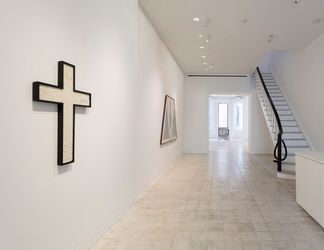
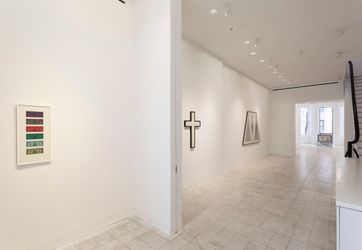
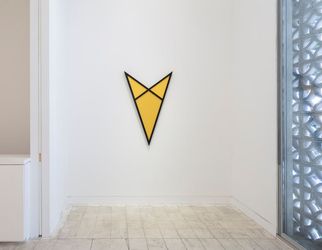
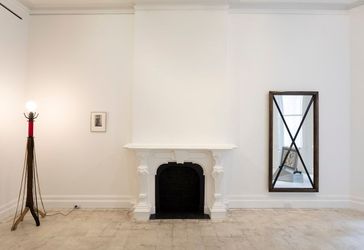
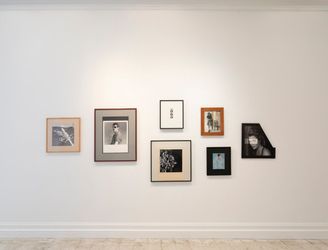
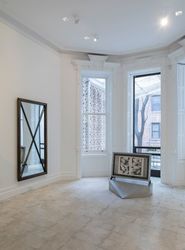
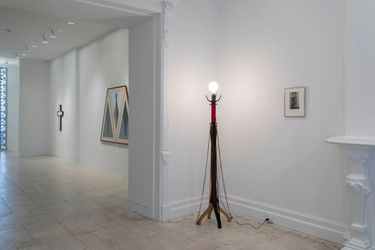
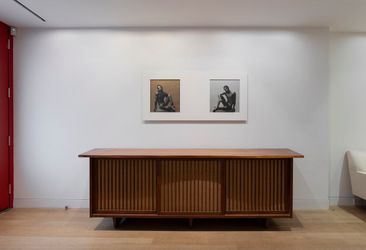
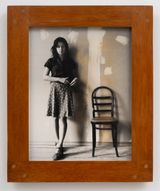
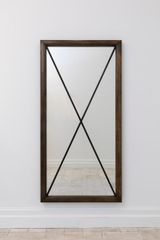
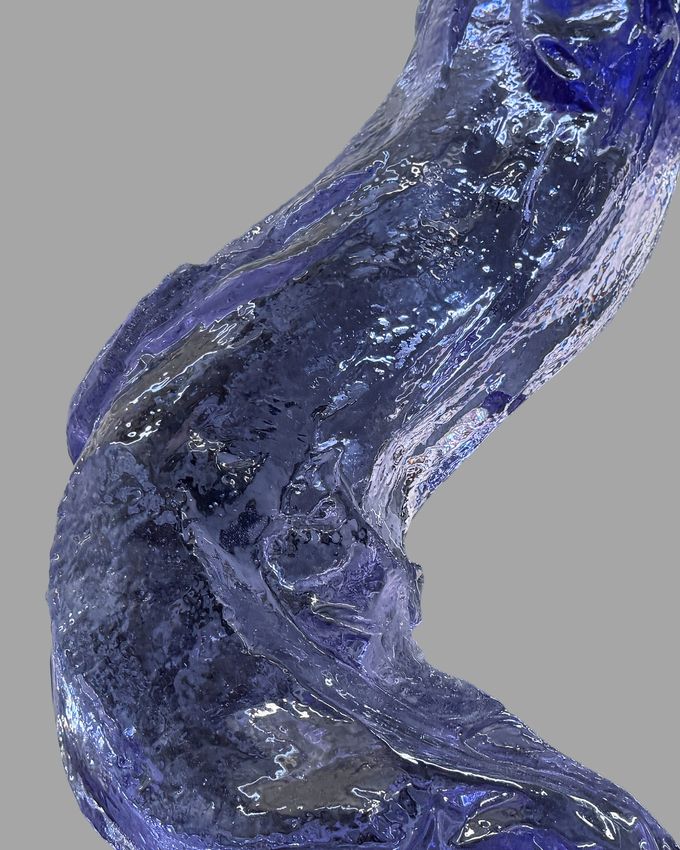
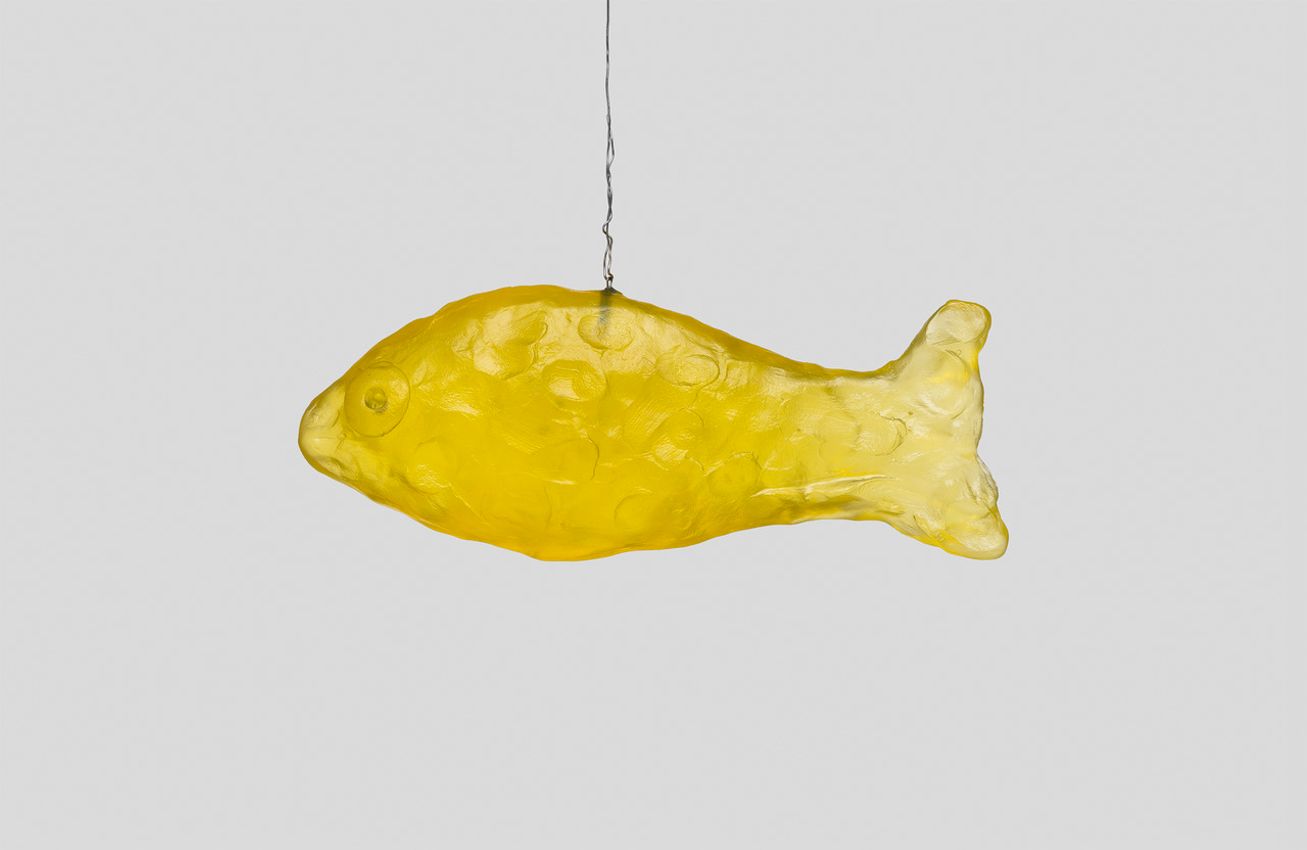
In collaboration with the Robert Mapplethorpe Foundation, Gladstone presents an exhibition of rarely seen three-dimensional objects, photographic assemblages, and mixed media collages. Spanning from 1971 to 1984, the works in this special presentation offer a compelling new perspective into the artist’s deeply intertwined life and practice. Through an exploration of less familiar imagery and juvenilia significant to Mapplethorpe’s artistic development, the exhibition examines the artist’s innate mastery of form evident across his oeuvre, revealing a deeper understanding of both his work and his world.

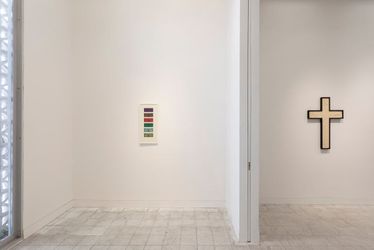
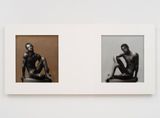
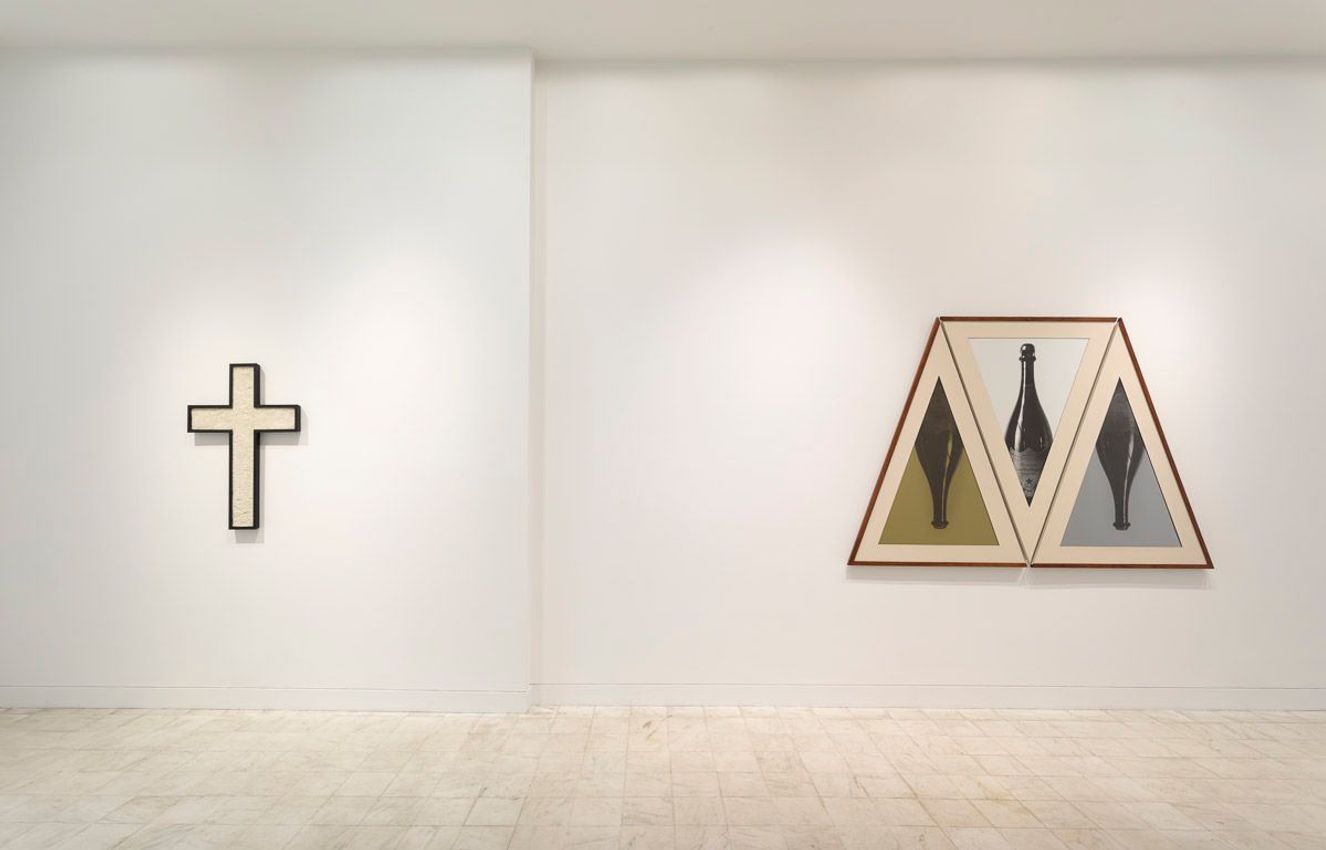
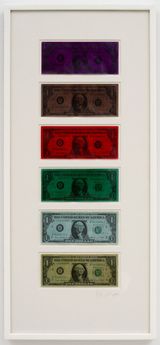
Mapplethorpe began his artistic endeavors at the Pratt Institute in Brooklyn where he studied graphic art and design from 1963 to 1969. Mapplethorpe’s education spanned various mediums including sculpture, drawing, painting, and graphic design, introducing the young artist to formalist principles that would be influential to a lifetime of aesthetic sensibilities. Mapplethorpe’s discerning eye for symmetry and composition, developed through his studies, is evident in the graphic identity of his earlier works known for their geometric motifs and iterative presentation. This is shown in the artist’s photomontage Champagne (1975) where Dom Pérignon bottles are arranged in a triangular pattern following the rule of thirds. Self-portraits, in a photo booth strip format, and arrangements of colorful dollar bills also engage ideas of sequencing; the imagery is presented in multiples, with slight adjustments made in each iteration, whether that be the expression made on Mapplethorpe’s face or the hue overlaid onto George Washington’s. Mapplethorpe’s long-standing interest in formal perfection and experimentation can be traced throughout the artist’s practice, influential from his studies and early works, to his later classically composed studio photographs.

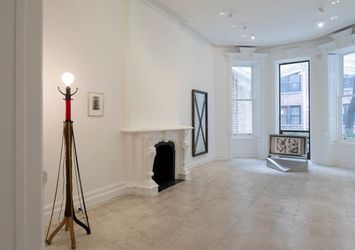
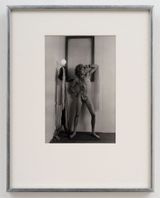
Mapplethorpe’s work shares a distinctive visual language of familiarity that can be attributed to the connections the artist had with his subjects and the objects he presented. Photographed by Mapplethorpe in 1988 for House & Garden, the artist’s Chelsea apartment functioned as both a home and a studio, displaying a remarkable collection of art and decorative objects of his time while serving as the backdrop for his radical practice. The pleasure Mapplethorpe took in curating the belongings in his home accompanied a sophisticated eye for elegance and design, exemplifying the artist’s belief that, “the whole point is to try to integrate your life into your work if you’re an artist.” 1 Expanding upon the relationship between form and familiarity, the works on view at Gladstone’s Upper East Side townhouse share similar sculptural sensibilities and stylistic rigor to those that resided in the artist’s own apartment. Presenting this exhibition in a gallery setting reminiscent of a domestic interior blurs the boundaries between personal possessions and artwork. A coat rack, topped with an exposed light bulb, is shown both as an assemblage on view and in a photograph featuring a nude figure posing dramatically with the piece – in both instances, the works exude a rawness with the human body and light source laid bare. Although individual details about these objects remain elusive, collectively they offer valuable insight into Mapplethorpe’s artistic practice, underscoring the thematic importance of form, contrast, and composition.

1 Filler, Martin. “Robert Mapplethorpe,” House and Garden, June 1988, p.158–63.

Press release courtesy Gladstone Gallery

Read More

Installation Views

Selected Works

Loading...
About the Artist

Robert Mapplethorpe (1946–1989) was an American photographer known for meticulously composed black-and-white images charted new territory in the depiction of the body, desire, and identity. Working with medium- and large-format cameras, Mapplethorpe applied a cool, classical rigour to subjects ranging from floral still lifes and sculptural torsos to explicit scenes drawn from New York‘s gay leather and S&M subculture. His work, poised between formal refinement and transgression, became central to the late-20th-century debates around censorship, public funding, and queer visibility.

View Artist Profile

Also Exhibiting at Gladstone

About the Gallery
Gladstone is known for its commitment to artists whose prescient approaches and experimental practices have defined the contours of contemporary art. The gallery has long been an active partner in the cultivation of iconoclastic careers, fostering a roster of artists recognized for their ground-breaking contributions. Headquartered in New York and including outposts in both Brussels and Seoul, Gladstone’s impact extends globally, enabling both the presentation of new bodies of work, and an amplification of the international reach of its artists. Alongside its work with contemporary artists, the gallery is steward to the legacies of pivotal historical artists and serves as an advocate for the enduring power of art. Gladstone is led by a team of partners who spearhead its long-term vision and program, building on the values of its founder Barbara Gladstone.
View Gallery Profile
Address
130 East 64th Street
New York
United States
Opening Hours
Tuesday - Saturday
10am - 6pm
(1)
New York 130 East 64th Street
Gladstone
130 East 64th Street, New York, United States
+1 212 753 2200
http://gladstonegallery.com

Opening hours
Tuesday - Saturday
10am - 6pm
The art world in focus