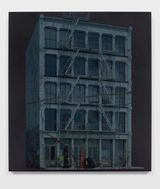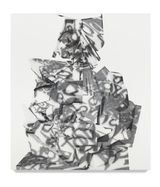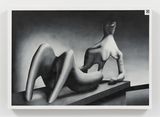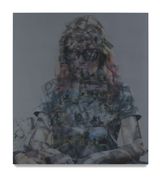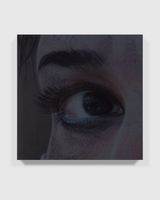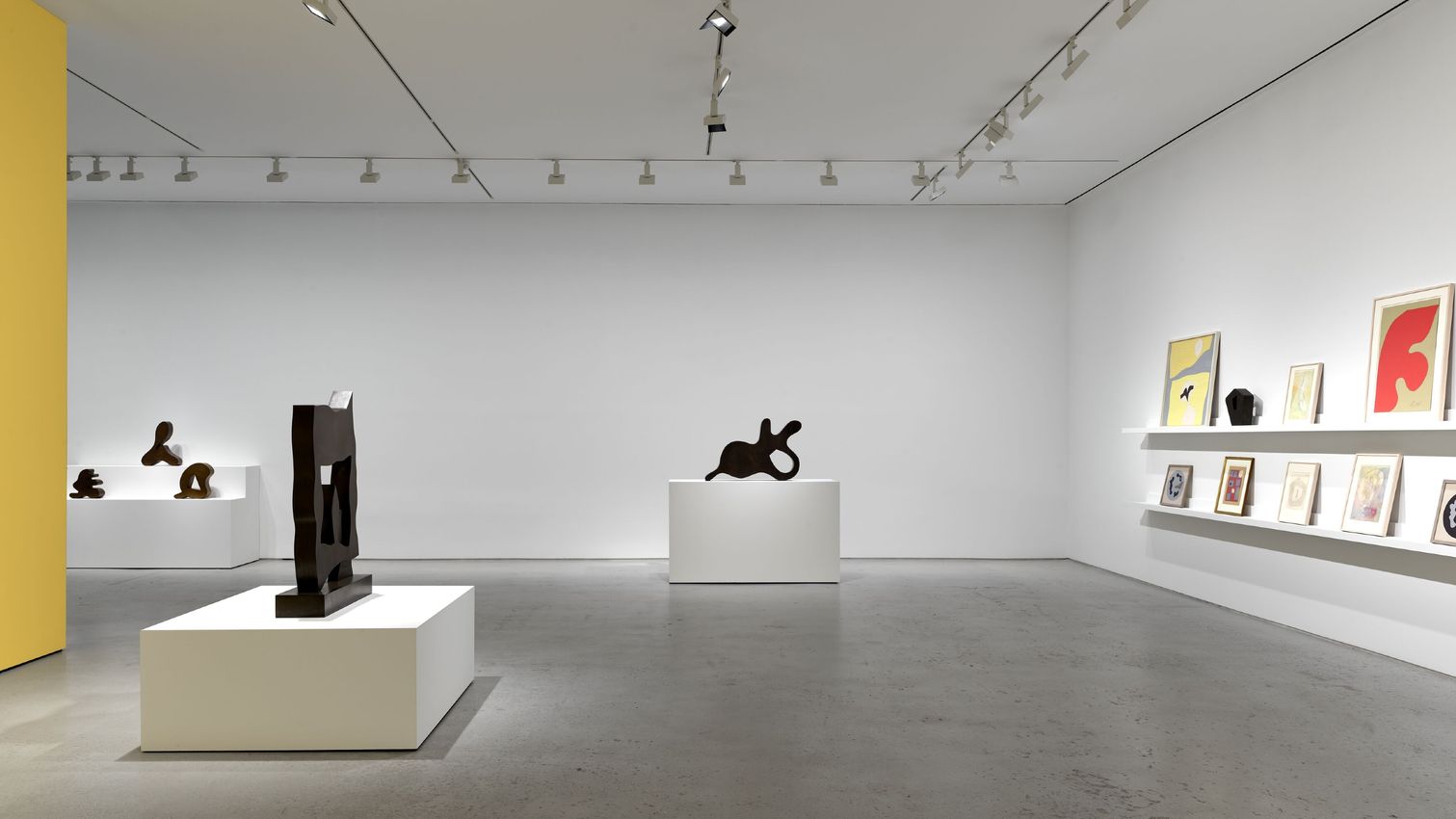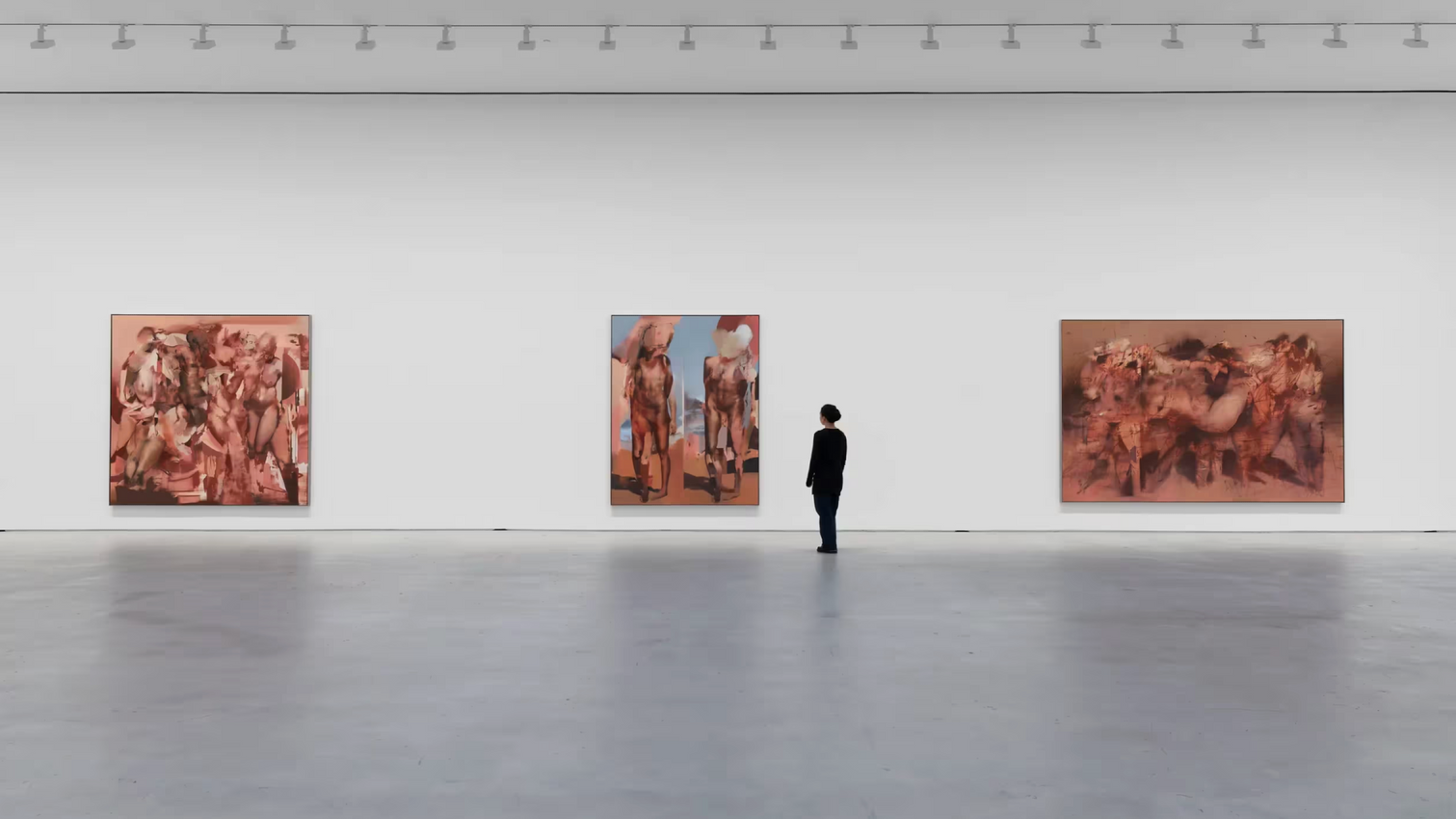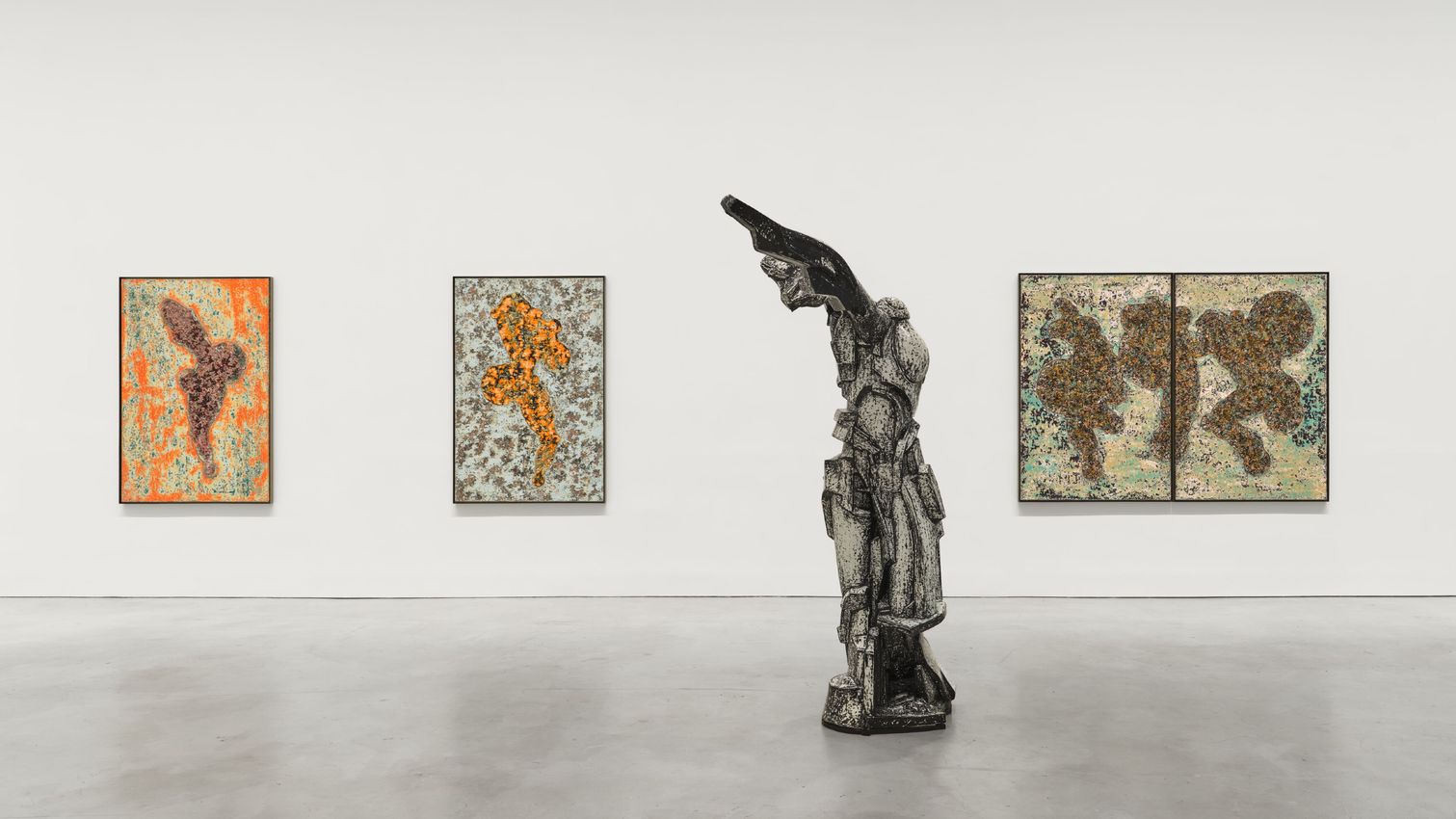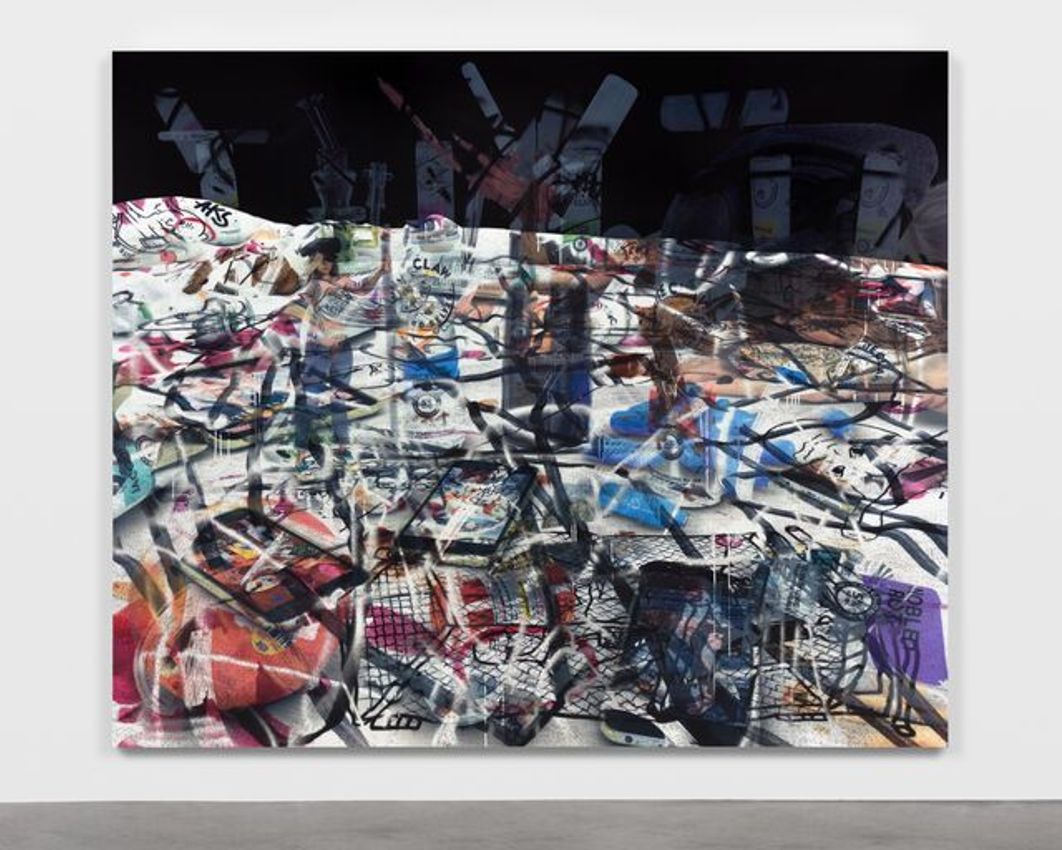
On 9 September, groundbreaking American artist Avery Singer will present two new series of large-scale paintings in her first solo exhibition with Hauser & Wirth. Occupying both the second and fifth floors of the gallery’s 22nd Street space in New York City, the exhibition invites us to consider form as a state of encounter—an encounter that does not take place with a singular object, reference, or context, but as a conflation of narratives, spaces, histories, and ideas. Singer’s new paintings explore themes—19th-century European painting motifs, romantic notions of intoxication, stereotypes surrounding the bohemian artist, and icons of contemporary digital culture—that amalgamate past and present, clarity and ambiguity, and propose an escape from our quotidian reality.
Shifting seamlessly between digital and analogue processes, Singer’s new work expands her unique visual vocabulary through a nuanced use of industrial automation, three-dimensional computer modelling software, and traditional painting techniques. The artist’s complex process of layering begins with finely primed, gessoed canvas, onto which images are projected before being methodically developed with airbrushed acrylic paint and liquid rubber. The rubber is used as masking solution in a lot of Singer’s paintings, allowing parts of her imagery to be visibly and vigorously removed, effectively unveiling the complex dimensionality that constitutes the numerous layers of each work. Through these diverse methods, Singer continues to challenge the limits of the medium and develop her own way of seeing.
Click here to read a conversation between Avery Singer and art historian Isabelle Graw about the new works on view in Reality Ender and the artist’s evolving practice in a special artist designed booklet accompanying the exhibition. Physical copies will be available at the gallery.
Avery Singer (b. 1987) was born and raised in New York. Her parents, the artists Janet Kusmierski and Greg Singer, named her after Milton Avery. Growing up in a creative community, Singer experimented with photography, film, and drawing, but in those years never considered working with paint. In 2008, Singer studied at the Städelschule, Frankfurt am Main, and in 2010, she received her B.F.A. from Cooper Union, New York. During her studies, Singer engaged in performance art, video making, as well as sculpture utilising carpentry, metal casting, and welding. After graduation, she discovered her chosen art form from an unanticipated experiment with SketchUp, a program used by her peers to design exhibition spaces, and airbrushed a black-and-white painting based on a digital illustration. Since then, Singer has employed the binary language of computer programs and industrial materials in order to remove the trace of the artist’s hand while engaging the tradition of painting and the legacy of Modernism.

A respected voice in contemporary art discourse.
Focusing on ambitious storytelling and insightful art-world commentary. Ocula Magazine publishes in-depth interviews, critical essays and timely analysis on the artists, exhibitions and ideas driving the global art world.
Learn more about Ocula Magazine
Showcasing the best of the art world.
Ocula partners with galleries from around the world to highlight their artists, artworks and exhibitions. Gallery membership is by application and invitation, with each member vetted by an independent panel.
Learn more about Ocula Membership

Specialises in the sale of major artworks.
Led by a team with deep ties to the world’s leading auction houses, galleries and collectors. Ocula’s advisory team offers bespoke services to high-net-worth clients from around the world who are looking to acquire the best of contemporary and modern art.
Learn more about our team and services