




PAULA REGO
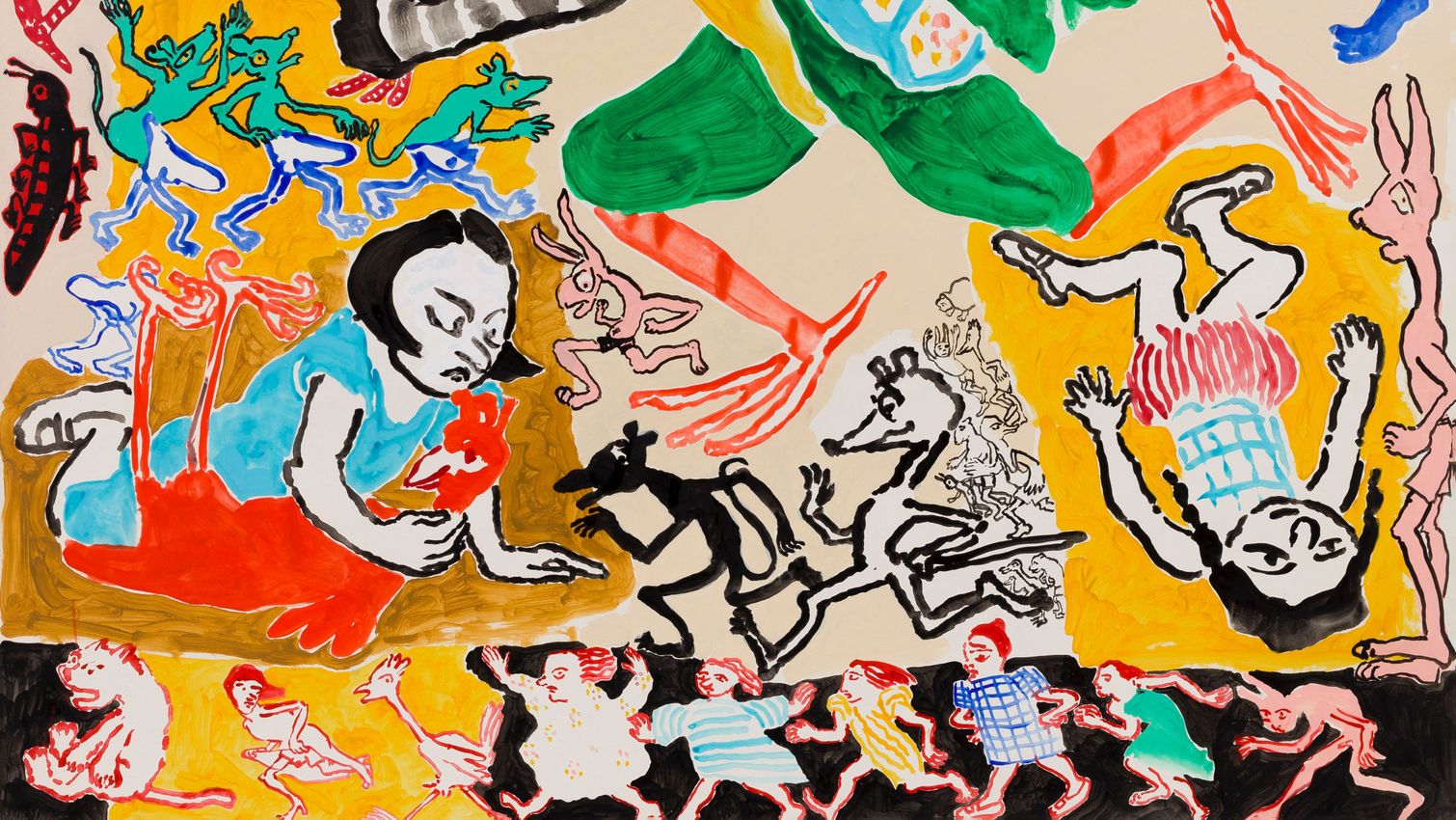
b. 1935, PortugalPaula Rego told compelling stories through her paintings, sculptures and pastel pieces, centring the experience of women in society in her imaginative, occasionally disturbing images exploring themes of rebellion, power and gender, working in a style that evolved from abstract to figurative.
Early Years
Paula Rego was born in Lisbon in 1935 but moved to Estoril as a child, having been diagnosed with TB. Her father opposed the brutal Salazar dictatorship so the family lived in fear of terror, but the circumstances also instilled in Rego a passionate defence of freedom of speech in art. Sent to finishing school in England aged 16, Rego stayed in the country and studied at the Slade School of Art, where she met her husband, the painter Victor Willing (who was diagnosed with multiple sclerosis in 1966). Rego exhibited alongside other School of London artists during the 1960s including Lucien Freud, David Hockney and Francis Bacon.
Paula Rego: Artworks
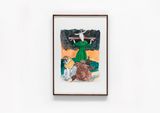
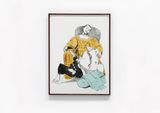
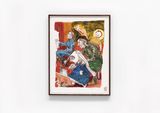
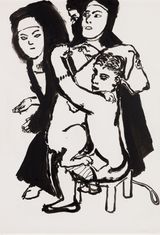
Inspired equally by Portuguese folk tales, Jungian analysis and living through the Salazar regime, Paula Rego used a dreamy, realist style to tell stories of oppression, fear and power relationships, usually from the point of view of women. Her figurative, feminist retelling of folk tales and Disney films asks viewers to question power dynamics and expectations around what it means to survive as a woman in different societies.
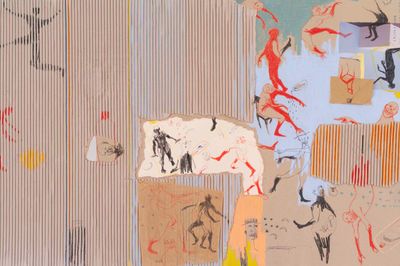
Rego’s early works were a reaction to the Salazar regime. Interrogation (1950), painted when she was only 15, features a woman with her head in her hand, with two menacing male figures on either side, continuing this theme into her 1960 abstract Salazar vomiting the Homeland and the collage When We Had a House in the Country We’d Throw Marvellous Parties and Then We’d Go Out and Shoot Black People (1961).
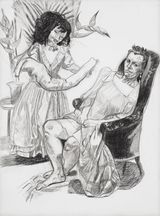
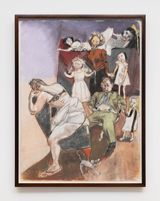
The Family (1988) has been interpreted in several ways. The large-scale acrylic work depicts a mother and her daughters dressing (or undressing) their father, one of the older woman’s arms blocking the man’s face. Was the image inspired by Rego’s own life nursing Victor Willing through MS, or was Rego empowering victims of the patriarchy, finally restraining an abusive male?
Rego began the Dog Women series in 1994 with Dog Woman, showing a woman crouching on all fours on what appears to be muddy ground. The woman seems to be in absolute despair, her expression articulating her feelings far more than words can.
In 1998, following the failure of a referendum to legalise abortion in Portugal, Paula Rego created paintings, etchings and pastels, inspired by her own abortions and the suffering she had seen in women who had had illegal terminations. A second referendum in 2007 saw eight of her etchings reproduced in Portuguese newspapers, which were credited with helping to sway public opinion (abortion was legalised).
Her later works explored themes of FGM and people-trafficking.
Paula Rego: Select Awards
- National Gallery Associate Artist, London (1989–1990)
- Grã-Cruz da Ordem de Sant’Iago da Espada (2004)
- Dame of the British Empire (2010)
- Paula Rego, Secrets and Stories, BBC documentary directed by Rego’s son Nick Willing, Royal Television Society award for Best Arts Programme (2018)
Paula Rego: Exhibitions
Select Solo Exhibitions
- Paula Rego: Drawing from Life, Galerie Lelong, Paris (2026)
- Paula Rego: Story Line, Victoria Miro, London (2026)
- Paula Rego: Dance Among Thorns, Munch Museum, Oslo (2026)
- Paula Rego: The Personal and The Political, Museum Folkwang, Essen (2025)
- Paula Rego and Adriana Varejão: Between Your Teeth, Gulbenkian Museum, Lisbon (2025)
- Paula Rego: Power Games, Kunstmuseum, Basel (2025)
- Paula Rego: Manifesto, Casa das Histórias Paula Rego, Cascais (2024)
- Paula Rego: Crivelli’s Garden, The National Gallery, London (2023)
- Paula Rego: The Story of Stories, Pera Museum, Istanbul (2023)
- Paula Rego: Subversive Stories, Arnolfini, Bristol (2022)
- Paula Rego: Literary Inspirations, Petersfield Museum (2022)
- Power Games, Museum De Reede, Antwerp (2021)
- Paula Rego, Tate Britain (2021) *Paula Rego: Obedience and Defiance, MK Gallery, Milton Keynes (and touring) (2019)
- Paula Rego, Serralves Museum, Porto (2004)
- Paula Rego, The Sins of Father Amaro, Dulwich Picture Gallery, London (1998)
- Paula Rego: Tales from the National Gallery, National Gallery, London (and touring) (1991)
- Paula Rego, Serpentine Gallery, London (1988)
Select Group Exhibitions
- Empire of Sleep, Musée Marmottan-Monet, Paris (2025)
- Freud’s Women: Patients, Pioneers, Artists, Freud Museum, London (2024)
- Image as Protest: Joy Gerrard and Paula Rego, Cristea Roberts Gallery, London (2023)
- The Milk of Dreams, Venice Biennale (2022)
- Who Will Write the Story of the Artist’s Tears About Women’s Rights, Museum of Modern Art in Warsaw (2021)
- De que é feita uma colecção? Corpo e Matéria (What is a collection made of? Body and matter), Centre for Contemporary Art of Coimbra (2020)
- Royal Academy of Arts Summer Exhibition, London (2018)
- Witches and Wicked Bodies, Scottish National Gallery of Modern Art, Edinburgh (2013)
- Heads Or Tails, Mary Ryan Gallery, New York City (2010)
- Anthropography III, Frissiras Museum, Athens (2005)
- British Art Show 5, Hayward Gallery, London (2000) (and touring)
- Spellbound: Art and Film, Hayward Gallery, London (1995)
Further Reading
- Paula Rego Studio on Instagram
- Paula Rego obituary from The Times
- 2021 interview in the Observer (via the Guardian archive)
- 2021 interview with Rego to mark her retrospective at the Tate
Paula Rego FAQs
Was Paula Rego inspired by Disney?
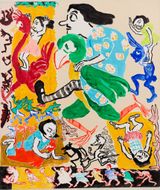
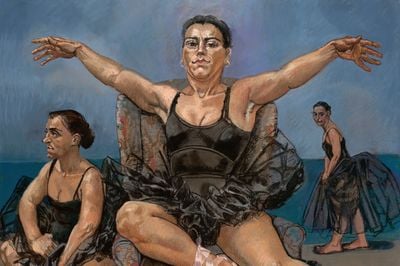
Paula Rego’s father owned the first private cinema in Lisbon, where she was able to enjoy Disney movies. In 1995, when she was asked by the Hayward Gallery in London to create a piece for the exhibition Spellbound: Art and Film, Rego was inspired by Walt Disney’s 1940 classic Fantasia and reimagined the film’s “dancing ostriches” sequence through a feminist lens across eight large panels, replacing the balletic birds with women (often her muse, Lila Nunes) who do not conform to stereotypical ideals of beauty. At the same time, Rego created five artworks inspired by the Disney Version of Snow White but again subverting the story.
Is there a museum all about Paula Rego?
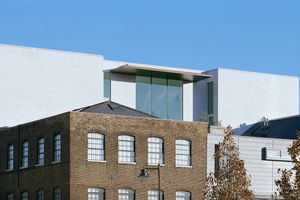
Yes, there is—designed by architect Eduardo do Souto de Moura, the Casa das Histórias Paula Rego opened in 2009 in Cascais. Inside there is a collection of her paintings, prints and drawings, alongside work by her husband, Victor Willing.
When did Paula Rego become famous?
Recognition for Paula Rego’s work came relatively late in her career, following a celebrated exhibition at Serpentine Galleries in London in 1988. Coming just months after Victor Willard’s death, the new-found popularity for her work offered her more financial certainty.
Ocula

View Paula Rego's Artworks

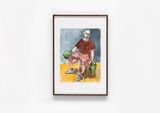

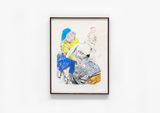

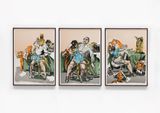





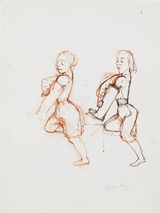

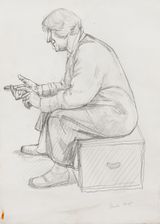

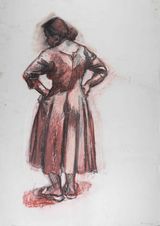

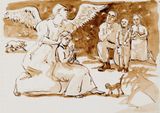









Explore Paula Rego's Exhibitions





Paula Rego in Ocula Magazine






Explore and Follow Artists Shaping Contemporary Art
A respected voice in contemporary art discourse.
Focusing on ambitious storytelling and insightful art-world commentary. Ocula Magazine publishes in-depth interviews, critical essays and timely analysis on the artists, exhibitions and ideas driving the global art world.
Learn more about Ocula Magazine
Showcasing the best of the art world.
Ocula partners with galleries from around the world to highlight their artists, artworks and exhibitions. Gallery membership is by application and invitation, with each member vetted by an independent panel.
Learn more about Ocula Membership
Specialises in the sale of major artworks.
Led by a team with deep ties to the world’s leading auction houses, galleries and collectors. Ocula’s advisory team offers bespoke services to high-net-worth clients from around the world who are looking to acquire the best of contemporary and modern art.
Learn more about our team and services