Press Release

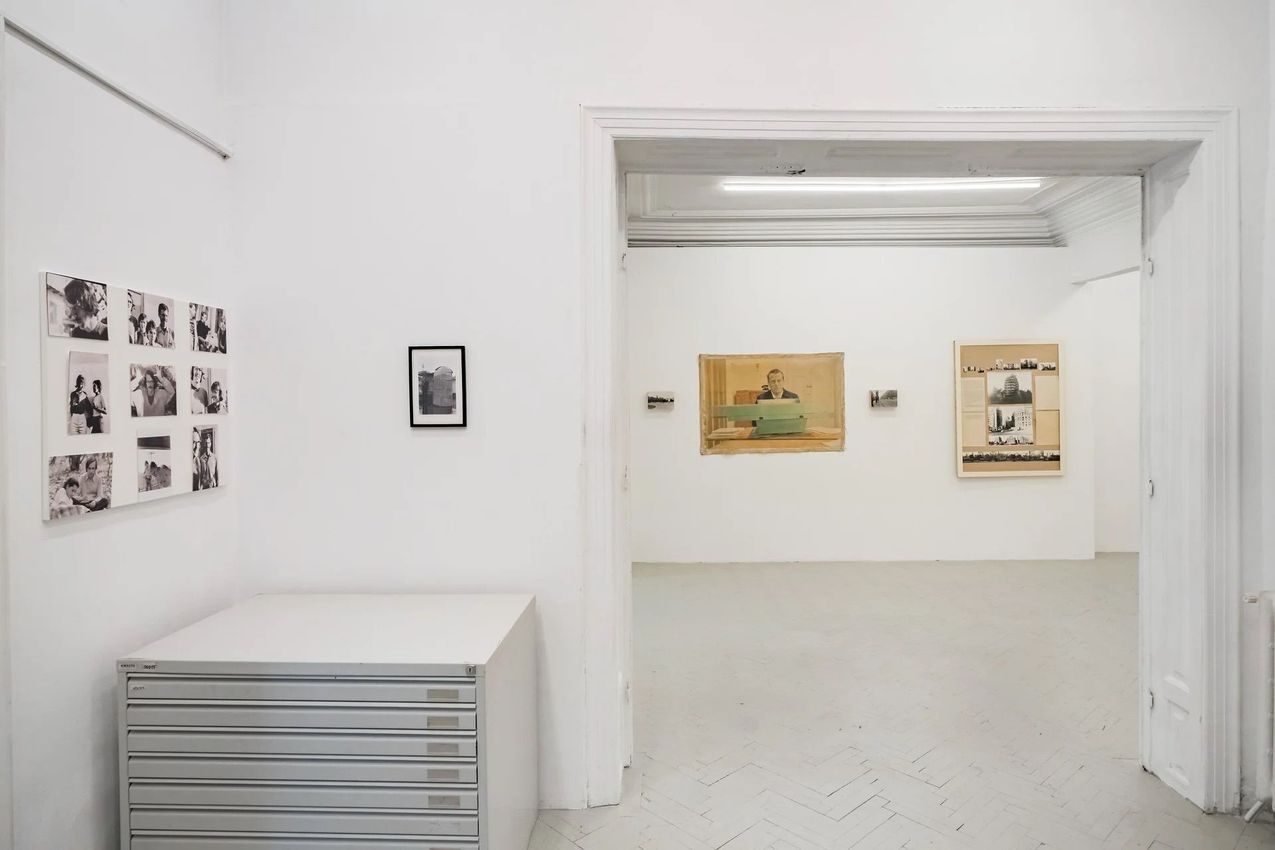
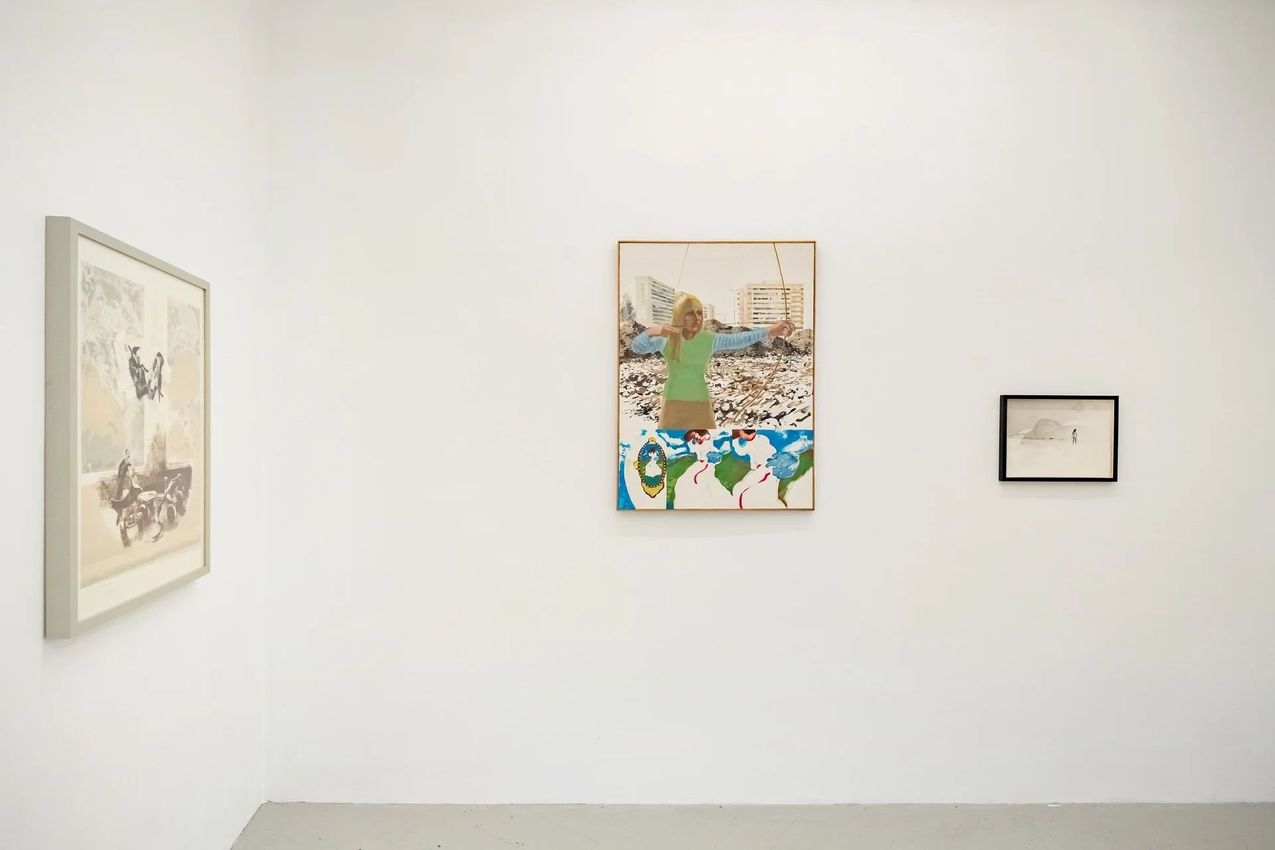
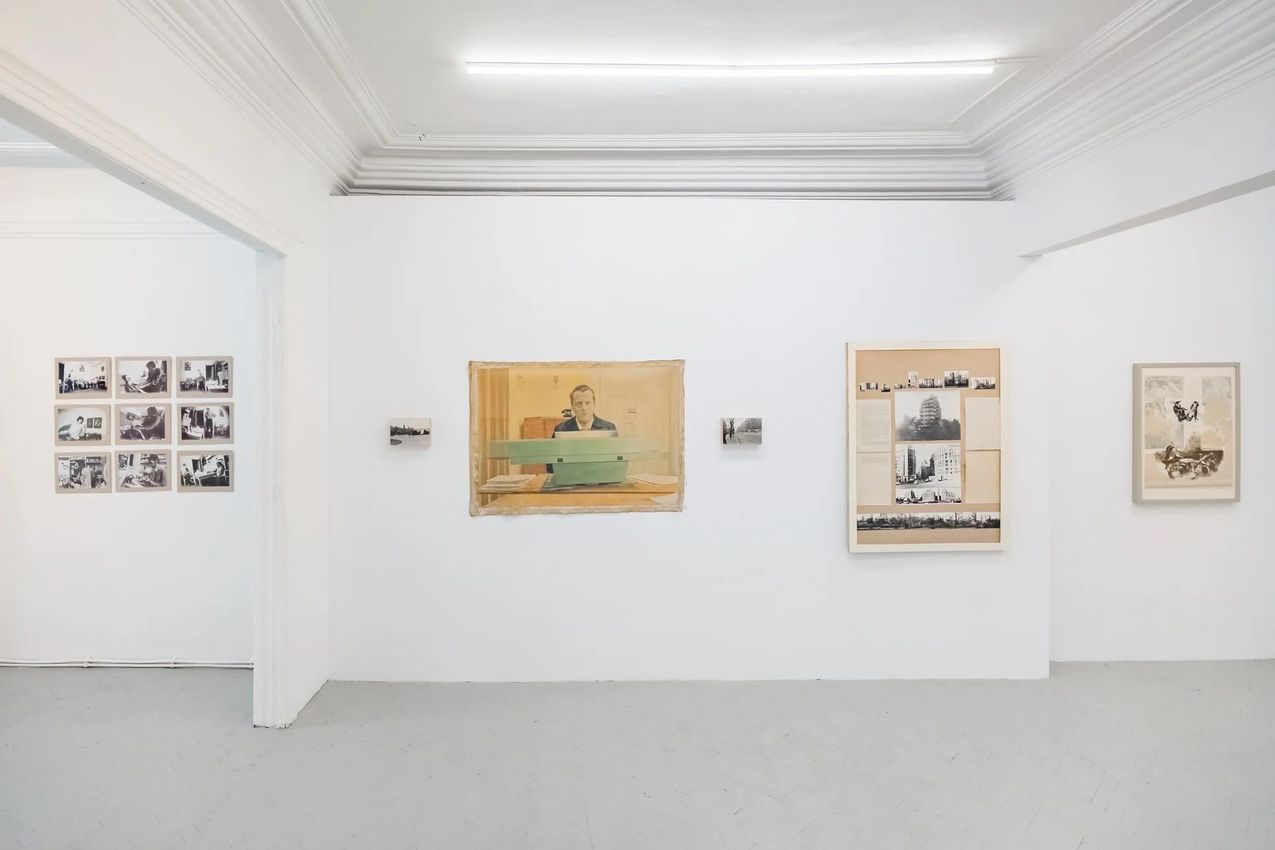
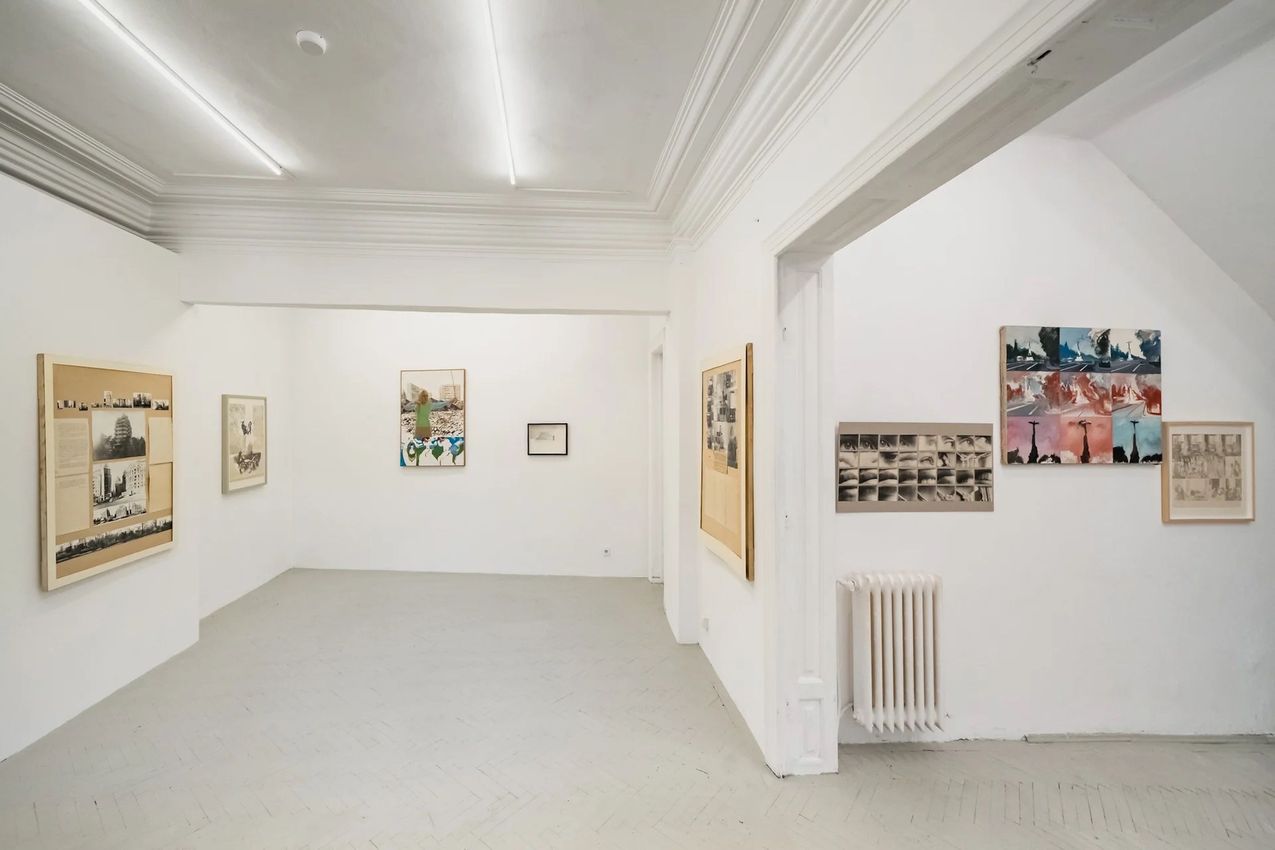
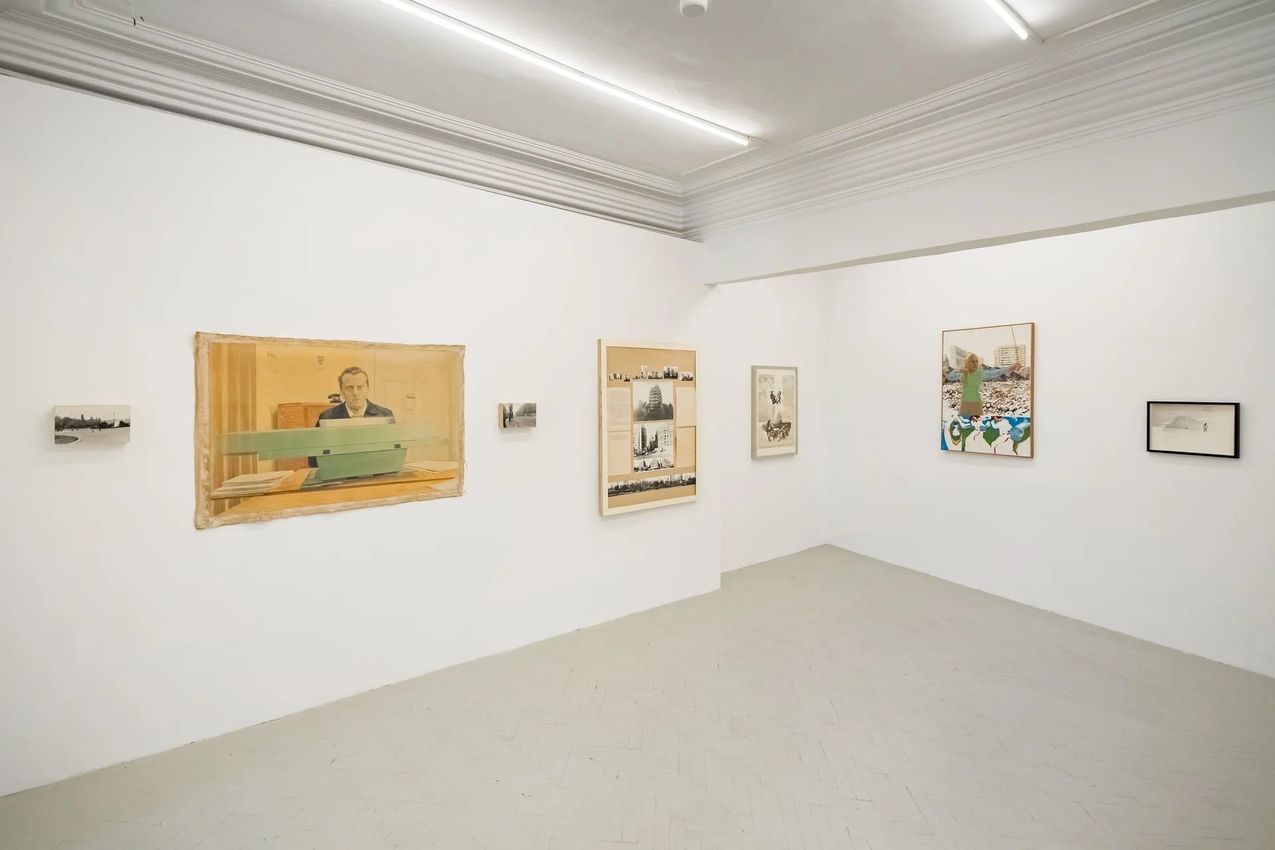
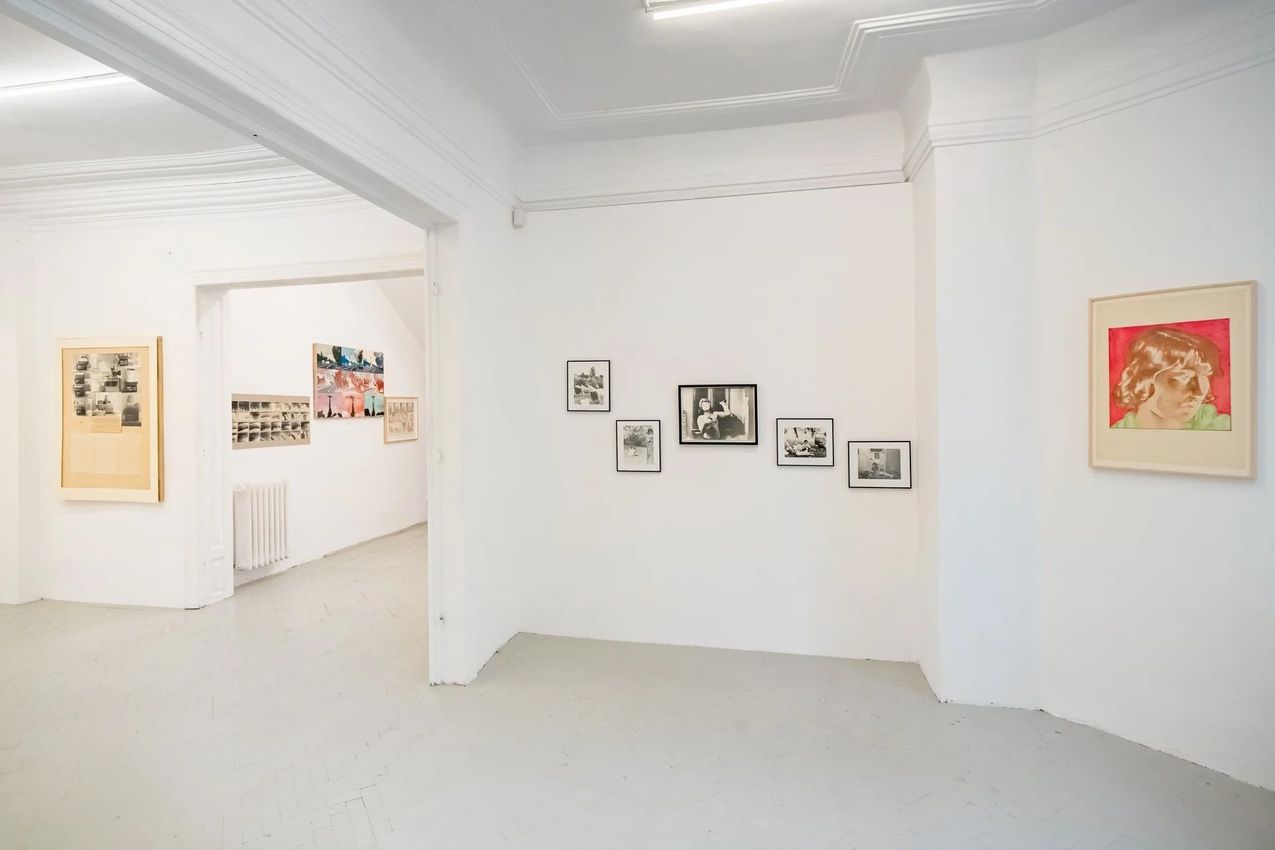
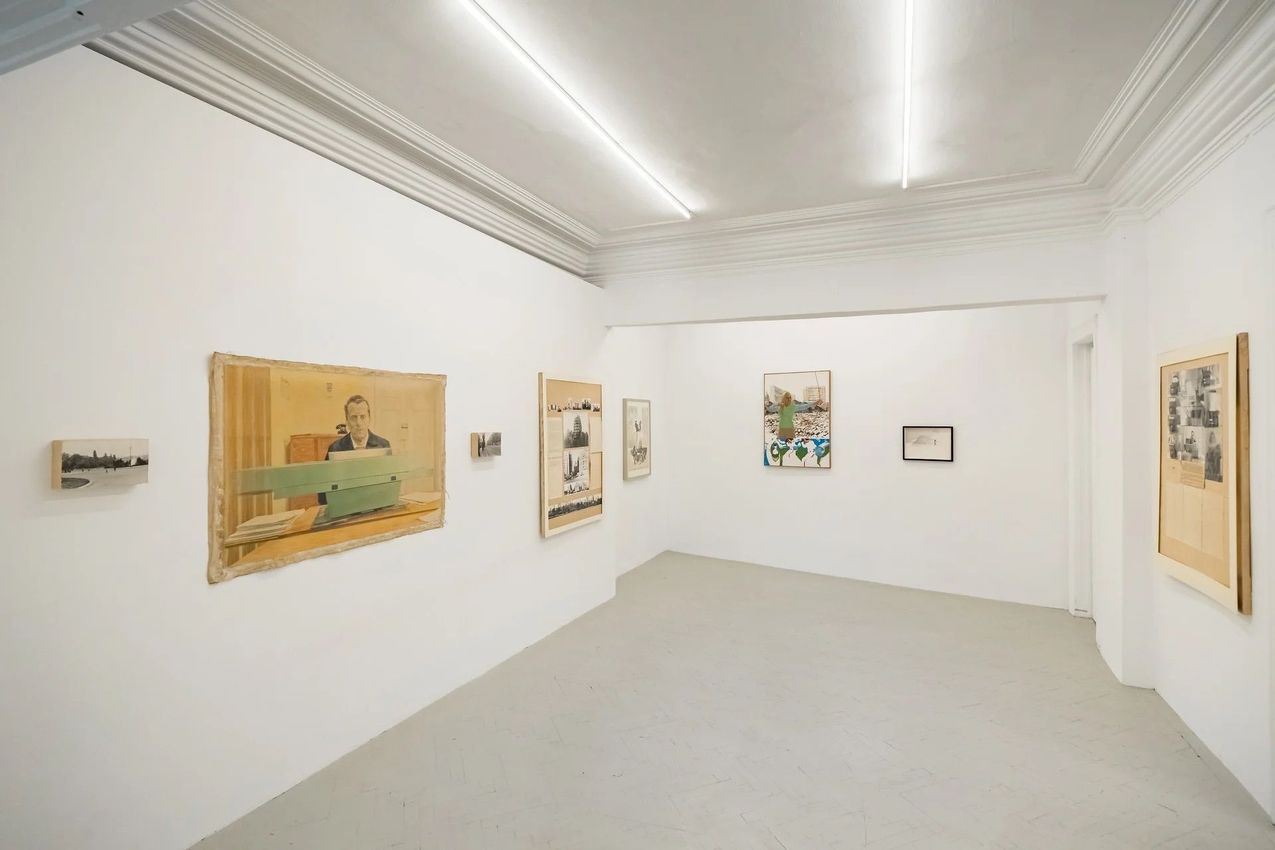
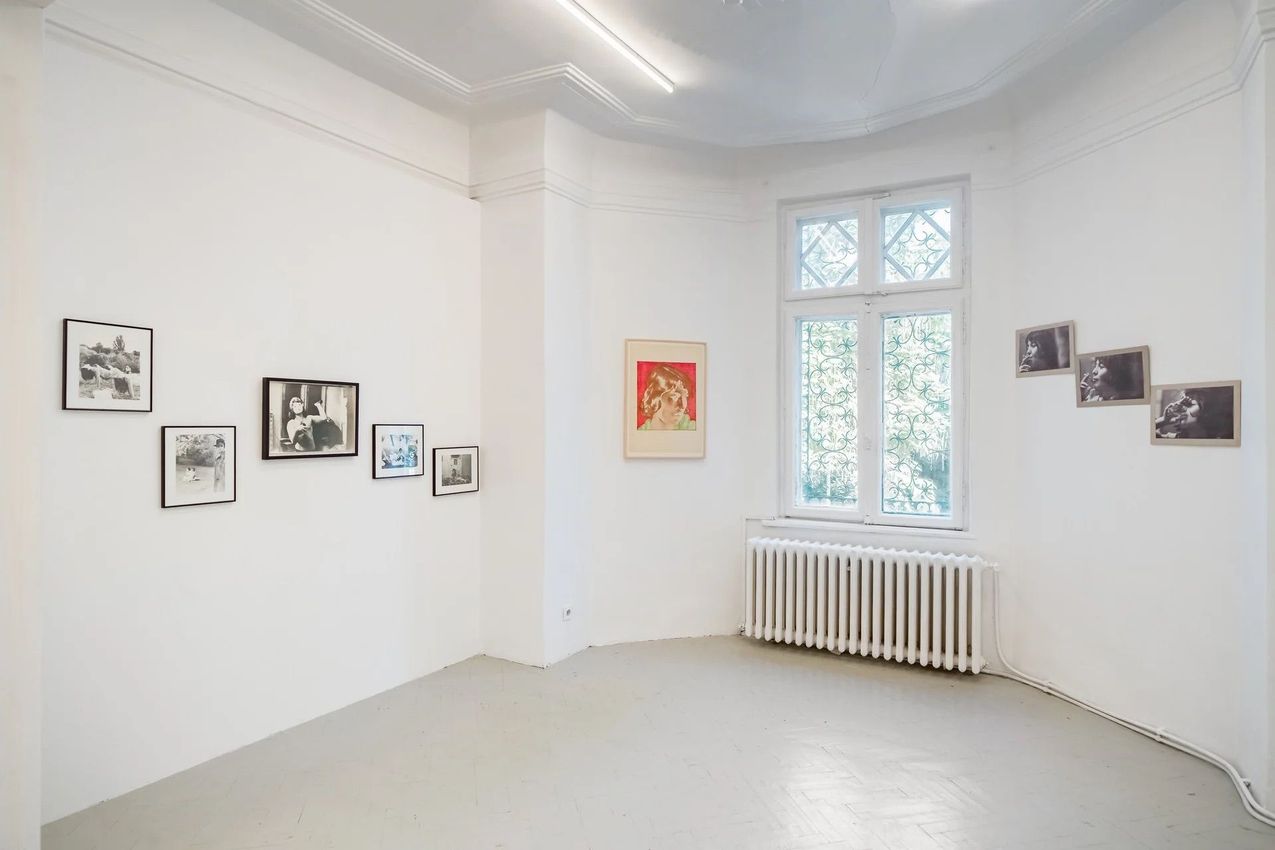
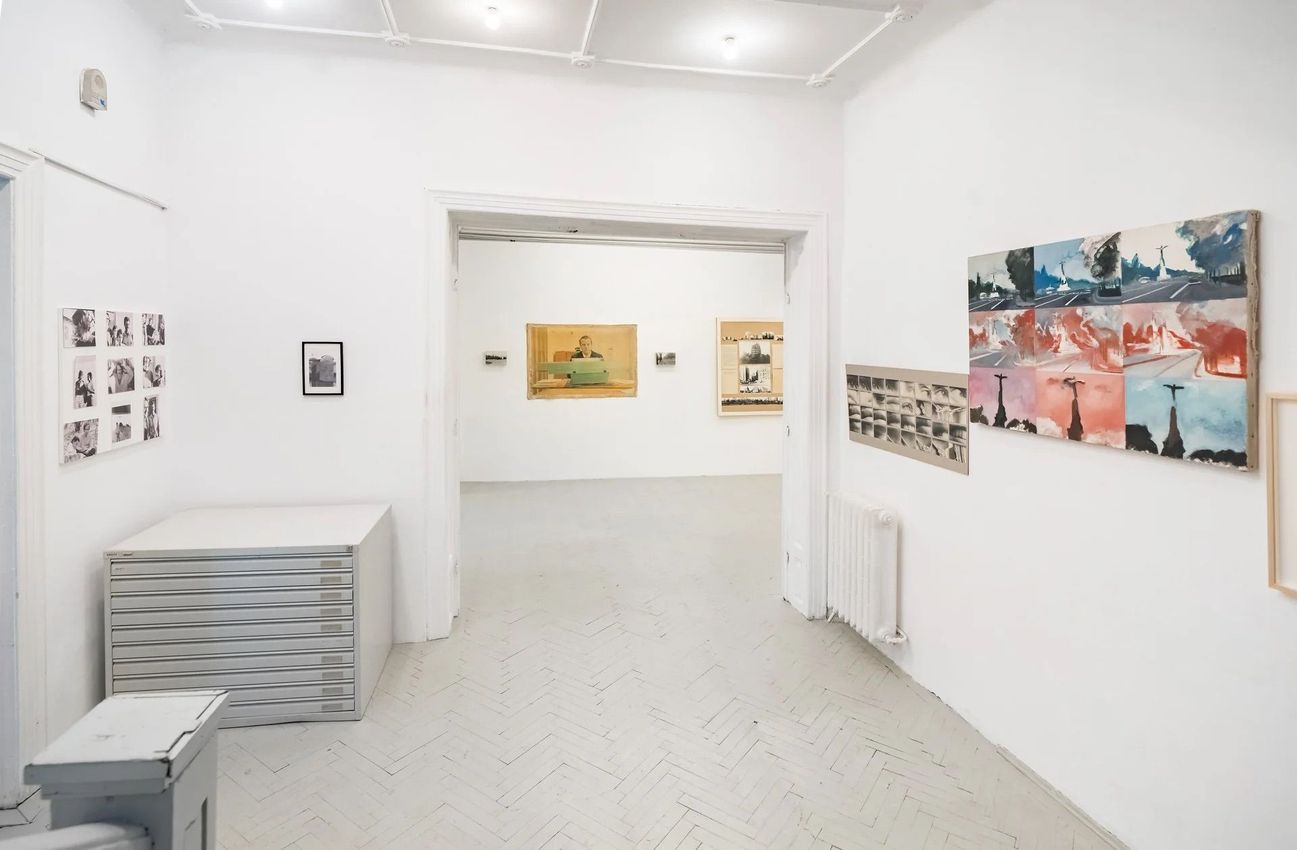
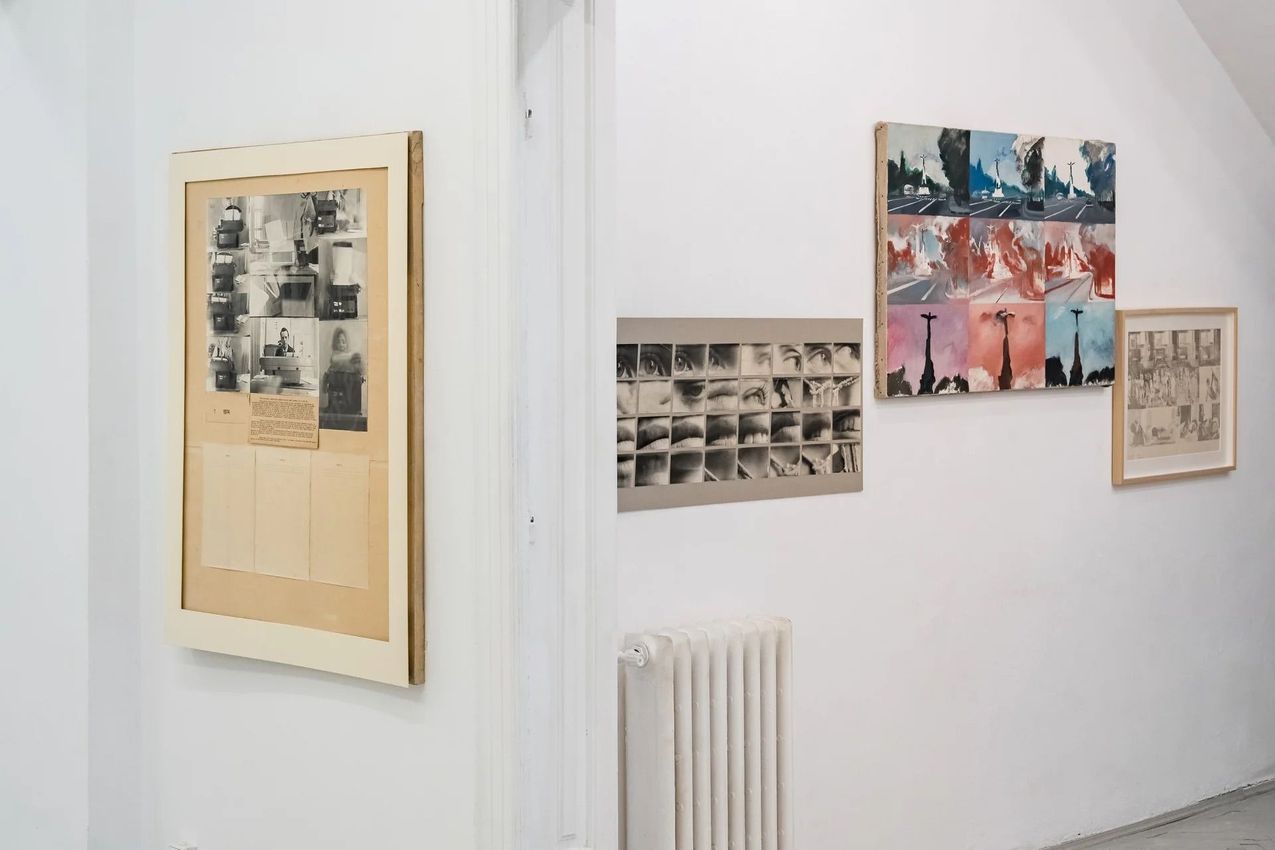
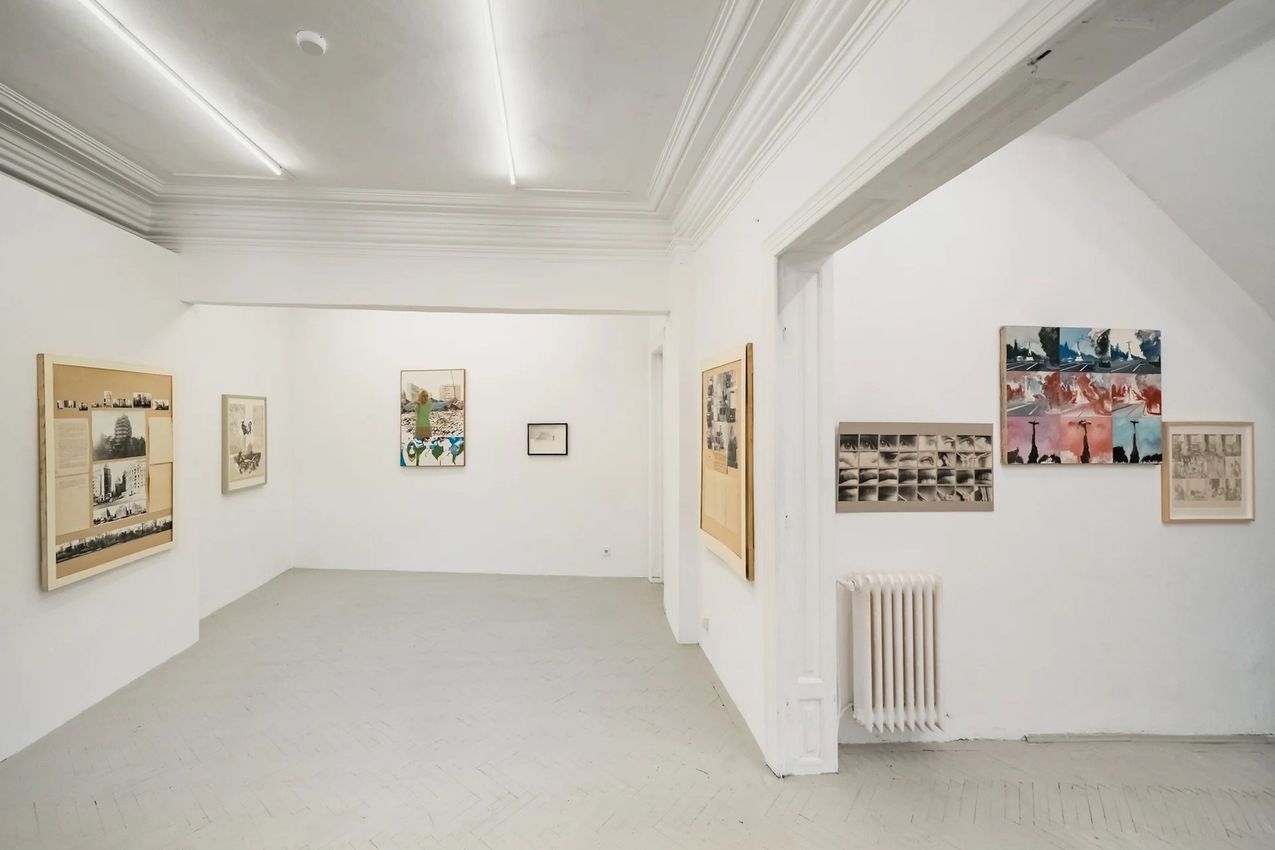
‘Urban Realograms. Artistic Practices for Shared Spaces’ is an exhibition built around a contemporary reinterpretation of the historic Realograms exhibition, organised by Matei Lăzărescu, Florina Lăzărescu, Andrei Gheorghiu and Ion Grigorescu in 1976 at the Writers’ House in Bucharest.

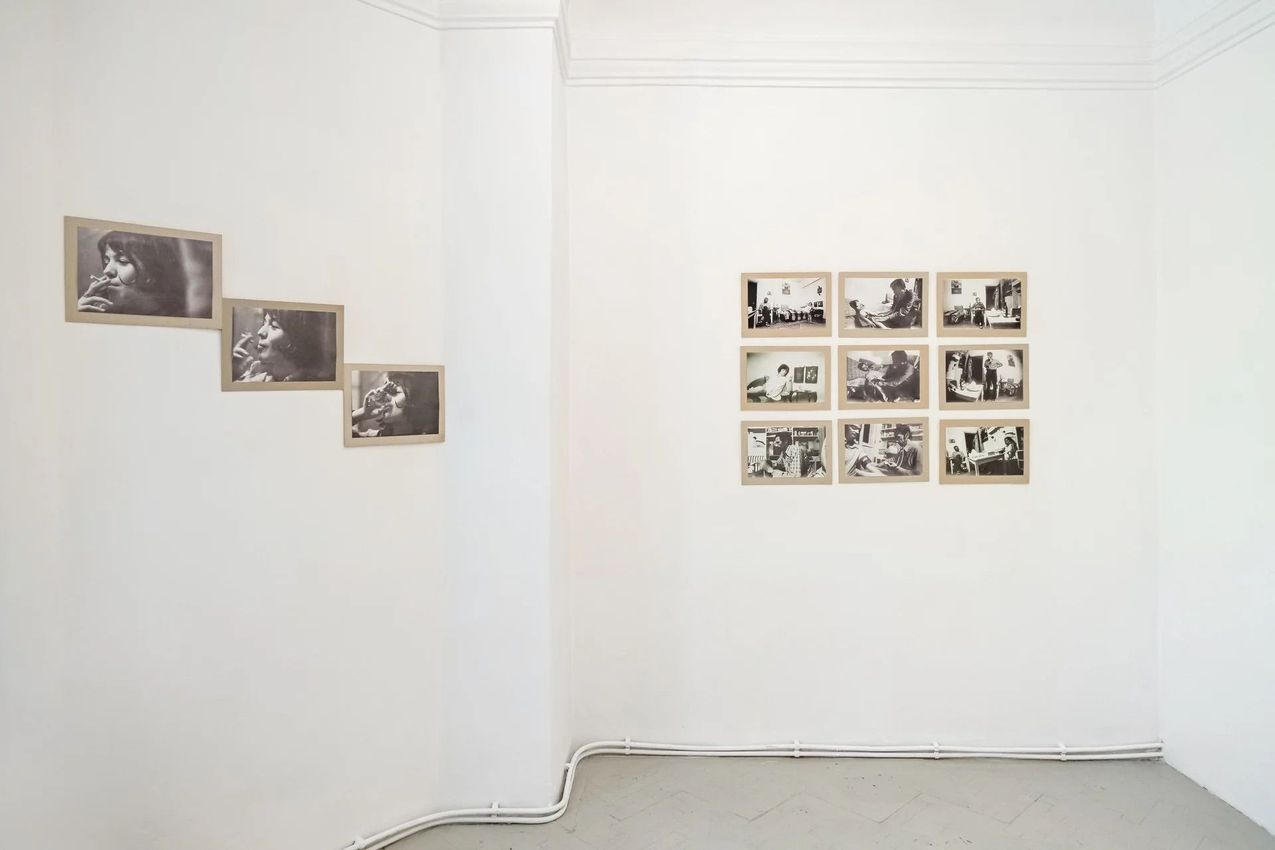
The original exhibition brought together painting, drawing, printmaking and photography in an experimental format that documented fragments of urban and everyday reality, offering a critical reflection on the image, representation and the relationship between artistic practices and reality.

‘The Beatles’ music dominated and hung over us from 1965 to 1980, when we all went our separate ways; the one who introduced it to us was Alexe Sturdza, a painting student and stuntman. For those of us who weren’t mad about their music, the Beatles also meant the graphics, the colours, the long hair like girls’, the understated clothes with metal buttons, and the boots.

Our friendship – that of those gathered at the ‘Realograme’ exhibition – was, in fact, the combination of photography and painting, for which we had started an annual event at the Schiller House, a centre for German culture.

Andrei Gheorghiu, the doctor, met us when he came in to photograph the works; after that, we expanded our circle to the soirées at his flat, with readymades and bizarre posters, near Dacia and Ioanid Park, and to our mutual friends’ homes, where our female classmates would ‘be danced with’ in ball gowns and new acquaintances were made: Ruxandra Juvara, Ioana Vlasiu, Ion Drăgănoiu, Georg Coulin, Gelu Ionescu, Vlad Georgescu, Iulian Mereuță, and Professor Simion Iuca’s daughters.

Matei, Alexe and Florina were living in Cotroceni.

Discussions with Andrei Gheorghiu – about low key (which he had adopted) and high key, about sequential and panoramic photography, and about filming. This led to further discussions with Geta and Mihai Brătescu.

Florina had found a refuge at the UAP’s engraving workshop on Speranței Street, where several older female colleagues (rather than male ones) worked, dressed in smock coats stained with ink, and where there was a gloomy, industrial workshop atmosphere.

Meanwhile, the earthquake brought us back together; Andrei worked for days on end amongst the ruins of the blocks of flats between George Enescu and Jules Michelet Streets, at Scala. A sign, too, of the disorganisation – families seeking to emigrate to relatives abroad.

Matei worked at the Heritage Institute; he often travelled around the country and abroad; he kept a diary written and illustrated on large sheets of paper; he took structuralist photographs; he is among the first of us to have remained abroad.” (I.G.)

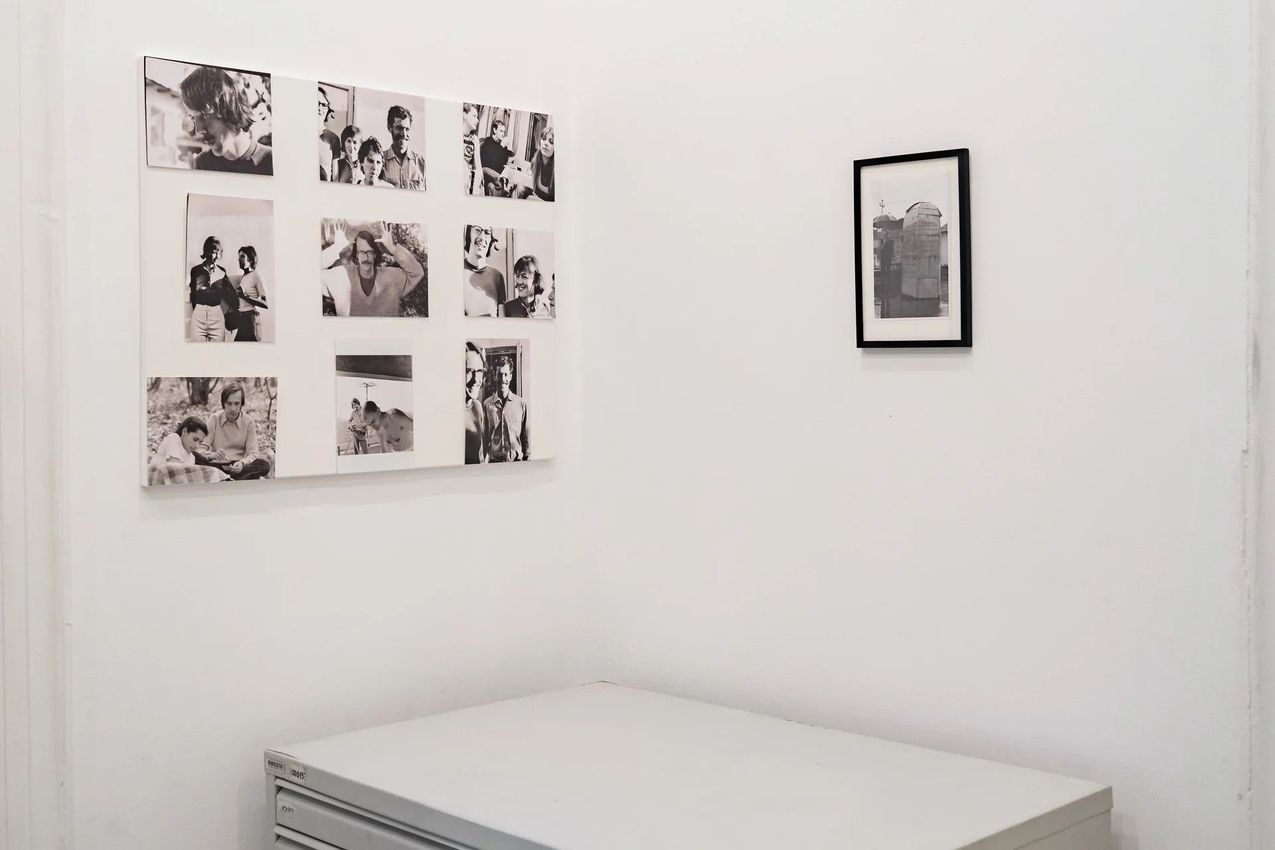
After all attempts to retrospectively make sense of what happened, what remains is the sensation— almost impossible to prove and, precisely for that reason, persistent—that, for a time, a few people were very close to one another. Within this closeness there was something that cannot be reduced either to the history of individual biographies or to the sequence of works. There was, quite simply, the reality of a friendship. A space of trust, of encounter and of exchange, through the works, gestures and traces that those days left behind.

The exhibition brings together today works created during that period by Florina Coulin, Andrei Gheorghiu, Ion Grigorescu and Matei Lăzărescu, and seeks to approach that moment without claiming to capture or recreate it. Realograme 1976 does not promise that we will be able to recover anything. Rather, it invites us to look anew at what remains and to recognise, behind the works, the possibility of a reality that was not merely artistic but also emotional – and this is the most important thing that still links the works together today.

The exhibition can be visited at the Ivan Gallery in Cotroceni, 13 Profesor Doctor Dimitrie Grecescu Street, until 4 October 2026, from Wednesday to Saturday between 2 pm and 6 pm, and at other times by appointment.

A cultural project co-funded under the ‘Bucharest in Premiere’ 2026 Cultural Programme by Bucharest City Hall through ARCUB.

Read More

Installation Views

Selected Works

Loading...

Artists Exhibiting

About the Gallery

Ivan Gallery is a contemporary art gallery founded in Bucharest in 2007 as a private initiative by Marian Ivan. Its program is diverse, featuring established artists such as Geta Brătescu, Paul Neagu, Ion Grigorescu, Lia Perjovschi, Horia Bernea, and Simona Runcan, alongside younger- generation Romanian artists like Iulia Toma, Cristina David, Giulia Crețulescu, and Gavril Pop. The gallery also collaborates with Romanian artists based abroad, such as Sándor Bartha and Mădălina Zaharia, as well as international artists like Elijah Burgher, Ross Taylor, and Jaro Varga.

View Gallery Profile
Address
Prof. Dr. Dimitrie Grecescu 13
Sector 5
Bucharest
Romania
Opening Hours
Wed–Sat: 2-7 pm
Sun–Tue: by appointment
(1)
Bucharest Prof. Dr. Dimitrie Grecescu 13, Sector 5
Ivan Gallery
Prof. Dr. Dimitrie Grecescu 13, Sector 5, Bucharest, Romania

Opening hours
Wed–Sat: 2-7 pm
Sun–Tue: by appointment
The art world in focus