






First Chanel Gateway Commission, Celebrating Thailand’s Rising Art Scene, Opens at Dib Bangkok

Nawin Nuthong, Project 147 at Dib Bangkok (2026). Courtesy Chanel. Photo © Chanel.
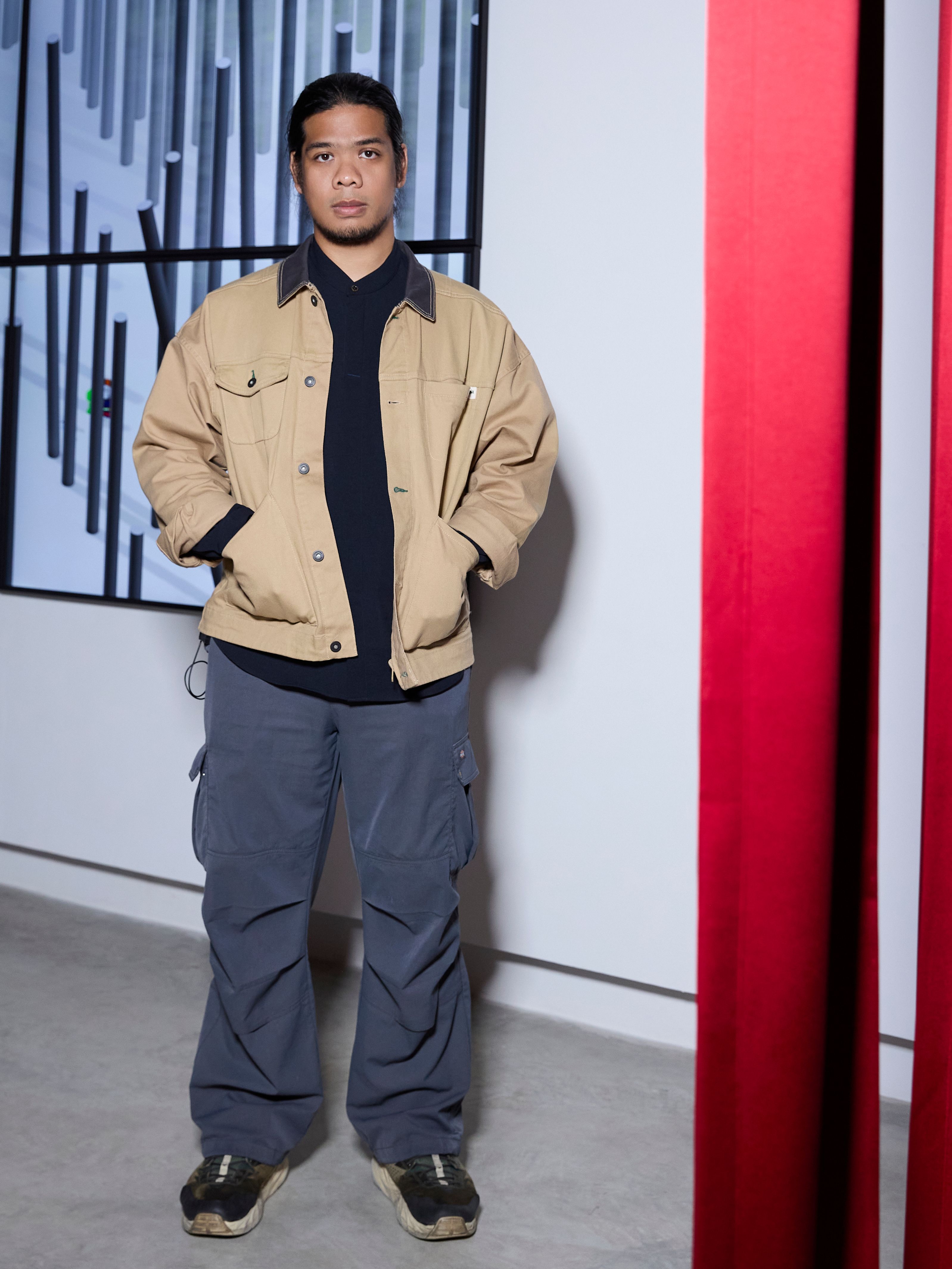
The first exhibition to be realised through the freshly launched Chanel Gateway Commission opens today at Dib Bangkok, presenting works by Bangkok-based artist Nawin Nuthong, who uses interactive gaming to explore history and local mythology.
The new annual artist commission celebrates Southeast Asian contemporary art through a partnership between Dib Bangkok and the Chanel Culture Fund. It marks the fashion house’s first partnership with an arts institution in Southeast Asia, and will award one local artist each year a new commission to be shown in a solo exhibition at Thailand’s newest museum dedicated to international contemporary art.
The inaugural show’s title, Project 147, refers to an imagined year of the death of the Buddha in 11th-century Thai epic poem Khun Chang Khun Phaen. “When I look at Nawin Nuthong’s Project 147, it’s so exciting to see the next generation responding to the tension between tradition and disruption which has often defined Thai art,” Yana Peel, president of arts, culture and heritage at Chanel, told Ocula.
“You have a generation of artists who are very classically taught. They’re reconciling spirituality, mysticism, Buddhism, and they channel that spirit as conduits of culture.
“Artists like Nawin are trying to lure in young artists and audiences through this idea of gaming but also offering them the physical notions of play. So it’s not just a temple; it’s also a zone that is really inviting.”
A new platform for art in Southeast Asia
The annual Chanel Gateway Commission at Dib Bangkok will award similarly ambitious, large-scale commissions to artists working across Southeast Asia in the coming years. The aim is to establish a new platform for artistic experimentation, education, and public engagement in Thailand and across the region.
“The commission itself is a gateway for audiences from around the world to discover new artists from Thailand. It’s also a gateway for the artists themselves to really immerse in the narratives at the museum and to engage with our curatorial direction,” Miwako Tezuka, director of Dib Bangkok, told Ocula.
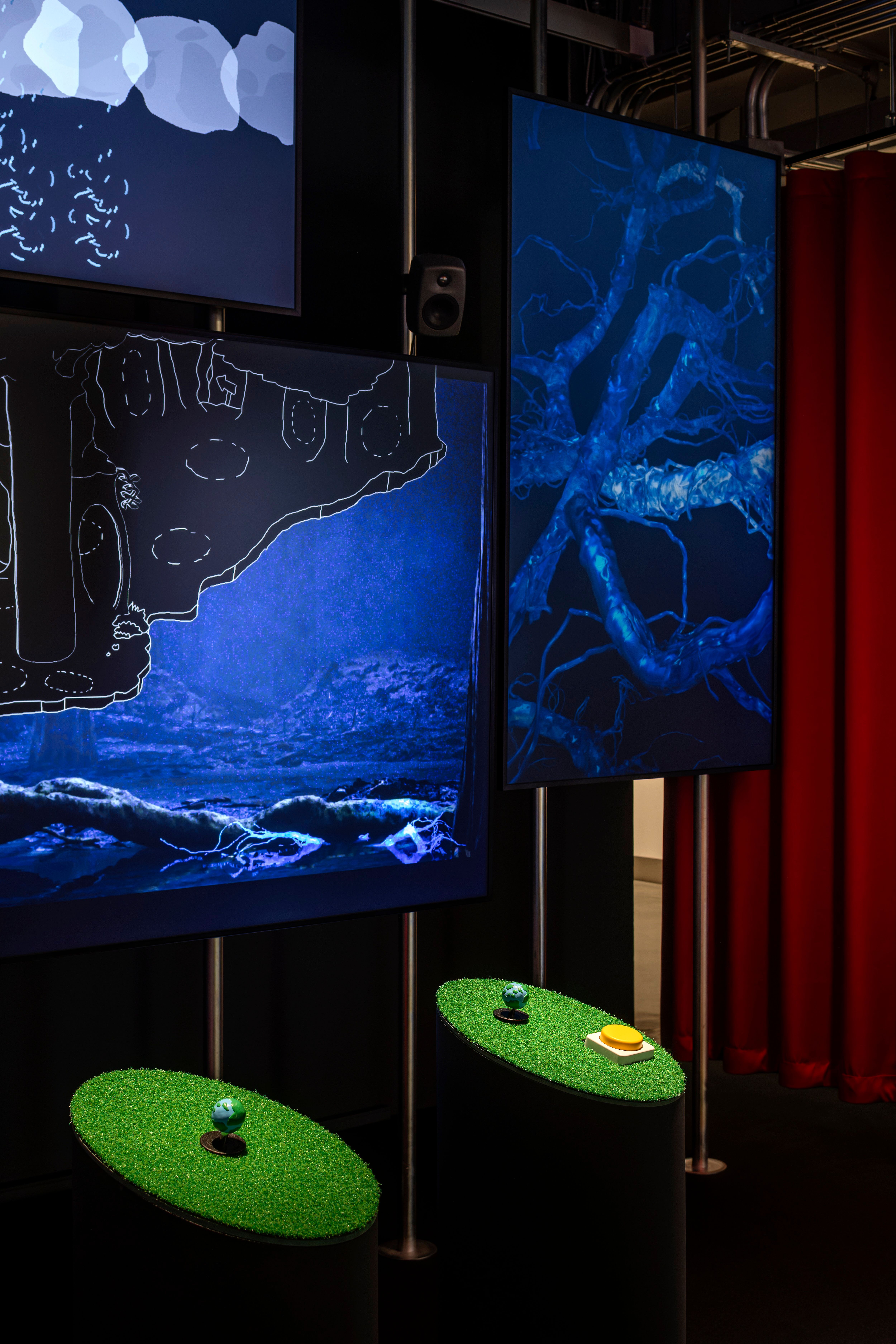
In Nuthong’s multimedia installation, visitors can use six player consoles to navigate through fictional worlds where they encounter three deities, mythical creatures and more than 600 different objects. Red curtains divide the space, while further consoles are arranged around a table piled high with synthetic cabbages, where users can customise their avatar onscreen.
“In each of my projects, I am asking the same question: how can games teach us to narrate history?” Nuthong said to Ocula. “I’m interested in how gods and mythic creatures will often show up in mainstream video games, in a combination of ancestry and this new toy we’ve created.”
The artist added: “The thing that Chanel allowed me to do was really to experiment, while also cheering on this aspect of developing a real, playable game.”
Bangkok’s newest museum
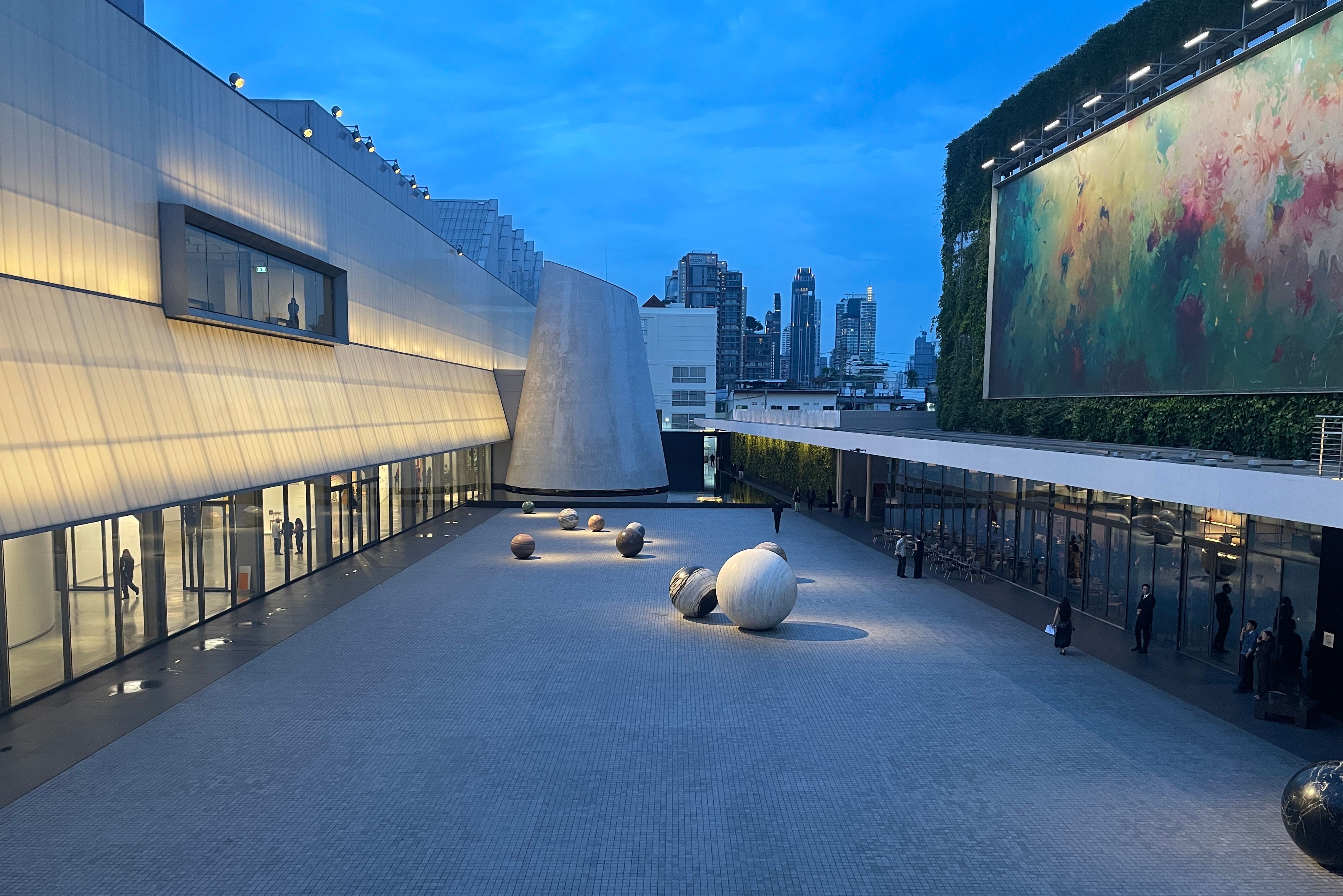
Dib Bangkok opened in a former industrial steel warehouse, redeveloped by Bangkok-born Kulapat Yantrasast of WHY Architecture, last December.
It was founded by Purat Osathanugrah, businessman and heir to the energy drinks company Osotspa, who is also an executive of Bangkok University. Dib began as a private collection of more than 1,000 works by over 200 artists, of which 40 percent are from Thailand, collected initially by Osathanugrah’s late father.
“As a private museum on this scale, we have a strong sense of civic duty to serve the people here in Bangkok,” Tezuka said. “We are conscious that the perception of a museum of contemporary art could be intimidating, so we’re trying always to think of how can we lower the threshold for people to come into our museum and engage.”
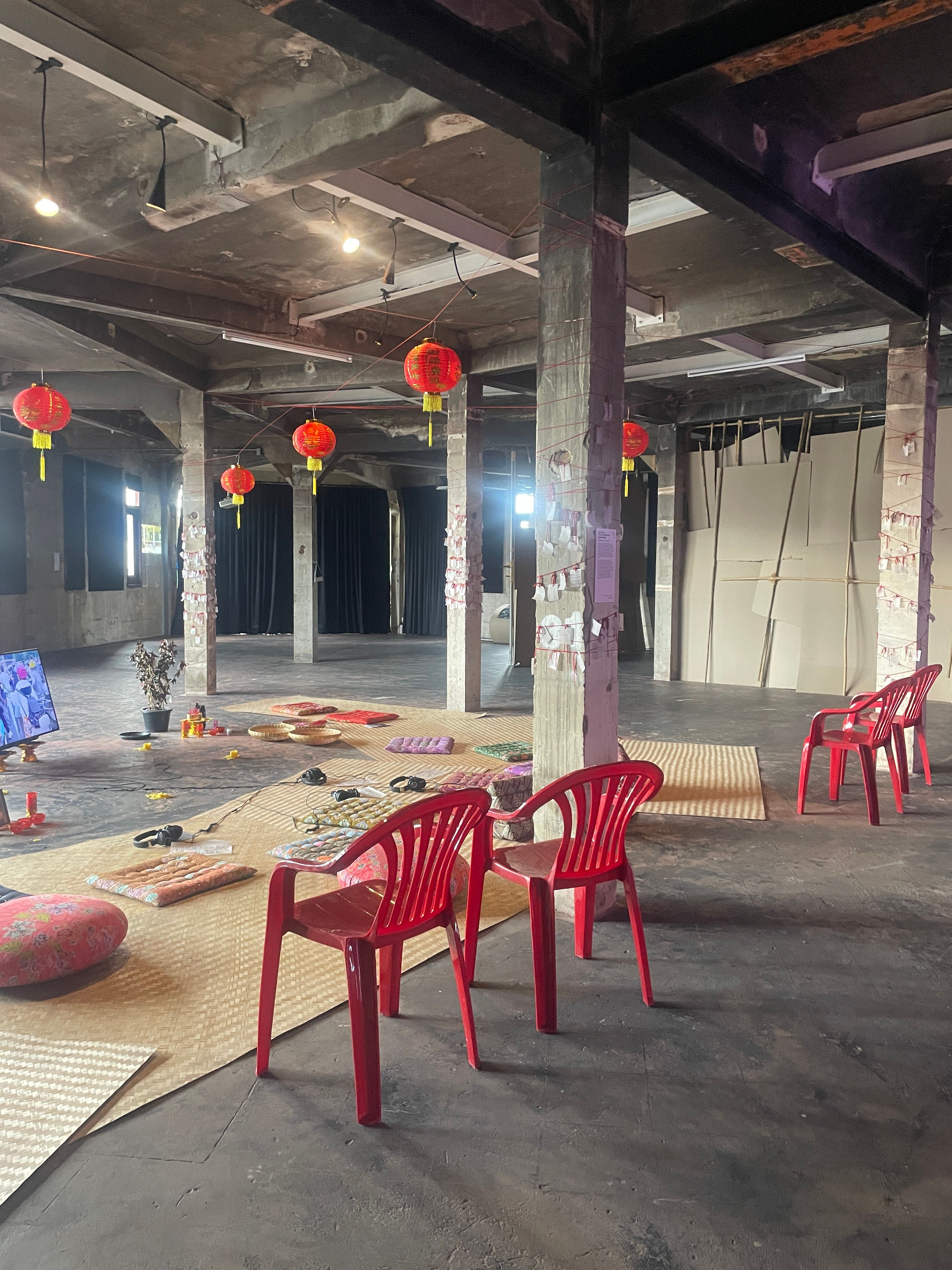
Dib is part of a new wave of privately funded gallery and museum openings as Thailand’s contemporary art scene expands rapidly. Bangkok Kunsthalle opened in a fire-damaged former printing factory in 2024, while sister museum Khao Yai Art Forest, an open-air contemporary art space in rural Thailand, launched in 2022; both are backed by Korea-born, Thailand-based philanthropist Marisa Chearavanont.
Next year, arts organisation deCentral will open, financed by the owners of Central Group, Thailand’s largest retail and commercial property conglomerate.
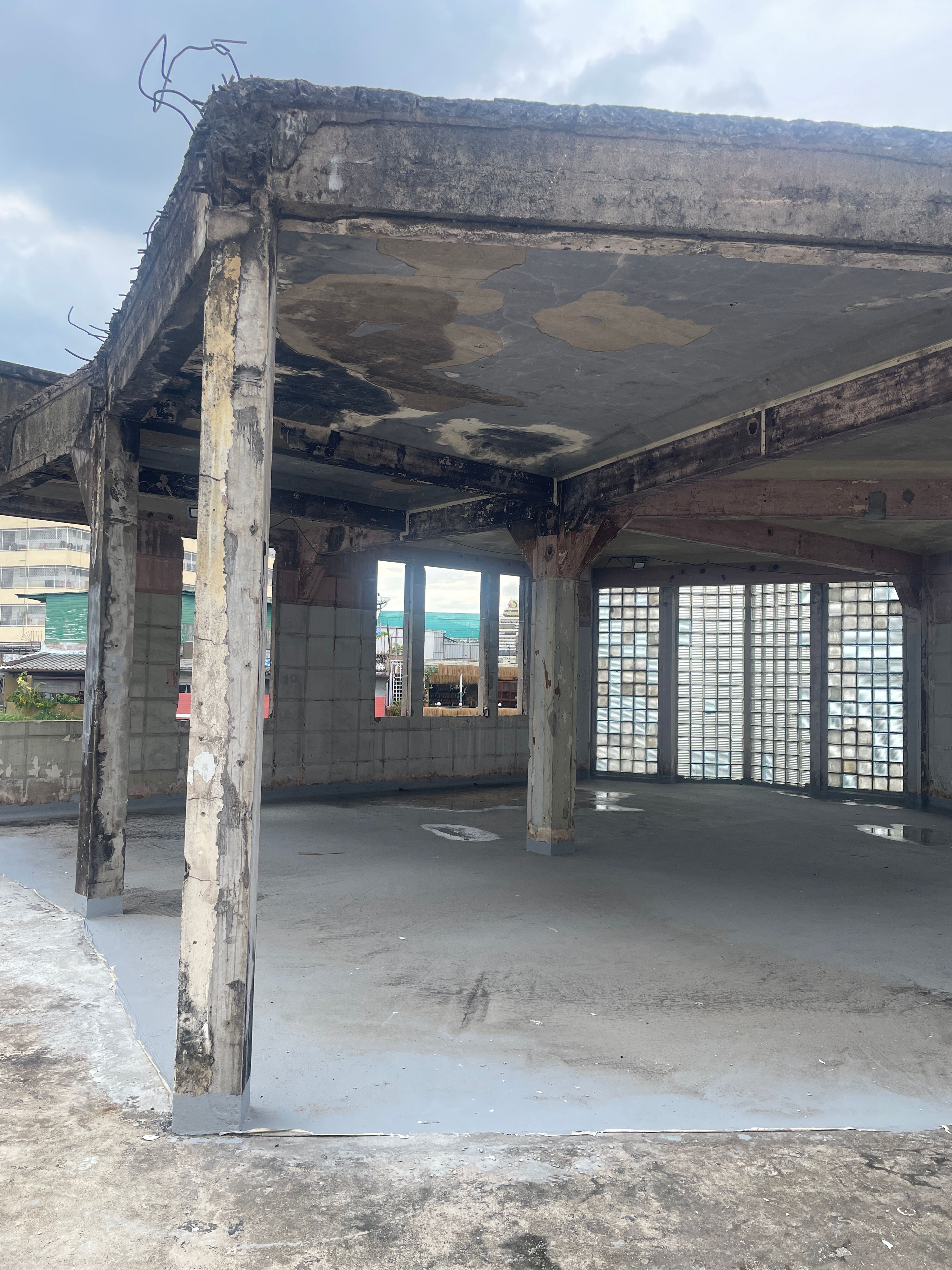
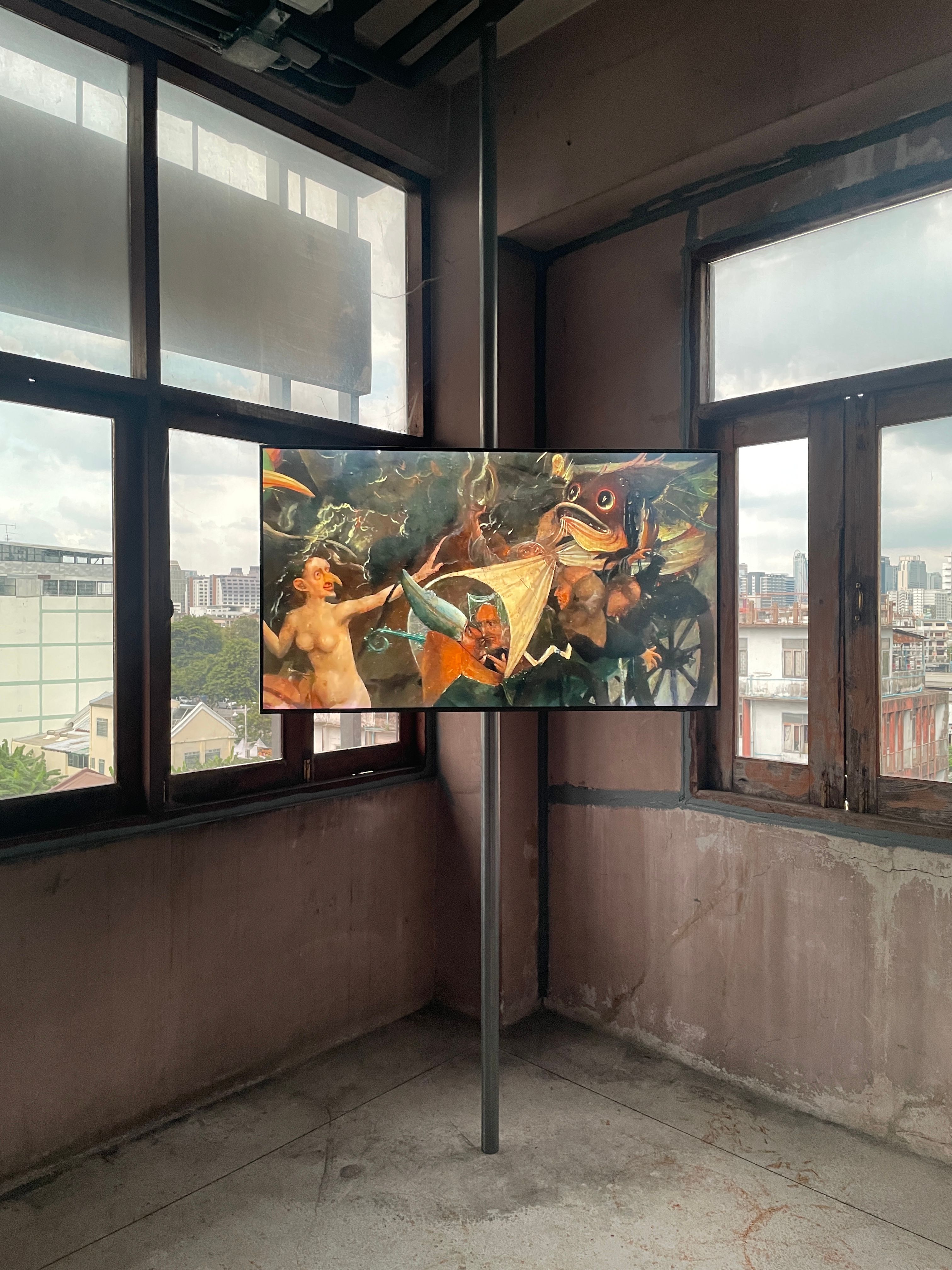
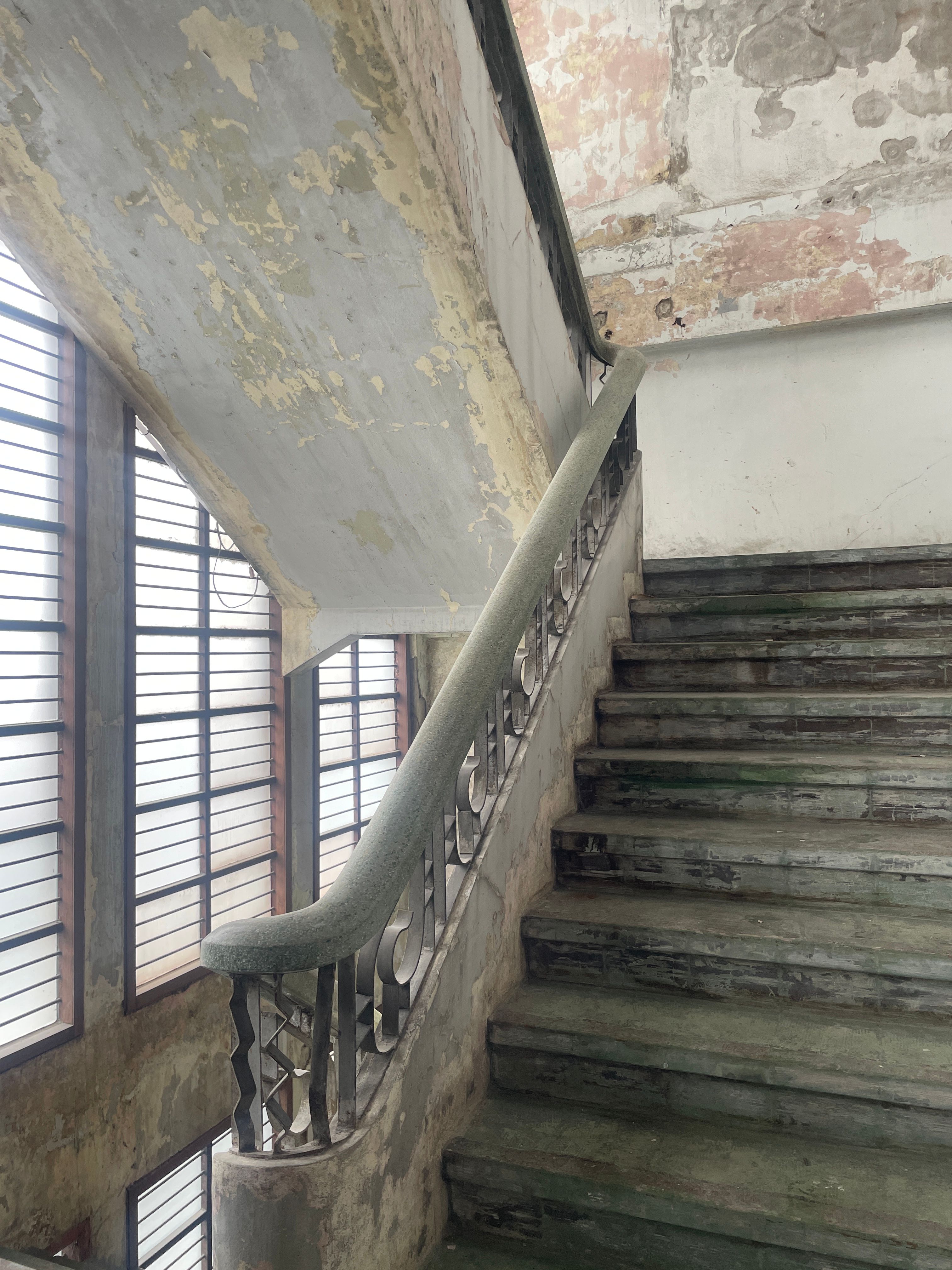
“Thailand’s art scene is just coming to the global conversation now because there are more and more artists who are active from the region, and also an increasing number of curators who can really introduce them within the context of global art discourse,” said Tezuka. “So I think that phenomena in recent years has been changing dynamics, and I think it’s going to accelerate even as museum sites like us and other places open up in coming years.”
An art scene without an art market
Yet the number of collectors in Thailand remains limited to a small group of significant patrons, and there is currently no major art fair in the country, while government funding for the arts is extremely limited. “It is an art scene without an art market. Which is quite unique and very beautiful,” said artistic director of Bangkok Kunsthalle Stefano Rabolli Pansera, who argued this absence of commercialism infuses the country’s art world with a rare openness to risk-taking and experimentation.
At the Kunsthalle, which, unlike Dib, does not have a permanent collection, the building’s ongoing redevelopment is led by artists. The fire-charred, raw concrete walls are left visible, stray animals can be found on the roof, and some areas of the building have been deliberately left open to the rain.
“We removed the windows because we wanted to bring the city inside,” Pansera said. “The Kunsthalle is for humans and non-humans.”
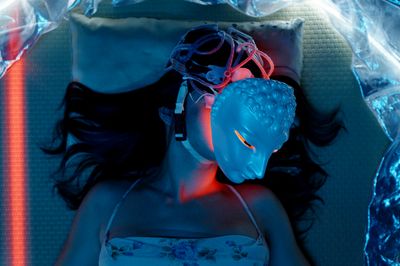
For Chanel, the Gateway Commission represents a continuation of its ongoing work with artists based in the region, following its support of the virtual reality installation A Conversation with the Sun by Palme d’Or-winning director Apichatpong Weerasethakul at the 7th Bangkok Experimental Film Festival in 2025. From 2023–2024, Chanel Culture Fund hosted a pavilion, Cinema for All, at the third Thailand Biennale, and has also supported projects by prominent Thai artists, including Rirkrit Tiravanija and Korakrit Arunanondchai.
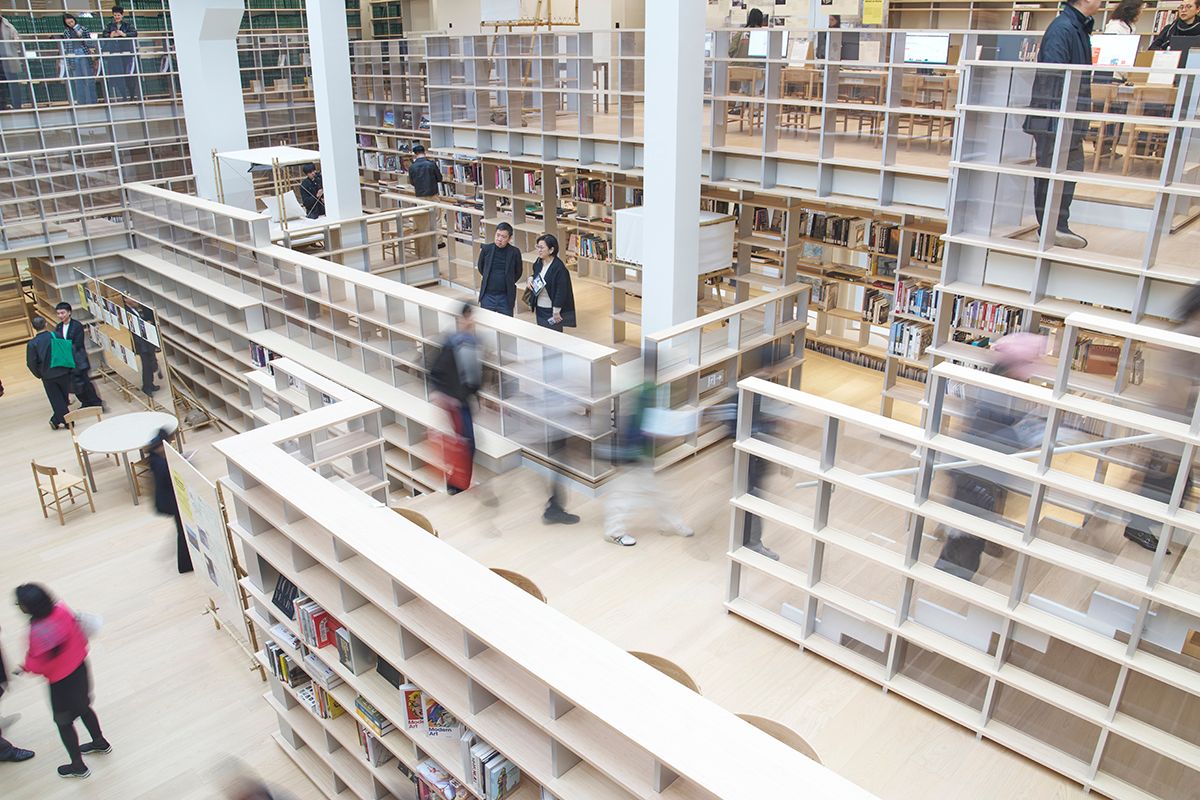
The fashion’s house’s culture fund has also backed projects in the broader Asia region since its inception in 2021. It has been a major supporter of M+ museum, which also opened in Hong Kong in 2021, and last November opened the first public contemporary art library in mainland China with the Power Station of Art, Shanghai.
As the first Chanel Gateway Commission is unveiled at Dib Bangkok, Peel said: “We have been in Thailand for years supporting local artists. This felt like the right moment to invest, not just for the next biennale, but for the next generation.”





A respected voice in contemporary art discourse.
Focusing on ambitious storytelling and insightful art-world commentary. Ocula Magazine publishes in-depth interviews, critical essays and timely analysis on the artists, exhibitions and ideas driving the global art world.
Learn more about Ocula Magazine
Showcasing the best of the art world.
Ocula partners with galleries from around the world to highlight their artists, artworks and exhibitions. Gallery membership is by application and invitation, with each member vetted by an independent panel.
Learn more about Ocula Membership
Specialises in the sale of major artworks.
Led by a team with deep ties to the world’s leading auction houses, galleries and collectors. Ocula’s advisory team offers bespoke services to high-net-worth clients from around the world who are looking to acquire the best of contemporary and modern art.
Learn more about our team and services