Press Release

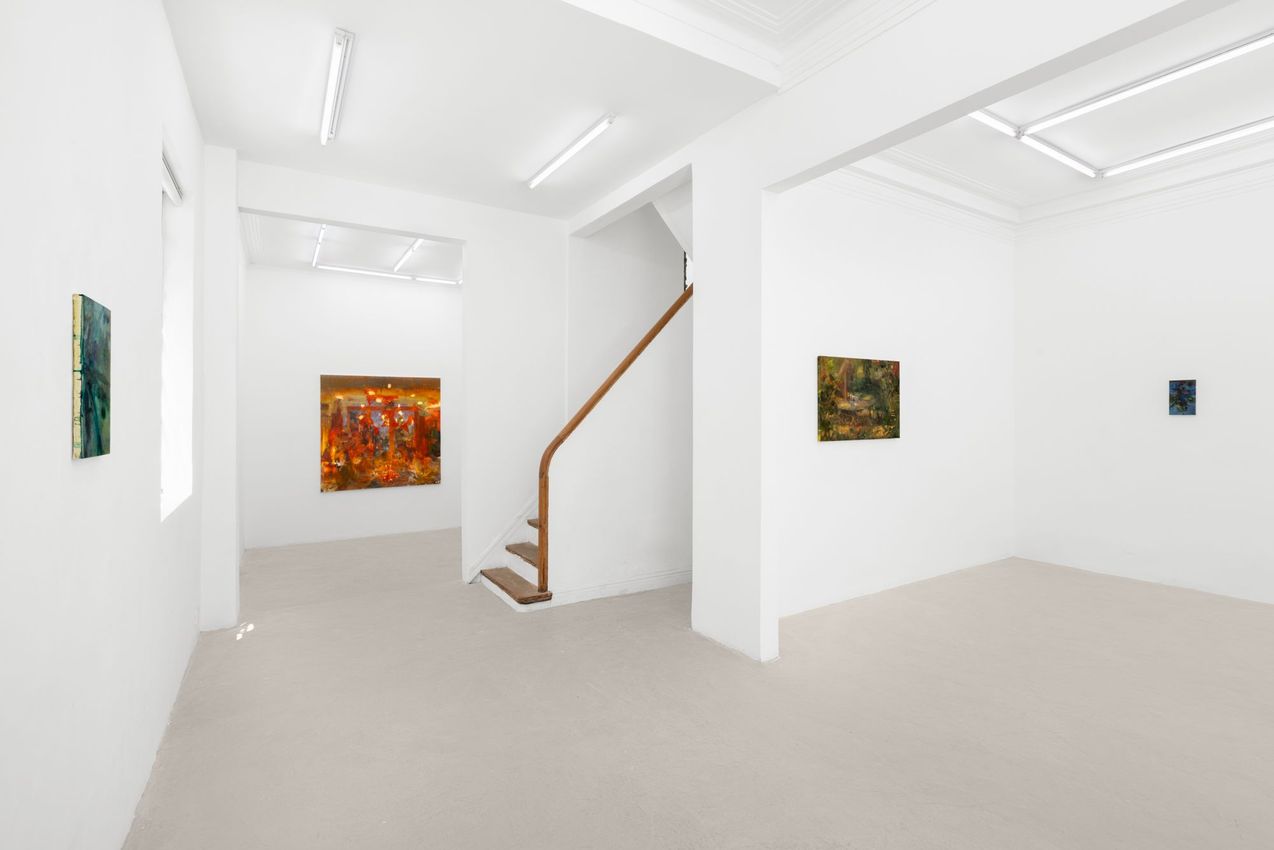
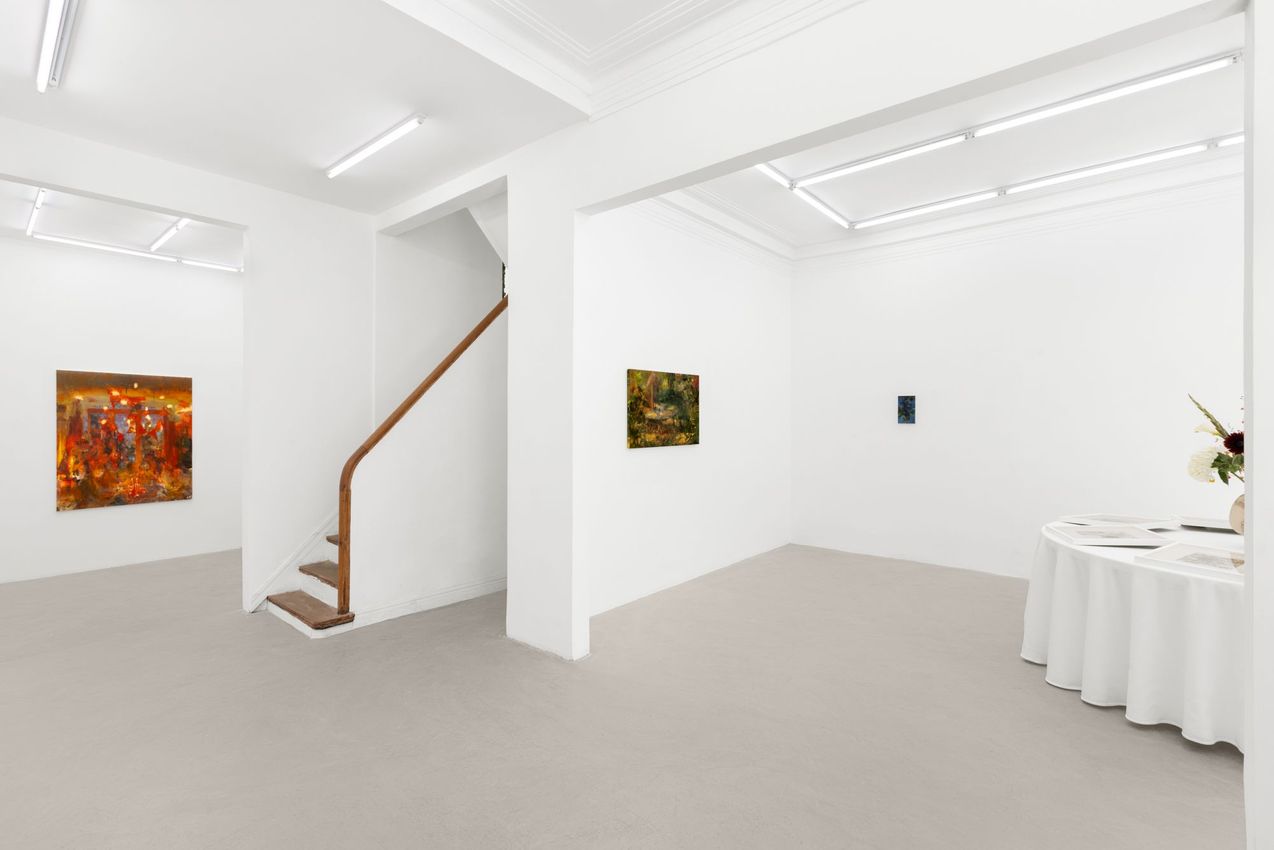
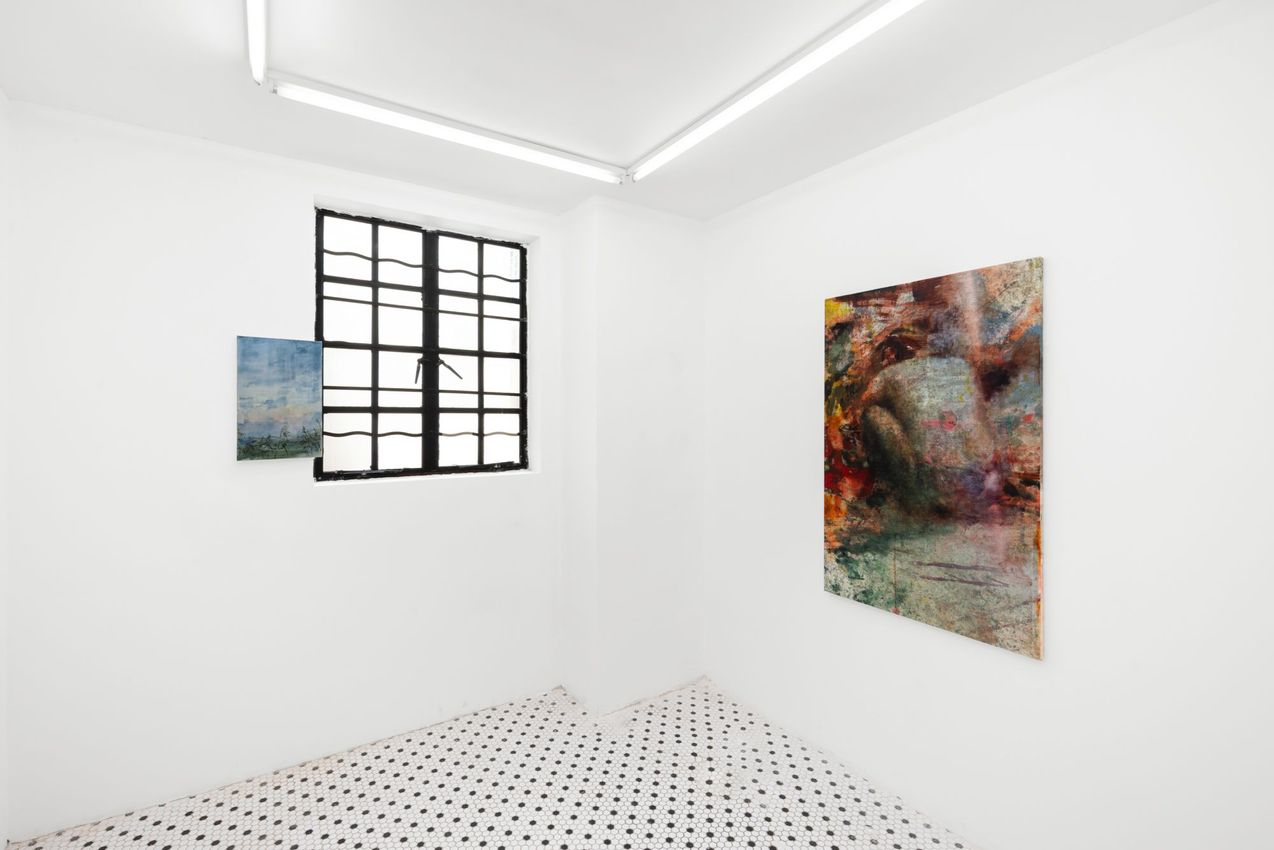
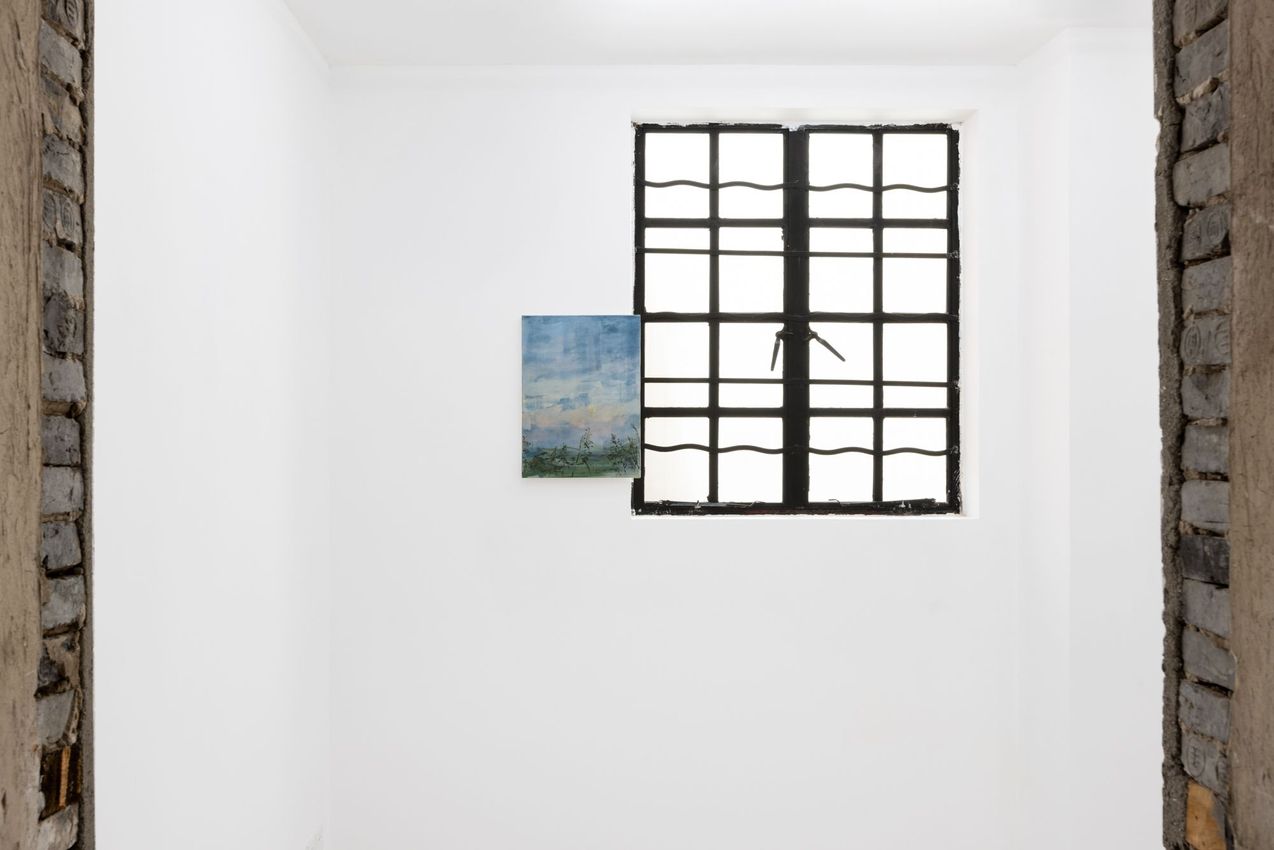
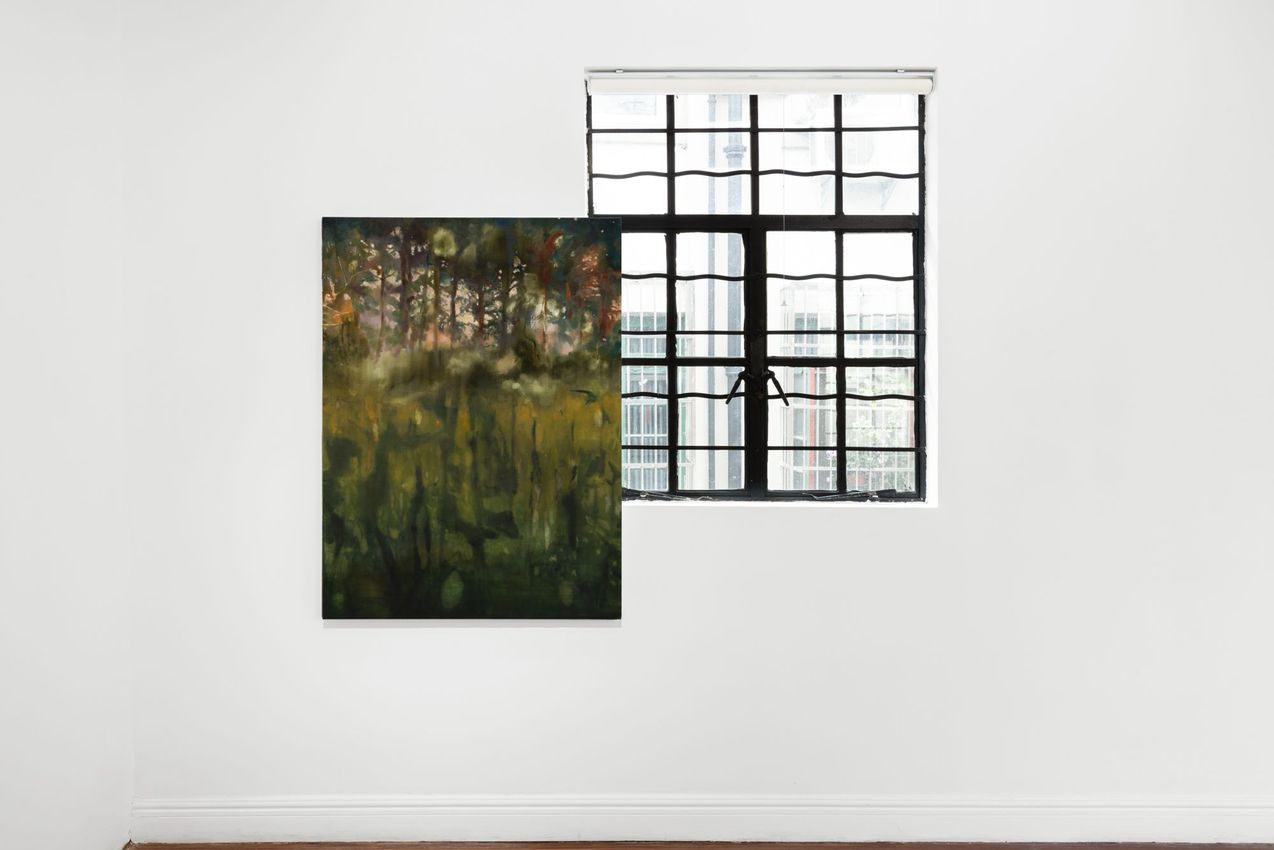
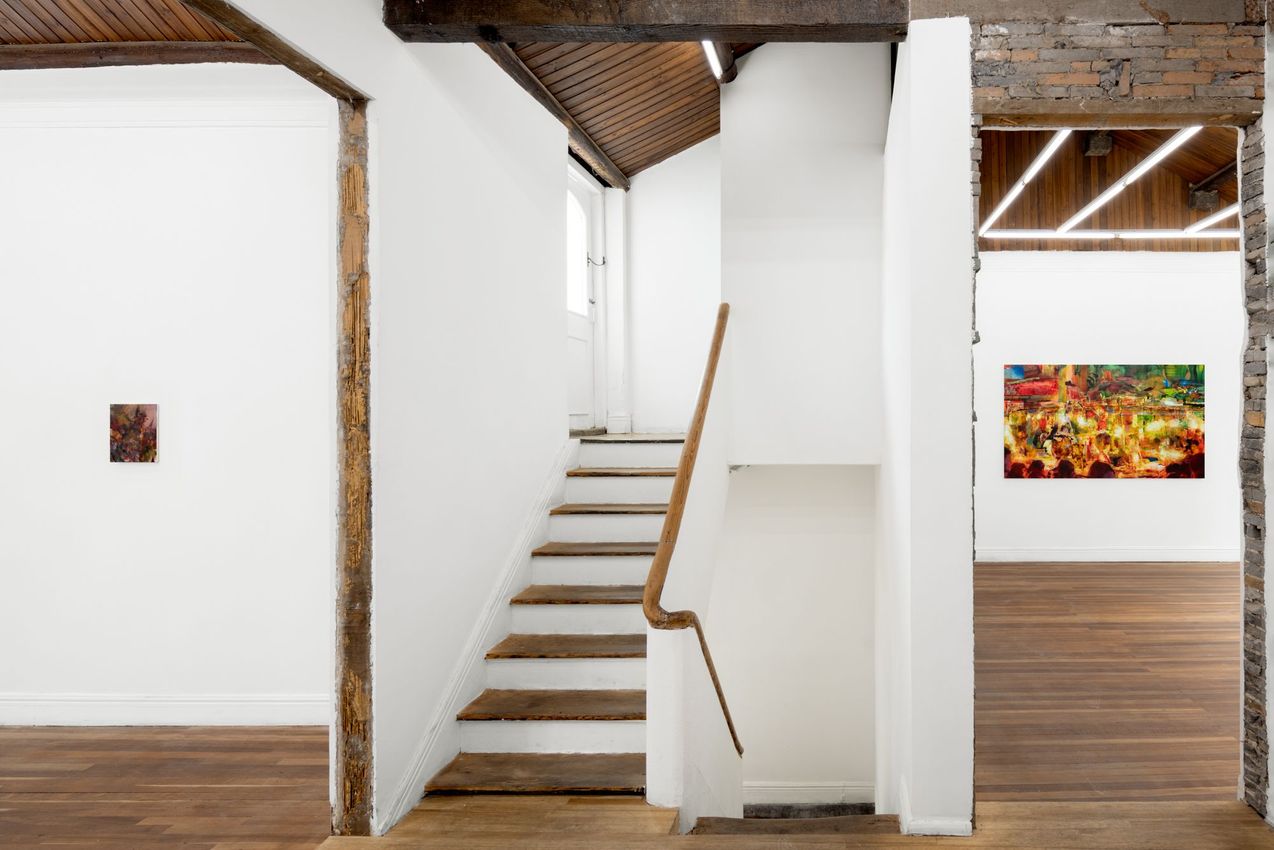
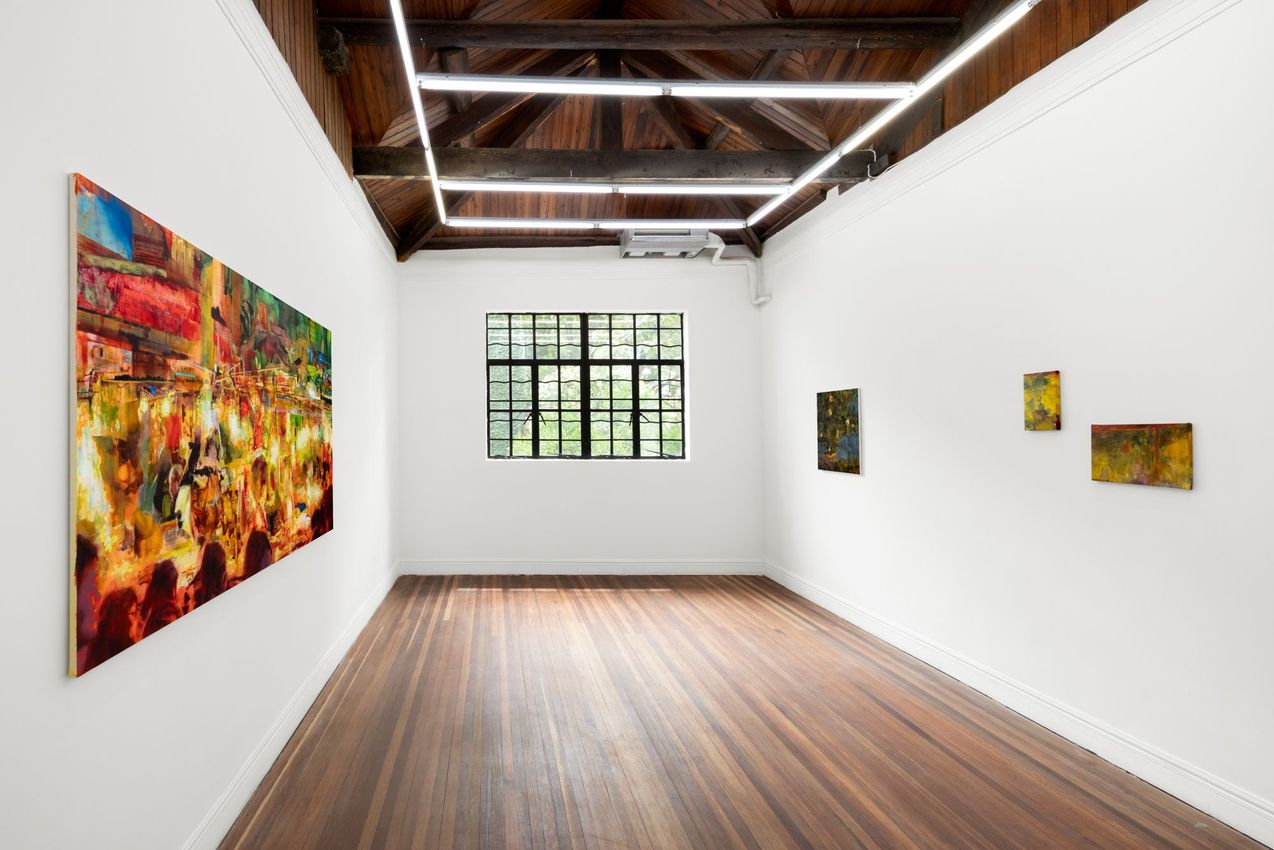
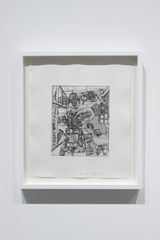
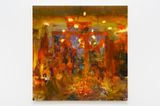
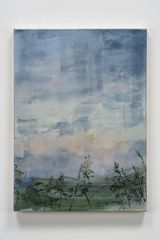
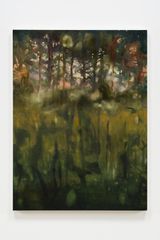
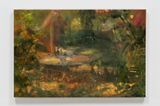
LINSEED is pleased to present The Air After, a solo exhibition by Yeji Sei LEE (b. 1995, Tokyo, Japan), marking the artist’s first exhibition with the gallery. Bringing together new paintings created this year alongside earlier works on canvas and paper, the exhibition explores not only the visual dimensions of a scene, but also its atmosphere — the air, sounds, humidity, and other intangible traces that linger beyond what is immediately visible. The Air After opens on 6 June 2026 and runs through 4 July

Yeji Sei Lee’s paintings are preoccupied with how moments and memories become embedded in space’s atmosphere.

What remains in the air after the bodies have moved on? How does the air recall memory through warmth and light? Lee repeatedly returns to moments of gathering around tables, bodies in the summer light, crowds in busy street markets.

The English word “atmosphere” makes its first recorded appearance in a description of the Moon. In The Discovery of a World in the Moone (1638), John Wilkins coined atmo-sphæra for what he argued was the Moon’s own gaseous envelope, “an orbe of grosse vaporous aire, immediately incompassing the body of the Moone.” From its inception, the word pointed to the ephemeral and unpalpable layer that wraps a body rather than the body itself. By the early nineteenth century, however, atmosphere had undergone a semantic shift, coming to describe the mental, moral and emotional surround of a scene. Similarly, the Japanese word for atmosphere, 雰囲気 (fun’iki), entered the language as scientific terminology in the late Edo period, before acquiring its modern definition – the mood, the ambience, the emotion surrounding the situation. The word travelled the same trajectory, from air to affect, from the physical to the sensory.

The attentiveness to both physical condition and emotional residue in the atmosphere has its roots in Lee’s own experiences. Born in Japan to Korean parents, Lee grew up making returns to Busan, a harbour city on Korea’s southern coast, retracing the movements of her mother and maternal grandmother, who sold fish at Haeundae Market. Lee recalls the rhythmical, almost percussive southern dialect filling the room, the sounds not fully understandable but loaded with warmth. From the distance felt in meals in Busan, and her mother’s cooking which, never felt fully Japanese, the artist speaks of in-betweenness. Navigating two cultures, two ways of eating together, the sense of being suspended between two, sharpened the artist’s sensitivity to what a space holds beyond the visible.

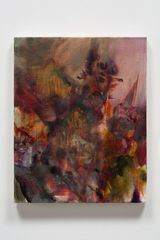
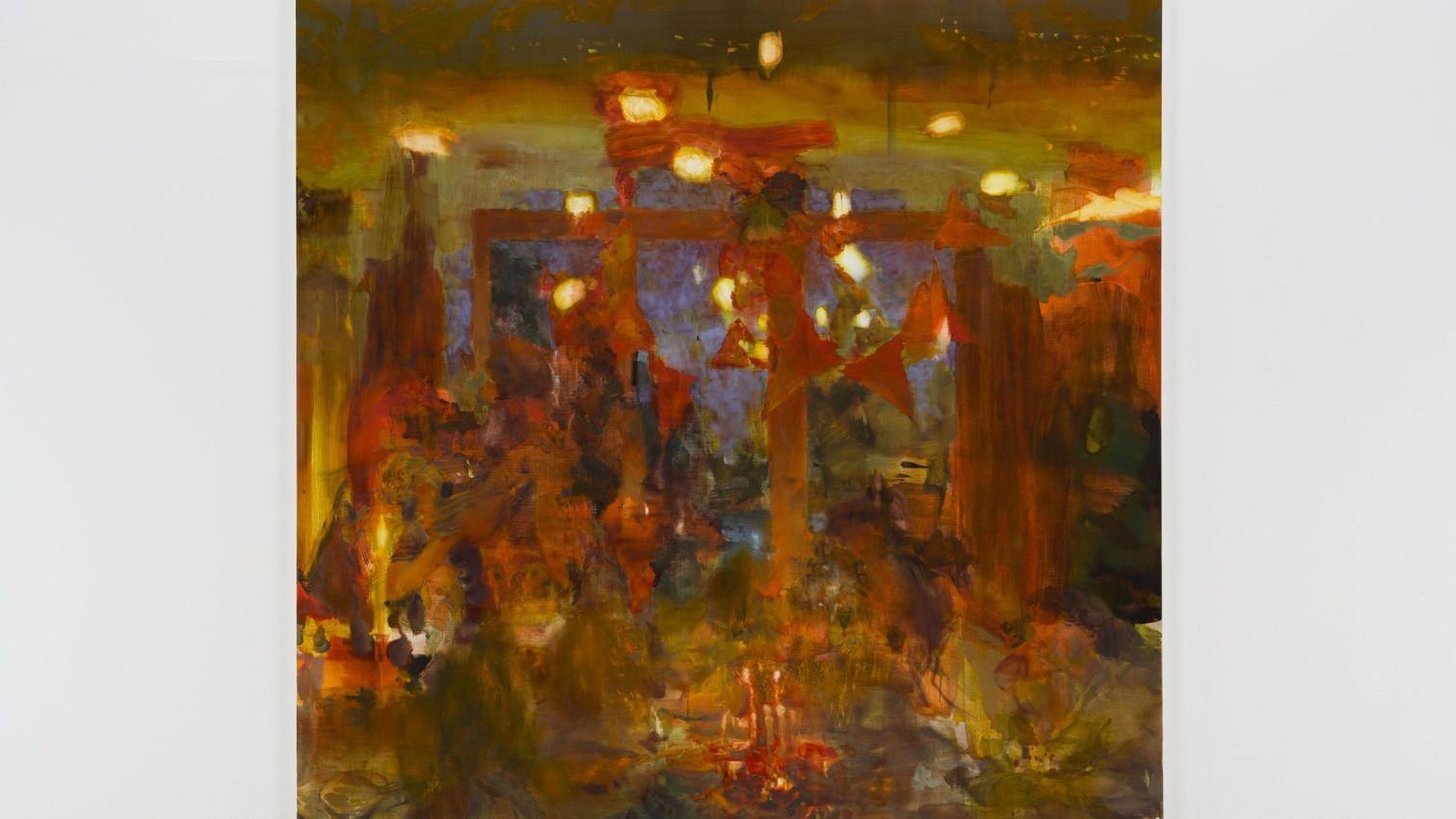
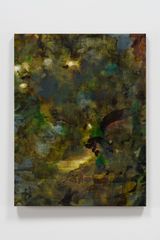
The artist’s sensitivity extends to dense layers of her paintings. Lee builds her surfaces through delicate, successive veils of paint, allowing light to seep through from beneath. Pigments bleed into one another across the canvas: greens dissolve into dusk blues, warm ambers into umbers. Bleeding shades hold forms in a state of perpetual motion, as figures seem to shift in their seats, leaves tremble, and candles continue burning. The surface itself becomes atmospheric, registering presence not by outline but by heat, not by form but by trace. Where the history of atmospheric paintings has often treated atmosphere as a medium through which we see, Lee constructs it as something felt by the skin: humidity caught on clothes, afternoon sun landing on a forearm, steam from hot food grazing the tip of the nose. The paintings do not ask to be looked at. They ask to be entered, felt, lived and relived.

Reference 1 Wilkins, John. The Discovery of a World in the Moone. London: Printed by E.G. for Michael Sparke and Edward Forrest, 1638, p.138.

*This article is written by Kahyun LEE, an independent curator and researcher based in London and Seoul. Her work frames curating as both a critical practice and a mode of alternative knowledge production, with a particular interest in how institutions, national borders, and identities shape curatorial practices and construct narratives around East Asian contemporary art. Currently, Lee is a doctoral researcher at the Royal College of Art London and Tate Modern supported by an Arts and Humanities Research Council-funded Collaborative Doctoral Partnership. She previously curated exhibitions and programs at the Museum of Contemporary Art Busan and the British Library.

Kahyun Lee

Read More

Installation Views

About the Gallery

LINSEED was established in Shanghai, focusing on the practices and artistic development of young emerging artists flowing across the Asian and global scenes. Initially exploring the potential and flexibilities of exhibitions in alternative spaces and diverse contexts, LINSEED launched its gallery space in 2022. Discovering, representing, and supporting a new generation of forward-looking artists across different backgrounds and disciplines, LINSEED invites exciting interactions among the talents and institutions, and converses with multifaceted mechanisms and cutting-edge topics.

View Gallery Profile
Address
No.4, 165 Wuyuan Rd
Shanghai
China
(1)
Shanghai No.4, 165 Wuyuan Rd
LINSEED Projects
No.4, 165 Wuyuan Rd, Shanghai, China
The art world in focus