



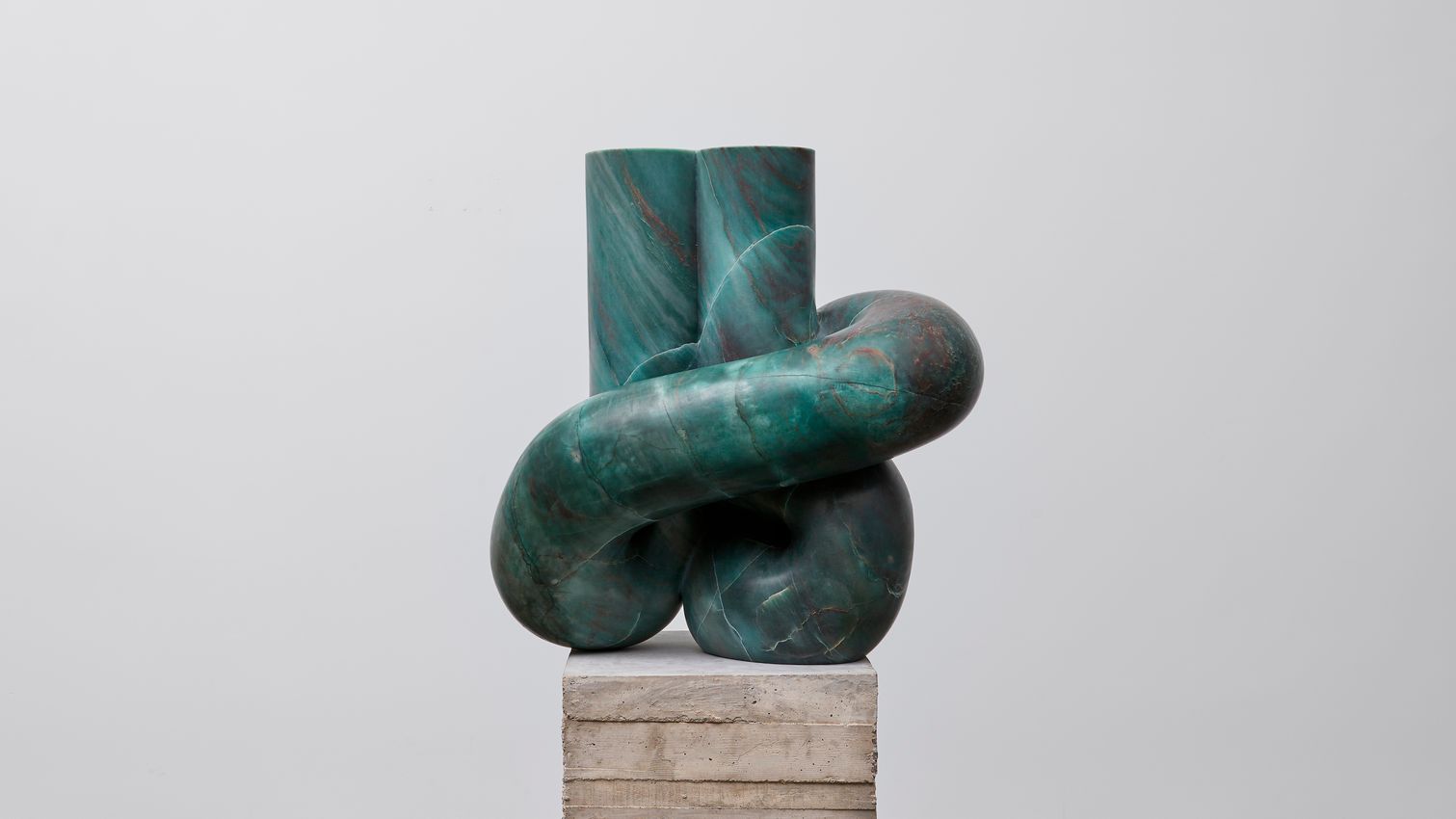
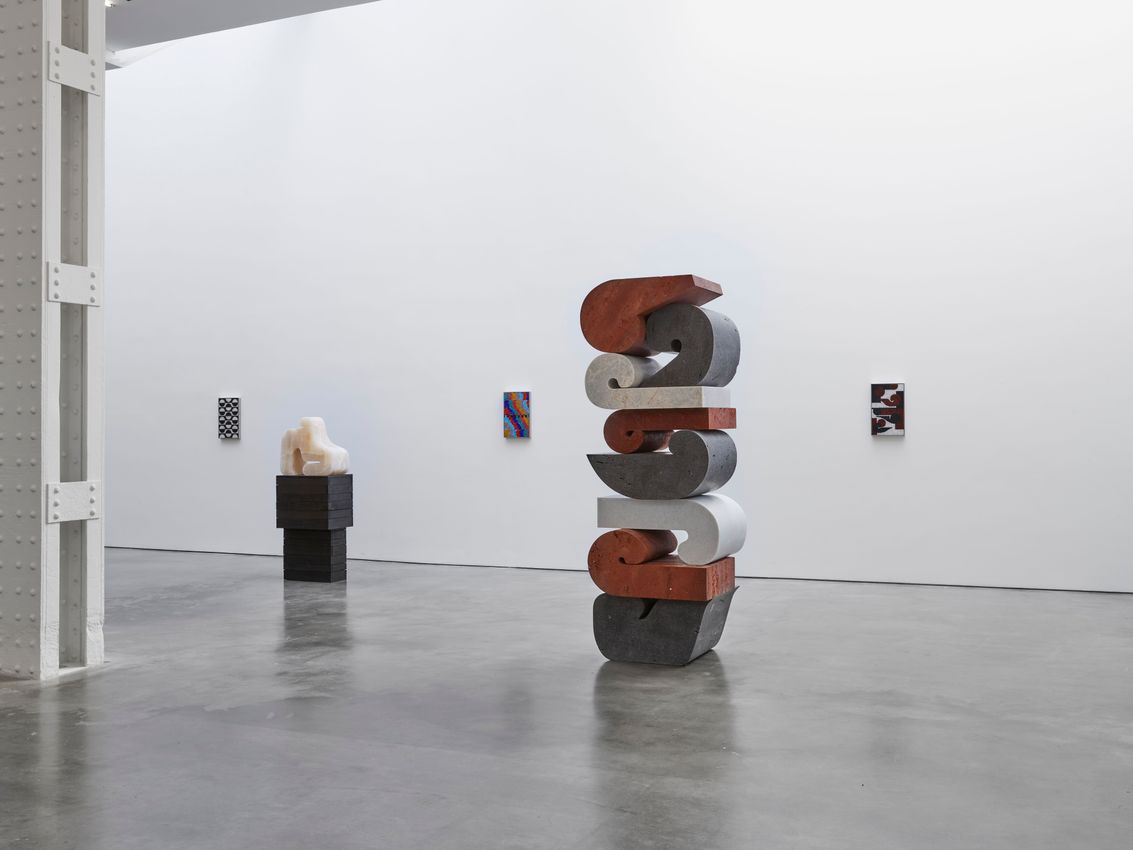
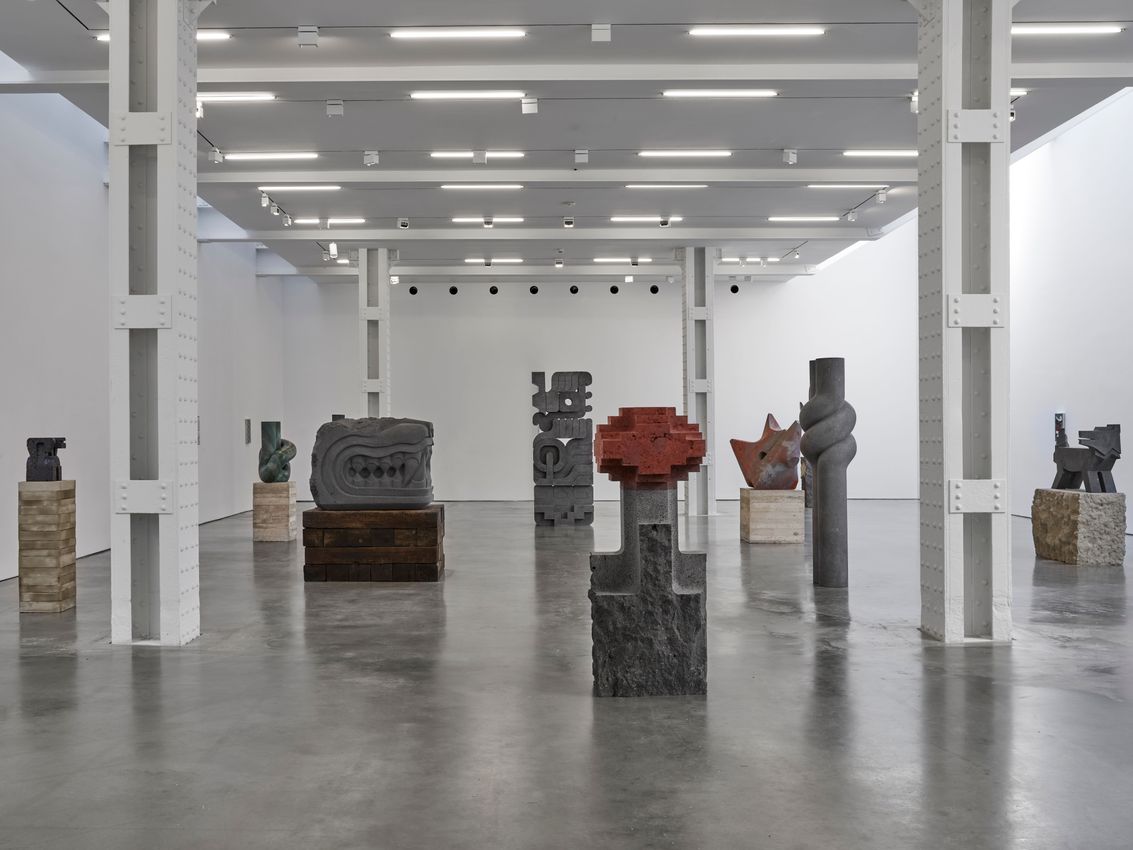
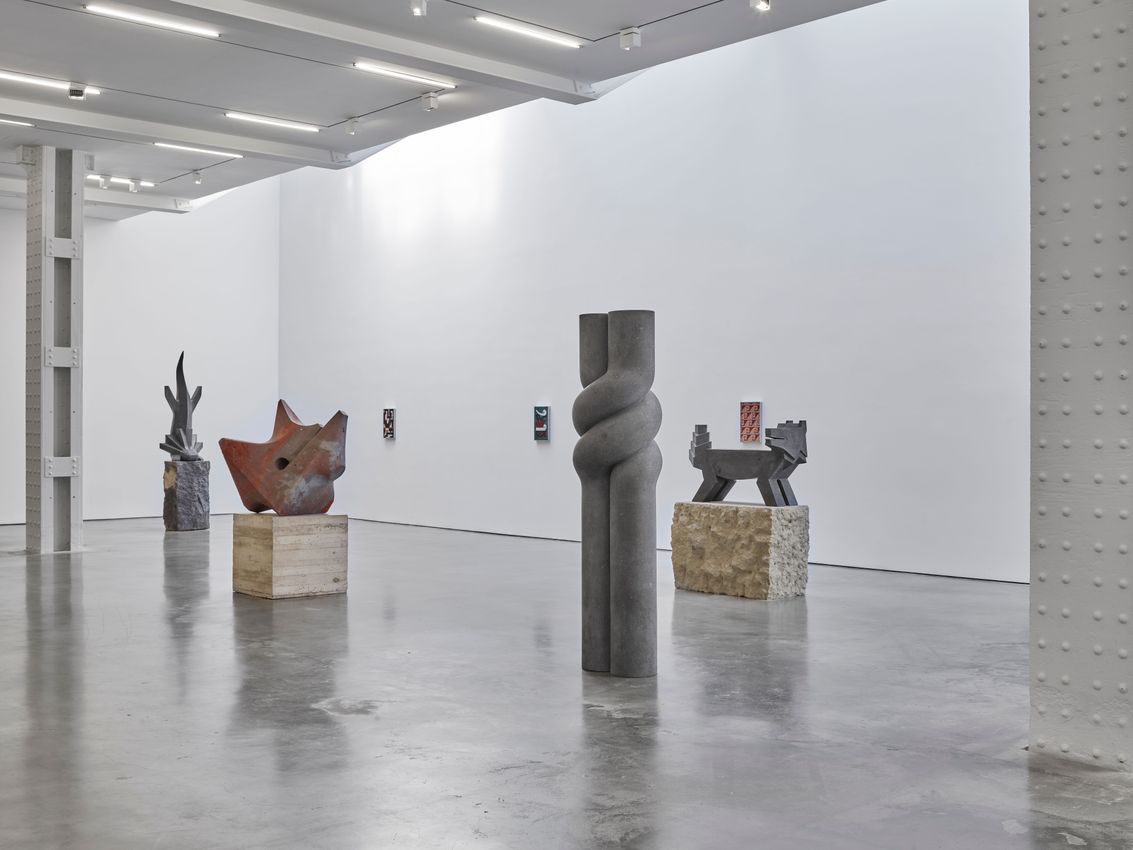
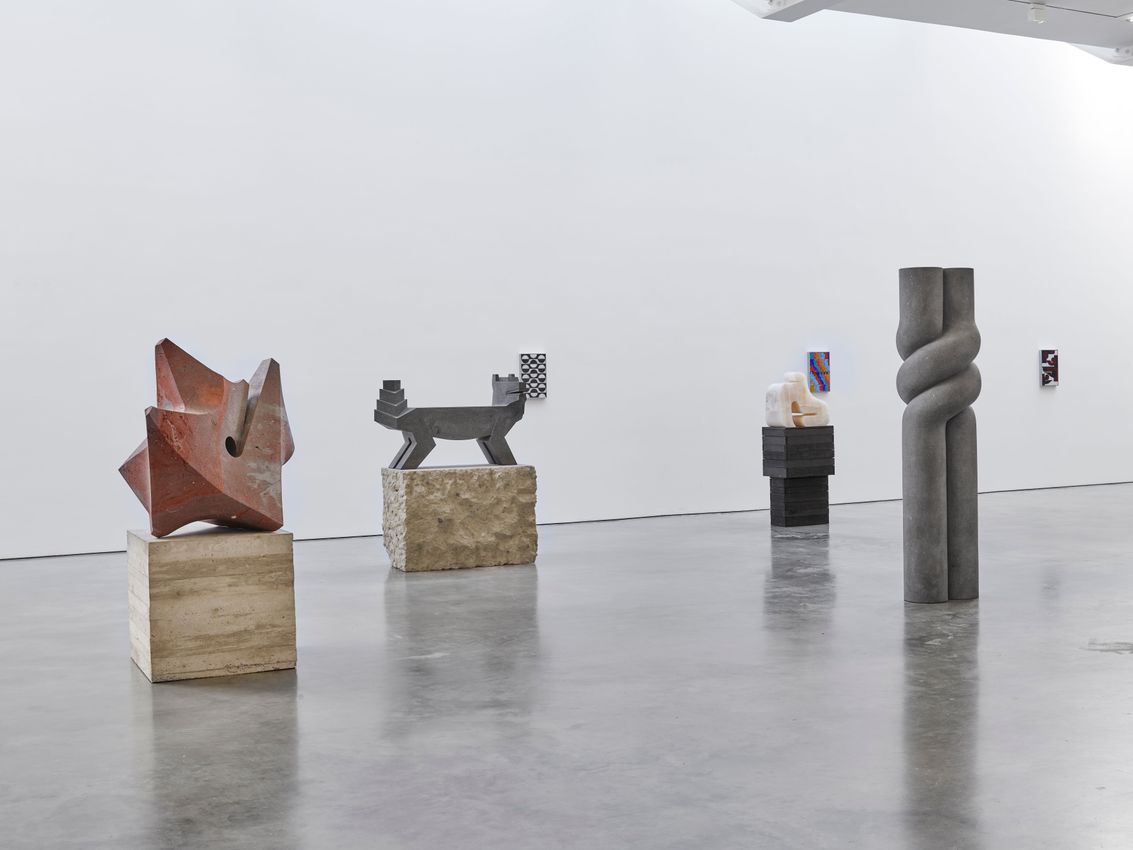
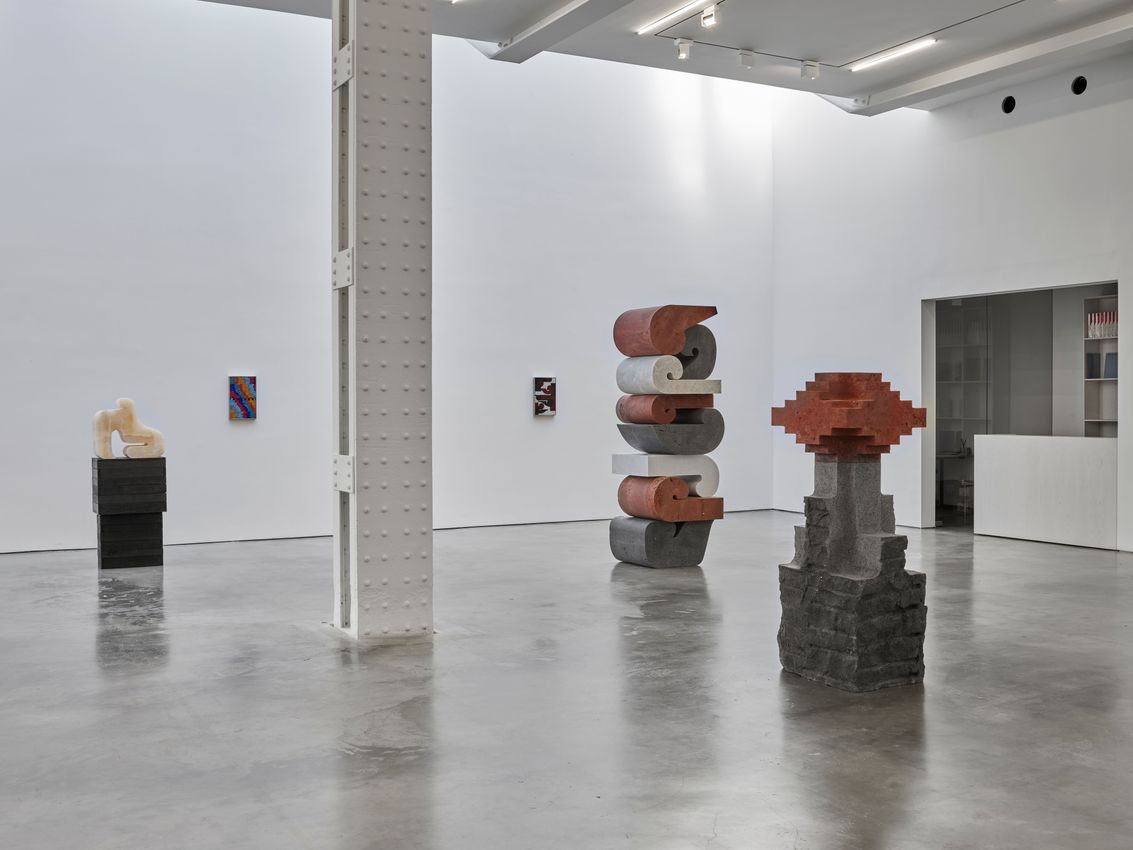
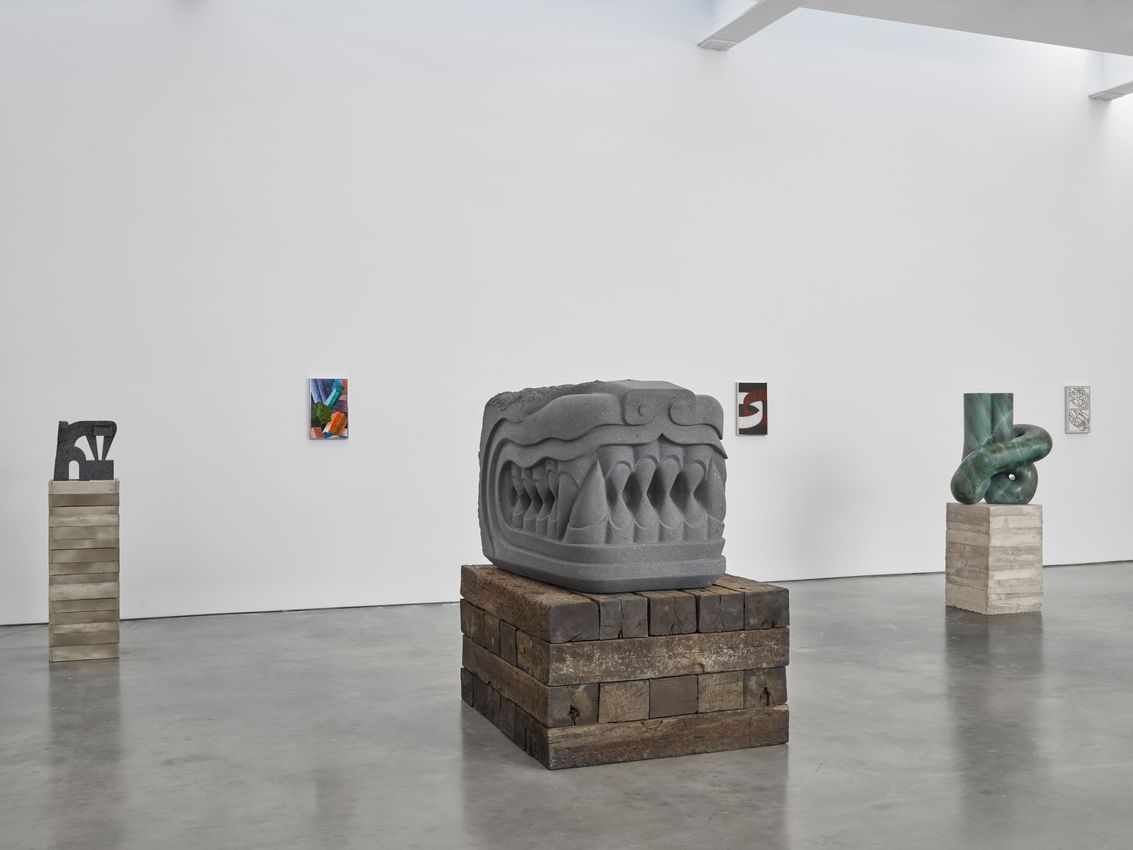
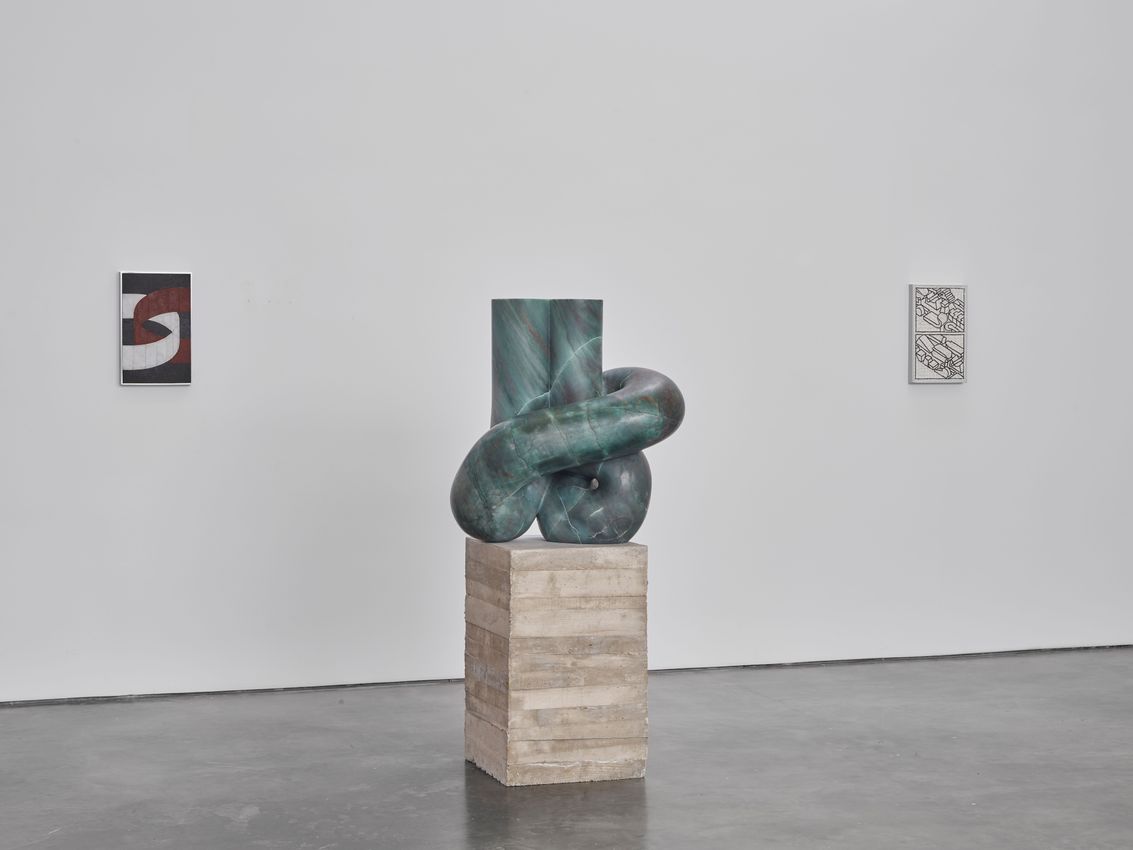
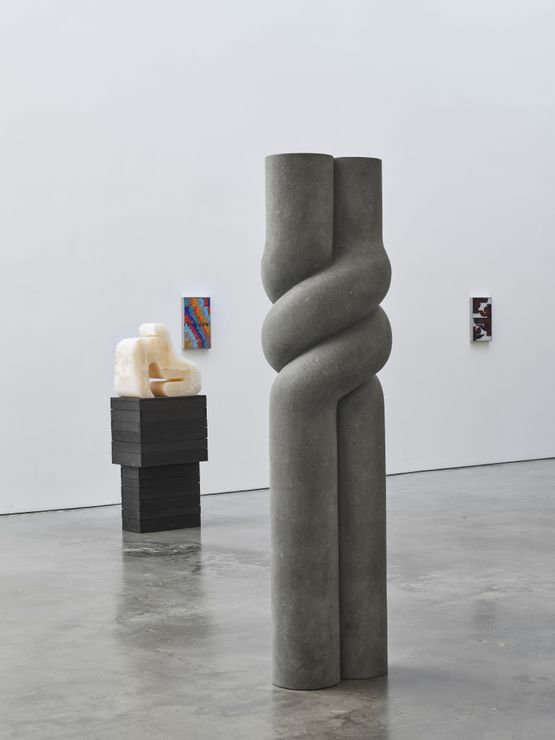
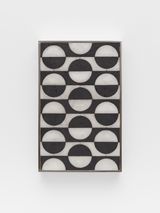
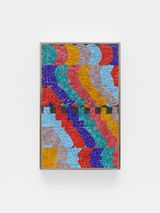
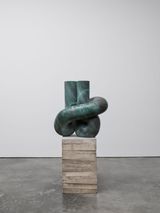
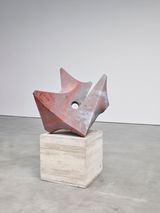
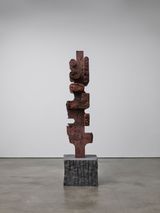
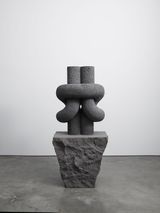
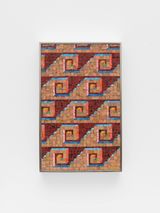
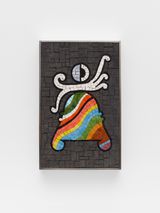
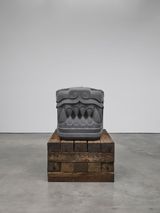
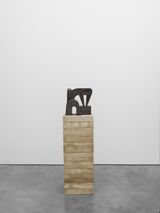
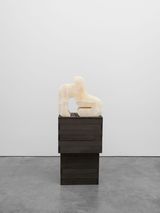
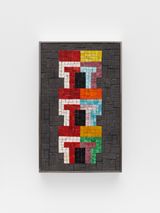
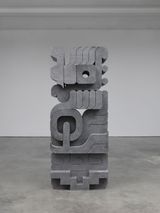
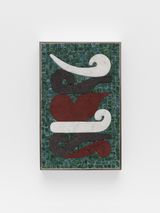
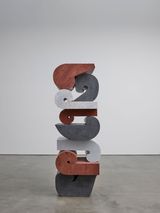
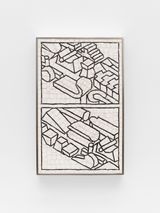
This fall, Lisson Gallery is pleased to present a solo exhibition of new work by acclaimed artist Pedro Reyes, marking a significant evolution in his sculptural practice. Bringing together monumental stone works and, for the first time, a suite of wall-based mosaics, the exhibition transforms the gallery into a sculptural forest—a landscape of myth, material, and movement.
Rooted in Mesoamerican cosmology, Reyes’ formal syntax draws deeply from his own heritage. His forms echo the traditions of Mexica and Olmec carving, reinterpreted through a contemporary lens that also recalls the synthesis of Art Deco and modern abstraction. By weaving together these distinct visual territories, Reyes explores how sculpture can serve as a vessel of memory, a bridge between the ancient and the contemporary, and a medium for cultural resilience and renewal.
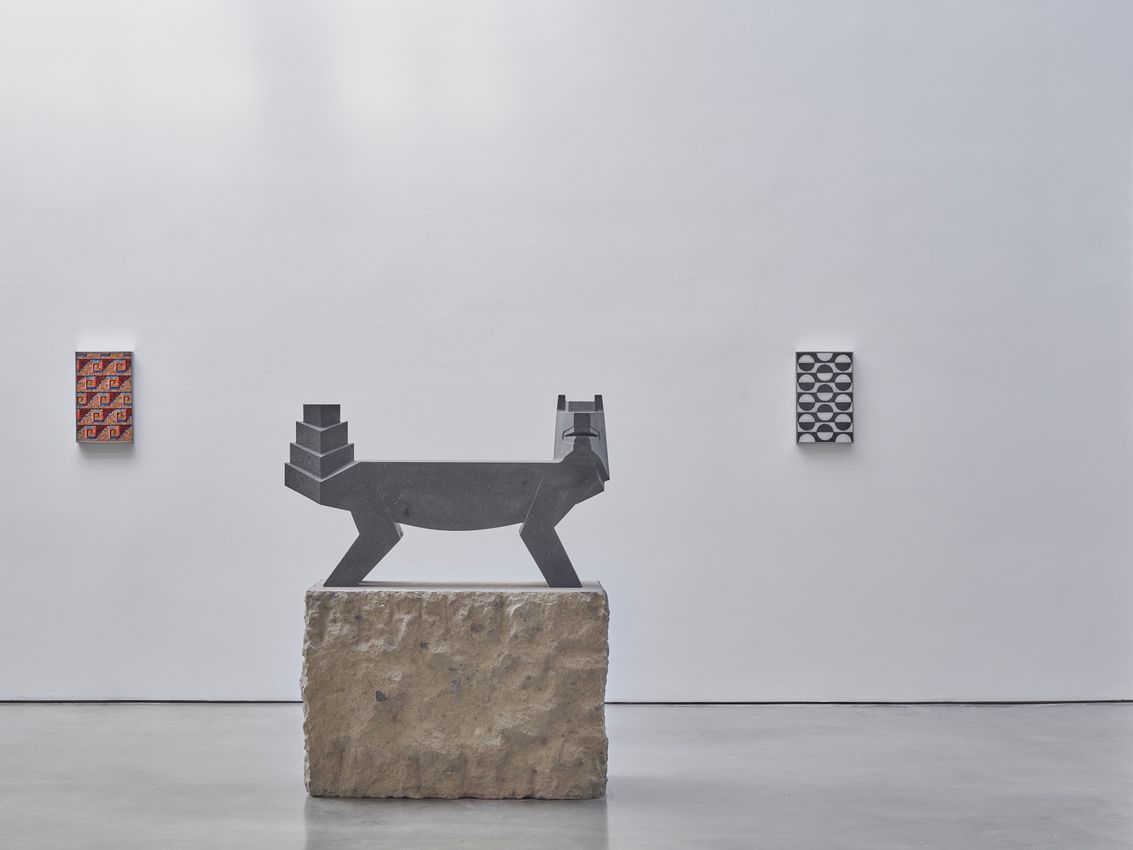
Alongside his distinctively abstract, totemic sculptural forms, a new series of evocative animal figures—jaguar, coyote, monkey, and axolotl—emerge, each rendered with a restrained precision that bridges ancient symbolism and a contemporary visual language. This synthesis is particularly evident in Coyotl(2025), where the sharp, geometric lines along the figure’s neck and tail reflect both formal clarity and cultural resonance. The work pays homage to Coyoacán—meaning “the place of the coyotes” in Nahuatl—the Mexico City neighborhood where Reyes his home and studio. As the artist notes, “Often described as a creature between a dog and a wolf, the coyote plays the role of a trickster spirit in pre-Columbian mythology. It also serves as a symbol of earthly wisdom because of its astute nature.”
At the heart of the exhibition is a newly developed body of stone mosaics. Smaller in scale and intricately composed, these works introduce a refined and rhythmic counterpoint to the larger stone sculptures. Composed of tesserae made from volcanic stone, marble, glass, silver, and gold, the mosaics radiate with vibrant color and material richness, underscoring their importance as conceptual anchors within the exhibition. Reyes’ mosaics act as portals—offering moments of reflection and pause within the broader sculptural landscape. This new direction in his practice brings heightened attention to pattern, detail, and material intimacy while maintaining the thematic depth that defines his work.
The exhibition also encourages spatial navigation and sensory engagement. As visitors move through the space, the artworks shift in form and meaning, offering changing perspectives and intimate encounters with surface, scale, and silhouette. Rather than isolated displays, the sculptures inhabit a shared environment, inviting viewers into a tactile, narrative-rich journey.
Whether monumental or intimate, animal or abstract, Reyes’ forms resonate with symbolic weight and formal clarity, inviting viewers into a space where the boundaries between past and present, myth and matter, are fluid and alive.


Pedro Reyes has won international attention for large-scale projects that take existing social problems and imagine solutions for a happier world. His political stance, use of found materials and disavowal of the corporate mentality sets him in the wake of Arte Povera, most keenly so in his tackling of gun culture in Mexico. In Palas por Pistolas, 2008, Reyes worked with local authorities in Culiacán, Mexico, to melt down guns into shovels, intended to plant trees in cities elsewhere in the world. ‘I am on a crusade to come up with creative initiatives to disarm all these cities’, Reyes says (2013). Similarly for Disarm, 2013, the Mexican government passed over 6,700 confiscated firearms for Reyes to turn into mechanical musical instruments, which are automated to play a delightful, if surreal loop, retaining the raw emotion of their origination. Other works tackle first world problems through participatory techniques. Sanatorium, 2011, invites visitors to sign up for a ‘temporary clinic’, with the mission of treating various kinds of urban malaise. Therapies such as trust-building games and hypnosis are offered to combat common problems such as loneliness and stress. The conclusion to the Sanatorium manifesto inflects Reyes’s big ambition with a healthy sense of the absurd:


Established in 1967 in London, Lisson Gallery is one of the most well-known galleries operating globally. Boasting an influential and continuing legacy, including playing a pivotal role in the careers of many pioneers of historically important art movements, the gallery works with some of the most significant contemporary artists today.

A respected voice in contemporary art discourse.
Focusing on ambitious storytelling and insightful art-world commentary. Ocula Magazine publishes in-depth interviews, critical essays and timely analysis on the artists, exhibitions and ideas driving the global art world.
Learn more about Ocula Magazine
Showcasing the best of the art world.
Ocula partners with galleries from around the world to highlight their artists, artworks and exhibitions. Gallery membership is by application and invitation, with each member vetted by an independent panel.
Learn more about Ocula Membership

Specialises in the sale of major artworks.
Led by a team with deep ties to the world’s leading auction houses, galleries and collectors. Ocula’s advisory team offers bespoke services to high-net-worth clients from around the world who are looking to acquire the best of contemporary and modern art.
Learn more about our team and services