“My work deals with mental and physical violence, pain, human depravity... It’s the power of art, to express what I observe and experience by means of painting. To some extent, it’s the mark of existence, and that’s what painting is to me, recording everything I see and experience.”
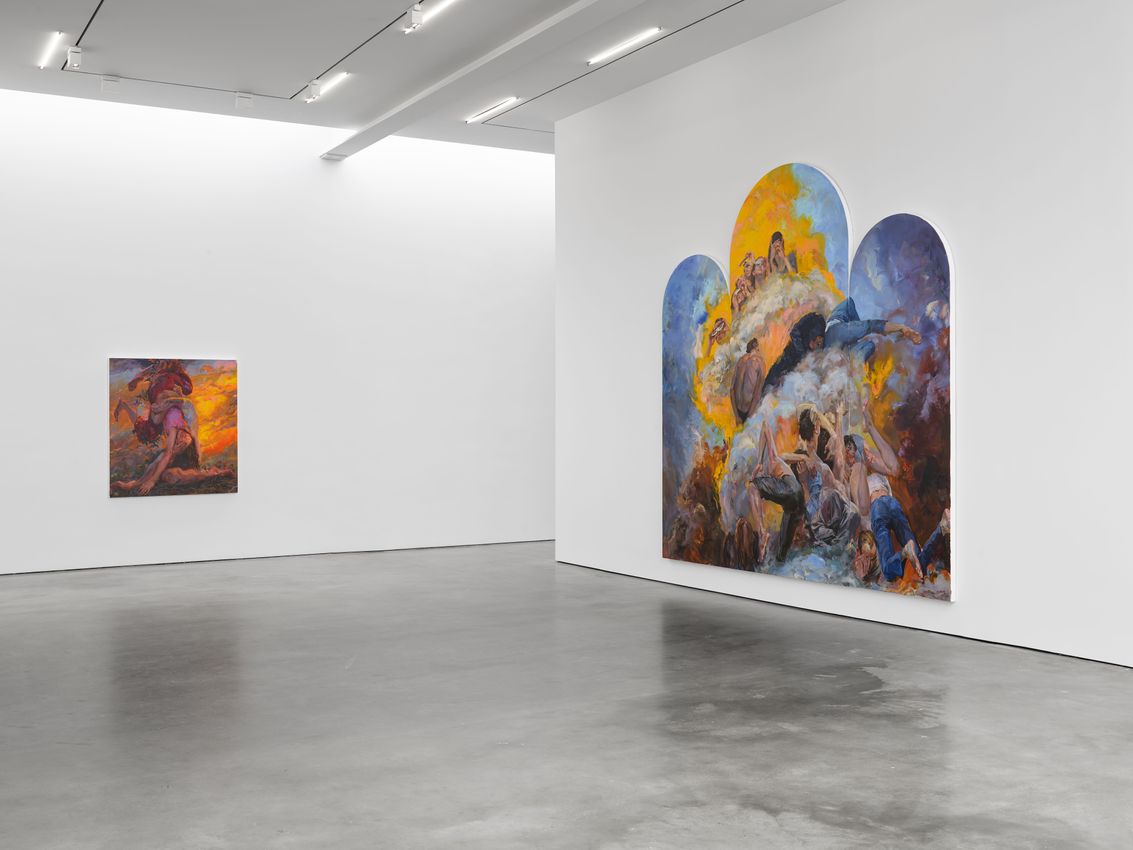
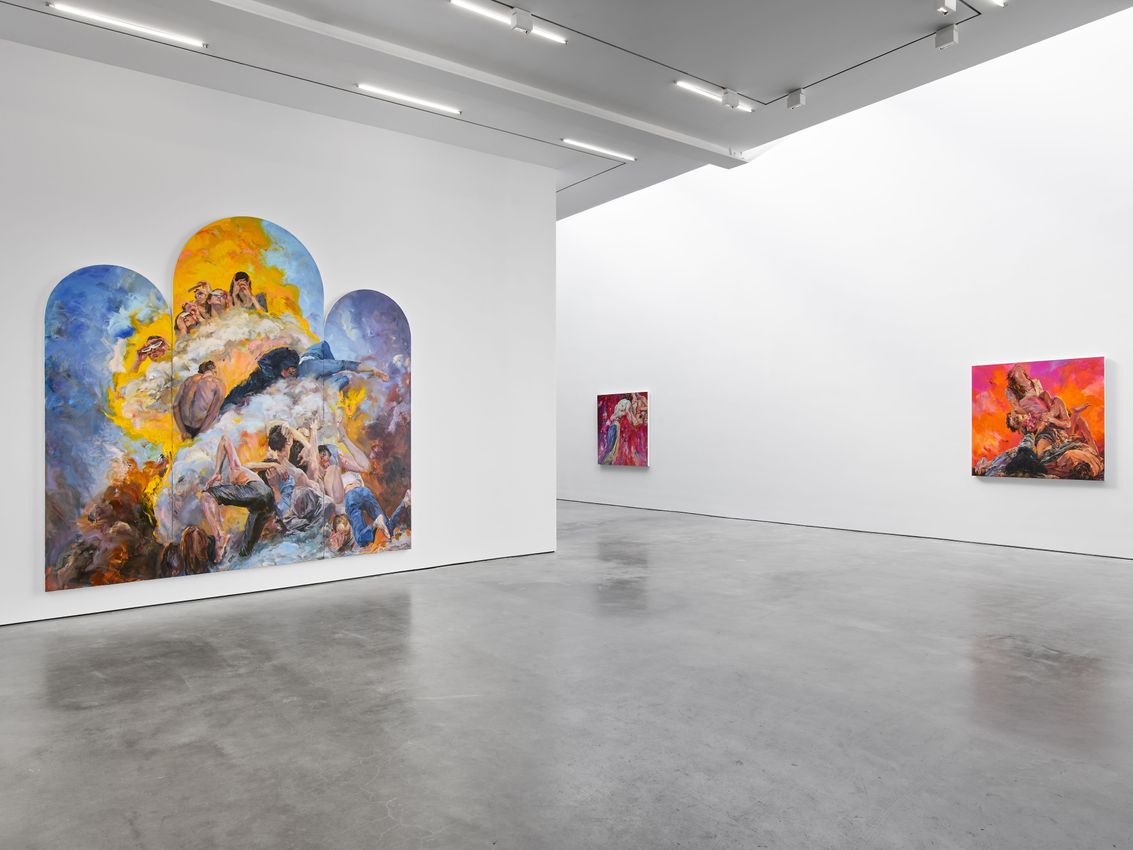
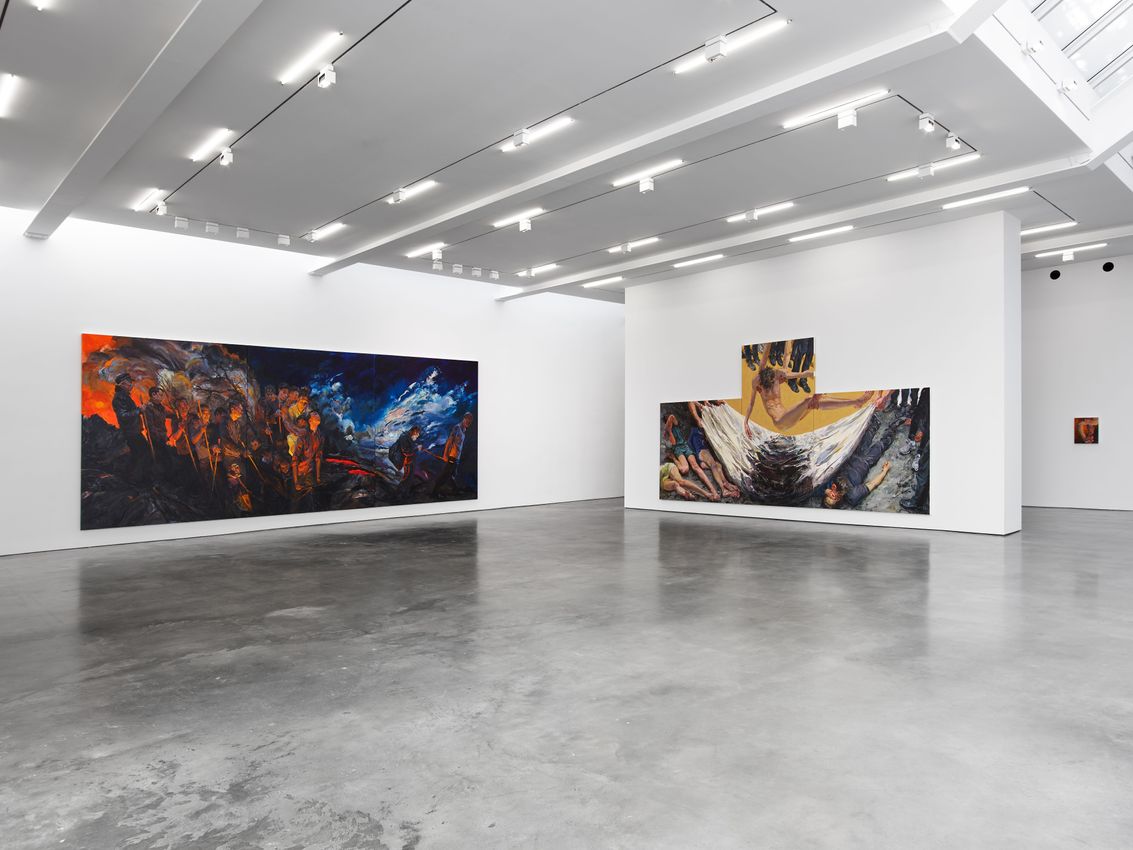
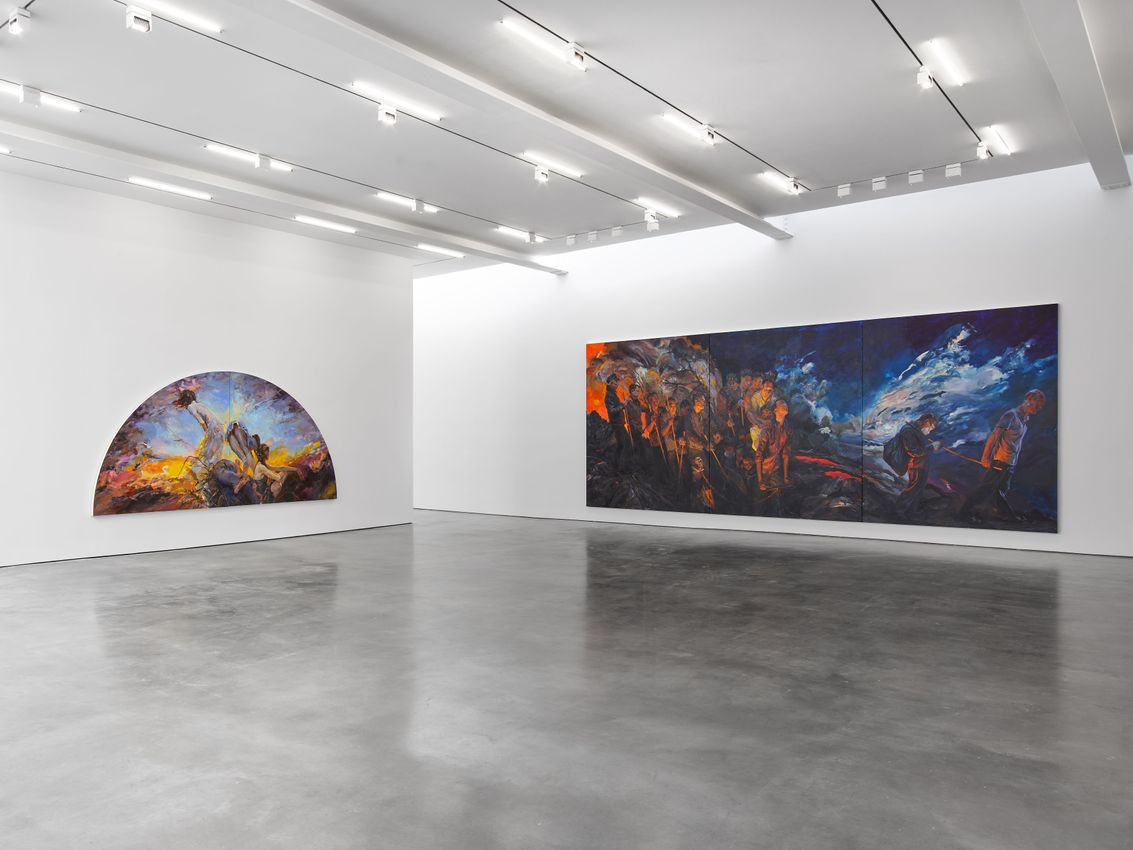
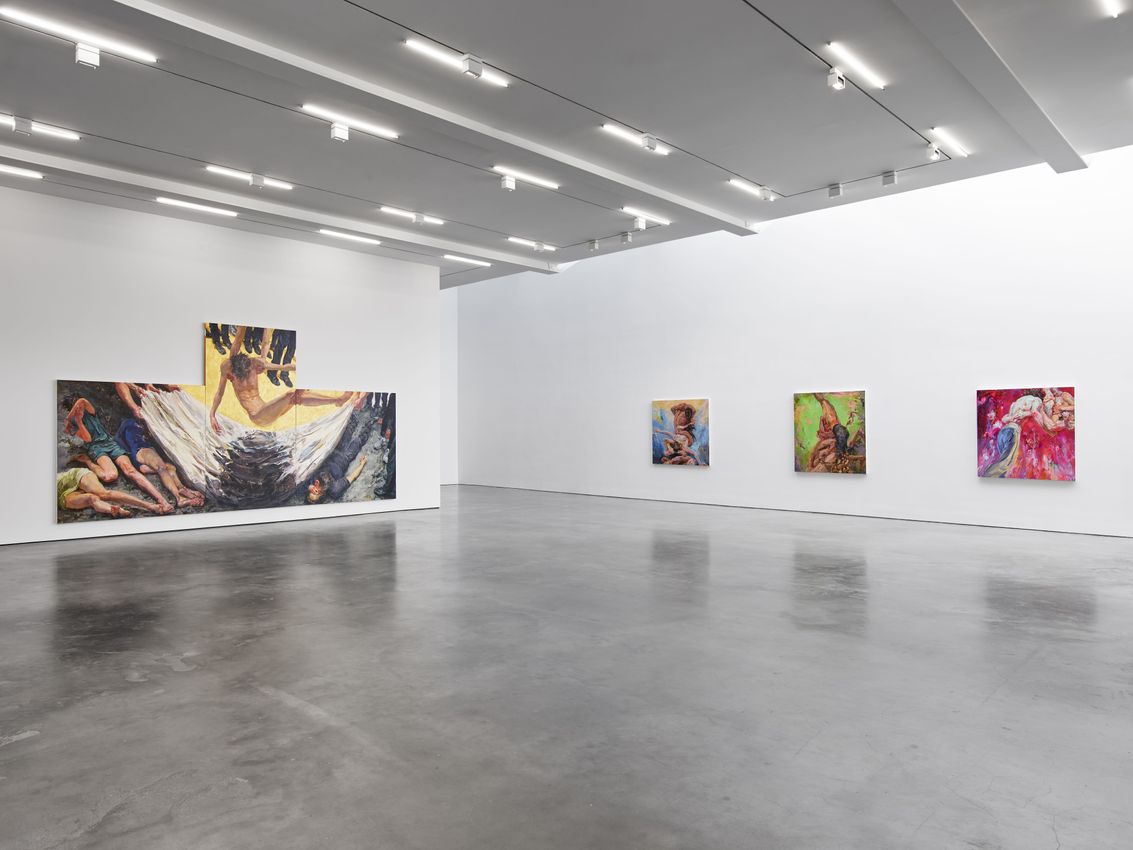
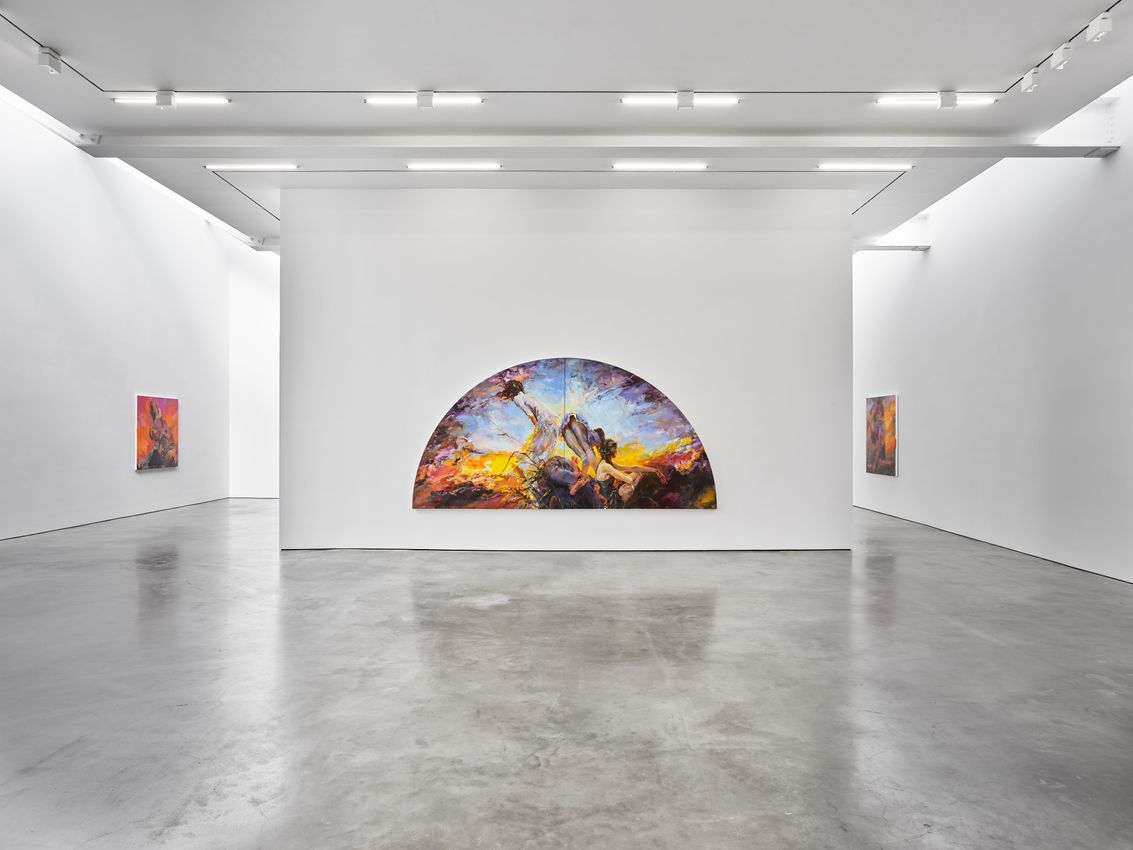
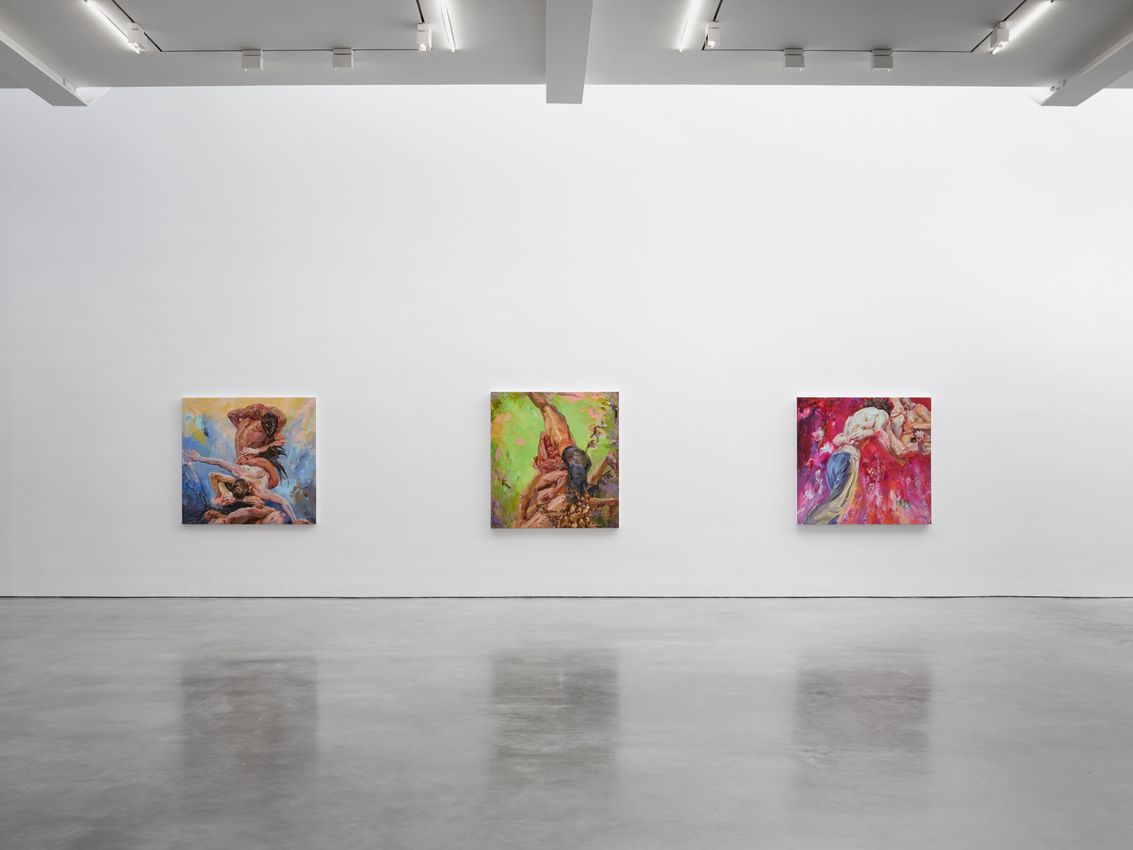
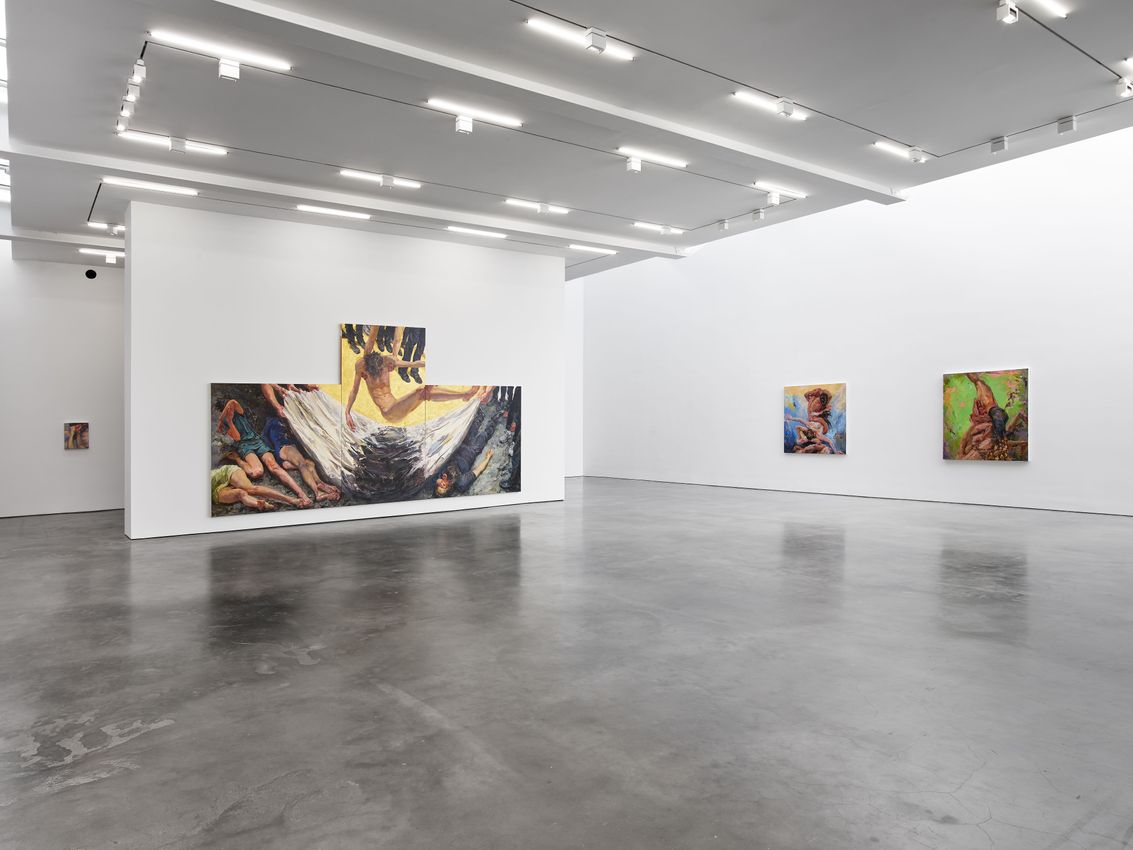
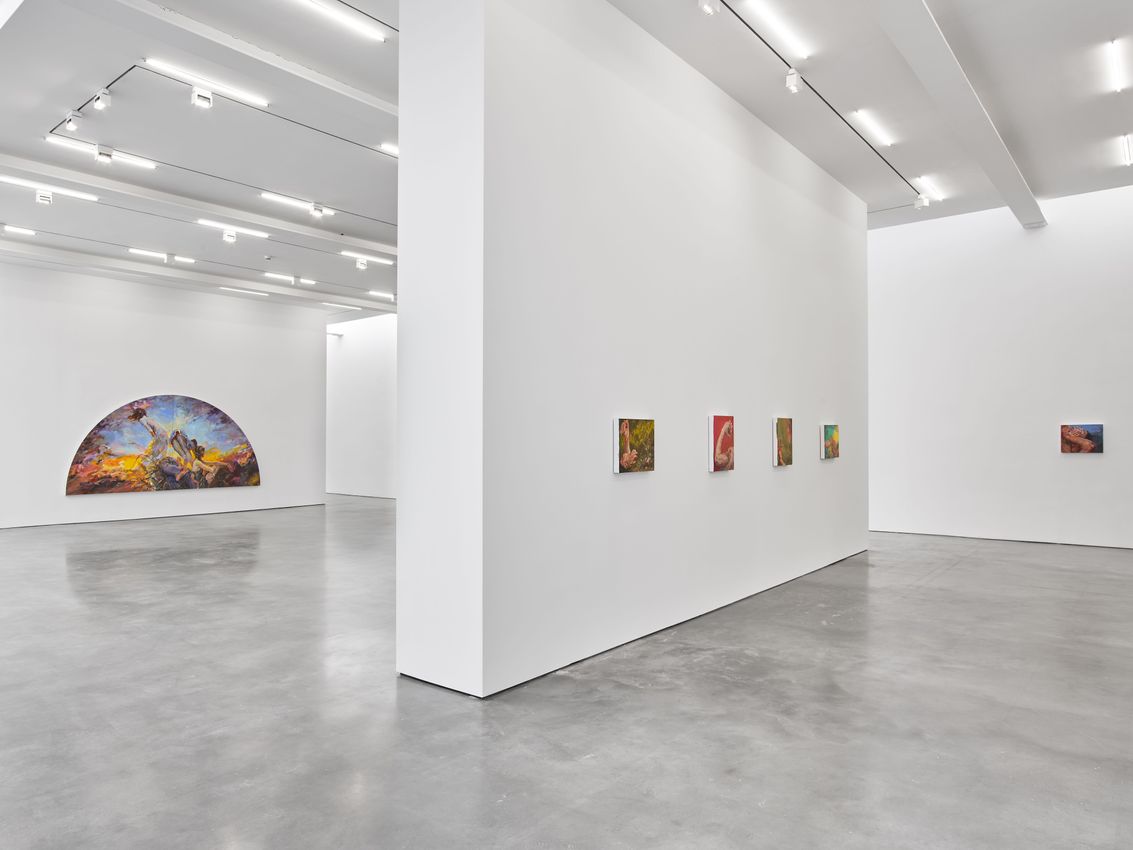
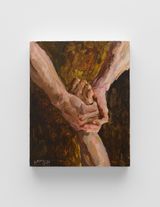
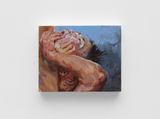
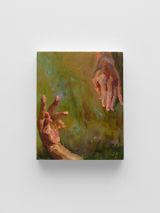
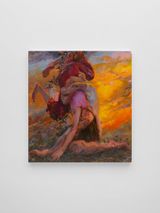
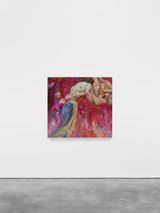
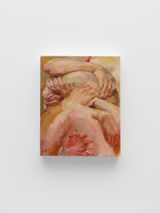
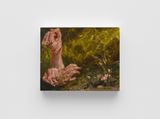
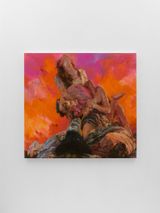
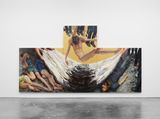
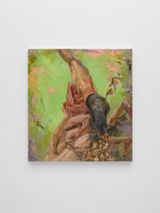
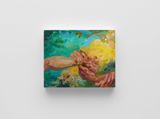
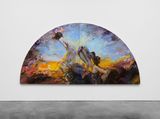
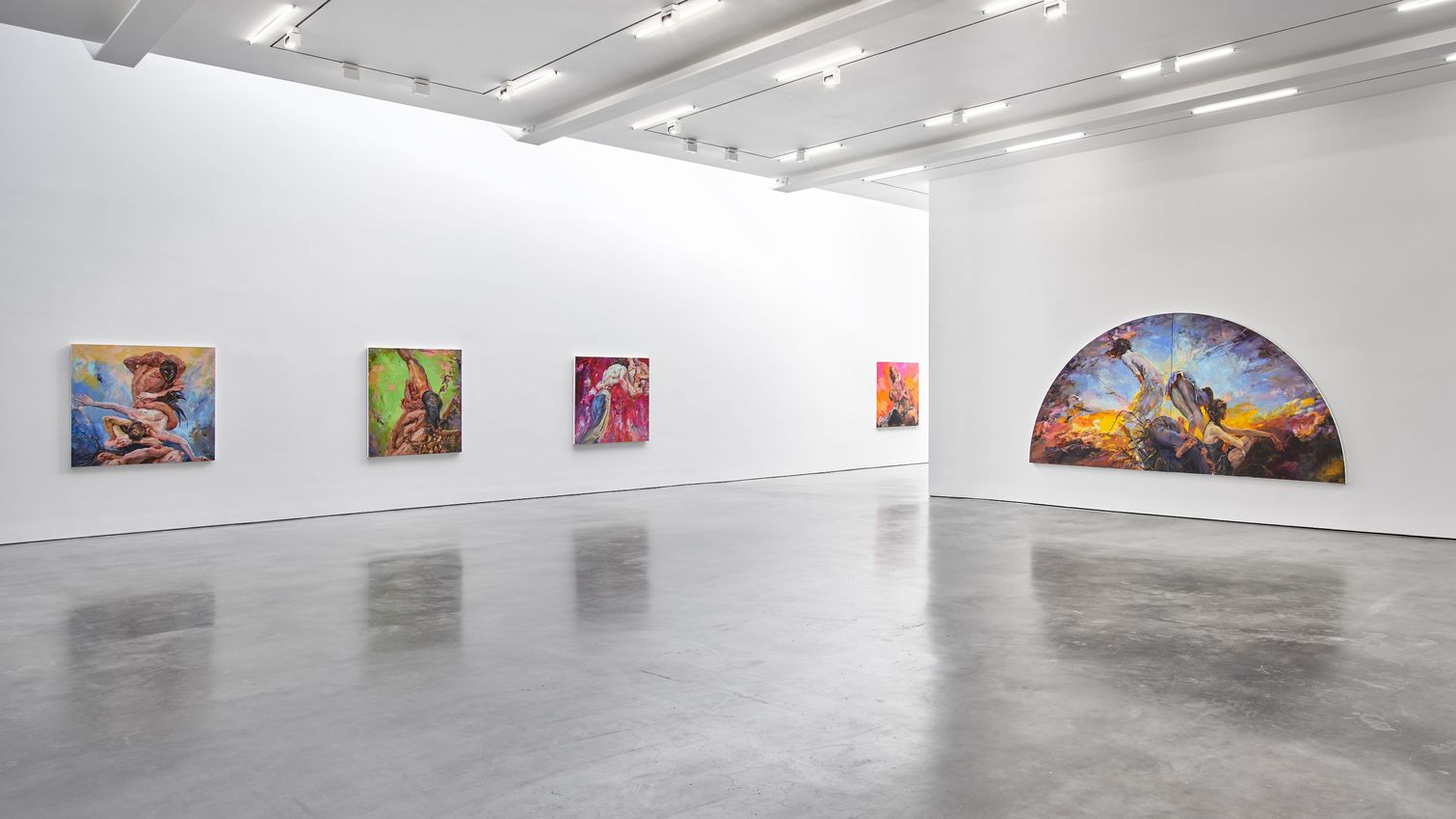
For her debut at Lisson New York, entitled Field of Asura, Yu Hong presents a monumental exhibition of new and recent paintings that extend her touching, allegorical and apocalyptic approach to contemporary life. Anchored by a suite of major large-scale works, the presentation includes newly completed multi-panel compositions inspired by the structure of classical European altarpieces, alongside selected mid- and small-scale paintings. With sweeping brushwork and heightened corporeal intensity, the works depict figures bound by vulnerability, endurance, and mutual dependence. Personal experience, collective history and painterly tradition converge through the human figure, which remains central to the artist’s ongoing practice.
Yu Hong draws equally from historical examples of classical painting and Buddhist iconography, while employing both ferociously honest and impossibly metaphysical forms of realism, in one exultant and turbulent suite of paintings. The titular work is an arched altarpiece in three sections depicting a swirling tower made up of figures either being swallowed up or held aloft on a column of clouds, seemingly indifferent to their vertiginous fate. The Field of Asura being referred to here (xiu luo chang in Chinese) is an astral realm of eternal struggle found in both Buddhist and Hindu lore, representing an incessant conflict between various demigods and deities for supremacy over heaven and earth. This is perhaps an apt metaphor for the constant trials and tribulations of our non-stop, combative modern world in which entire societies, nations, competing interests and systems are caught in perpetual conflict and entanglement.
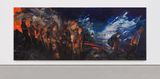
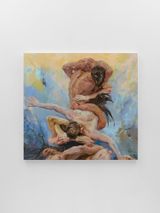
This new body of work reveals an ever-fluid, tumultuous painterly landscape, populated by anxious, elongated and contorted bodies. From the mournful descent of a naked corpse into a funereal shroud for Lament, (inspired by Rogier van der Weyden’s The Descent from the Cross, 1435) to the ethereal sunset gathering of nymphs in Wind Rising, Yu Hong explores the gamut of human agonies and ecstasies. Her refusal to look her subjects in the eyes heightens the sense of alienation in their postures while also focusing the compositions on the close physical intimacy between figures, all expressing their states of being through corporeal and gestural means. The only pre-existing work, Night Walk (2023), references Pieter Breugel the Elder’s The Blind Leading the Blind (1568) in a grisly procession from light to dark and from fire to brimstone.
Whether locked in battle or embrace, Yu Hong’s painterly arenas each attain a spiritual or pictorial balance between the painful reality of our chaotic, everyday earthly struggles and the possibilities of flight and freedom in the upper atmospheres of dream-space.
This show will be accompanied by a new book, featuring essays by Prof Patricia Eichenbaum Karetzky, O Munsterberg Chair of Asian Art, Emeritus at Bard College, and Susie Ferrell, Associate Curator of Chinese Art, Los Angeles County Museum of Art. The exhibition follows Yu Hong’s first major US solo museum presentation at SCAD Museum of Art, Savannah in 2023, curated by Daniel Palmer, and her first major exhibition in Europe during the 2024 Venice Biennale, organised by The Asian Art Initiative of the Guggenheim Museum, New York and curated by its Senior Curator at Large, Alexandra Munroe.
Courtesy Lisson Gallery.


One of China’s most recognised female artists, Yu Hong is known for her large-scale figurative paintings that depict the experiences of contemporary Chinese women. Although born into the Socialist Realist tradition, she has developed a unique and intimate visual vocabulary that often takes inspiration from her own life and the lives of those around her. Yu works in oil paint, pastels and fabric dyes, painting on canvas, silk and resin.


Established in 1967 in London, Lisson Gallery is one of the most well-known galleries operating globally. Boasting an influential and continuing legacy, including playing a pivotal role in the careers of many pioneers of historically important art movements, the gallery works with some of the most significant contemporary artists today.

A respected voice in contemporary art discourse.
Focusing on ambitious storytelling and insightful art-world commentary. Ocula Magazine publishes in-depth interviews, critical essays and timely analysis on the artists, exhibitions and ideas driving the global art world.
Learn more about Ocula Magazine
Showcasing the best of the art world.
Ocula partners with galleries from around the world to highlight their artists, artworks and exhibitions. Gallery membership is by application and invitation, with each member vetted by an independent panel.
Learn more about Ocula Membership

Specialises in the sale of major artworks.
Led by a team with deep ties to the world’s leading auction houses, galleries and collectors. Ocula’s advisory team offers bespoke services to high-net-worth clients from around the world who are looking to acquire the best of contemporary and modern art.
Learn more about our team and services