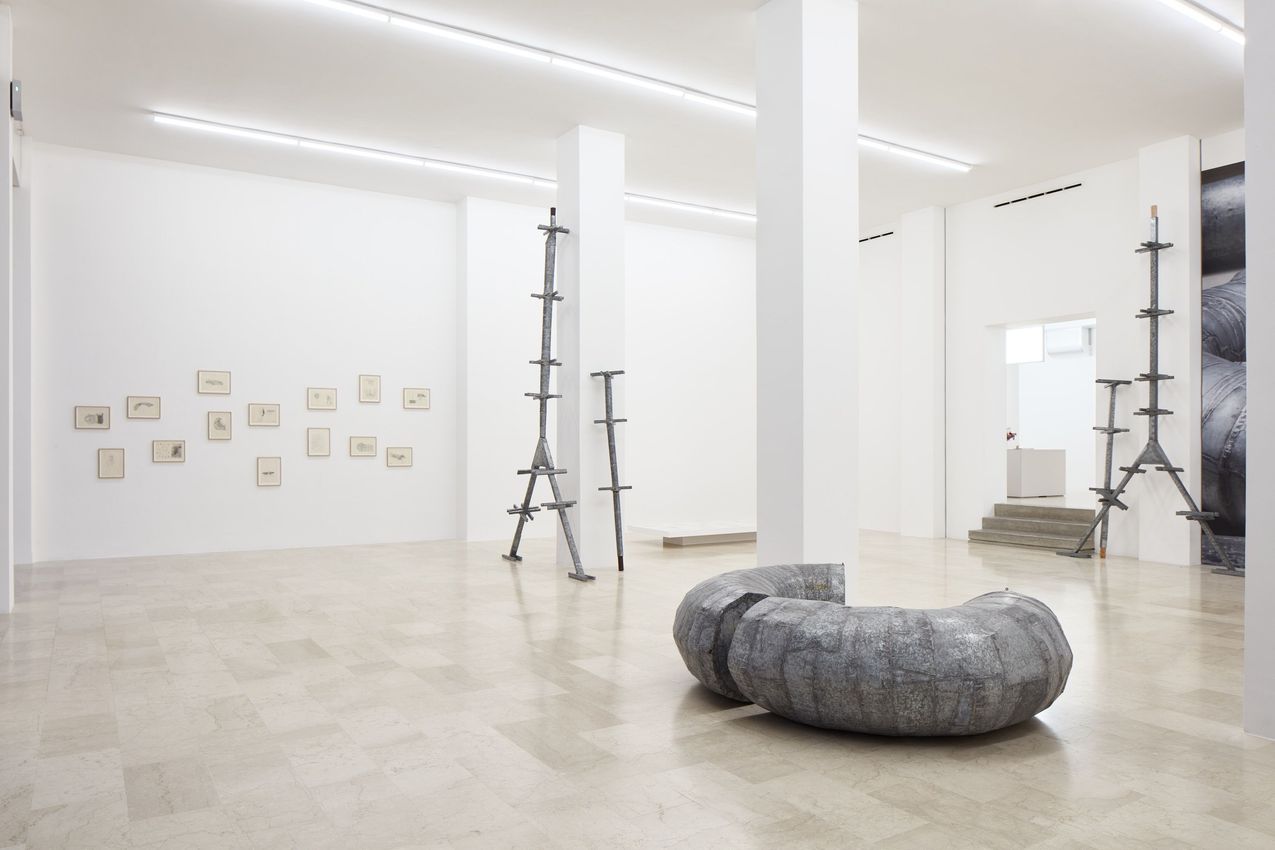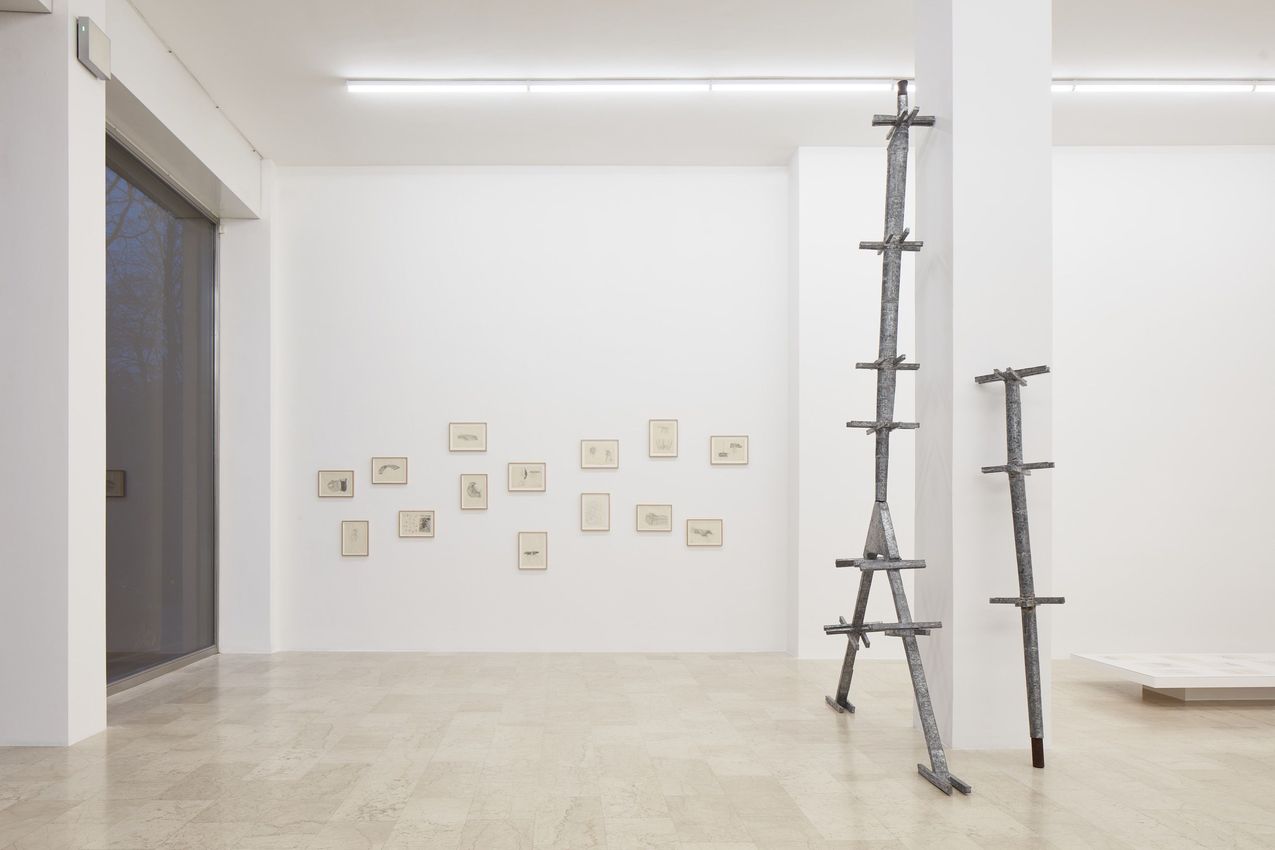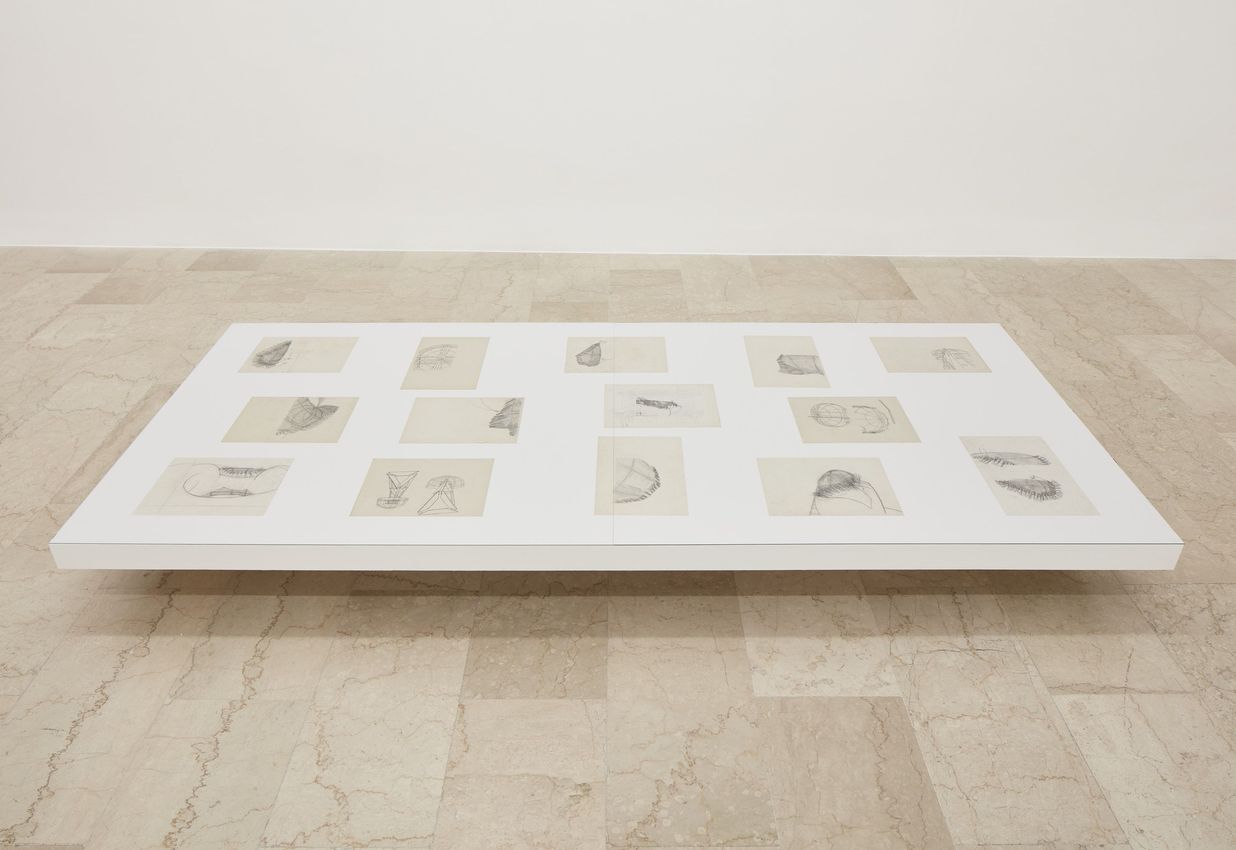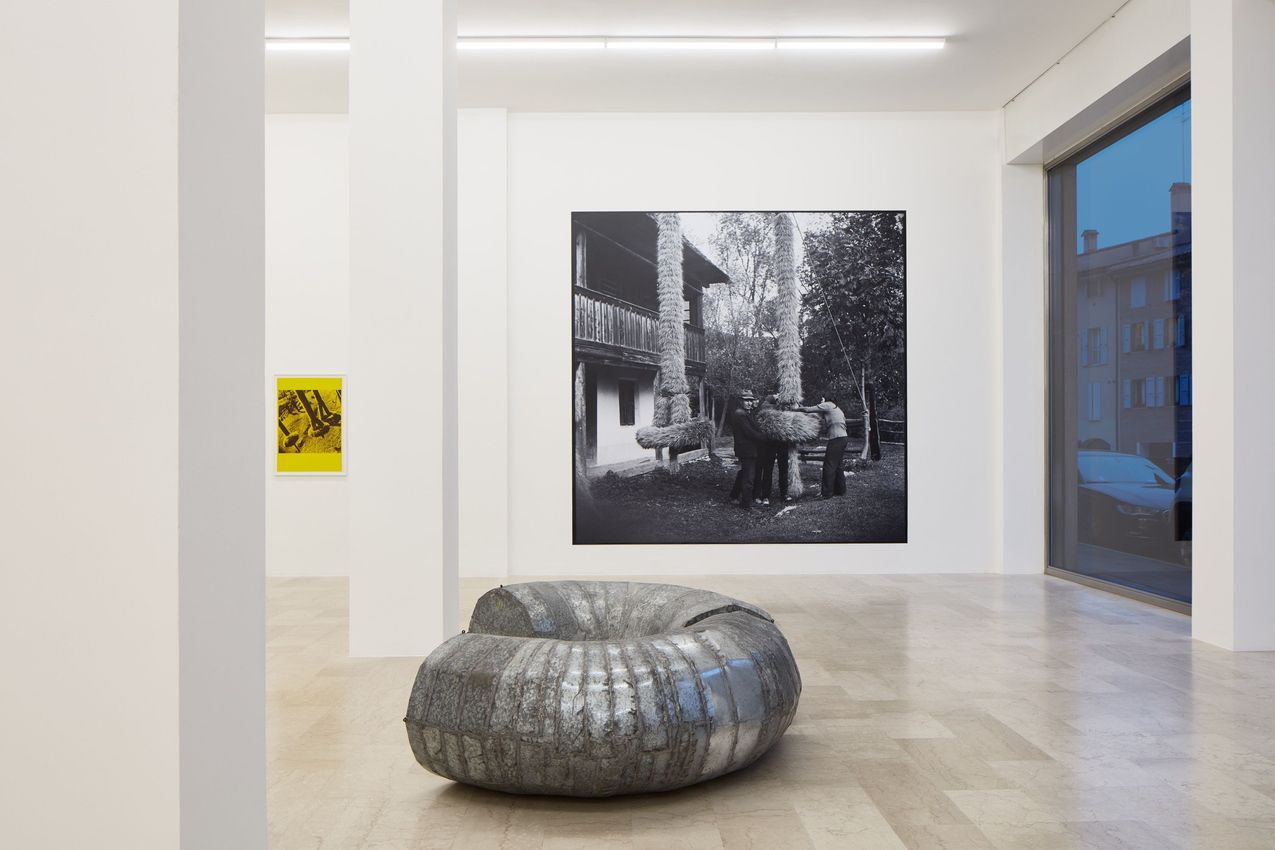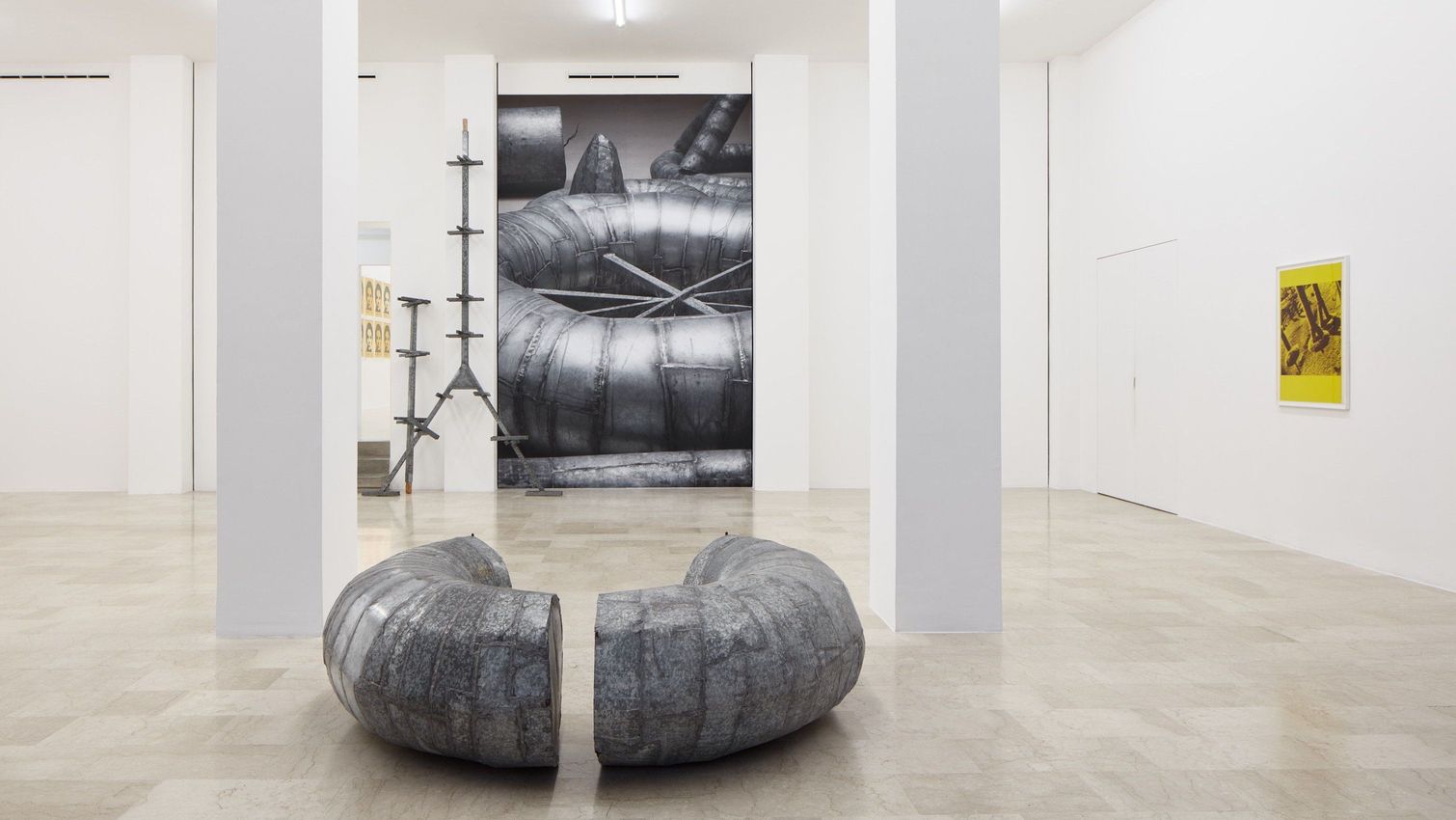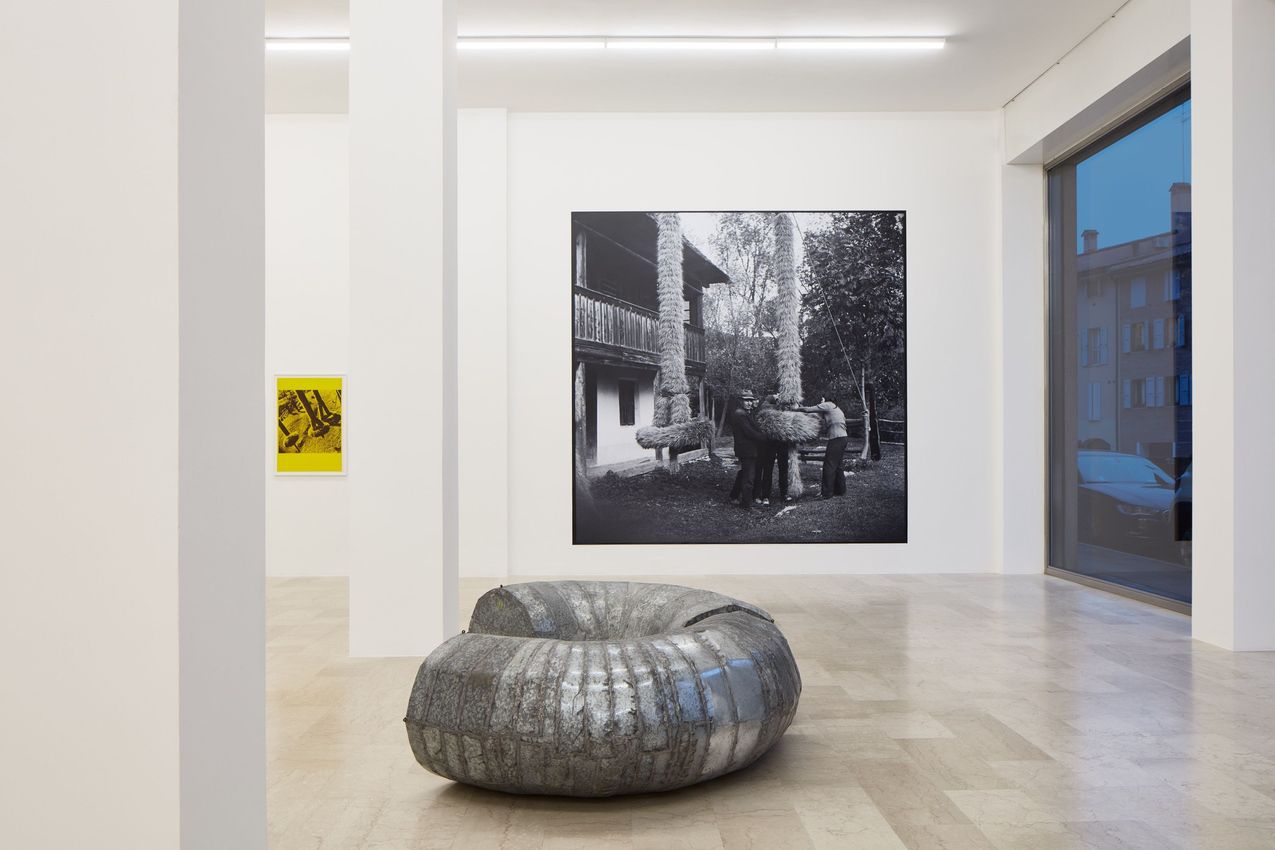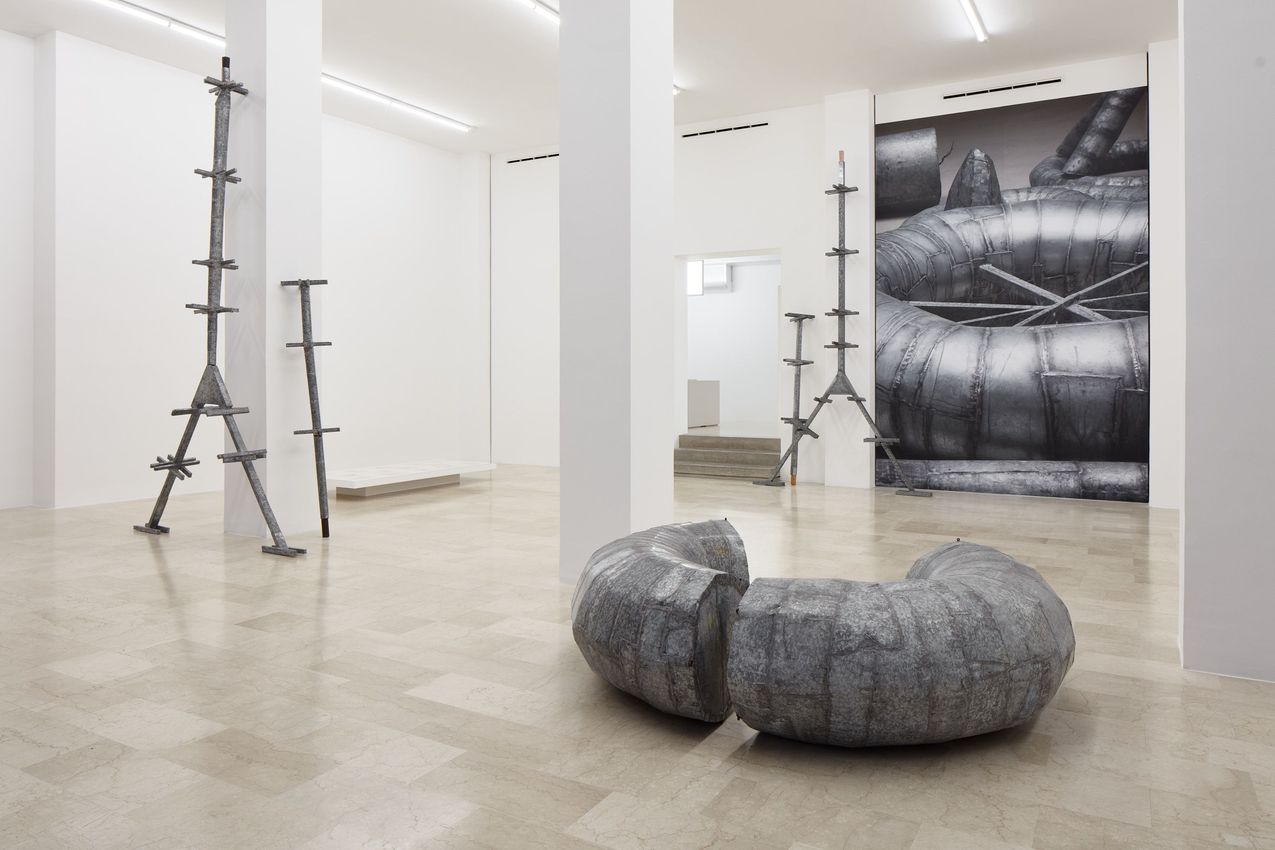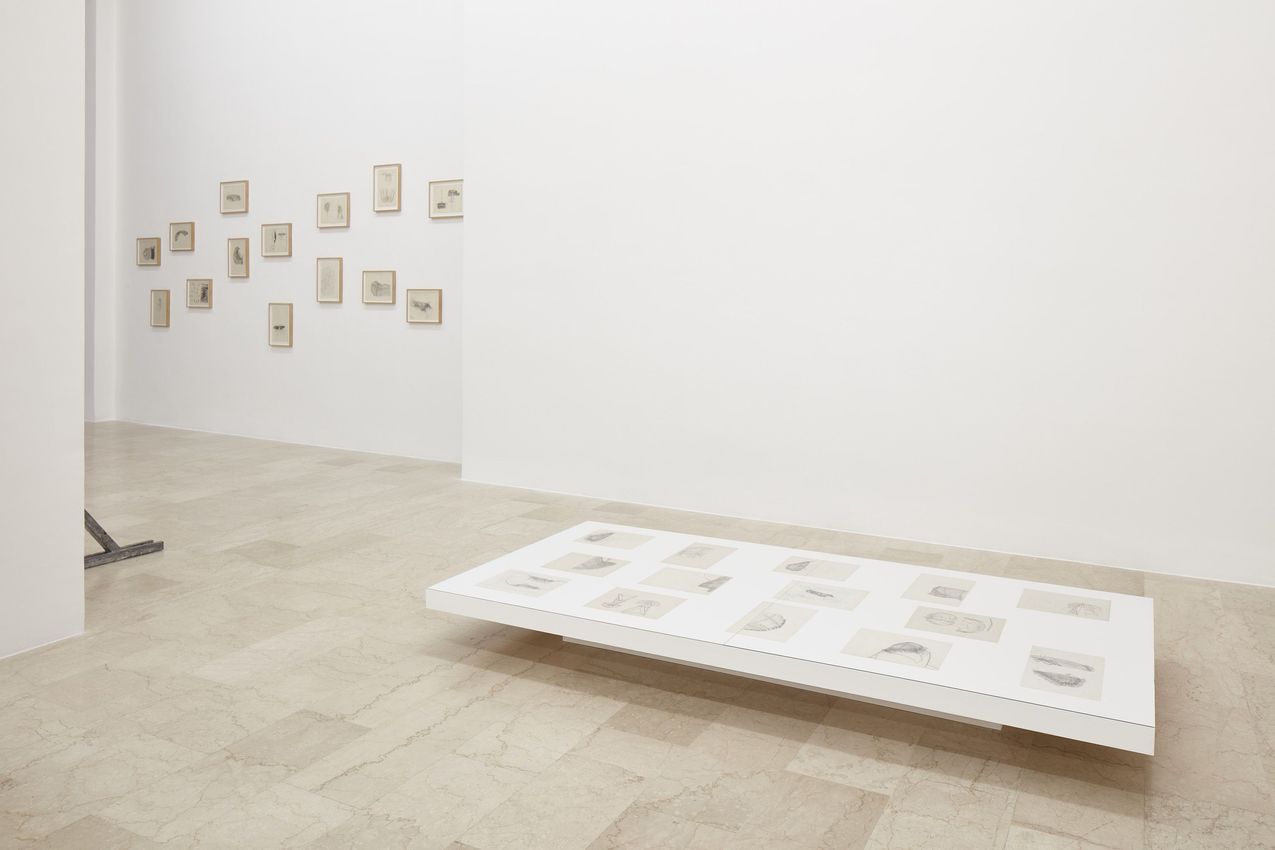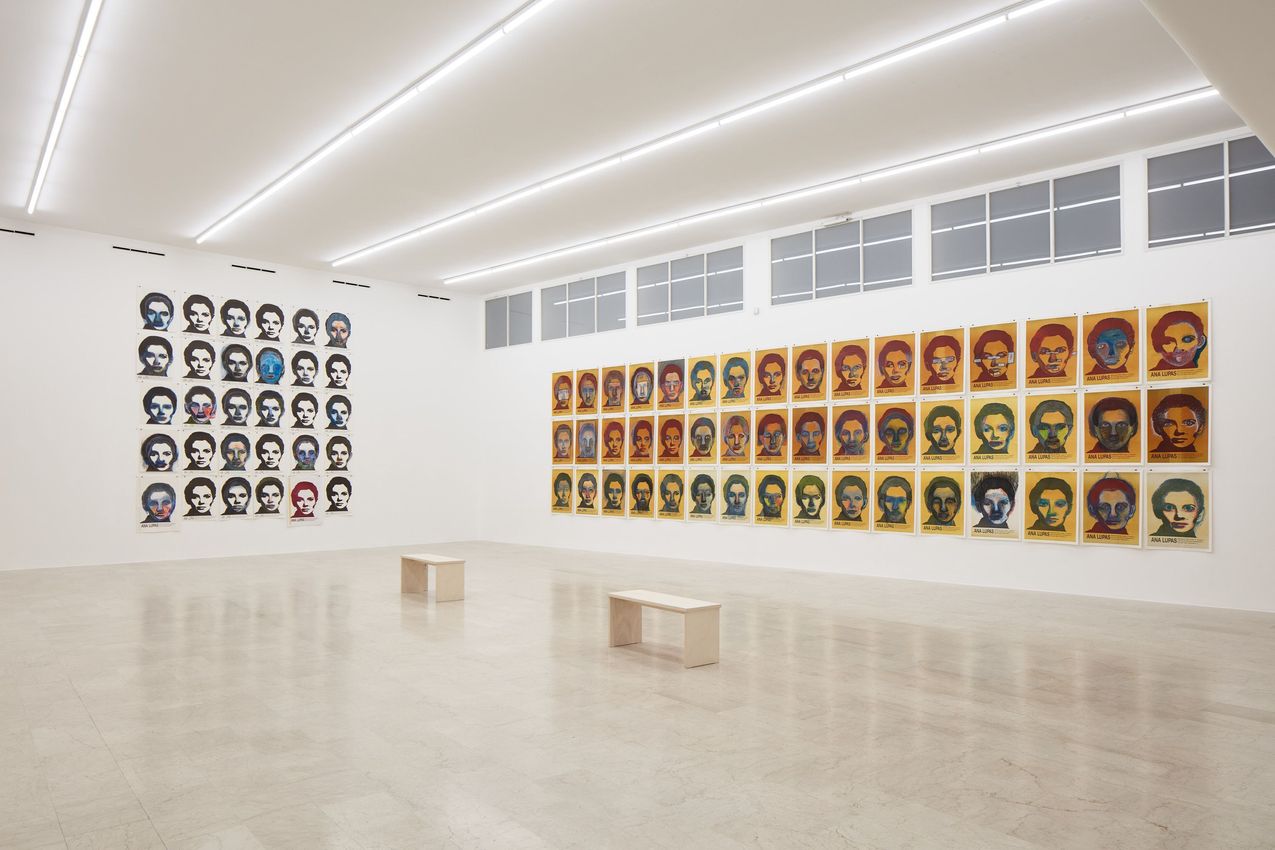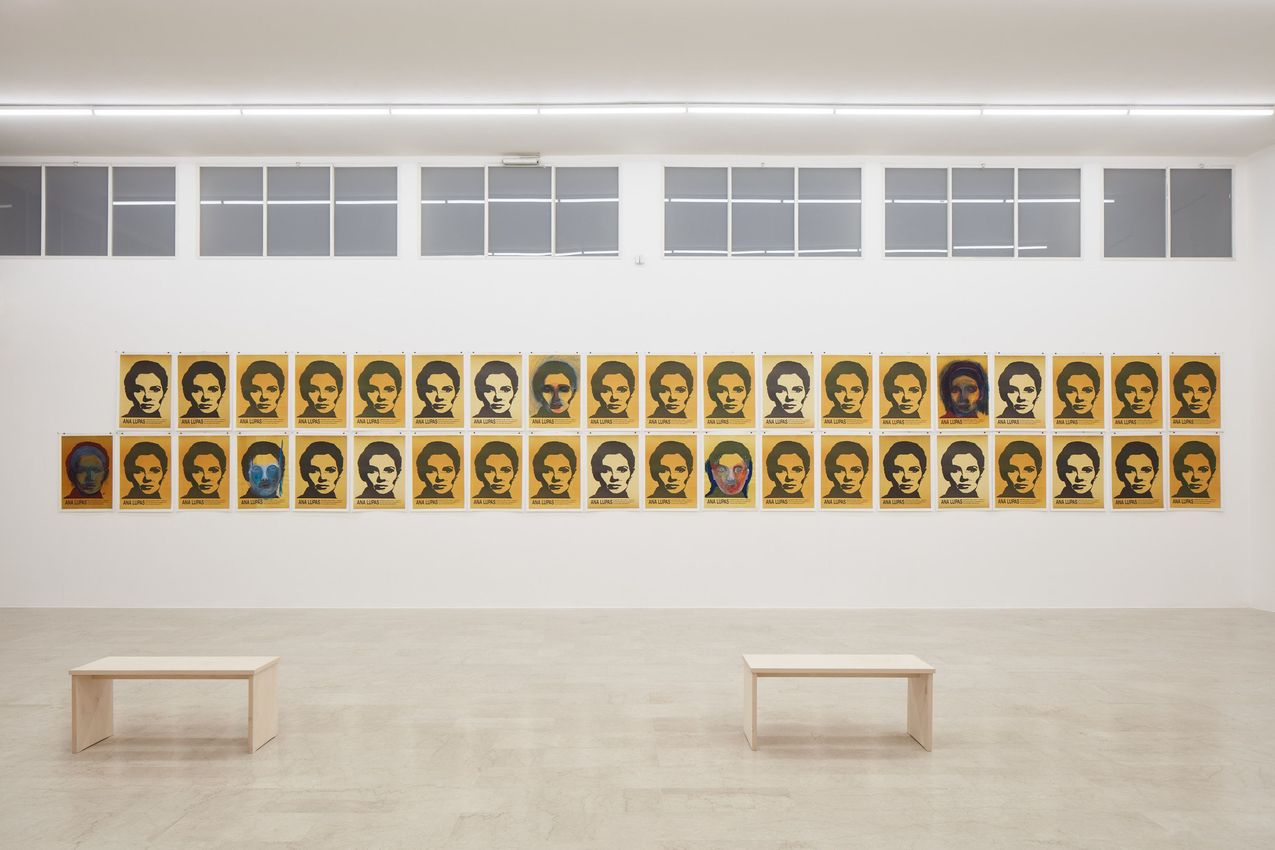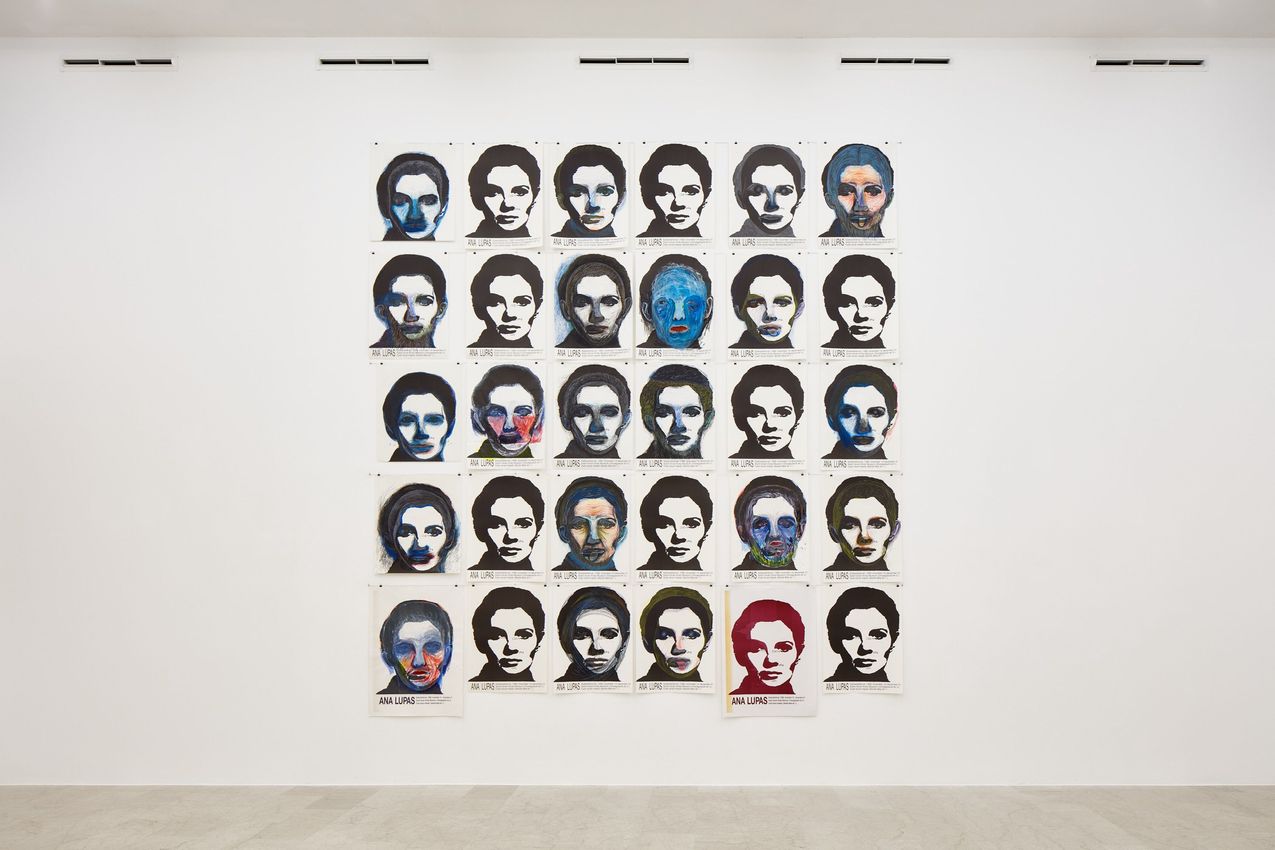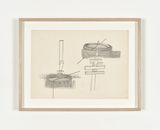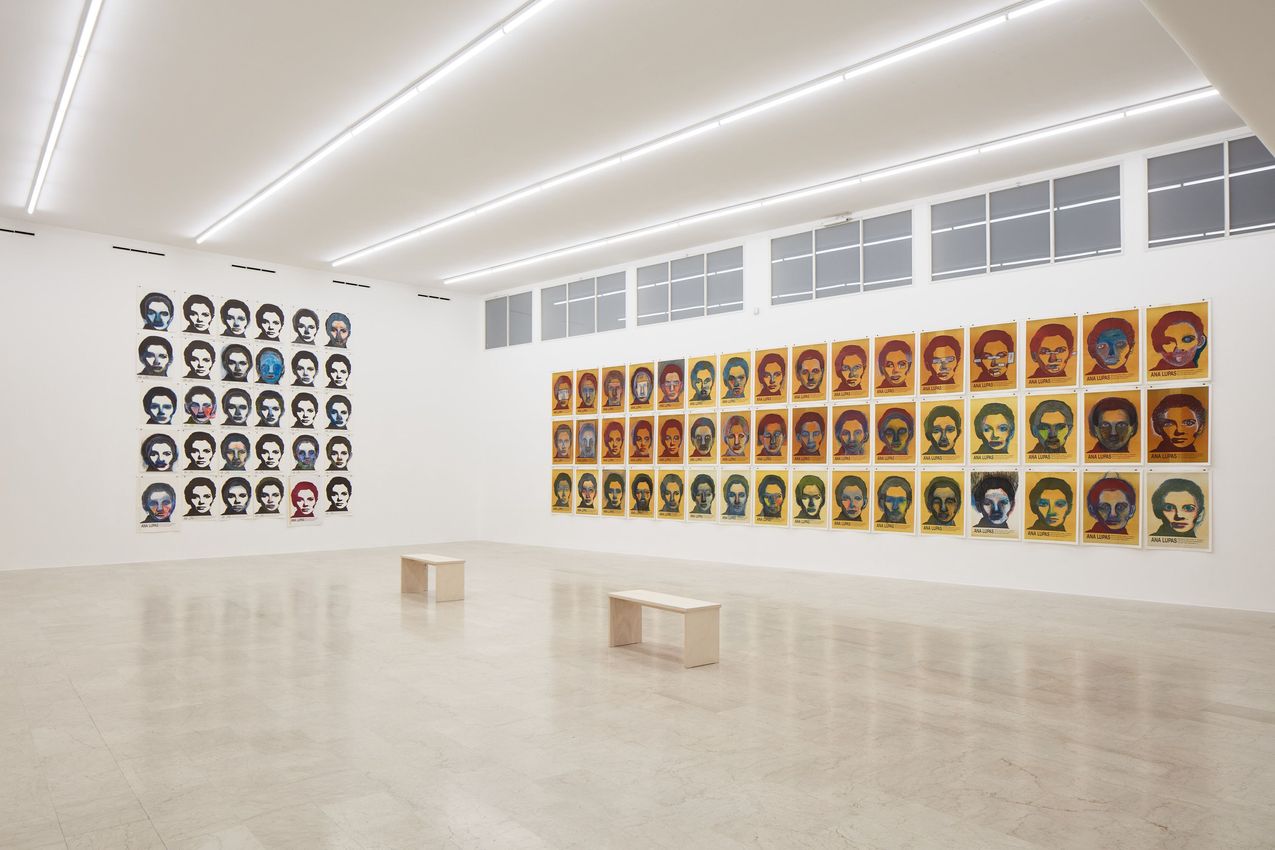
P420 is pleased to announce Armature, the first solo exhibition by Ana Lupas (1940, Cluj, RO) in a private gallery. Following the major retrospectives at the Stedelijk Museum in Amsterdam (2024), and the Kunstmuseum Liechtenstein (2024–2025), this exhibition offers a new opportunity to reconsider the work of one of the most radical figures of Eastern European conceptual avant-garde.
The exhibition title, deliberately left in Italian, plays on a crucial linguistic specificity and a double semantic register. The term armatura simultaneously evokes two key notions in Lupas’s practice: the load-bearing structure—an internal, skeletal support, corresponding to the English armature—and the protective shell, or armour, that shields from external threat.
The entire exhibition revolves around this necessity to support and protect what is vulnerable. Whether addressing collective memory or individual identity, Ana Lupas responds to the threat of erasure with solid, enduring devices of protection.
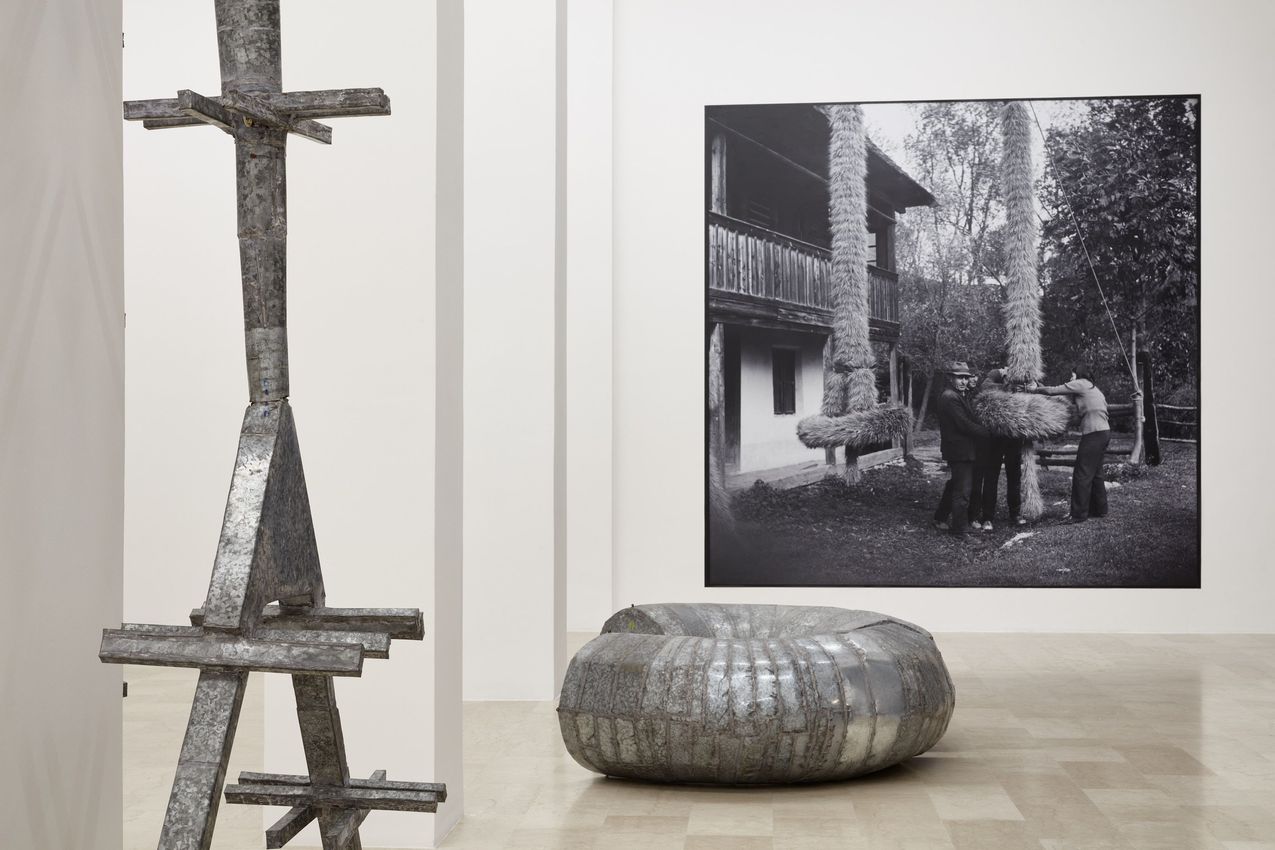
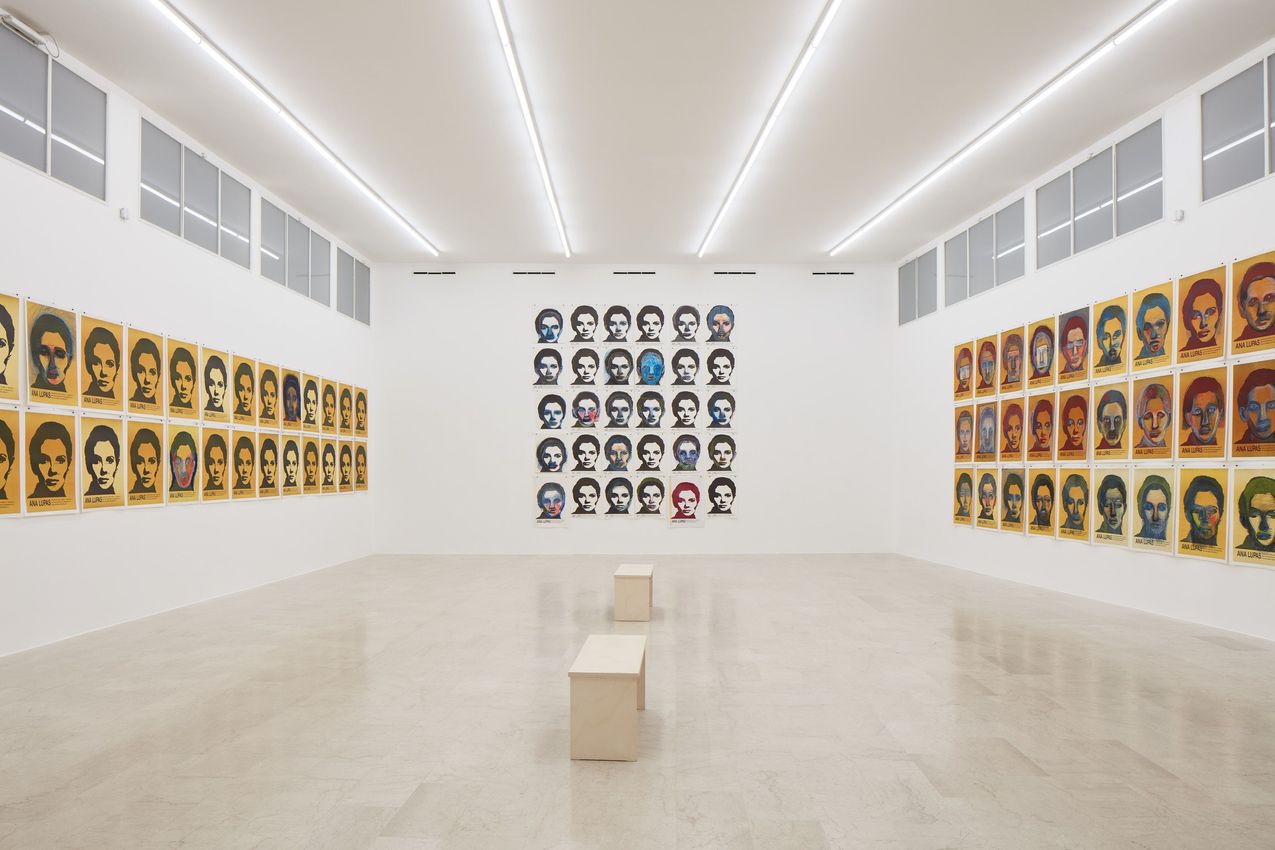
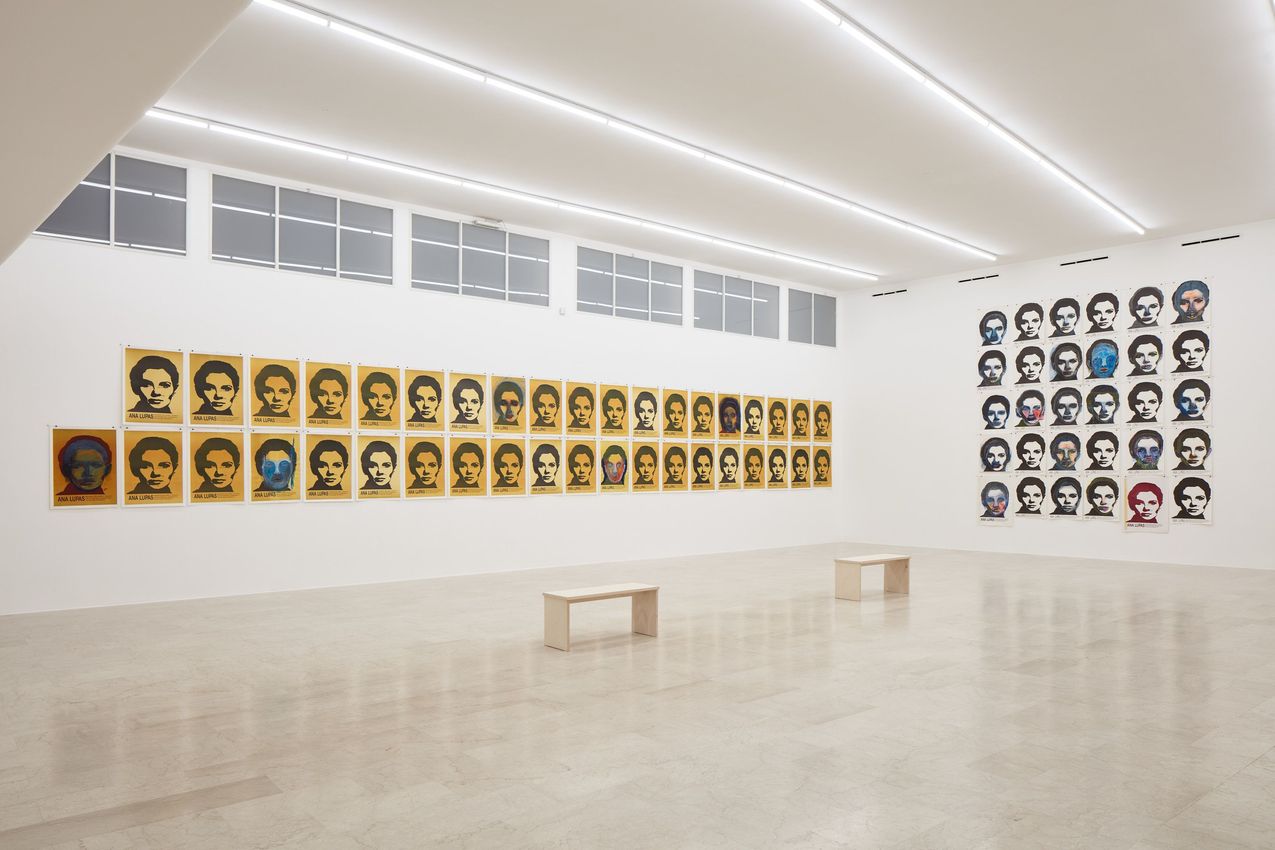
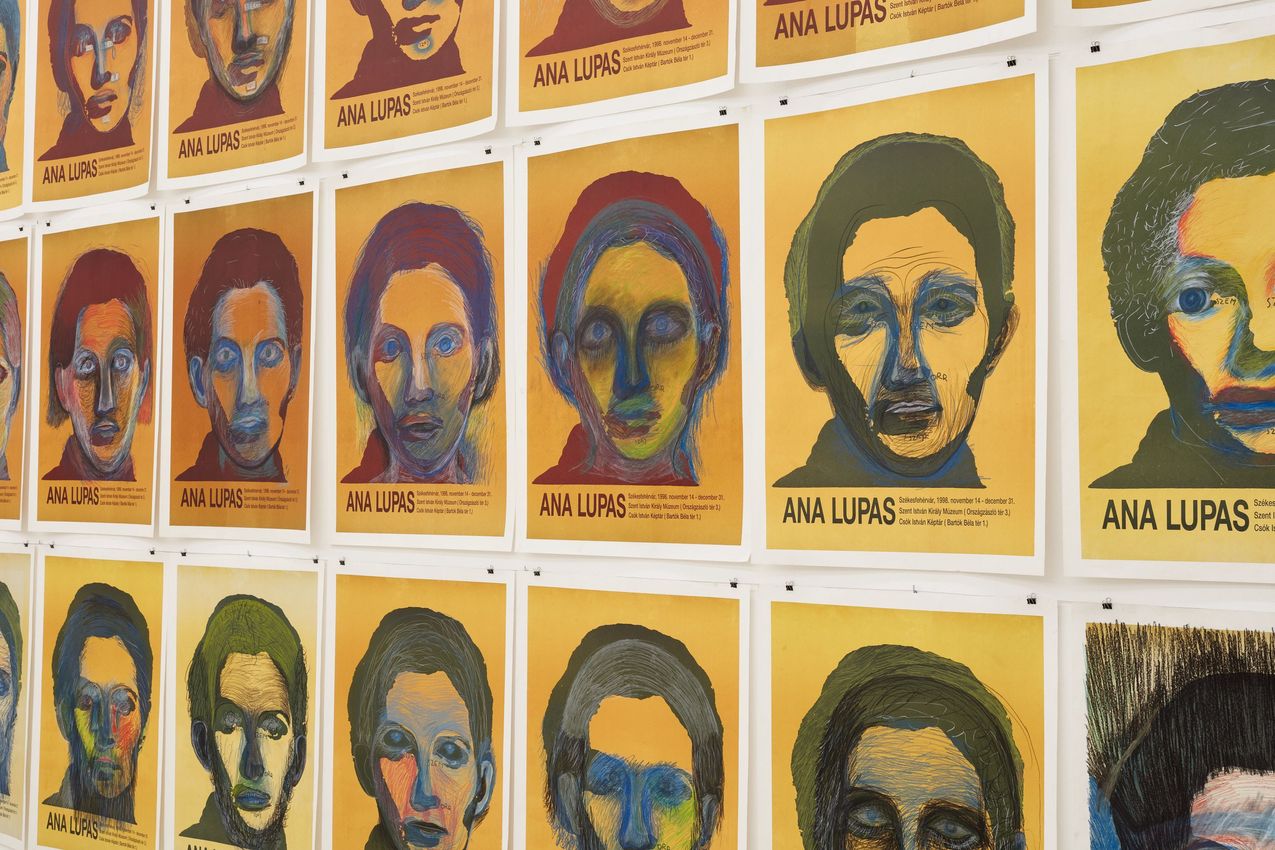
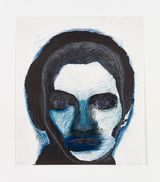
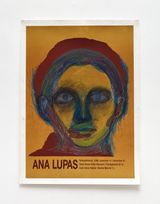
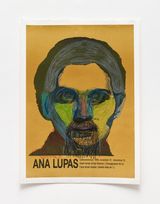
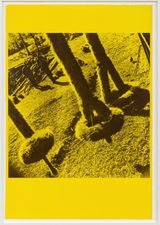
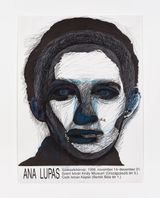
This defensive stance materialises, on the one hand, in monumental metal works, which Lupas uses to encapsulate and sustain organic, rural materials. Here, armatura functions as a structural framework capable of preserving the ephemeral and transforming fragile, perishable tradition into an enduring monument. Similarly, in series such as Self-Portrait, by graphically intervening on her own features and disrupting mechanical repetition, Lupas erects a barrier against standardization. Identity is not offered as a commodified, uniform image; rather, it appears armored by the graphic mark—a public image that, even as it multiplies, defends the irreducibility of the private self through variation and manipulation.
Armature thus unfolds as a journey through the strategies of resistance concentrated in Ana Lupas’s practice, celebrating art’s capacity to become shelter, armour, and structural support—an armature through which to survive history.


Ana Lupas was born in 1940 in Cluj, Transylvania, Romania, where she lives and works. She began since the 1960s to work with textiles, and to develop her artistic language through happenings and installations. She graduated from the “Ion Andreescu” Academy of Fine Arts in Cluj-Napoca in 1962 and her conceptual approach has strongly influenced a whole generation of Romanian artists. She founded and directed (1980-90) the nationwide collective for young artists “Atelier 35”. With a clearly avantgarde approach, she developed a multiplicity of performative and conceptual practices, some ephemeral, like direct actions taking place, mainly, within natural environments.

Founded in Bologna in 2010 by Alessandro Pasotti and Fabrizio Padovani, P420 has always maintained a commitment to promoting creativity and pushing artistic boundaries. Born from the founders’ initial experience in the world of art and artists’ books, the gallery emerged with the aim of promoting an inclusive approach to contemporary art, embracing artists from diverse backgrounds, generations, and disciplines.
A respected voice in contemporary art discourse.
Focusing on ambitious storytelling and insightful art-world commentary. Ocula Magazine publishes in-depth interviews, critical essays and timely analysis on the artists, exhibitions and ideas driving the global art world.
Learn more about Ocula Magazine
Showcasing the best of the art world.
Ocula partners with galleries from around the world to highlight their artists, artworks and exhibitions. Gallery membership is by application and invitation, with each member vetted by an independent panel.
Learn more about Ocula Membership

Specialises in the sale of major artworks.
Led by a team with deep ties to the world’s leading auction houses, galleries and collectors. Ocula’s advisory team offers bespoke services to high-net-worth clients from around the world who are looking to acquire the best of contemporary and modern art.
Learn more about our team and services