Art is the only way to run away without leaving home – Twyla Tharp[1]
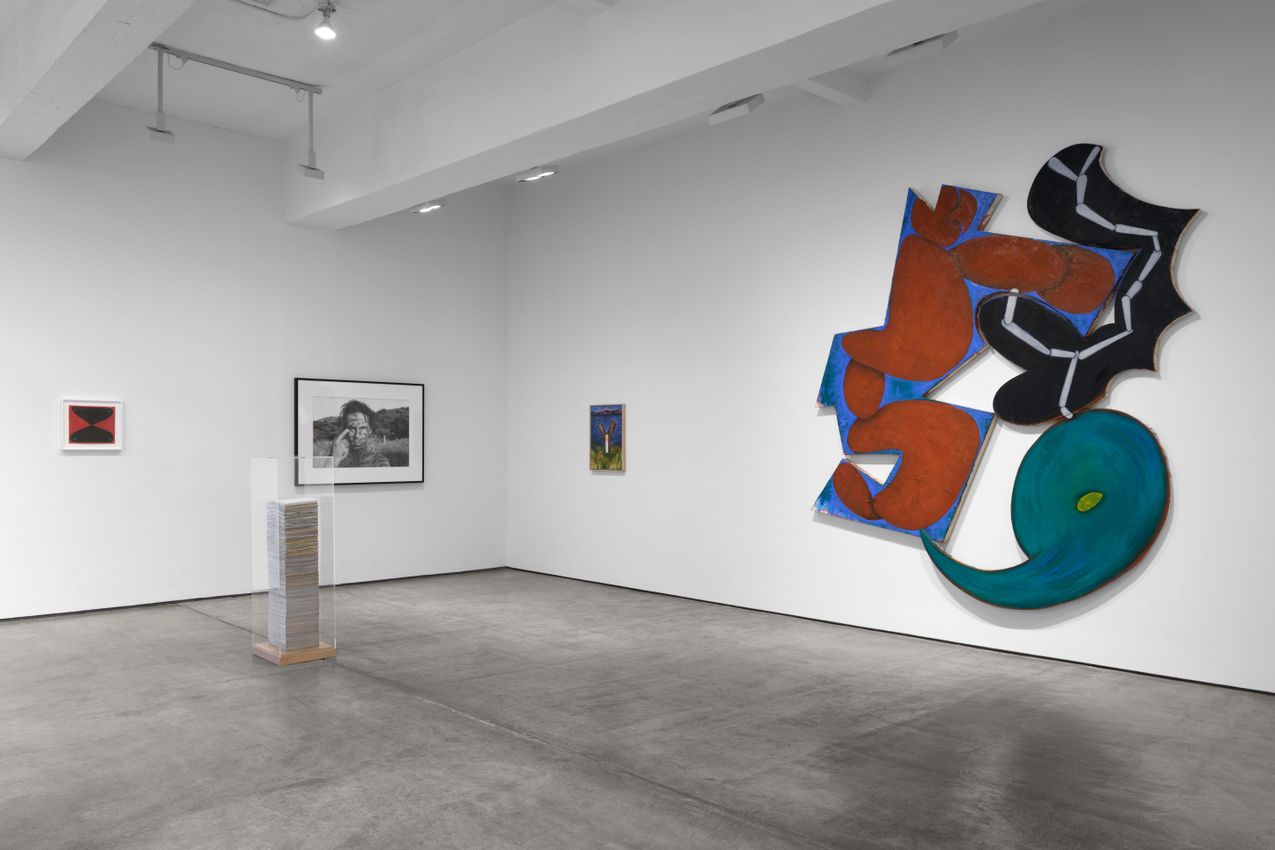
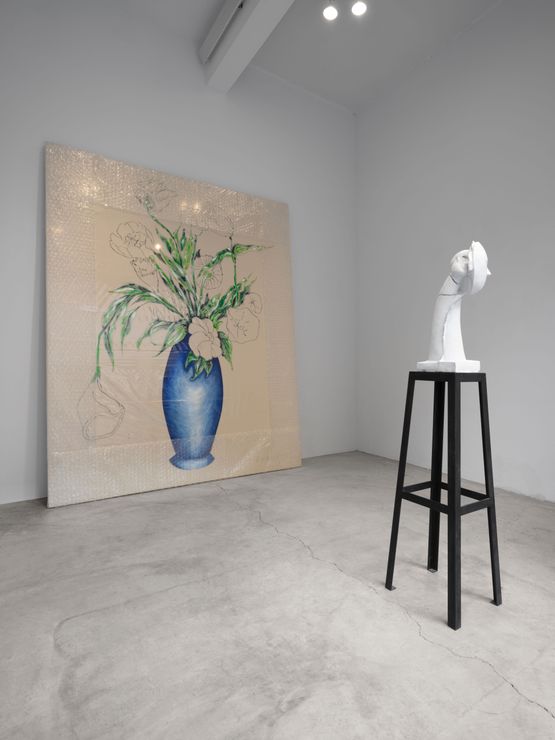
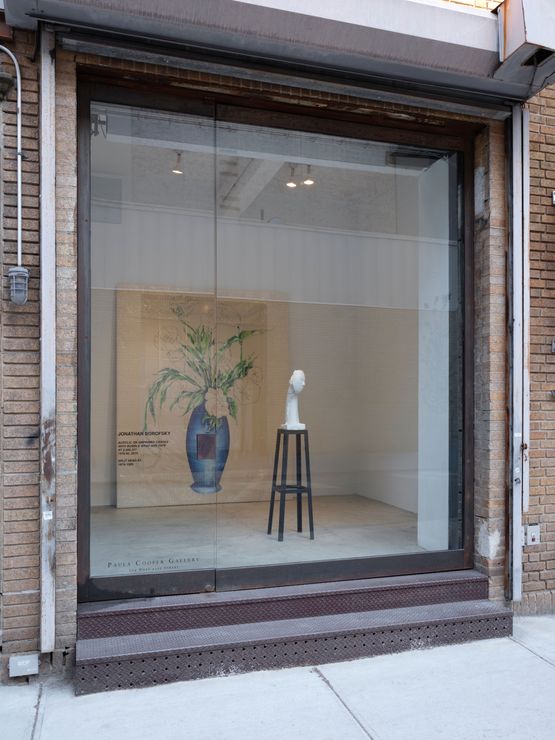
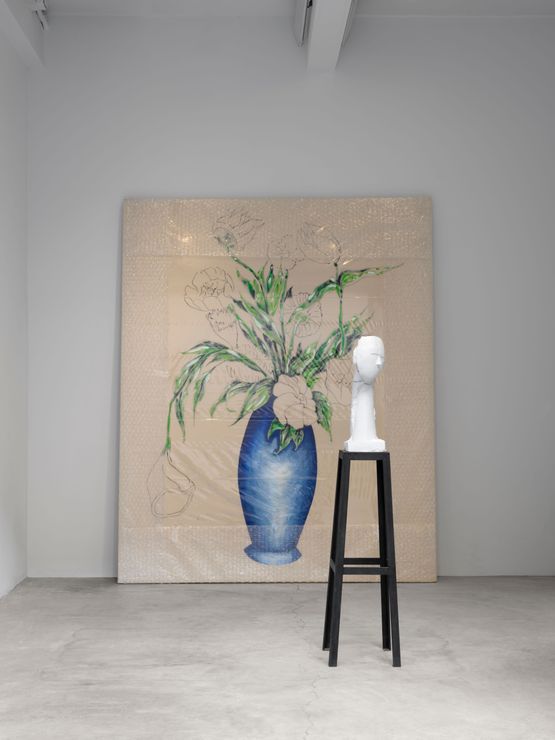
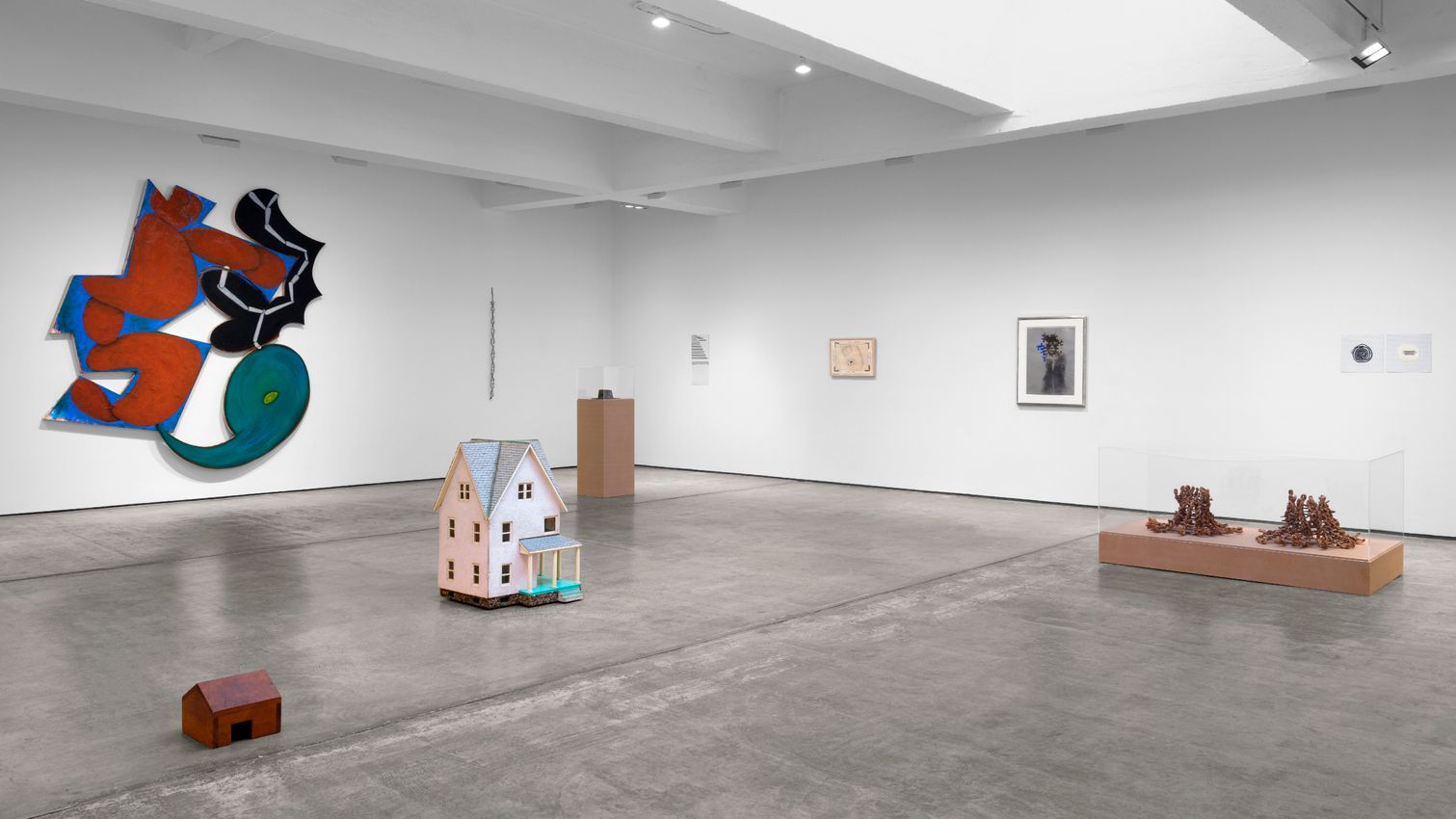
Paula Cooper Gallery is pleased to present Art is for the Spirit: Records of the Self, a group exhibition organized by Ivy Shapiro with work by Jennifer Bartlett, Jonathan Borofsky, Robert Gober, David Hammons, Kazuko Miyamoto, Ree Morton, Elizabeth Murray, and Joel Shapiro. The exhibition gathers work that explores the home and autobiography as tools for grounding the self. Anchored in Shapiro’s memories of her childhood, the presentation also underlines the interrelated lives of Paula Cooper, her artists and their families within the close-knit New York art world of the 1970s and beyond.
Joel Shapiro and Jonathan Borofksy both exhibited work at Paula Cooper Gallery for the first time in 1969, the year Ivy Shapiro was born. Shapiro showed a fingerprint drawing, using his finger as a tool to create refined rows of imprints, while Borofsky presented the first in his serial project Counting, in which the artist wrote consecutive numbers on graph paper in an attempt to reach infinity. Although Shapiro and Borofsky’s work would soon diverge, these pivotal early pieces similarly employed a simple repetitive action to record time and process.
In Shapiro’s subsequent one person exhibitions at the gallery, small sculptures in cast iron and bronze sat directly on the floor or were mounted on the wall, enlarging the surrounding space with subtle manipulations of scale. Providing a compact metaphor for Shapiro’s past, the singular house appeared in various guises: extended and placed on a shelf; chopped in half; and set loose, spinning and shattering in an ode to Giacometti.
In the early 1970s, Jennifer Bartlett’s dotted paintings on white enameled, square-cut steel plates began to incorporate childlike houses with pointed roofs. In her later work, Bartlett’s houses would break free from the canvas and take three-dimensional form on the gallery floor. In the late 1970s, Robert Gober was working for Cooper as a preparator and making dollhouses, adapting the skills his father used to build the house he grew up in. Fabricating dollhouses was liberating for the young artist, who was reawakened to the emotional impact of an imaginary world painstakingly made by hand.
Alternative methods for locating and recording the self are found in the work of David Hammons, Kazuko Miyamoto, and Ree Morton. In 1968, David Hammons began pressing skin directly to paper to make body prints—vulnerable, non-idealized images of real bodies under pressure that allude to historical and contemporary mistreatment. In Miyamoto’s work, natural materials and woven forms mark process and place, with wearable sculpture anchoring the user to their lived environment. Ree Morton’s narrative drawings, made soon after the artist moved to New York in 1972, offer a window into a childlike world with hints of foreboding. Like the other works on display, Morton’s works evince a latent sentimentality for what has been left behind.
[1] Twyla Tharp, The Creative Habit: Learn It and Use It for Life (New York: Simon & Schuster, 2003)
Courtesy Paula Cooper Gallery.


Paula Cooper Gallery, the first art gallery in SoHo, opened in 1968 with an exhibition to benefit the Student Mobilization Committee to End the War in Vietnam. The show included works by Carl Andre, Dan Flavin, Donald Judd, Robert Mangold and Robert Ryman, among others, as well as Sol LeWitt’s first wall drawing.

A respected voice in contemporary art discourse.
Focusing on ambitious storytelling and insightful art-world commentary. Ocula Magazine publishes in-depth interviews, critical essays and timely analysis on the artists, exhibitions and ideas driving the global art world.
Learn more about Ocula Magazine
Showcasing the best of the art world.
Ocula partners with galleries from around the world to highlight their artists, artworks and exhibitions. Gallery membership is by application and invitation, with each member vetted by an independent panel.
Learn more about Ocula Membership

Specialises in the sale of major artworks.
Led by a team with deep ties to the world’s leading auction houses, galleries and collectors. Ocula’s advisory team offers bespoke services to high-net-worth clients from around the world who are looking to acquire the best of contemporary and modern art.
Learn more about our team and services