The memory of a particular image is but regret for a particular moment.– Marcel Proust
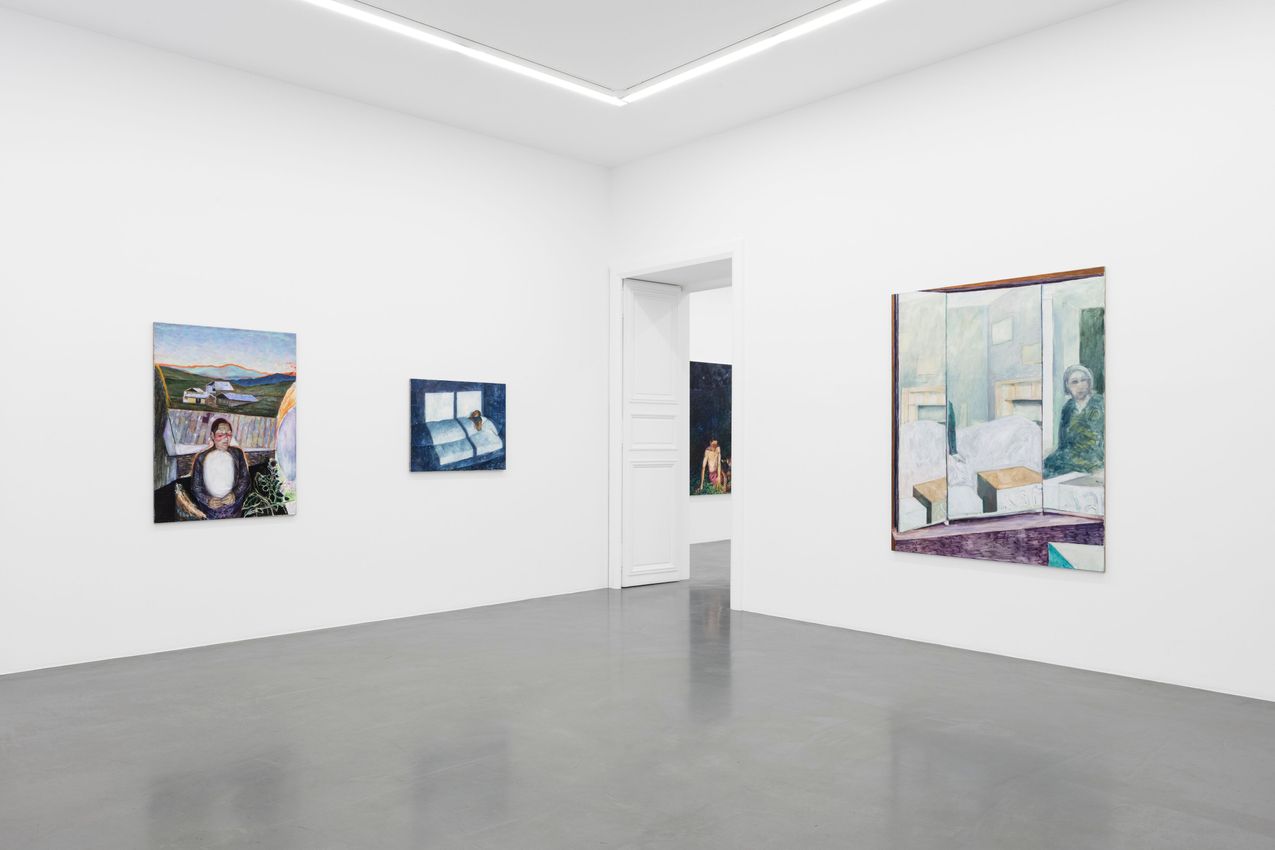
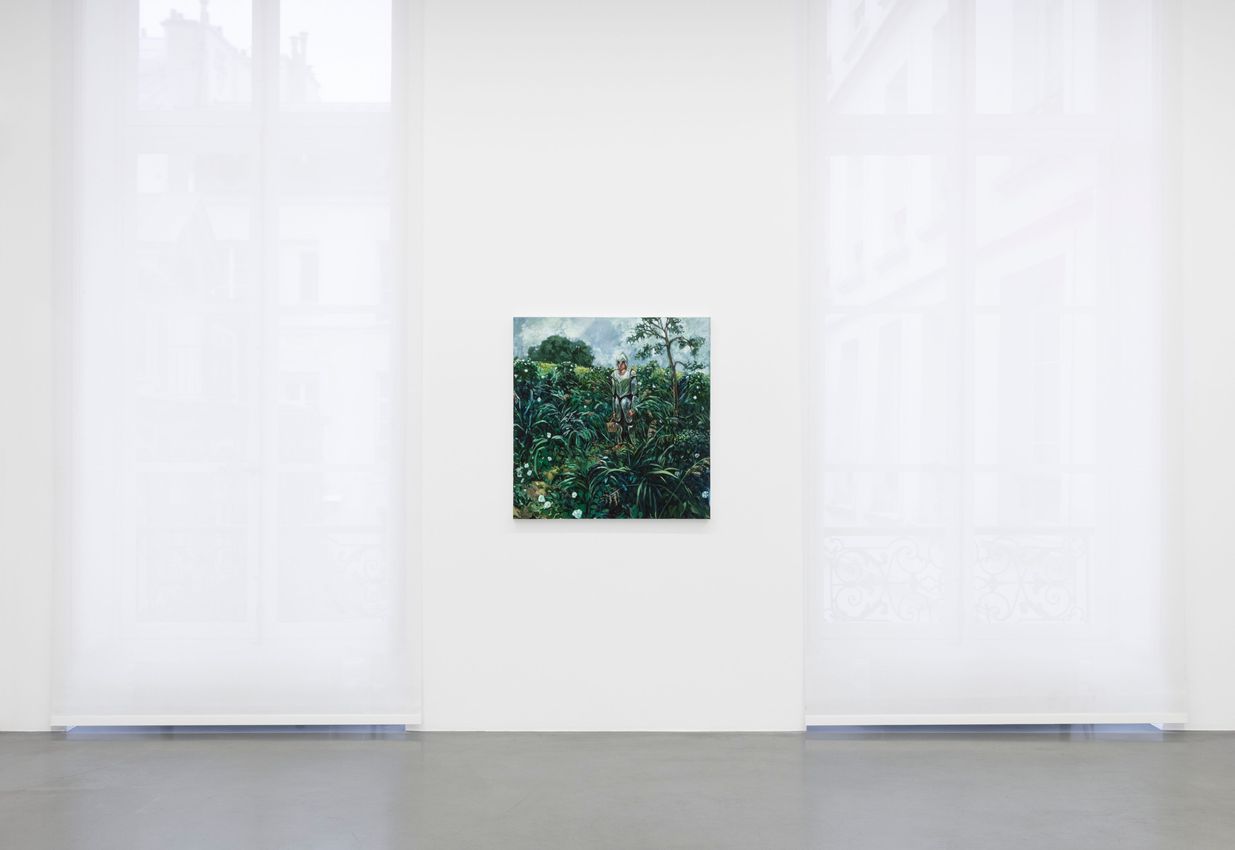
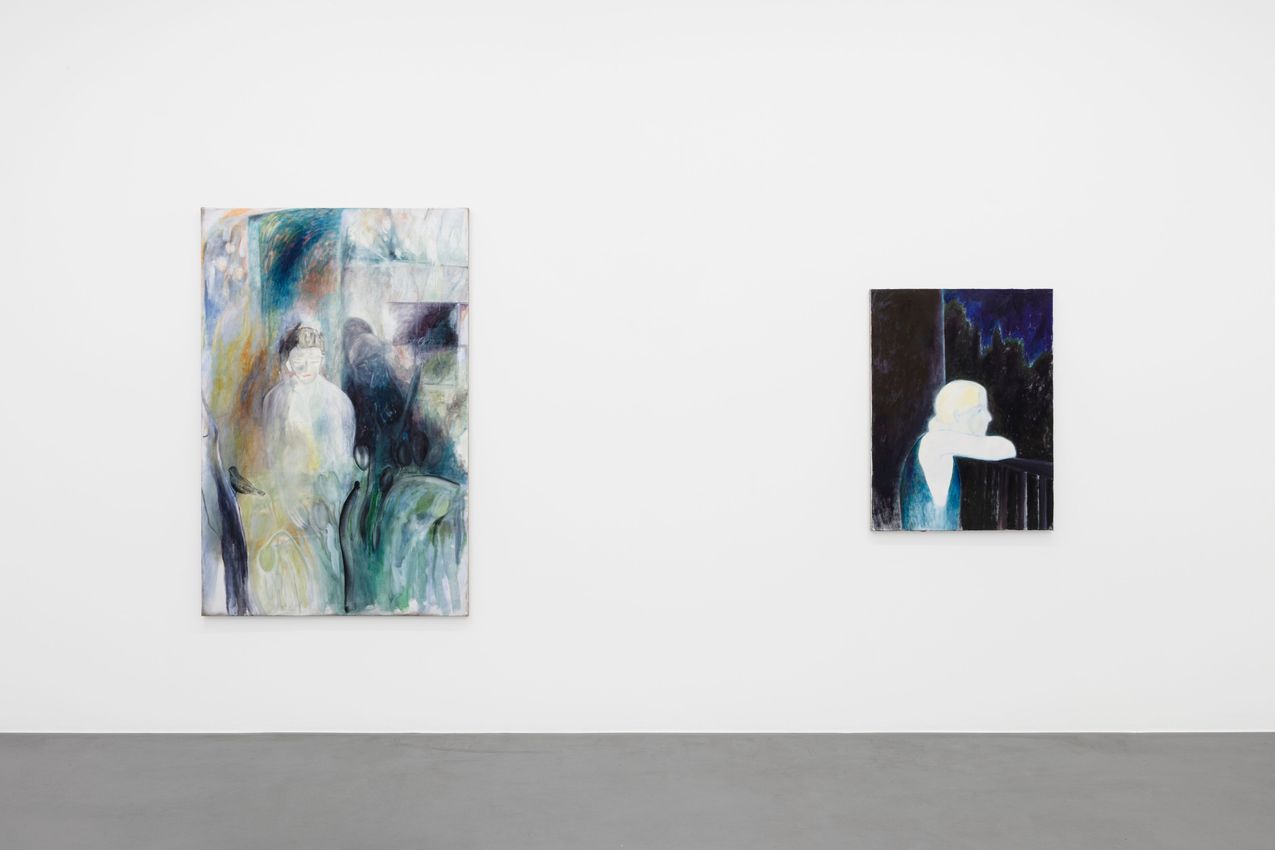
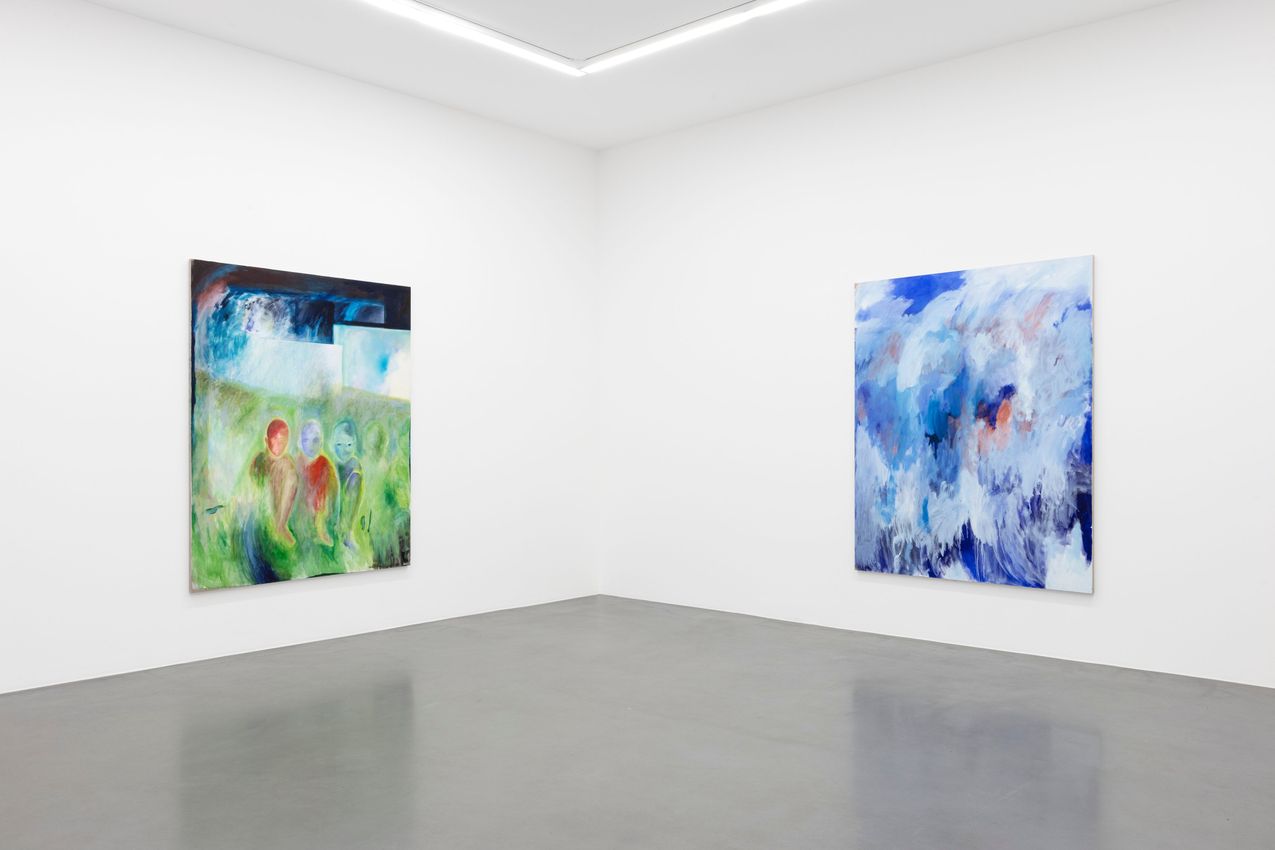
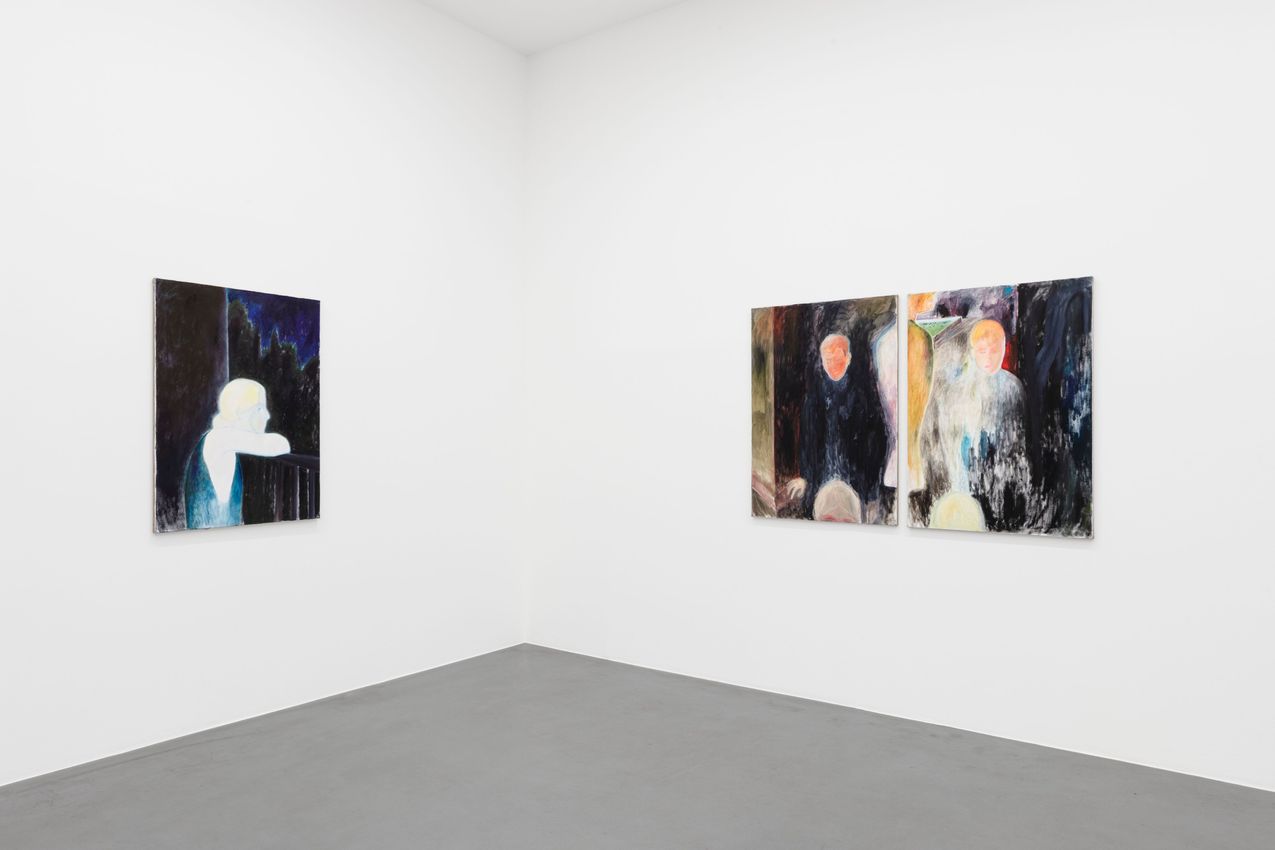
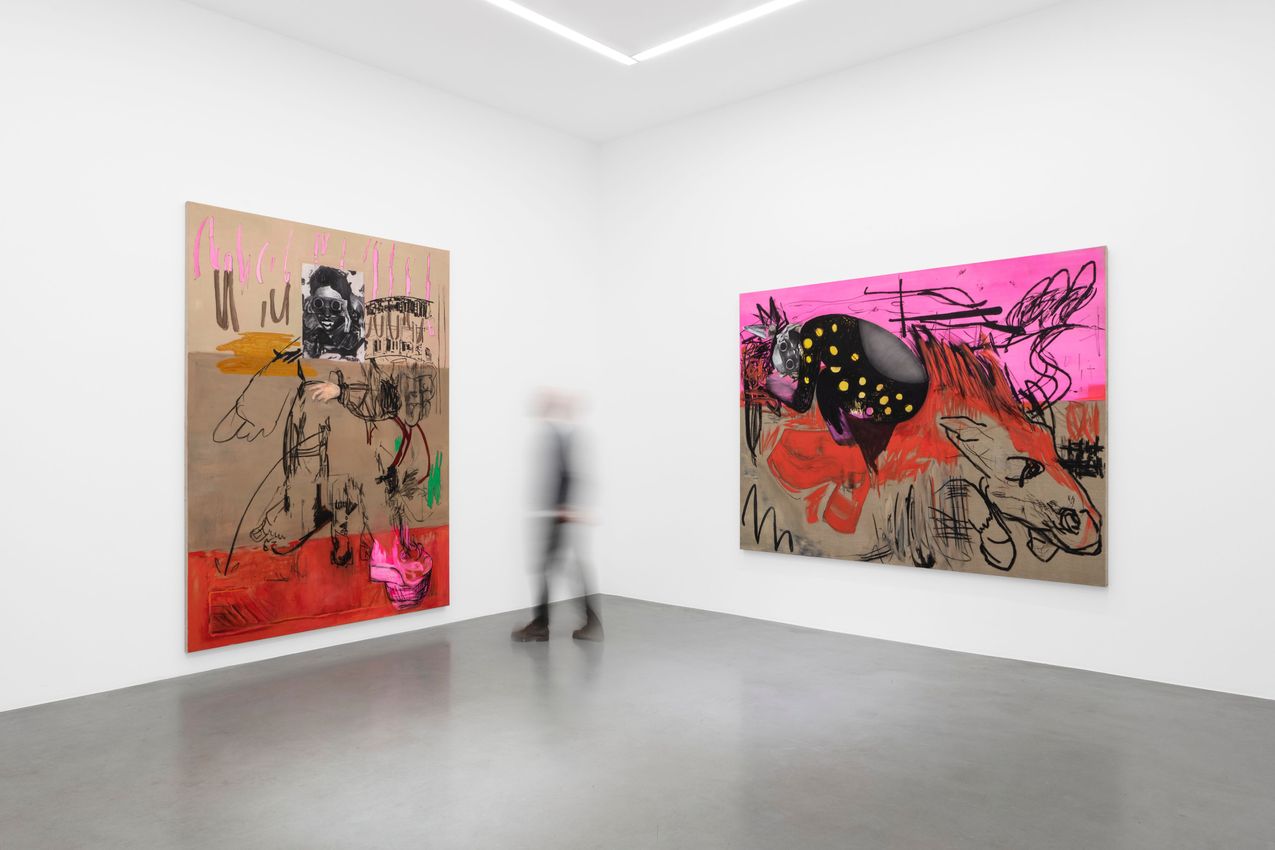
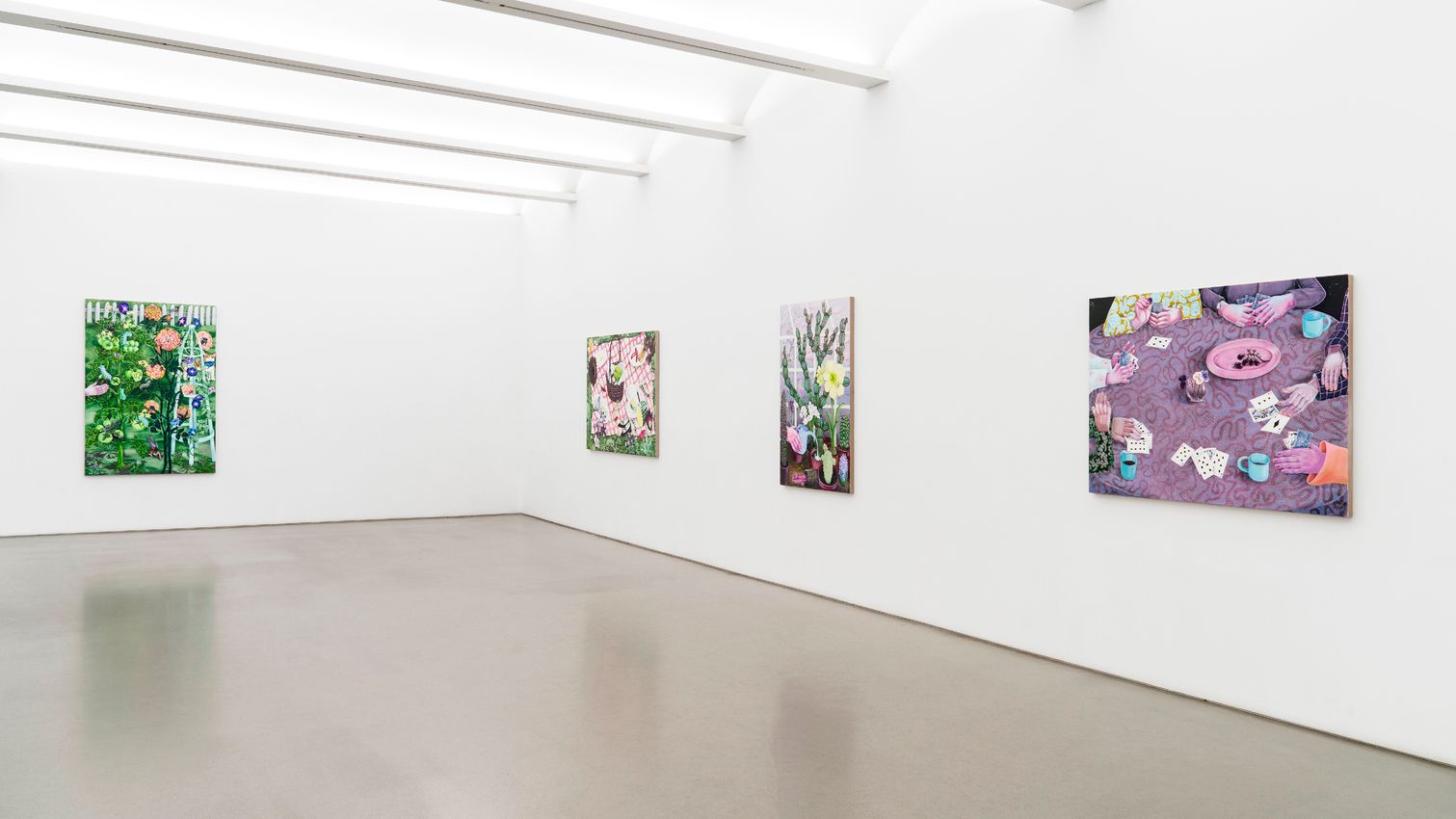
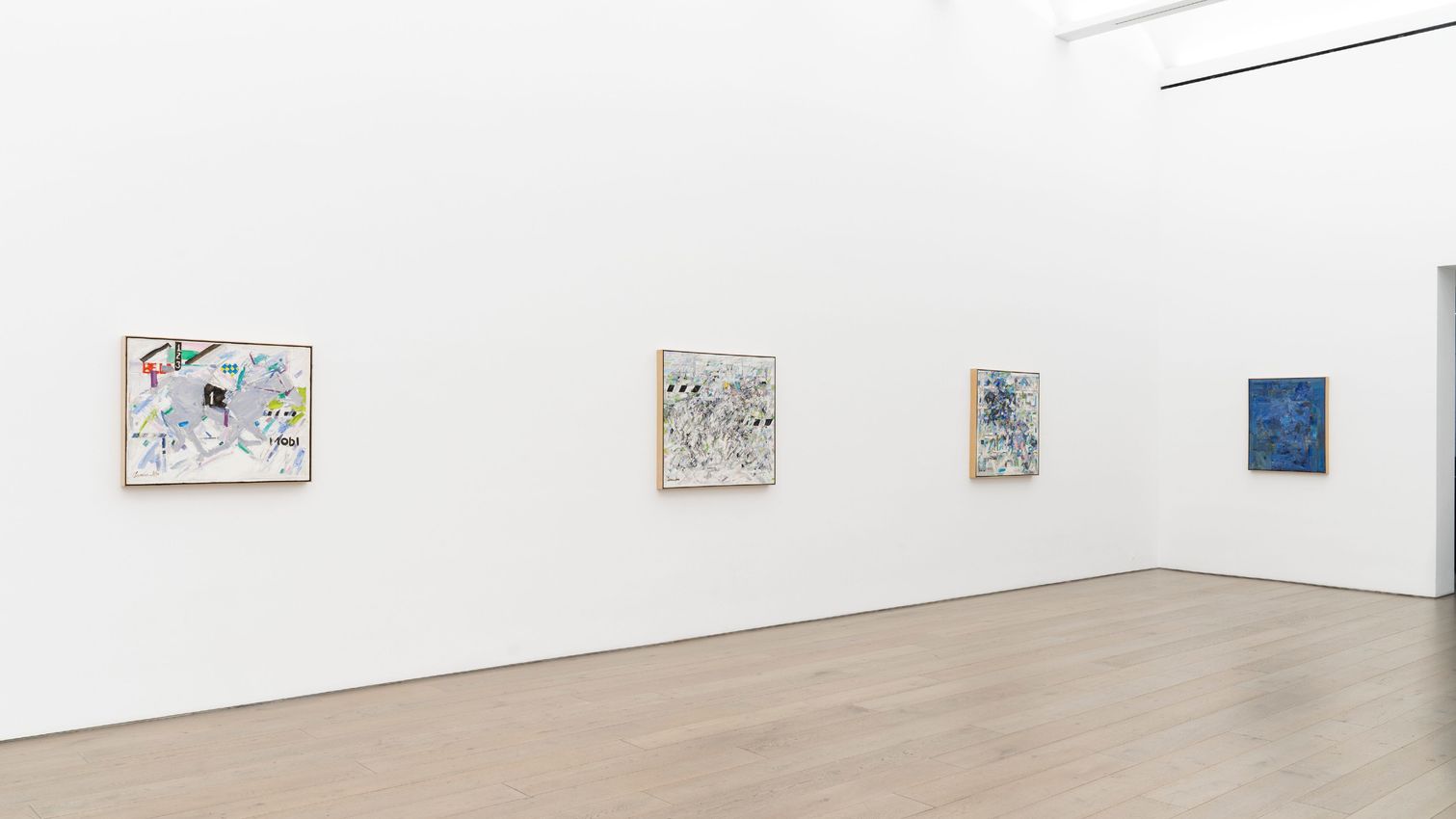
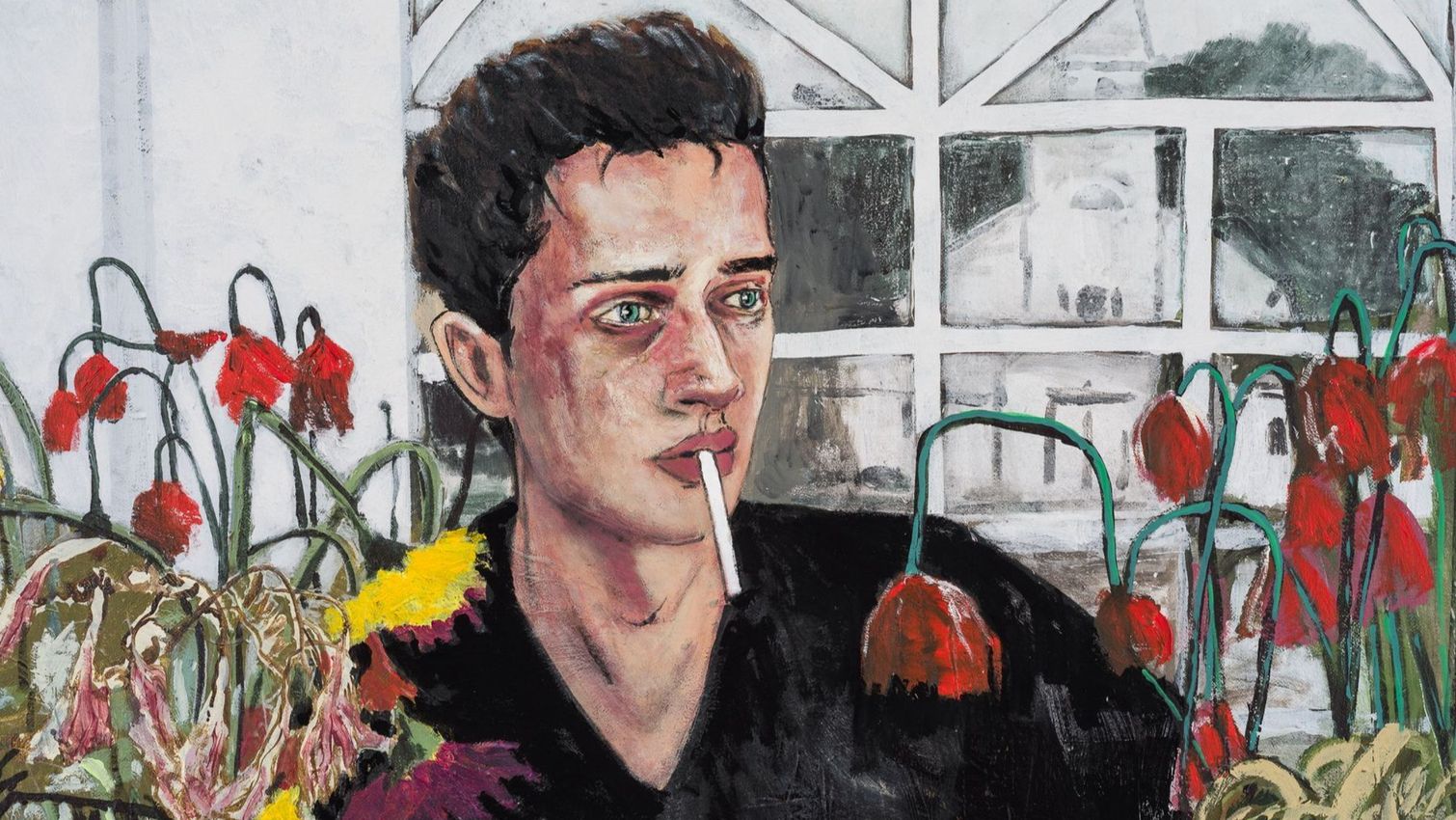
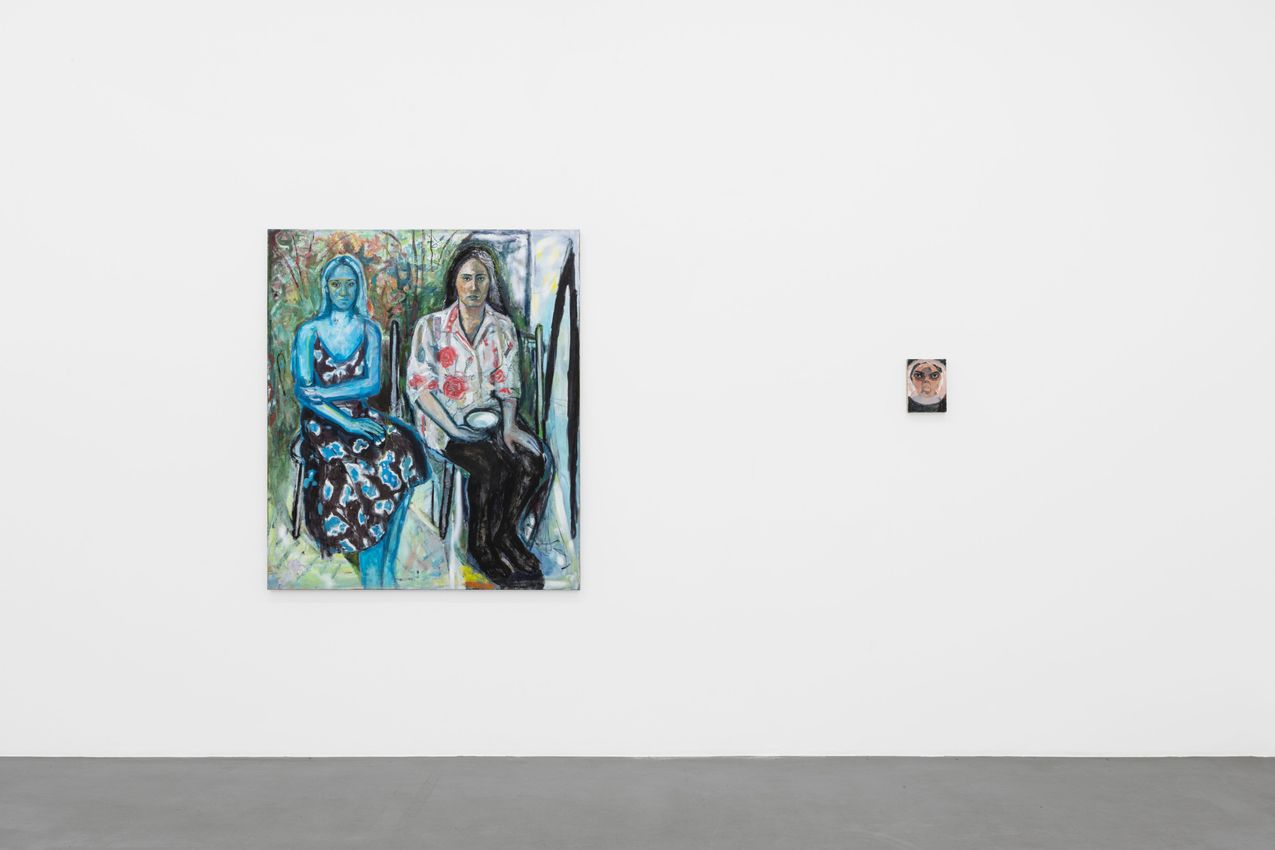
Across a selection of twenty pieces, the exhibition invites us to interpretthe artists’ childhood memories.
The featured paintings do not show real images of their past but explorea reconstructed childhood and its narrative transformation.
Delving into this ‘immense edifice of memory’, each artist imagines akind of autobiographical fiction, a quasi-psychoanalytical journeythrough their work.
For the young child who has no real sense of time and space, the gameof hide and seek is useful. It helps the child understand that when theadult is out of sight, they do not disappear completely, their reappearance producing a pleasurable surprise and a nervous cry of relief.
Based on this premise, the five featured artists were asked to probe theunconscious and the chiaroscuro of their memories.
Proust intuitively grasped the importance of introspection and psychictrauma for the development of the child’s unconscious conflicts, character, identity, sexuality, and even loss and mourning.
It is clear that our memory is subject to various forms of distortion, andthat our memories are recomposed fragments of real events: like piecesof a puzzle that do not quite fit together.
Even if their childhood recollections are clear, the adult painter’s memories may have a kind of screening function during their aesthetic andiconographic quest. Because in painting, time flows in all directions,certainly towards the past but also towards the timeless.
The group exhibition Cache-cache (Hide and Seek) brings togetherfor the first time at the gallery works by Adrian Geller, NathanaëlleHerbelin, Dora Jeridi, Nino Kapanadze, and Elené Shatberashvili.
Nino Kapanadze was born in 1990 in Tbilisi, Georgia.She lives and works in Paris. With her great mastery of colour and line,she creates intimate scenes, sometimes populated by ghostly figuresdepicting an often utopian and fantastical family iconography. But forthis young artist, the theme is only a pretext for powerful and unrestrainedpictorial expression: she refuses to choose between figuration and abs-traction seeking above all emotion and freedom through her relentlesspainting practice.
Adrian Geller was born in Bâle, in 1997. He lives and works in Paris.Virtuosity and poetry are the hallmarks of this work of unlimited plurality,both in terms of its sources of inspiration and choice of mediums.Drawing on illustrious literary themes and anecdotes from daily life, hisview of the world and nature sends us back to an imaginary realm wherethe presence of man is often excessive, disquieting, or out of place.
Elené Shatberashvili was born in 1990 in Tbilisi, Georgia.She lives and works in Paris. The intimacy of Elené‘s universe is bothdiscreet and revelatory, her compositions putting her on stage to betterefface herself. Her dazzling palette is used to create works in which elements intermingle and planes blend. This outstanding mastery of pain-ting is complemented by a fragile sensitivity and work on a complexidentity.
Dora Jeridi was born in 1988 in Paris. She lives and works in Paris.Dora Jeridi’s unclassifiable paintings are marked by a profusion of emotions and a physical experience that leaves no one indifferent. Thepower of her work is achieved through total mastery of colour and line.Her compositions, sometimes baroque, sometimes violent, sometimespure, are like painterly symphonies with catchy melodies. This furiousneed for expression is superbly mastered by juxtaposed constructionsof space without being impervious to strange forms that challenge usand make us doubt.
Nathanaëlle Herbelin was born in 1989 in Israel.She lives and works between Paris and Tel Aviv. Soft, sensual, and luminous, Nathanaëlle Herbelin’s paintings plunge us into an intimacy offamiliar and dreamy sensations that are almost universal. The interiorscenes show characters in stolen moments of reverie; her portraits arepsychological mirrors of the people she loves and who surround her.But her works are always imbued with a certain strangeness and abenevolent sweetness that plunge us into a delightful melancholy.


Emmanuel Perrotin founded his first gallery in 1989 at the age of 21. He has opened since then over 17 different spaces, with the aim of continuing to offer increasingly vibrant and creative environments to experience artists work. He has worked closely with his roster of artists, some since more than 25 years, to help fulfil their ambitious dreams and projects.

A respected voice in contemporary art discourse.
Focusing on ambitious storytelling and insightful art-world commentary. Ocula Magazine publishes in-depth interviews, critical essays and timely analysis on the artists, exhibitions and ideas driving the global art world.
Learn more about Ocula Magazine
Showcasing the best of the art world.
Ocula partners with galleries from around the world to highlight their artists, artworks and exhibitions. Gallery membership is by application and invitation, with each member vetted by an independent panel.
Learn more about Ocula Membership

Specialises in the sale of major artworks.
Led by a team with deep ties to the world’s leading auction houses, galleries and collectors. Ocula’s advisory team offers bespoke services to high-net-worth clients from around the world who are looking to acquire the best of contemporary and modern art.
Learn more about our team and services