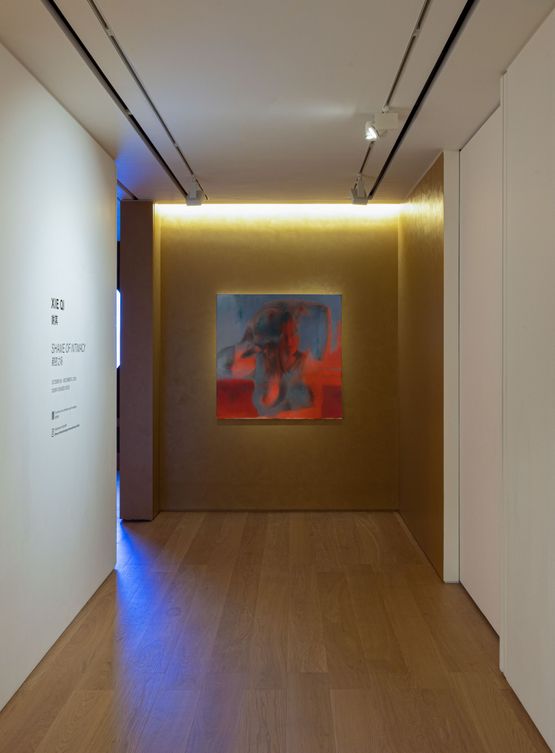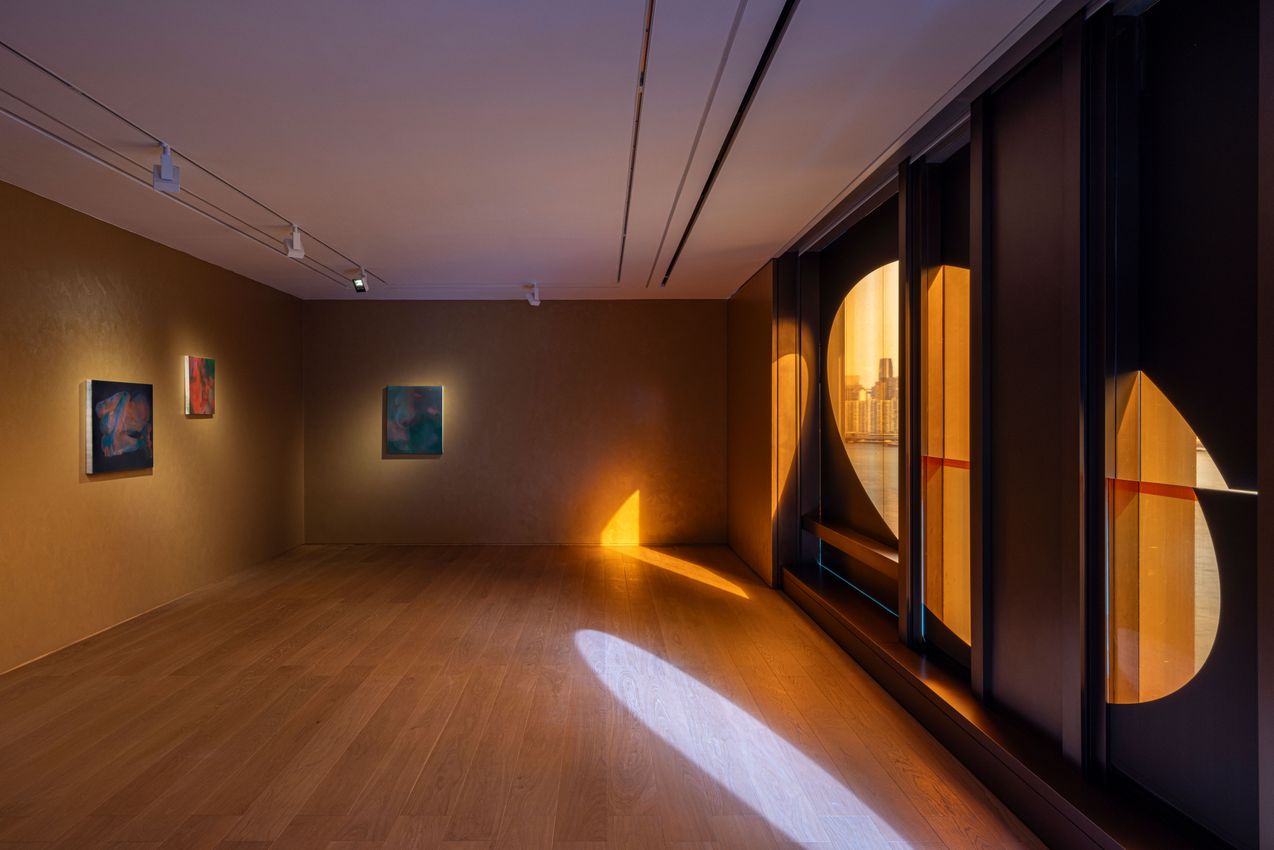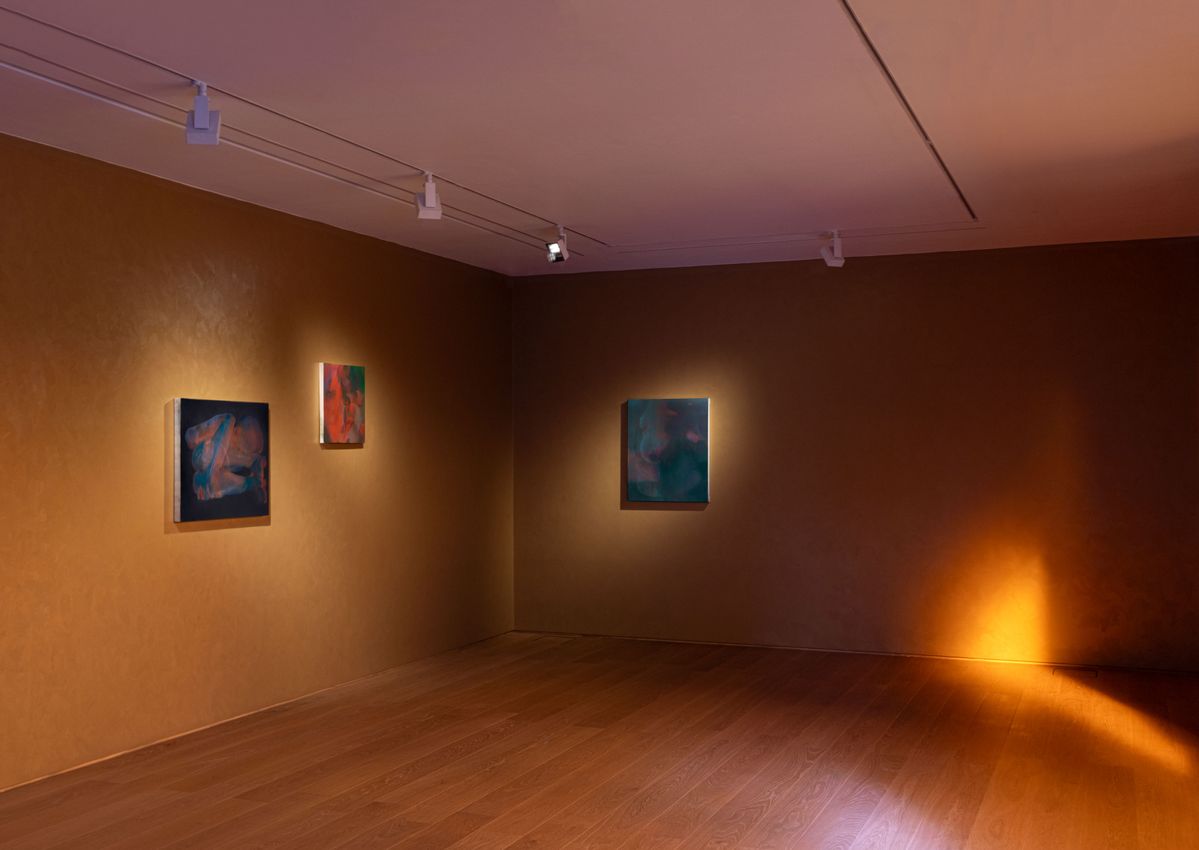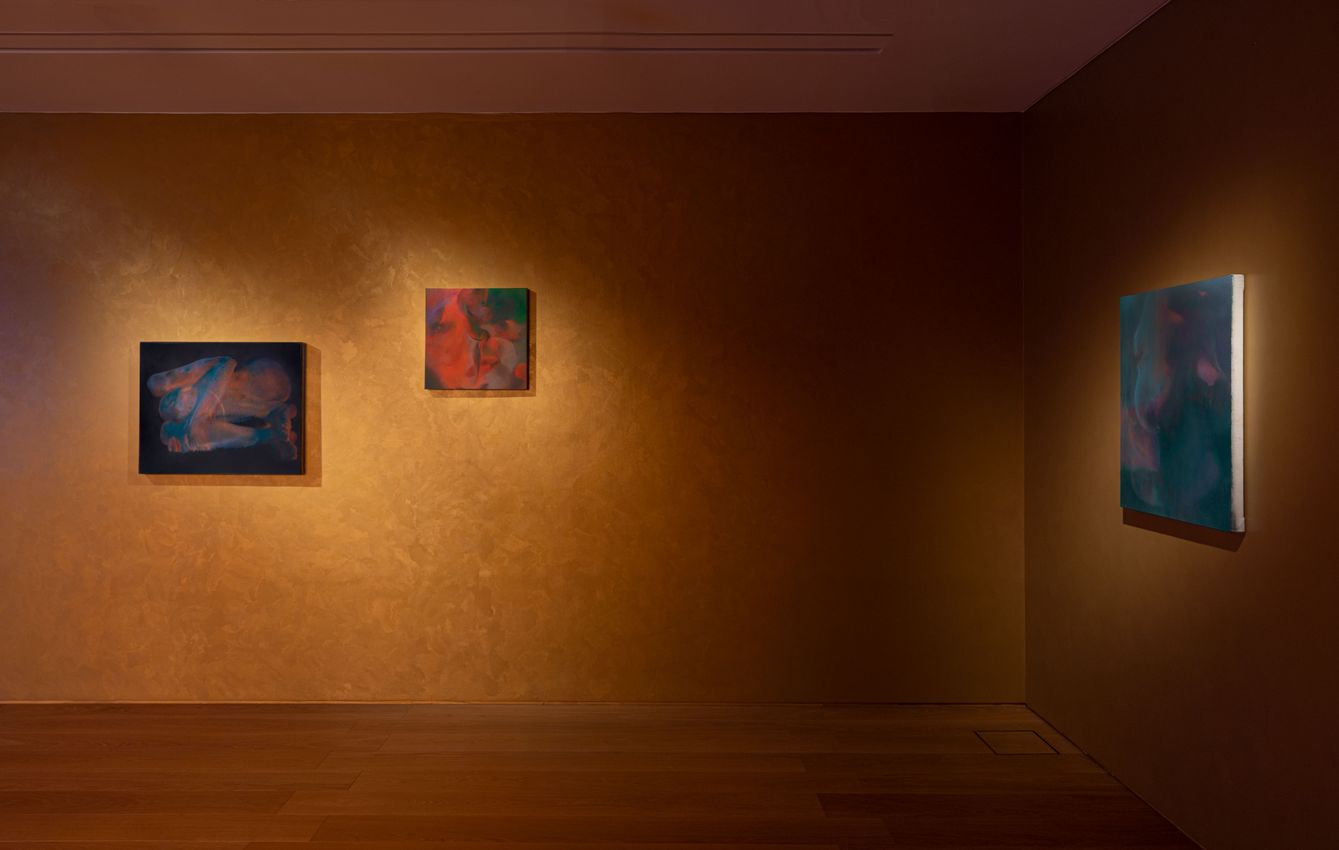
Press Release

The two decisive terms of Xie Qi’s exhibition title, ‘shame’ and ‘intimacy’, are worth thinking about. They are at opposite ends of each other, although the ease with which XieQi has joined them, suggests otherwise. Intimacy, on the one hand, is something that arrives as an effect of a close familiarity or friendship. Whether it surfaces as a brief moment shared with oneself or as an extended attachment gained between friends, it is a private, organic thing, quiet, pulsing, enveloping us in warm light. Shame, on the other hand, projects onto the body or psyche as an alien force. Shame attacks us and, next to causing embarrassment, discomfort or guilt, it is a feeling that harms our sense of self-worth. Shame can afflict a whole nation, but at its core, it is an isolating force, separating us from each other, making each of us feel alone. In this situation, it is irrelevant, whether we have cause to feel ashamed or not. As the famous author Milan Kundera writes: “The basis of shame is not some personal mistake of ours, but the ignominy, the humiliation we feel that we must be what we are without any choice in the matter, and that this humiliation is to be seen by everyone.” 1

Milan Kundera is quite precise in describing the problem of shame as an effect of humiliation in three steps: 1. We recognize that must be what we are. 2. We recognize that we have no choice. 3. We recognize that there are witnesses to our indignity. It is never easy to take account of ourselves without delusion. If, as we all know, we need to do so from time to time, we all want to be able to do it on our own terms and in a safe space. To be forced to reckon with ourselves, regardless of our wishes to stay ignorant to our own weaknesses, is one kind of thing. But to have the gaze of the others thrust upon our naked selves at this very moment of self-reckoning, is a kind of violence. Shame, then, does not result from intimacy, and not even from being seen naked, but from being vulnerable to the gaze. In the moment of shame, all intimacy is lost. The light turns from warm to cold, from dark to light, and what was before in privacy is now exposed.

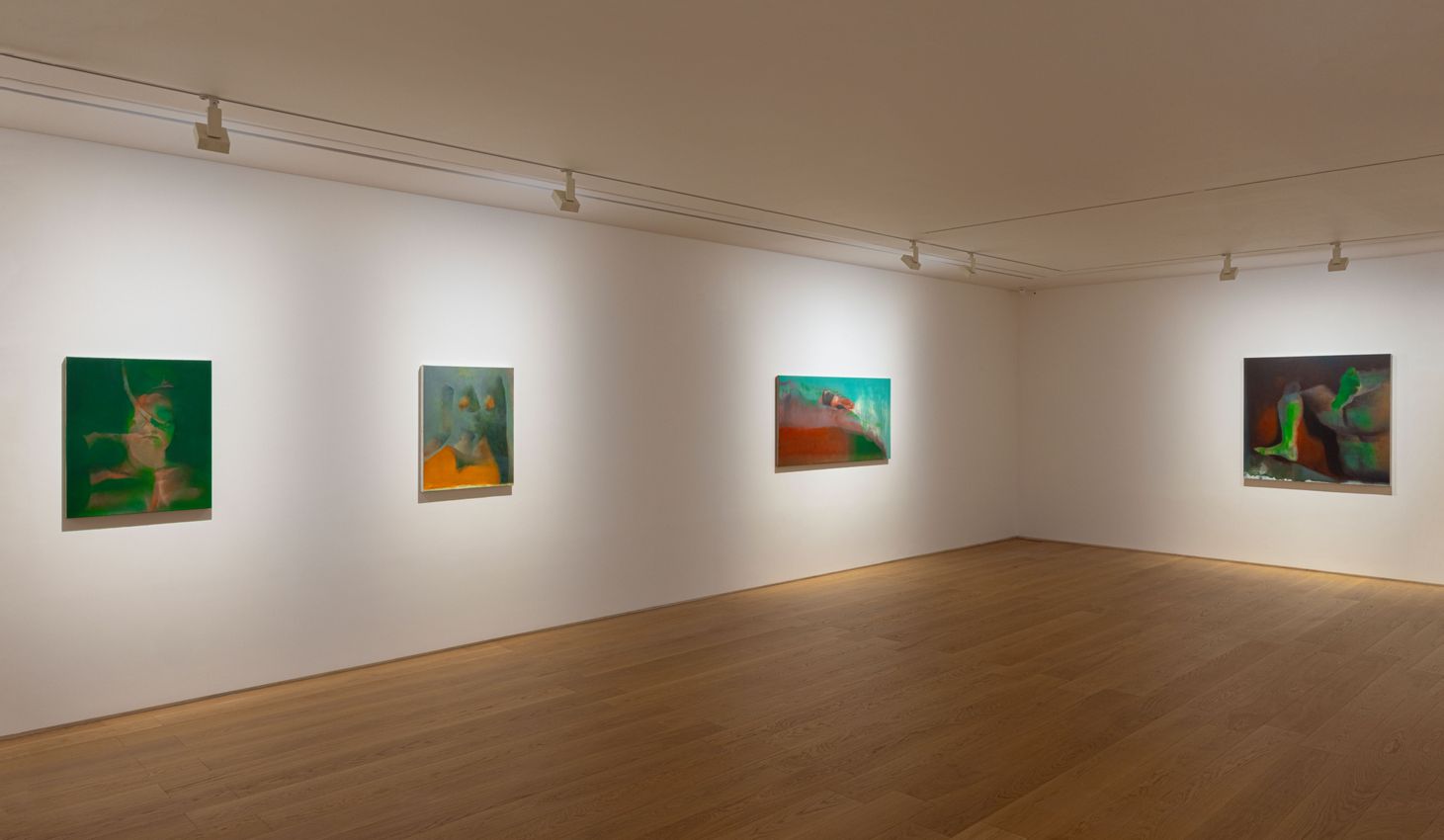
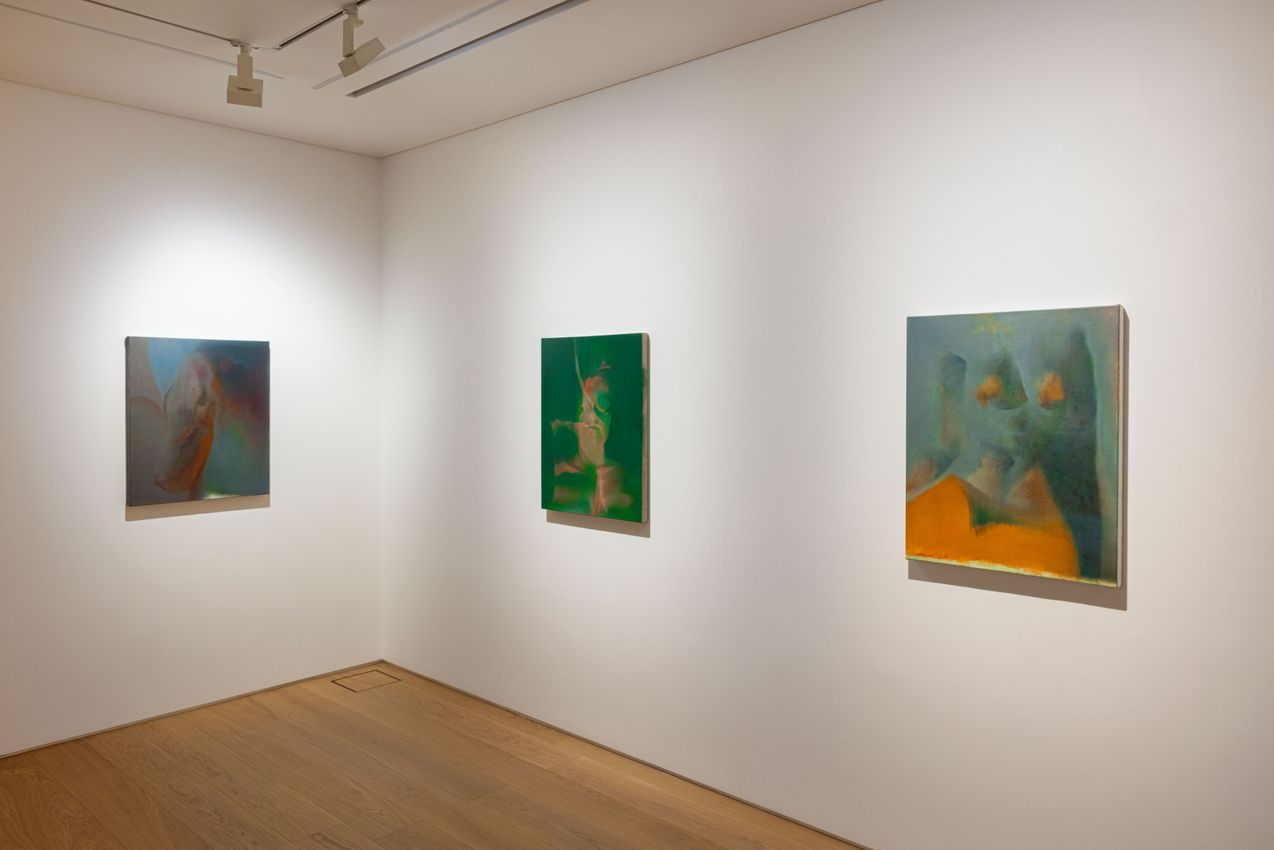
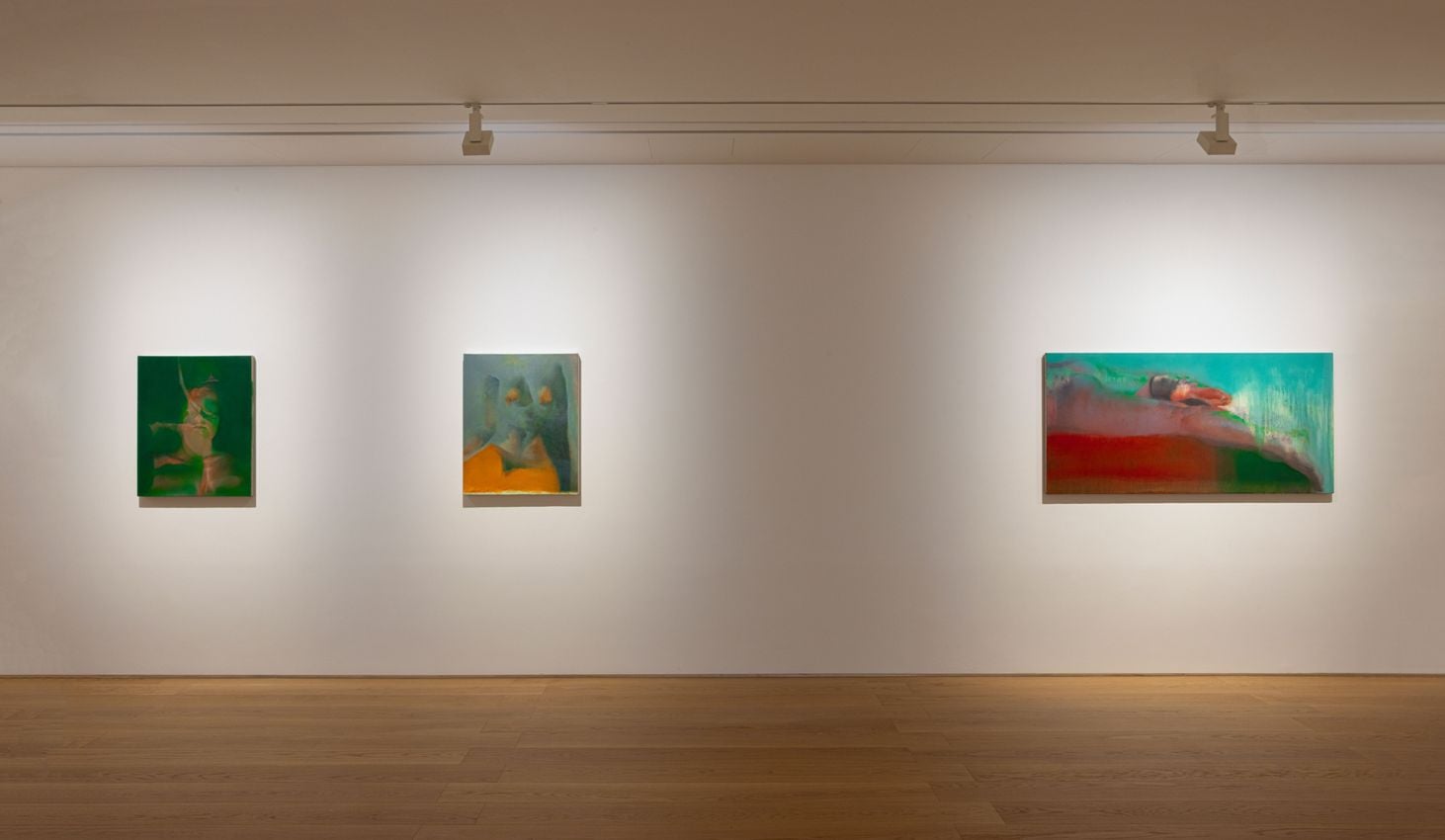
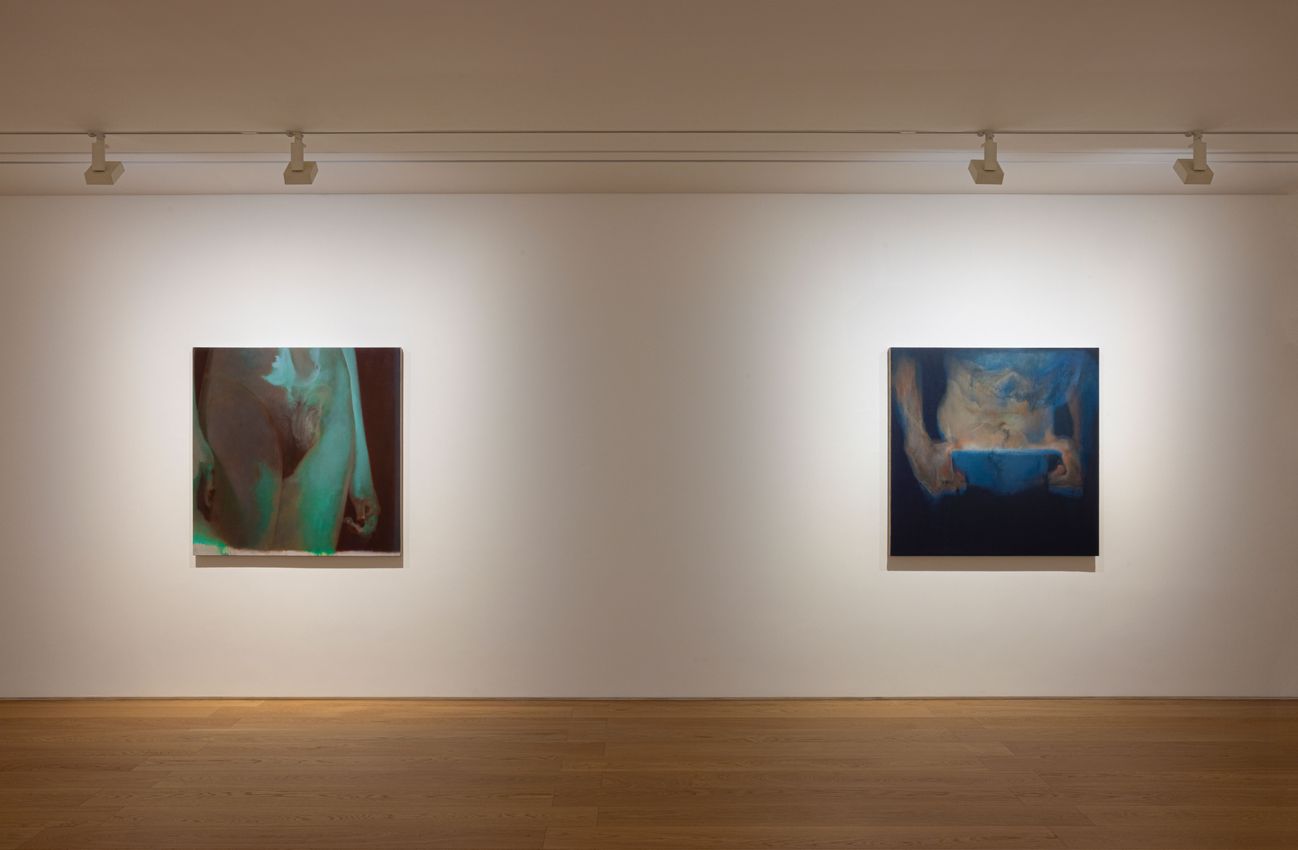
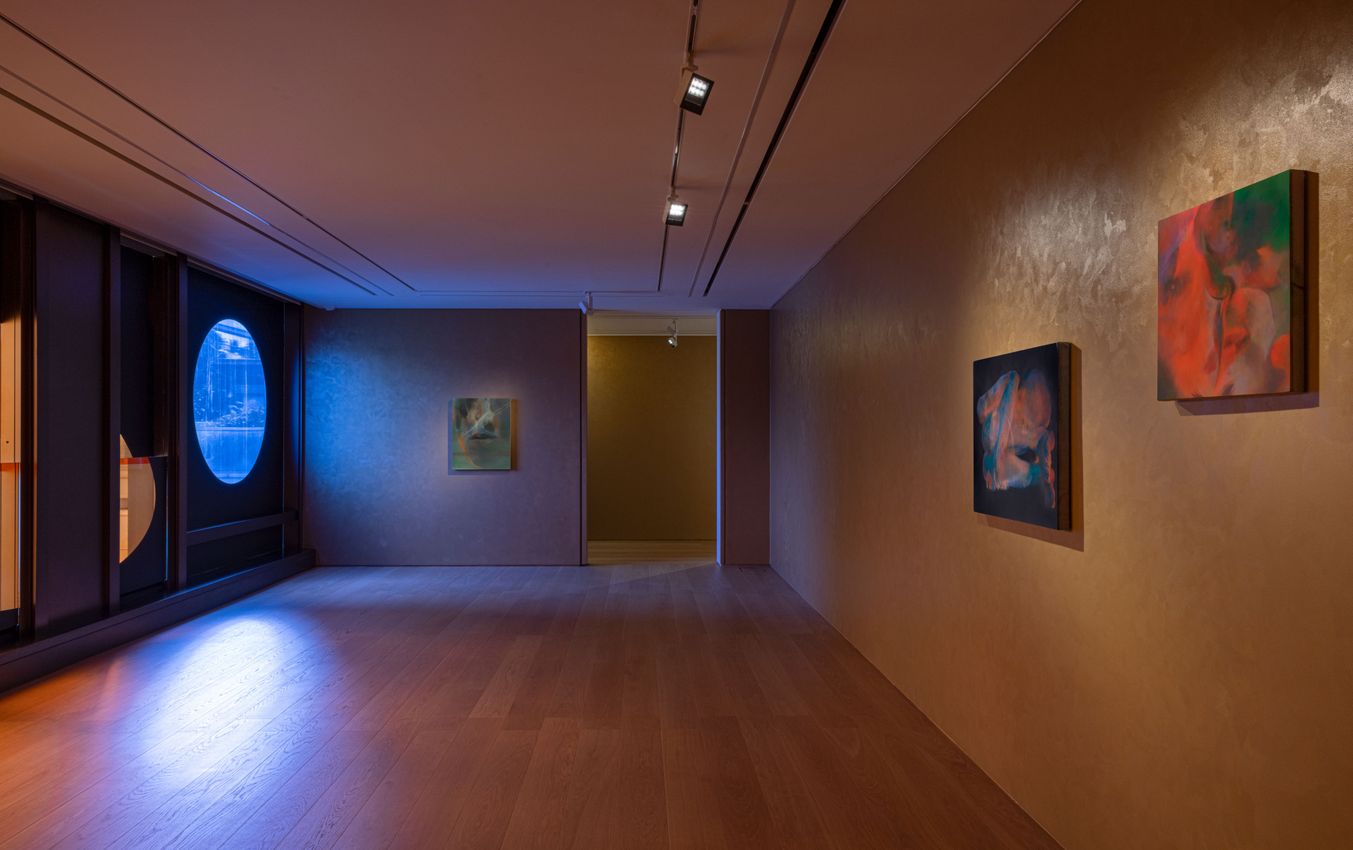
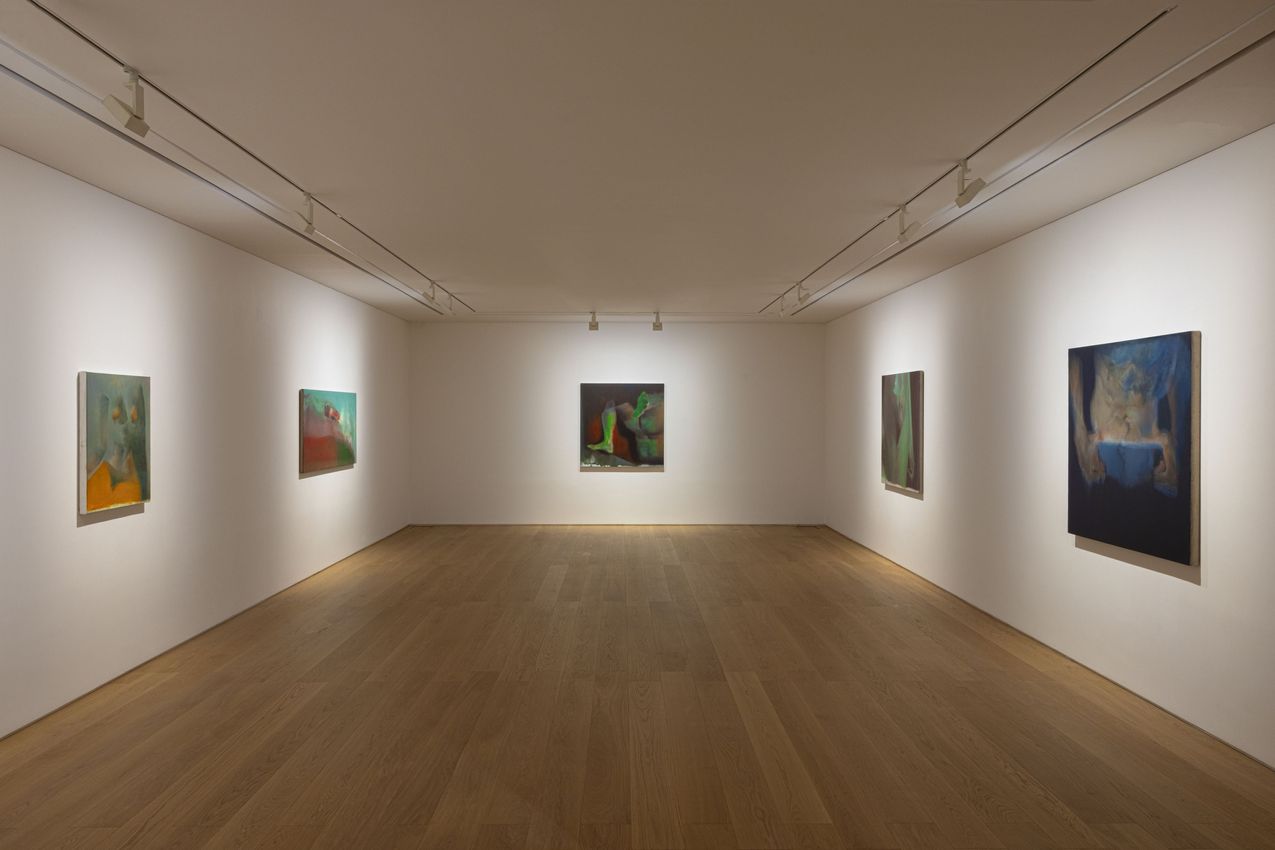
Why then, do Xie Qi’s paintings of the naked bodies of her friends, often in denaturalised, contorted or slightly sexualised poses, not fill us with shame? Amongst the many answers to this question, an obvious one is that these paintings are not portraits per se; a fact which is underpinned by the lack of names in the titles of the paintings. Instead, Xie Qi’s titles are imaginative and expressive, describing conditions, emotions or simply moments in time, as if they were heading poems. And yet, the bodies inhabiting Xie Qi’s canvasses are recognizable as specific bodies. It is possible, at least for the initiated, to piece together a depiction of a particular body and a name. I can say so with certainty, because I recognize myself as one of these bodies. Some time ago, the artist had asked me to let her take a photograph and I had complied. showing my naked body to her gaze was a bit embarrassing, but Xie Qi kept the act of photographing short, friendly, sober. It happened incidentally, in a bathroom of someone, and the event remained remarkably calm from both sides. A friend asks you for something and, naturally, if you can, you comply. You give it to her. What she does with this gift is really her own business.

Herein most probably lies the starting point of another answer to Xie Qi’s conundrum of shame, or rather to its lack thereof: The dramaturgy of the recognition, representation and exposure of a body (or a self) deviates from the usual staging of power. Milan Kundera’s description of shame does not apply here. Or, to be more precise, it does not fully apply here. Let’s look a bit closer at what the artist does, let’s look at her process. Moved by a friend’s body and soul, which fill her with curiosity and interest, Xie Qi decides to take a photograph. To her mind, this is an intimate event, and I would add, that this is less about the kind of intimacy we associate with corporeality and more a form of closeness that is the result of an act of friendship. I choose how to pose and what to show of my nakedness and what to leave covered and Xie Qi receives. She might be in control of framing the shot, but since this is not a studio setting, a more adequate description would be that this is a documentary shot, an impression, something that Xie Qi might associate with a “vera icon”, despite the intentionality of the photographic act. Contrary to a selfie, this image does not get shared. I remain clueless as to how the photograph of my body looks. This is not a moment of self-discovery. And Xie Qi herself lets the image rest, stores it away, sometimes for months, until she is ready to paint.

Thus, in the end, what gets exposed in Xie Qi’s work, is not a body-to- be-shamed, but the intimacy of the creative act. As spectators, we might feel embarrassed by this, because this intimacy is almost too strong, too close up in our faces. But there is no shame here, at least not in my mind, for Xie Qi is in control of what she gives us to see, even if she lays herself bare. And it is our choice to receive these paintings with a loving eye. It is our choice to receive these gifts.

And then she paints. The artist herself claims that this is the moment where she assumes a rather “grim gaze”.2 Layer upon layer, she gradually composes, constructs, fragments and recomposes a new body from the original photograph, working on several canvasses at once, “until the picture feels like a plant organic growth together”. I call this “a new body”, because despite Xie Qi’s self-described “conflict between caring and not caring about the personal characteristics of the model”, alternating between fascination and detachment, — and despite the fact that I do recognize my own body in her work — her paintings are no similes. Xie Qi’s canvasses are, ultimately, balancing acts between veracity and painterly performance. As to the “grim gaze”, I would assume that this is Xie Qi’s way of owning up to the fact that her artistic vision will supersede considerations born out of the intimacy of friendship. Her depictions do not enhance bodily beauty, indeed, in the way they are fragmented and denatured in colour, the bodies are depersonalised, rendered simply as flesh. Whatever intimacy might present itself, it is the intimacy of the painterly gaze. The eroticism that these paintings speak of is the eroticism between the artist herself and her canvas.

— Ruth Noack

Read More

Installation Views

About the Artist

Caught between being and becoming, Xie Qi’s paintings read like half-forgotten memories. She uses densely packed yet ethereal brushstrokes barely defining her subjects.

View Artist Profile

Also Exhibiting at Perrotin

About the Gallery
Emmanuel Perrotin founded his first gallery in 1989 at the age of 21. He has opened since then over 17 different spaces, with the aim of continuing to offer increasingly vibrant and creative environments to experience artists work. He has worked closely with his roster of artists, some since more than 25 years, to help fulfill their ambitious dreams and projects. The gallery is now based in New York, Paris, Hong Kong, Seoul, Tokyo, and participates in all the significant worldwide art fairs each year (Art Basel (Hong Kong, Miami, Basel), Frieze (London, New York), FIAC (Paris), Dallas Art Fair, Art Cologne, Art Stage Jakarta, Expo Chicago, Art021 & West Bund Art & Design, Shanghai, Zona Maco Mexico, amongst others).
View Gallery Profile
Address
807, K11 Atelier Victoria Dockside
18 Salisbury Road
Tsim Sha Tsui
Hong Kong
Hong Kong
Opening Hours
Tuesday – Saturday
11am – 7pm
(1)
Hong Kong 807, K11 Atelier Victoria Dockside, 18 Salisbury Road
Perrotin
807, K11 Atelier Victoria Dockside, 18 Salisbury Road, Tsim Sha Tsui, Hong Kong, Hong Kong
+852 375 821 80
http://www.perrotin.com

Opening hours
Tuesday – Saturday
11am – 7pm
The art world in focus