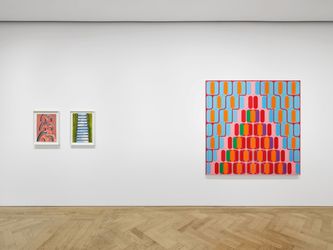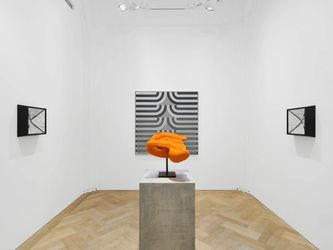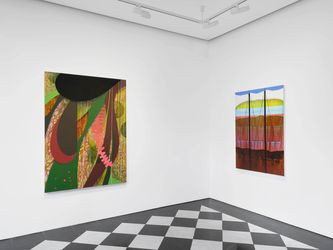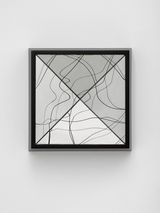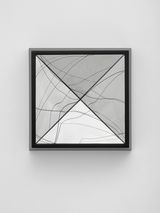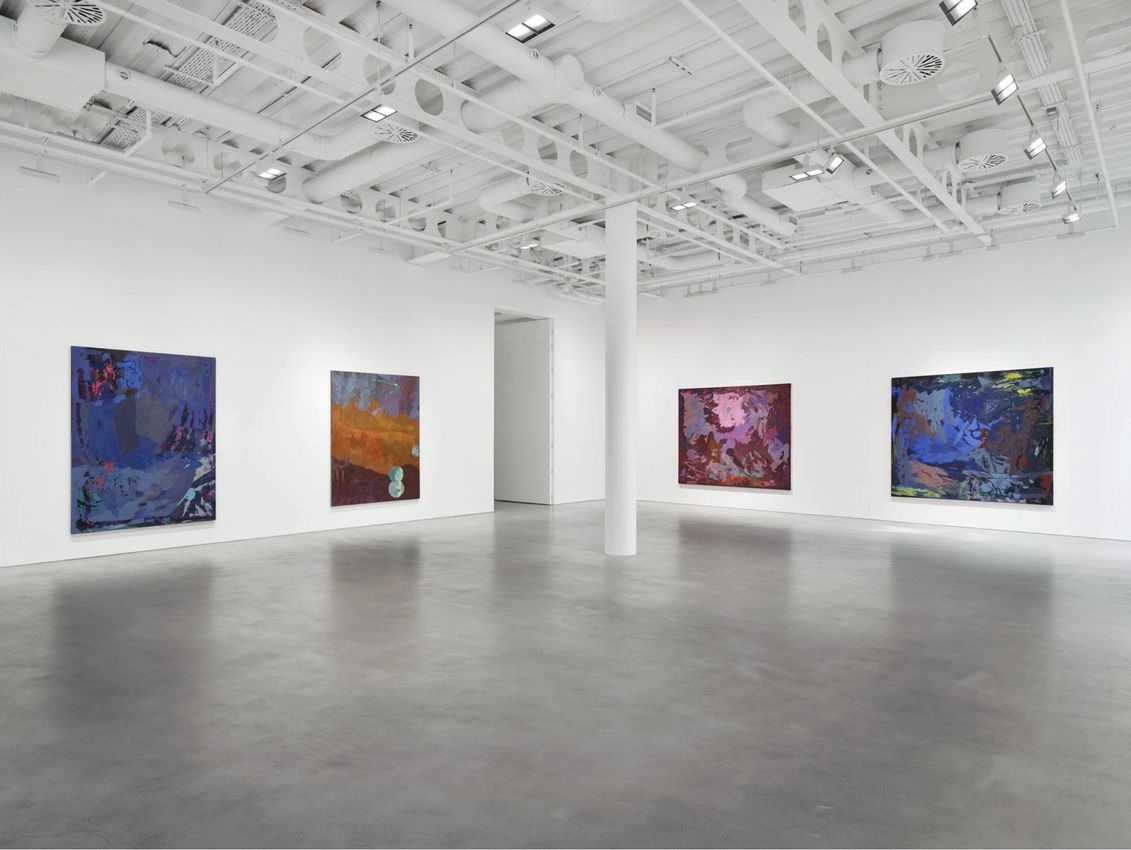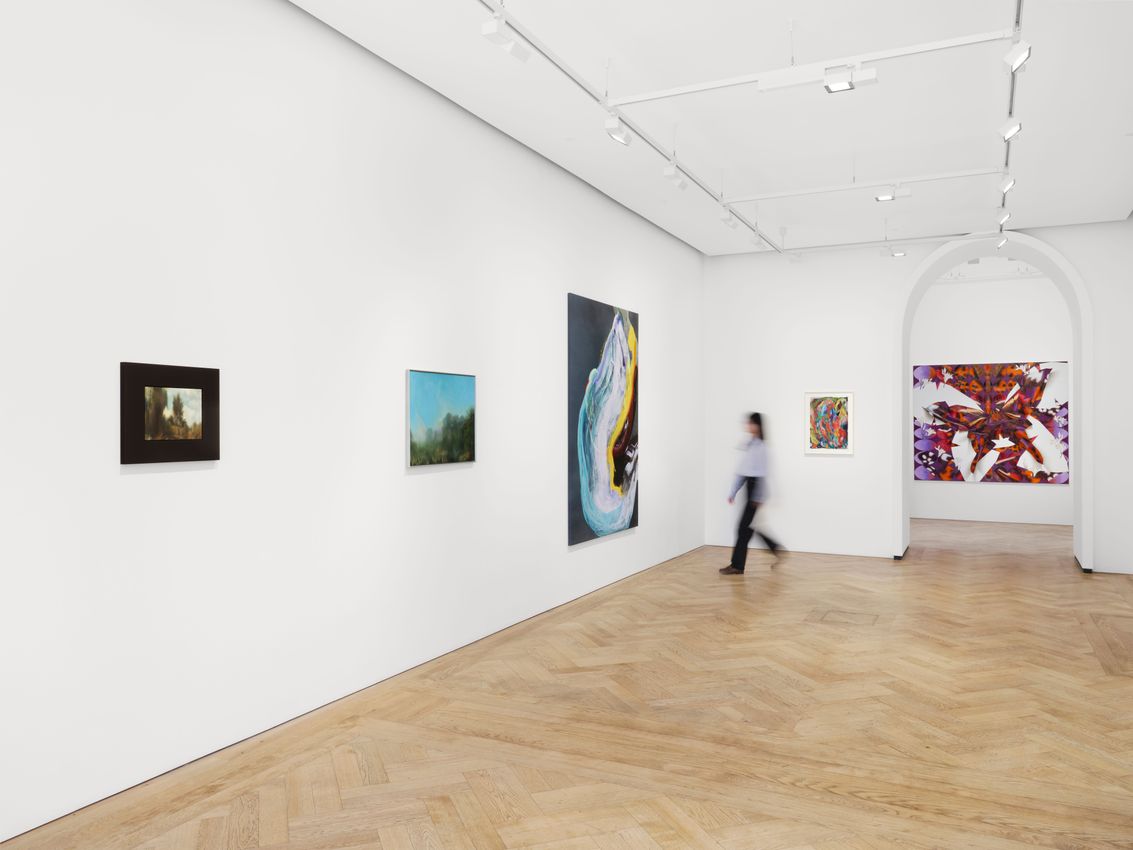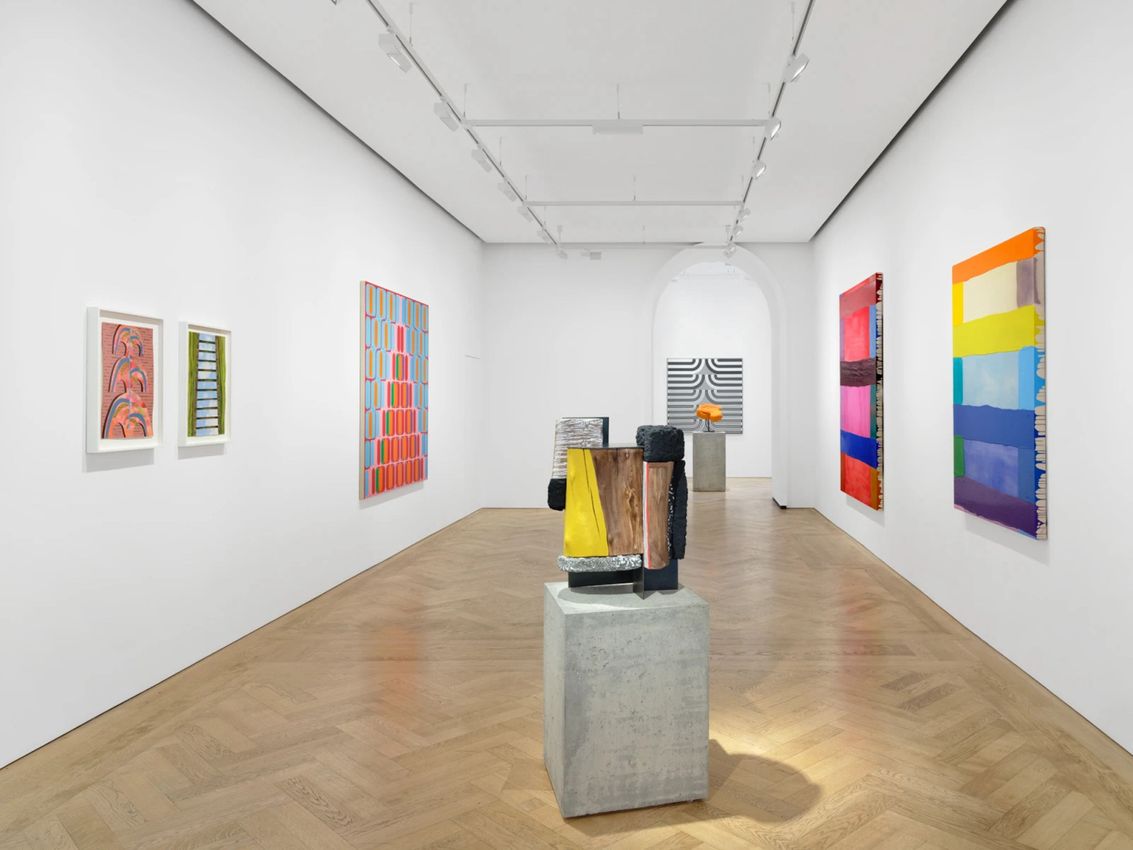
The group exhibition A place for modernism brings together five artists, all based on or near the East Coast of the US, whose work responds to the wide-ranging legacy of modernism. Rather than treat the movement as a closed historical episode, Josiah McElheny, Carrie Moyer, Hasani Sahlehe, Arlene Shechet, and Dan Walsh view modernism as a perennial method that can be adapted to address the political and aesthetic questions of the present day.
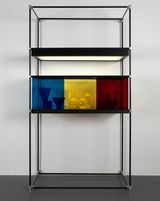
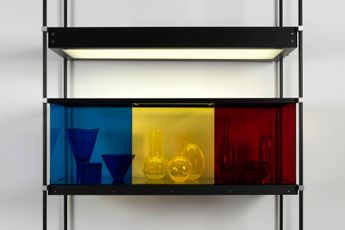
A place for modernism proposes that our engagement with an artwork is a model for how we engage with the world at large, hence the emphasis on the principles of colour, form, ambiguity and perspective. With its geometrical arrangement and primary colours, Josiah McElheny’s sculpture Chromatic Modernism (Blue, Yellow, Red) (2008) stands in the gallery as a model of the movement. Examining viewpoints, literal and metaphorical, McElheny suggests a multiplicity of histories, thus granting the viewer a radical interpretative responsibility.
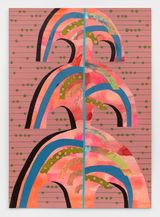
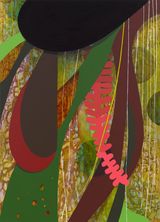
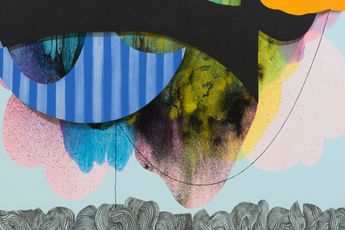
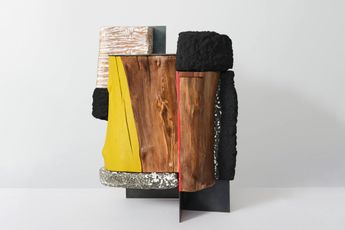
The painter Carrie Moyer revels in contaminating high modernism with imagery, illusion, brash colour or splashes of glitter, ‘reimagining its strategies and undermining its assumptions from [her] position on the margin as a woman, a feminist, and a lesbian’. Introducing elements of ‘beauty, seduction and play’ into the history of abstraction, Moyer wants the viewer to experience the painting as a kind of living organism. Modernism becomes a space for renewal in Arlene Shechet’s hands, too. As its title suggests, her work There Then Now and Again (2024) feels suffused with time and life, as if it were a Cubist painting that dropped from the wall, came alive and reinvented itself as sculpture.
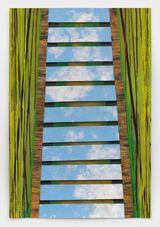
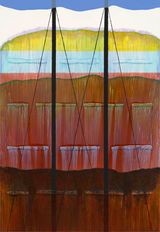
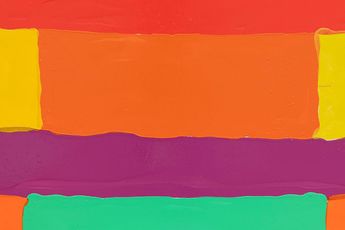
Release (2023), a painting by Dan Walsh, similarly seems to emerge from another era, future or past. A pyramid constructed of interlocking red, orange and green ovals, and suspended in a pink halo, Walsh’s work looks like a monument to a lost episode of modernism. With their wobbly edifices of joyful colour, the paintings of Hasani Sahlehe uplift the viewer, transforming their experience of space. Between the bars, washes of pale colour in My Paint (2025) create a sense of vertiginous space, as if the painting is climbing into the stratosphere, held together by the internal gravity of the colour blocks. The painting seems to continue both top and bottom, as if it represents a fragment of a perpetual ascent. To this end, A place for modernism proposes a rewriting of modernism as a never-ending story about how to look, think and feel about the world we inhabit.


Pilar Corrias Gallery is a contemporary art gallery owned by Pilar Corrias.Since its inception, the gallery has worked with emerging and established artists with the central aim of allowing their work to grow both in terms of production of new projects and the making of new exhibitions. Pilar Corrias now represents a total of thirty-five international artists, two-thirds of whom are female.

A respected voice in contemporary art discourse.
Focusing on ambitious storytelling and insightful art-world commentary. Ocula Magazine publishes in-depth interviews, critical essays and timely analysis on the artists, exhibitions and ideas driving the global art world.
Learn more about Ocula Magazine
Showcasing the best of the art world.
Ocula partners with galleries from around the world to highlight their artists, artworks and exhibitions. Gallery membership is by application and invitation, with each member vetted by an independent panel.
Learn more about Ocula Membership

Specialises in the sale of major artworks.
Led by a team with deep ties to the world’s leading auction houses, galleries and collectors. Ocula’s advisory team offers bespoke services to high-net-worth clients from around the world who are looking to acquire the best of contemporary and modern art.
Learn more about our team and services