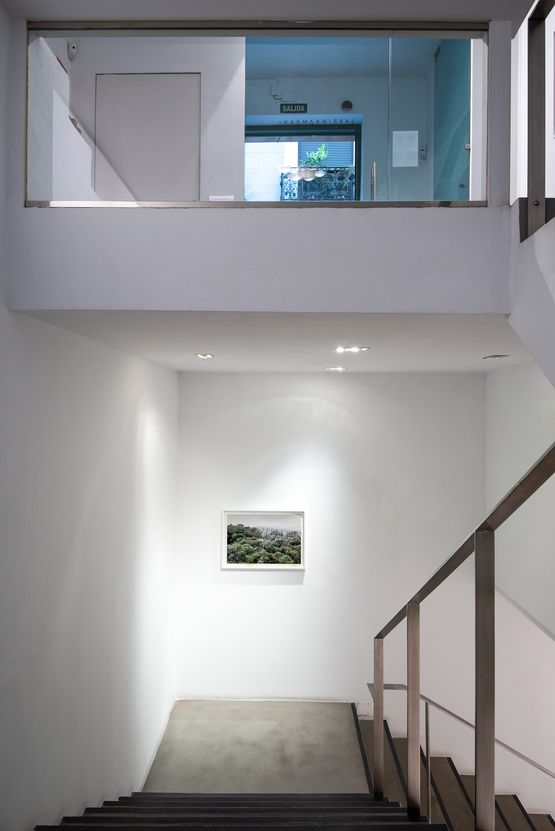




Sabrina Amrani is pleased to present Shadows Fall Behind, the third solo show by Mónica de Miranda in the gallery.
The red thread of destiny is an ancient oriental legend that deals with the idea that a thin and invisible red thread connects people emotionally. Beyond the place or the circumstances thateach one has to live in, they will end up meeting because they are bound by an unbreakablebond. More deeply, the myth is related to the confidence that something sustains us beyondour actions and invokes a red thread tied to the little finger as a symbol of a constellation ofinfinite connections, of a loving network capable of containing the solitary existence of theindividual. It is, without a doubt, a beautiful belief. I wish all people, regardless of their origin,could trust fate in this way.
Mónica de Miranda (Porto, 1976) has developed a strong body of work on the African diaspora in Europe, specifically in the Portuguese context. Using photography and video as her main means, she has explored the memory of the land and the landscape after the colonisation processes that began in the 16th century. In collaborative formats, in which her practice alwaysenters into dialogue with other creators, the artist investigates the colonial wound ofsubalternised territories, but she does so from a visual composition antagonistic to misfortune.The tension of history to which her works allude operates like cryptography whosedecipherment always offers a space for repair.
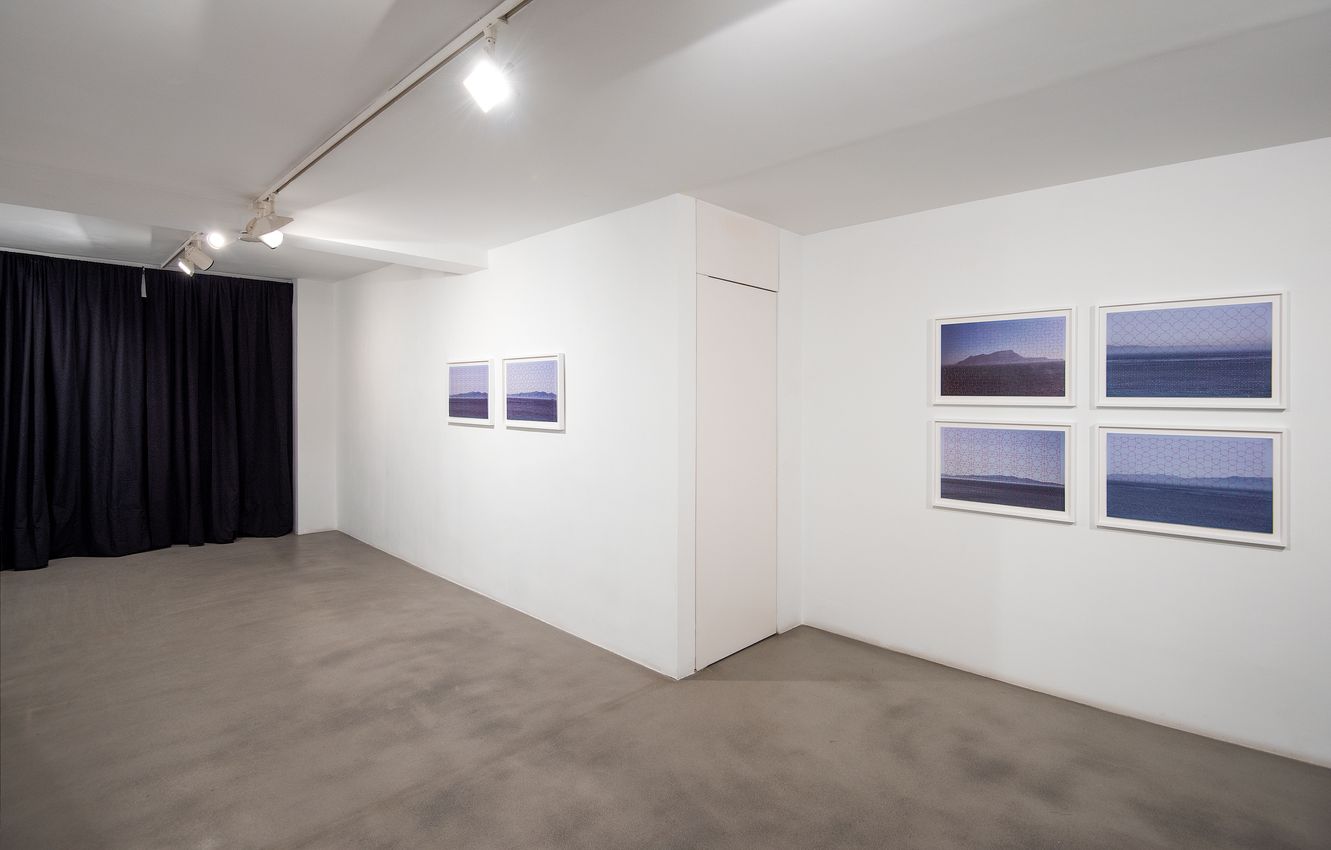
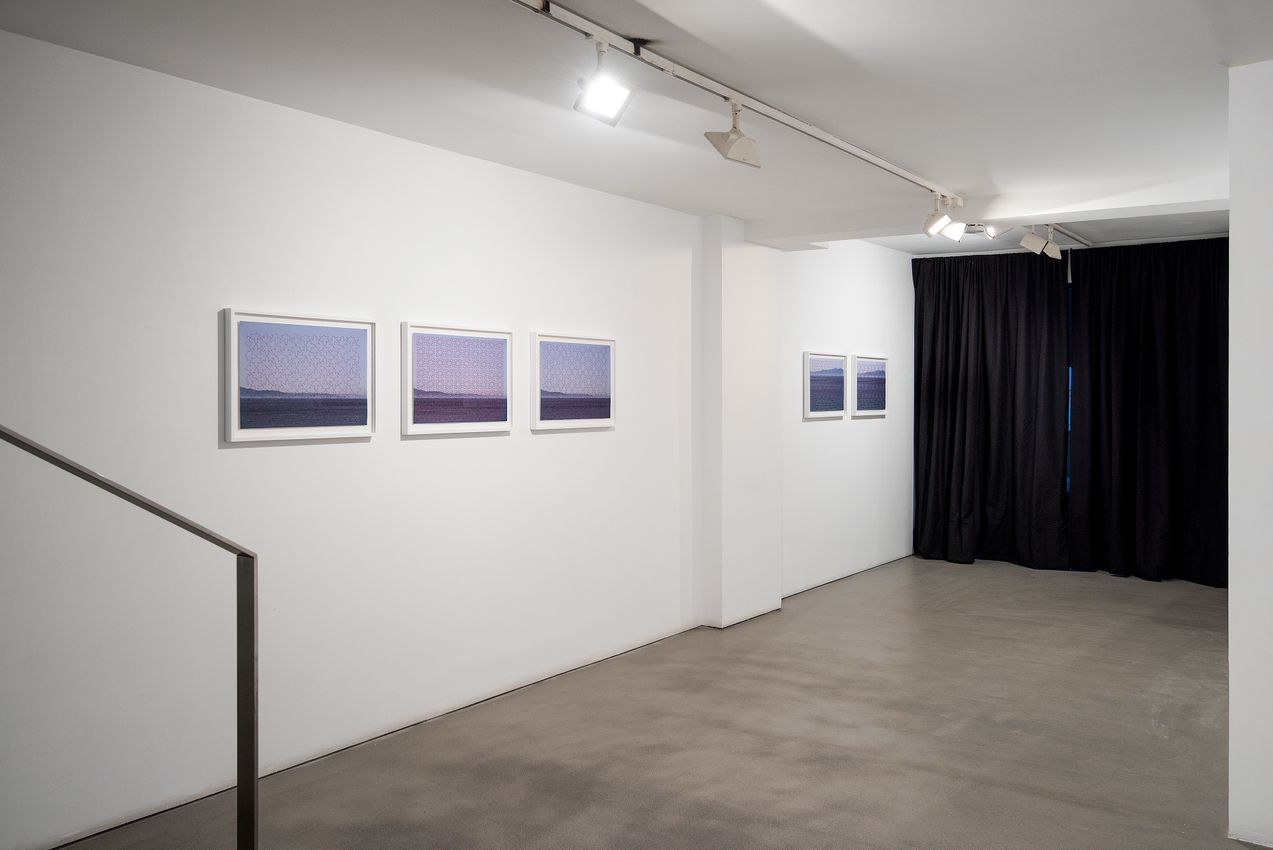
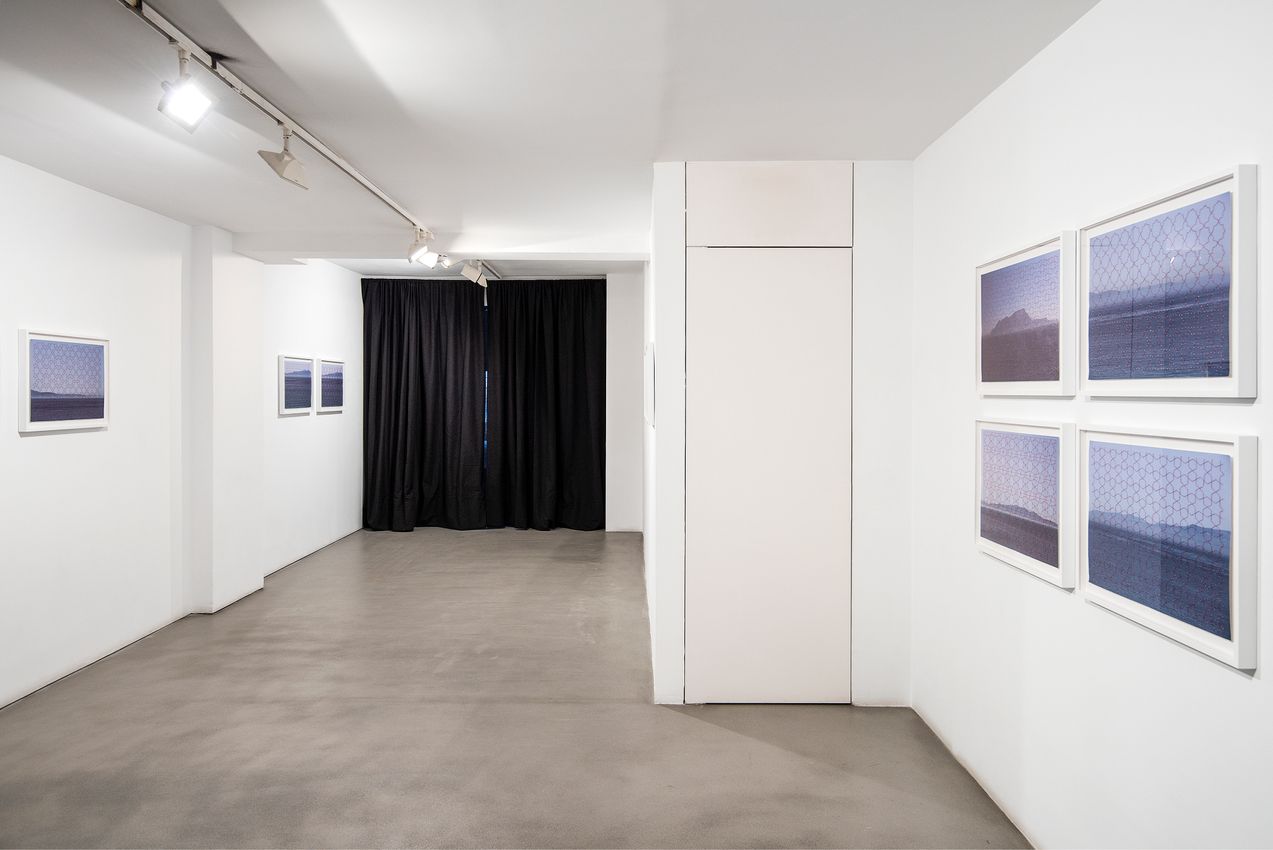
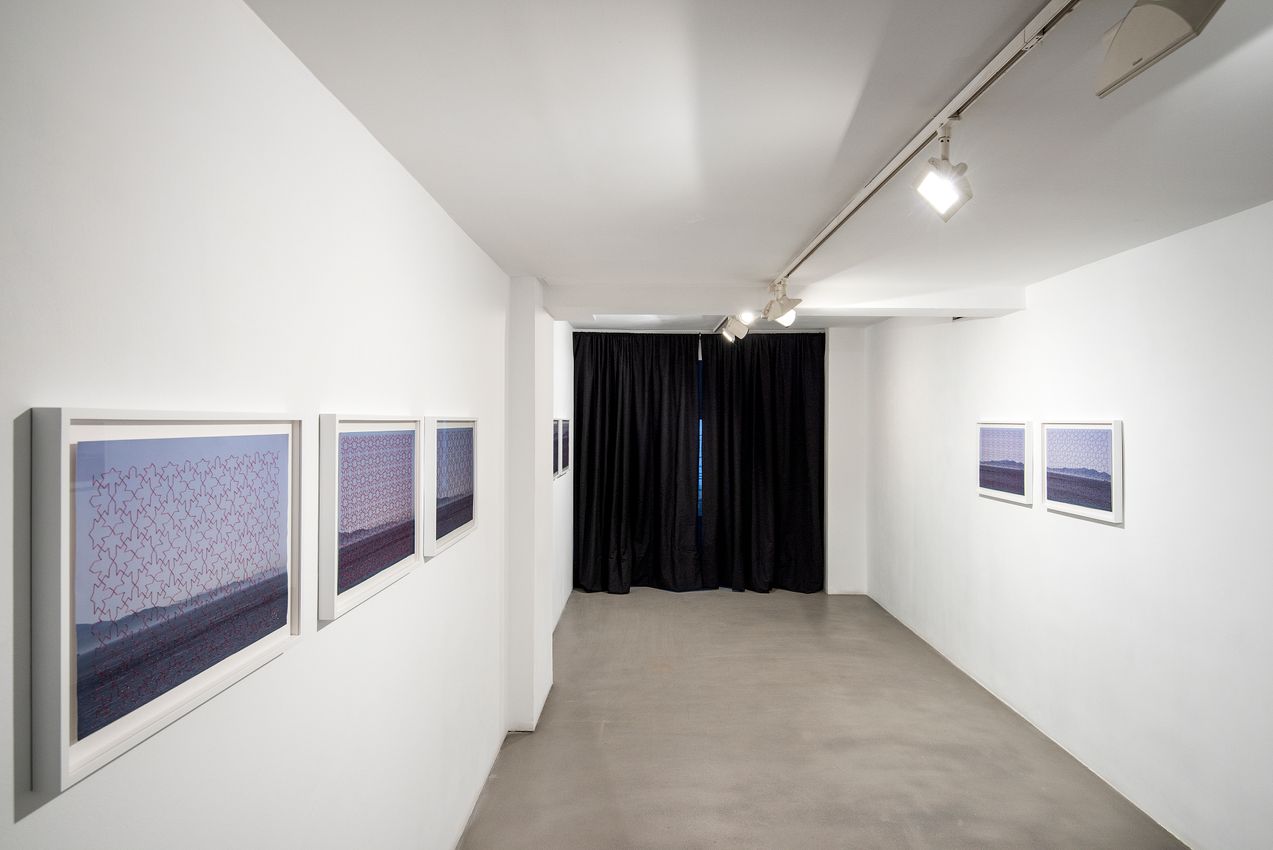
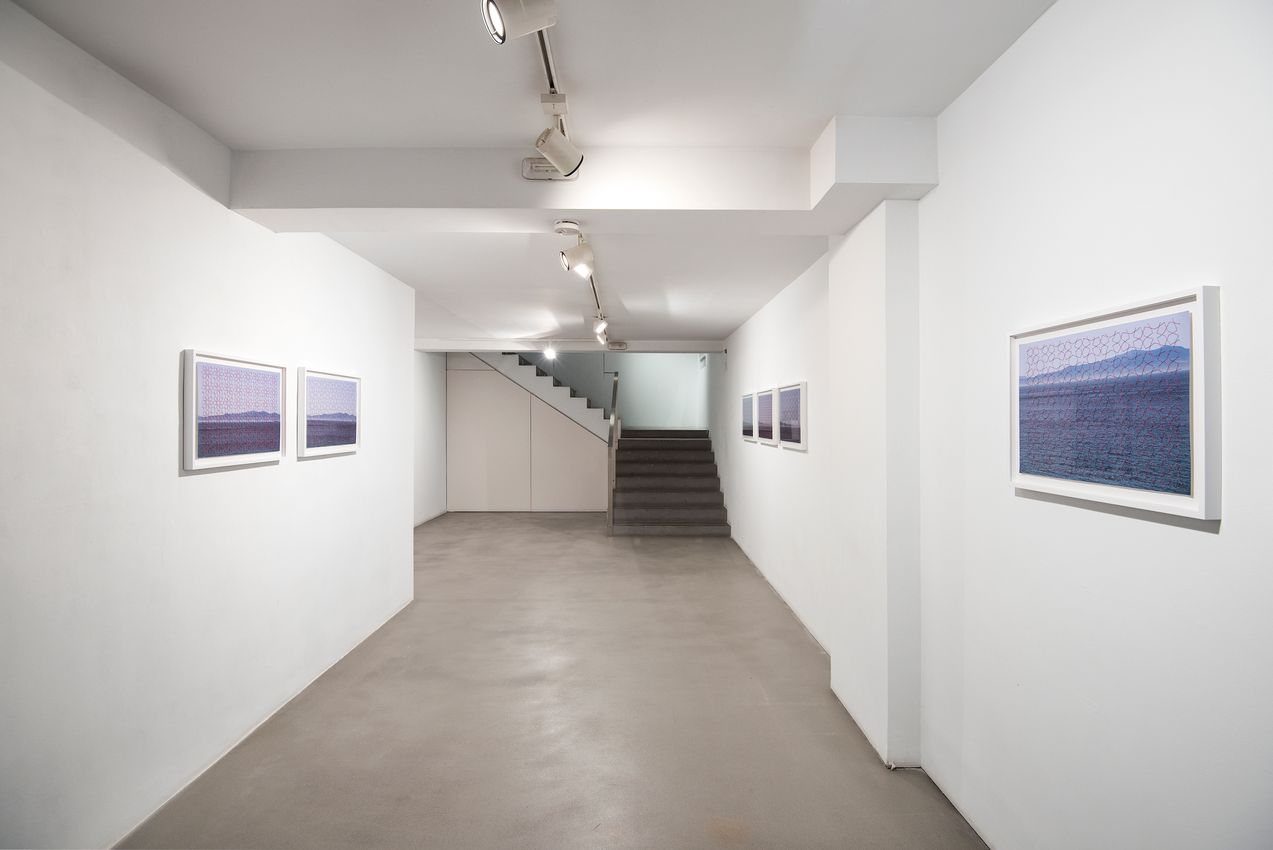
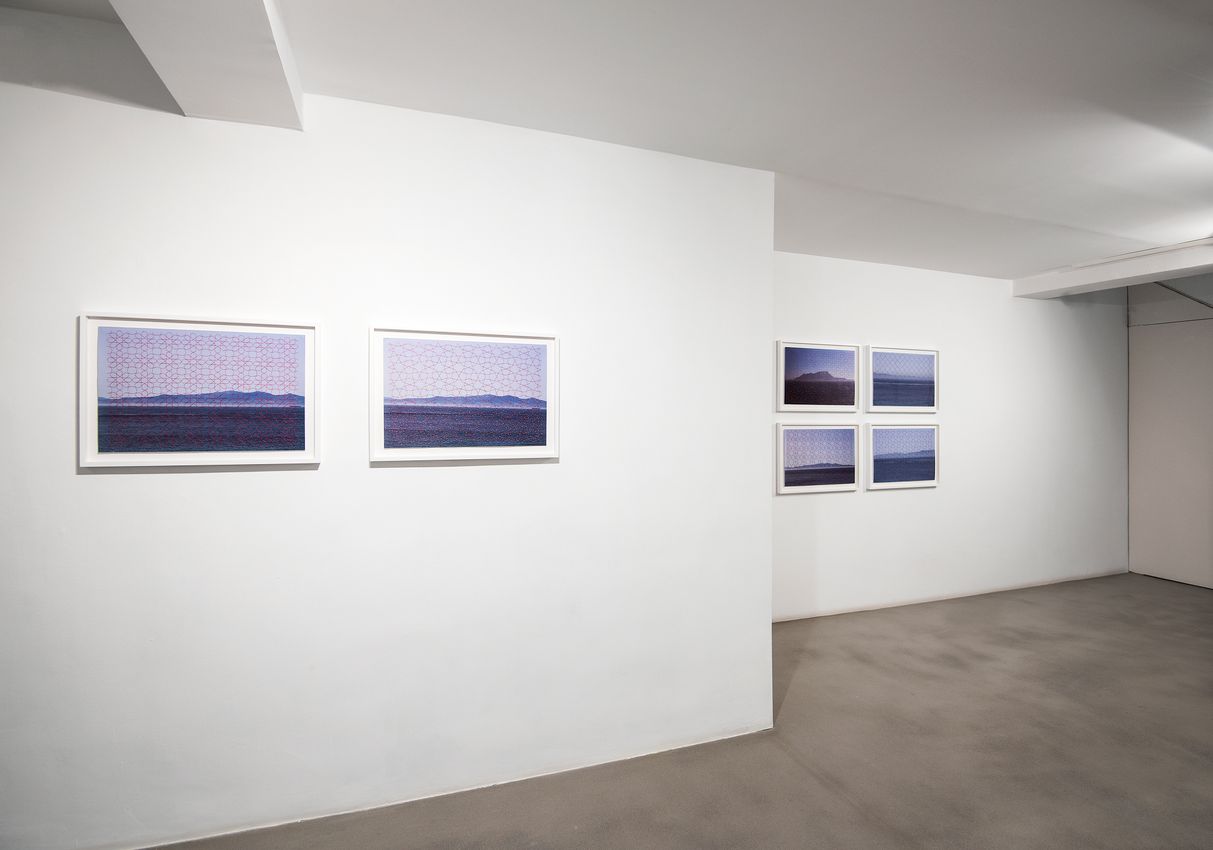
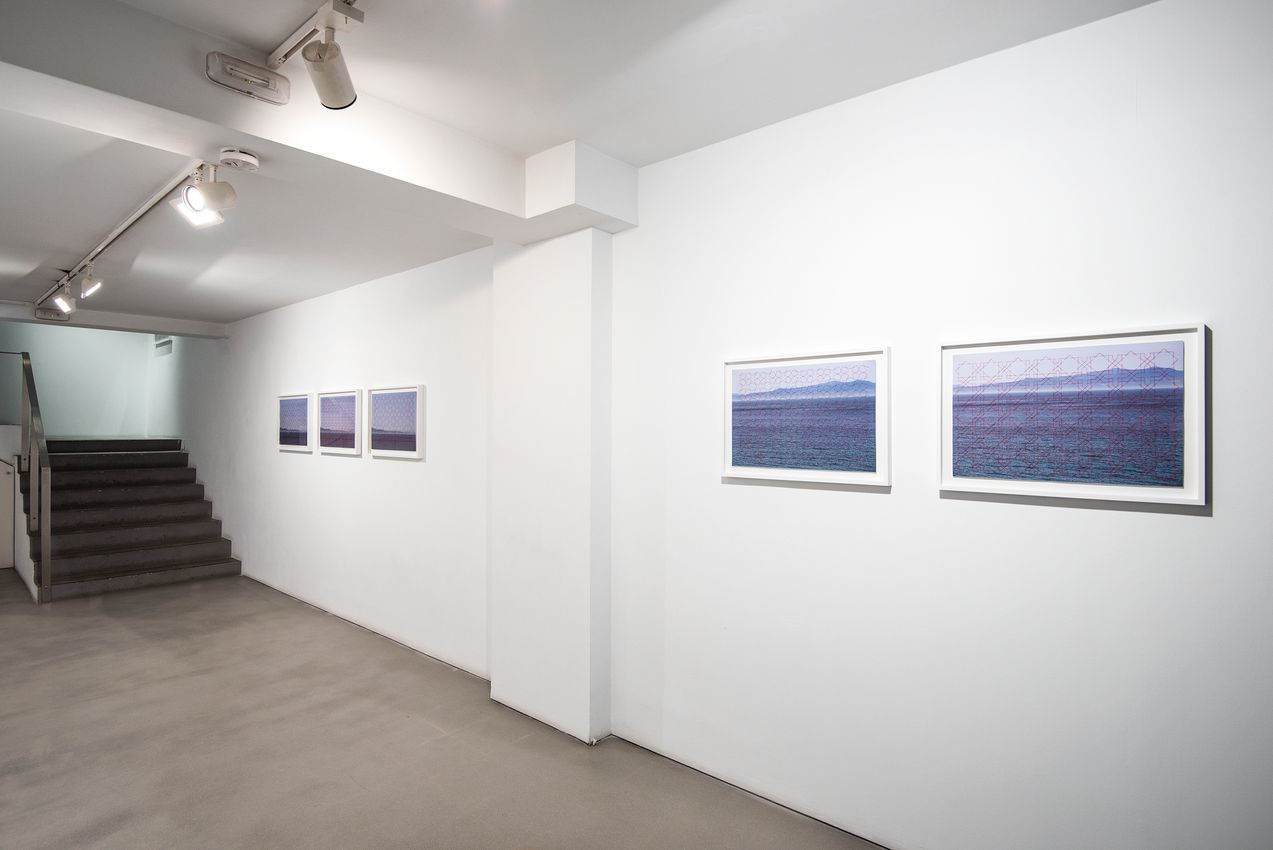
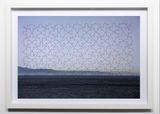
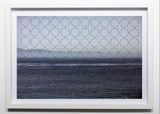
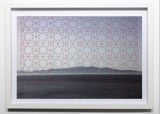
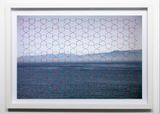
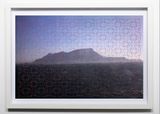
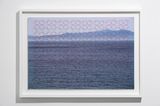
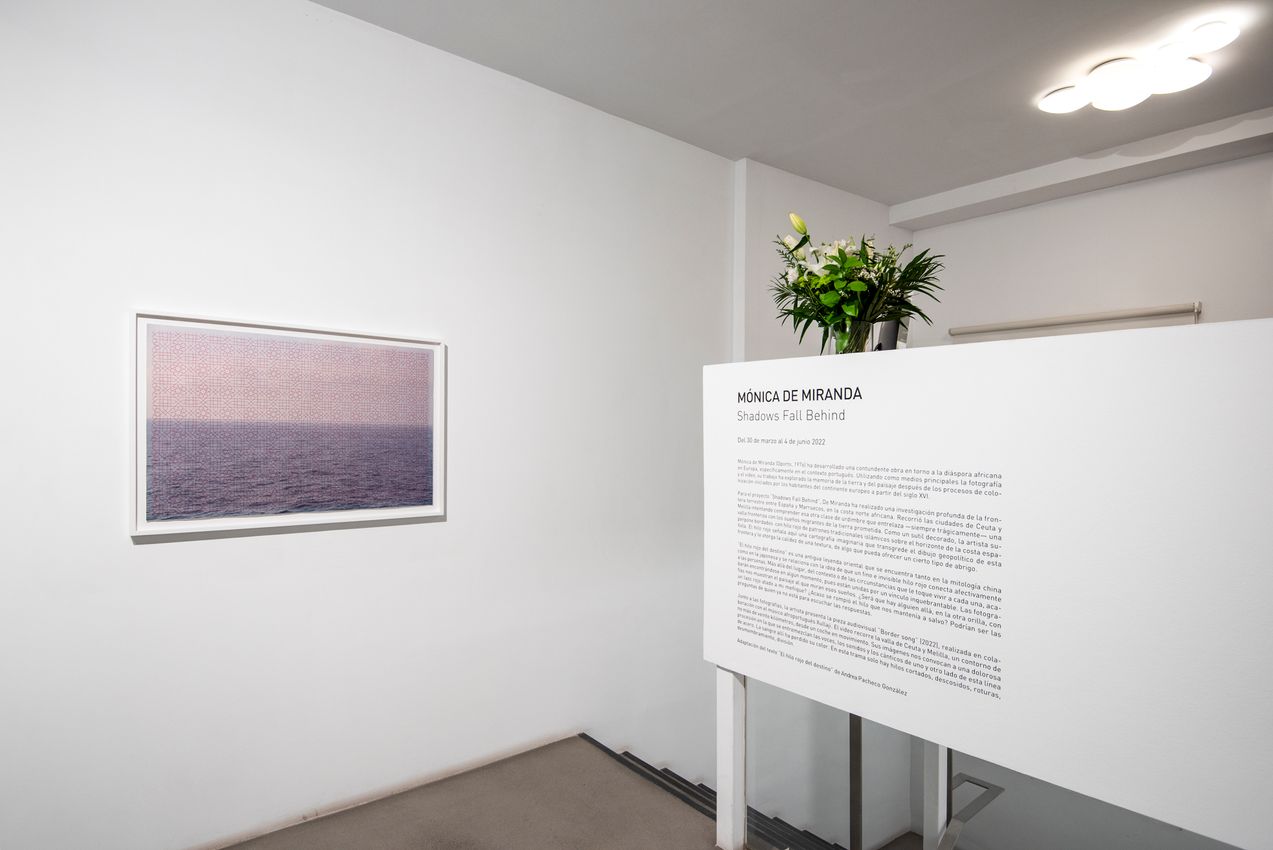
For the project Shadows Fall Behind, De Miranda has carried out an in-depth investigation of the land border between Spain and Morocco, on the North African coast. She toured the citiesof Ceuta and Melilla trying to understand that other kind of warp that intertwines—alwaystragically—a border fence with migrant dreams of the promised land. The photographs showus the landscape that those dreams look at. As a subtle decoration, the artist superimposesembroidery of traditional Islamic patterns on the horizon of the Spanish coast. The red threadindicates here imaginary cartography that transgresses the geopolitical drawing of this borderand gives it the warmth of a texture, of something that can offer a certain type of shelter.
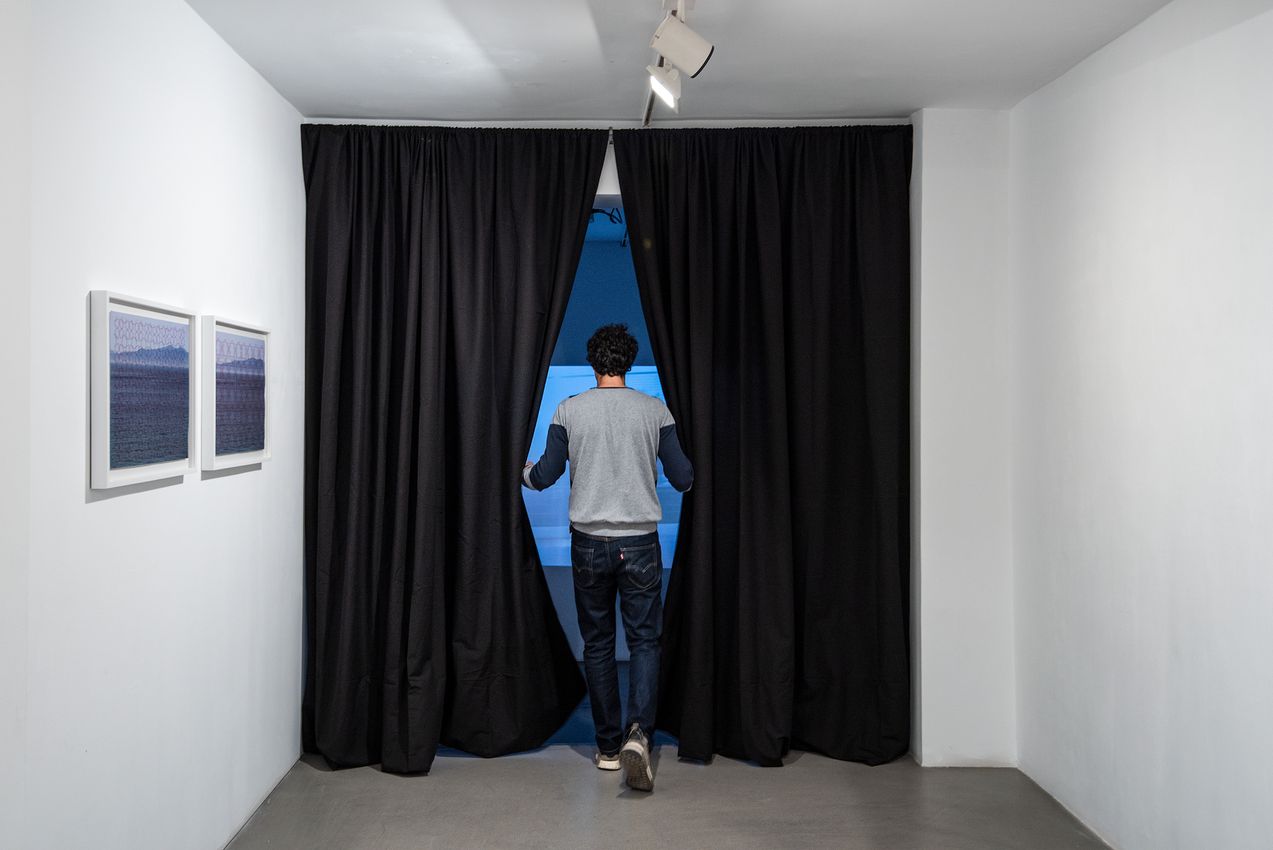
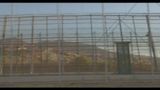
Along with the photographs, the artist presents the audiovisual piece Border song (2022), made in collaboration with the Afro-Portuguese musician Xullaji. The video travels the fence of Ceutaand Melilla, a contour of no more than twenty kilometres, from a moving car. Her imagessummon us to a painful procession in which voices, sounds, and chants from both sides of thissteel line intermingle. The blood there has lost its colour. In this plot, there are only cut threads,unstitched, breaks, dismemberment, division.
Mónica de Miranda is an artist and researcher. Born in Porto (Portugal) from Angolan parents, she actually describes herself as an artist working in the diaspora. Her work is based on themes of urban archaeology and personal geographies.


A respected voice in contemporary art discourse.
Focusing on ambitious storytelling and insightful art-world commentary. Ocula Magazine publishes in-depth interviews, critical essays and timely analysis on the artists, exhibitions and ideas driving the global art world.
Learn more about Ocula Magazine
Showcasing the best of the art world.
Ocula partners with galleries from around the world to highlight their artists, artworks and exhibitions. Gallery membership is by application and invitation, with each member vetted by an independent panel.
Learn more about Ocula Membership

Specialises in the sale of major artworks.
Led by a team with deep ties to the world’s leading auction houses, galleries and collectors. Ocula’s advisory team offers bespoke services to high-net-worth clients from around the world who are looking to acquire the best of contemporary and modern art.
Learn more about our team and services