






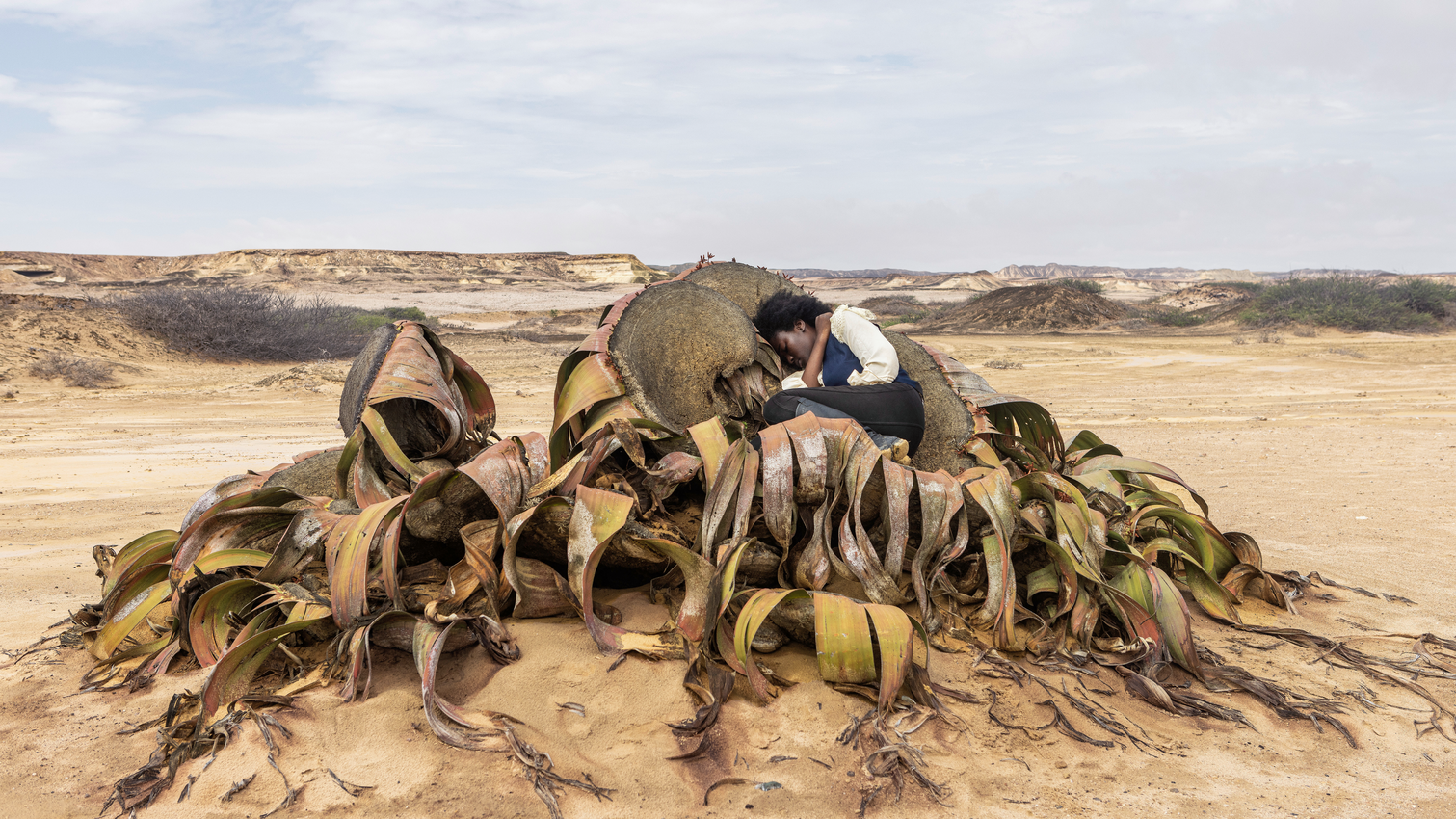
MÓNICA DE MIRANDA
b. 1976, PortugalMónica de Miranda is an artist, filmmaker, and researcher known for examining the complex notions of identity and belonging with a hybrid approach that blurs the distinction between fiction and reality. Born in Porto to Angolan parents, de Miranda discusses the tensions posed by her diasporic Angolan heritage and the postcolonial histories they imply in artworks encompassing film, photography, video and sound, installation, and drawing.
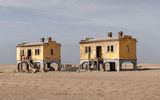
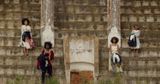
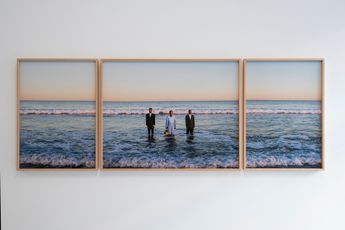
Considering questions of memory, migration, colonisation, decolonisation, and urban archaeology, Monica de Miranda investigates what she calls a ‘geography of affections’, which she defined as ‘a place of bounds and personal emotional relationships’ in a 2020 conversation with Ocula Magazine. Personal memories intersect with narratives of colonisation and decolonisation, civil war, and gentrification in ‘Panorama’ (2017), a photographic series of abandoned modernist spaces in Luanda that examines the history embedded in architecture.
Geography of affections was also the title of de Miranda’s doctoral thesis, completed at the University of Middlesex in 2014. The artist has since provided opportunities for others to undertake research on such themes of displacement and memory by co-founding the Project Hangar, a Lisbon-based centre of artistic research in 2014. Her Post-Archive Project, developed at the Centre of Comparative Studies, University of Lisbon, is a practice-based research project that reflects on transnationality and migratory movement in Europe.
Tales of Lisbon (2020), a solo exhibition at the Municipal Archive of Lisbon, arose out of the Post-Archive Project and drew from the photographs and videos she had taken in the neighbourhoods on Lisbon’s former military road. Focusing on the changes that had occurred in the city since 2009, when she first began documenting it, the artist created multimedia installations to explore the possibilities of mapping the affective histories of landscapes and relationships.
De Miranda is a founding member of the Triangle Network, an artistic residency programme with an aim to facilitate an ecosystem of international dialogue.
Selected Mónica de Miranda Solo Exhibitions include:
All That Burns Melts Into Air, Sabrina Amrani Gallery, Madrid (2020); Tales of Lisbon, Municipal Archive of Lisbon, Lisbon (2020); Geografia Dormente, Galeria Municipal de Arte de Almada, Portugal (2018); Transfer, Académie des Beaux-Arts de Kinshasa, Kinshasa (2018); Panorama, Galeria Banco Económico, Angola (2018), and Tyburn Gallery, London (2017); Hotel Globo, Museu Nacional de arte contemporânea do Chiado, Lisbon (2015)
Selected Mónica de Miranda Group Exhibitions include:
African Cosmologies, FotoFest, Houston (2020); Taxidermy of the Future, Biennale Lubumbashi, Congo (2019); Doublethink: Double vision, Pera Museum, Istanbul (2017); 12th Dak’Art, Biennale de l’Art Africain Contemporain, Dakar (2016); Ilha de São Jorge, 14th Venice Architecture Biennale (2014); L’Art est un sport de combat, Musée des Beaux-Arts de Calais, France (2011)
Ashleigh Chow | Ocula | 2020

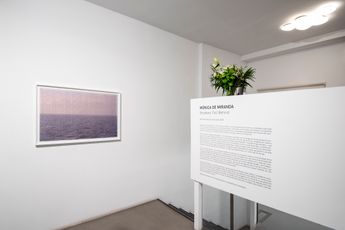
View Mónica De Miranda's Artworks




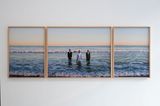




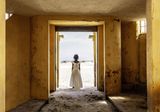

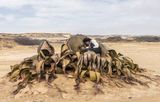





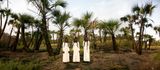





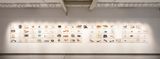



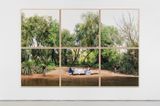


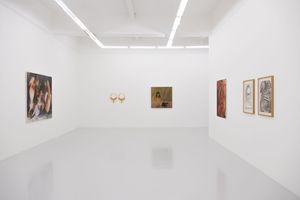
Explore Mónica De Miranda's Exhibitions







Explore and Follow Artists Shaping Contemporary Art
A respected voice in contemporary art discourse.
Focusing on ambitious storytelling and insightful art-world commentary. Ocula Magazine publishes in-depth interviews, critical essays and timely analysis on the artists, exhibitions and ideas driving the global art world.
Learn more about Ocula Magazine
Showcasing the best of the art world.
Ocula partners with galleries from around the world to highlight their artists, artworks and exhibitions. Gallery membership is by application and invitation, with each member vetted by an independent panel.
Learn more about Ocula Membership
Specialises in the sale of major artworks.
Led by a team with deep ties to the world’s leading auction houses, galleries and collectors. Ocula’s advisory team offers bespoke services to high-net-worth clients from around the world who are looking to acquire the best of contemporary and modern art.
Learn more about our team and services