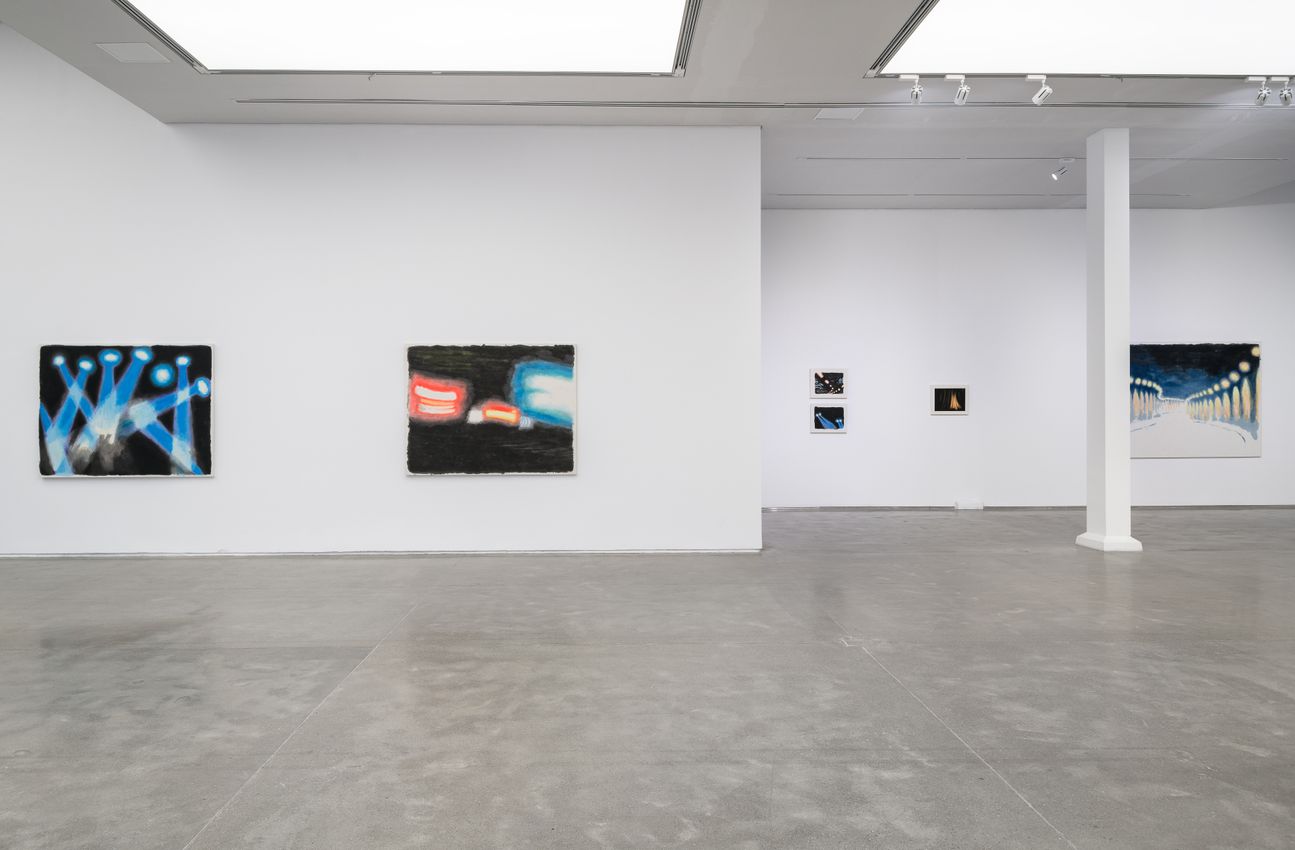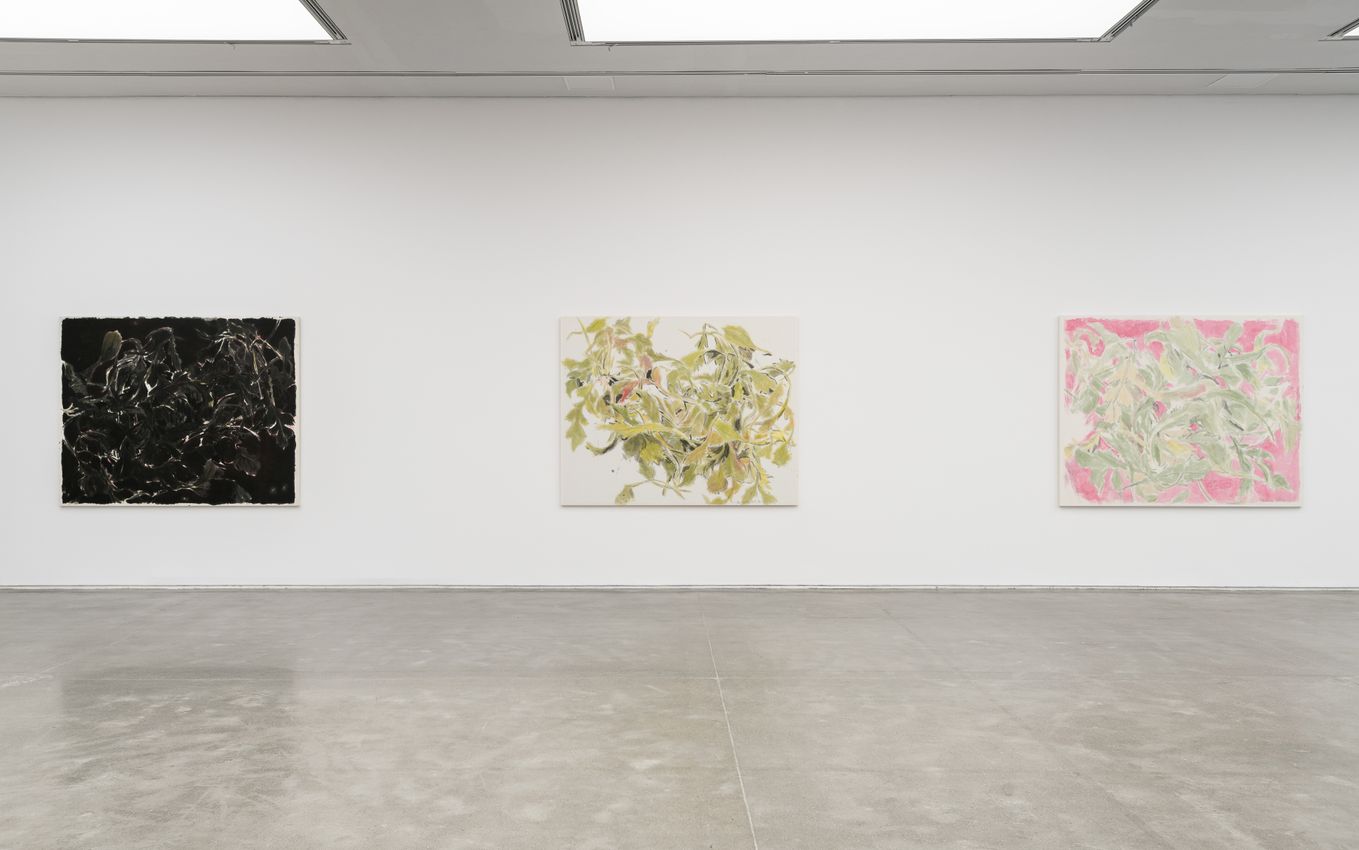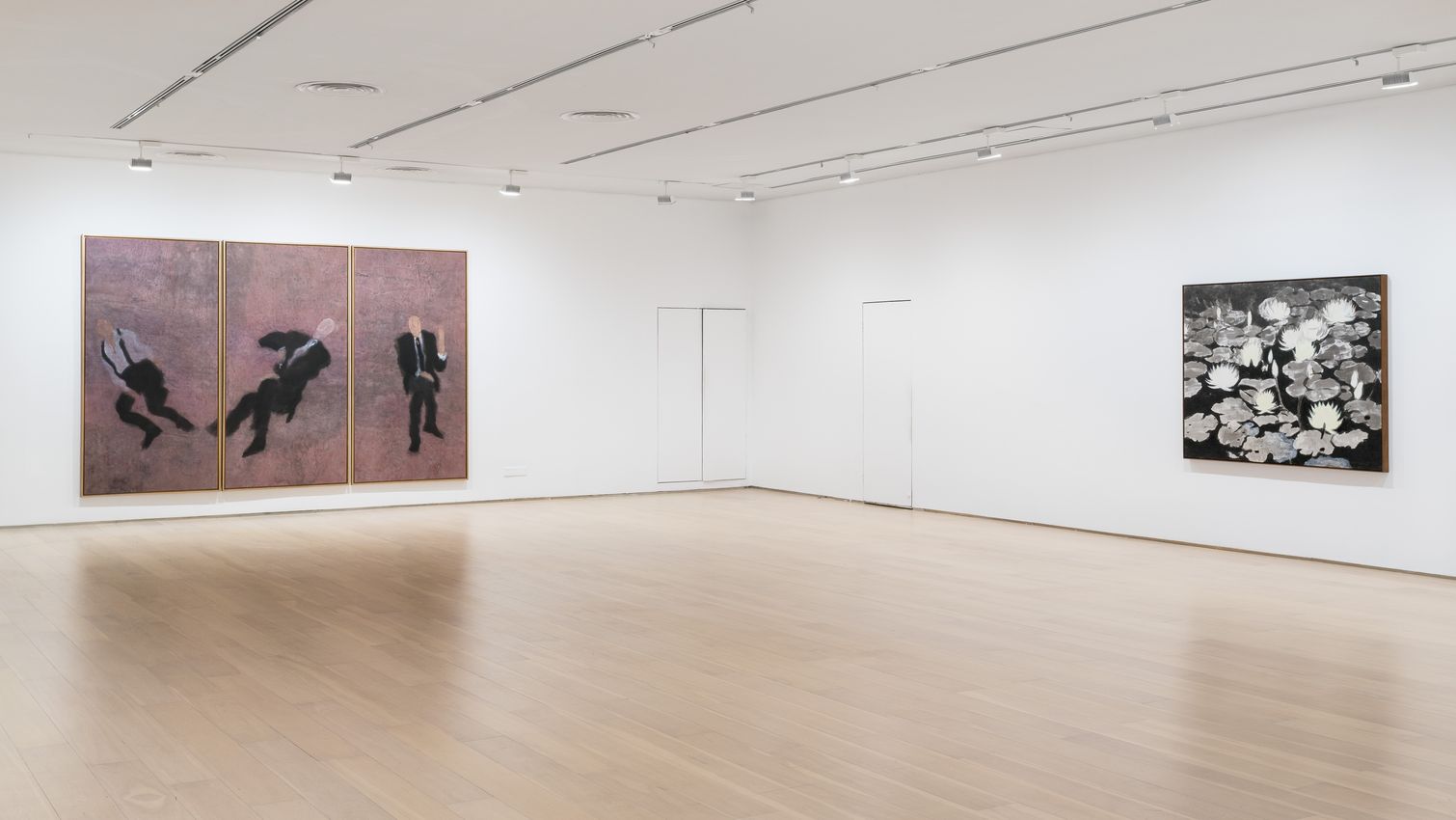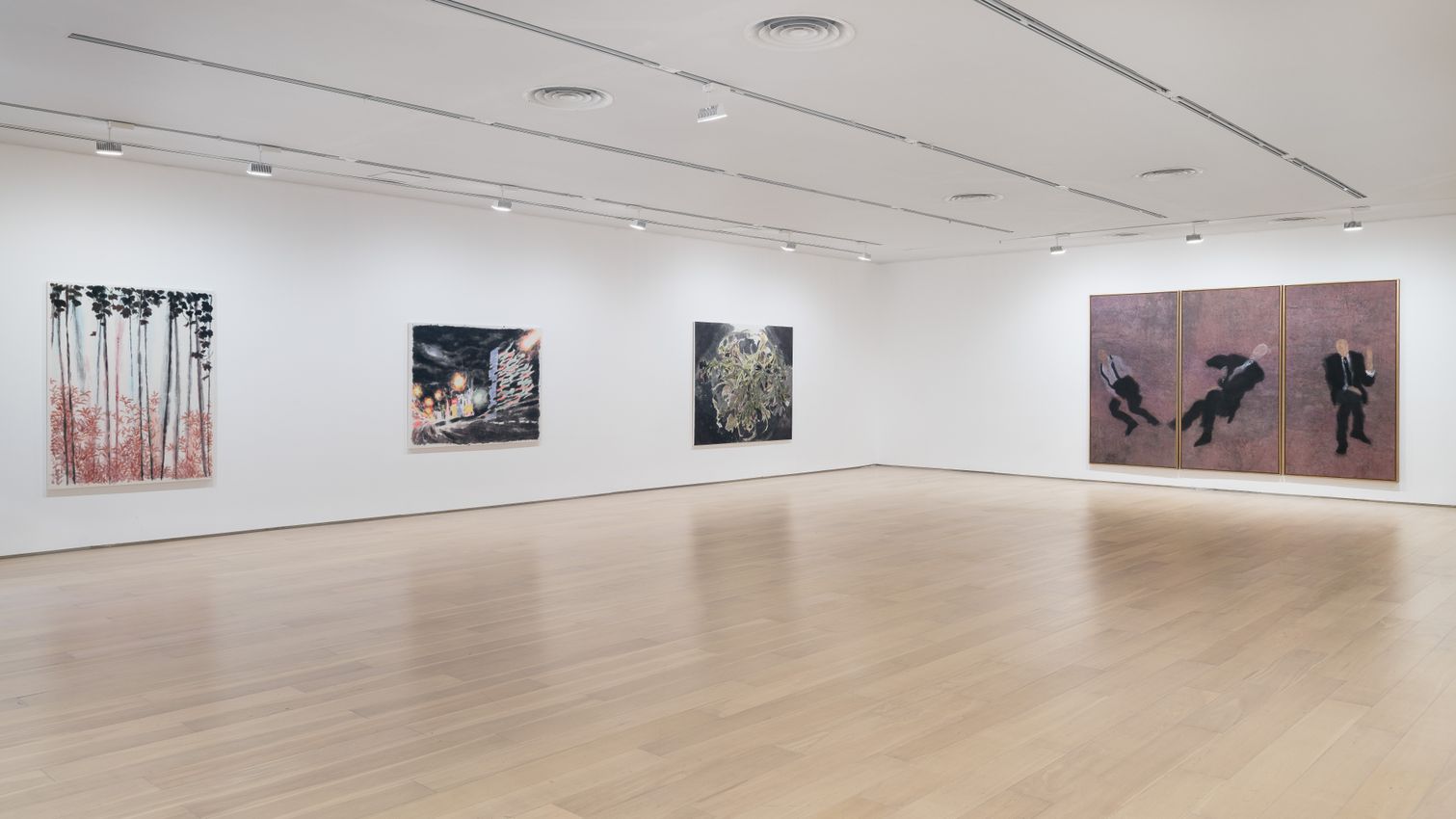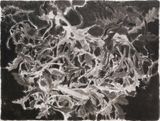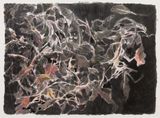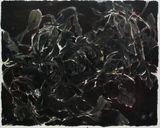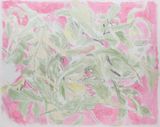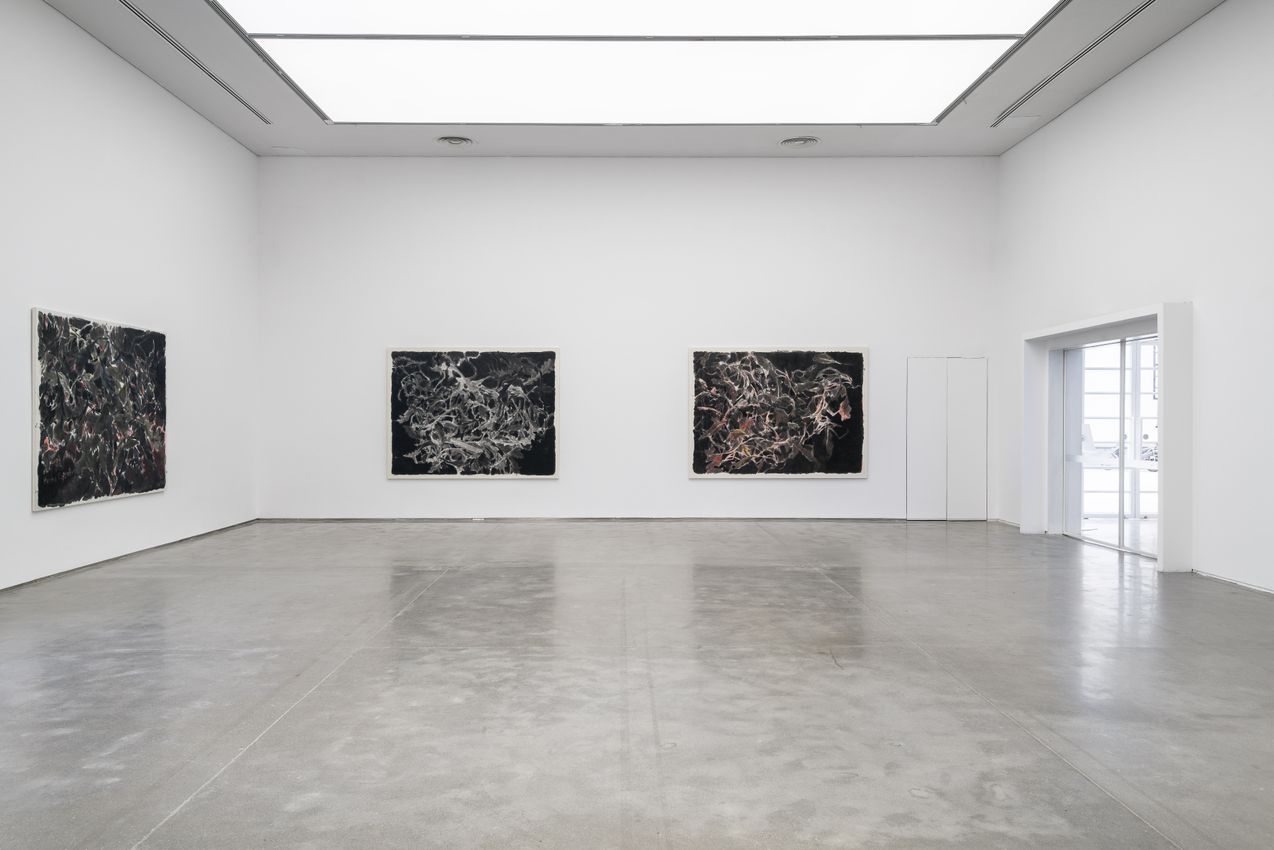
This September, ShanghART Gallery will be honoured to host an exhibition of works by Wu Yiming, Painting the Banal. These works are a continuation of the artist’s experiments in the use of a spare and refined painting style over the past few years. Full of expressiveness, they reveal the feelings, the literary sensibility and the spiritual value of contemporary imagery as it is shaped by the ink.
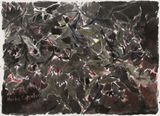
Thanks to creative efforts that have grown increasingly personal in recent years, Wu Yiming’s works have blazed for themselves a ‘third way’ in between contemporary pictorial consciousness and the traditional spirit of Chinese painting. By depicting scenes of everyday life, they pierce through to the deepest sensorial layer of our experience of the present. Although these works appear to reference the frankness and concision of traditional freehand brushwork, there is more to them. In the ordinary glimpses of life that Wu depicts, flowers, tree shadows or city lights are no longer presented before our eyes with the matter-of-factness of ‘objects’; indeed, they are replaced with experience itself, directly rendered and laid bare with the vividness and the expressive power of ink and brush strokes.
In the words of Italian curator Monica Dematte, ‘by choosing the medium that he feels he is most in tune with, and by considering the reason behind this choice, the artist engages in a deep self-analysis that allows him to view himself more clearly and to formulate a unique, subjective interpretation of the world.’
As a result, Painting the Banal refers both to the production of a visual representation within the painting, but also to a reiteration on the picture plane of the artist’s experience of painting itself. What it reflects is rather a subjective visual consciousness than a result; it stands for the resistance of an individual being, by means of his concrete experience of reality and of his own emotions, against the spiritual crisis so evidently manifested by contemporary life.
It is also on this level that one may notice most clearly the new strides accomplished by Wu Yiming in his practice over recent years. While his early works would always make both the public and art critics waver between the Chinese tradition, Western contemporaneity, New Ink or other movements in choosing the frame of historical judgment or theoretical awareness to consider them, Wu’s recent works increasingly elude such constraining frameworks, and instead, display a mature tranquility in which the artist is free to do as he pleases, without ever going astray.
‘A flower is a flower, a tree is a tree’: this is precisely the self-sufficient state that is brought about by an abundant experience of painting—and it constitutes the deepest spiritual core of the Painting the Banal However, on the other hand, the ‘freehand-painted’ things, sceneries, light, or shadows are but depicted objects; the actual subject, hidden behind the canvass, is in fact the artist himself. Therefore, the Painting the Banal can be viewed to large extent as the collision and the fusion on the picture plane of ‘minor’ painted objects with a ‘major’ human. Indeed, for the artist, the poetry of everyday life is evoked in between the frankness of brush strokes and the unspeakableness of experience.
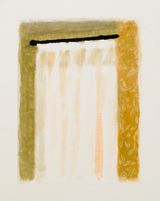
In the Shepherd’s Purse series, which gathers new works from 2018 that form part of this exhibition, the public is granted a glimpse of the artist’s depiction and understanding of objects, in between being and nothingness. This wild vegetable, beloved of the Chinese, has a most simple and unadorned appearance; however, drawn in Wu’s ink, it is endowed with a blooming, enchanting vitality, and expands like a voice suddenly resonating through silent space. As for the Curtains series, it displays a scenery of a different spirit altogether: the perspective of these paintings brings to mind the most ordinary moments of life, as if they were corridors of time, their shapes at once blurry and mottled, shuttling back and forth within our consciousness.
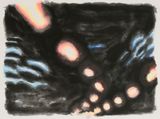
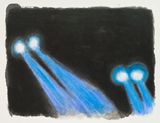
Besides those meticulously depicted colours and patterns of curtains and vegetables, in Wu’s Light series and in his representations of urban sceneries, which he has worked on continuously over the past two years, one can also clearly sense this ‘slowness’ of time. It is experience itself, revealed on the canvass, but also an act of contemplation and introspection carried out by the artist in the silence of his solitary corner.
Since the early 1990s, WU Yiming has been ceaselessly focusing on ink painting. Now it comes to light that the artist’s early painting occurred against the background of an era which witnessed the collision of Chinese modern ink painting and Western painting. Ink painting, as a means of artistic expression, was on one hand facing the dilemma of surmounting the bond of tradition, and on the other in need of a resolution by criticism of and learning from realism, abstract art, and expressionism in western art history. WU Yiming and the artists of his generation shouldered from the very beginning the mission to reconcile the conflict between Chinese and Western painting. Moreover, he drifted between the traditional spirit and modernism, which constituted precisely the unique style and quality of his artwork. The characters in the early stage of his work appear very impressive: the figures all lack facial expressions; they seem distorted or stretched, often hovering or dashing. WU’s unrivalled language of expression was formed during this period. Through ink, watercolours, and acrylic applied in a multiplicity of layers, the paintings were rendered with ambiguity and intimacy. The images characterised by obscurity and alienation show the artist’s view towards the furore of contemporary Chinese society and his refinement and interpretation of people’s psychological distance. Furthermore, WU created the images of buddha, the statue of liberty, and Beuys all destitute of facial expressions and presented them in the language of sculpture. Even after materialisation of the ‘blankness’, viewers can still easily identify these ‘faceless classics’. In this way, WU investigated the construction of cultural symbols as well as the spread of cultural authority, giving a hint to the concepts which probably bore the semblance of the purposes and possibilities of art.


A respected voice in contemporary art discourse.
Focusing on ambitious storytelling and insightful art-world commentary. Ocula Magazine publishes in-depth interviews, critical essays and timely analysis on the artists, exhibitions and ideas driving the global art world.
Learn more about Ocula Magazine
Showcasing the best of the art world.
Ocula partners with galleries from around the world to highlight their artists, artworks and exhibitions. Gallery membership is by application and invitation, with each member vetted by an independent panel.
Learn more about Ocula Membership

Specialises in the sale of major artworks.
Led by a team with deep ties to the world’s leading auction houses, galleries and collectors. Ocula’s advisory team offers bespoke services to high-net-worth clients from around the world who are looking to acquire the best of contemporary and modern art.
Learn more about our team and services