



Press Release

Modern society is marked by a curious paradox in which an overabundance of images gives rise to a loss of the real. In On Photography and Regarding the Pain of Others, Susan Sontag observed that the proliferation of images reshapes our understanding of the world, while repeated visual exposure dulls perception and introduces a subtle distance. Under the pressure of incessant stimuli, we are gradually repositioned as spectators, our capacity to attend closely to the essence of things diminished.

Against this accelerated condition, where images circulate lightly and vanish almost as soon as they appear, the exhibition turns towards those who seek to pause and recover the ‘aura’ of things. Walter Benjamin described aura as a rare and fleeting presence, something distant even at close range. It names a mode of experience that feels increasingly out of reach.

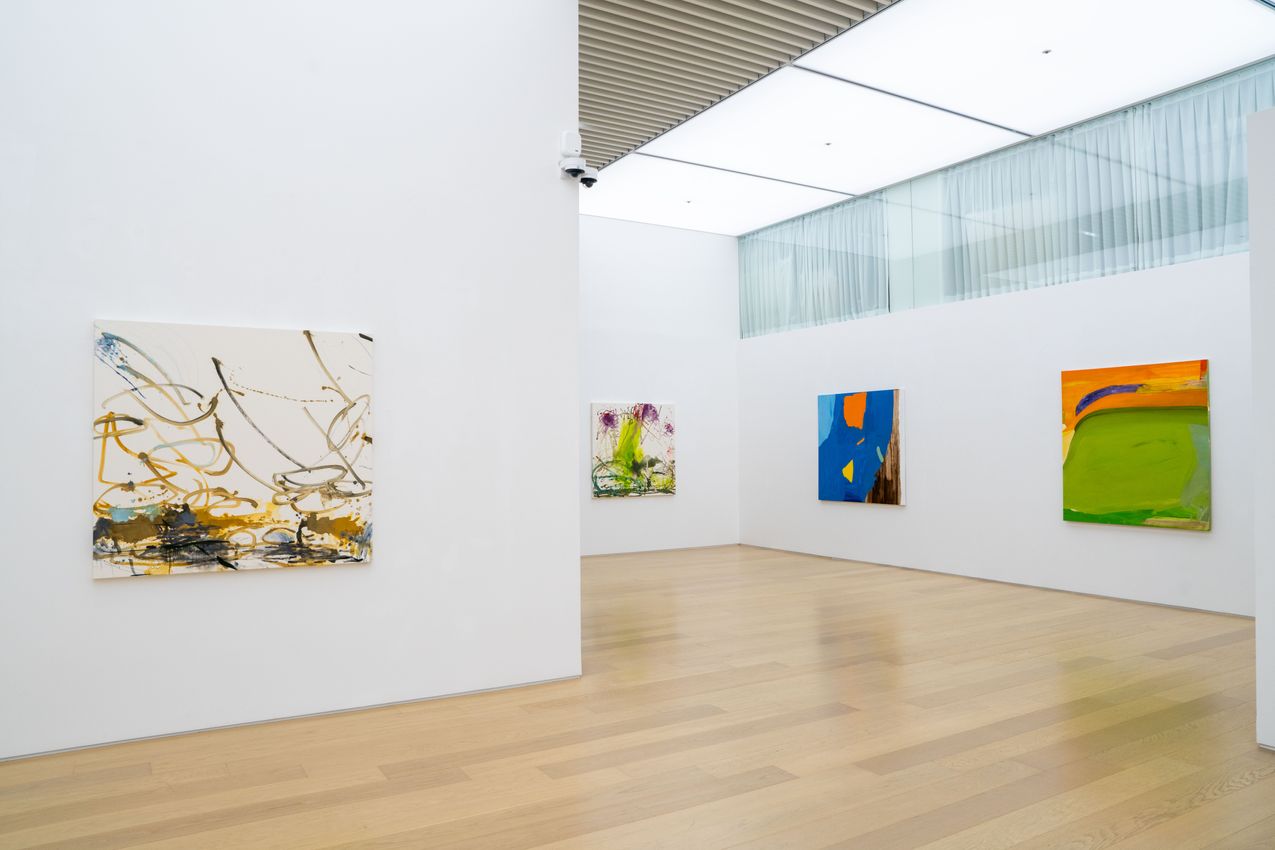
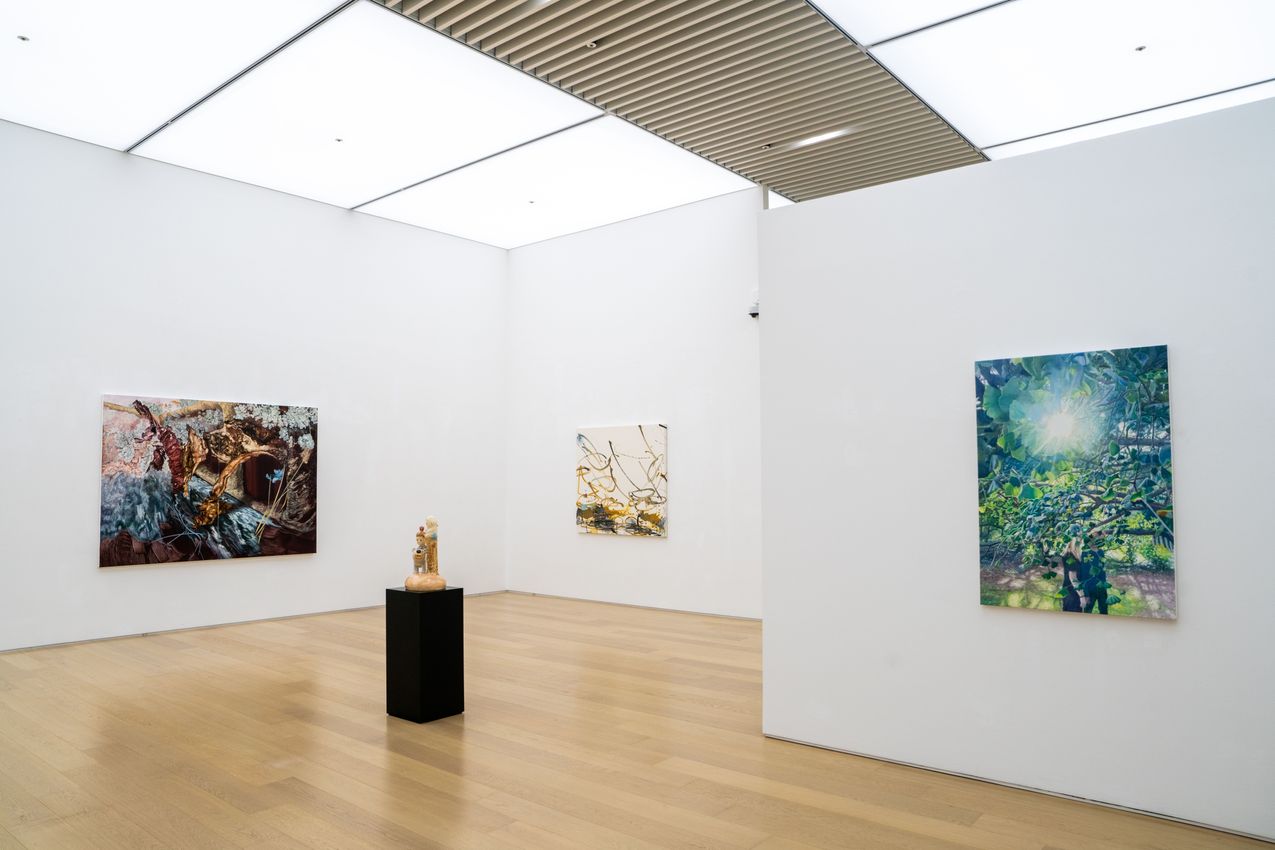
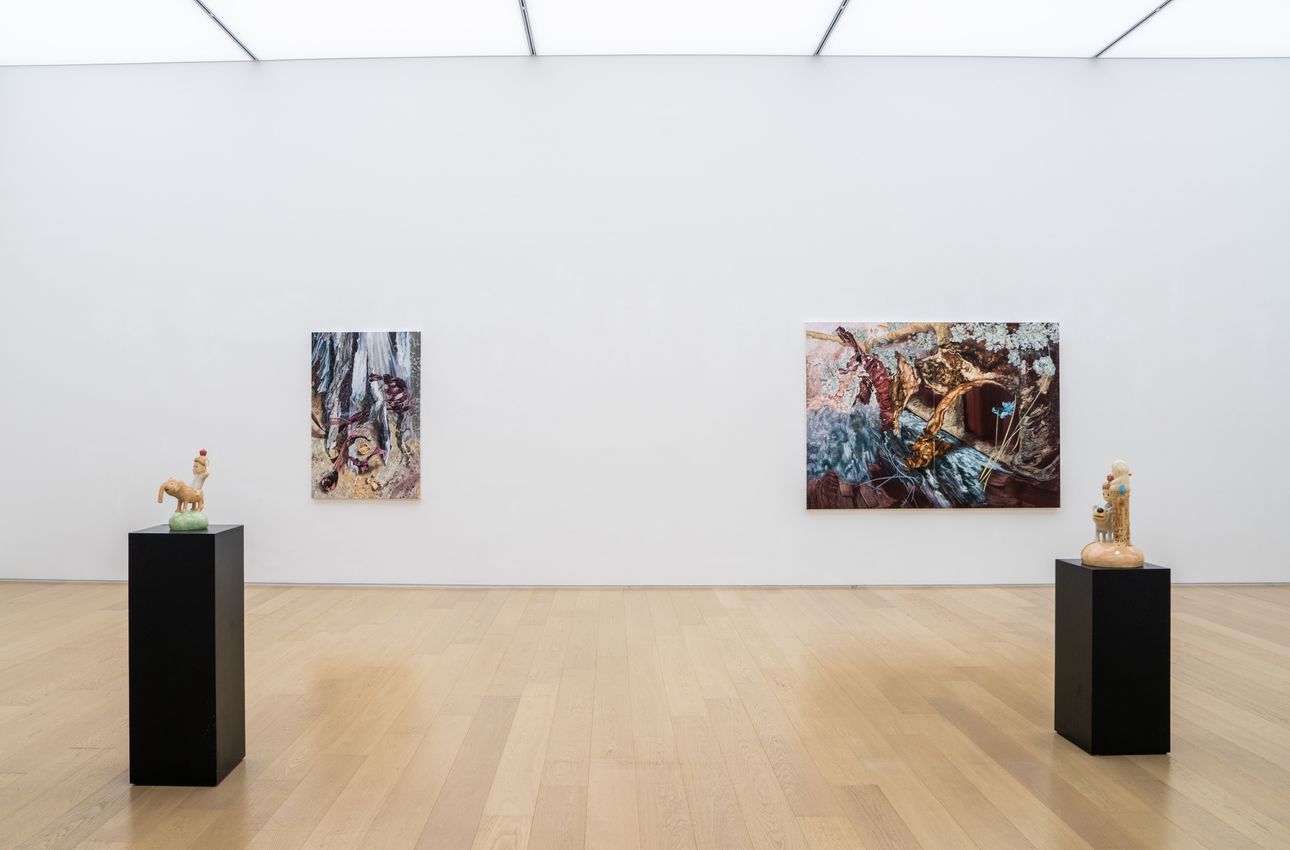
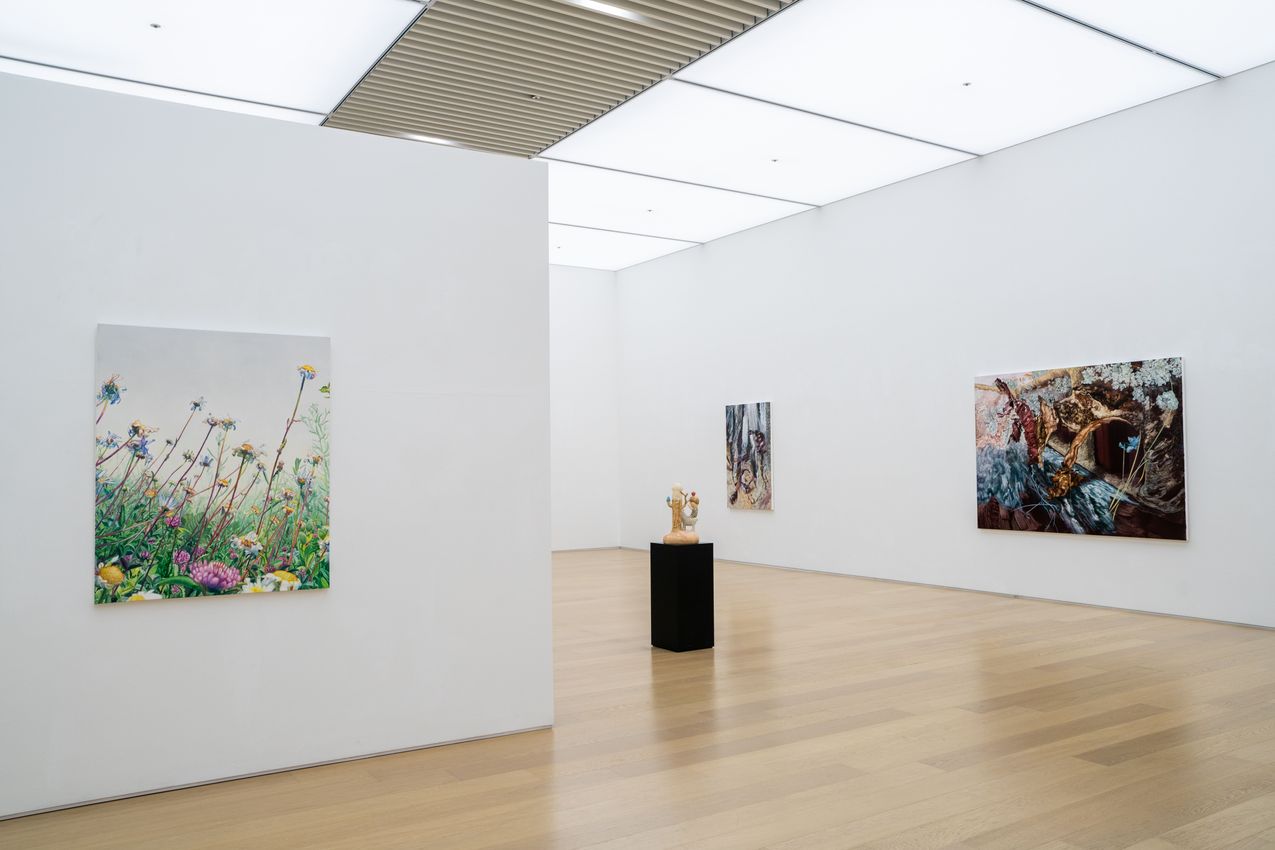
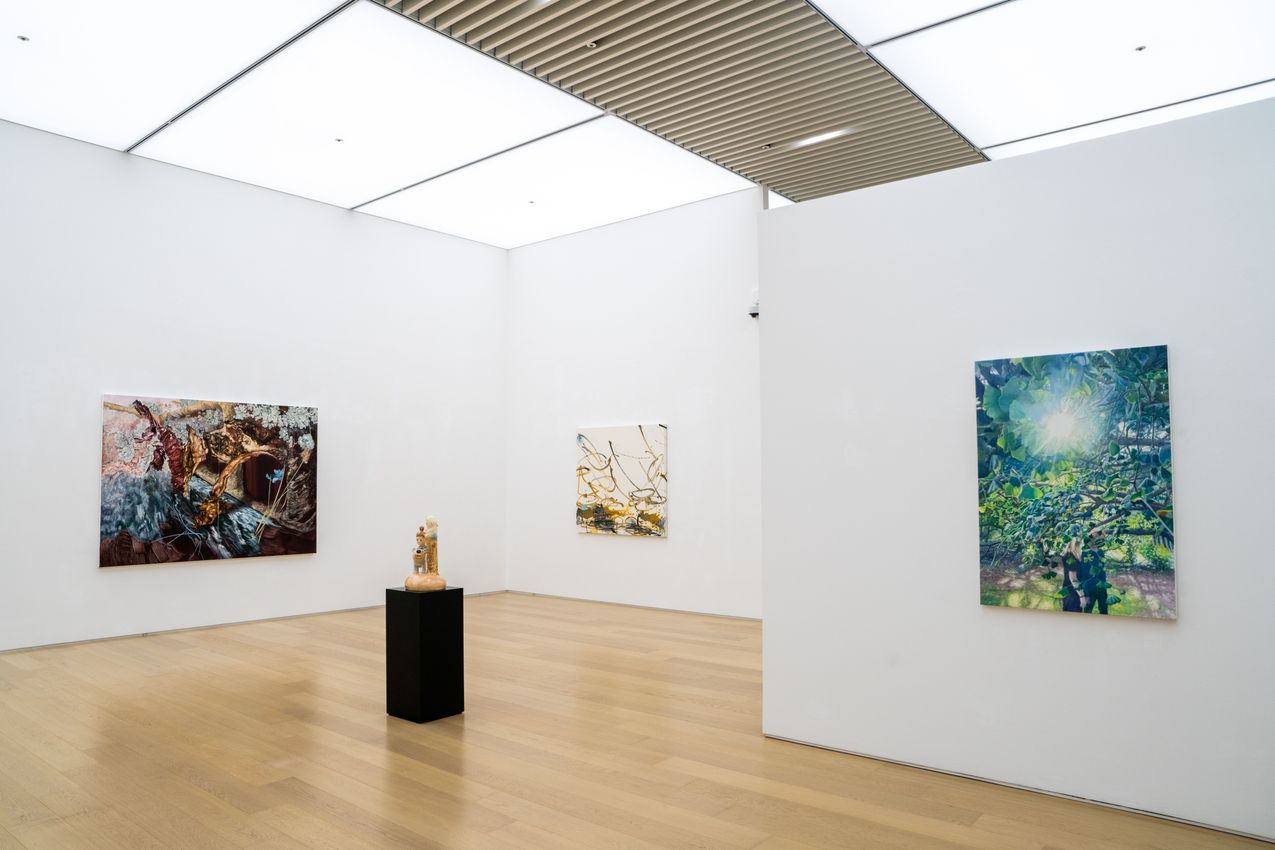
Melody Park, Goyoung, Vibeke Slyngstad, Ruo-Hsin Wu, Yasuhito Kawasaki and Yoshikatsu Ikeuchi work across distinct media and formal languages yet converge in their attention to what lies beneath the visible surface. Structured as a continuous movement rather than a fixed sequence, the exhibition unfolds as a gradual reawakening of sensory registers that have receded from view.

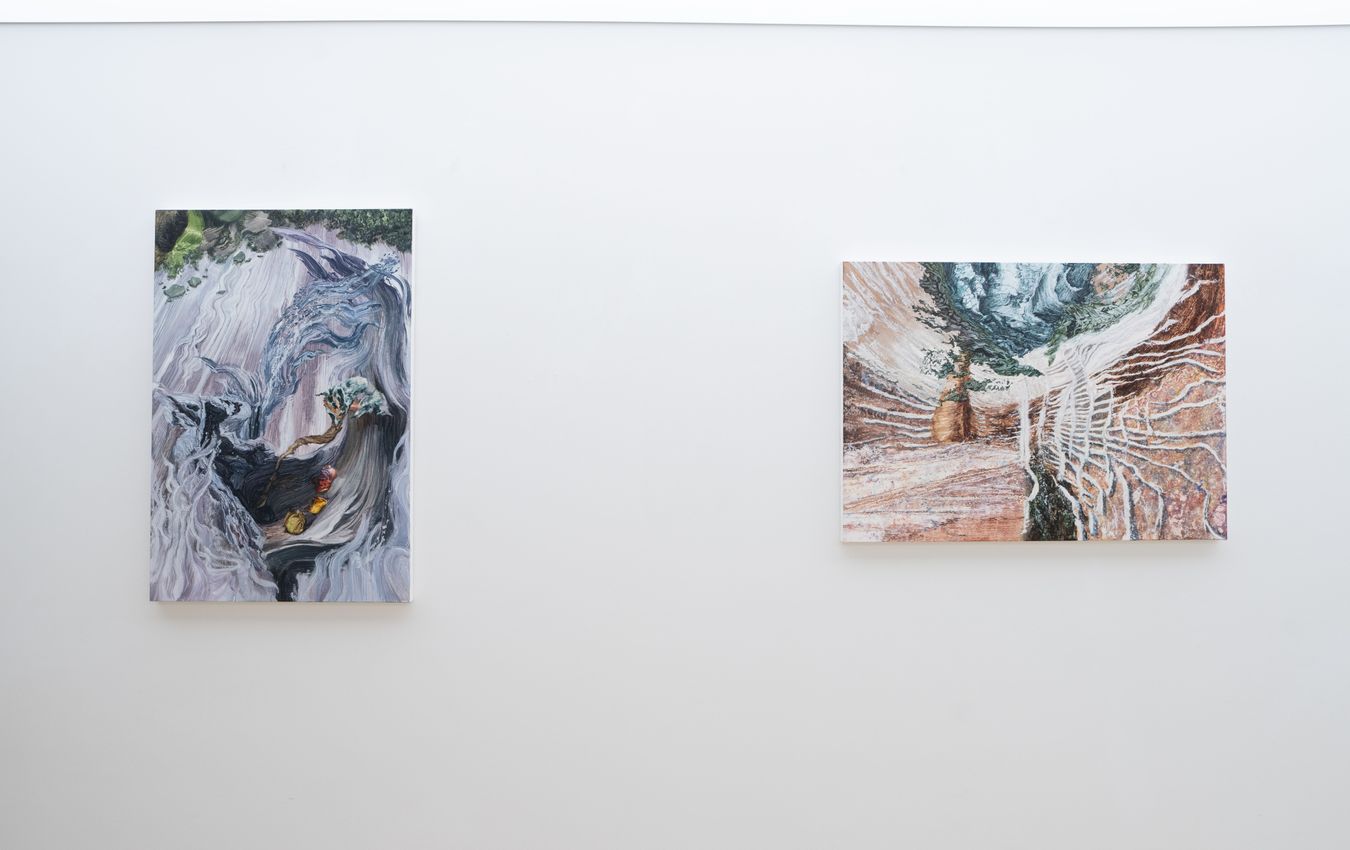
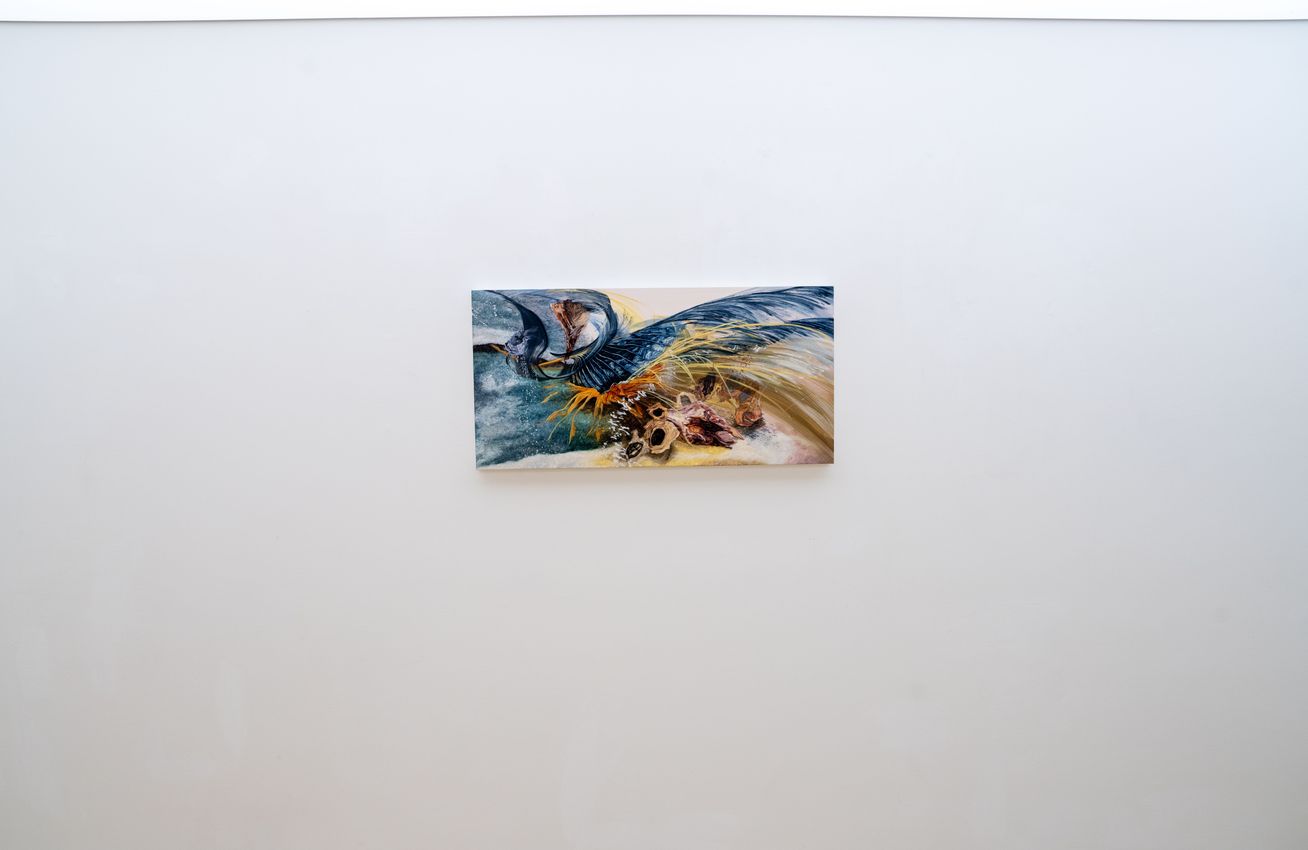
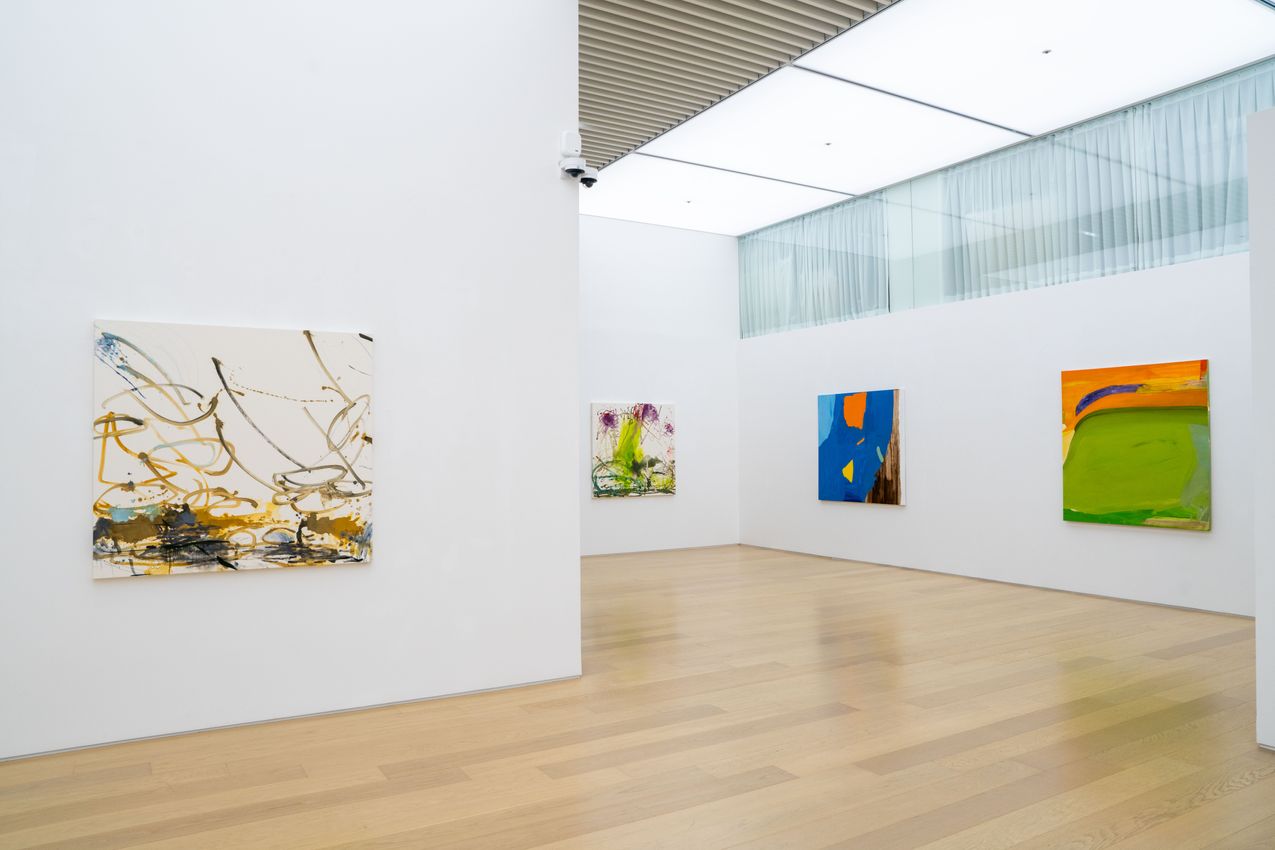
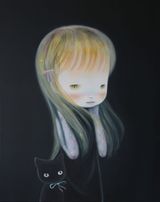
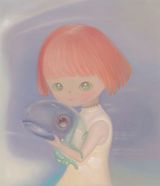
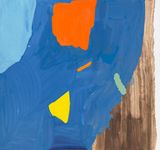
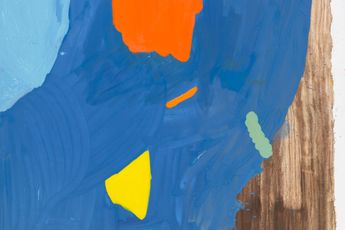
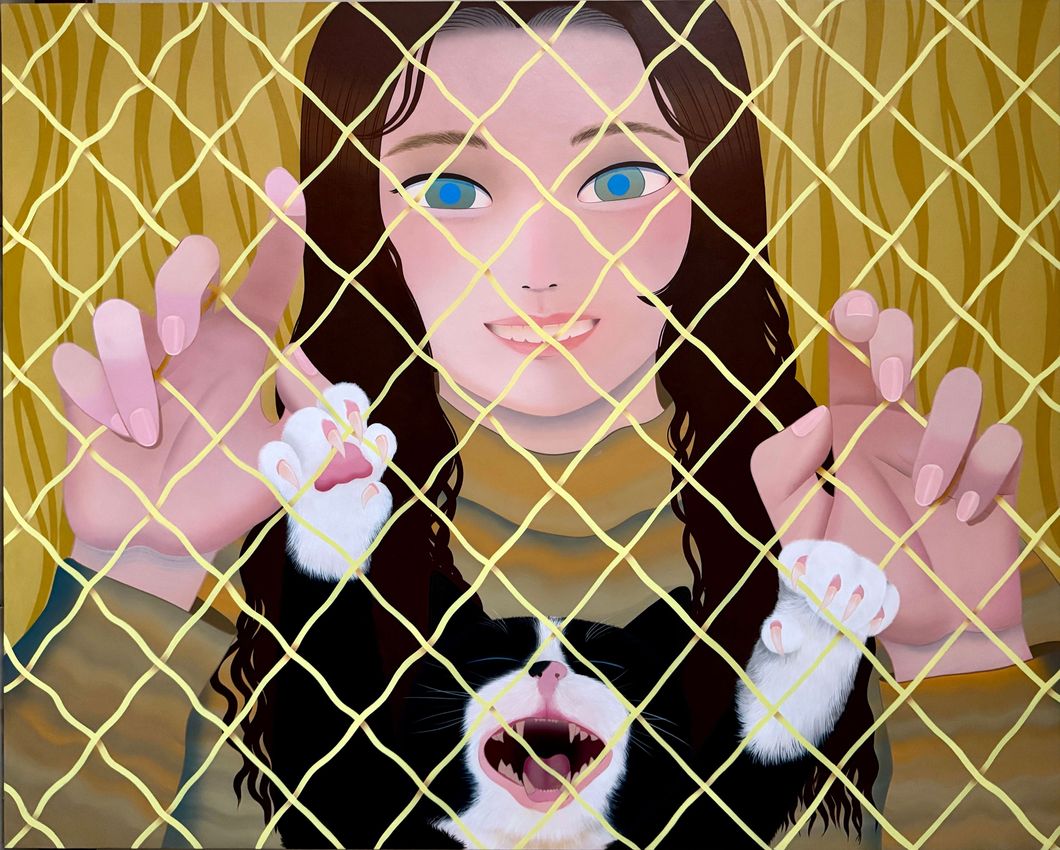
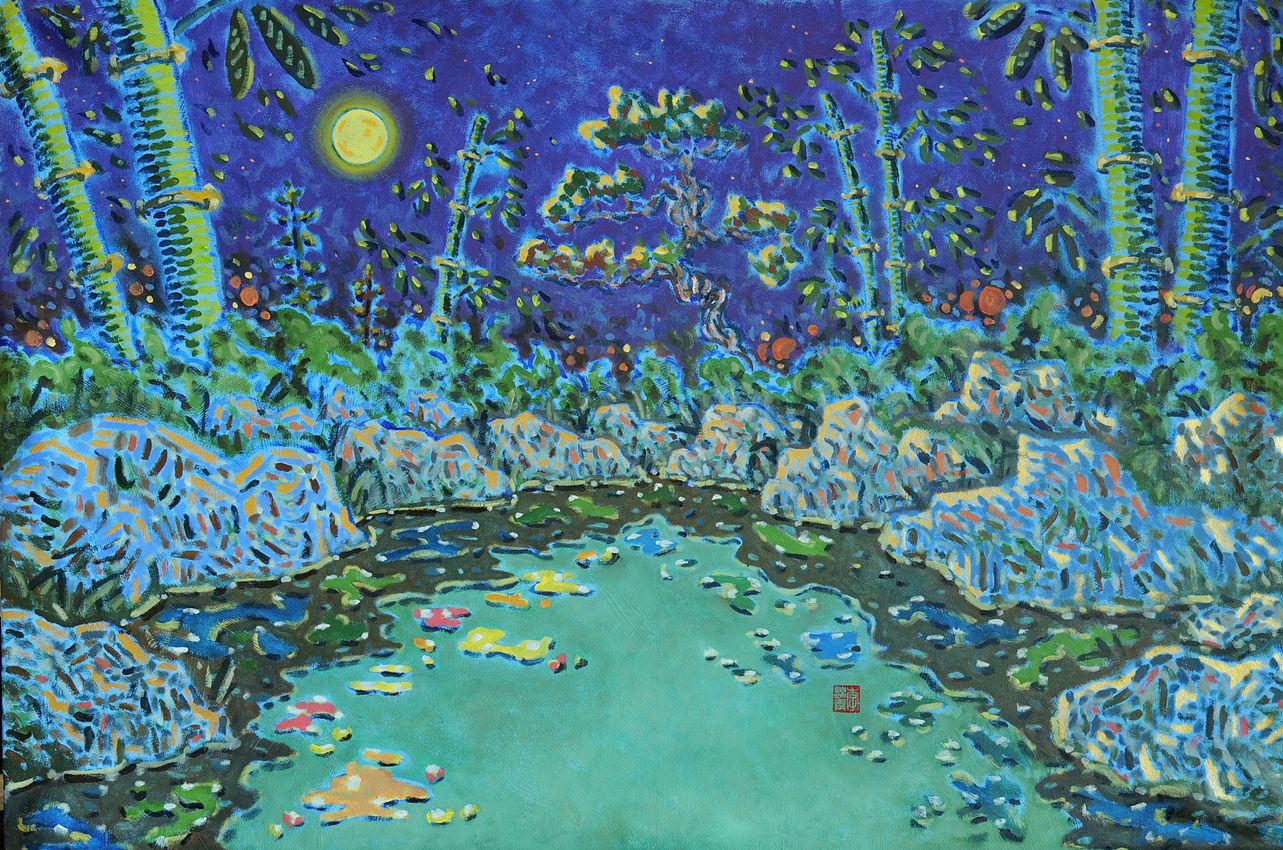
In the paintings of Melody Park and Goyoung, rhythm emerges not as a simple orchestration of colour, but as an immediate, perceptual encounter. Here one might recall Sontag’s call, in Against Interpretation, for an ‘erotics of art’ that resists reduction to meaning. Their fluid lines do not translate into information; instead, they register as intensities, reactivating a bodily mode of looking.

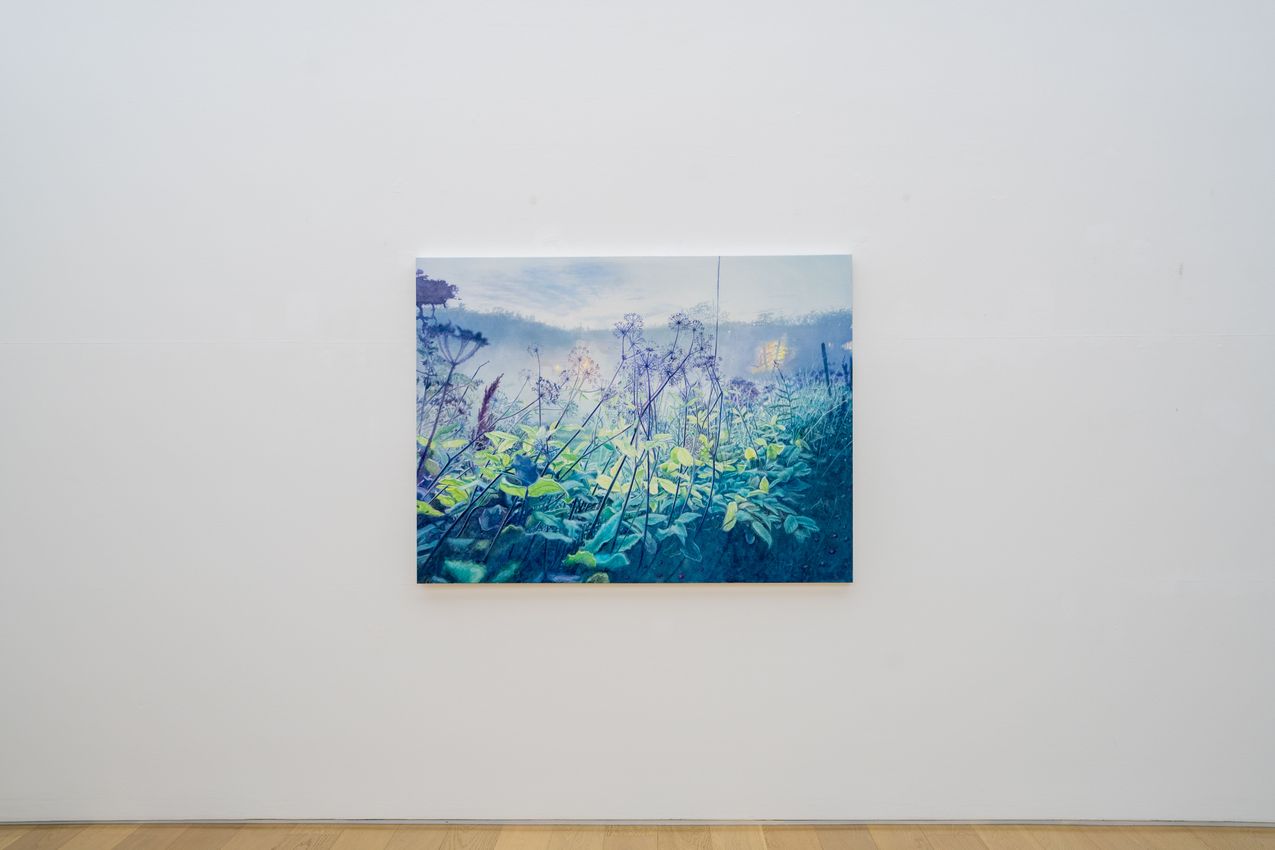
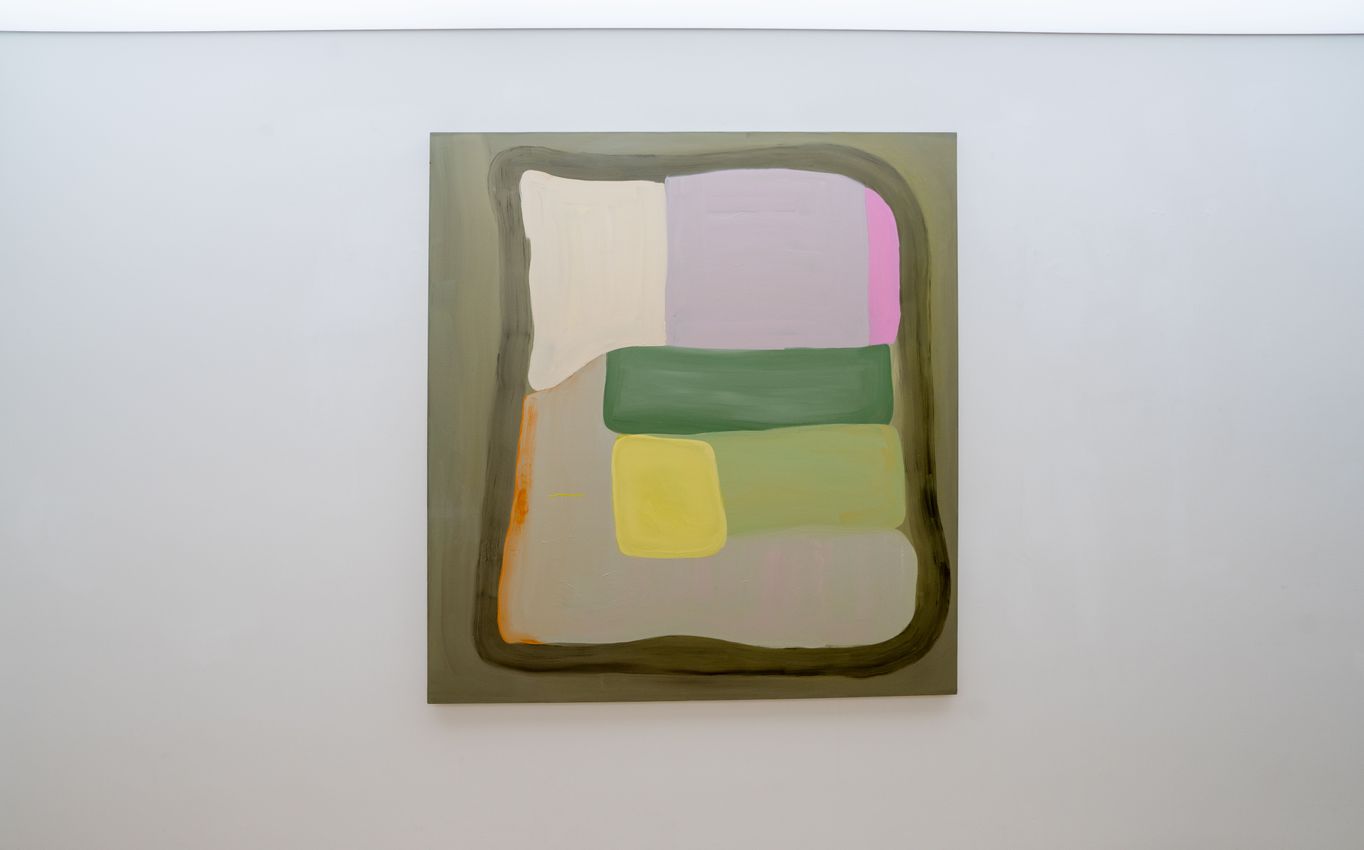
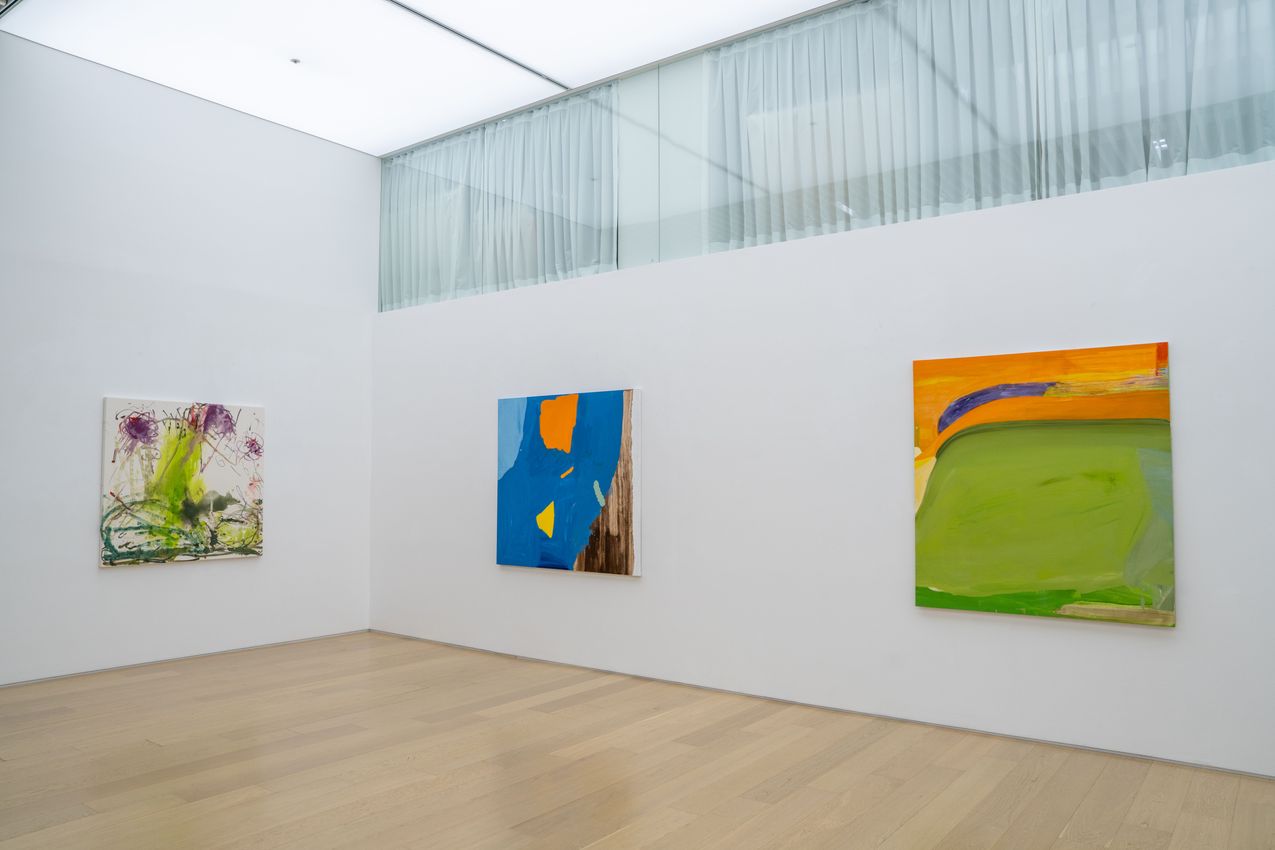
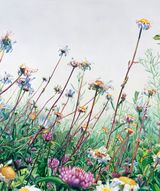
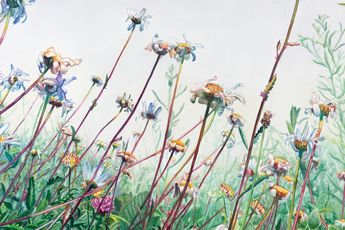
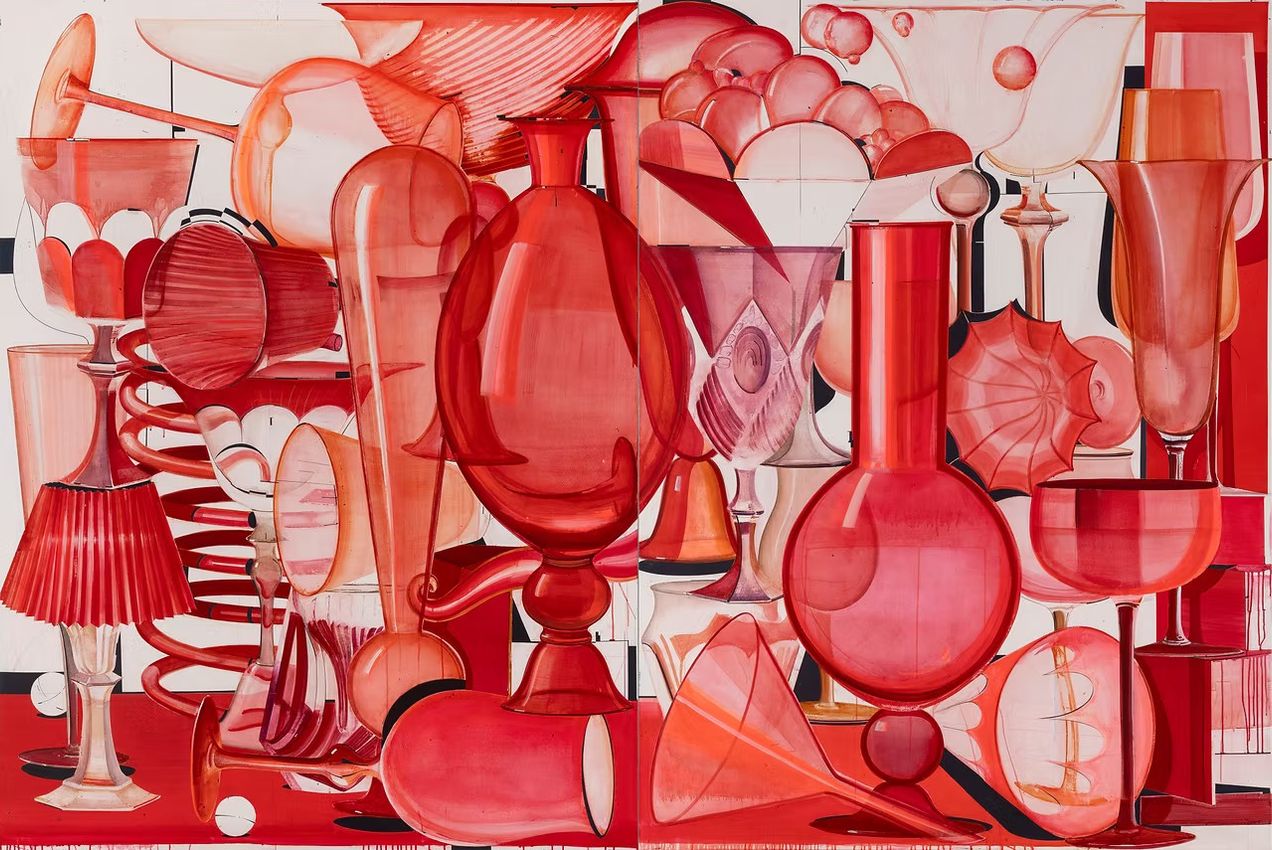
This energy gives way to the measured stillness of Vibeke Slyngstad. Her use of light operates with a quiet precision, reflecting a distinctly contemporary solitude. These works invite a slower form of attention, where light and shadow hold the transience of being in tension. What emerges is an experience in which memory seems to take on a spatial, almost architectural presence.

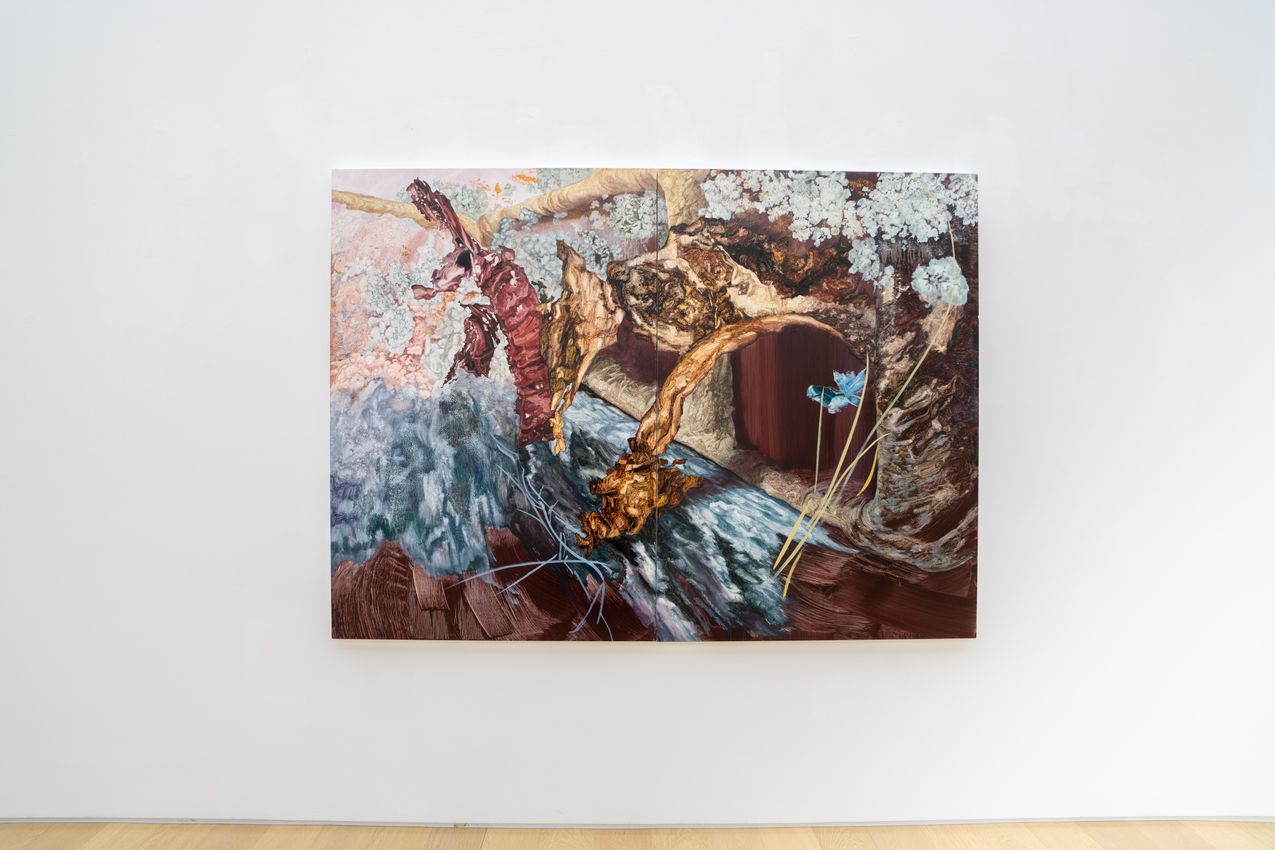
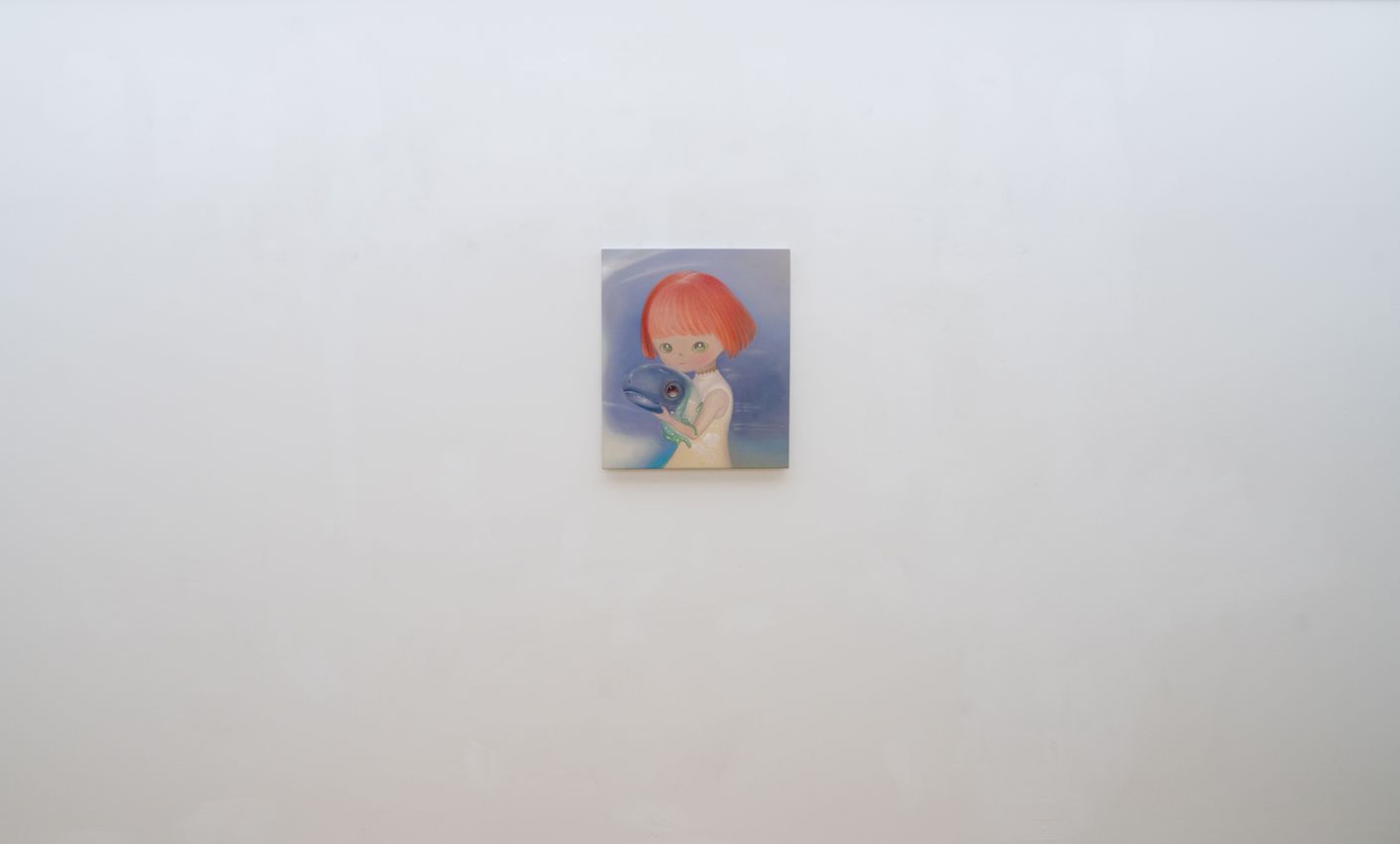
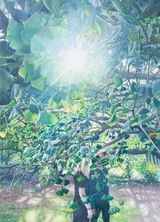
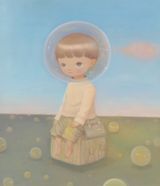
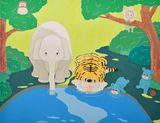
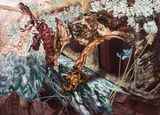
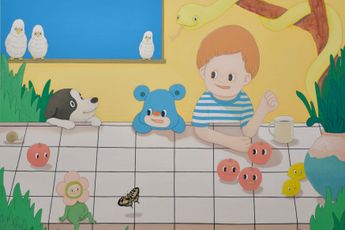
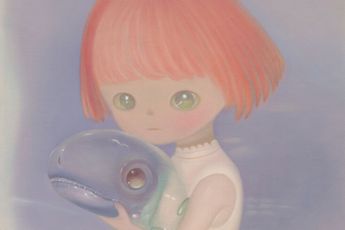
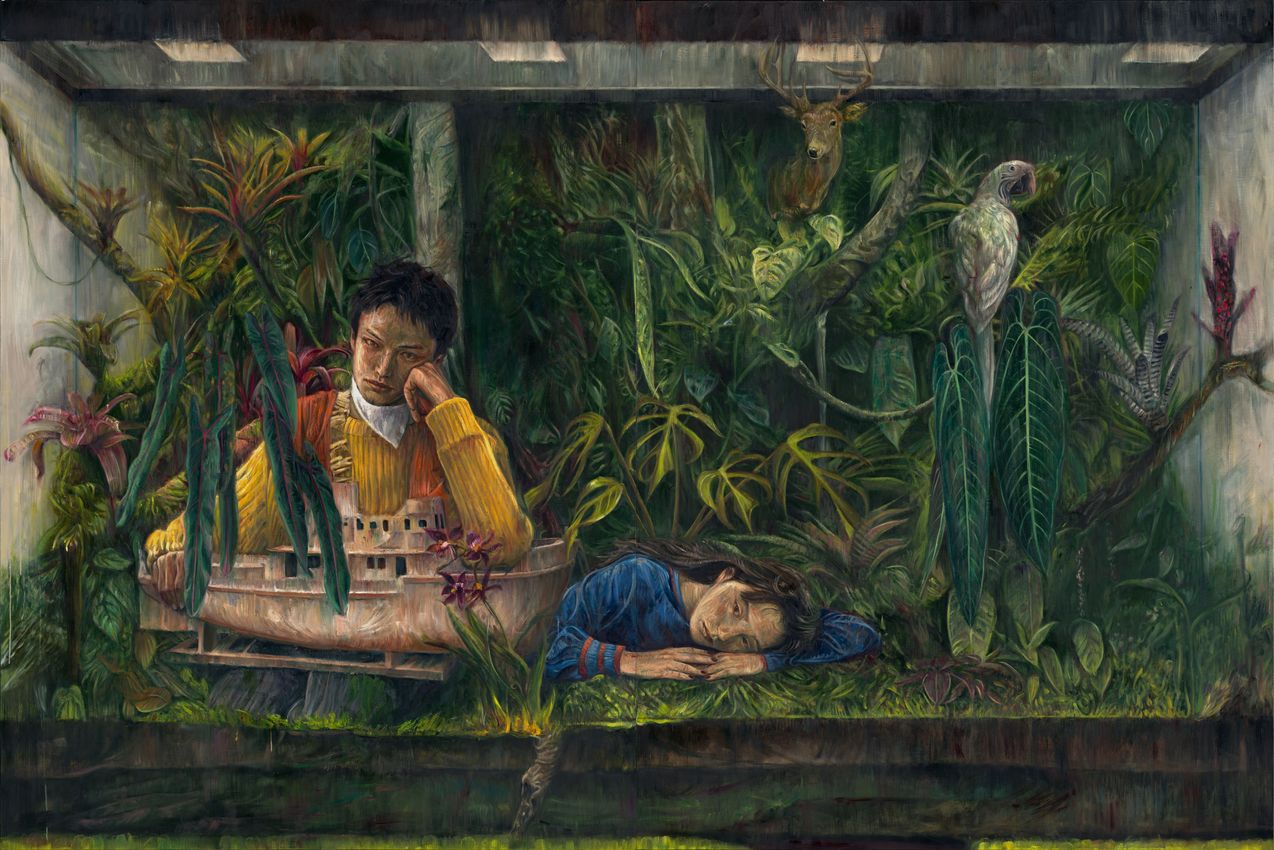
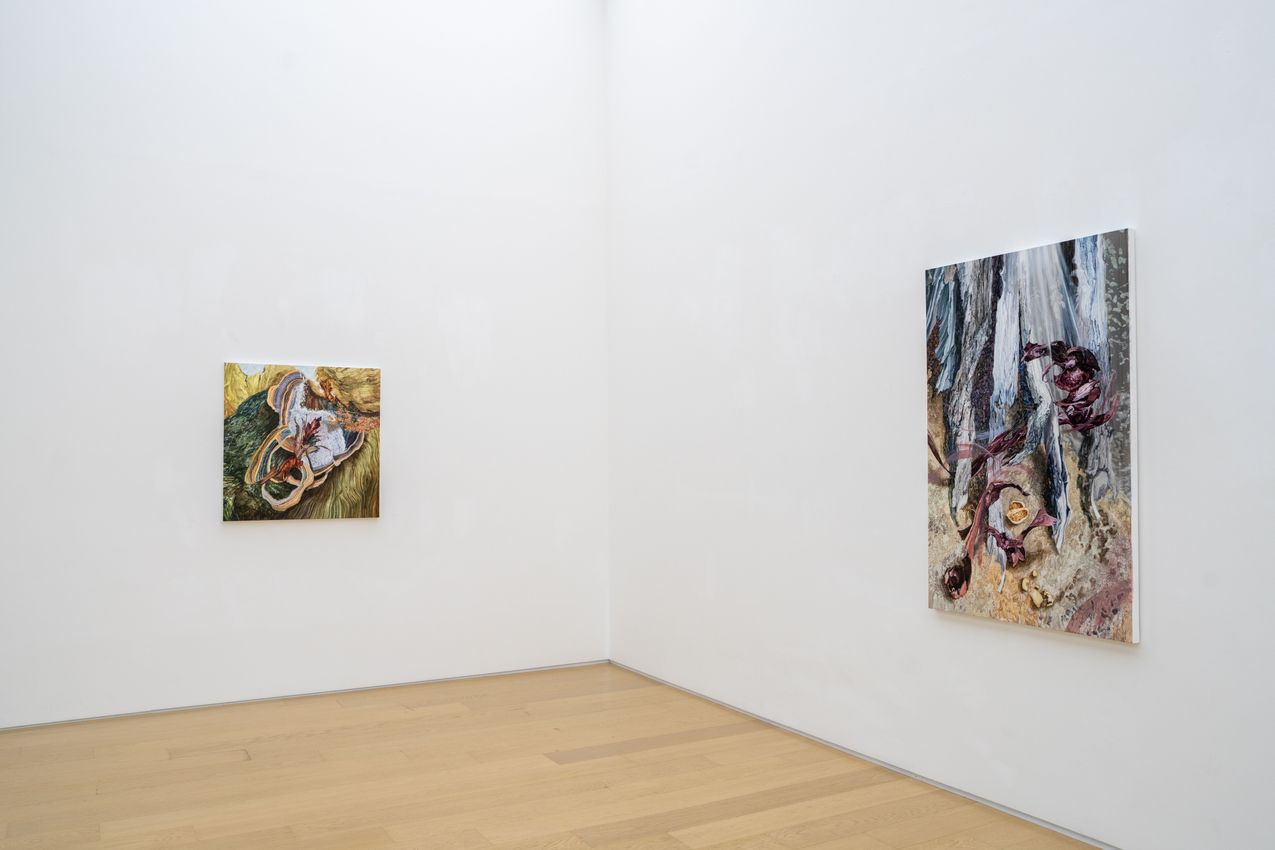
In Ruo-Hsin Wu’s practice, the fleeting image is reconfigured as something more enduring. Drawing on the notion of the transitional object, she reworks fragments of the everyday into forms that carry emotional weight. Beneath the surface of her dreamlike imagery lies a quieter unease, one that unsettles the polished surfaces we habitually consume and redirects attention towards the formative traces of memory.

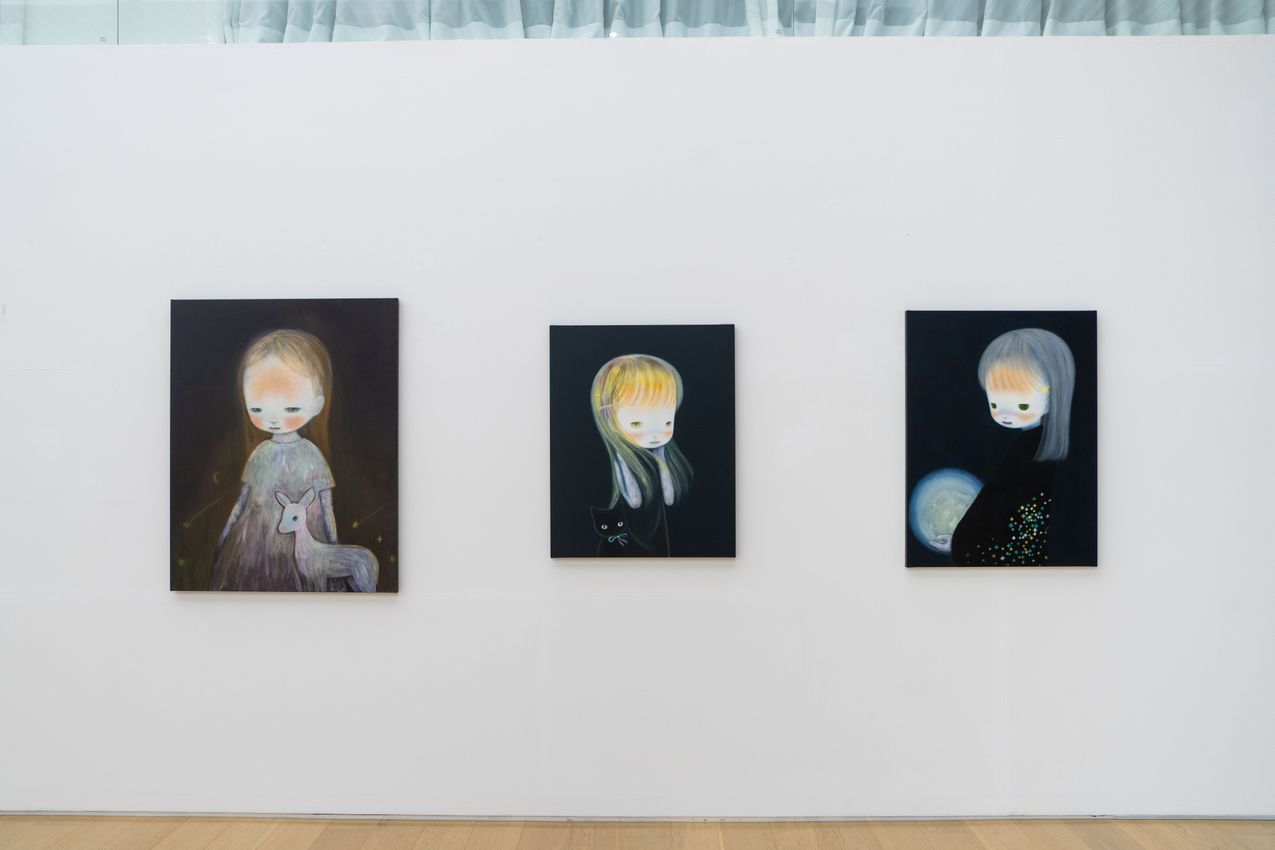
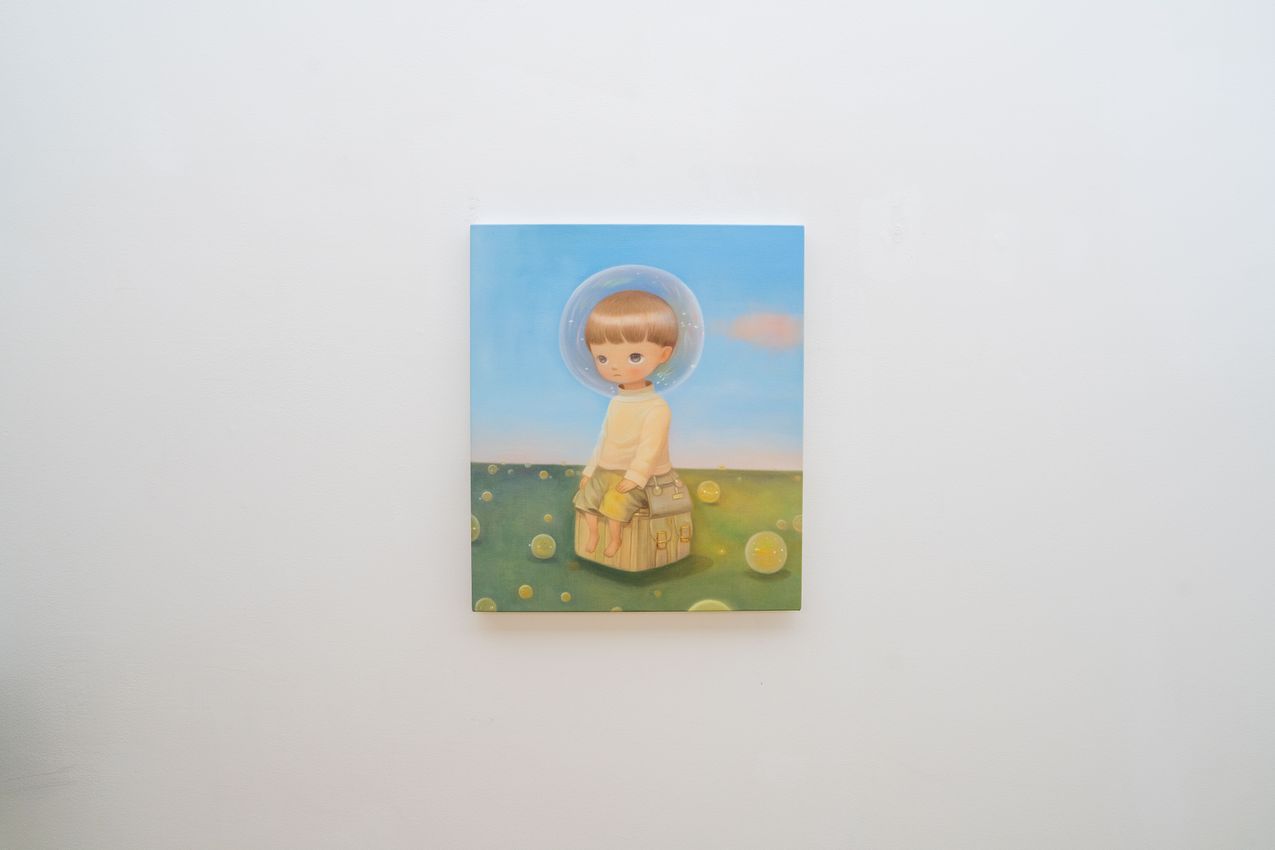
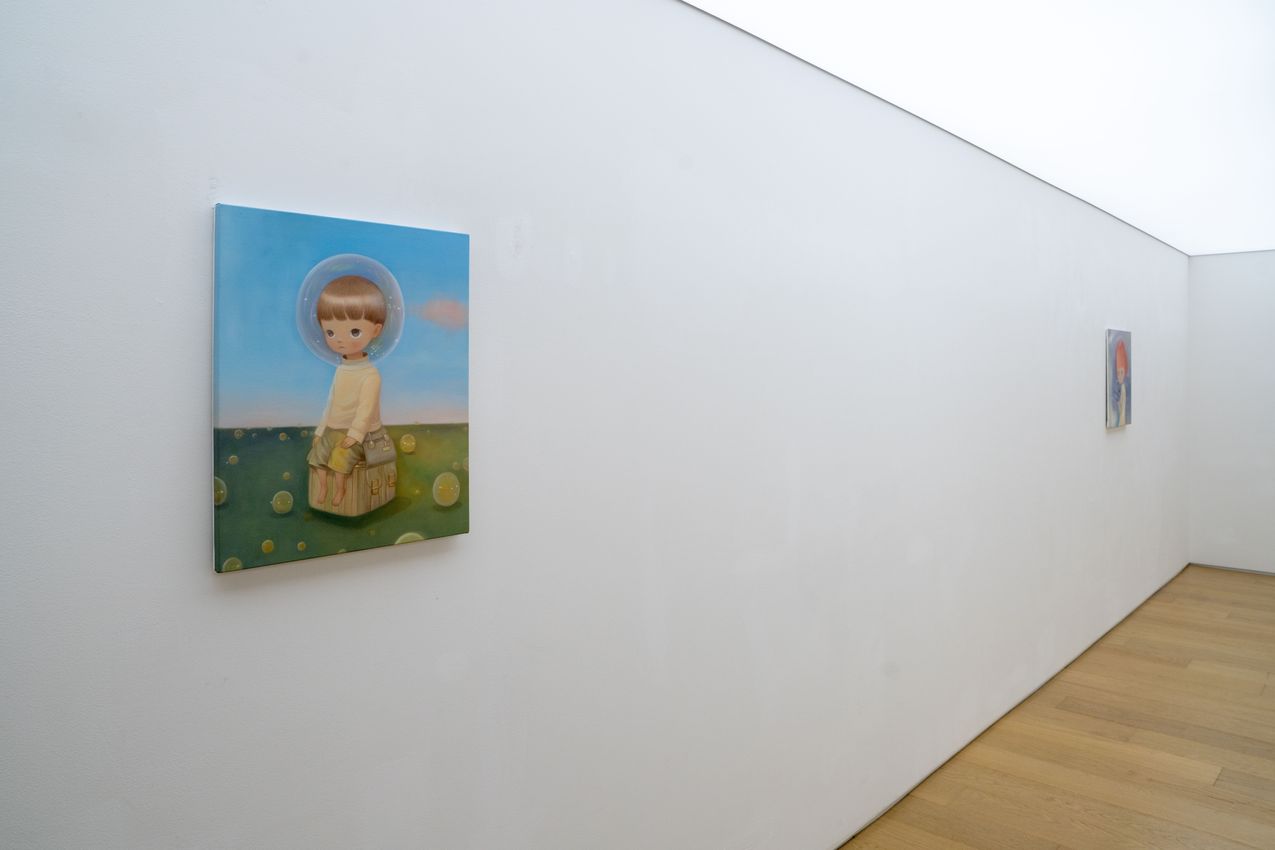
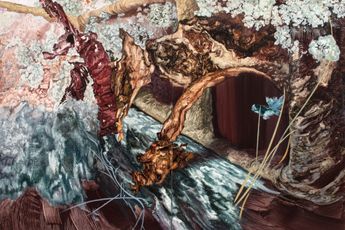
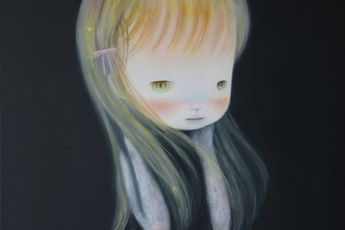
With Yoshikatsu Ikeuchi, this enquiry turns inward. His paintings give form to sensations that precede language, to states that resist clear articulation. The expressions of his figures remain unresolved, holding together multiple emotional registers at once. Rather than offering explanation, they call for a mode of response grounded in perception, where meaning is felt before it is understood.

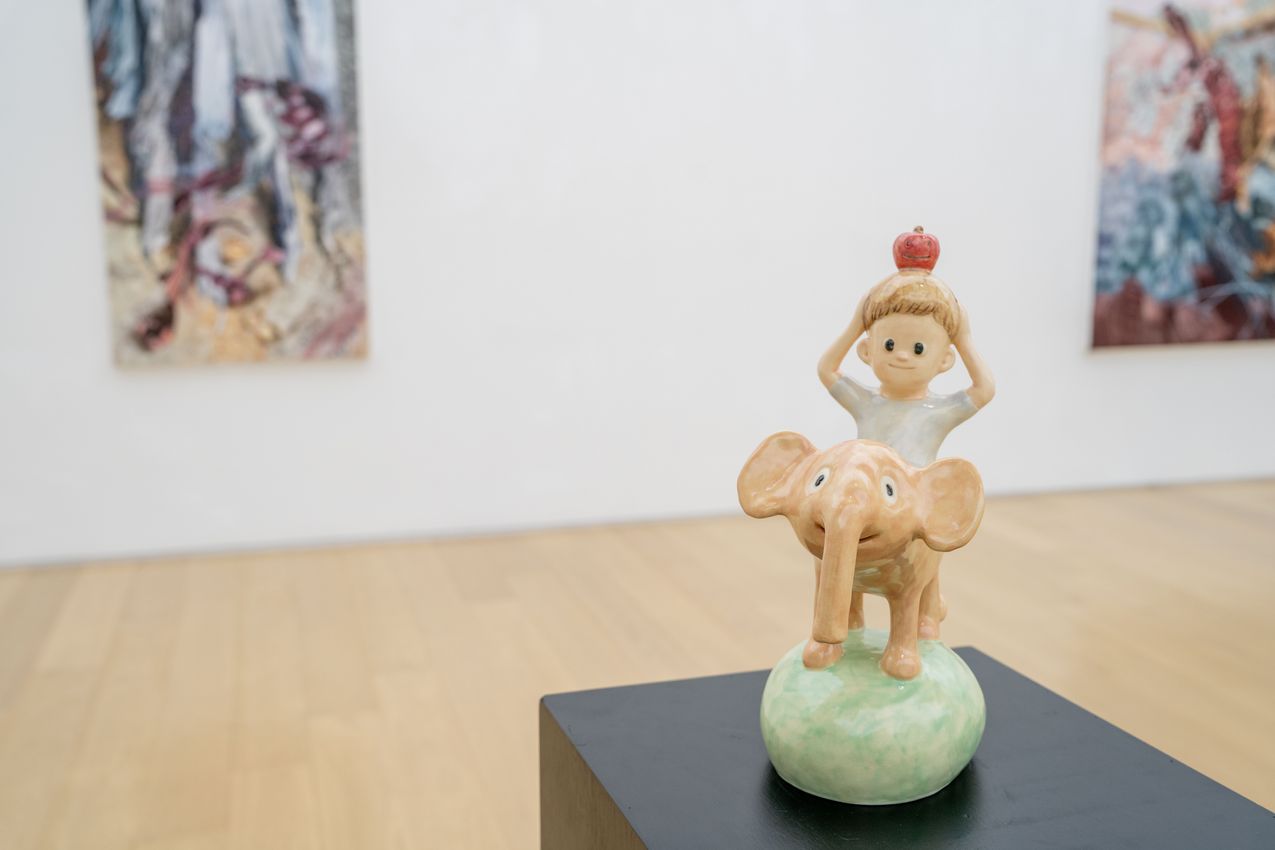
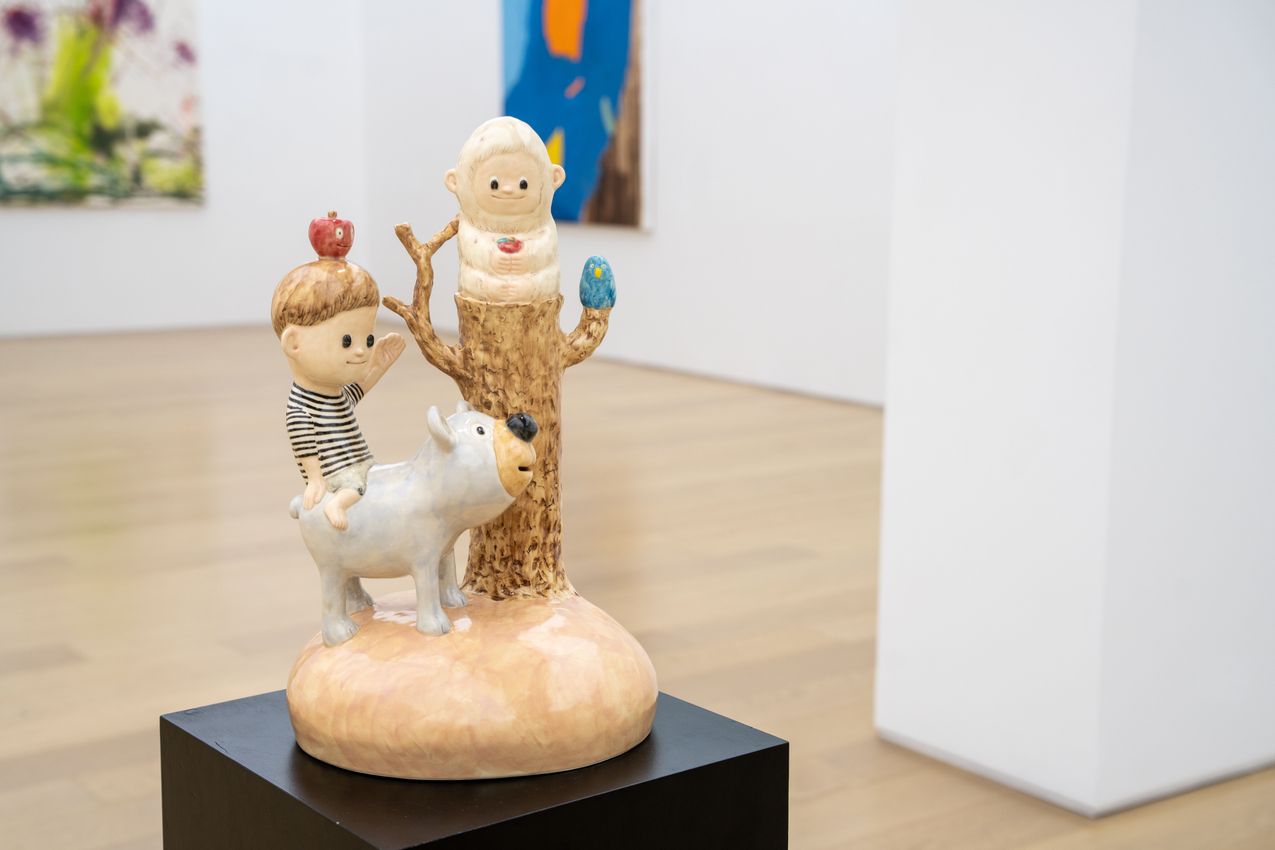
A related stillness appears in the sculptural works of Yasuhito Kawasaki. His figures seem withdrawn from the surrounding noise, inhabiting a concentrated state of solitude. Their restraint is not emptiness, but compression, as if emotion has been gathered to the point of near release. In encountering these faces, the act of looking becomes reciprocal, suggesting that the recognition of the other may also be a means of approaching the self.

Taken together, the exhibition proposes not so much a theme as a recalibration of attention. It invites a return to a way of looking beyond habit and immediacy. The intervals between works become part of this experience, allowing perception to settle and extend. What remains is not a fixed conclusion, but a lingering afterimage that continues to resonate beyond the space of the exhibition. Art may not alter the world directly, yet it can offer a site in which our relation to it is quietly, but fundamentally, reoriented.

Read More

Installation Views

Artists Exhibiting

Also Exhibiting at Tang Contemporary Art

About the Gallery

Tang Contemporary Art was established in 1997 in Bangkok, and now institutes over 48,000 square feet of gallery spaces in Bangkok, Beijing, Hong Kong, and Seoul. The gallery has also recently opened its headquarters space in Beijing, covering a building of 6 storeys. Tang Contemporary Art is fully committed to curating critical projects and exhibitions, as well as collaborating with other art museums and institutions, to promote Chinese contemporary art regionally and worldwide, and encourage a dynamic exchange between Chinese artists and those abroad.

View Gallery Profile
Address
B2
6, Apgujeong-ro 75-gil
Gangnam-gu
Seoul
South Korea
Opening Hours
Tuesday – Saturday
10:30am – 6pm

Closed on Public Holidays.
(1)
Seoul B2, 6, Apgujeong-ro 75-gil

Tang Contemporary Art
B2, 6, Apgujeong-ro 75-gil, Gangnam-gu, Seoul, South Korea
+82 (0)2 3445 8889
http://www.tangcontemporary.com

Opening hours
Tuesday – Saturday
10:30am – 6pm

Closed on Public Holidays.
The art world in focus