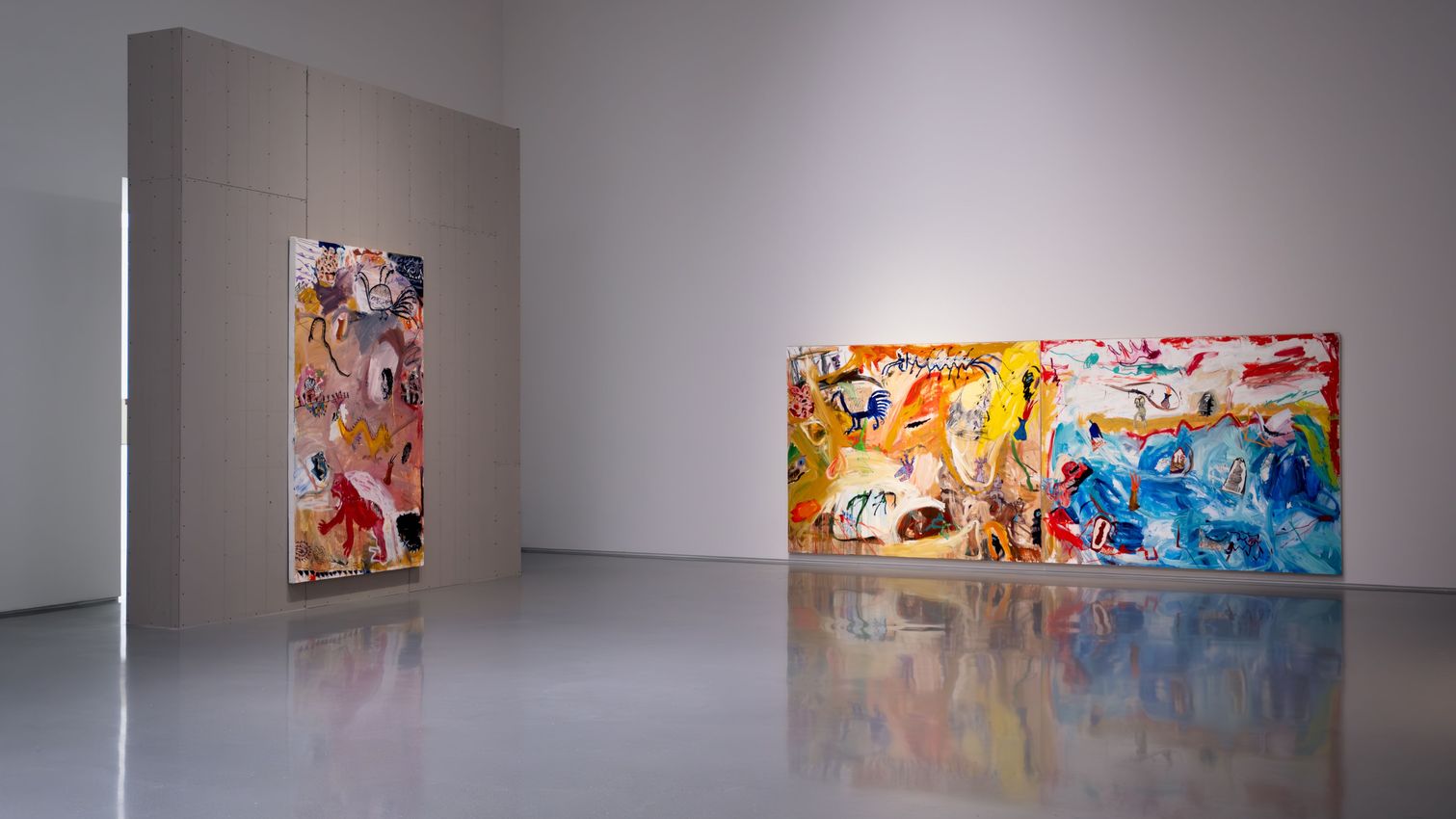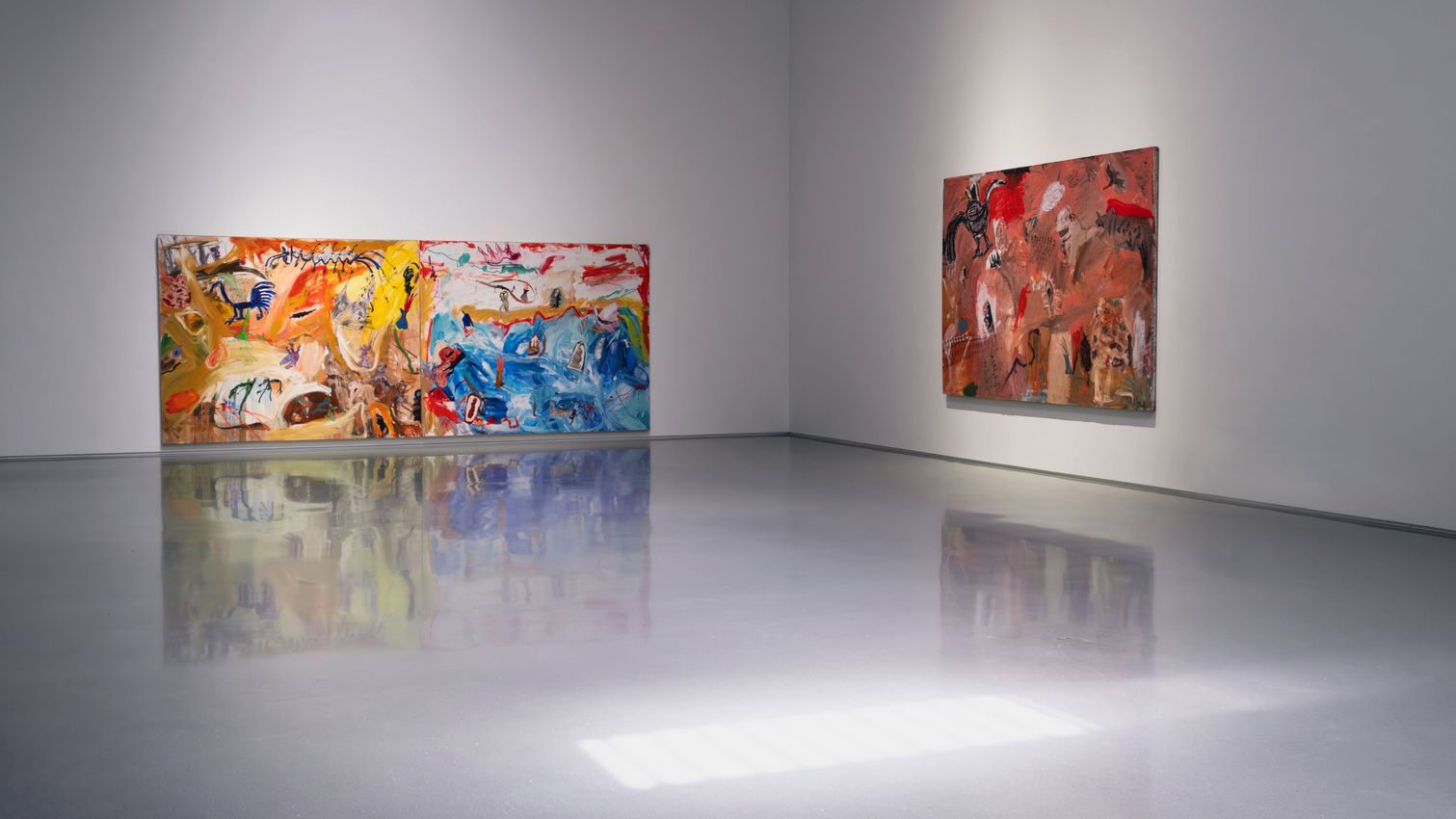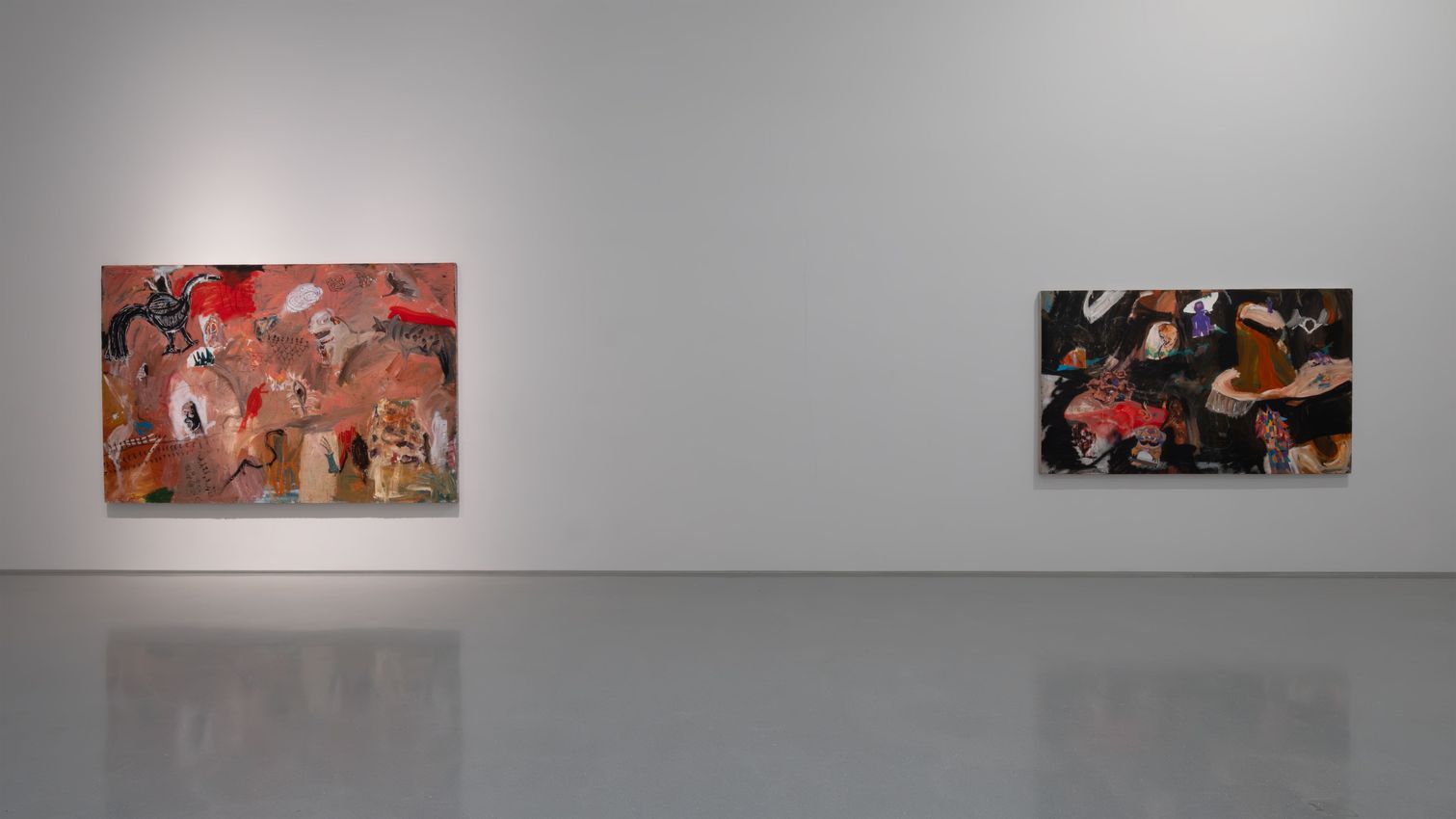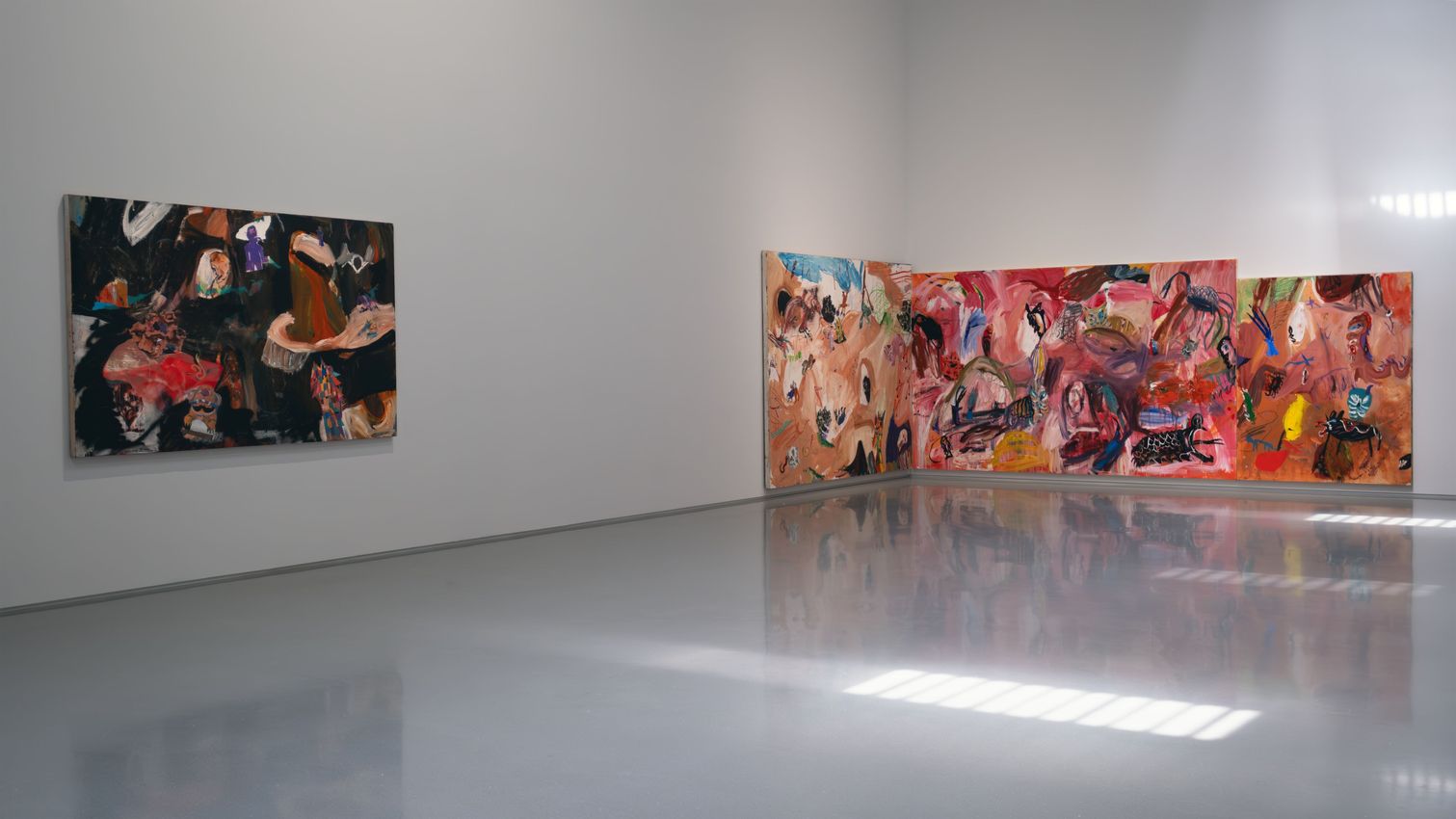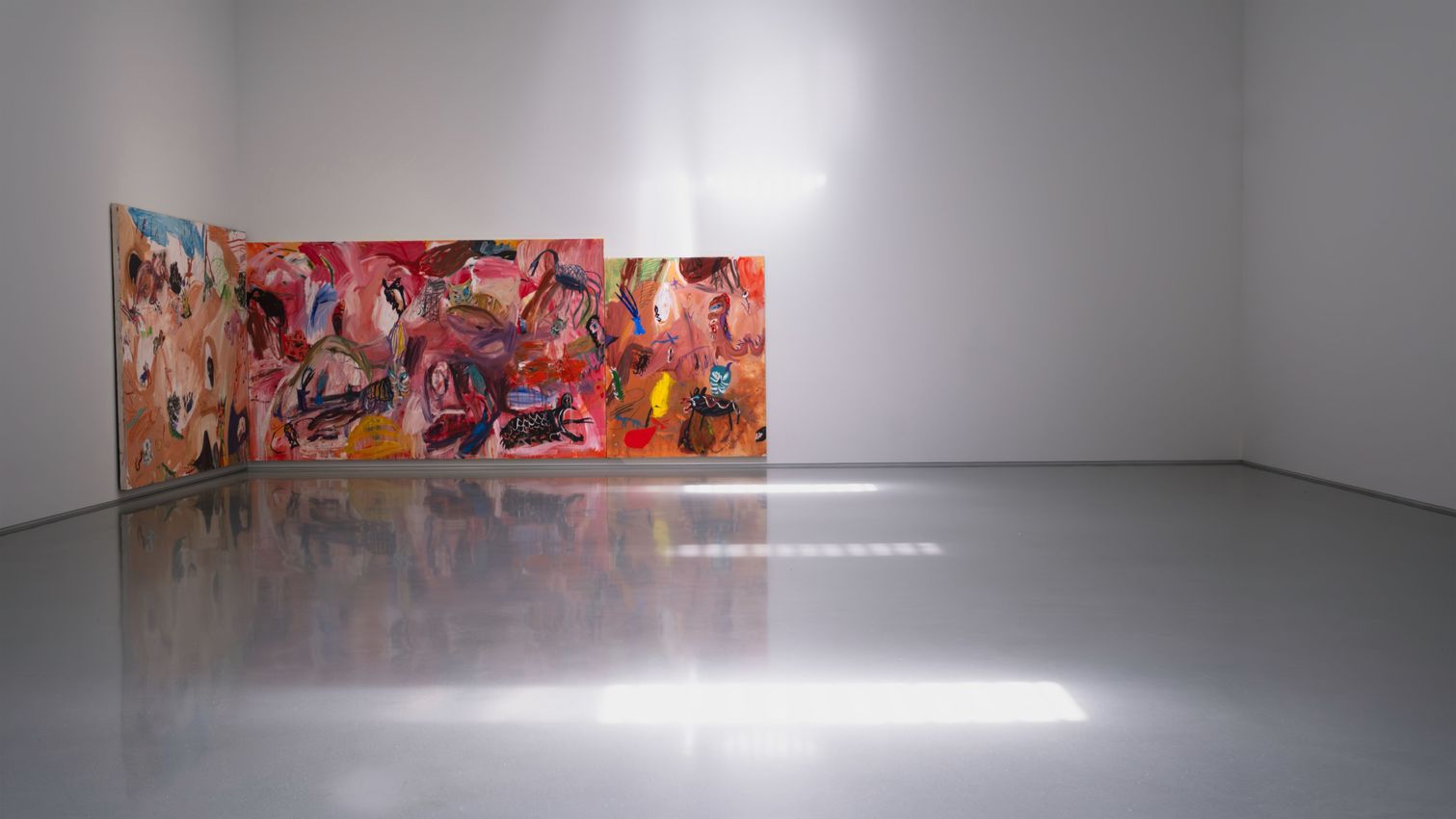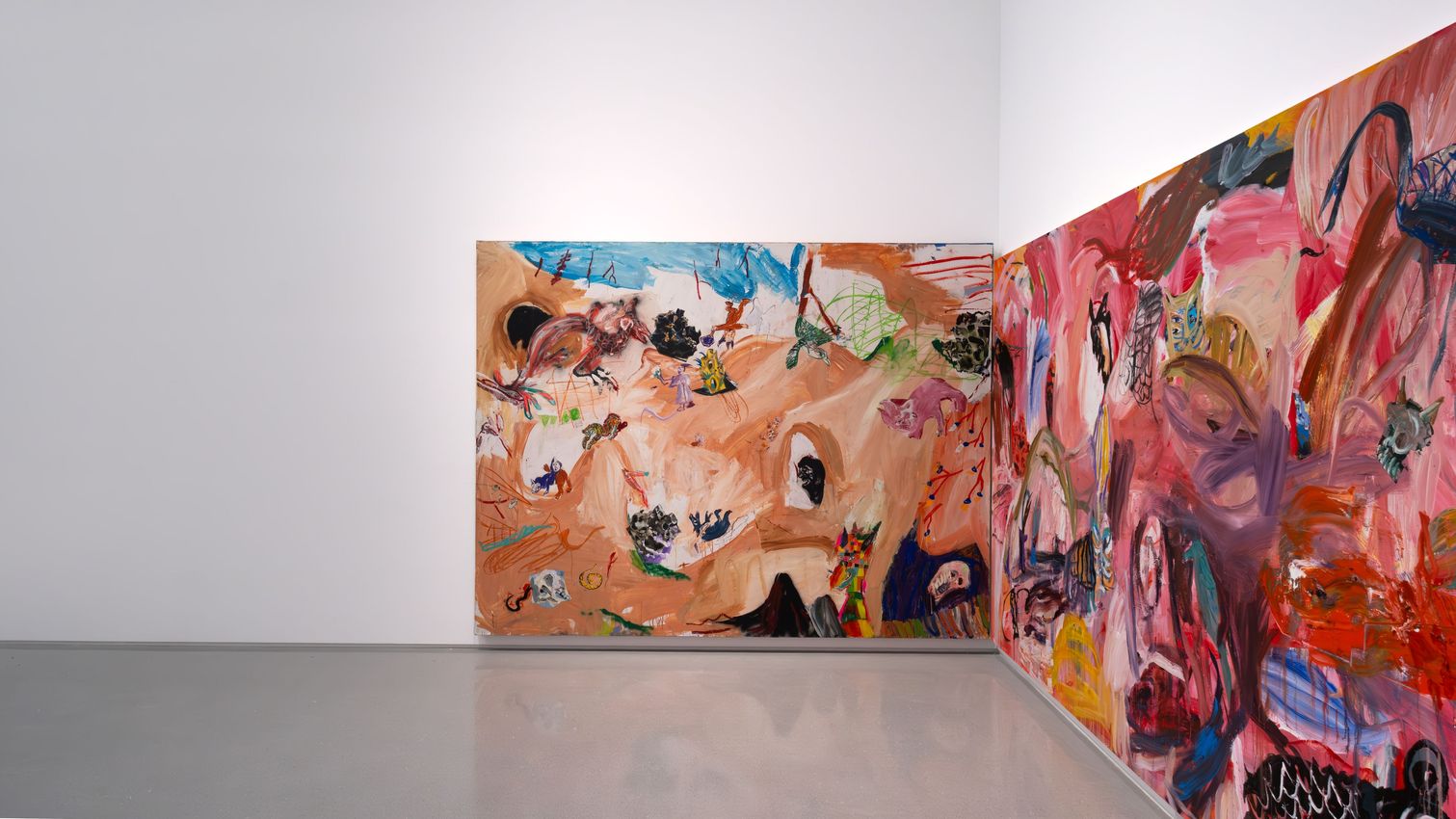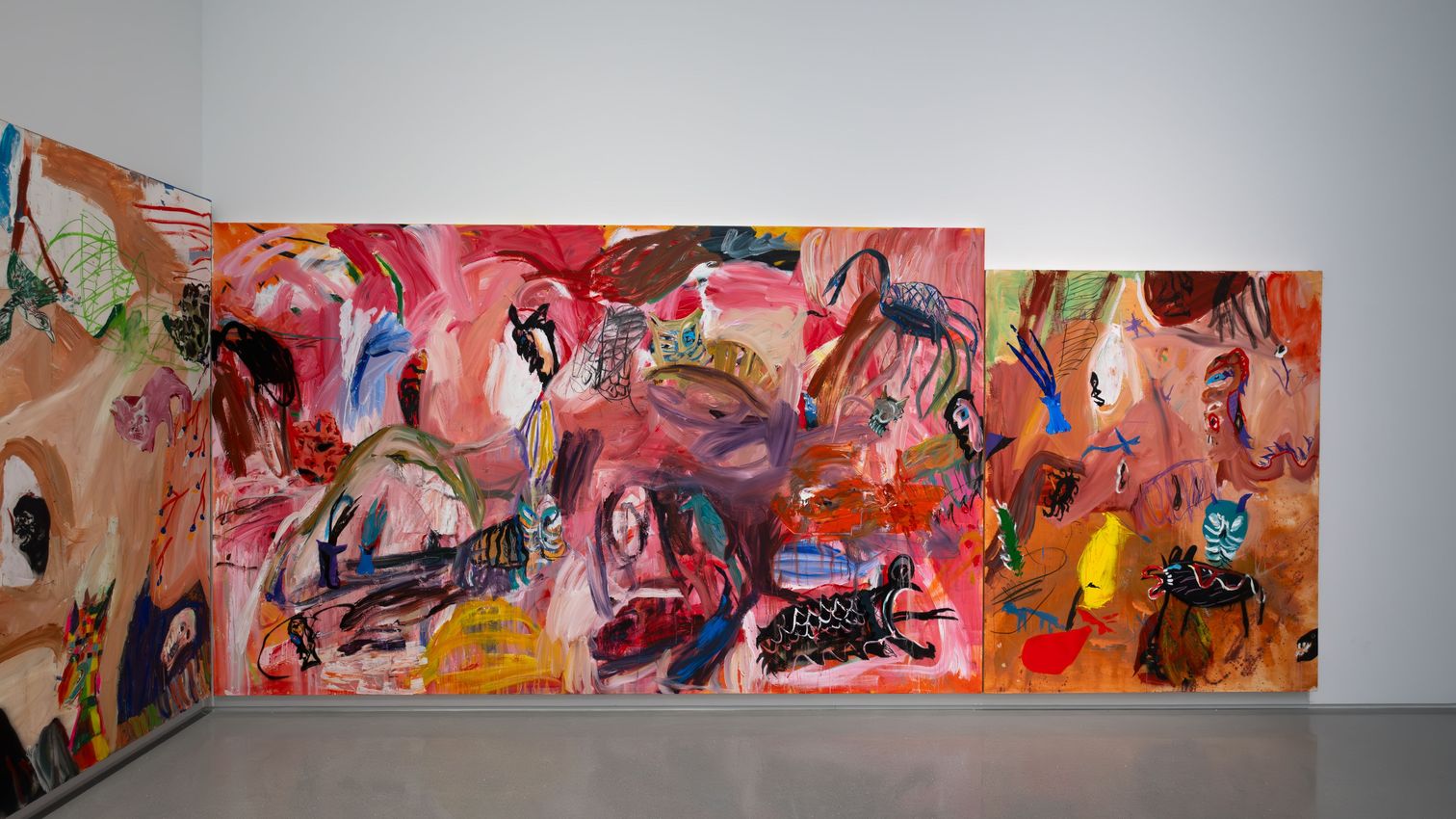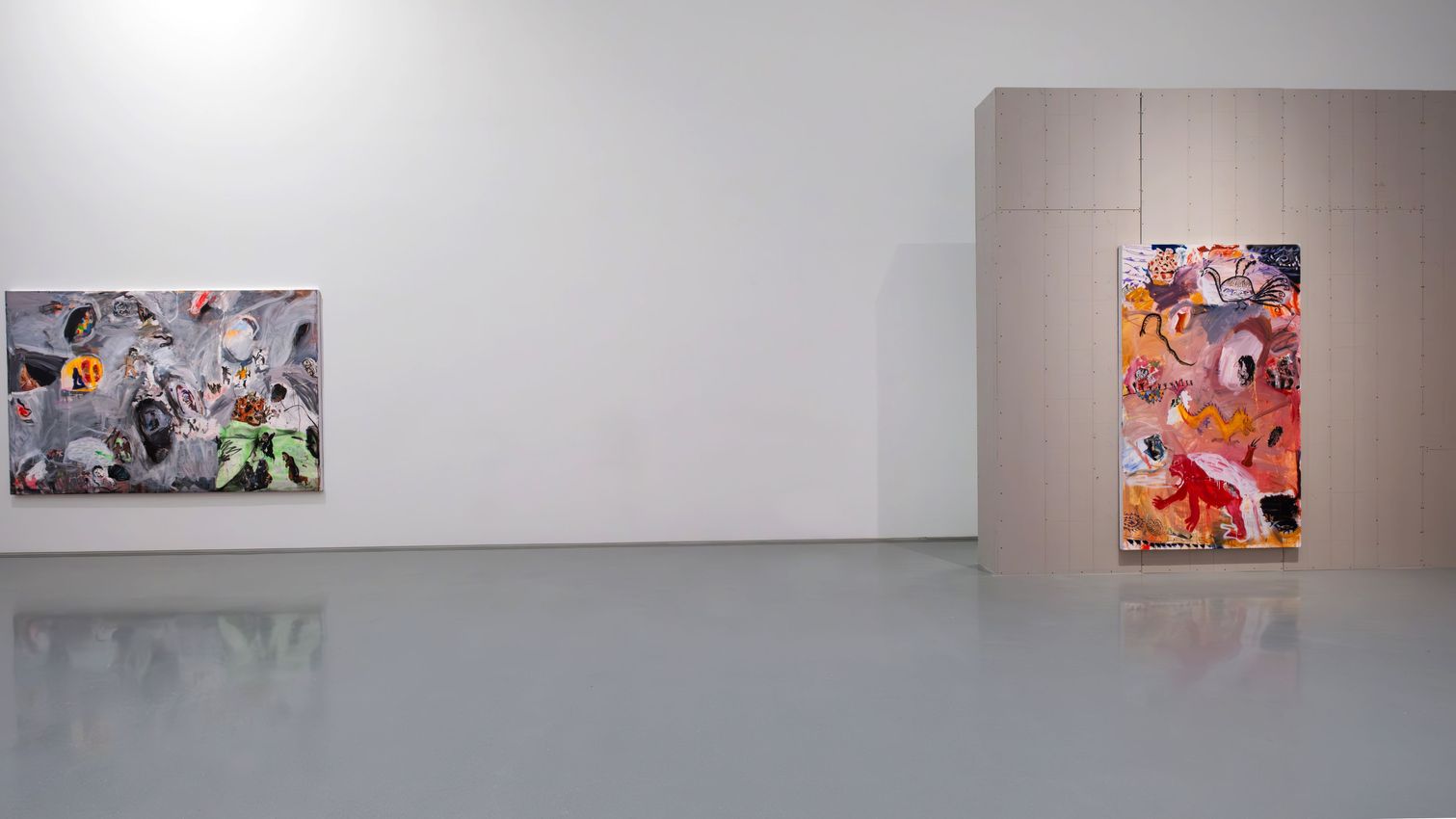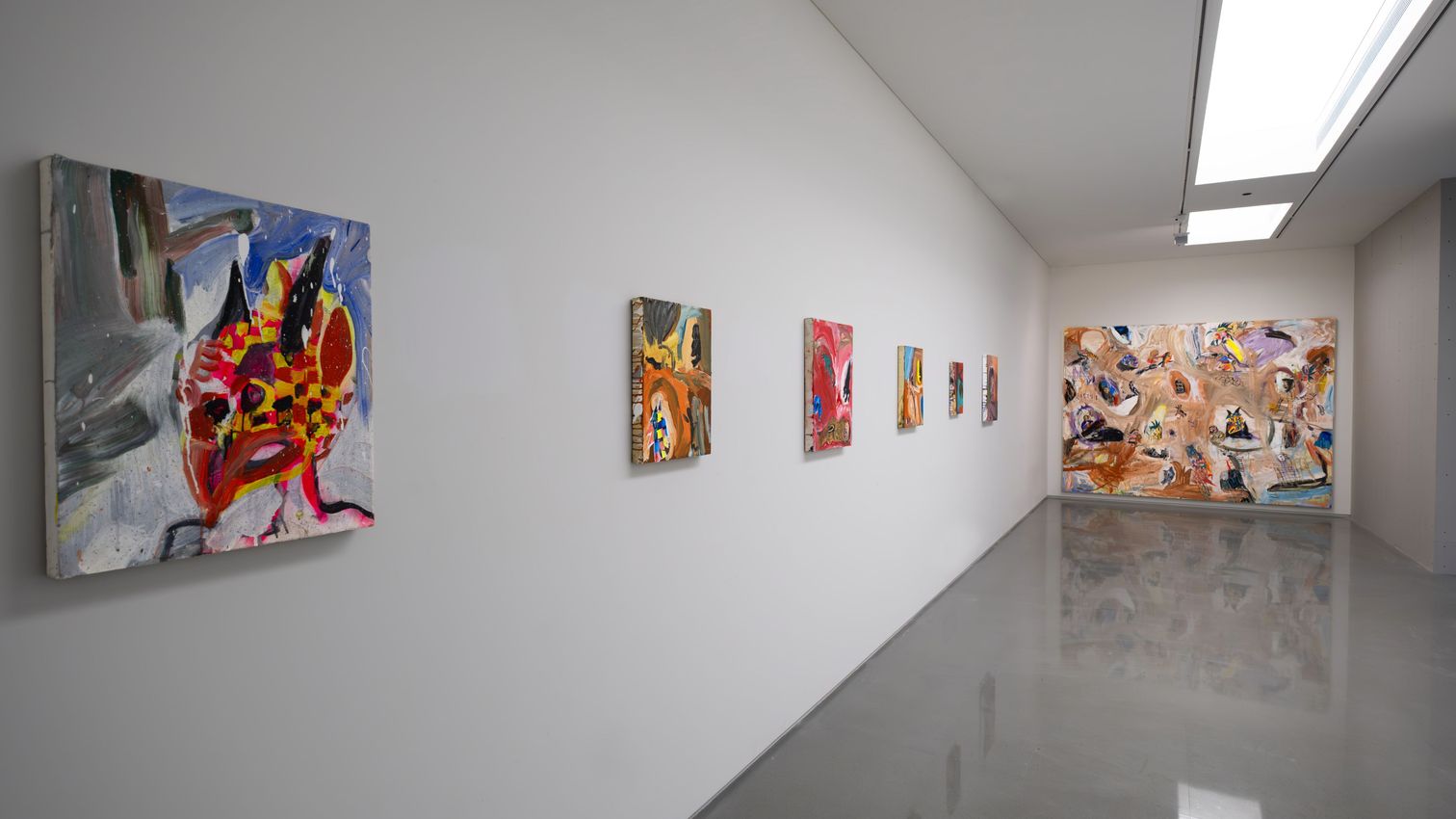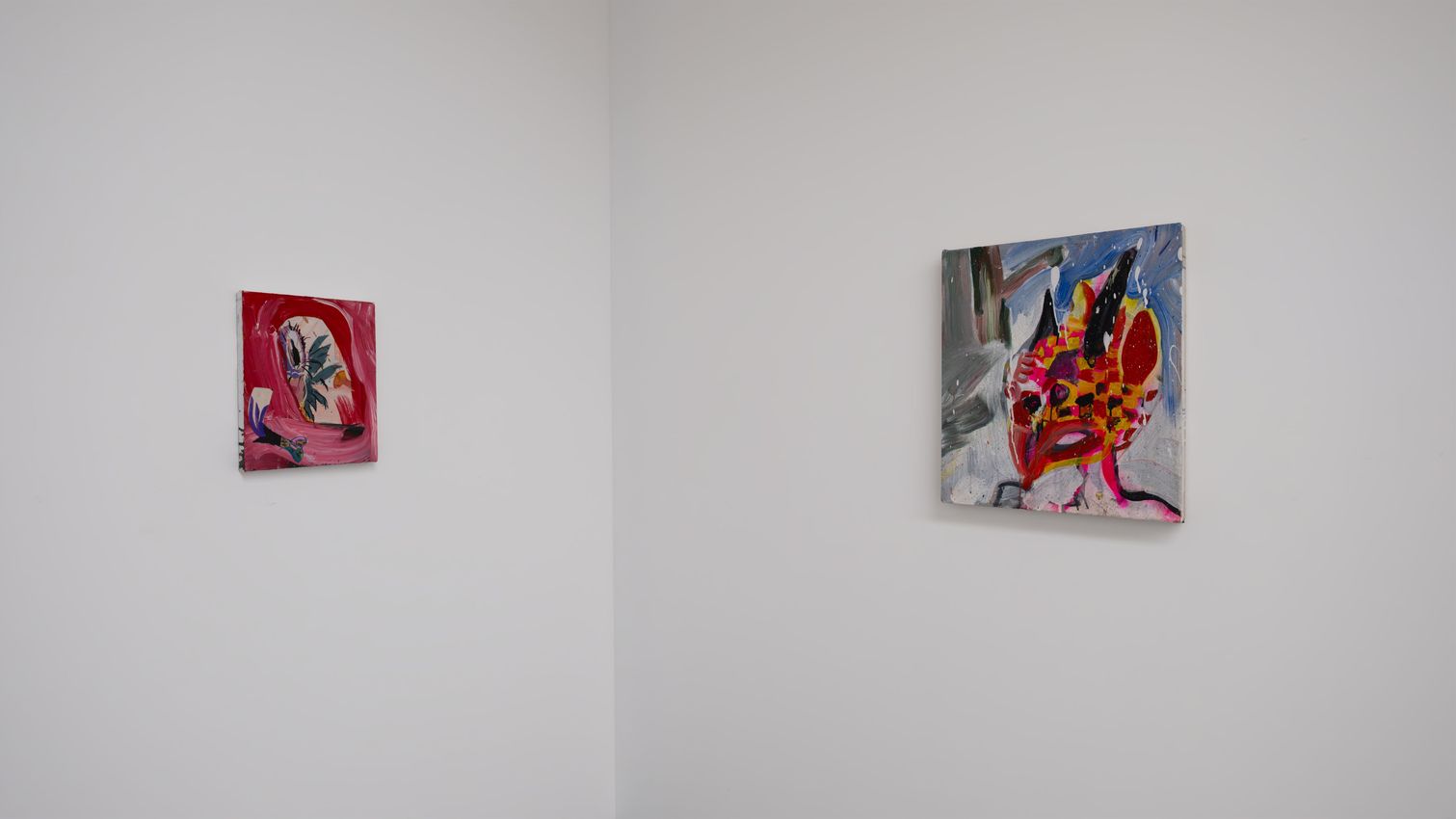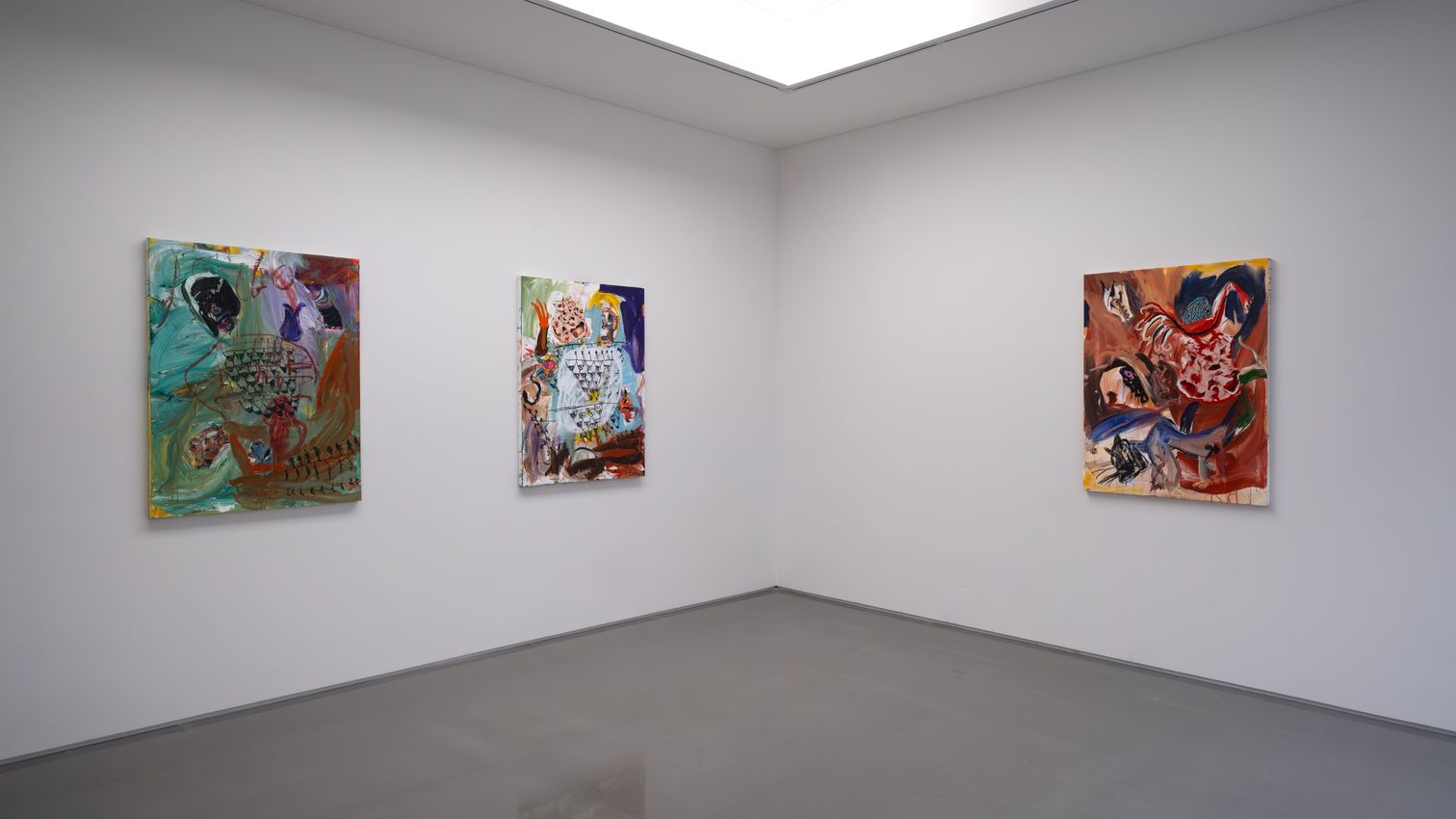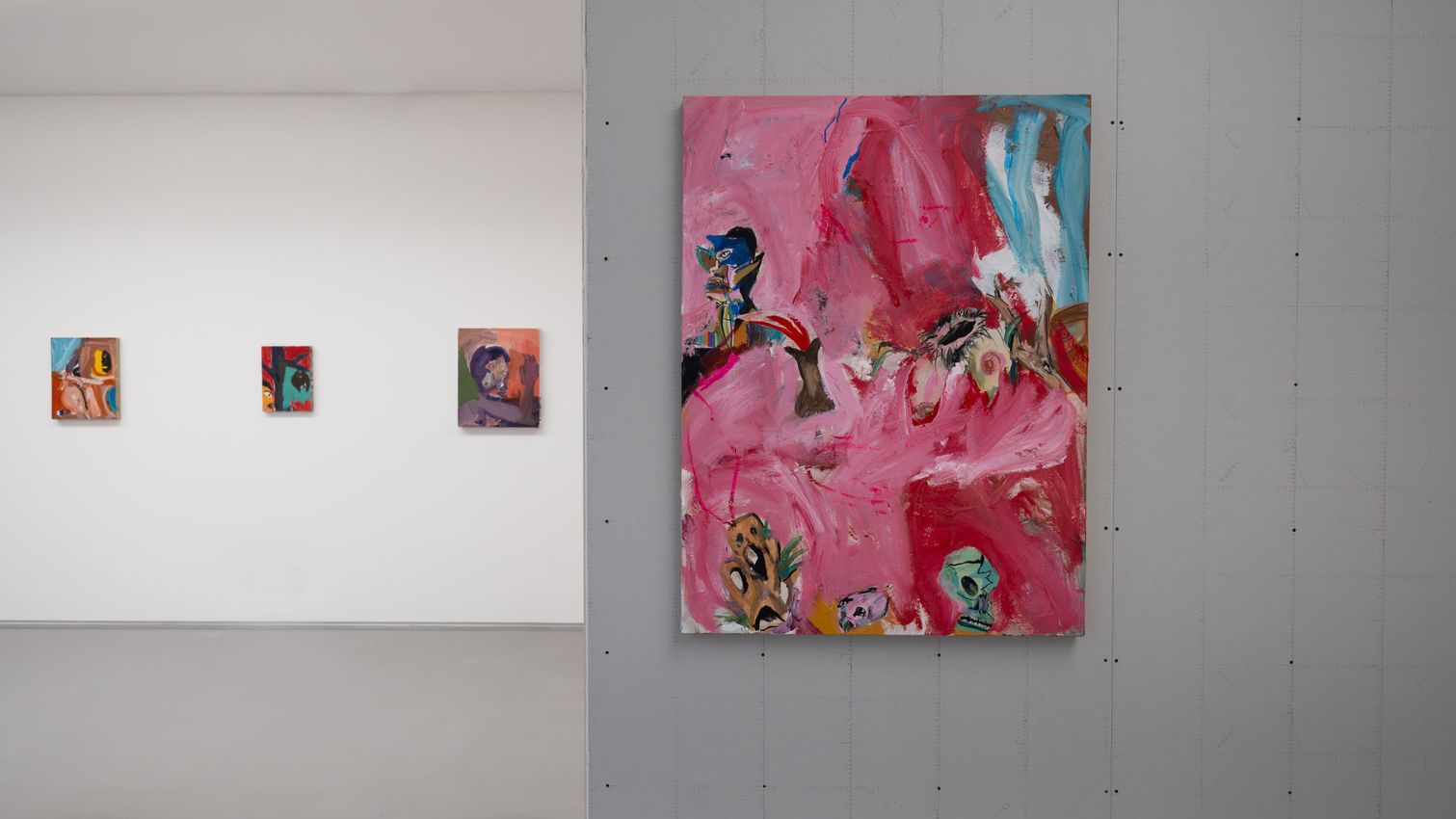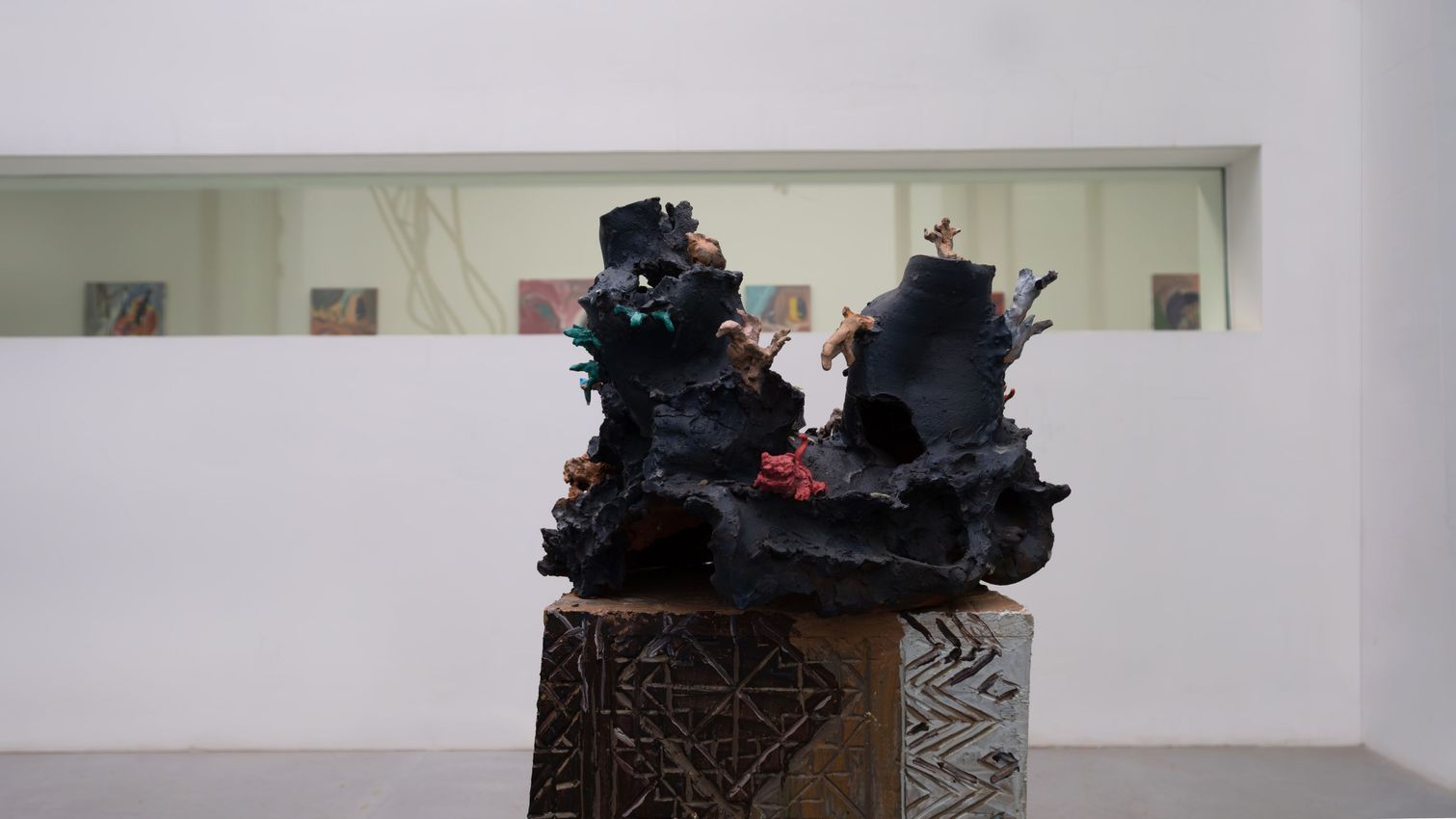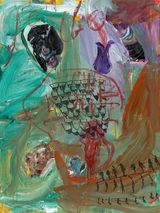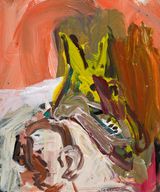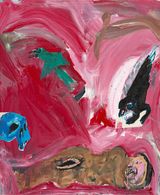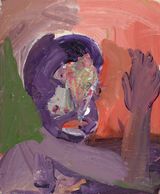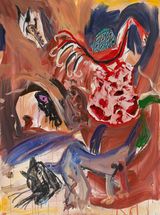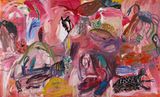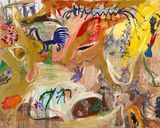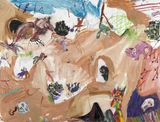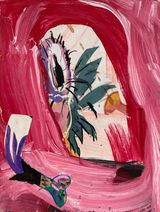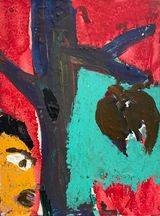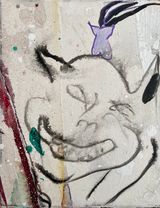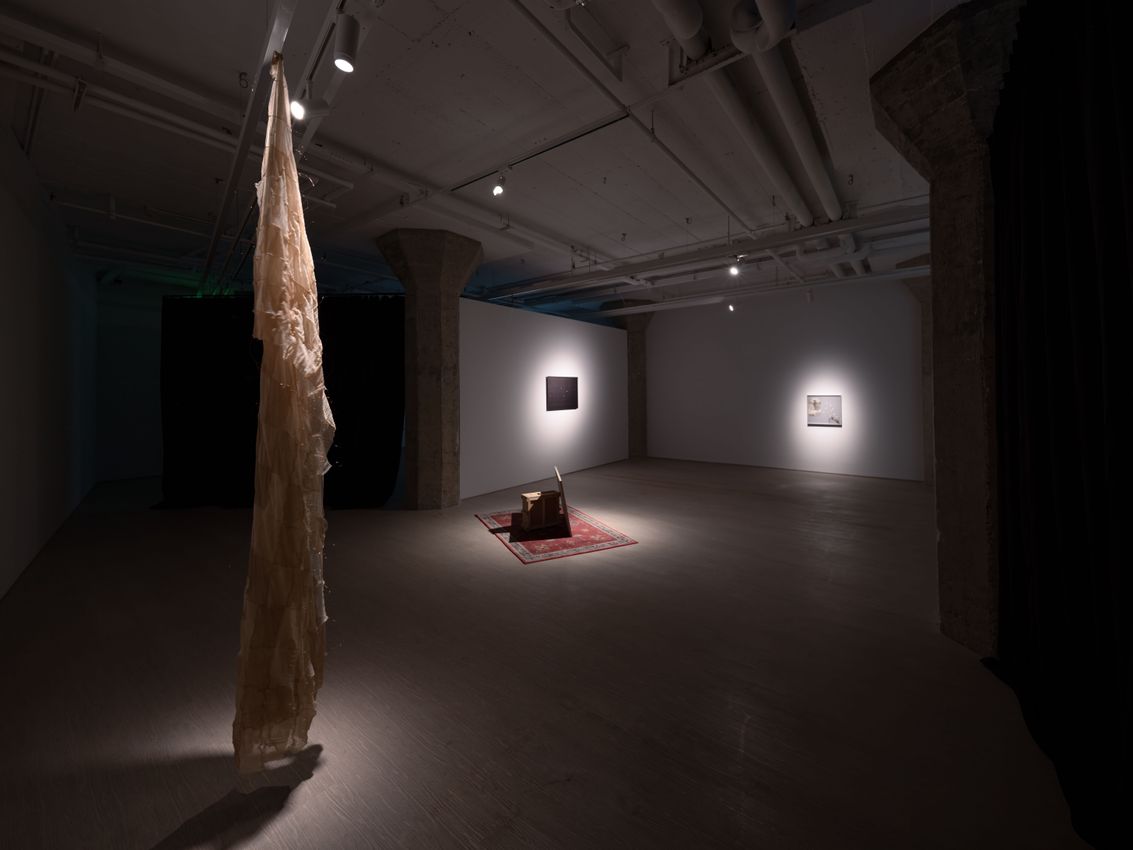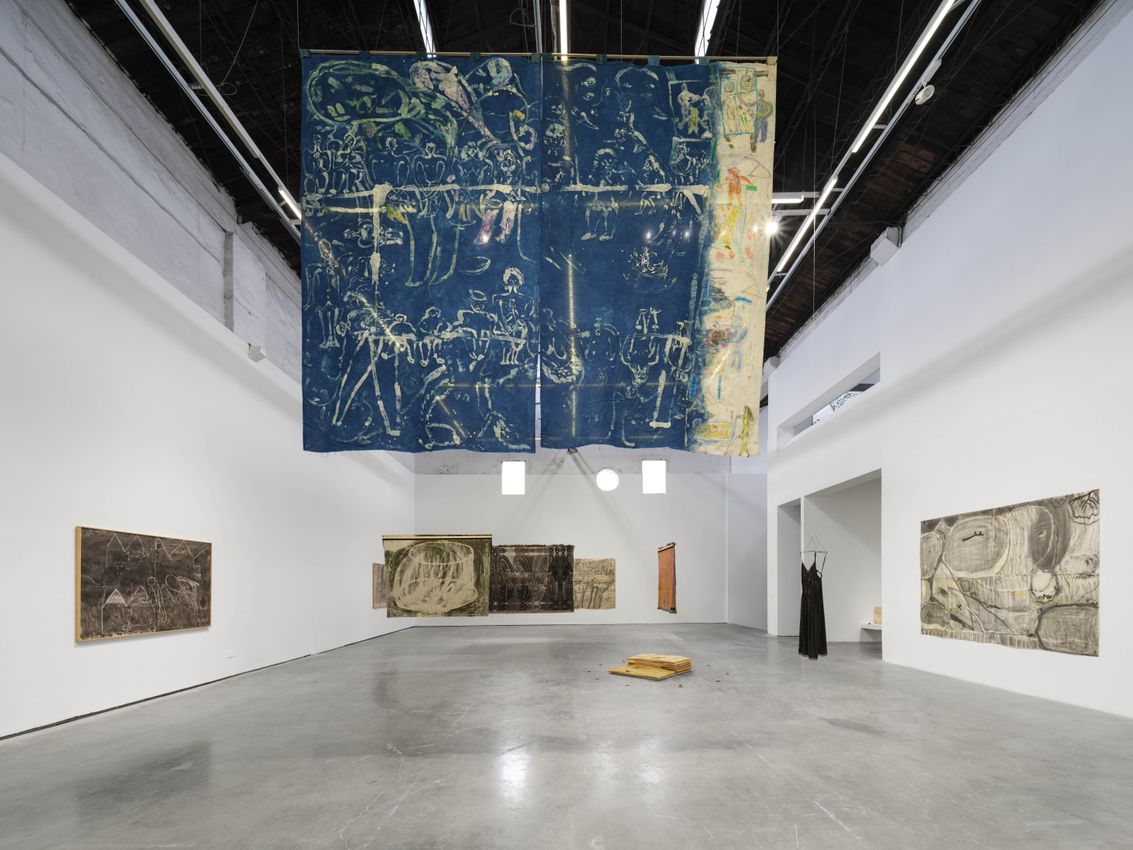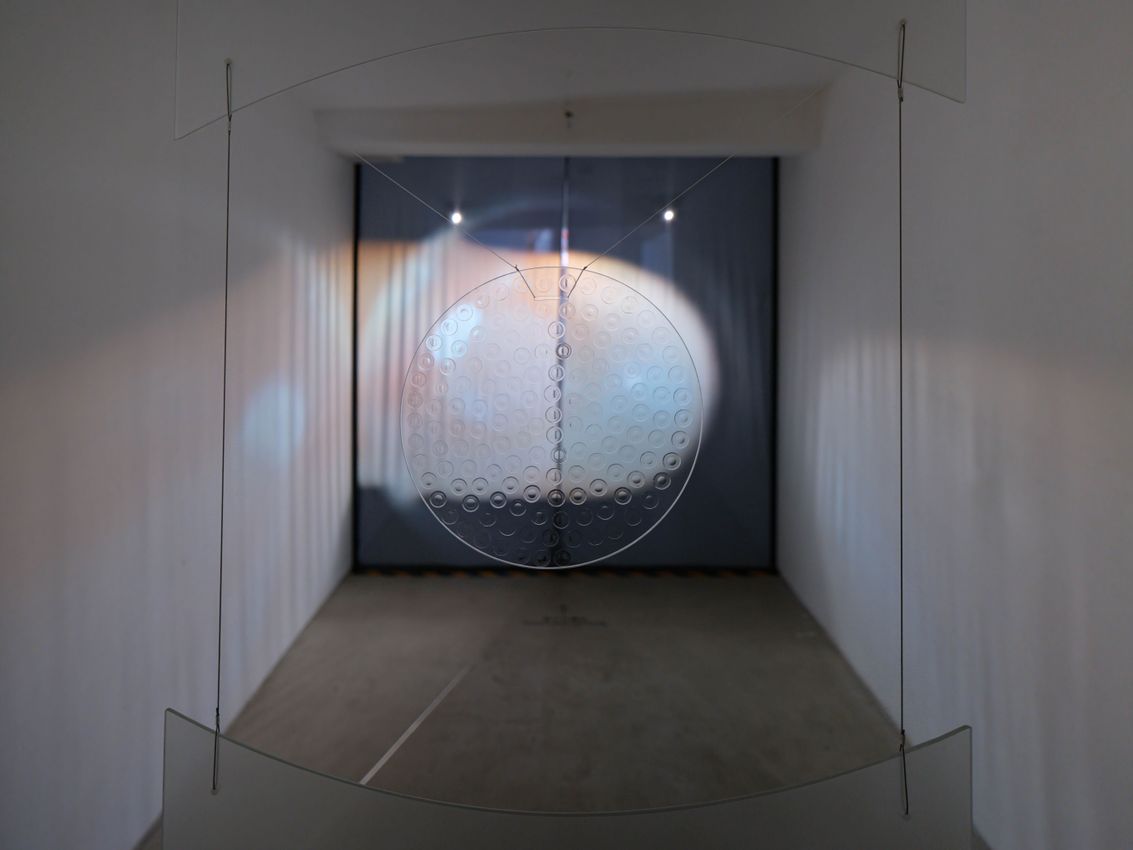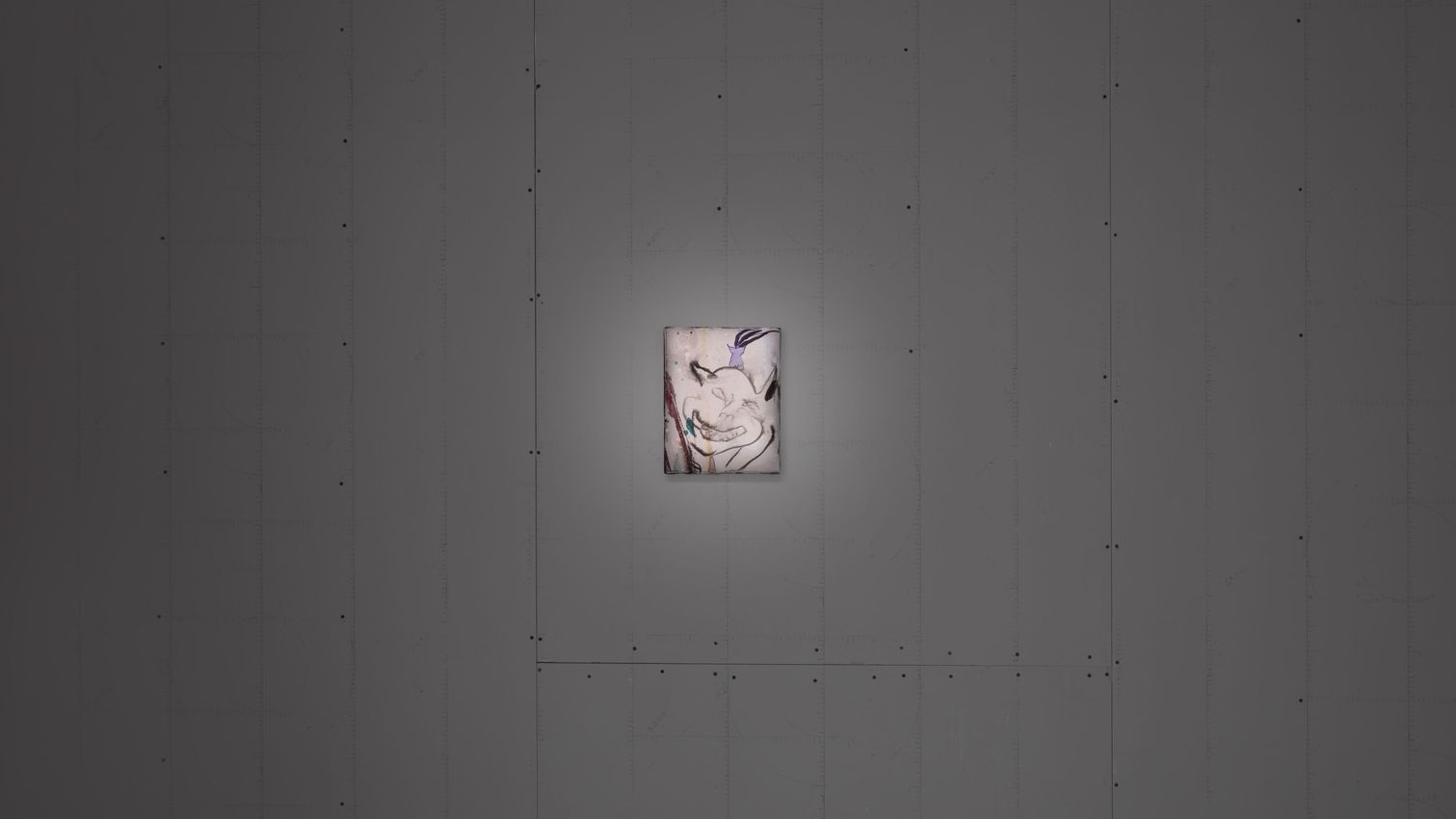
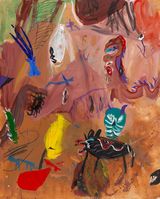
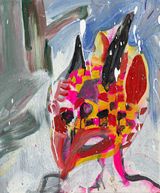
ShanghART Beijing is pleased to present Pre-Painting, a solo exhibition by Xiao Kegang, curated by Lu Mingjun, on 12 April 2025. The exhibition focuses on Xiao Kegang’s new works from recent years. In these works, the artist abstractly translates regional cultures and transforms frozen symbols into fluid emotional carriers. Through the study of content, material and technique, Xiao Kegang has established his own pictorial language through constant dissolution and destructive regeneration.
Expressionism has always been the foundation of Xiao Kegang’s painting. In his early years, he was deeply influenced by German and German-influenced artists such as Georg Baselitz and Frank Auerbach. But Xiao was never content to stop there. Over a decade ago, he cultivated a fascination with early Renaissance painters such as Giotto, Masaccio, and Fra Angelico, attempting to spark new possibilities through the clash between their classical languages and expressionist impulses. He later turned his attention to traditional Chinese landscape painting, only to realise that the elegance and transcendence of the literati tradition could never fully accommodate the wild will of expressionism. It wasn’t until a return to his hometown of Xichang that a moment of clarity arrived—when he encountered a body of folk paintings and sculptures created by the Yi people of Liangshan. It would be more accurate to say that he saw not signs of expressionism in these primal symbols, but that he discovered within expressionism the totems and rituals of the Yi mountain communities.
This collision of two primordial forces gave rise to a renewed understanding—and a new uncertainty—about painting: could there be such a thing as ‘pre-painting’? To explore this question, Xiao revisited the history of prehistoric art, seeking a broader context in which to frame a form of ‘ethnographic painting’—one that is not strictly local, nor entirely Western, but situated in the space between. What draws him is not the original function of primitive painting or sculpture, but the energy released through their forms, compositions, and lines—a power rooted in pre-civilised innocence and the beauty of the untamed. To access this force, Xiao began to work with local woodcarving, ceramics, and other traditional media, imagining how one might draw or carve in a time before any modern techniques or conceptual frameworks existed. How might this approach—this experience—reverberate back into contemporary art practice?
The outcome is manifest in the recurring motifs that populate his canvases, as well as in the will and force embedded in every brushstroke. It is important to note that there is no definitive set of criteria for evaluating primitive or prehistoric art, despite their longstanding presence in the discourse of art history. Nor is there a ready-made standard by which to evaluate Xiao Kegang’s work. After all, conventions and criteria are constructs of art history itself—even the terms ‘painting’ and ‘fine art’ are historical inventions. But Xiao Kegang places little faith in art history. That is why this exhibition is titled Pre-Painting. It is not just an escape from the noise of the world, but an intentional break from the paradigms of art history—a continuous return to the raw, original state of painting.
Curated by Lu Mingjun | ShanghART
ShanghART gallery was initiated in 1996 in Shanghai. It has since grown to become one of China’s most influential art institutions and a vital resource to the development of contemporary art in China with two spaces in 50 Moganshan Road (Main Space and H-Space), a public warehouse space in West of Shanghai (ShanghART Taopu), and a gallery space in Beijing and representing over 40 artists.
Being recognized for its importance ShanghART became the initial gallery from China participating in major international art fairs like Art Basel and Fiac, Paris. ShanghART gallery also enjoys the great respect of being among the 75 most influencial galleries selected in Thames & Hudson’s publication ‘International Art Galleries: Post-war to Post-millennium.’
A respected voice in contemporary art discourse.
Focusing on ambitious storytelling and insightful art-world commentary. Ocula Magazine publishes in-depth interviews, critical essays and timely analysis on the artists, exhibitions and ideas driving the global art world.
Learn more about Ocula Magazine
Showcasing the best of the art world.
Ocula partners with galleries from around the world to highlight their artists, artworks and exhibitions. Gallery membership is by application and invitation, with each member vetted by an independent panel.
Learn more about Ocula Membership

Specialises in the sale of major artworks.
Led by a team with deep ties to the world’s leading auction houses, galleries and collectors. Ocula’s advisory team offers bespoke services to high-net-worth clients from around the world who are looking to acquire the best of contemporary and modern art.
Learn more about our team and services