For everyone, everywhere, there are memories and history unique to that person and place.
The work of London-based photographer Tomoko Yoneda begins with research. One of her most important workspaces is the British Library, where she makes careful studies of subjects of interest. She then visits places where the presences of historical figures or events remain strong, and captures them in photographs that convey historical truths. Through this unique approach, she has gained renown for an elegant body of work marked by intellectual clarity and contemporaneity, whether in black and white or colour.
The list of places Yoneda has visited thus far is astonishing. It includes Estonia, which gained independence just before the collapse of the Soviet Union, and Hungary, where a thrilling sense of freedom was in the air after the country’s return to the European community following the Soviet collapse (After the Thaw, 2004); the Hanshin area (between Osaka and Kobe), where Yoneda grew up, which suffered devastating damage in the 1995 Great Hanshin-Awaji Earthquake (A Decade After, 1995/2004); an industrial area in Italy that had been a stronghold of underground resistance (The city rises, 2006); Northern Ireland, where there had been bitter division between the Catholic and Protestant communities (One plus one, 2007); various sites in Japan where documents show the secret agent Richard Sorge secretly met with associates (The parallel lives of others, 2008); sites related to the independence movement in Bangladesh (Rivers become oceans, 2008); a building in Seoul that had been a hospital under Imperial Japanese rule and later became a military police headquarters (Kimusa, 2009); Japanese-style houses from the Japanese colonial era remaining in various locations in Taipei (Japanese House, 2010); Fukushima, Hiroshima, and Tokyo as key sites for reexamining the wounds and memories of the modern Japanese people with a focus on the 2011 Great East Japan Earthquake (Cumulus, 2011-12); an island north of Japan, which the Empire of Japan and the Soviet Union had divided between them (The Island of Sakhalin, 2012); and the demilitarised zone extending across the Korean Peninsula between North and South (DMZ, 2015).
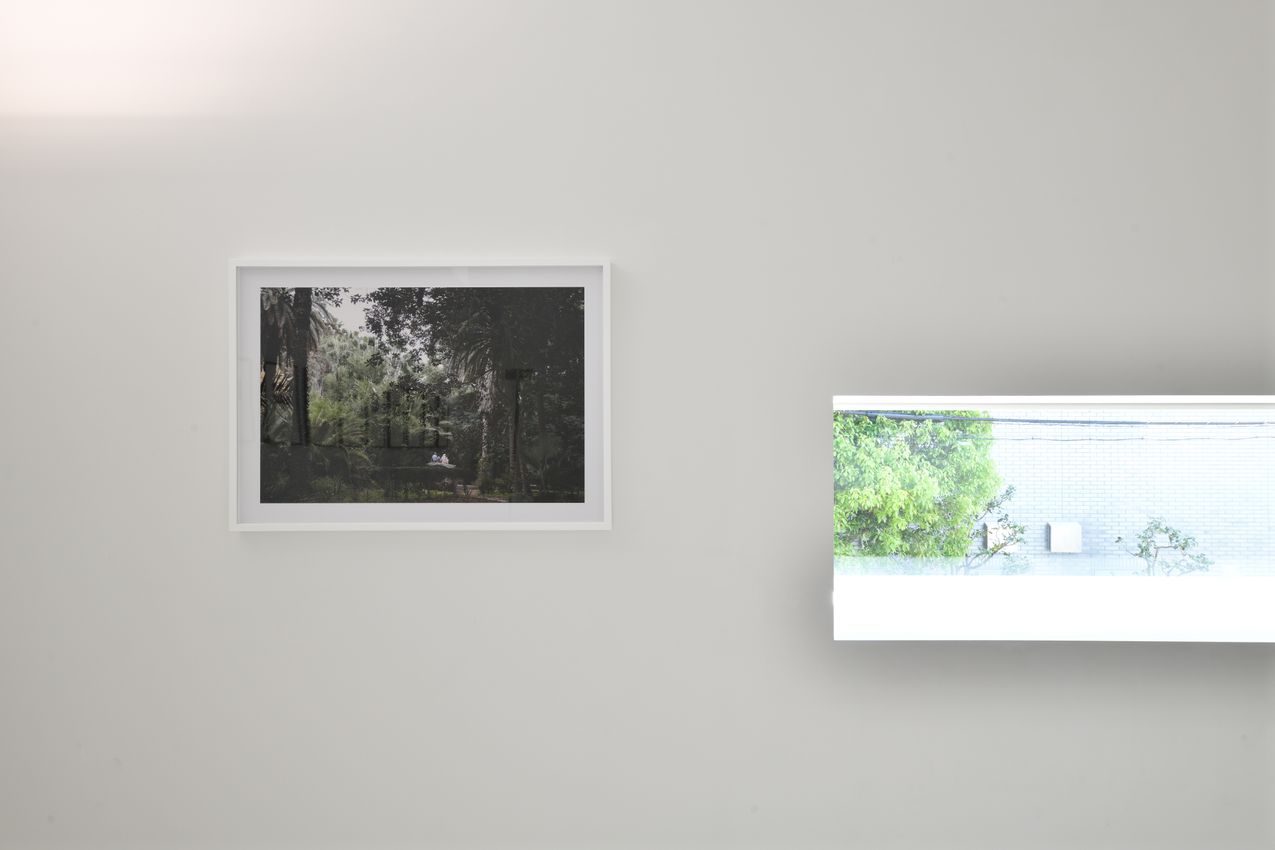
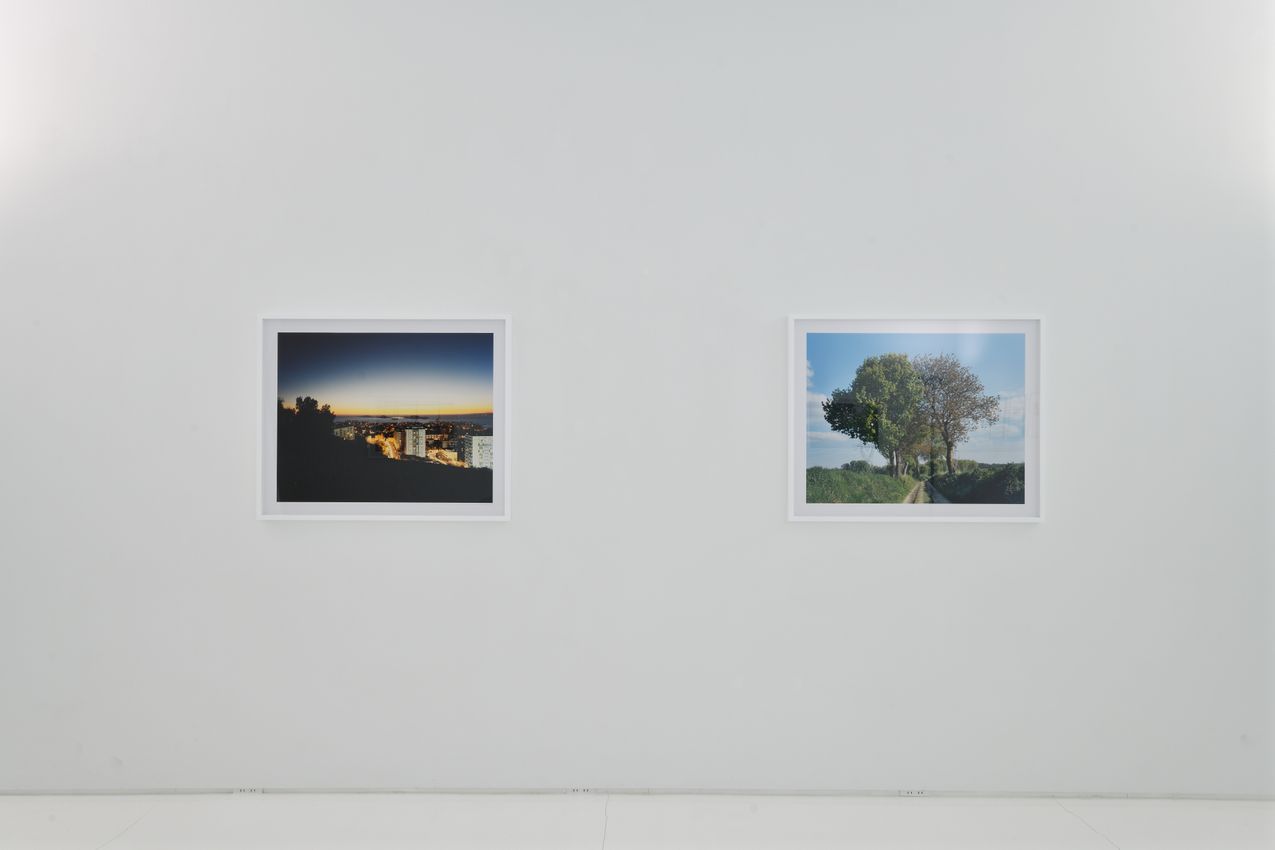
For all these series, Yoneda visited the places and photographed them herself. For the Scene series, ongoing since 1998, she visited Asia, Europe and the Middle East and transformed the history engraved on those places and the memories of their people, not visible in the peaceful scenery, into works of art.
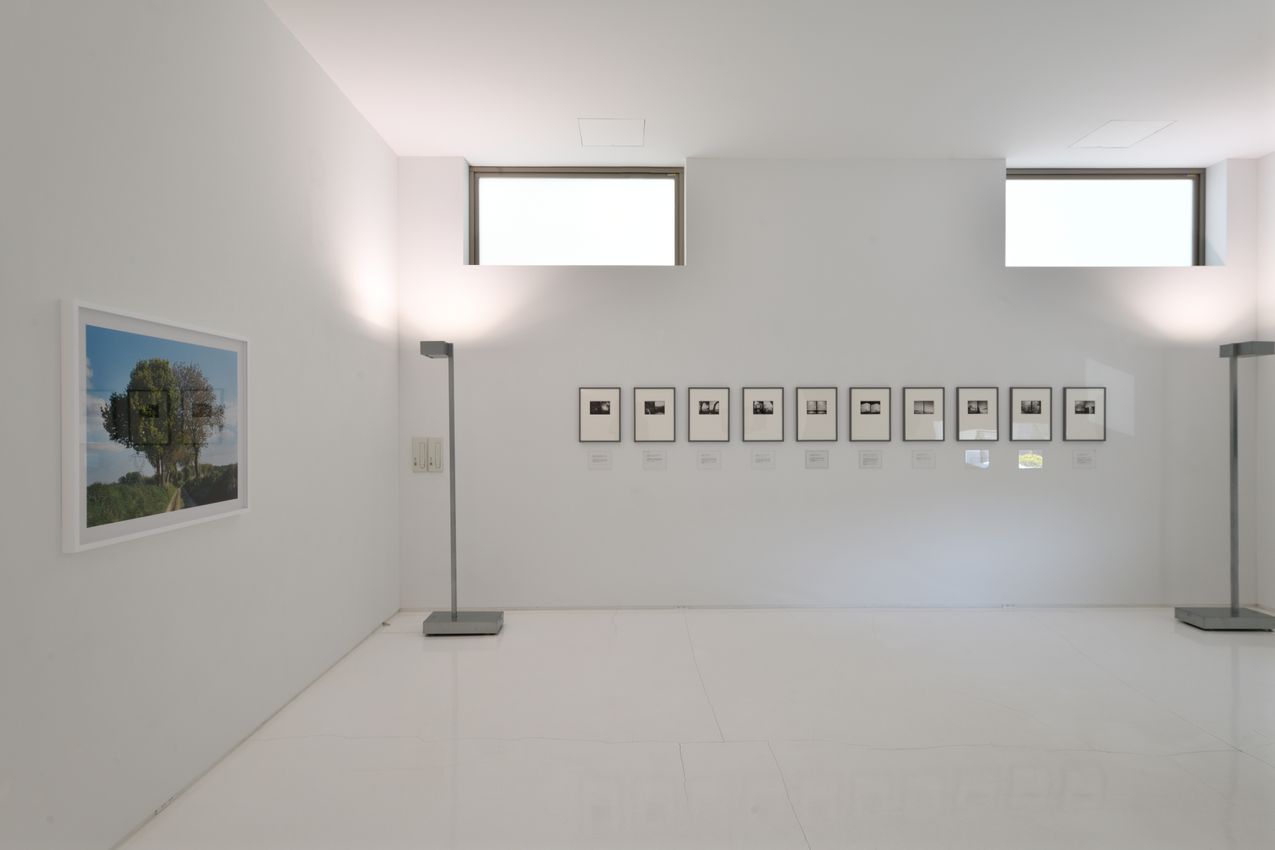
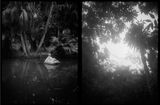
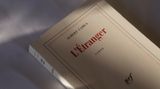
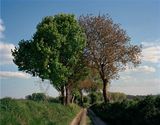
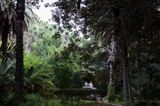
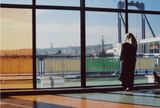
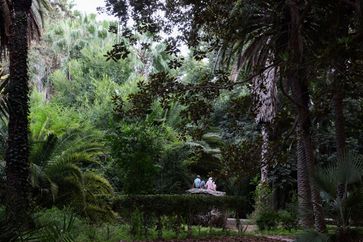
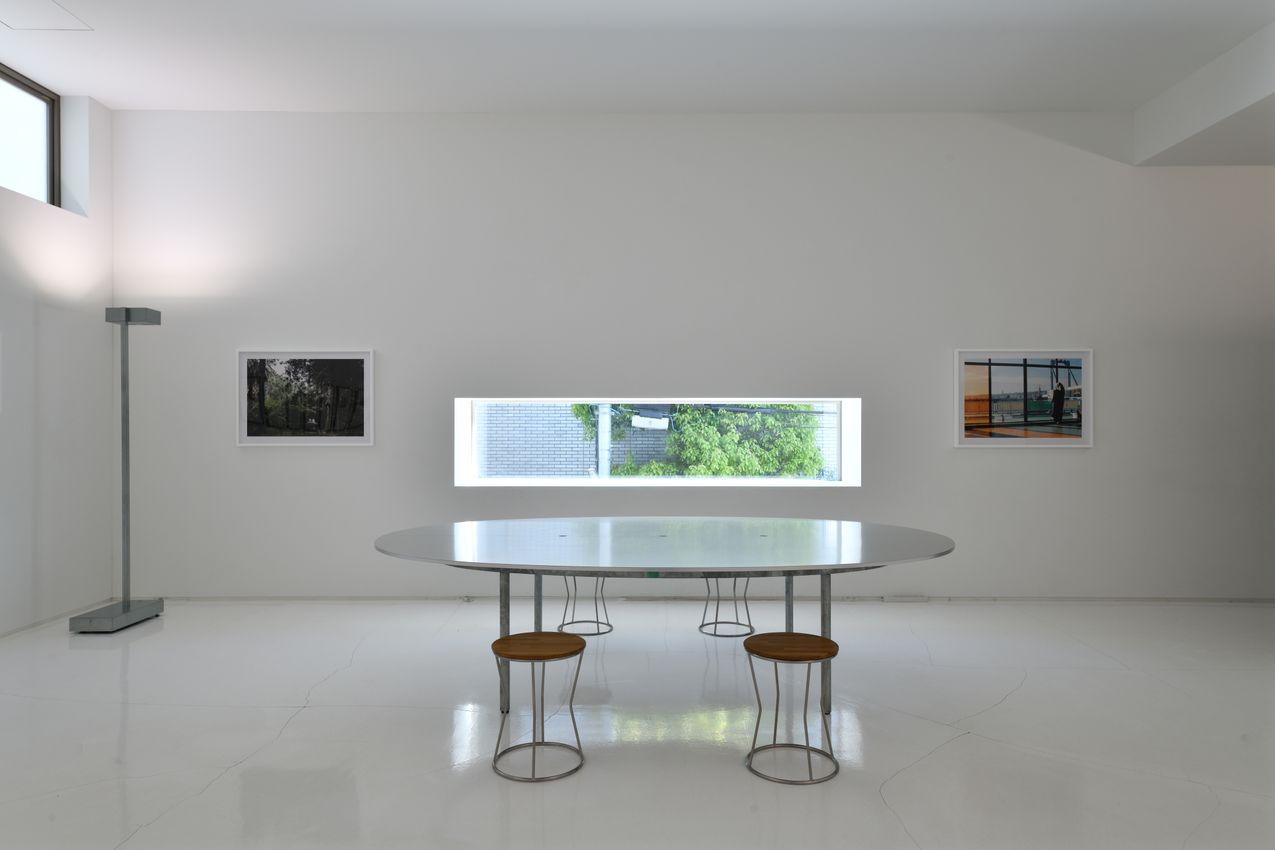
In this exhibition she presents Dialogue with Albert Camus (2017-18), which traces the story of Camus, author of The Stranger and The Plague and one of the 20th century’s most famous novelists.
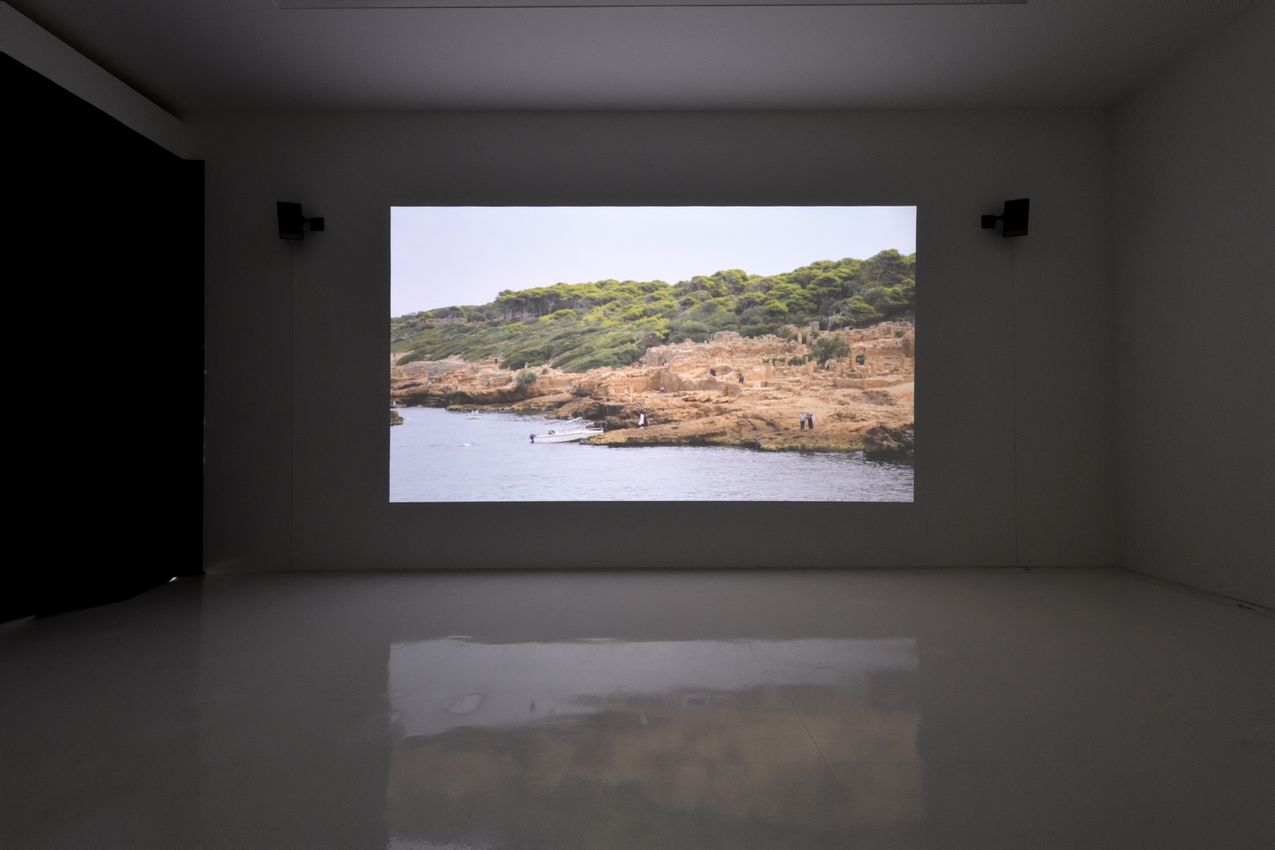
Camus was born in 1913 to a French family in colonial Algeria, lived through many hardships during a chaotic period that included two world wars, discrimination and political turmoil related to France’s colonial policies, and the Algerian War of Independence, and in his books repeatedly explored the question of how we should live in a world steeped in violence and absurdity. Yoneda felt the importance of re-examining the author’s writings, their historical background, and the life he lived, and travelled to Algeria and France to trace his footsteps. She took as a starting point Camus’s father, who died in 1914 fighting in France during World War I, and the journey led her to Algeria, Tipasa, Marseille, Paris and elsewhere as she observed and photographed the author’s world through her own eyes and camera lens. In his essay Neither Victims nor Executioners, published after World War II, Camus states that we should be neither, and the current work conveys Yoneda’s belief that today, more than half a century after this short essay was published, Camus’s declaration is timelier and more meaningful than ever.
This series is being presented in Tokyo for the first time, after debuting in spring 2018 at the Japan Cultural Institute in Paris and appearing in the Shanghai Biennale (2018-2019). The body of work has been reconfigured for this exhibition, and will appear along with a video piece incorporating a sound installation by prominent Finnish contemporary composer Tomi Räisänen, as well as the platinum print work CORRESPONDENCE—Letter to a Friend (2017-18), produced in cooperation with the photographic publishing house amanasalto.
The exhibition was made possible with the kind support of the Japan Cultural Institute in Paris, and of Aomi Okabe, who curated the exhibition there and contributed important research. We would like to take this opportunity to express our deepest gratitude. At the opening on April 13th, there will be a dialogue between Okabe and Yoneda.
Born in Hyogo, Japan, in 1965. Lives and works in London. In 1991, she received MA in Photography from Royal College of Art in London. Yoneda continues making works projecting the memories and history associated with places and things.

ShugoArts, established by Shugo Satani in 2000, values its locality, selects its artists regardless of their time and place, and sends out its activities from Tokyo.
Today, it has gotten much easier to appreciate various artworks of all times and places and their meanings, as well as spaces exhibiting artworks, need to be redefined, including contemporary art galleries. ShugoArts prioritises how to realise artists’ own growth as artists or make the most of their accomplishments. In order to nurture their abilities and possibilities, we provide our space for artists to express themselves freely and follow their artistic journeys side by side. Under any circumstances, our mission is to work and grow together with artists who ceaselessly create artworks, which shine a light on life and give it validation.
ShugoArts holds about 7 exhibitions a year and participates in national and international art fairs while simultaneously managing commissions for public spaces and organising performance and talk events. In addition, we also would like to be a part of art histories at large by creating invaluable archives and assisting art institutions.

A respected voice in contemporary art discourse.
Focusing on ambitious storytelling and insightful art-world commentary. Ocula Magazine publishes in-depth interviews, critical essays and timely analysis on the artists, exhibitions and ideas driving the global art world.
Learn more about Ocula Magazine
Showcasing the best of the art world.
Ocula partners with galleries from around the world to highlight their artists, artworks and exhibitions. Gallery membership is by application and invitation, with each member vetted by an independent panel.
Learn more about Ocula Membership

Specialises in the sale of major artworks.
Led by a team with deep ties to the world’s leading auction houses, galleries and collectors. Ocula’s advisory team offers bespoke services to high-net-worth clients from around the world who are looking to acquire the best of contemporary and modern art.
Learn more about our team and services