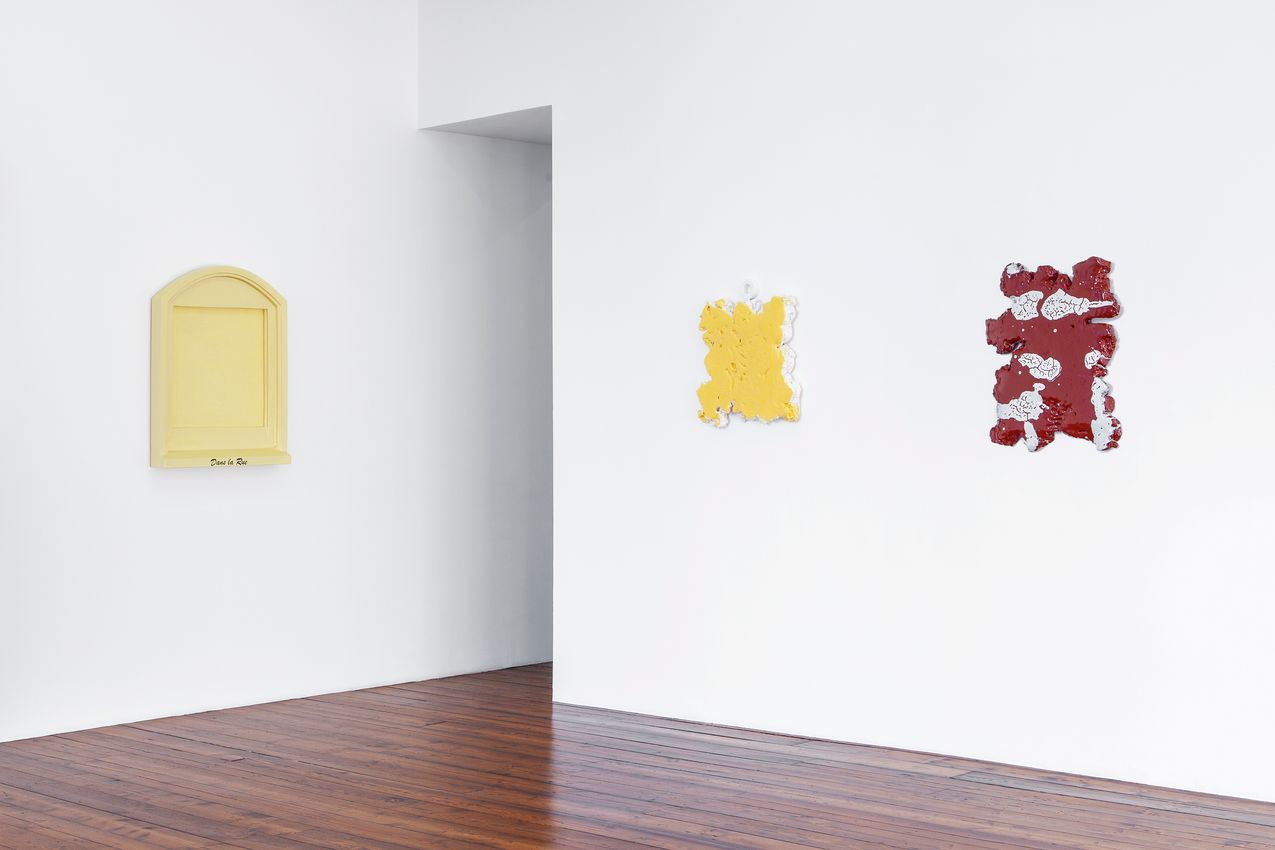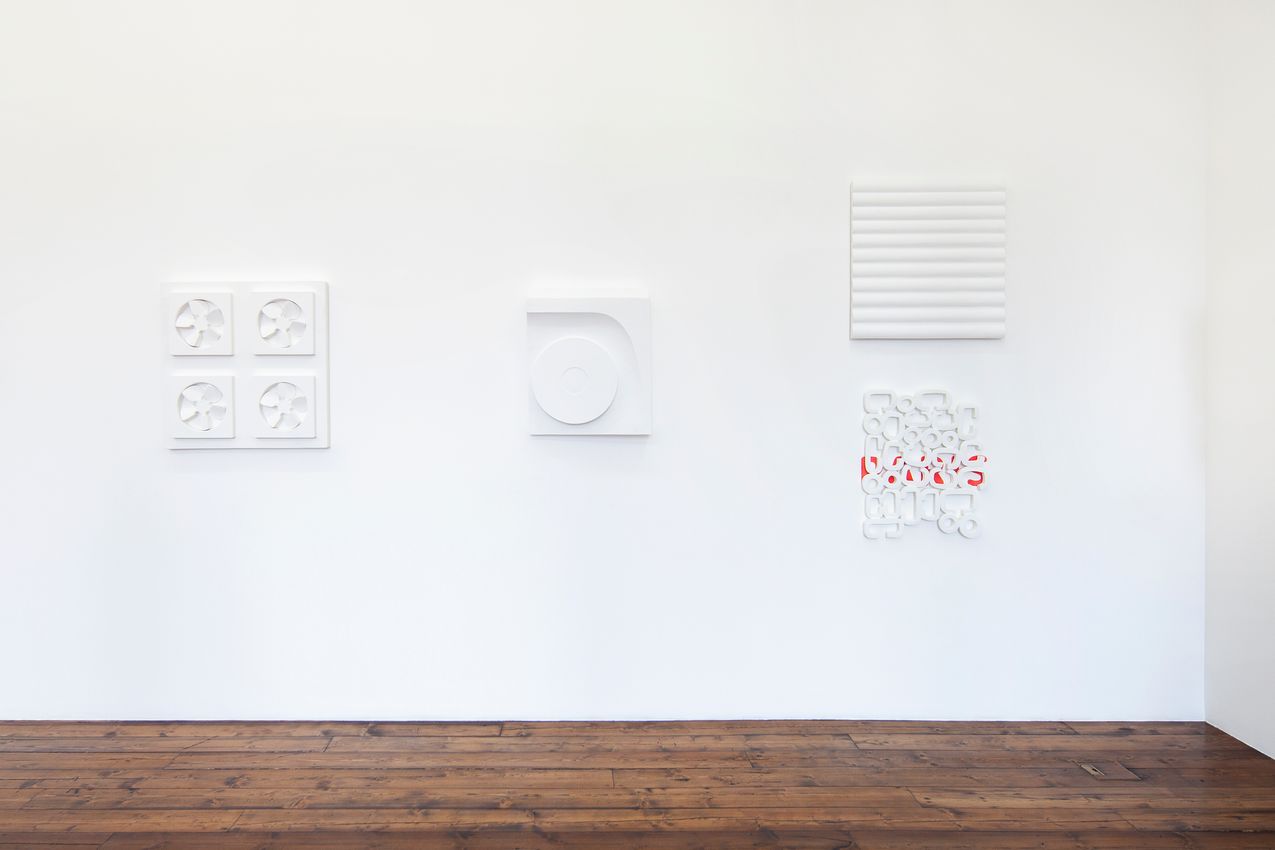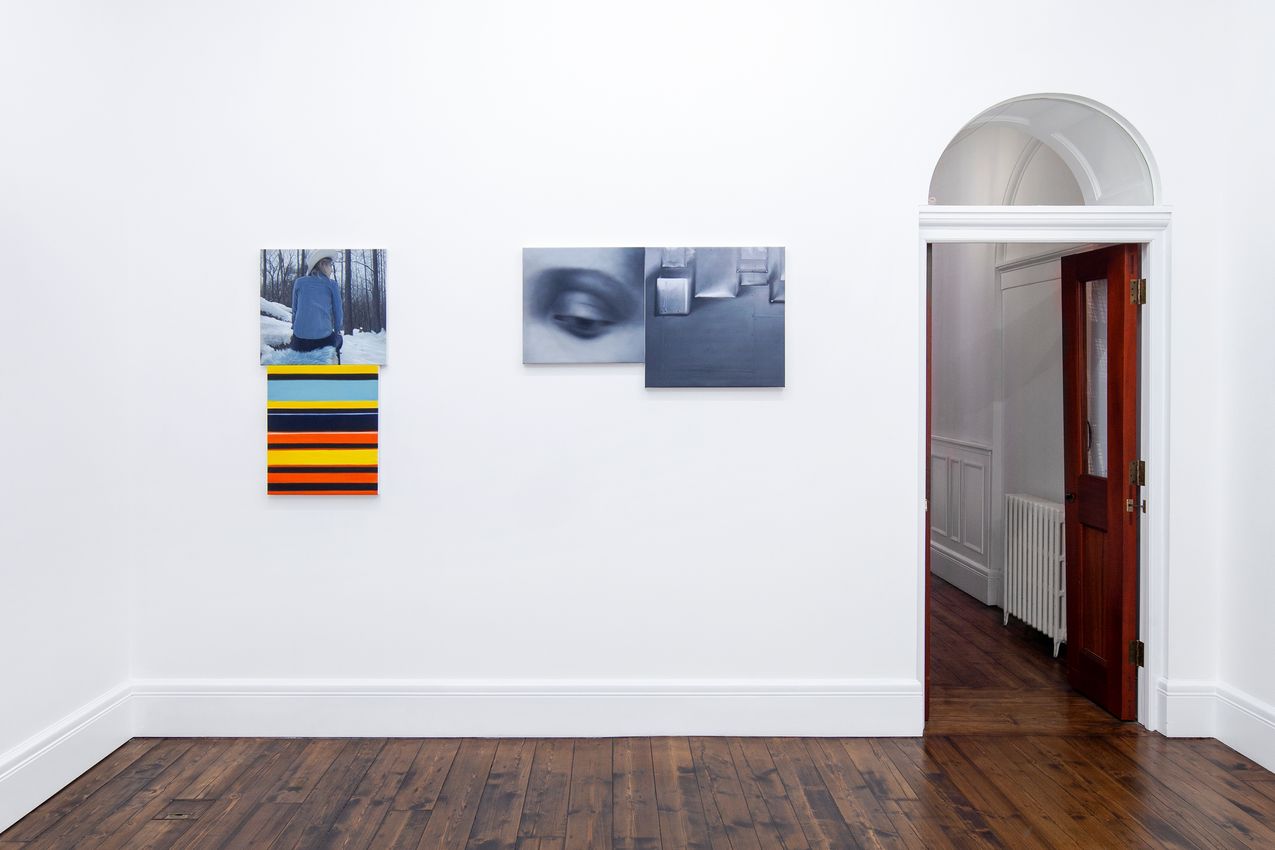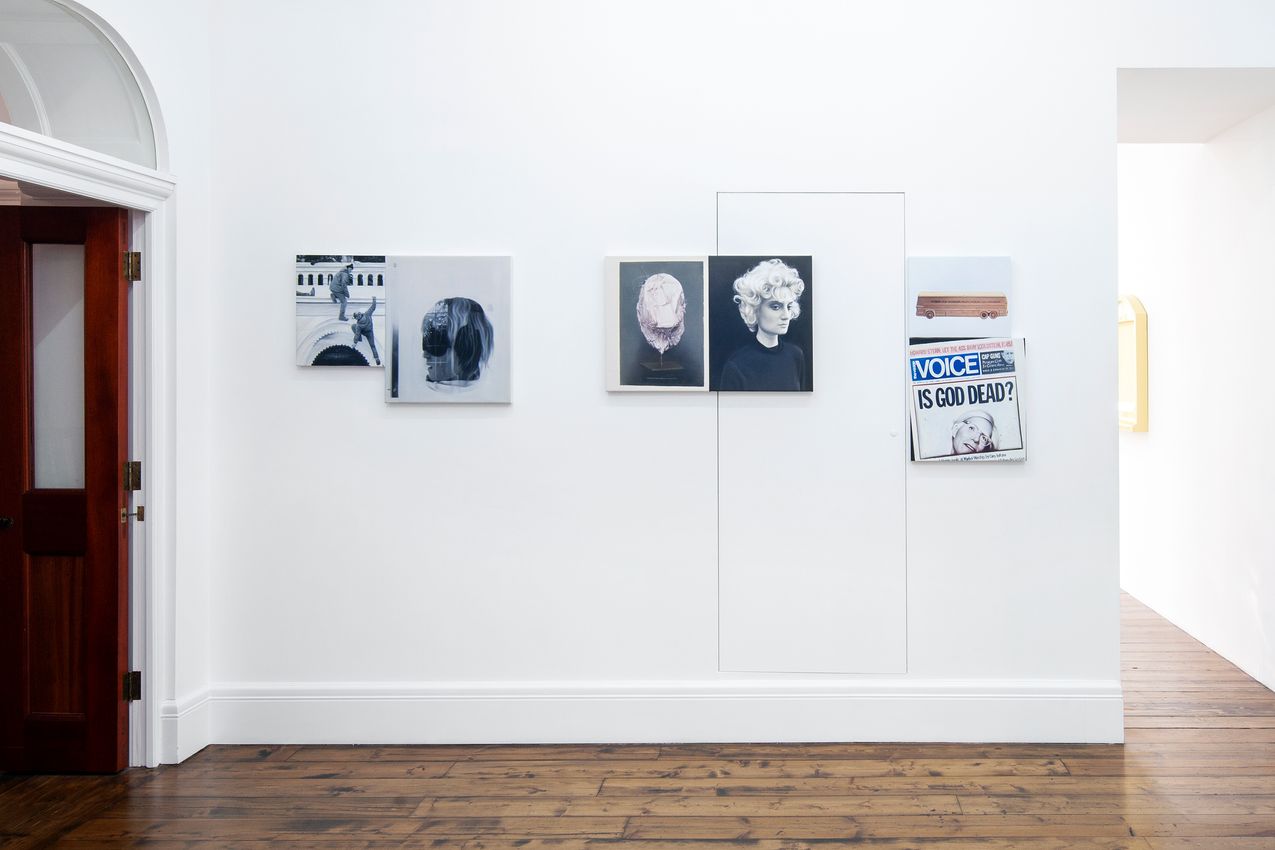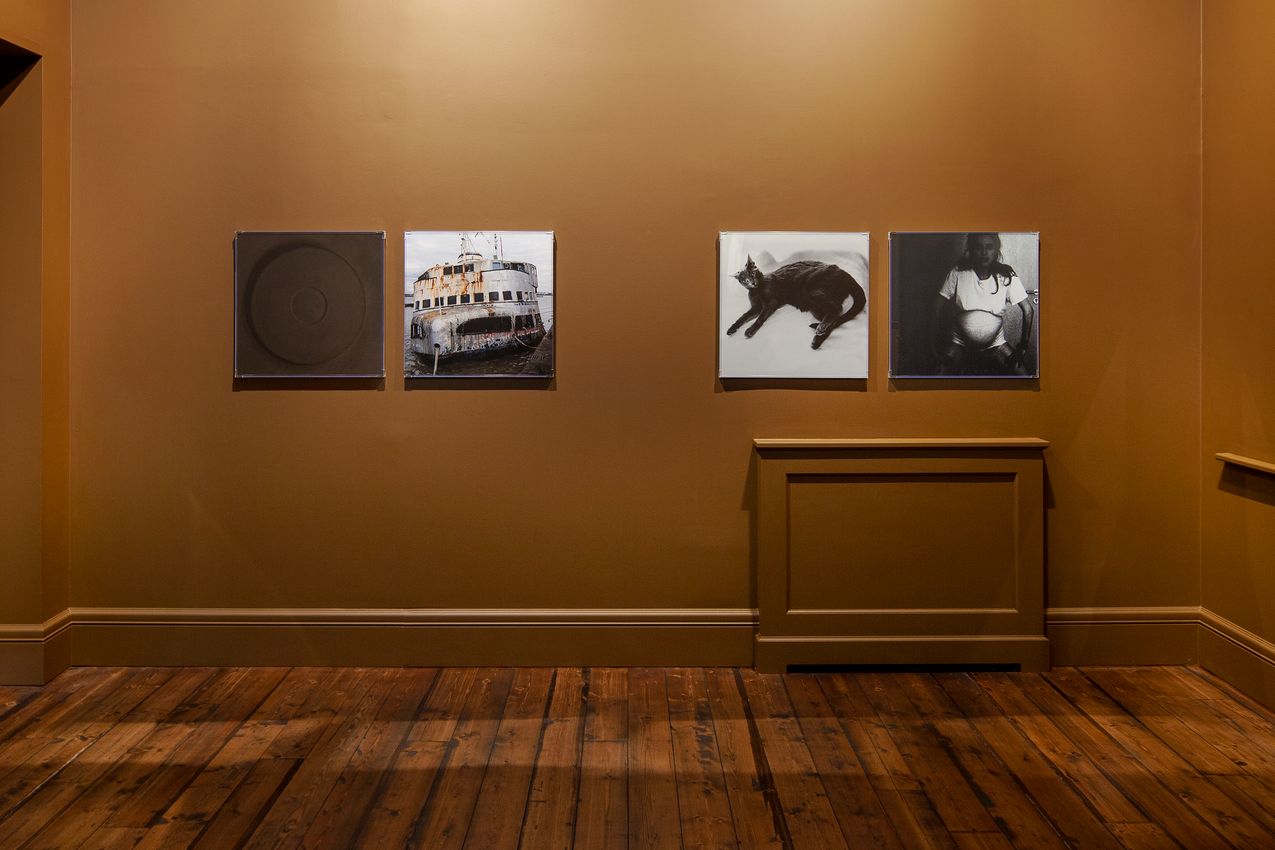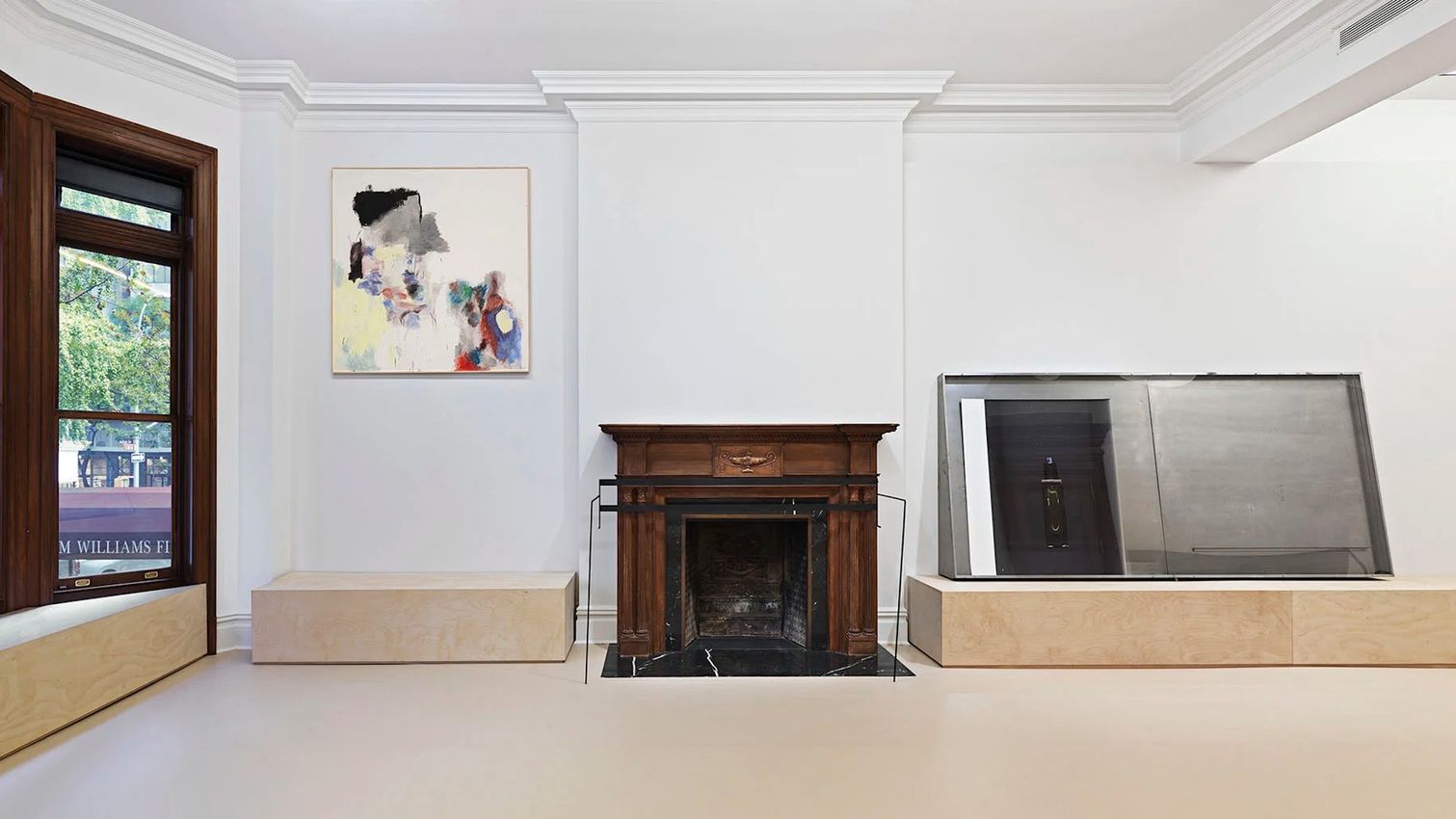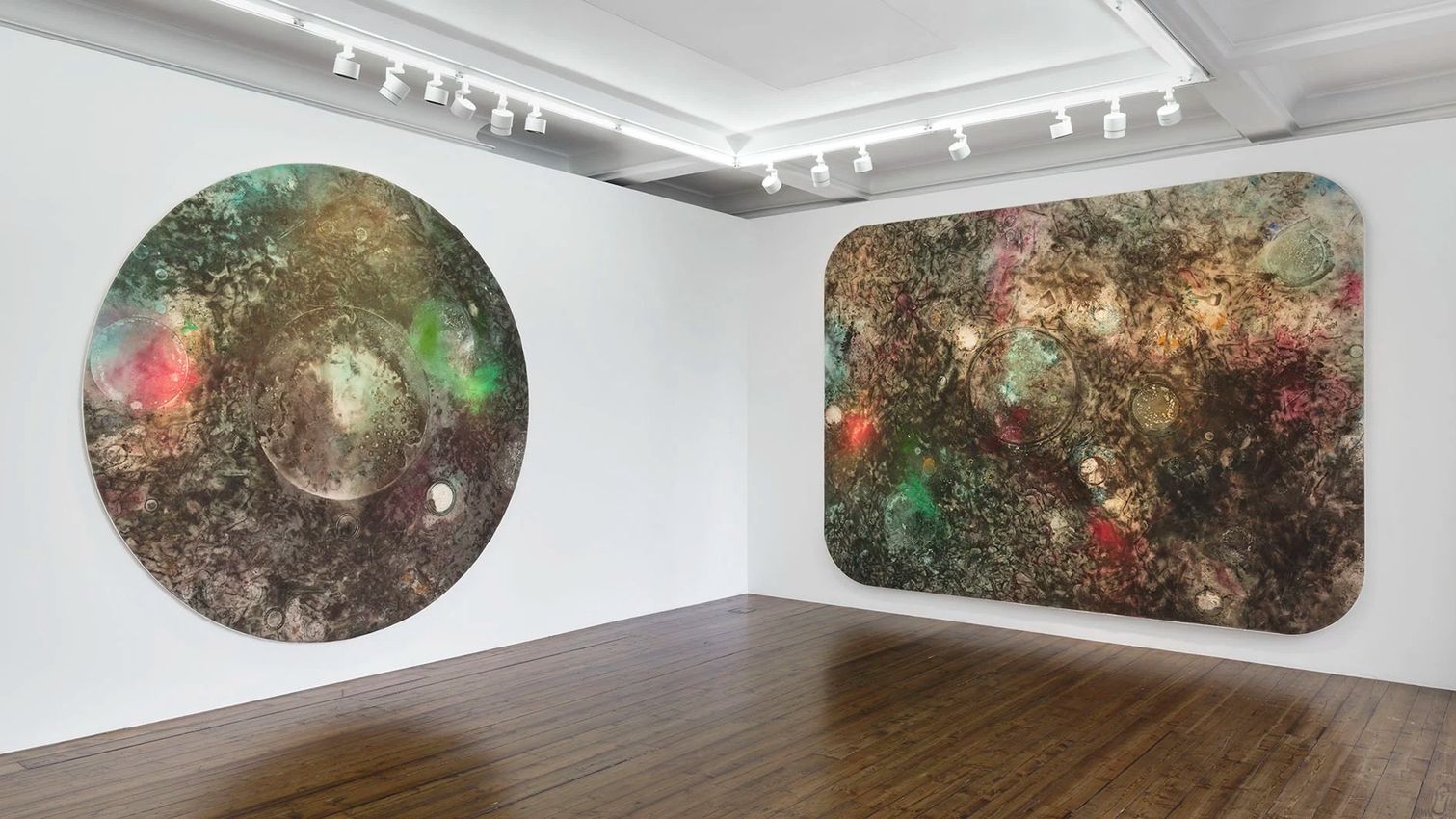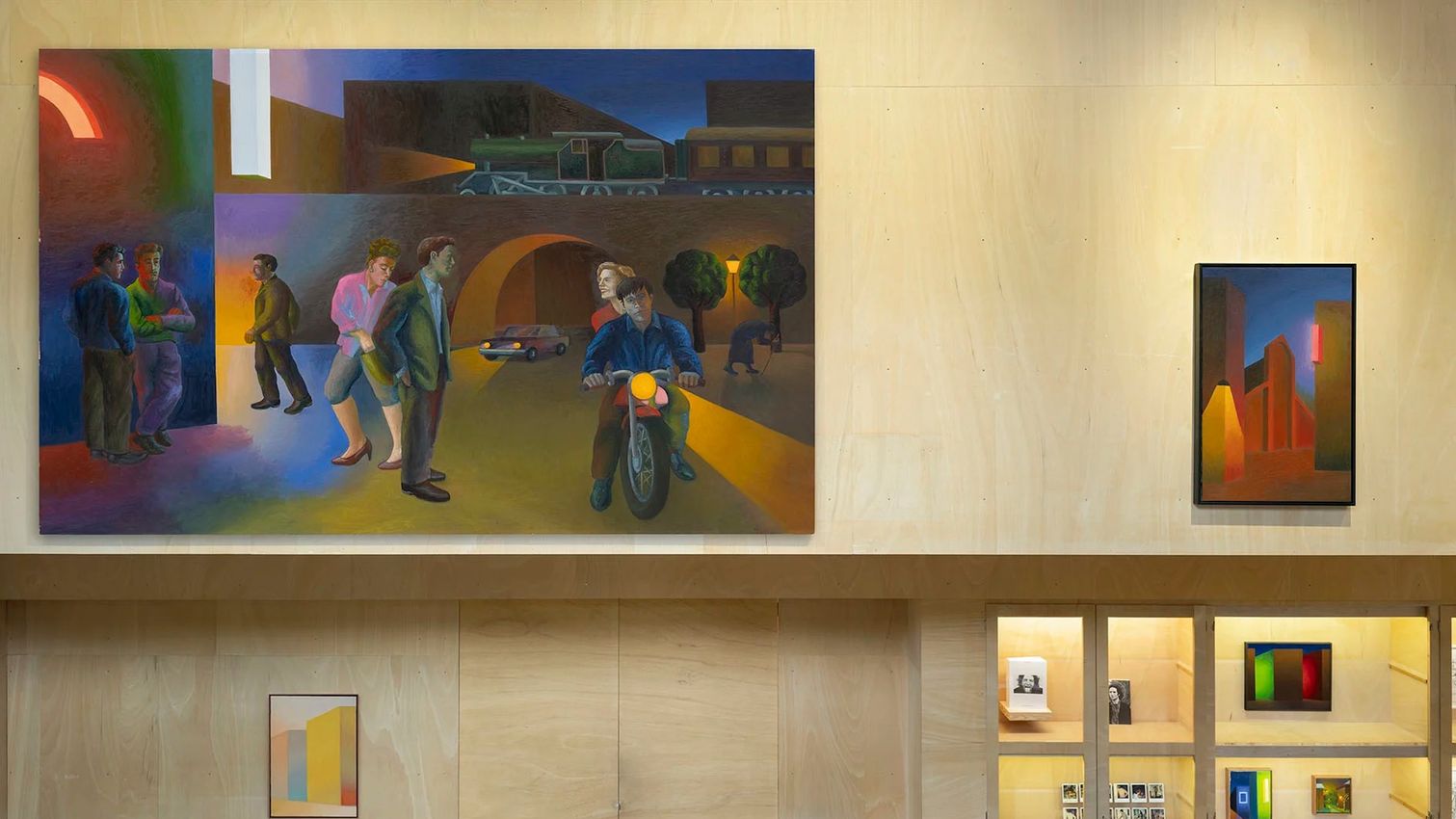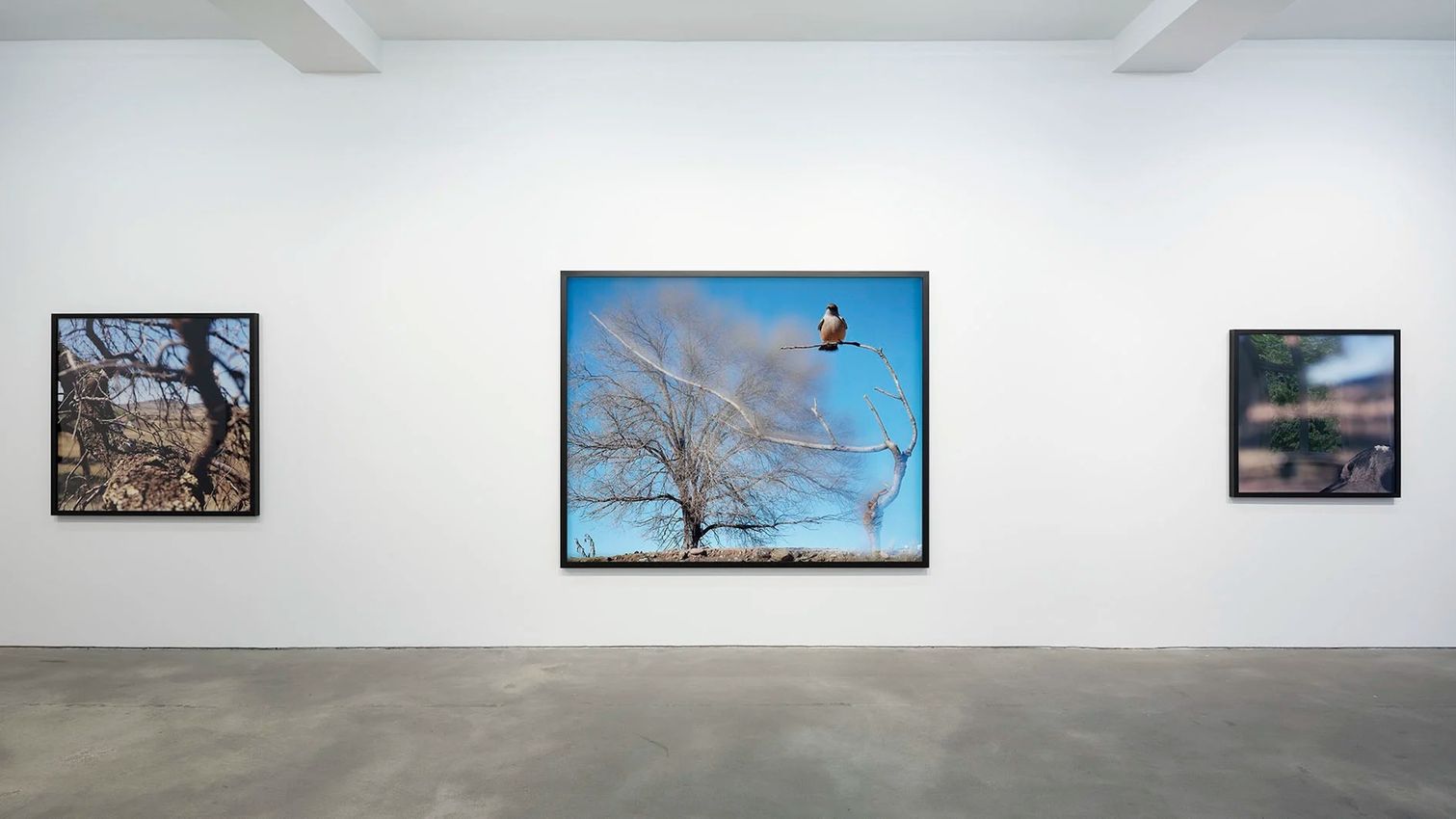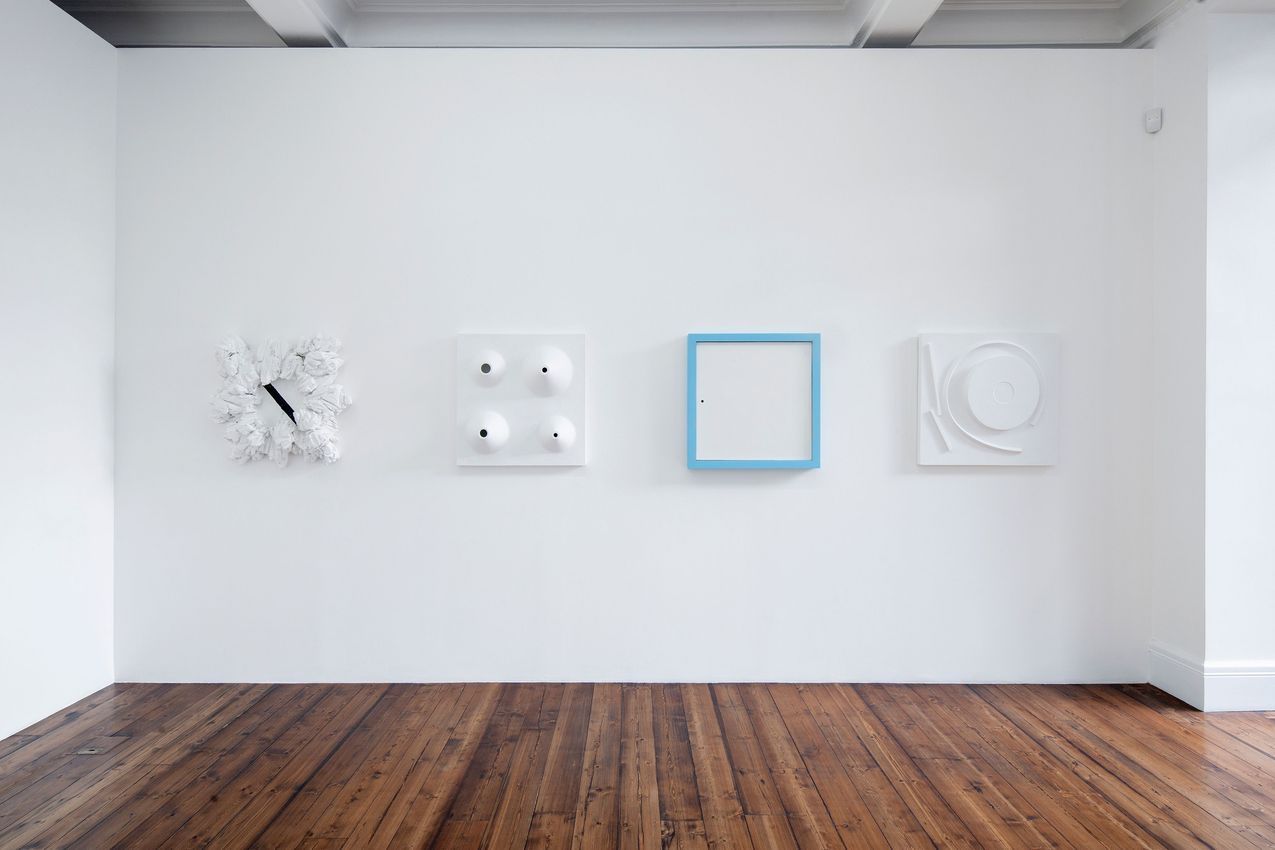
Monika Sprüth and Philomene Magers are delighted to announce Why gravel, Ms. Smith?, a solo exhibition of new works by Rosemarie Trockel at Sprüth Magers, London. On view are new and recent ceramic works, a previously unseen Cluster consisting of digitally reconfigured photographs, as well as two new variants of key themes and forms, including the debut of a series consisting of oil paintings based on her photographic images.
Through her multifaceted practice, Trockel investigates questions that emerge from artistic processes as well as societal issues, one such example being her reinterpretation of ‘feminine’ techniques and crafts, such as ceramics. In this exhibition, a series of ceramic works demonstrate her range from amorphous to definite objects: some allude to organic shapes found in nature or resemble mirror-like objects while others are structured forms cast in mold reliefs. They deny metaphorical descriptions and obvious interpretations. This is reinforced through her consistent use of matte white paint that attempts to further impede possible associations.
In her large-scale Clusters, Trockel revisits and samples several of her previous works from various times and contexts by making each grouping a unique work full of contradiction. CLUSTER VI: Door Ajar consists of 14 digitally reconfigured photographs, including snapshots taken by the artist with her iPhone, a number of staged or digitally manipulated images as well as reconfigurations of her own works since the early 1980s. As a multilayered and seemingly disconnected world of images, the work brings to light the ways we organise thoughts, memories, and ideas, while revealing our inherent drive to impose order on disorder. In front of Cluster VI, the abstract sofa-sculpture Device (2015) is part of a body of work that takes inspiration from pieces of furniture; a selection of prints is displayed on it.
In the exhibition, a new variation of her sampling is presented as a series of smaller, square prints framed in plexiglass. Key themes and forms also appear in another new body of work of oil-on-canvas paintings–the first time her images are rendered in this medium. Emphasising the serial approach of her practice, the compositions demonstrate how integral variations are within Trockel’s oeuvre which is fuelled both materially and conceptually by a constant process of collecting, overwriting, and re-ordering. She regards the artwork as an unstable aggregate of form and concept, deploying this radical instability to dismantle a range of cultural categories, rules, and dogmas.
Rosemarie Trockel (*1952, Schwerte) lives and works in Cologne, Germany. Her first exhibitions took place at the galleries Monika Sprüth Cologne and Philomene Magers Bonn, both in 1983. Recent solo shows include Moderna Museet Malmö (2018/19), Pinacoteca Giovanni e Marella Agnelli in Torino (2016), Kunsthaus Bregenz (2015), travelling exhibition at Museo National Centro de Arte Reina Sofia, Madrid, at the New Museum New York and Serpentine Gallery, London (2012/2013) and Wiels Brussels, Culturegest Lisboa, Lisbon and Museion Bozen, Bolzano (2012/2013). Her 2005 retrospective Post-Menopause took place at the Museum Ludwig Köln, Cologne and at Maxxi, Rome. In 1999 she became the first female artist to represent Germany at the Venice Biennial, and in 1997 she took part in the documenta X at Kassel.
Rosemarie Trockel has always used a diverse range of genres and media in her work, from sculpture and drawing to collage, photography, video, and installation. She also uses a variety of materials, not least wool, with all its socially charged meanings. Her deep engagement and experiments with wool over many years have allowed Trockel to attain great freedom in her handling of the medium.
Sprüth Magers has expanded from its roots in Cologne (Germany) to become an international gallery dedicated to exhibiting the very best in groundbreaking modern and contemporary art. With galleries located in Berlin Mitte, London’s Mayfair and the Miracle Mile in Los Angeles–as well as an office in Cologne and an outpost in Hong Kong–Sprüth Magers retains close ties with the studios and communities of the German and American artists who form the core of its roster.

A respected voice in contemporary art discourse.
Focusing on ambitious storytelling and insightful art-world commentary. Ocula Magazine publishes in-depth interviews, critical essays and timely analysis on the artists, exhibitions and ideas driving the global art world.
Learn more about Ocula Magazine
Showcasing the best of the art world.
Ocula partners with galleries from around the world to highlight their artists, artworks and exhibitions. Gallery membership is by application and invitation, with each member vetted by an independent panel.
Learn more about Ocula Membership

Specialises in the sale of major artworks.
Led by a team with deep ties to the world’s leading auction houses, galleries and collectors. Ocula’s advisory team offers bespoke services to high-net-worth clients from around the world who are looking to acquire the best of contemporary and modern art.
Learn more about our team and services