Press Release

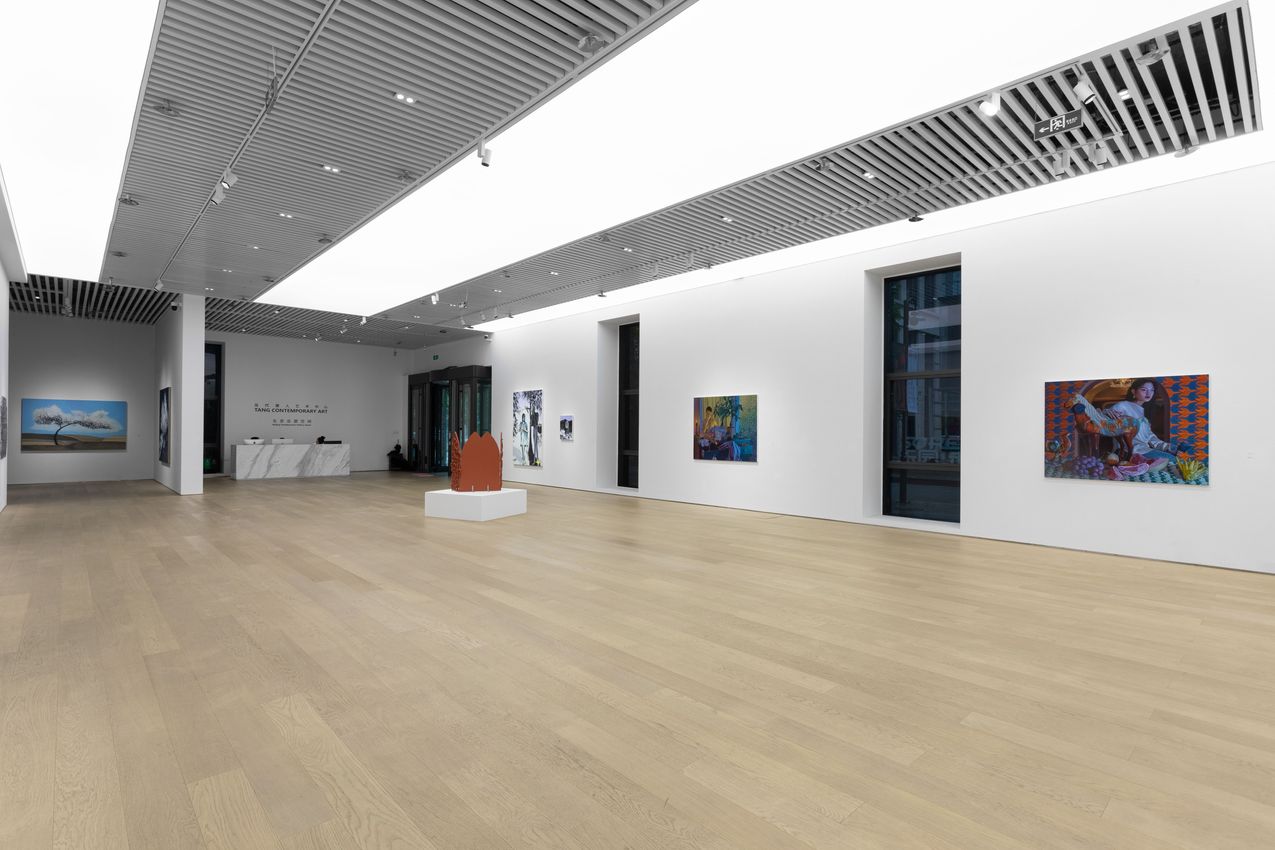
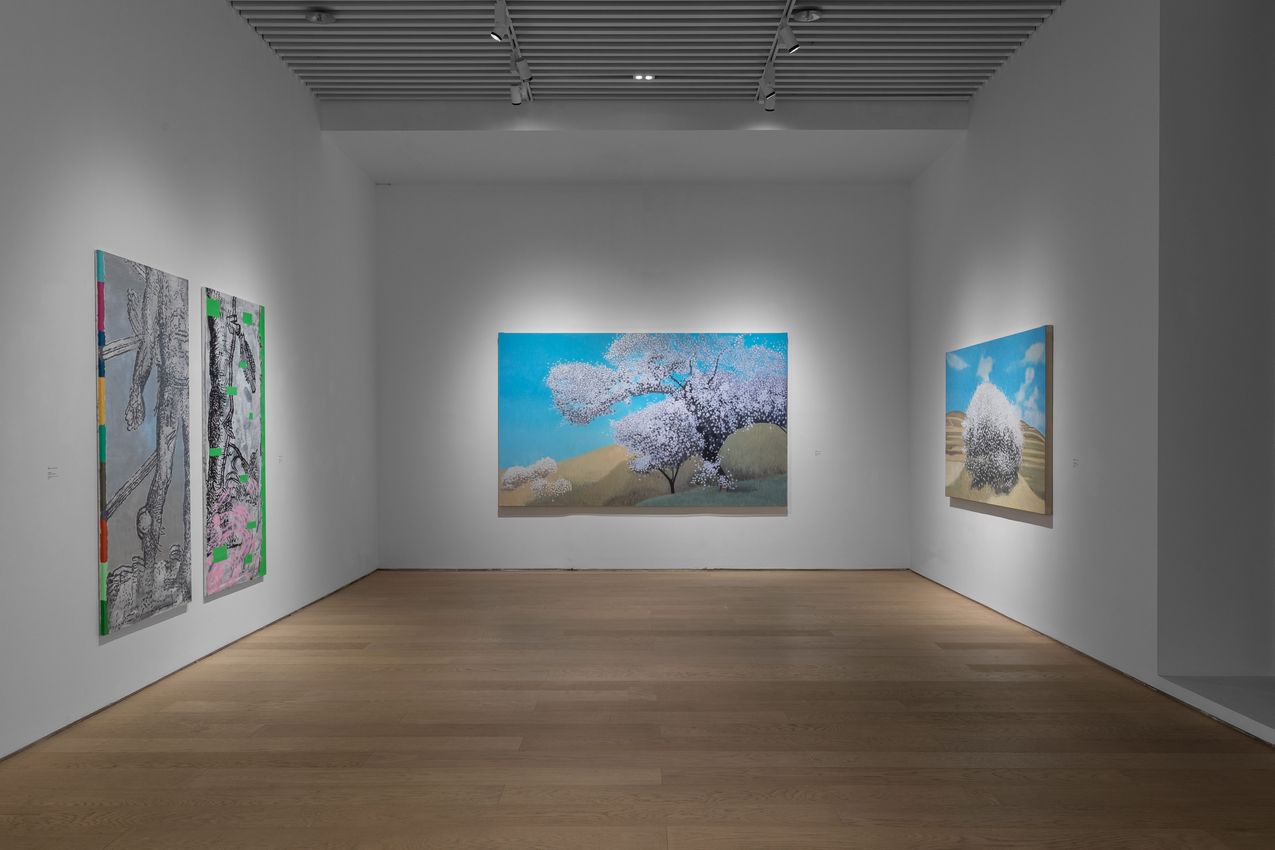
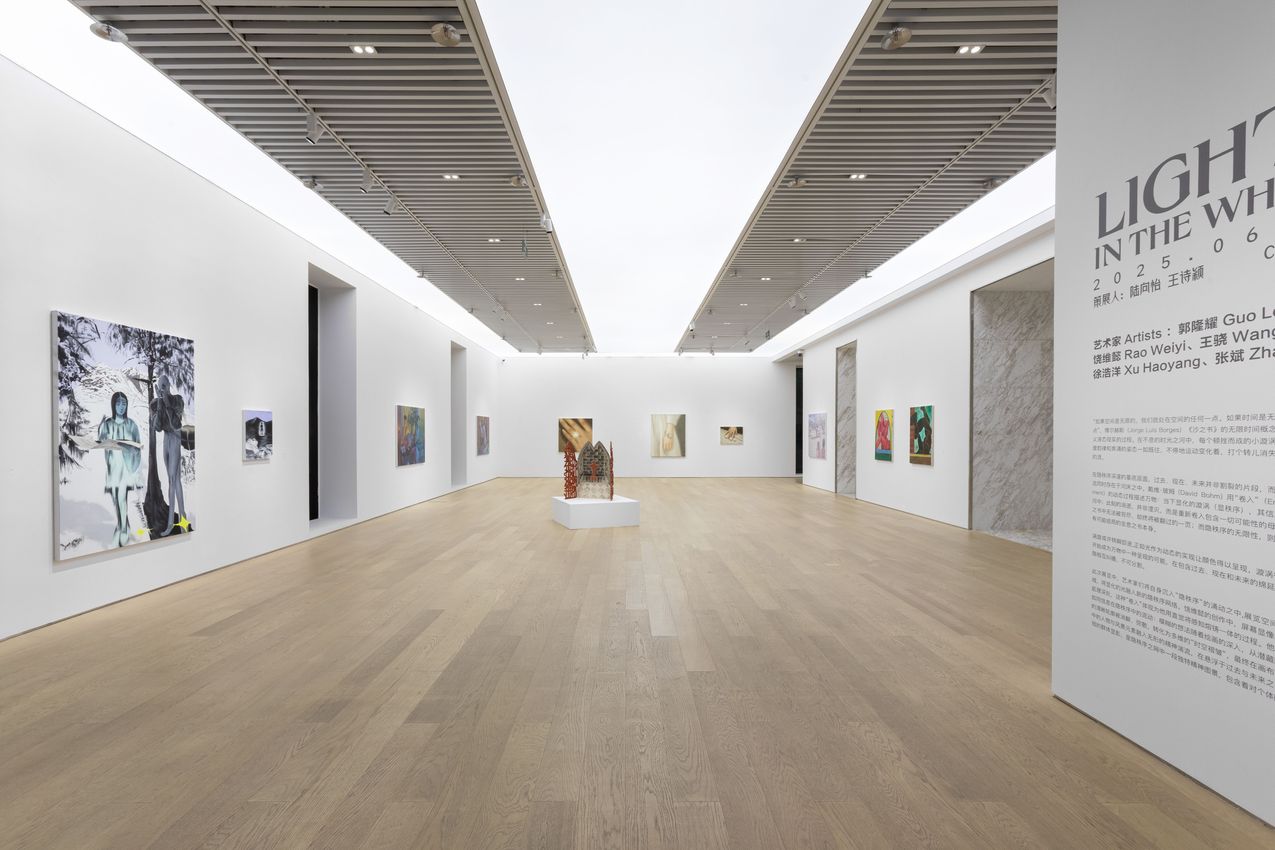
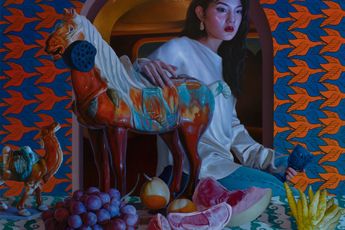
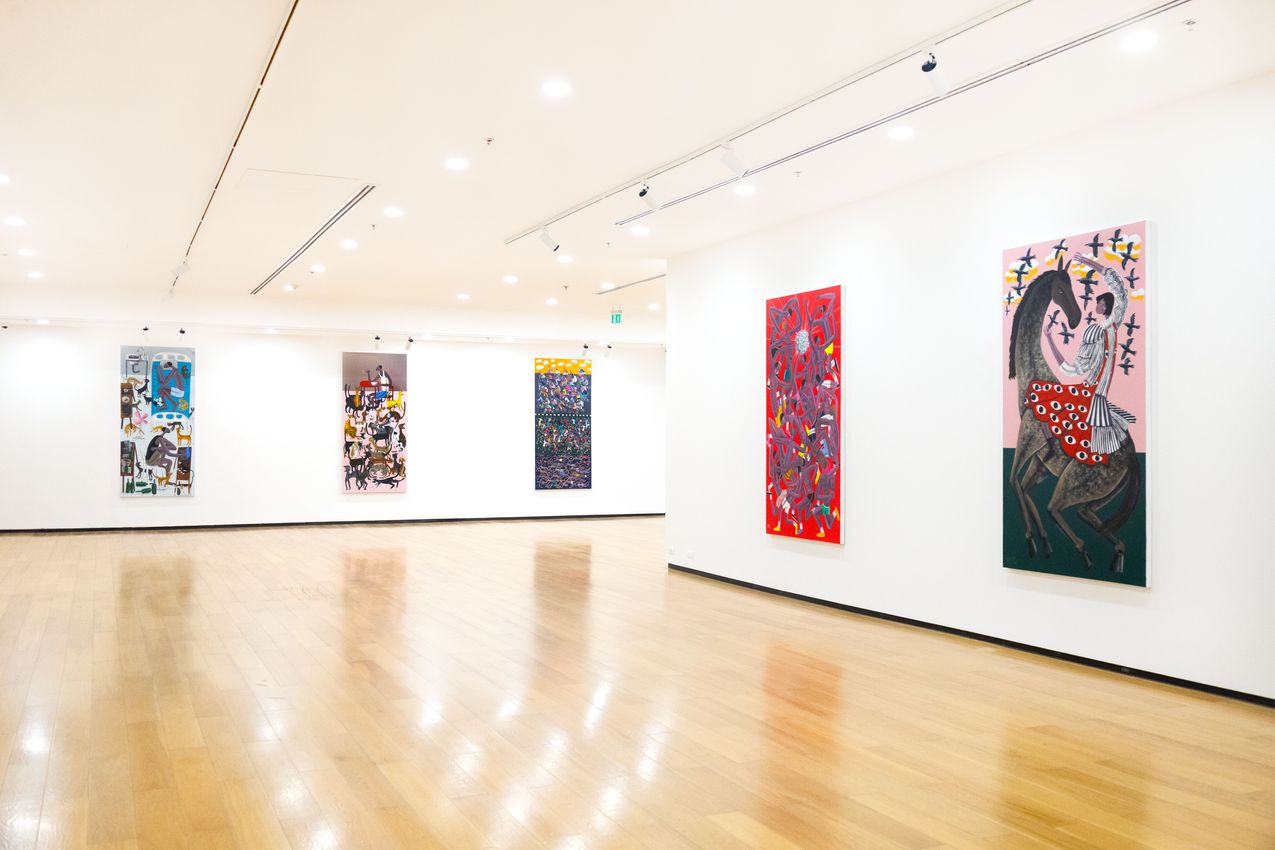
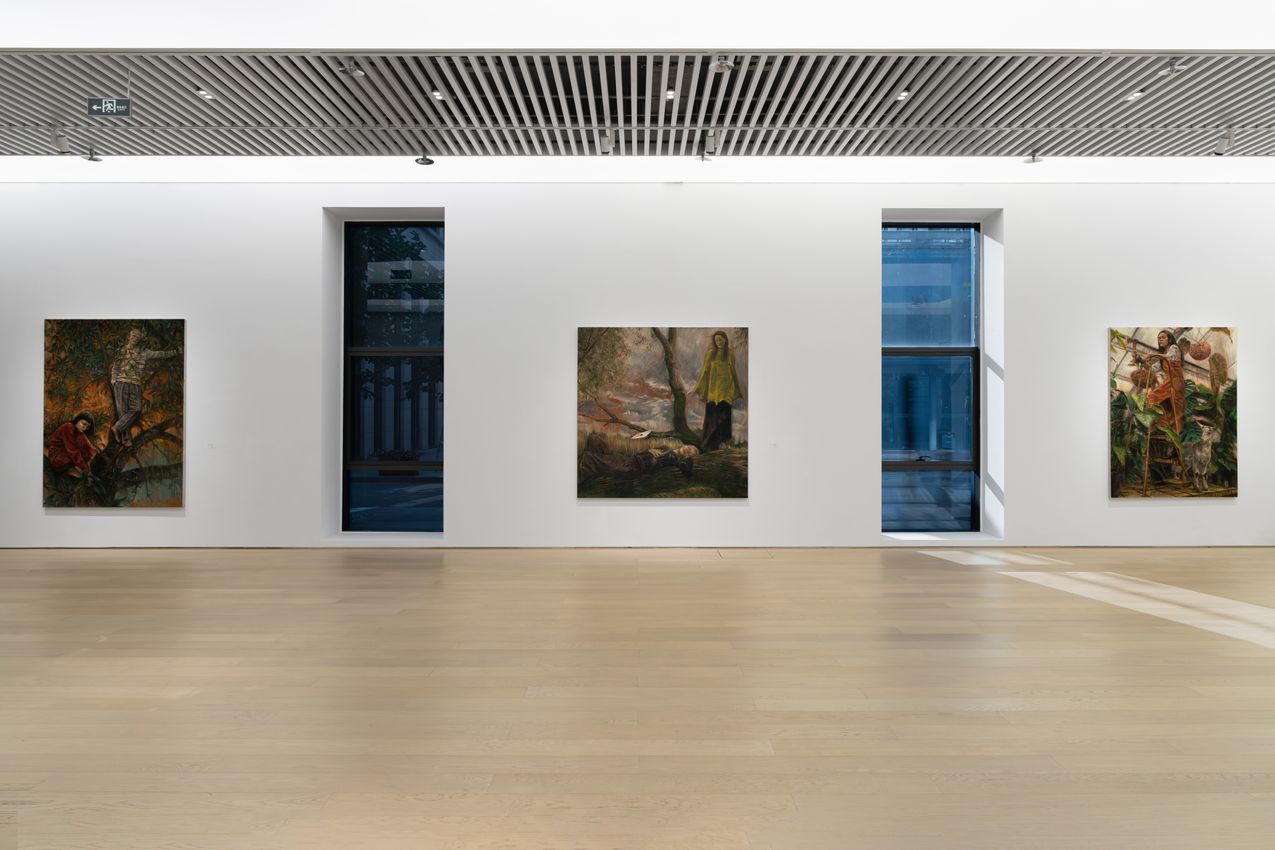
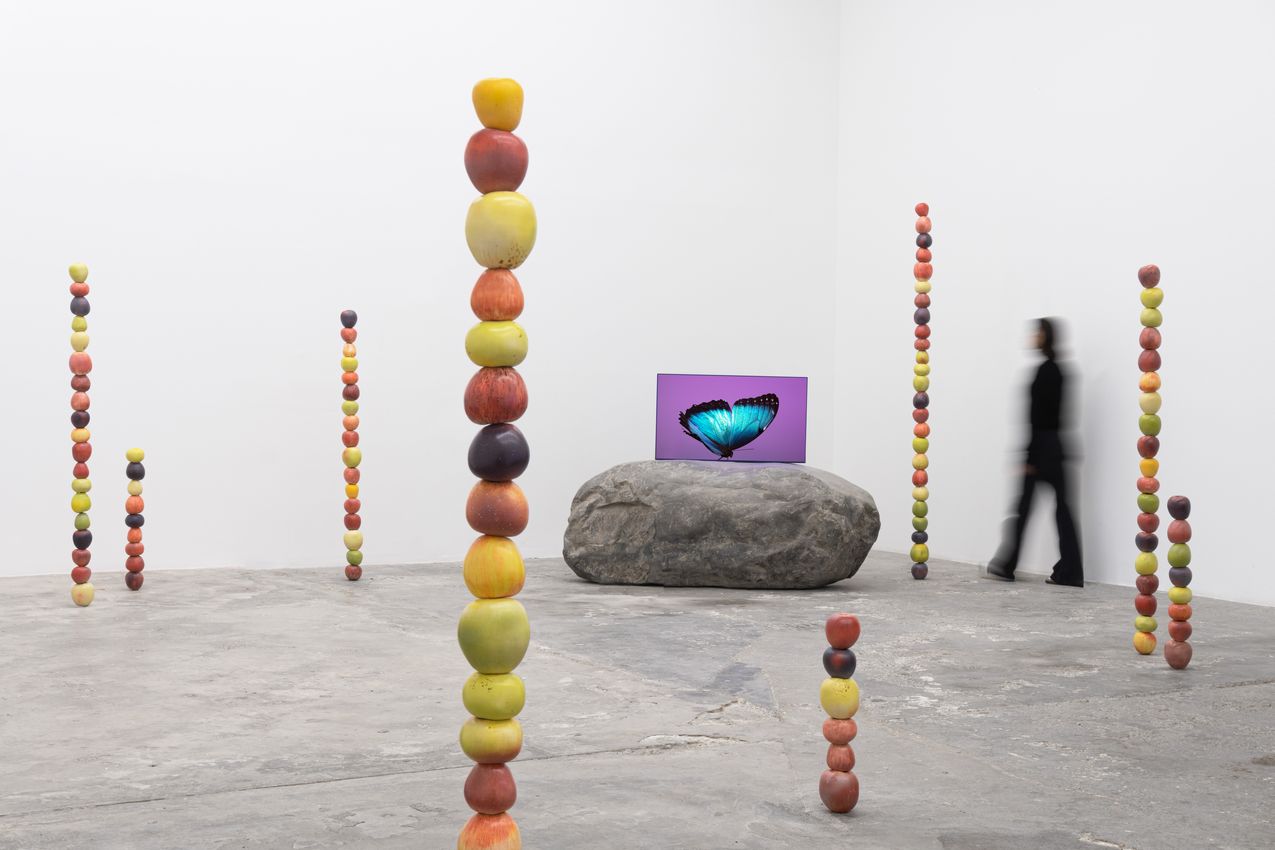
Tang Art Contemporary is pleased to announce the opening of the group exhibition Light in the Whirlpool on 14 June at 4 p.m. at its Headquarters Space in Beijing. Curated by Fiona Lu and Wang Shiying, the exhibition features the latest works by artists Guo Longyao, Liu Wen, Mark Yang, Rao Weiyi, Wang Xiao, Wu Yumo, Xu Haoyang, Zhang Bin, and Zhang Kaitong.

In the concept of infinite time in The Book of Sand, ‘If space is infinite, we may be at any point in space. If time is infinite, we may be at any point in time.’ — Jorge Luis Borges, we constantly attempt to define the fluid reality of the process with rigid logic. In the ceaseless river of time, every small whirlpool formed by a pause has its own unique trajectory, varying in speed, rhythm, and flow—ever-moving, constantly changing, sometimes disappearing in a twist or rushing forth, eventually becoming a wave sweeping into the sea.

At the deeper levels of the hidden order, the past, present, and future are not fragmented moments, but rather coexisting potential states, just as the entire river exists simultaneously within its riverbed. David Bohm uses the dynamic processes of ‘Enfoldment’ and ‘Unfoldment’ to describe the flow of all things: the whirlpool that manifests in the present (the explicit order) contains information and potential that had already been folded in the river of the hidden order. The passing of this moment is not annihilation but a re-enfolding back into the matrix containing all possibilities. The finite nature of individual life is like a page in The Book of Sand that can never be fully exhausted, but will ultimately be turned over; the infinity of the hidden order, on the other hand, is the holographic book that encompasses all pages, all stories, and all possible endings.

The whirlpool may vanish in an instant, just as light, through dynamic realisation, allows colour to appear. In the brief moment of the whirlpool’s motion, a potential form begins to manifest, becoming one possibility in all things. In the endless flow containing the past, present, and future, the swirling thoughts and the boundaries of reality become intertwined, inseparable.

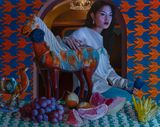
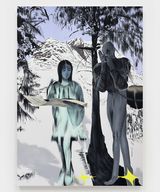
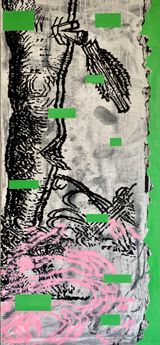
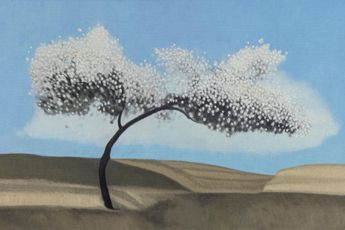
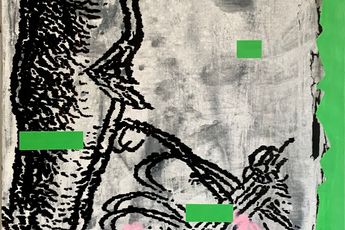
In this exhibition, the artists immerse themselves in the flow of the ‘hidden order’, and the exhibition space itself becomes a vast ‘enfoldment’ field, integrating manifested light into the new network of the hidden order. In Rao Weiyi’s works, the accidental collisions on the screen are skillfully ‘enfolded’ into the deep textures of the canvas, representing the process of intuitively melding perception into a unified whole. His creative path does not progress linearly but flows like information in the hidden order: vague ideas gradually ‘unfold’ as the painting progresses, with the clear contours of screen images dissipating, transforming into multi-dimensional ‘space-time folds’ and ultimately crystallising into the form of the artwork on the canvas. In Wang Xiao’s works, the human figures and landscape elements merge into an intangible spiritual current, floating between past and future, searching for belonging. On the canvas, the both concrete and transcendental figures form a unique spiritual landscape within the network of hidden order, containing reflections on individual fate and regional imprints.

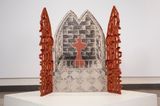
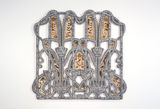
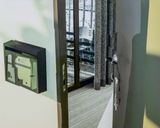
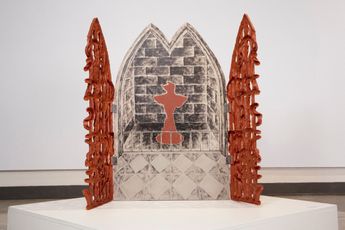
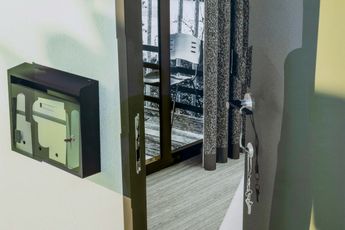
Liu Wen’s mixed-media installations anchor the textures of old objects in a specific moment, and through the process of re-creating these objects, they embody deep life experiences and products shaped by ‘loss’ in an individual’s history—enfolded within the materiality of the works. This choice itself is a manifestation of the emotional and memory-related aspects hidden in the hidden order, bringing them into the realm of concrete dialogue. Wu Yumo’s series of photographs transforms truth into a multiple exposure ‘whirlpool’ that shifts reality. The artist returns the camera to the ‘light’ of the human eye, capturing the ambiguity of time between reality and mental imagery. Both Guo Longyao and Xu Haoyang’s works freeze memory and life’s traces in a single moment, suspending the flowing memories and marks of life within the linear sequence of time, transforming them into emotional fragments that touch upon the silent, solid temporality underlying the world of life.

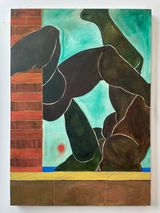
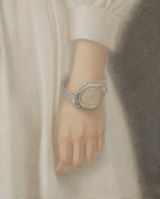
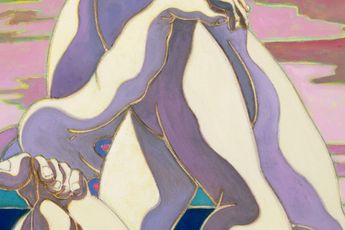
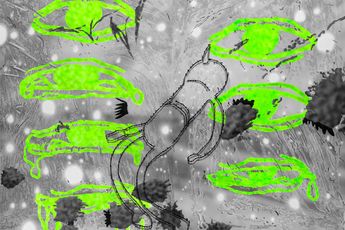
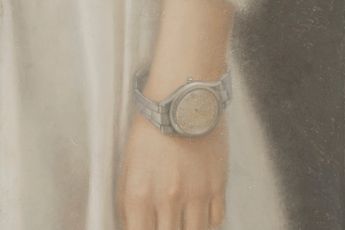
Mark Yang’s works, under the gaze of art history, create a dialogue between ‘the past’ and ‘the present’ through geometric deconstruction. The headless body, with its sculptural legs overlapping, dissolves the boundaries of the individual, and when the viewer’s gaze meets the geometric variations in the image, a subtle dialectic of presence and absence quietly emerges. Zhang Kaitong presents the sensory qualities of the post-network era through the ‘glitches’ in images—fleeting or eternal, straight or distorted visual screen textures. Zhang Bin, through the retro materiality of her work, observes the passing of time with calm precision, measuring the thickness of the traces left in the flow of life with a near-scientific rigor.

In the convergence and divergence of moments, the value of a fleeting whirlpool lies precisely in existence itself. Each whirlpool is like a page in The Book of Sand that cannot be repeated. The artists, in their own ways, become ‘light catchers’—when thoughts touch reality, the whirlpool of thought is illuminated by ‘light’ and activated, allowing the potential form to manifest among all things. The unfolding of the hidden order, containing the light of consciousness, stirs small whirlpools—brief though they may be, they reflect, just before dissolving, the infinite source of light that contains all possibilities of the past, present, and future.

Read More

Installation Views

Artists Exhibiting

Also Exhibiting at Tang Contemporary Art

About the Gallery

Tang Contemporary Art was established in 1997 in Bangkok, later establishing galleries in Beijing and most recently Hong Kong. Tang Contemporary Art is fully committed to producing critical projects and exhibitions to promote Contemporary Chinese art regionally and worldwide and encourage a dynamic exchange between Chinese artists and those abroad.

View Gallery Profile
Address
D06, 798 Art District
No.2 Jiuxianqiao Road
Chaoyang District
Beijing
China
Opening Hours
November – April
Tuesday – Sunday
11am – 5:30pm

May – October
Tuesday – Sunday
11am – 6:30pm
(1)
Beijing D06, 798 Art District, No.2 Jiuxianqiao Road
Tang Contemporary Art
D06, 798 Art District, No.2 Jiuxianqiao Road, Chaoyang District, Beijing, China

Opening hours
November – April
Tuesday – Sunday
11am – 5:30pm

May – October
Tuesday – Sunday
11am – 6:30pm
The art world in focus