Press Release

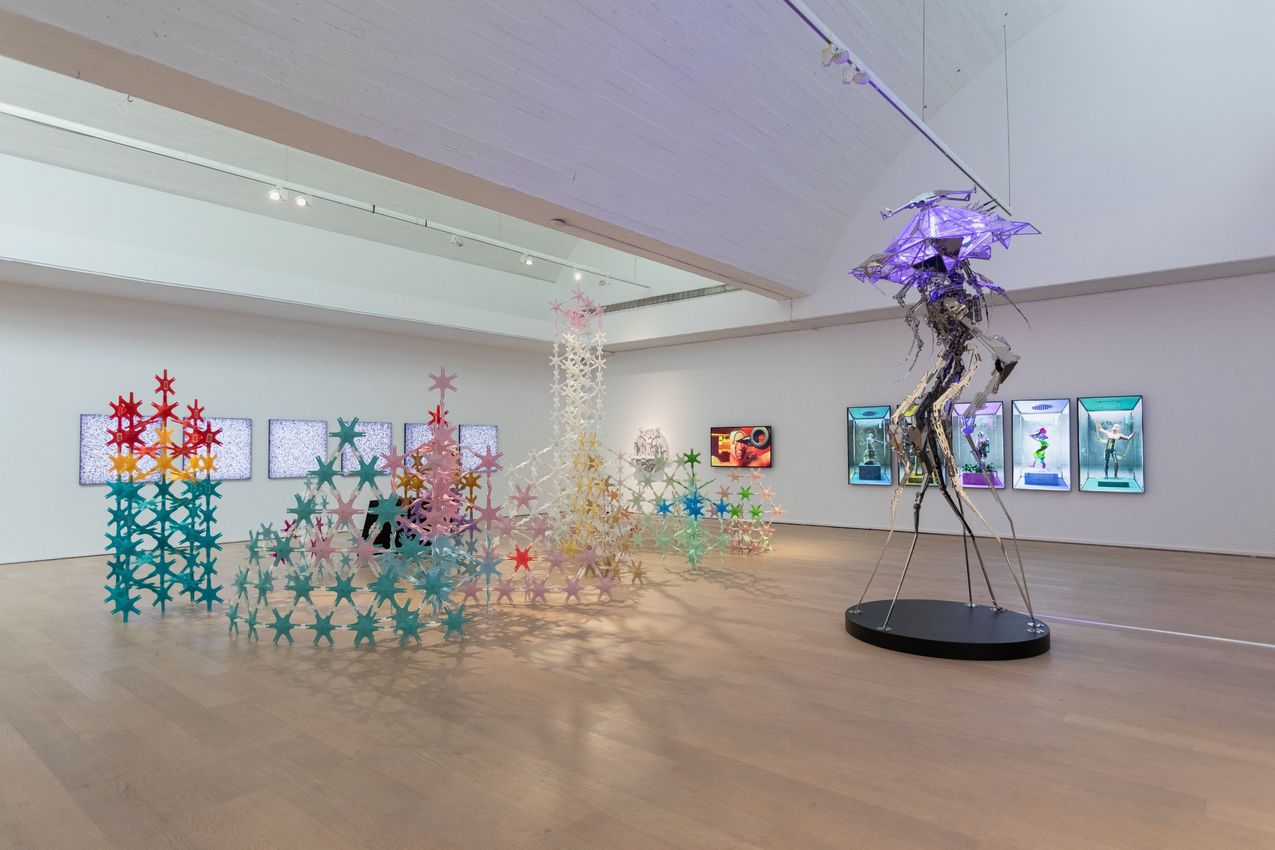
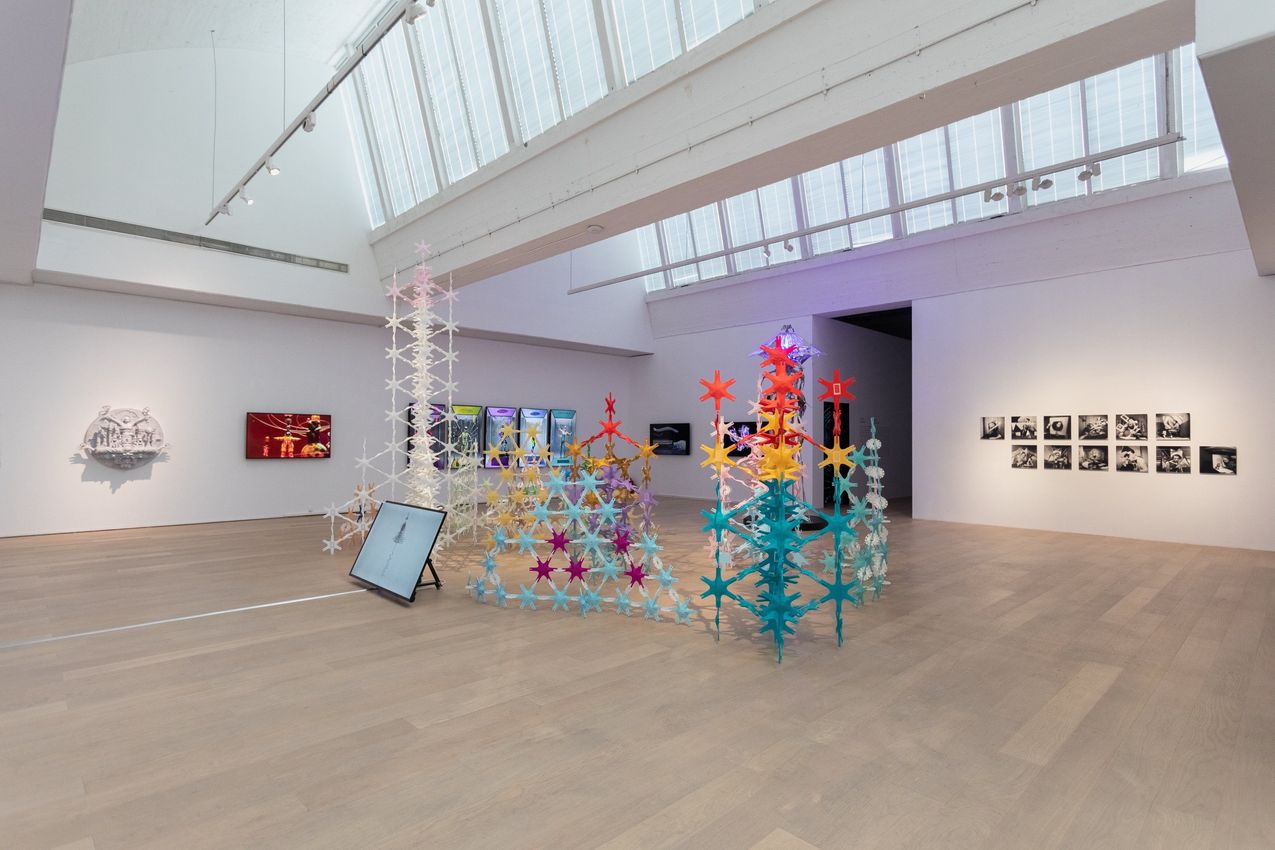
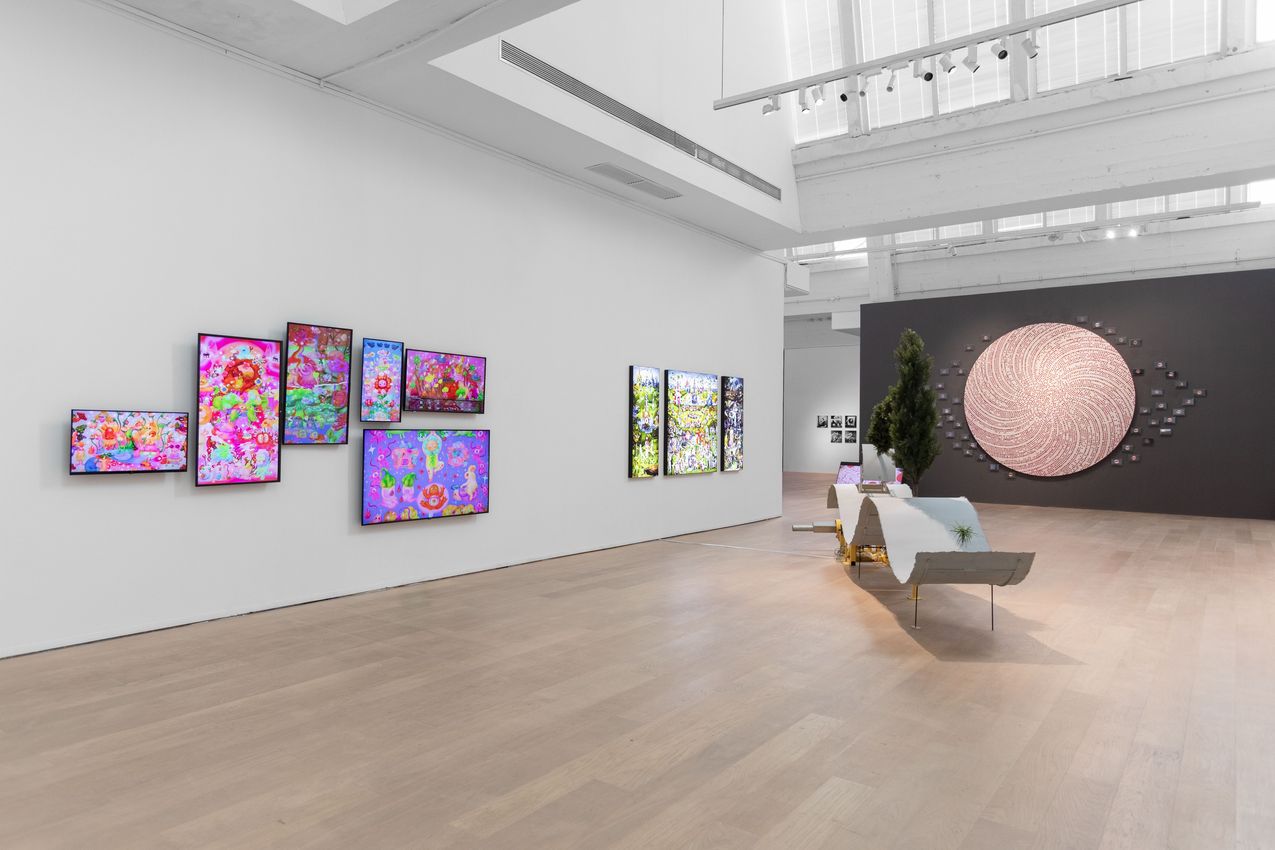
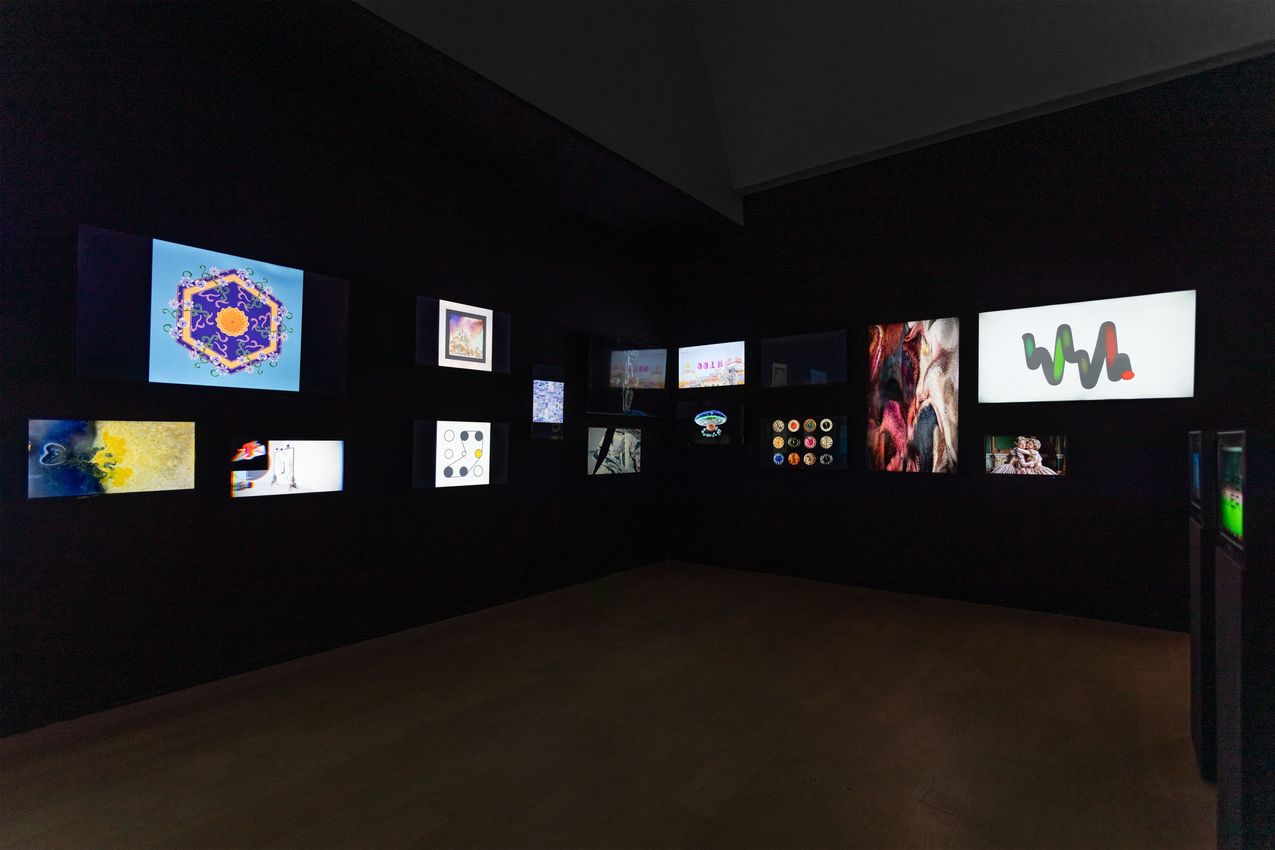
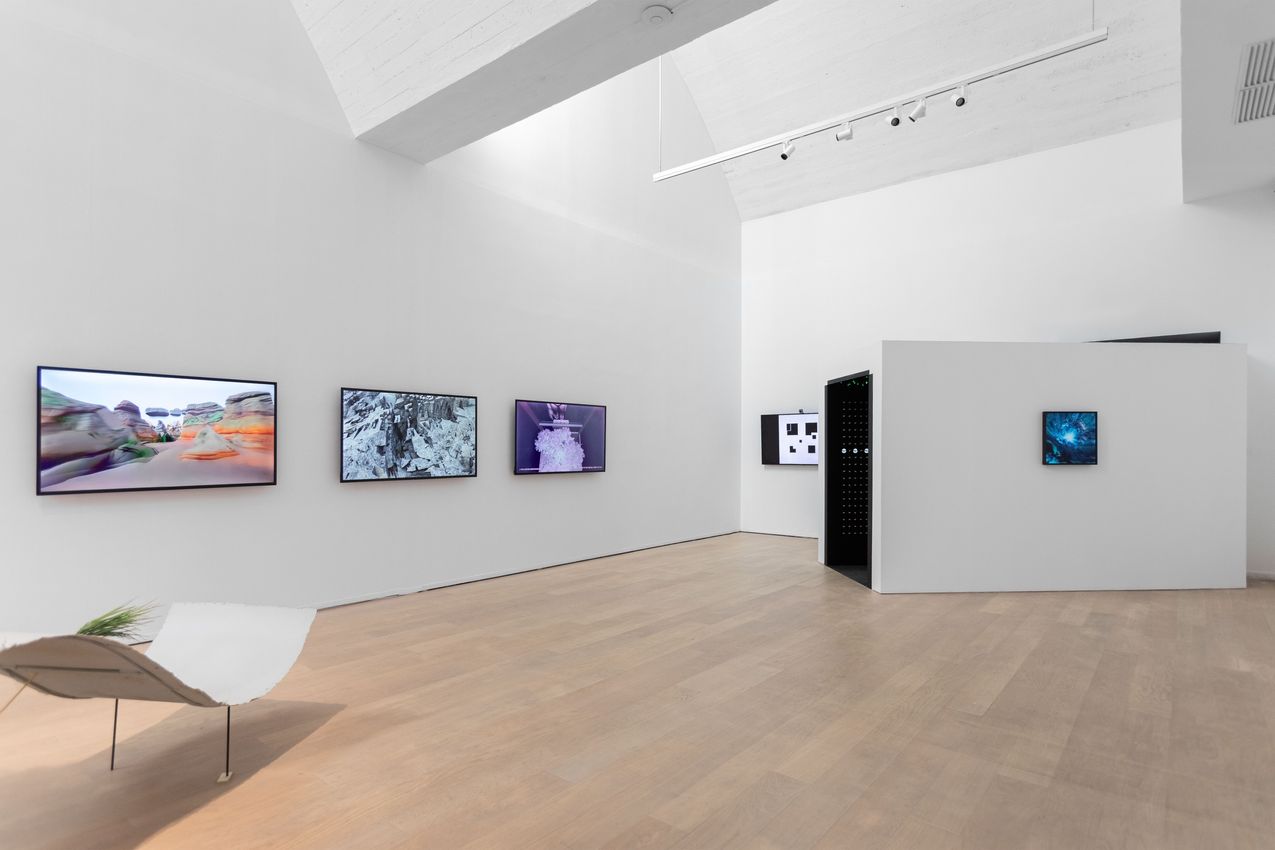
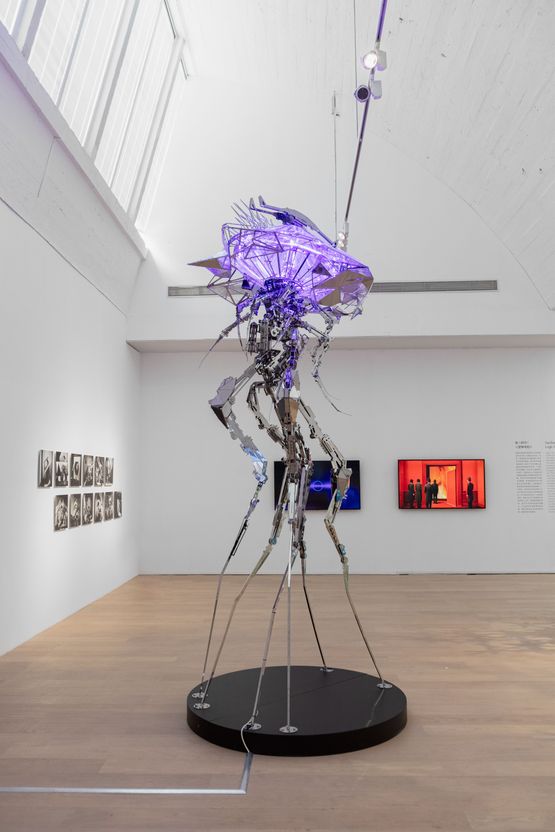
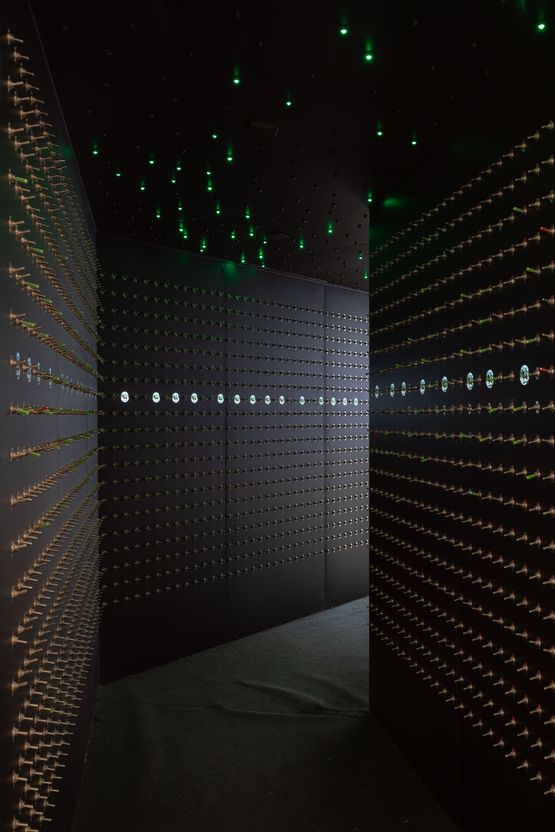
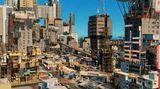
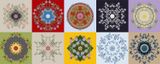
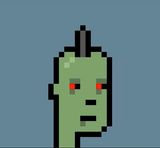
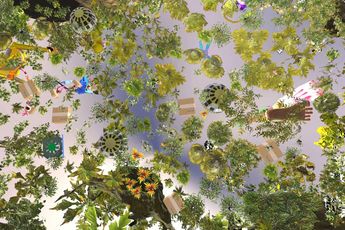
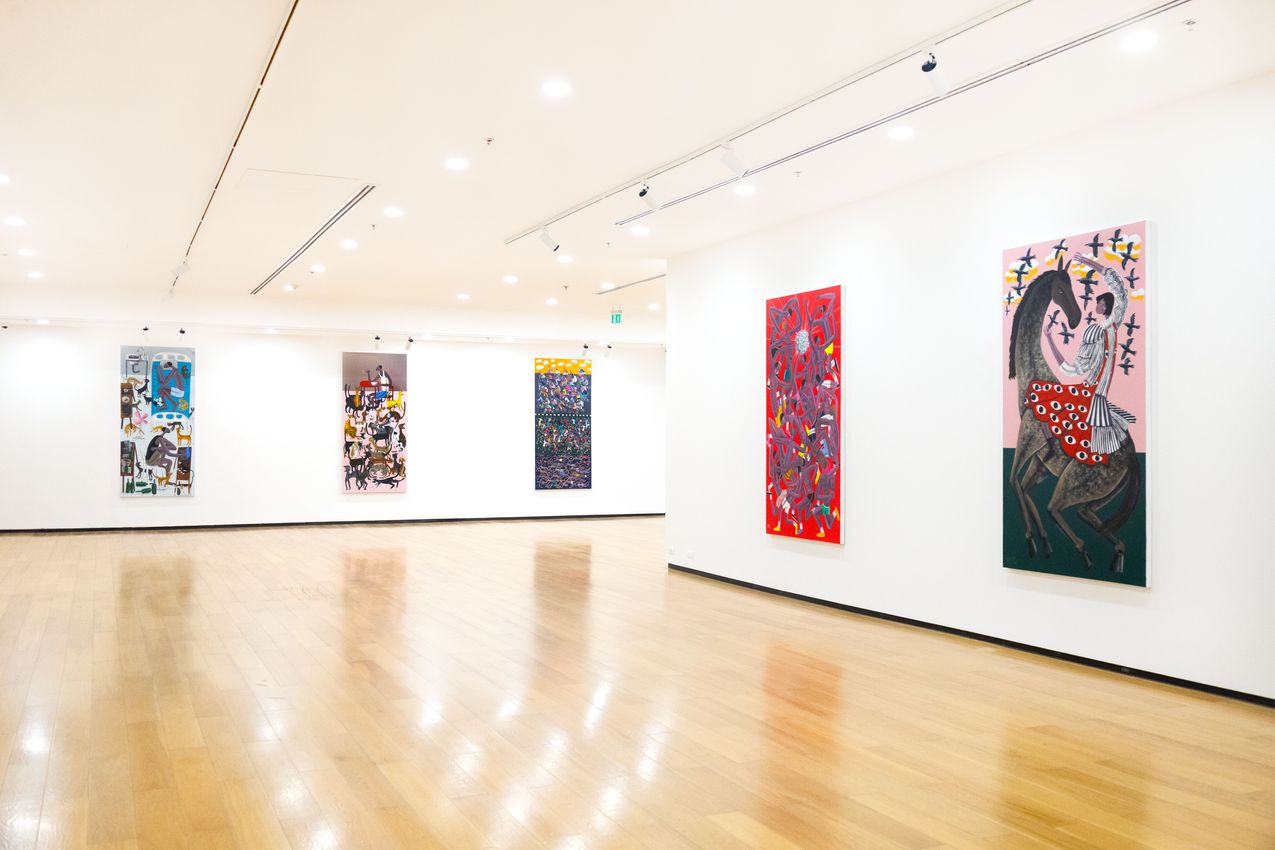
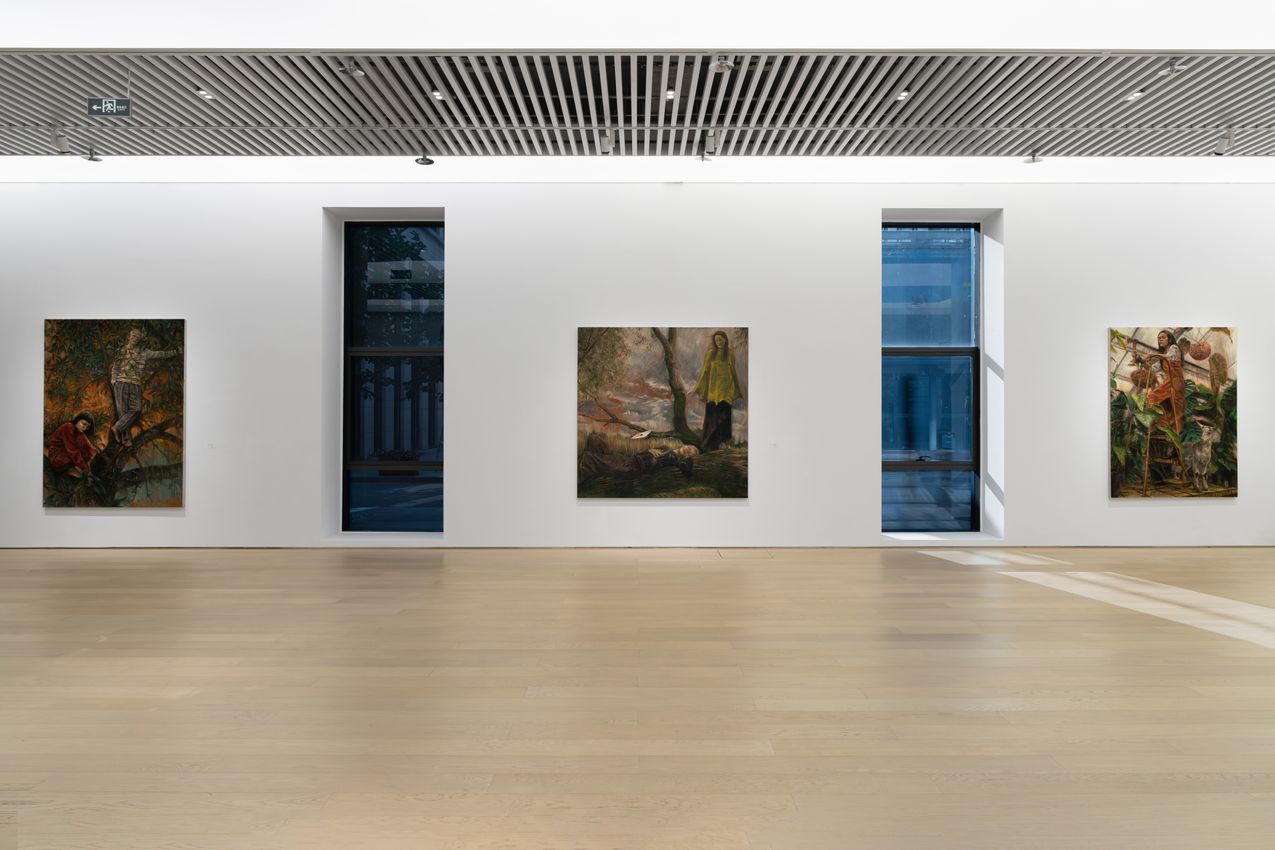
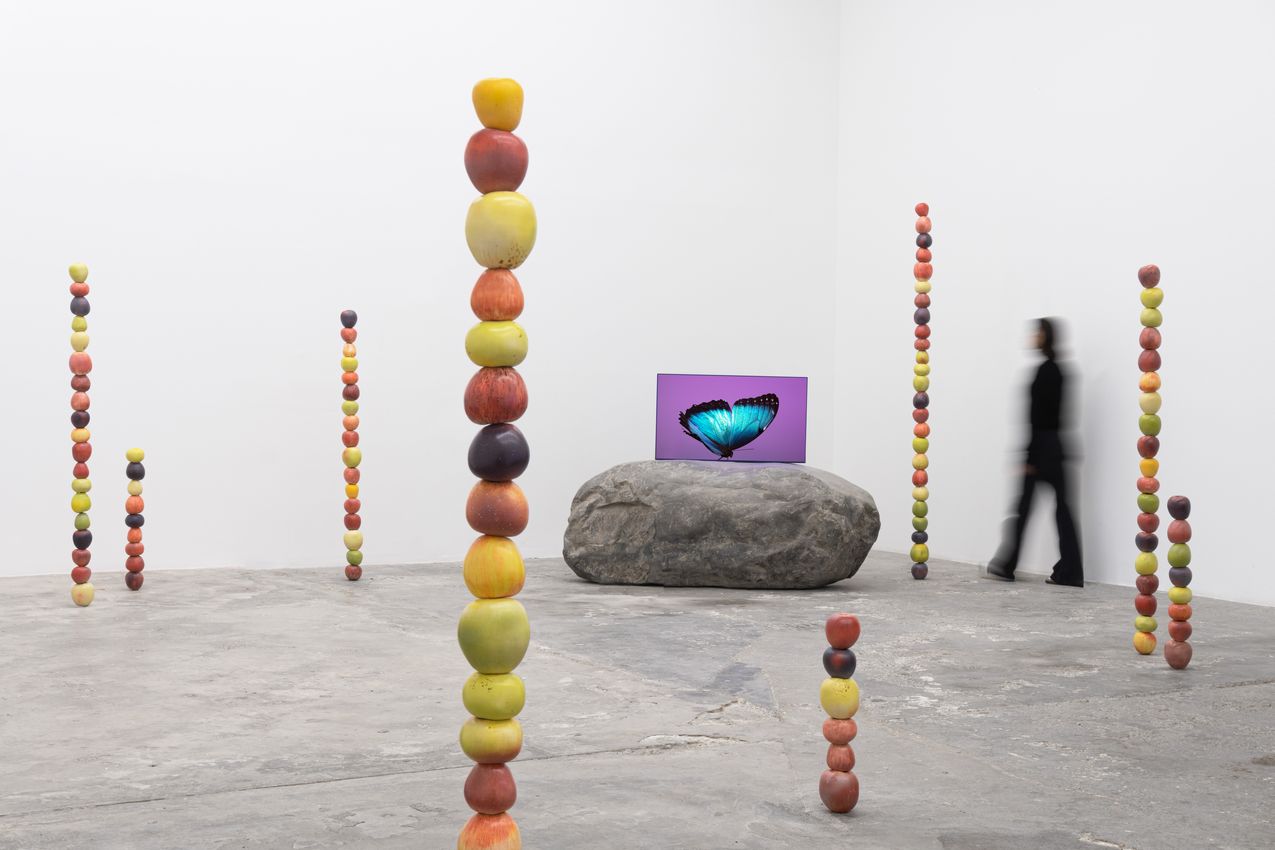
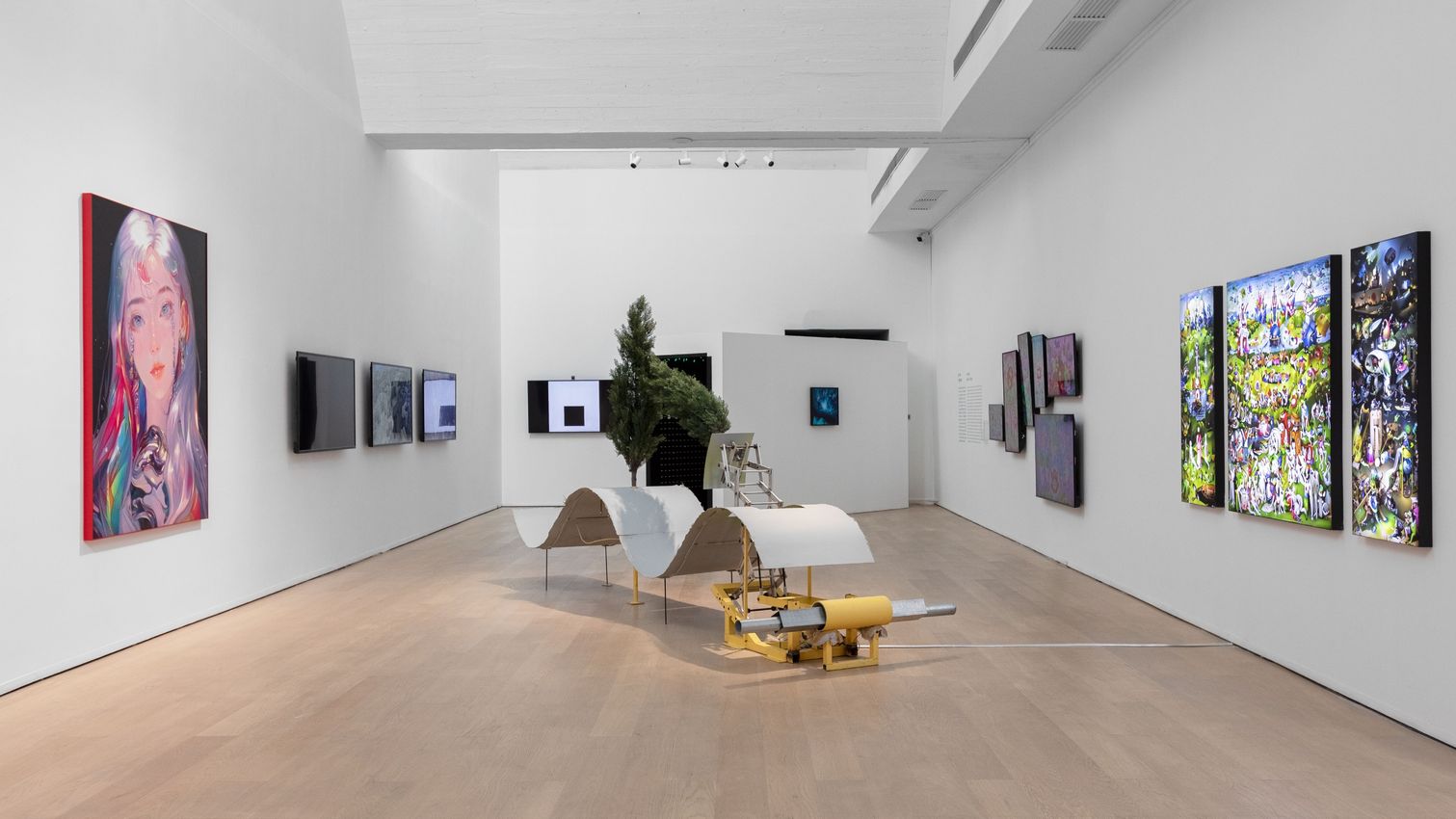
Tang Contemporary Art is pleased to announce a large-scale digital art group exhibition, Silicon-based: New Creators, at 4:00 p.m. on 28 June 2025, at the it’s Beijing 2nd Space. Curated by renowned curator Gu Zhenqing, with Zhu Zijie as assistant curator, the exhibition brings together digital artworks from 51 artists (groups) from around the world.​

Participating artists include Andreas Guskos, Andrzej Wasilewski, Boris Eldagsen, Candaş Şişman, Charles Csuri, Chen Baoyang, Niq Keqian Chen, Chen Yangxin, DaDa, Desmond Paul Henry, Dmitri Cherniak, Dorian Gaudin, Echo Can Luo, Snowfro, Erick Calderon, Giuseppe Lo Schiavo, Hans Dehlinger, Han Yajuan, Huang Heshan, Huang Rui, Jean-Pierre Hébert, Joan Heemskerk, Jiang Suxuan & SciArt Co-lab, Kevin Abosch, Larva Labs, Crypto ZR, Liu Mengya + Su Yongjian, Meng Shengyu, Pak, Raven Kwok, Refik Anadol & Yawanawa, Reva Fan, Riniifish, Roman Verostko, Shi Zheng, Shen Shaomin, Song Ting, Sun Bohan + Cheng Ran, Tan Liang, Tian Xiaolei, Tyler Hobbs, U2P050, Vera Molnár, Wiesław Borkowski Jr, Wu Yishen, Wu Ziyang, Xia Hang, Xu Ge, Xu Yibo, Yan Wenhao, Alex Yuan Long, ZOOJOO.

New Consciousness Requires New Methods. New Art Requires New Media and Language. In 1946, the first computer, ENIAC, was born, marking humanity’s entry into the computer age. The brilliant scientist John von Neumann proposed the ‘stored-program’concept for computer design, in which instructions and data are digitally encoded and stored within the computer’s fundamental logic circuits and memory units. This binary-based architecture allowed for programmable execution, enabling the technological leap from 0 to 1, and thereby inaugurating the digital age of human civilisation. The explosive development of digital technology, the internet, and blockchain has opened a wondrous digital Eden for artists—allowing them to create one or more digital IP identities within the encrypted digital world. This has enabled transitions from physical to virtual forms, from Web 1.0 to Web 2.0, and now to Web 3.0, fostering social transformations and identity shifts. Digital nativity, decentralisation, virtual emergence, and multimodal expression have become new directions and trends in the paradigm shift of contemporary art. By 2023, the rise and broad application of AI large language models have further allowed artists to transform or layer multiple digital identities and embark on new creative paths. This is a spiritual response to the forced migration of human civilisation into a digitalised future - a coexistent world of virtual and real that Web 3.0 is unfolding. The convergence of AI and digital art serves as a bridge between the real world and the multi-layered metaverse. Online social media enables communication through various modalities, flattening physical time and space, and potentially challenging the carbon-based species’ anthropocentric worldview. It opens vast possibilities for the acceleration of silicon-based civilisations. What artists lose in this process is merely the constraints, regulations, and exploitation of centralised systems in the physical world - but what they gain is the boundless potential of the digital and virtual.

In the realm of synthetic biology, scientists apply engineering principles to design, assemble, and even reconstruct biological systems that do not exist in nature, taking on the role of creators. As early as 2010, American biologist Craig Venter and his team synthesised an entire personal genome in the lab and implanted it into an empty cell. That cell began replicating and reproducing based on the implanted genetic instructions, forming new life. Scientists are also designing synthetic genomes for eukaryotic organisms from scratch, driving the development of artificial life sciences. In 2025, Spanish scientists for the first time used generative AI tools to design DNA regulatory sequences not found in nature, successfully controlling gene expression in healthy mammalian cells. The AI tool generated DNA fragments based on specific requirements, pushing life programming into a new era. AI now grants humanity unprecedented control— even the ability to design life itself—essentially becoming a new silicon-based creator. In May 2025, Google DeepMind—the team behind AlphaGo and AlphaFold —unveiled AlphaEvolve, a new super AI agent driven by large-scale models. AlphaEvolve can write its own source code, create its own algorithms, and even replicate itself - making it the first truly evolutionary coding AI. A super AI capable of mass algorithm generation theoretically holds the potential to solve nearly every problem across all industries. With that, AlphaEvolve has also assumed the role of a silicon-based new creator.

To accept AI as a new silicon-based creator - to embrace its inspiration, awe, and emotional resonance—is becoming an unprecedented challenge and question in contemporary art. Artists are constantly feeling the dynamic between AI and humanity, reflecting on AI’s profound influence on the future of society. The evolution of silicon-based technology and civilization points toward the future of human life and the long-term viability of human civilization. The emergence of a silicon-based creator is a technological singularity born from the exponential growth of AI, robotics, and Web 3.0. This singularity is destined to forever alter the structure of human existence. We are entering a new era where the boundary between physical and digital is blurred. The explosive productivity driven by large AI models, paired with the new production relations shaped by Web 3.0, is propelling humanity into a seismic shift in cognition. The singularity has arrived. A new civilisation of awe—in which humans and machines coexist, where carbon and silicon are one—is already upon us. At the same time, artists working with AI and digital media are breaking through creative boundaries and challenging conventional cognitive structures. Their works not only focus on and analyse the essence of this cognitive revolution brought by the singularity but also bear witness to and anticipate the sweeping transformation of human society—from carbon-based to silicon-based civilisation—and its far-reaching impact.​
Read More

Installation Views

Selected Works

Loading...

Artists Exhibiting

Also Exhibiting at Tang Contemporary Art

About the Gallery

Tang Contemporary Art was established in 1997 in Bangkok, later establishing galleries in Beijing and Hong Kong. Tang Contemporary Art is fully committed to producing critical projects and exhibitions to promote Contemporary Chinese art regionally and worldwide, and encourage a dynamic exchange between Chinese artists and those abroad.

View Gallery Profile
Address
B01, 798 Art District
No.2 Jiuxianqiao Road
Chaoyang District
Beijing
China
Opening Hours
Tuesday – Sunday
11am – 5:30pm
(1)
Beijing B01, 798 Art District, No.2 Jiuxianqiao Road
Tang Contemporary Art
B01, 798 Art District, No.2 Jiuxianqiao Road, Chaoyang District, Beijing, China

Opening hours
Tuesday – Sunday
11am – 5:30pm
The art world in focus