Press Release

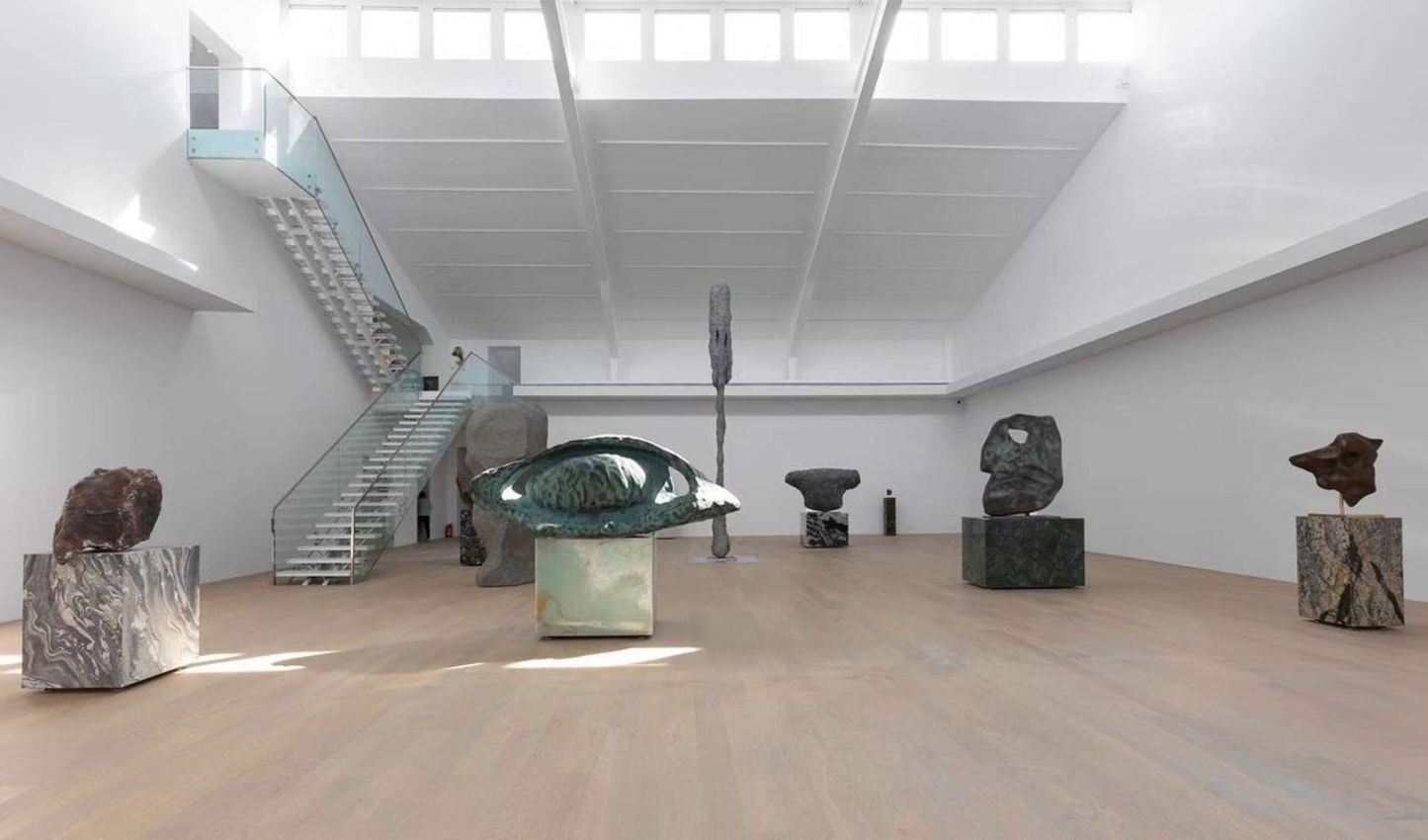
Tang Contemporary Art is honoured to represent Chinese artist Wang Sishun, whose solo exhibition Apocalypse will open on 10 September at our Beijing 798 1st gallery space. The exhibition is curated by art critic Lu Mingjun and will showcase more than twenty sculpture works.

Wang Sishun: Apocalypse

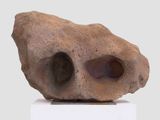
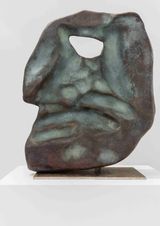
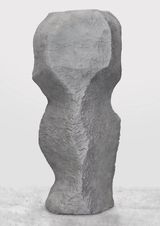
Wang Sishun has spent the last seven or eight years collecting stones from around the world (including Russia, France, Italy, Afghanistan, Uruguay, Egypt, China, etc.) that look like portraits or human faces. To date, he has collected thousands of portrait stones of all shapes and sizes, and for him, they are sculptures, but also part of his artistic practice.

The initial inspiration for this crazy idea came from a solo drive he made from Beijing to Paris in 2015. While on the road, he passed through several countries on the Eurasian continent and encountered people from many ethnicities. One day, he noticed strange stones of different types and was surprised to discover that they looked like people; they seemed to have their own attributes, personalities, and fates. In that moment, these primeval objects were like a divine revelation that immediately brought him back to life. Since then, Wang has thrown all of his energy into this project. Apocalypse, the first solo show for this body of work, was held at Long March Space in 2016. Six years later, Tang Contemporary Art is presenting the second solo exhibition for this project—also named Apocalypse, because the transcendent power is eternal.

We cannot ascertain when these stones from all over the world were formed, and we have no way of knowing how they have changed with the shifts in climate, geography, and culture that have taken place over billions of years. For Wang Sishun, these wonderful stones are the products of the will of nature, rather than miracles. In the late nineteenth century, primitive art and its unrefined qualities were discovered and widely incorporated by modern artists. In the twentieth century, this became a trend that deeply influenced a huge number of European and American artists. In particular, when Jean-Hubert Martin curated Magiciens de la Terre at the Centre Pompidou in 1989, primitive or indigenous art gained a new profile and became a new political force, due to the end of the Cold War and the advent of globalisation. Of course, all of this has benefitted from the inventions of ‘prehistory’ in the late nineteenth century. As art historian Maria Stavrinaki has written, in a time of technological progress, increased production, and accelerated movement, three narratives about time formed in the West. One after another, these new research areas delved deep into the hazy vastness of the past: First, they estimated the age of the Earth, then they traced the emergence of humans, and finally, they considered when art began. These temporal narratives cannot be separated from the destructive forces of modernity. When Aby Warburg studied images of Pueblo lands, he keenly noted how modern technologies (such as electricity) had damaged the lives and belief systems of indigenous peoples.

In the end, all of this is still the product of modern society. The rationality of enlightenment evidently cannot encompass its complexity; it always develops within the complicated dialectical relationships between fast and slow, change and eternity, faith and doubt, progress and decline, rationality and insanity. However, for Wang, these stone portraits carved by natural forces and universal time have already transcended this dialectical logic. He is creating—or more precisely, participating in the creation of—an eternal super-species that is greater than humanity and all of the species on Earth.

– Lu Mingjun

Read More
About the Artist

Wang Sishun works primarily in video, sculpture and installation. Drawing upon his daily encounters, the artist isolates moments into quietly poetic gestures that evoke sensory responses. Highly conceptual in his thinking, Wang’s works often remakes readymades into elusive things, or dismantles objects into their physical properties. In doing so he reveals the mutually dependent relationship between symbolic and literal meaning. This is also evident in the titles he givies to his works. Dreams and desires form a locus of this work, indicating a direction, yet the corporeal nature of his oeuvre is always foremost. In The Wrong Body 2, Wang chews a piece of gold into a human form. As Azure Wu notes, Wang “seems to mix a hallucinogenic cocktail. Into cold metal, he infused body heat; into a symbol of wealth and power, shades of religion.” Like many of his other works, The Wrong Body 2 invokes an alchemical process, moving agilely between materiality, social meaning and psychological states.

View Artist Profile

Also Exhibiting at Tang Contemporary Art

About the Gallery

Tang Contemporary Art was established in 1997 in Bangkok, later establishing galleries in Beijing and most recently Hong Kong. Tang Contemporary Art is fully committed to producing critical projects and exhibitions to promote Contemporary Chinese art regionally and worldwide and encourage a dynamic exchange between Chinese artists and those abroad.

View Gallery Profile
Address
D06, 798 Art District
No.2 Jiuxianqiao Road
Chaoyang District
Beijing
China
Opening Hours
November – April
Tuesday – Sunday
11am – 5:30pm

May – October
Tuesday – Sunday
11am – 6:30pm
(1)
Beijing D06, 798 Art District, No.2 Jiuxianqiao Road
Tang Contemporary Art
D06, 798 Art District, No.2 Jiuxianqiao Road, Chaoyang District, Beijing, China

Opening hours
November – April
Tuesday – Sunday
11am – 5:30pm

May – October
Tuesday – Sunday
11am – 6:30pm
The art world in focus