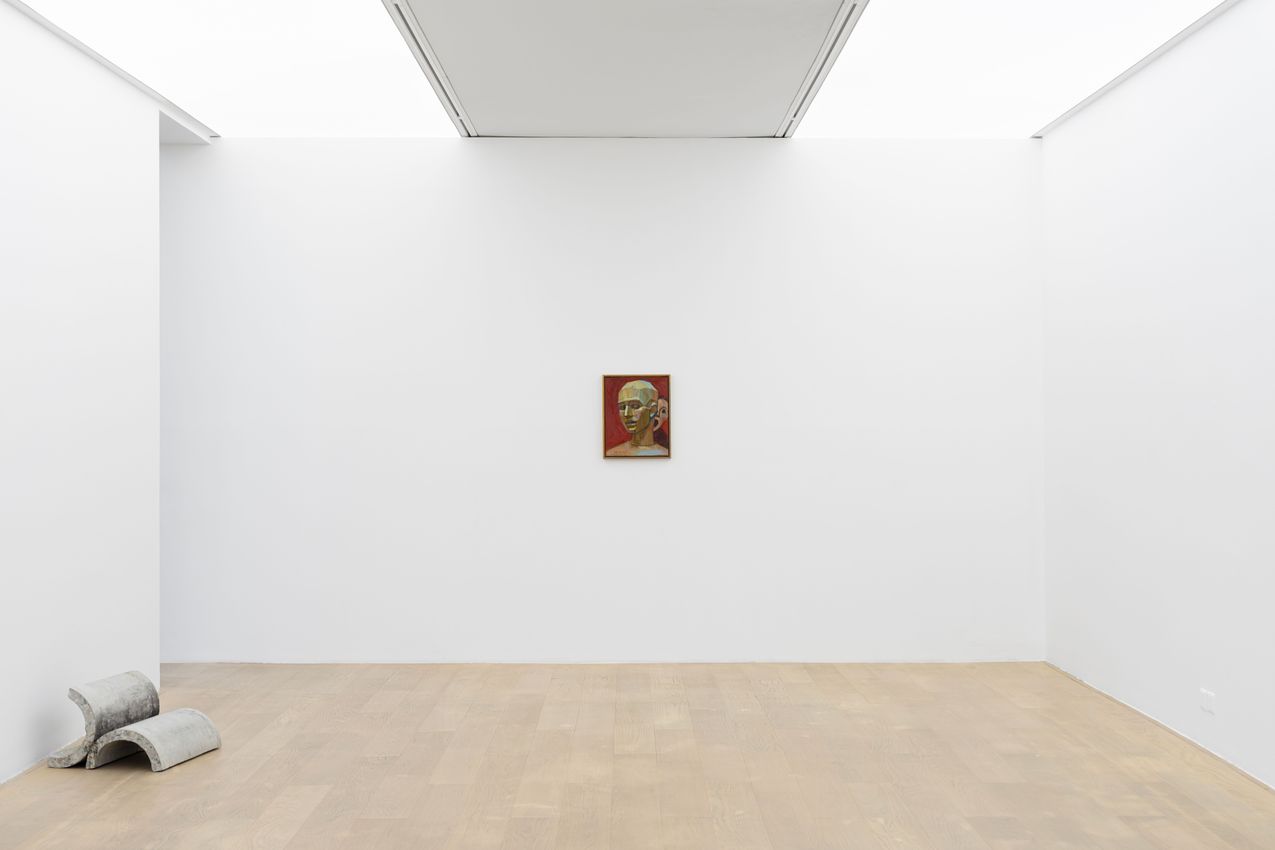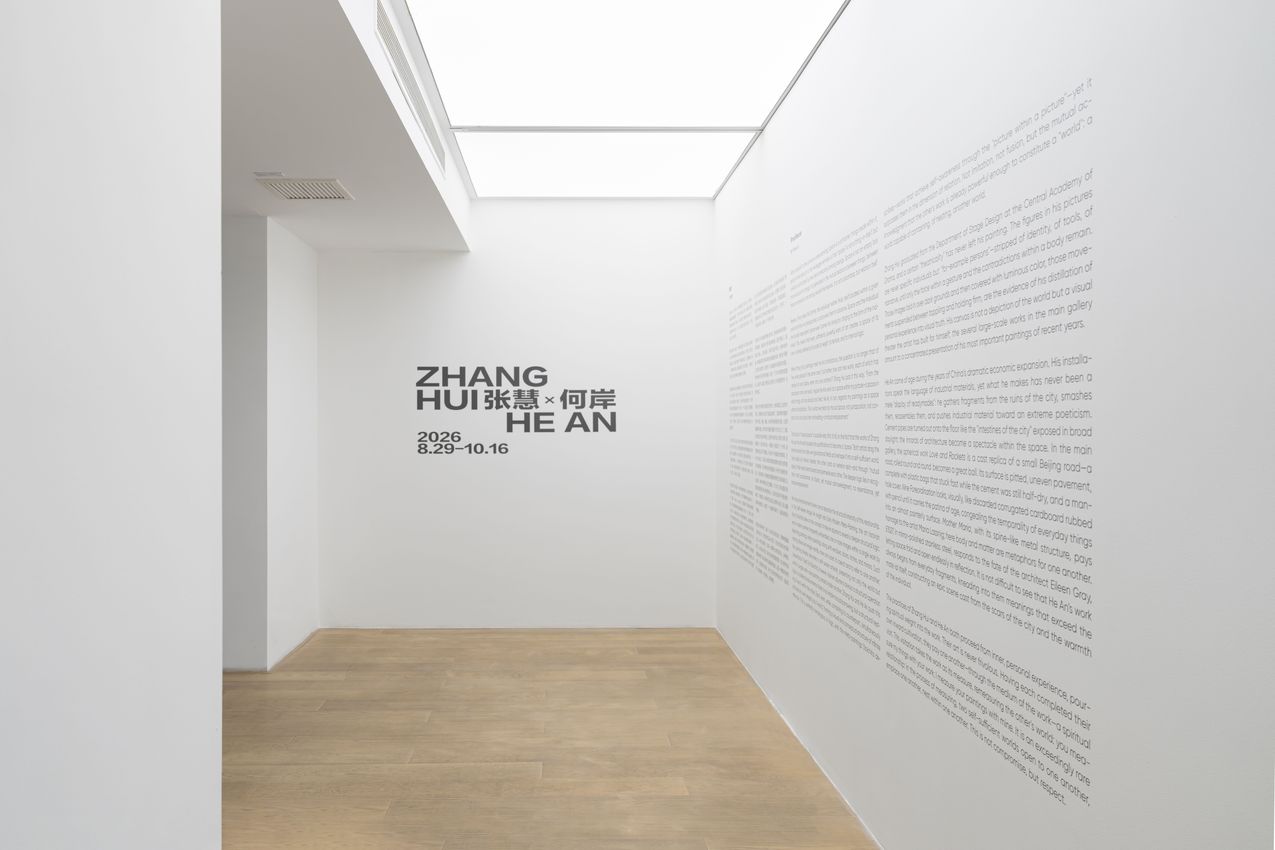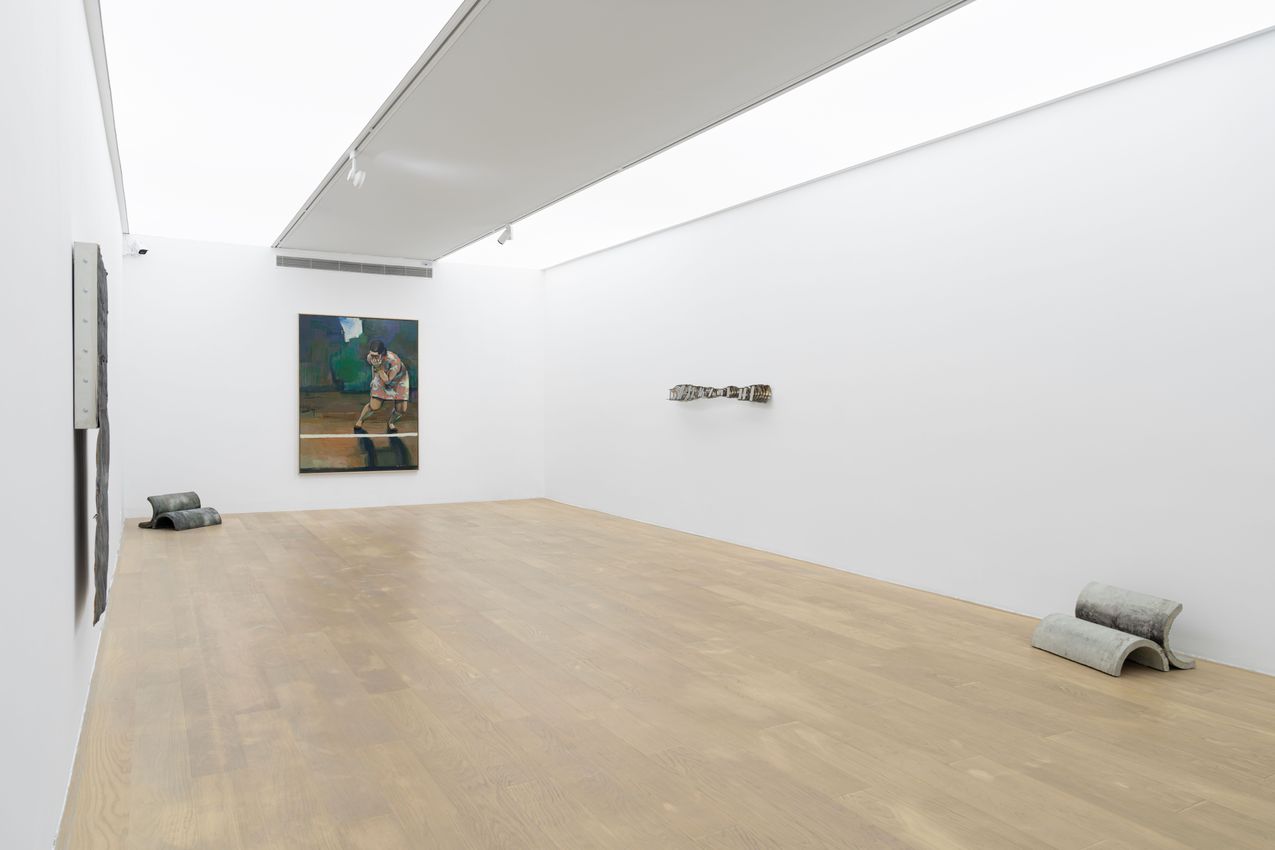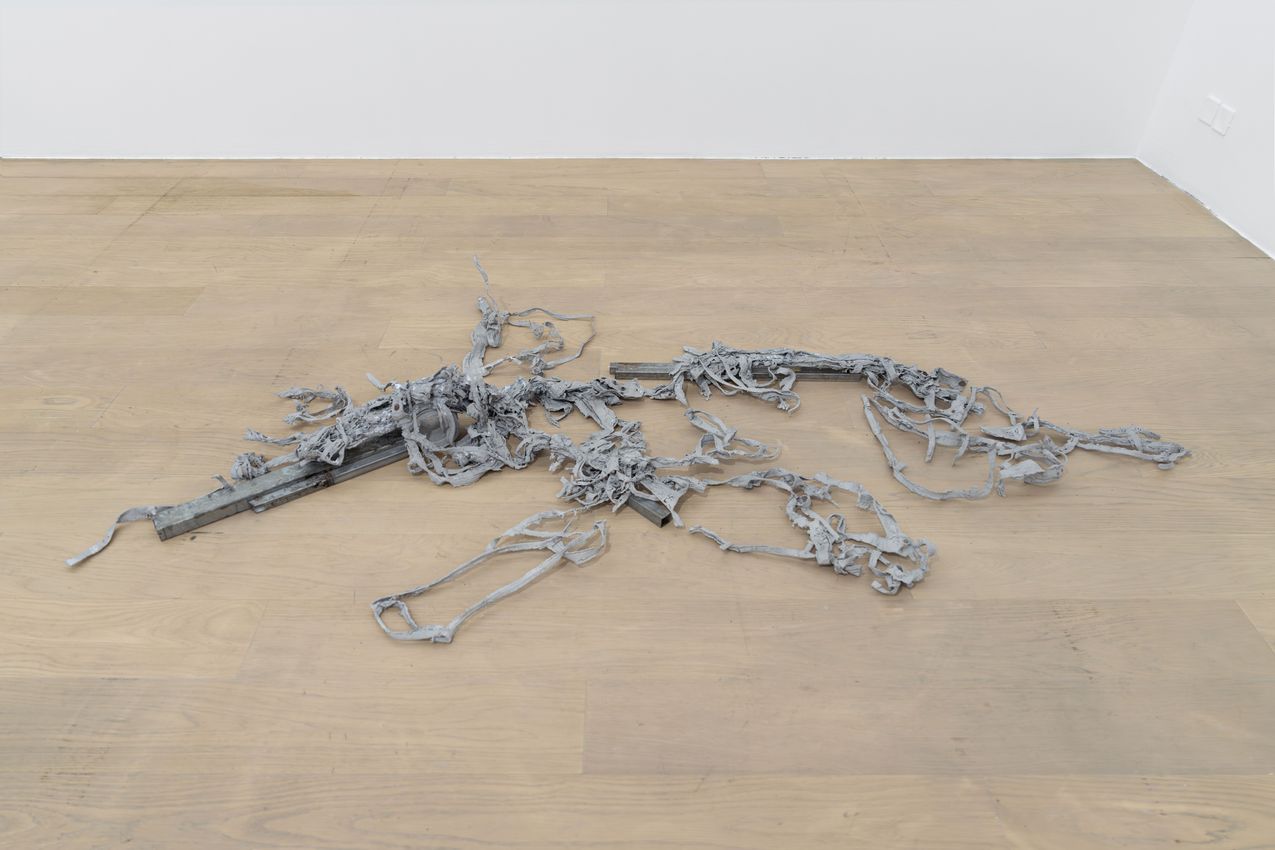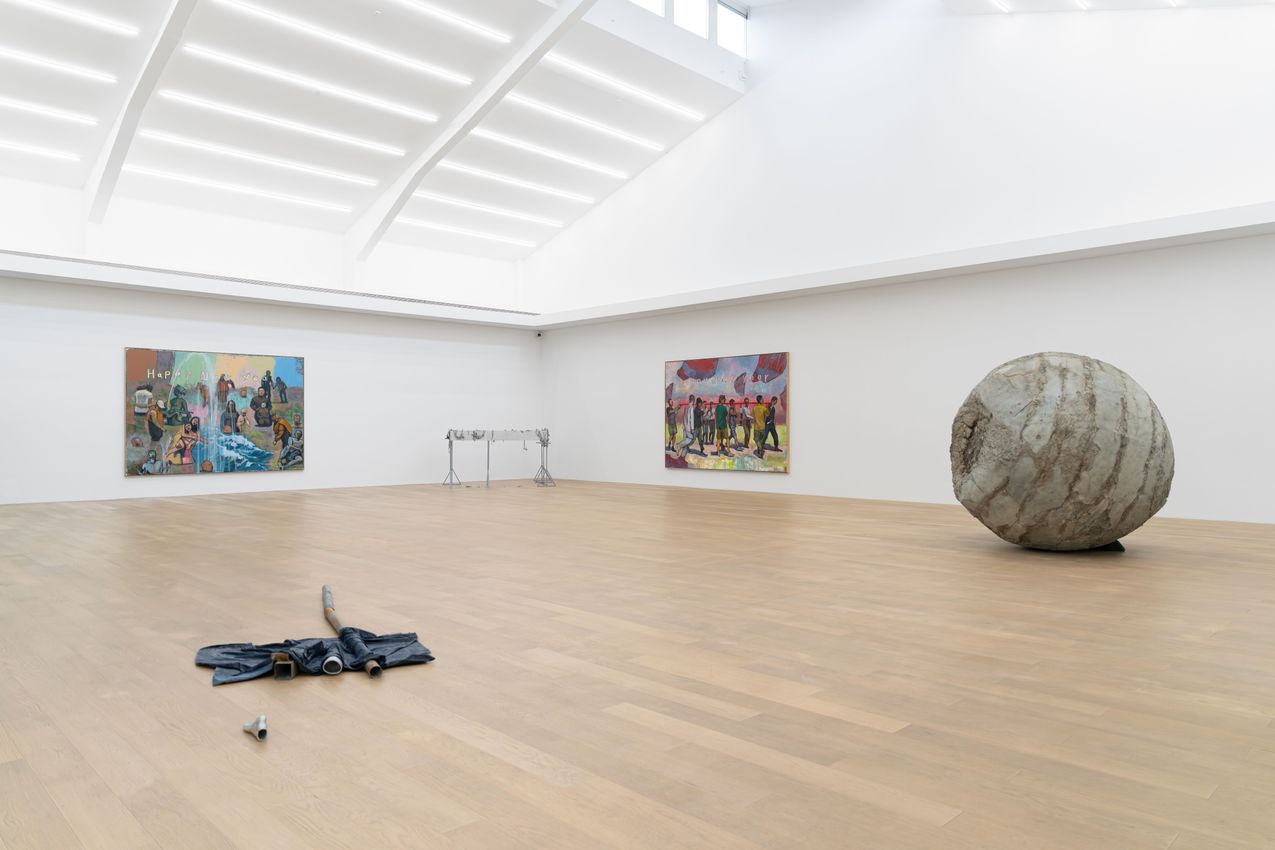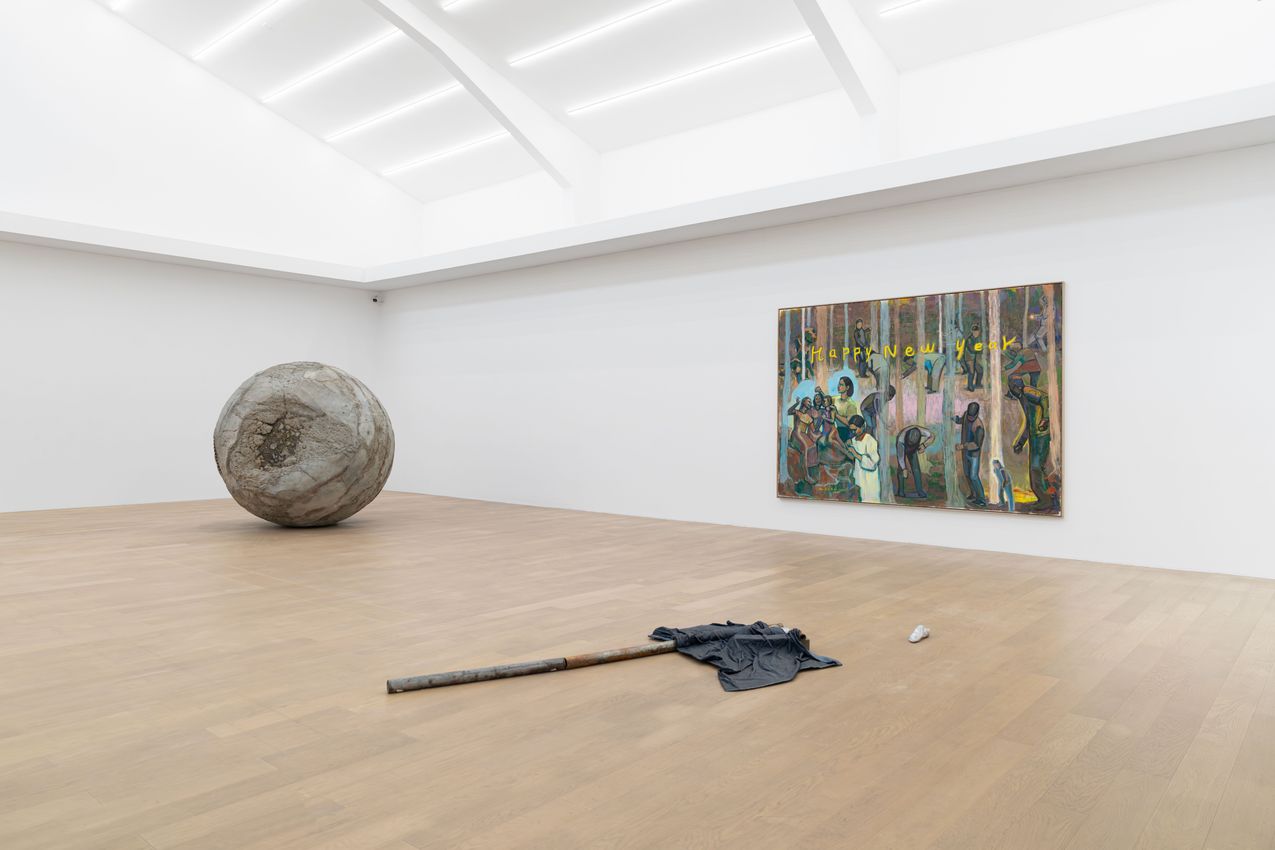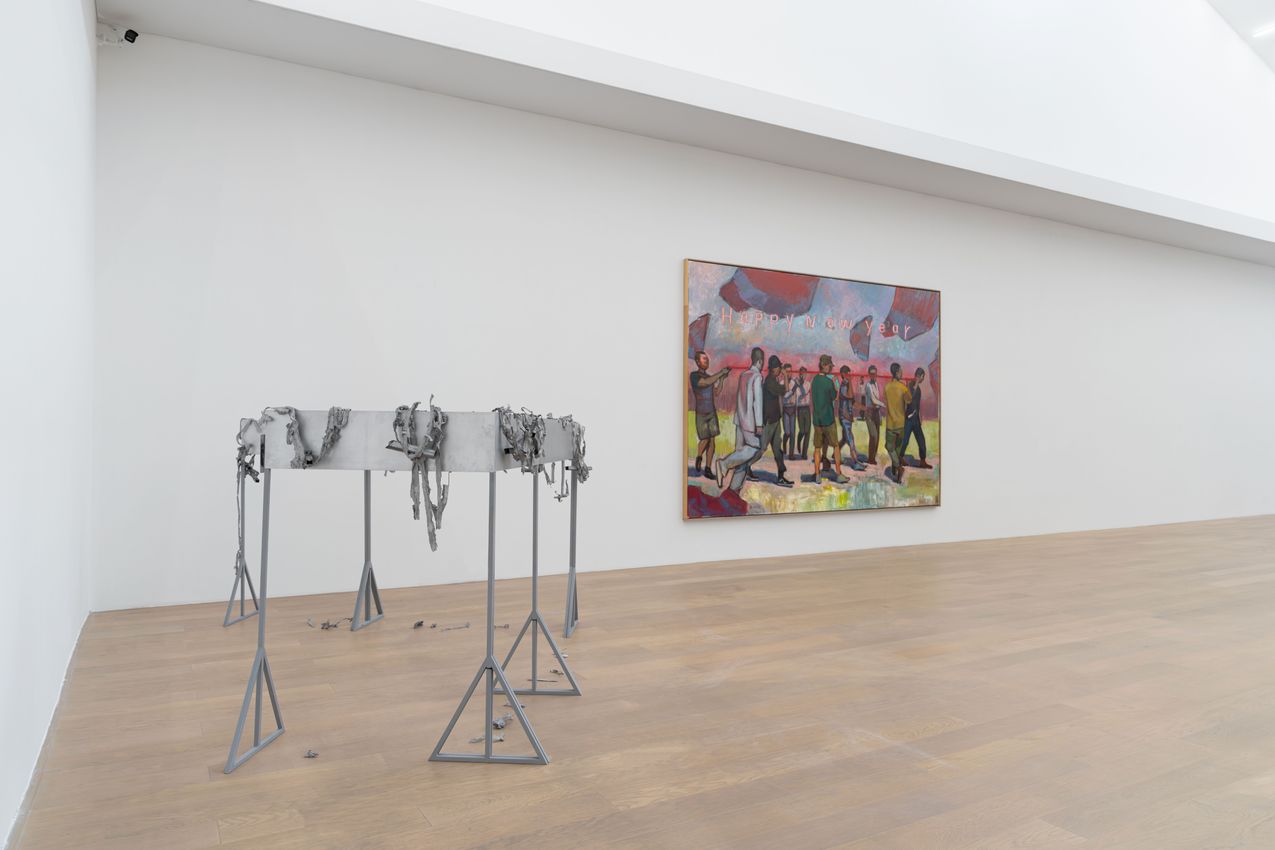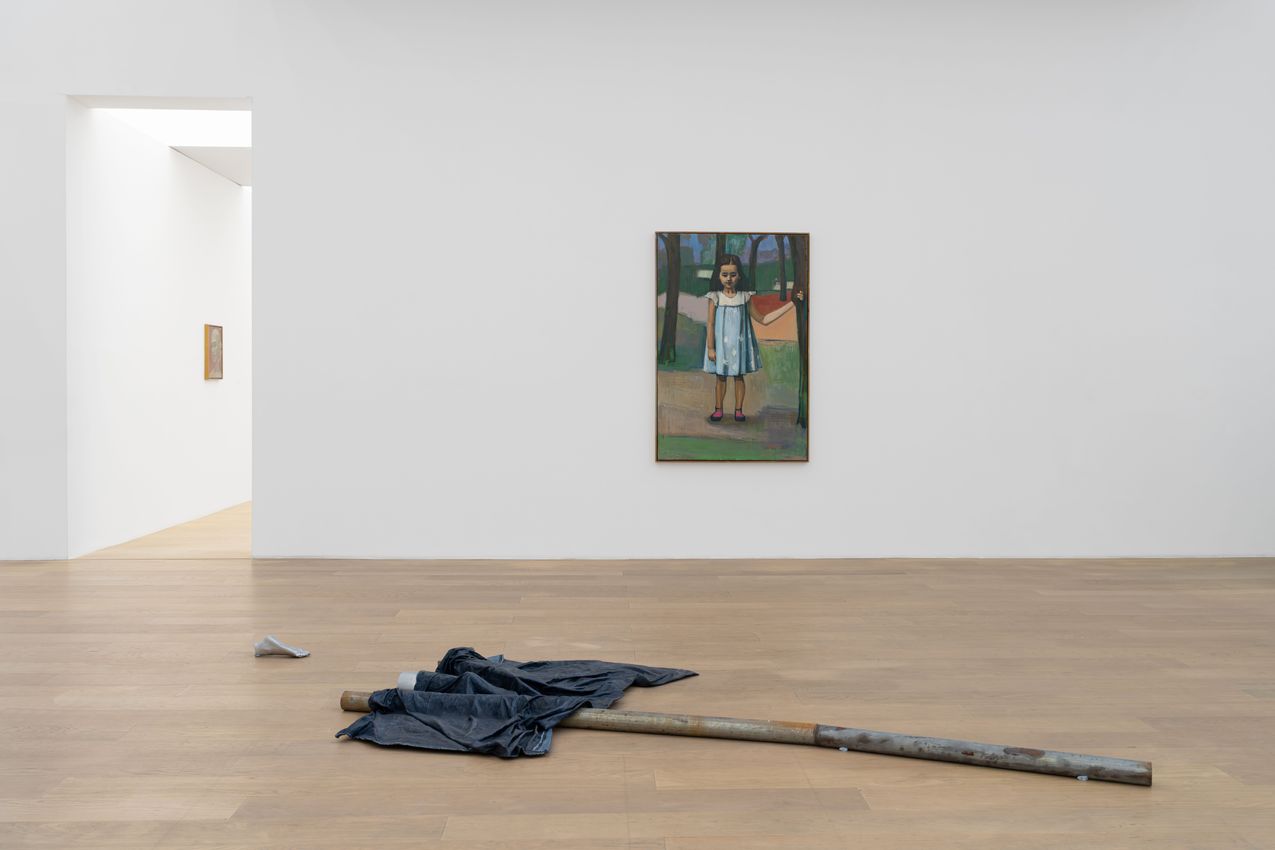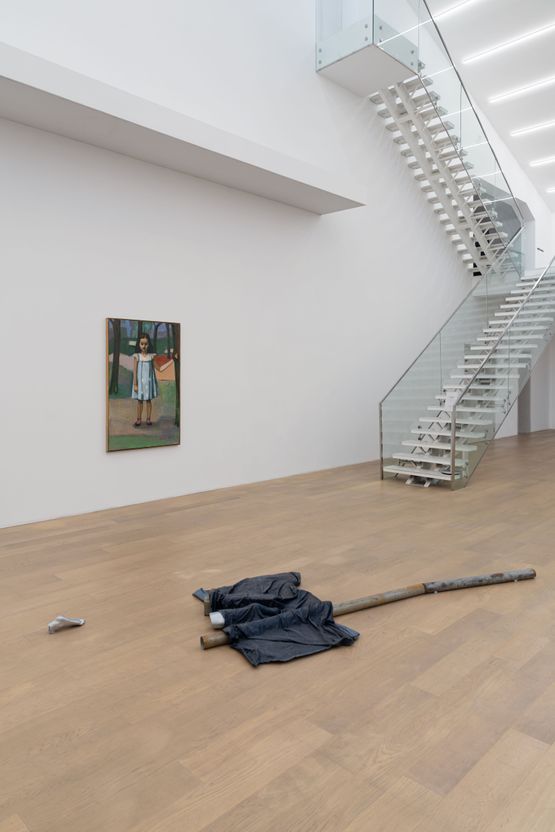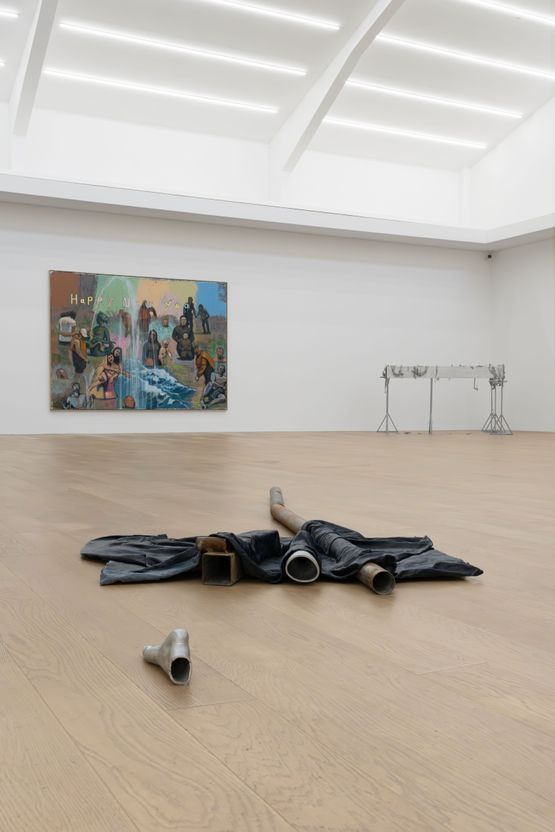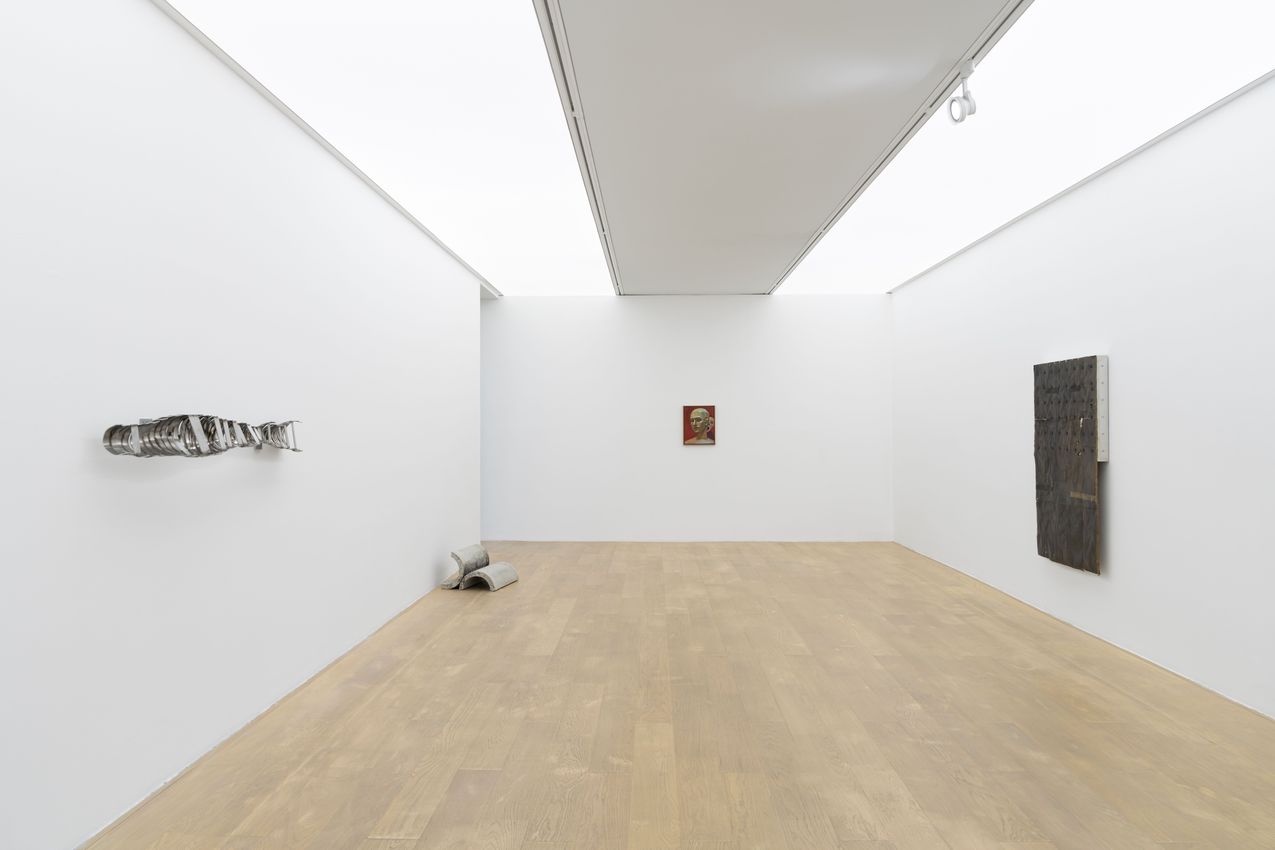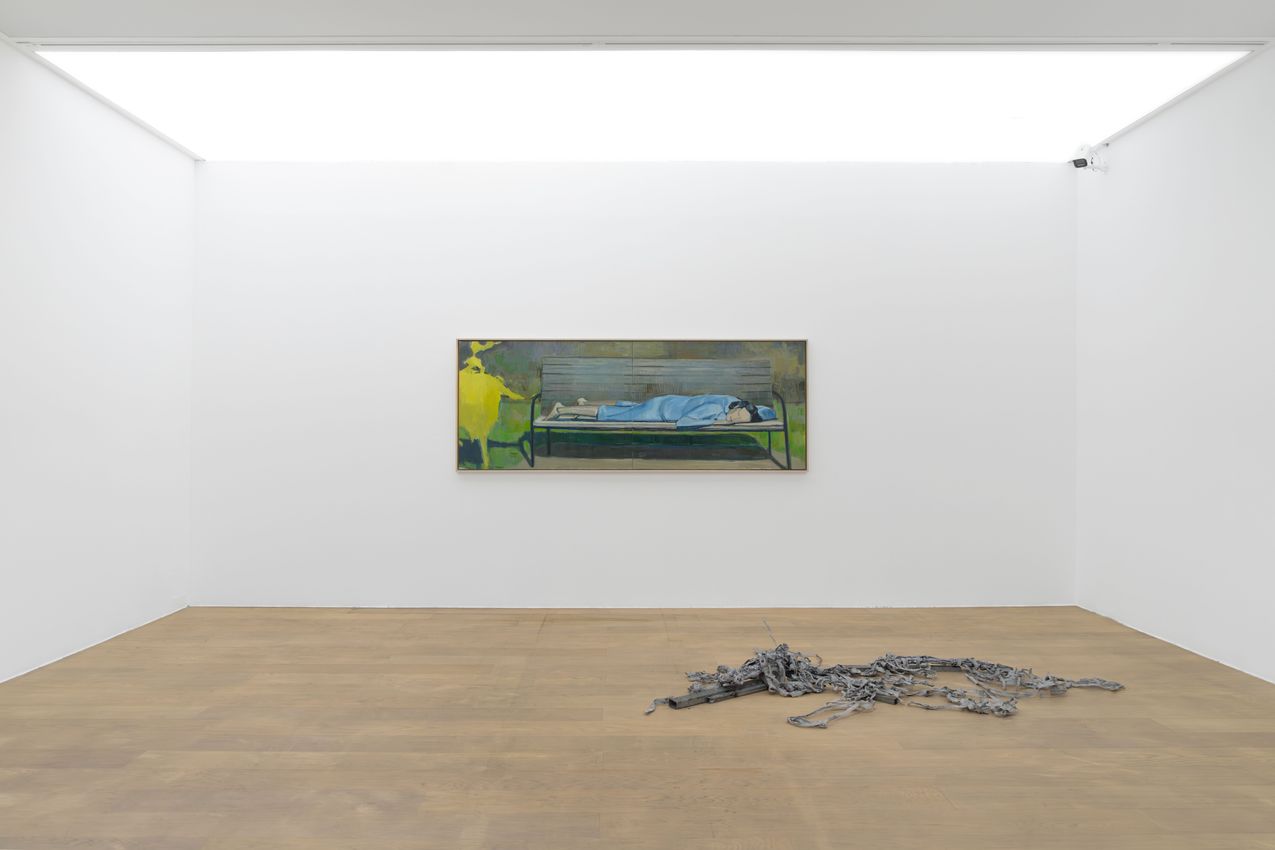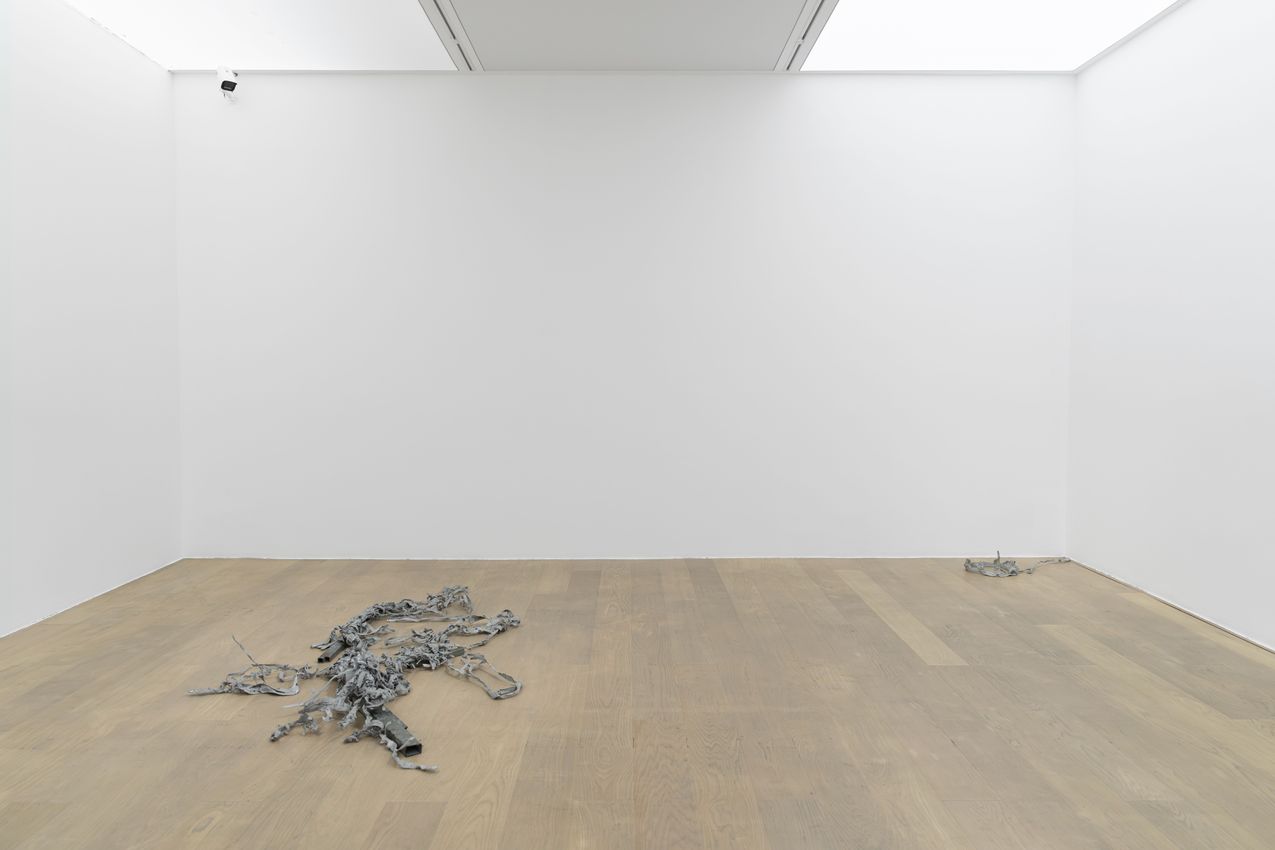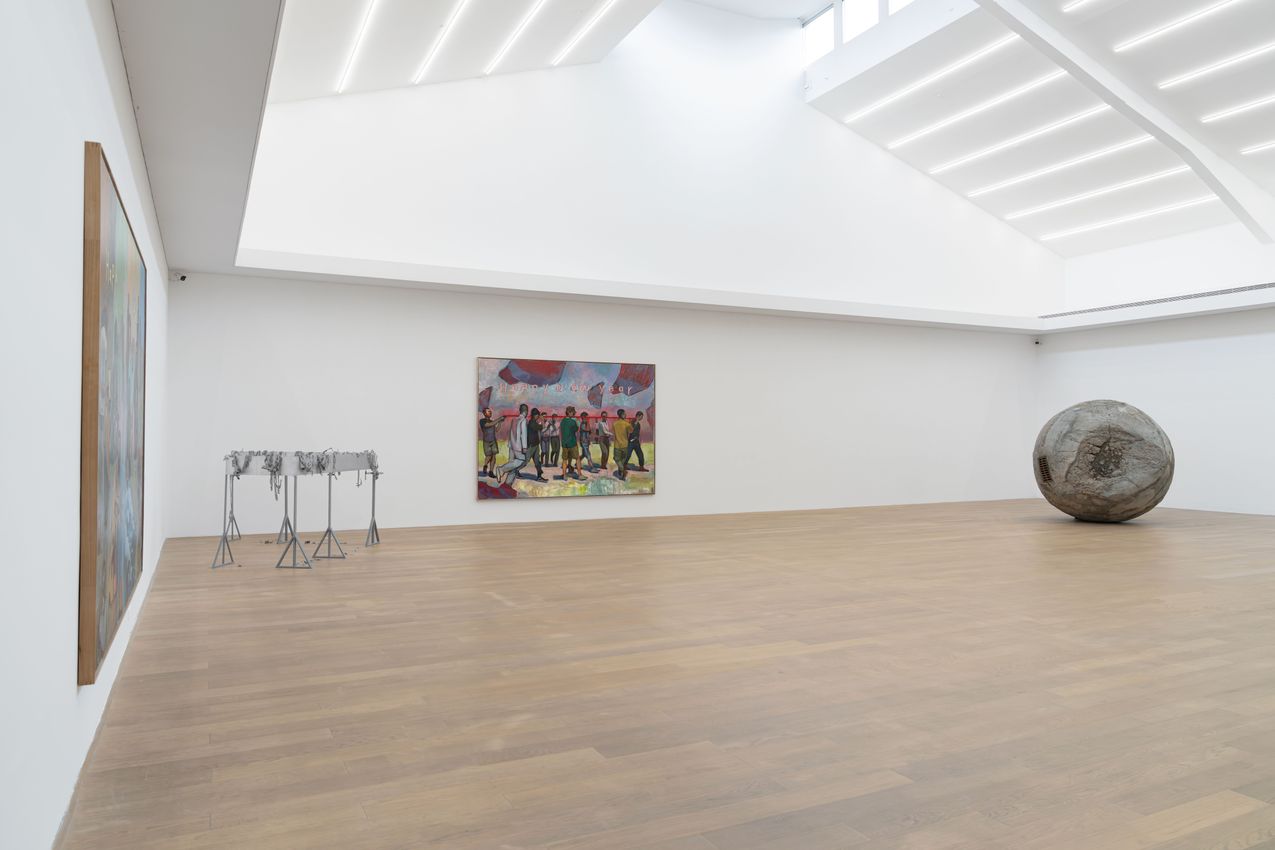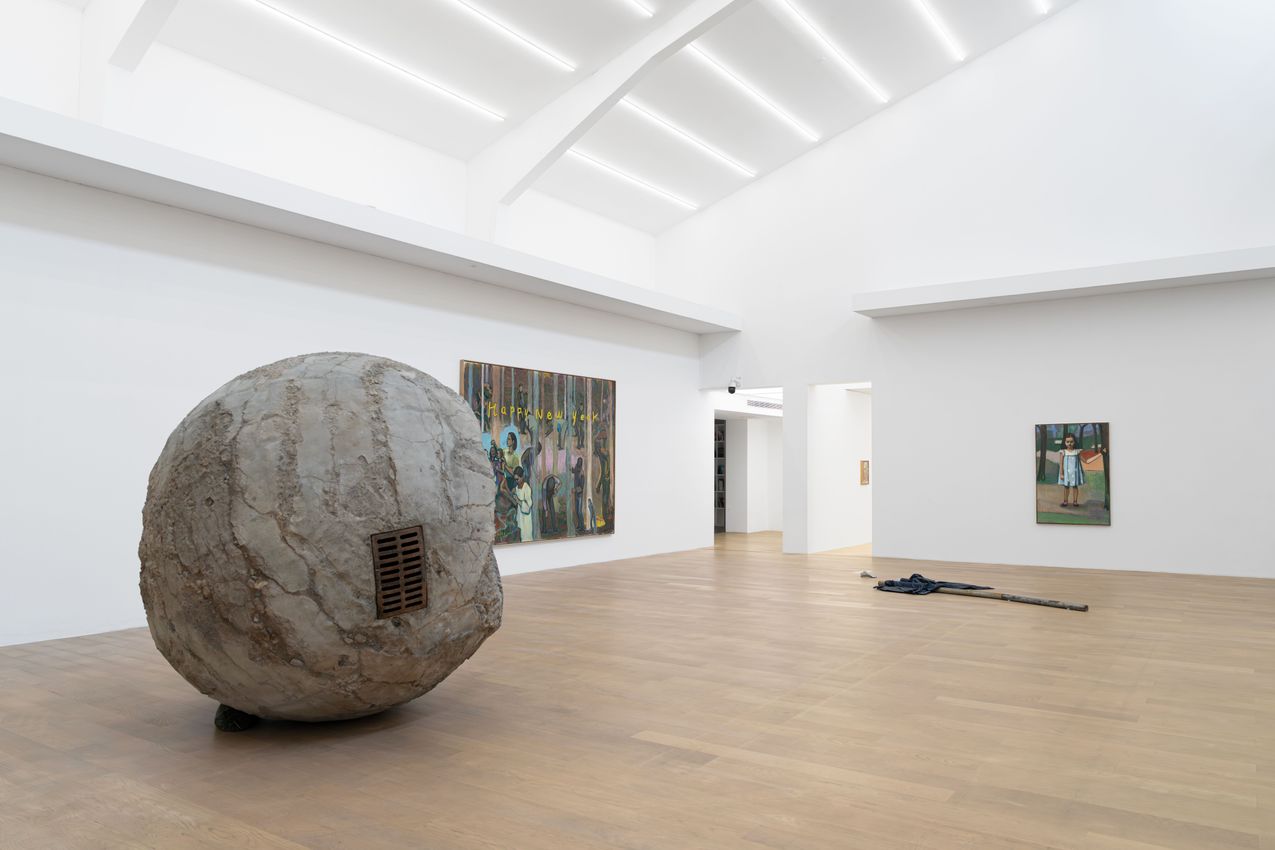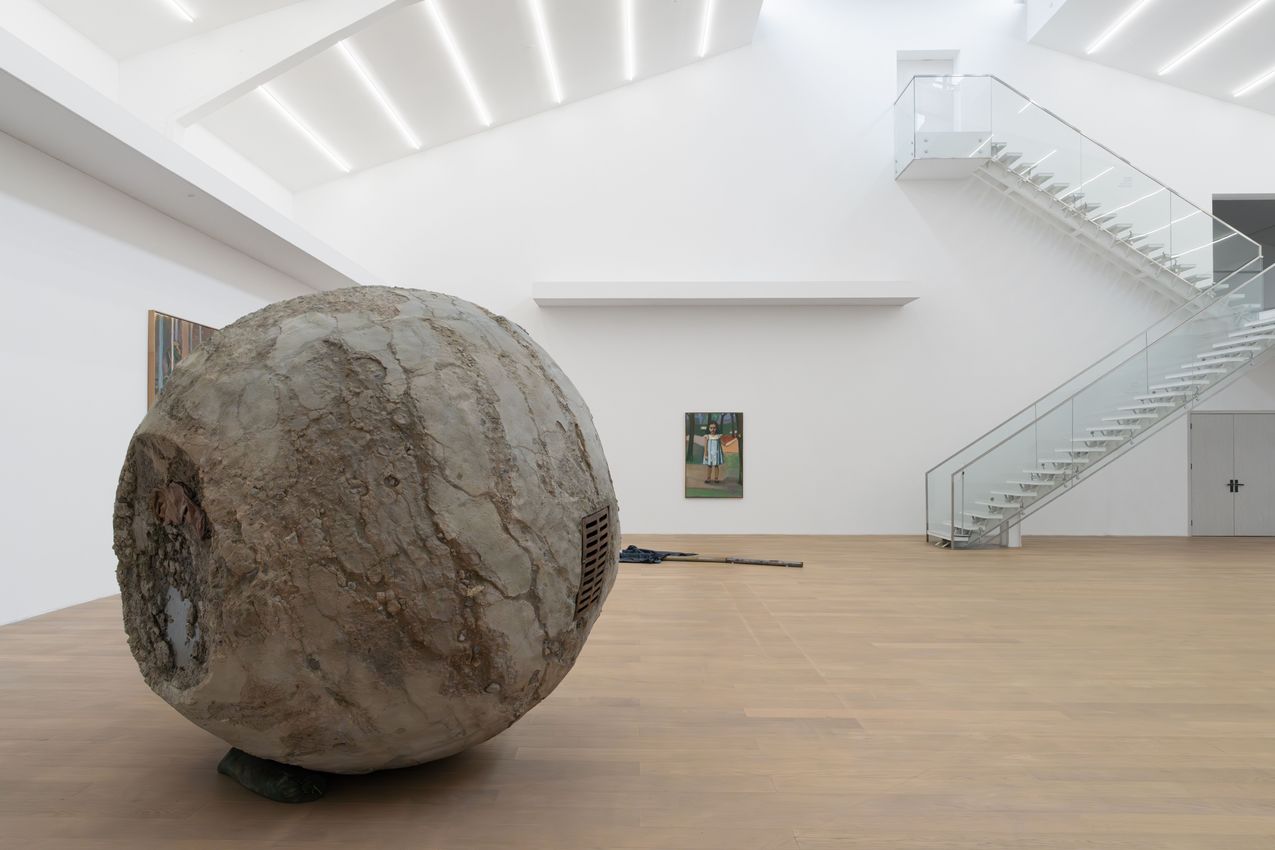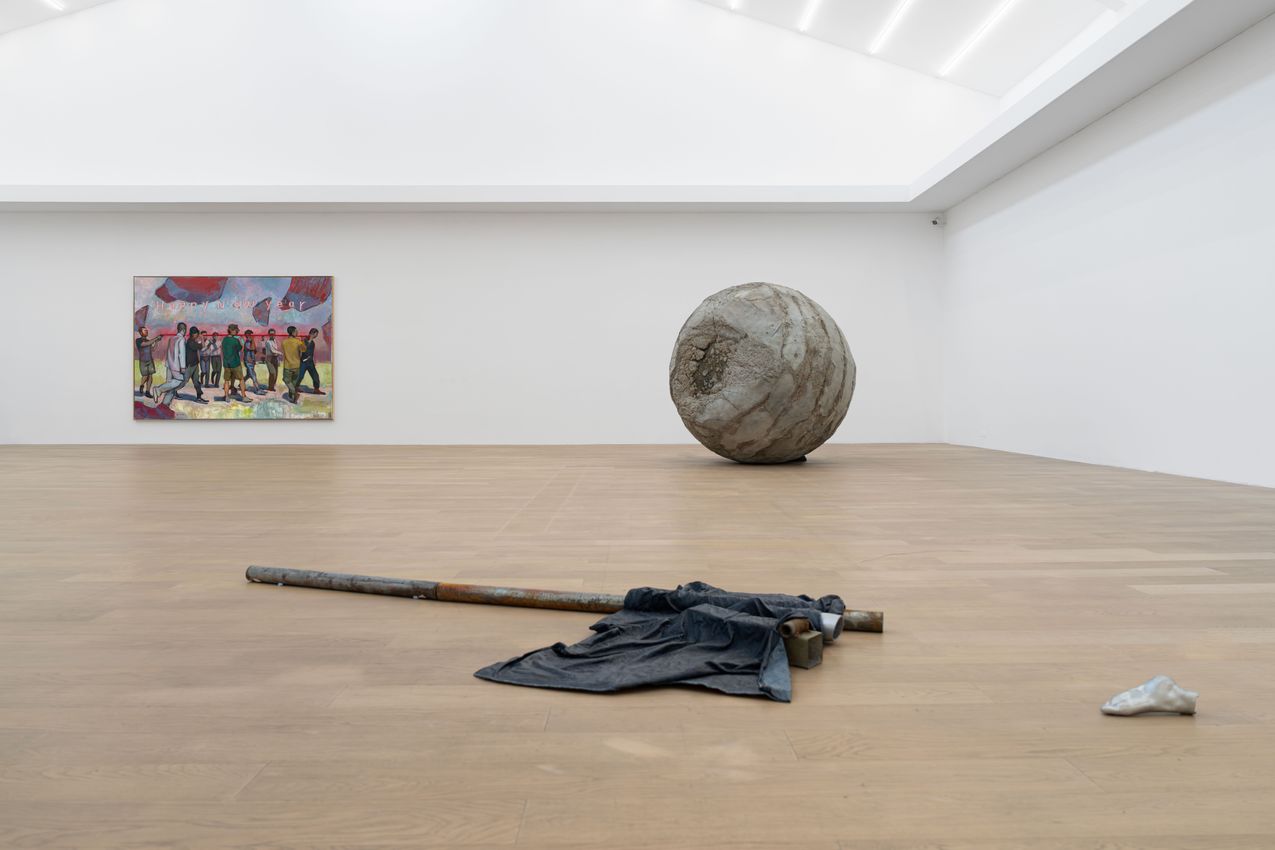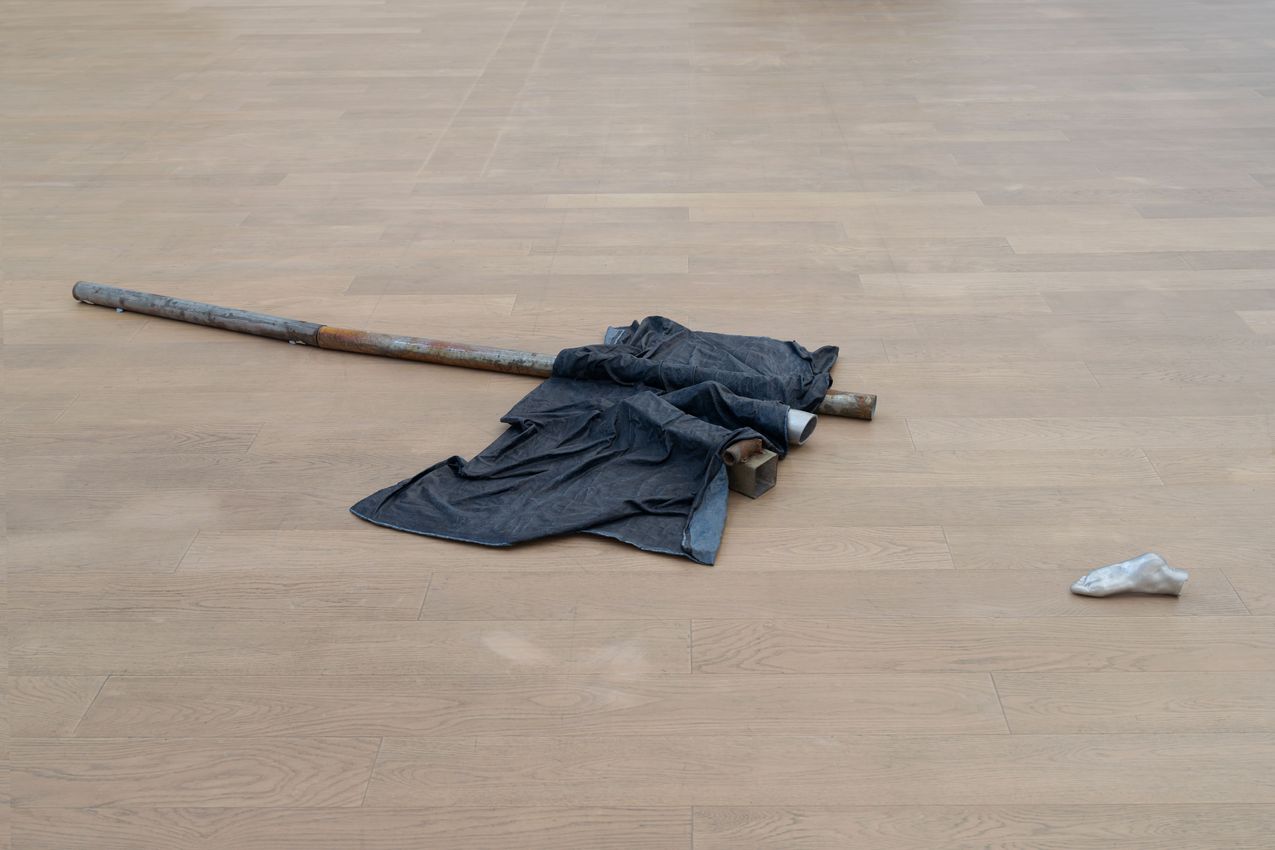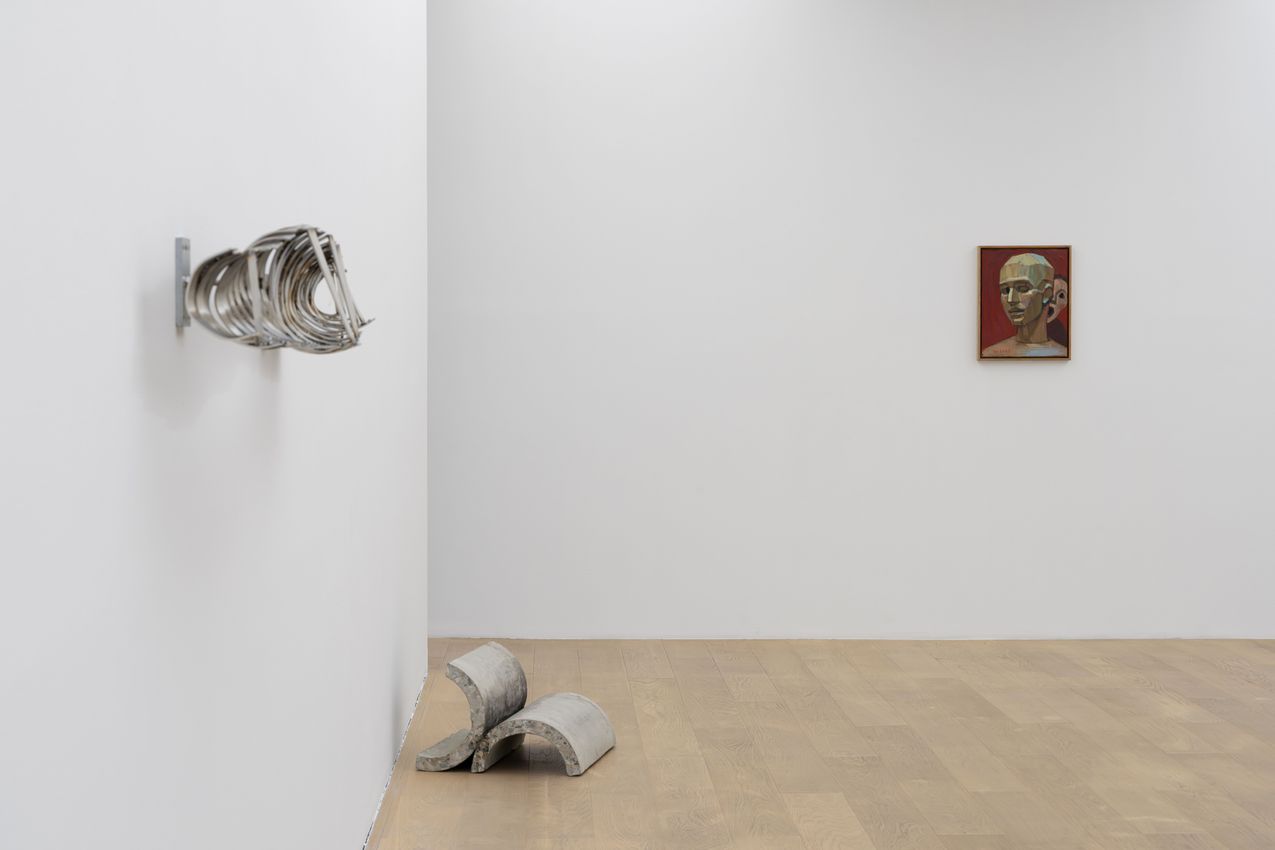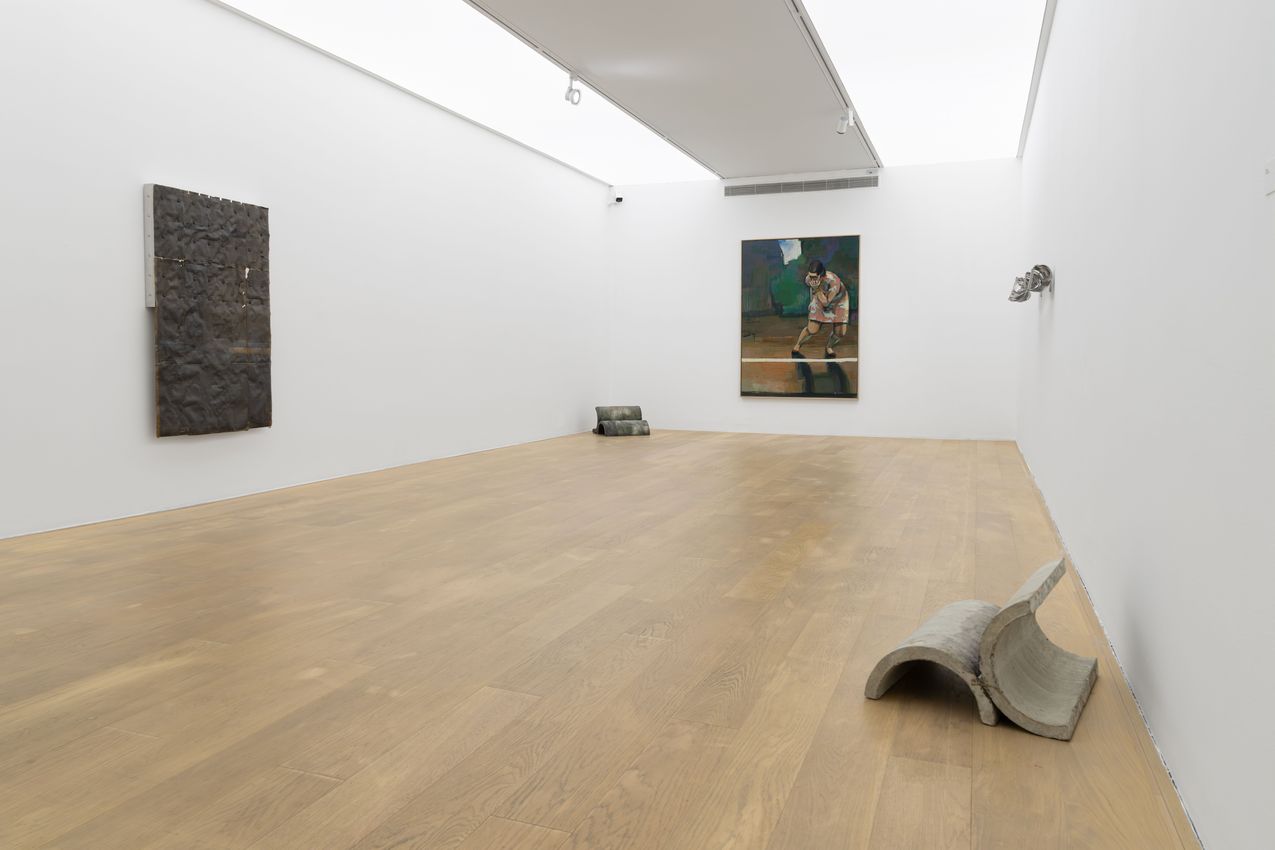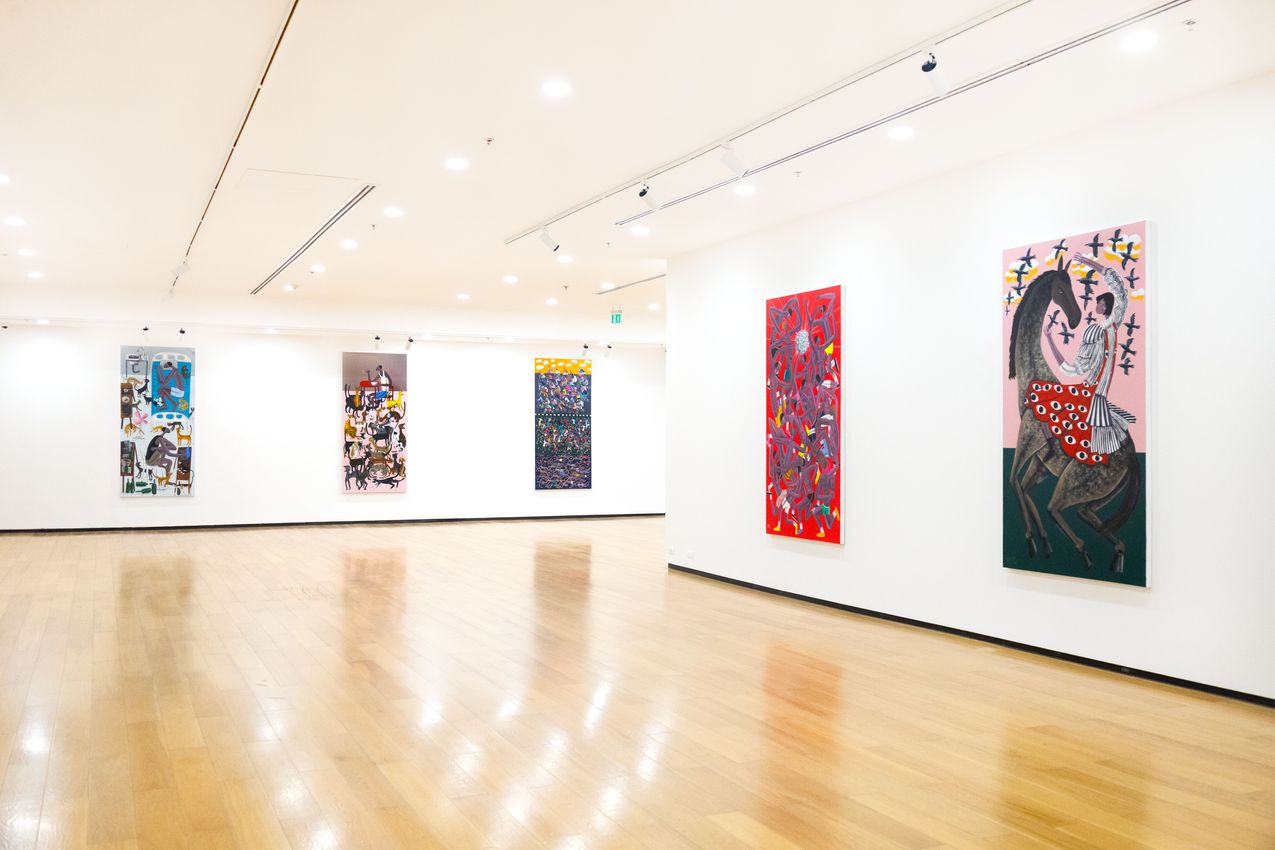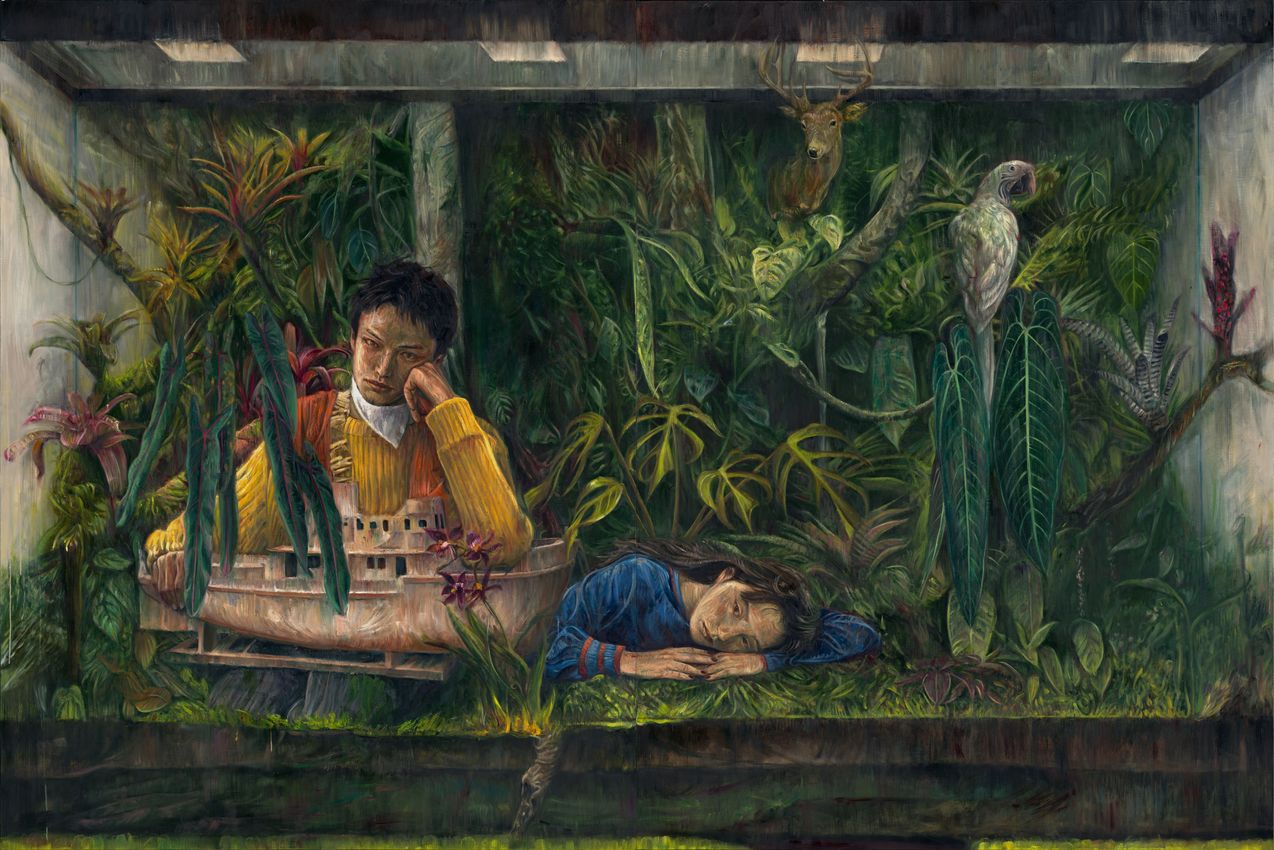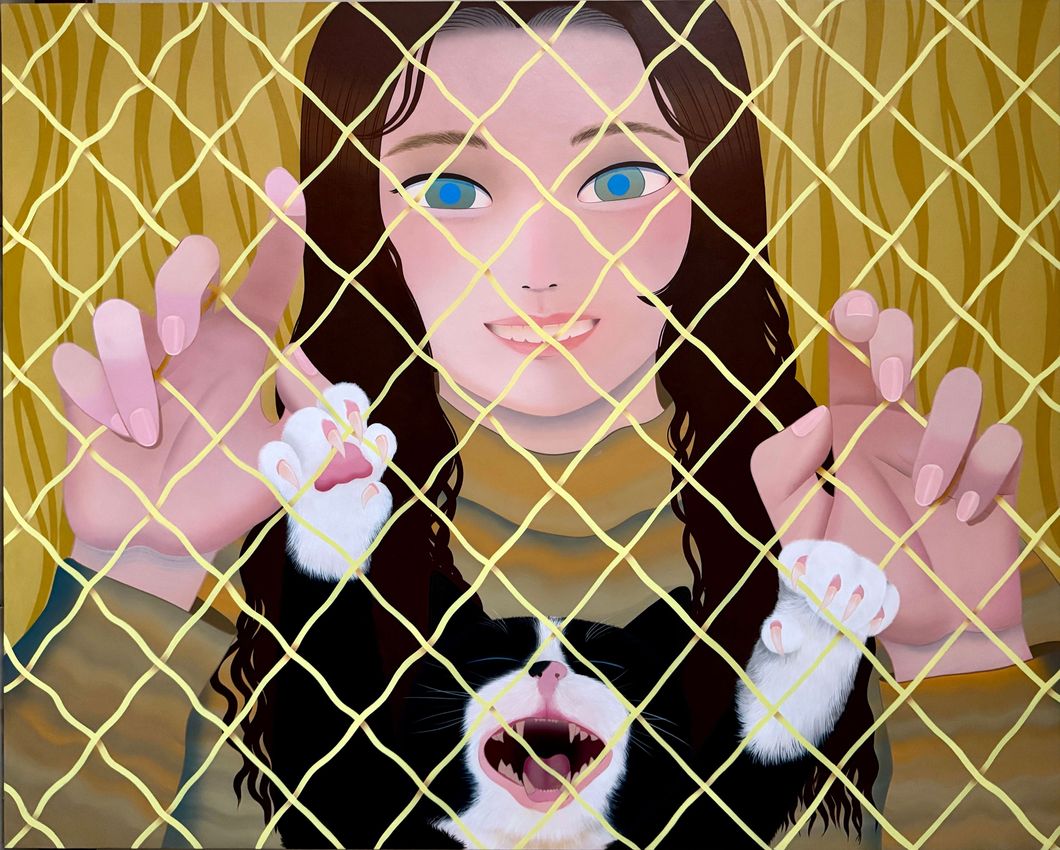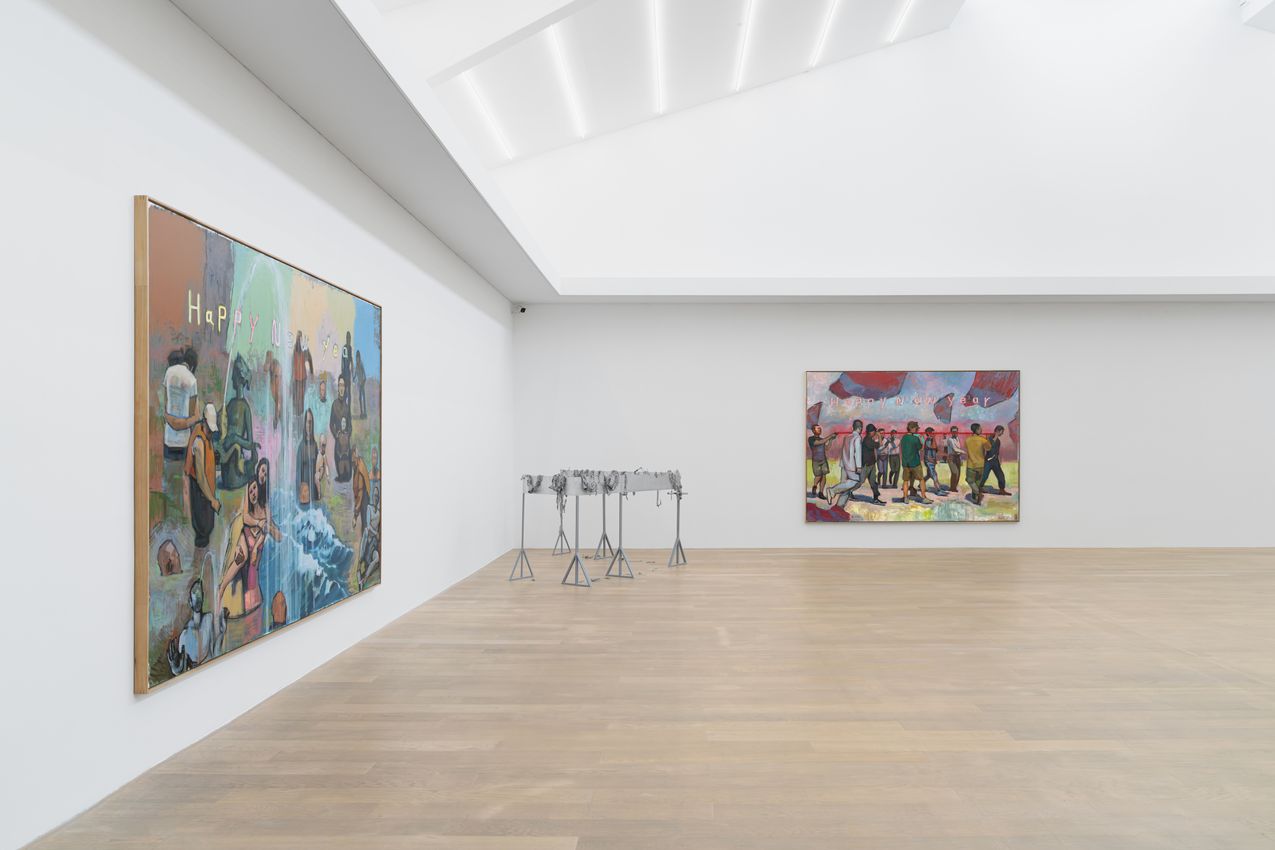
Tang Contemporary Art is pleased to announce “Zhang Hui x He An,” a duo exhibition at its Beijing 1st Space opening at 4 PM on August 29. As Zhang Hui’s paintings encounter He An’s installations, the two artists, each having pursued a deeply inward artistic practice, come together through their works in a meeting of minds—an intimate encounter between two distinct artistic worlds.
What is space? In the common understanding, space is a container: things exist within it, and people are situated among them. Martin Heidegger, however, reminds us that “space” is not something that subsists in itself; it is a relation constituted through the interconnection of beings. Space is not an empty box existing prior to things, but something generated in the reciprocal relations between things, between things and people, and among people themselves. It is not a background; it is relation itself.
Maurice Merleau-Ponty takes this insight further. The individual is neither simply situated within a determinate space and time nor prior to them as the one who presupposes or conceives them. Space and the individual stand in a relation of reciprocal dependence; space, in his formulation, comes into being “by adhering to the form of the individual.” This means that every sufficiently forceful work creates a space of its own—a domain defined by its scale, weight, texture, and internal logic.
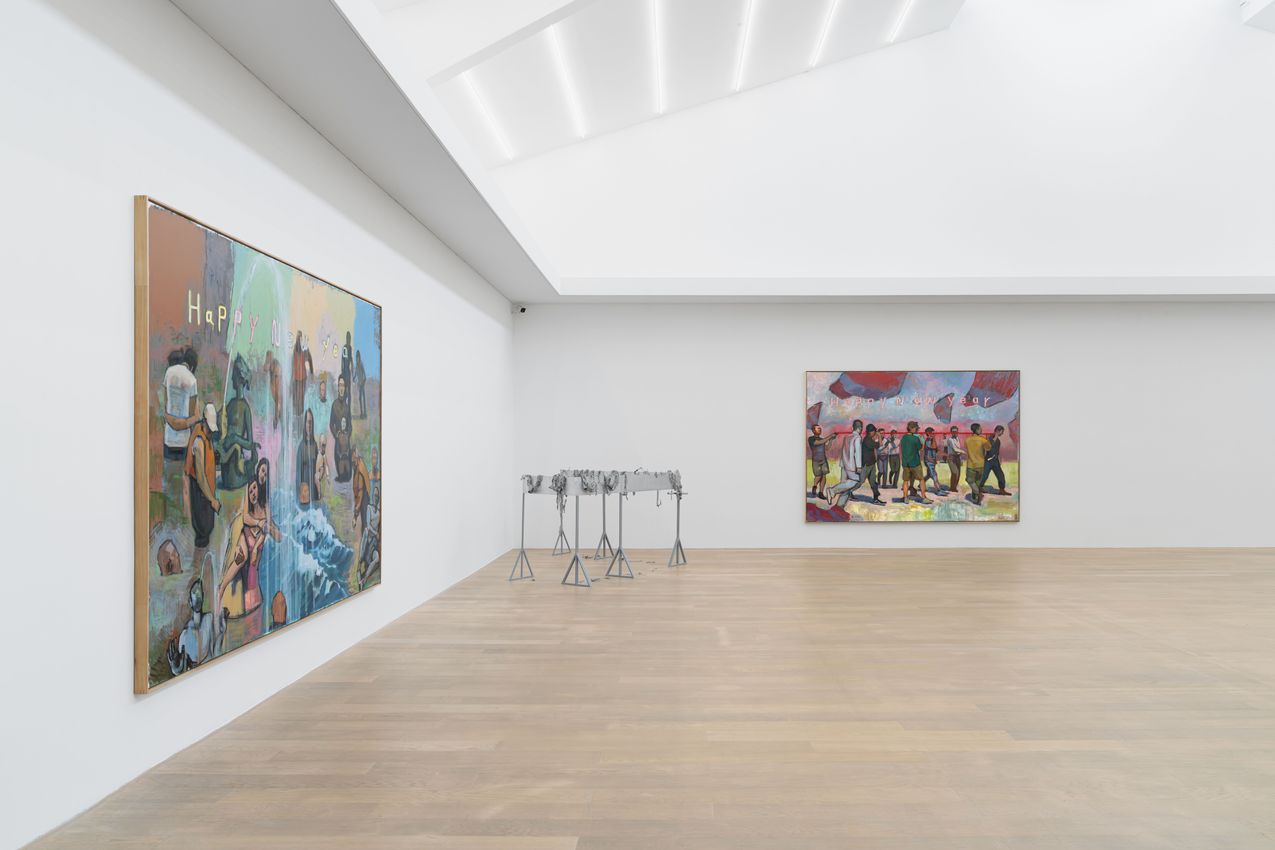
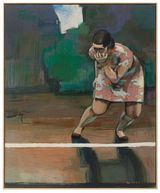
When Zhang Hui’s paintings encounter He An’s installations, the question is no longer that of “two works placed in the same room,” but rather: how can two works, each of which has created its own space, enter the space of the other? Zhang Hui explains: “From the standpoint of my own work, I see He An’s work as a space within my pictorial field—a space in which things can be placed and held. He An, in turn, sees my paintings as a space within his installation. This is mutual spatiality: not juxtaposition, not contrast, but a structural condition of being embedded in, and accommodated by, one another.”
“Mutual spatiality” is possible, first of all, because the works of Zhang Hui and He An each possess the capacity to become “space.” Both practices draw the external world into their respective gravitational fields and reshape it into a self-sufficient world. One constructs an interior theatre; the other casts an exterior epic. Through this mutual spatiality, their works bend toward and permeate one another. At a deeper level, the logic is one of recognition and acceptance. They do not merge, yet they acknowledge one another; they are not alike, yet they make room for one another.
Yet mutual placement alone cannot convey the structural intensity of this relation. In The Self-Aware Image: An Insight into Early Modern Meta-Painting, the art historian Victor I. Stoichita uses the concept of mise en abyme to disclose a deeper structural logic. Early modern painters often embedded one or more images within a single work by representing paintings within paintings, as well as windows, doors, niches, and mirrors. This nesting allowed inner and outer pictorial worlds to coexist and refer to each other, transforming the painting into a self-aware aesthetic object. It not only presents the world; it presents “presentation” itself. For Stoichita, however, mise en abyme remains an operation internal to a single work: one painting nested inside another. Zhang Hui and He An extend this logic to a reciprocal extreme. Their exchange is not a matter of simple borrowing but of a structural mise en abyme between two works. Even as each contains the other, it also declares its own completeness as a “world,” producing a visual and conceptual structure of potentially infinite reflection. Logically, this is wholly homologous to the meta-paintings Stoichita describes—works that acquire self-awareness through the “painting within a painting”—but it surpasses them at the level of relation. The point is not imitation, nor fusion. It is the mutual recognition that the other’s work has become powerful enough to constitute a “world,” a world capable of accommodating and enfolding another.
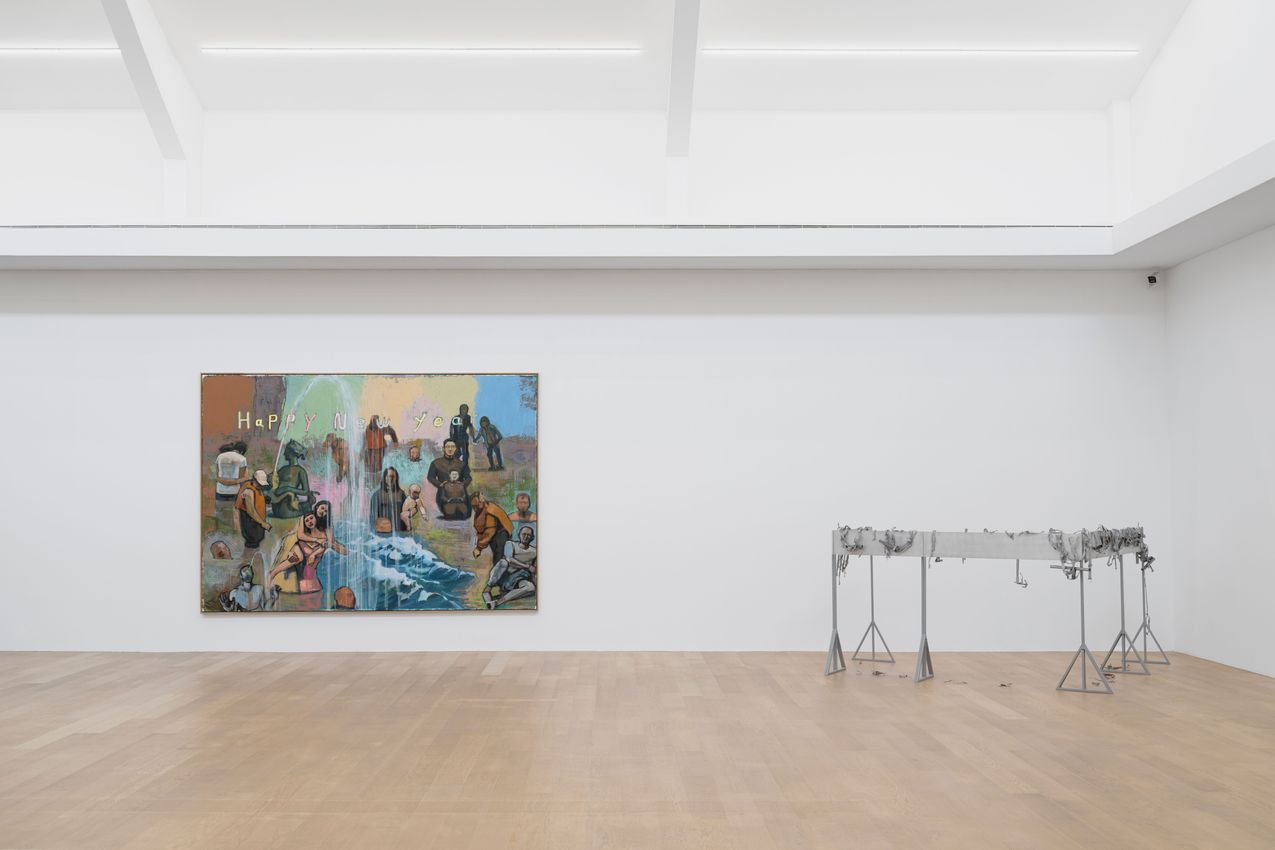
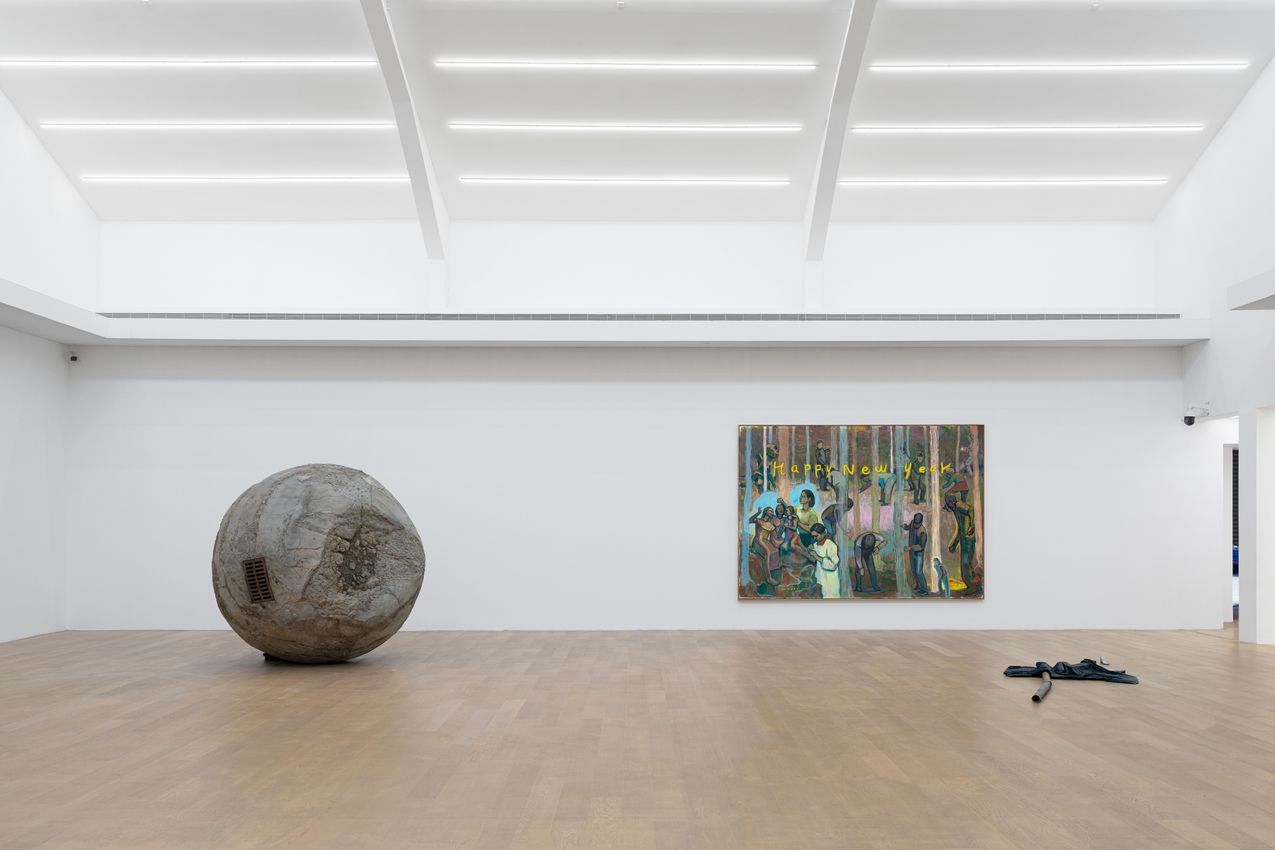
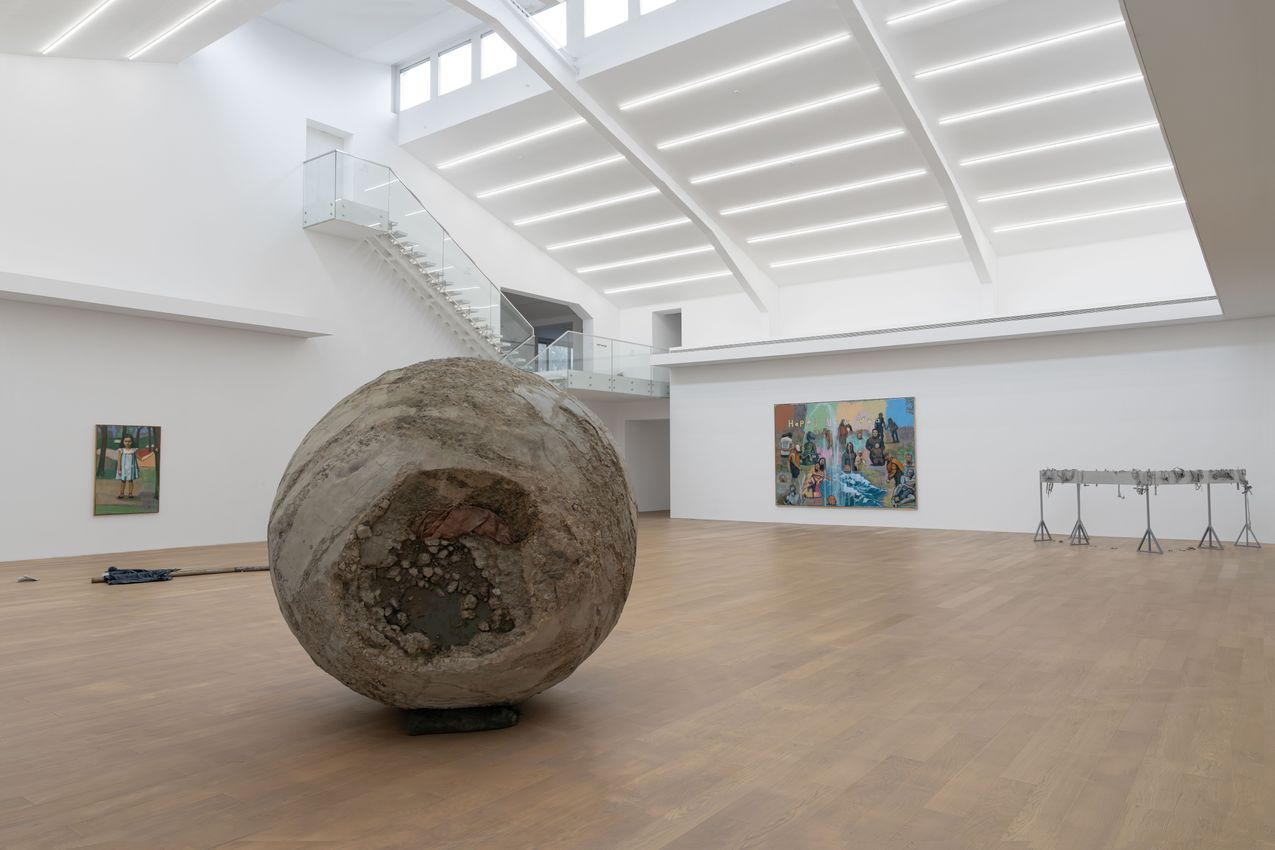
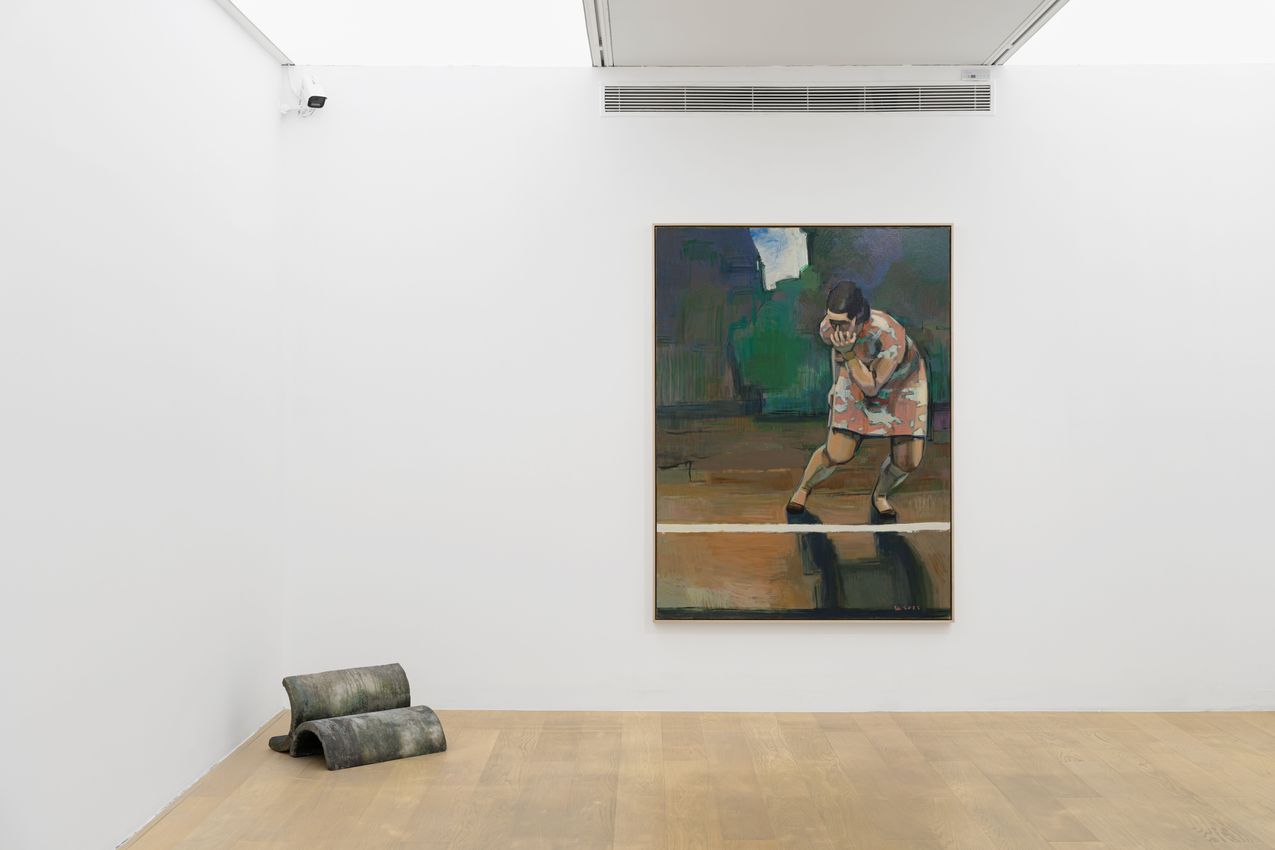
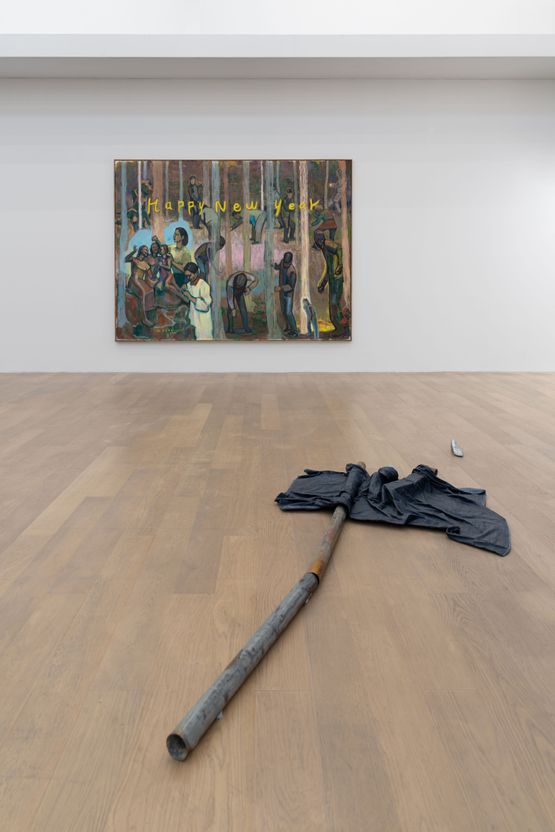
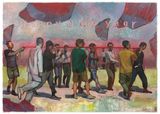
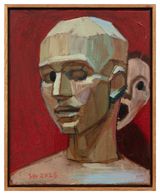
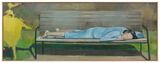
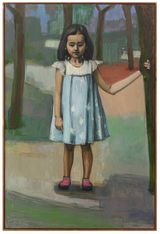
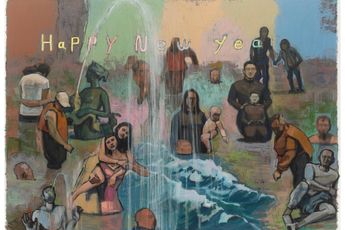
Zhang Hui graduated from the Department of Stage Design at the Central Academy of Drama, and a sense of theatricality has remained constant in his painting. The figures in his pictures are not specific individuals but “for-example persons.” Stripped of identity, tools, and narrative, what remains is the force contained in gesture and the contradictions held within the body. The figures laid in with dark grounds and then covered with luminous colors, together with movements poised between collapse and support, testify to Zhang’s distillation of personal experience into visual truth. His canvases are not representations of the world but visual theatres constructed by the artist. The several large-scale paintings in the main gallery together amount to a concentrated presentation of his major works from recent years.
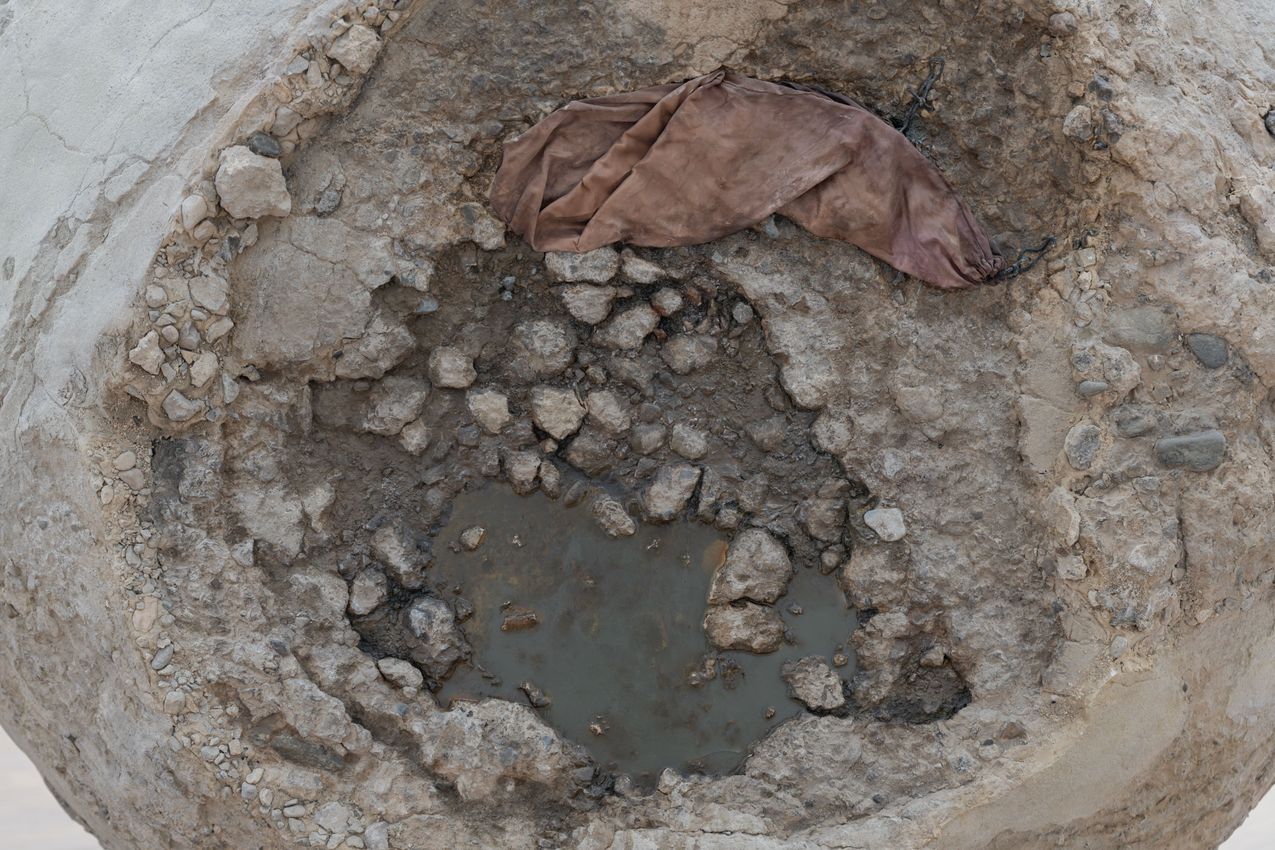
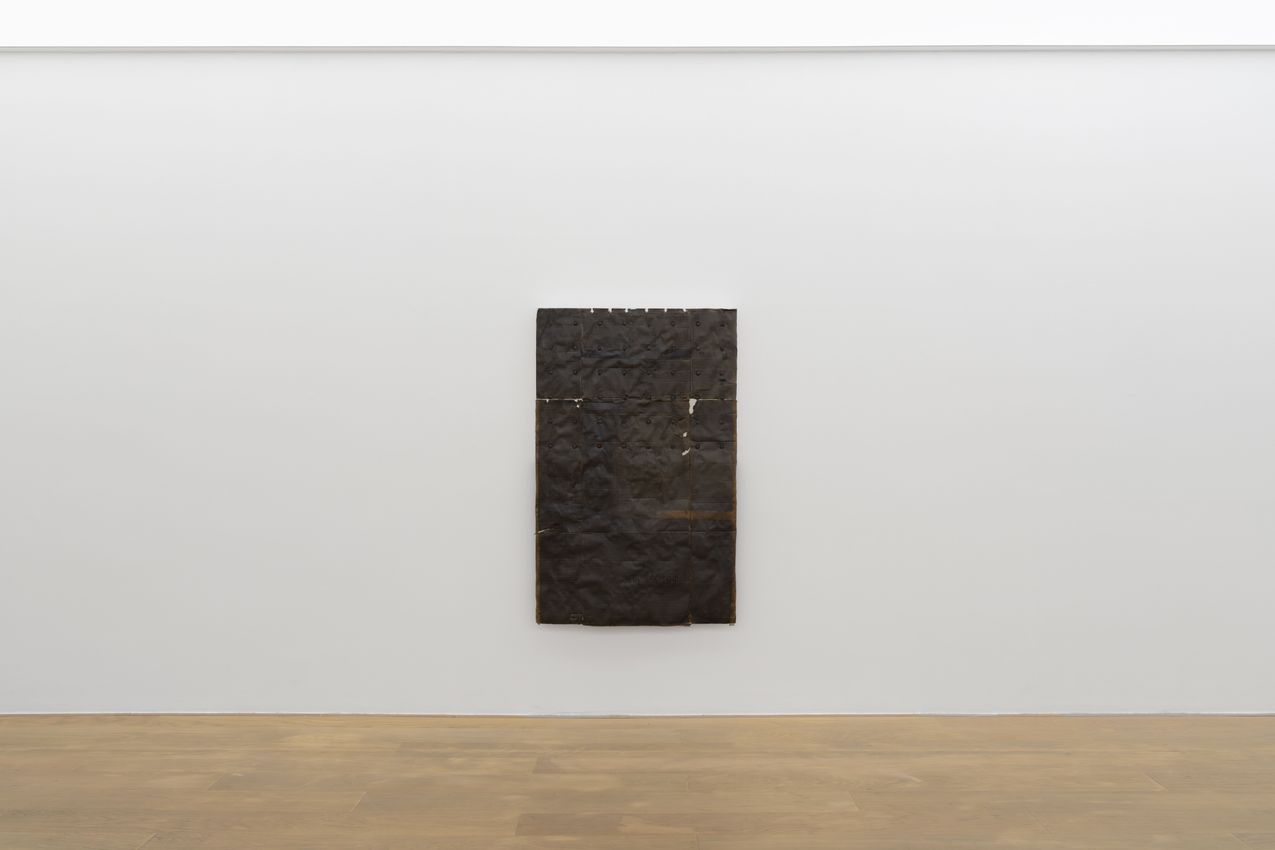
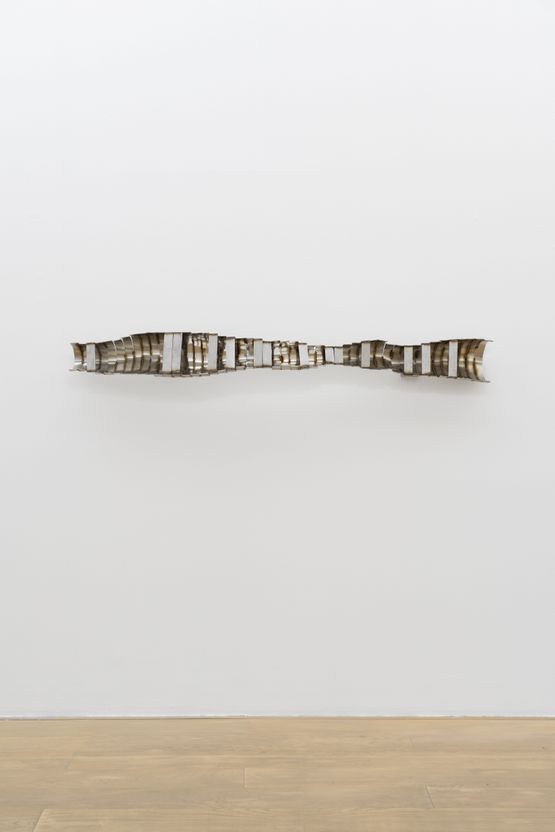
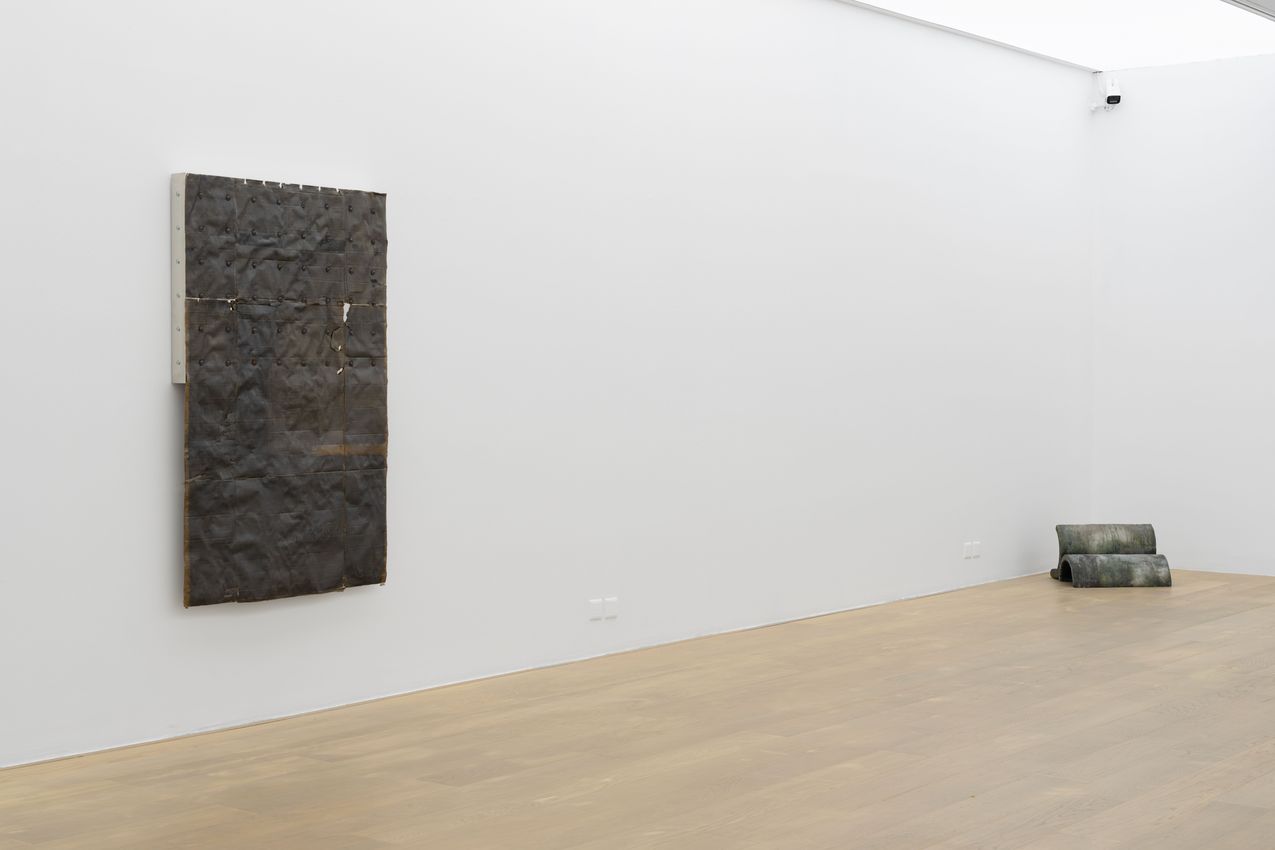
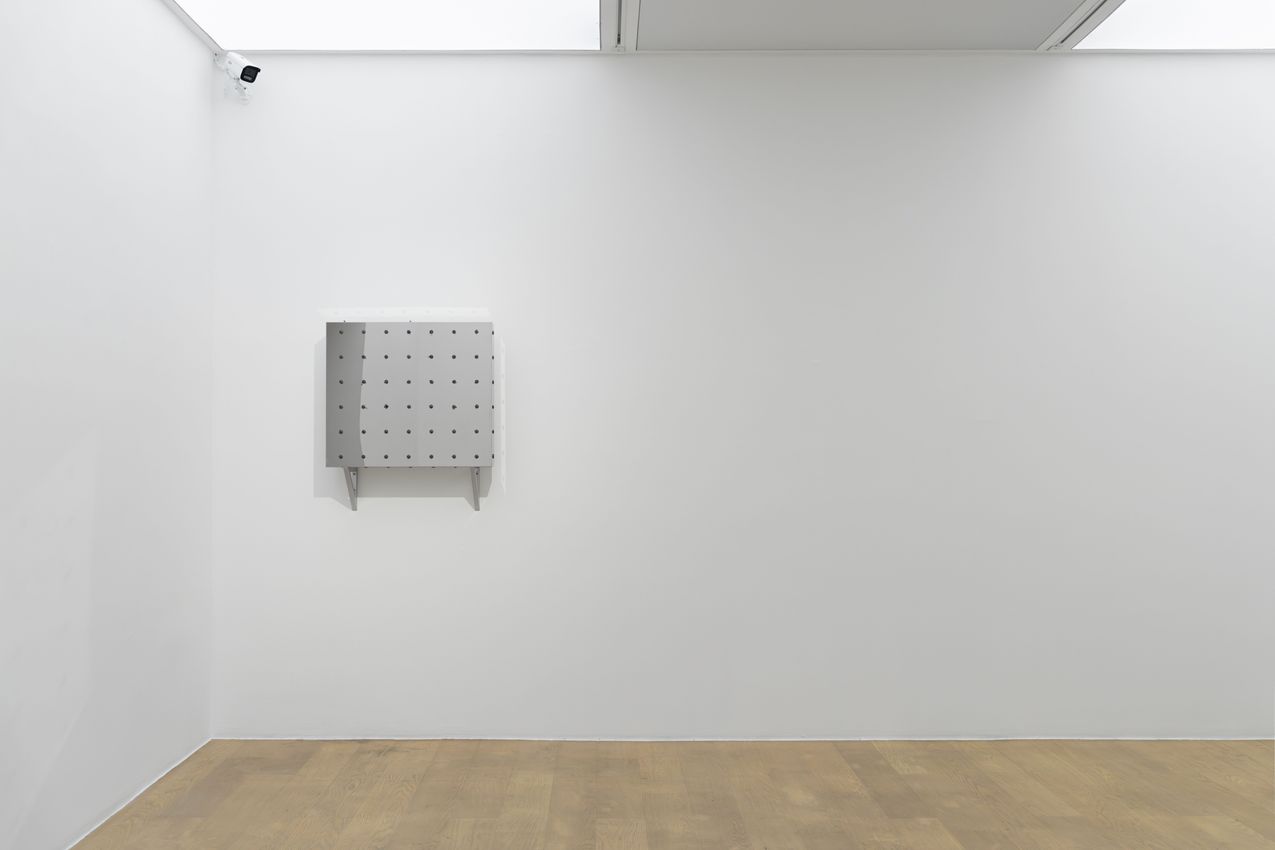
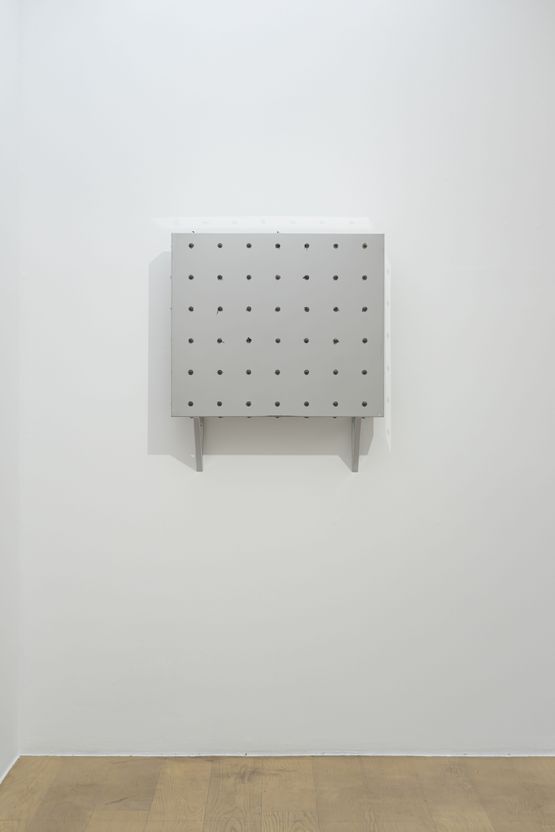
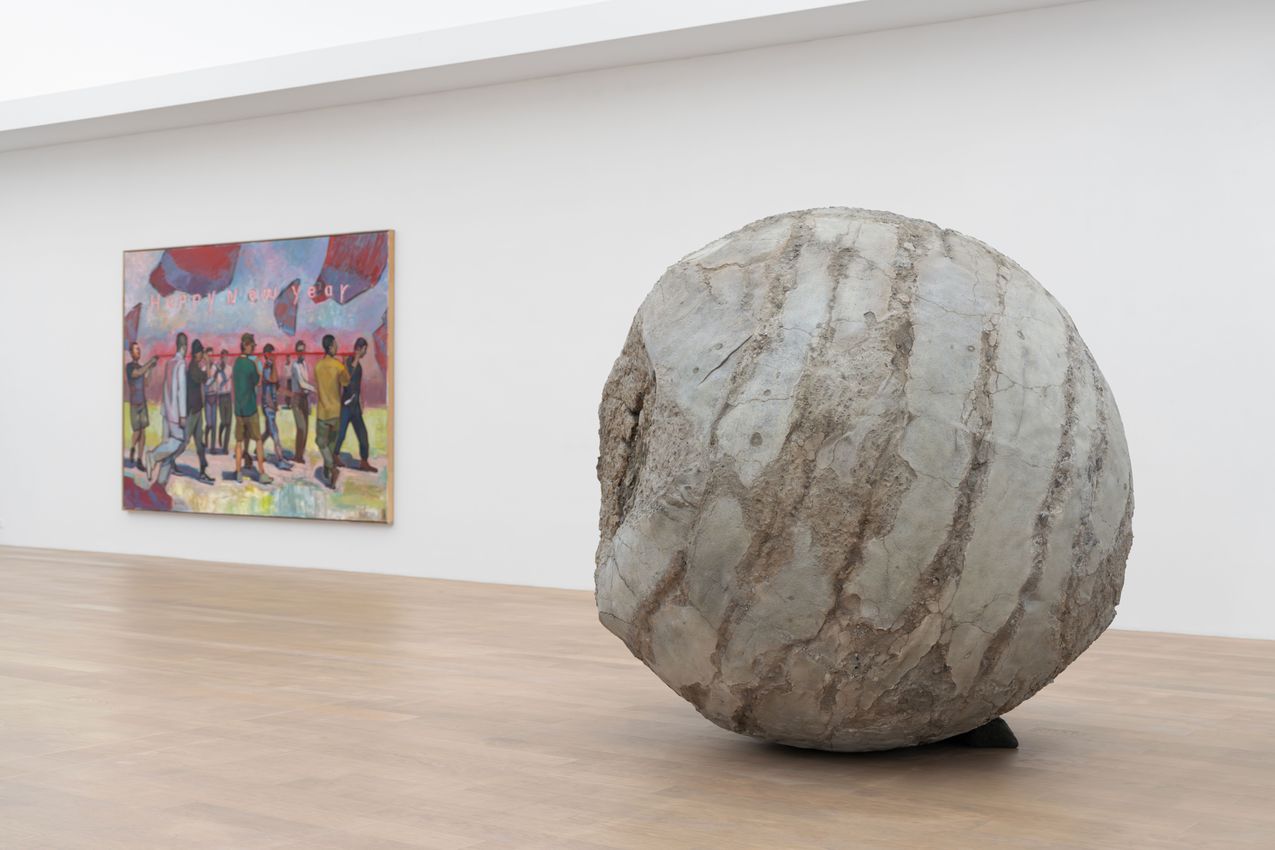
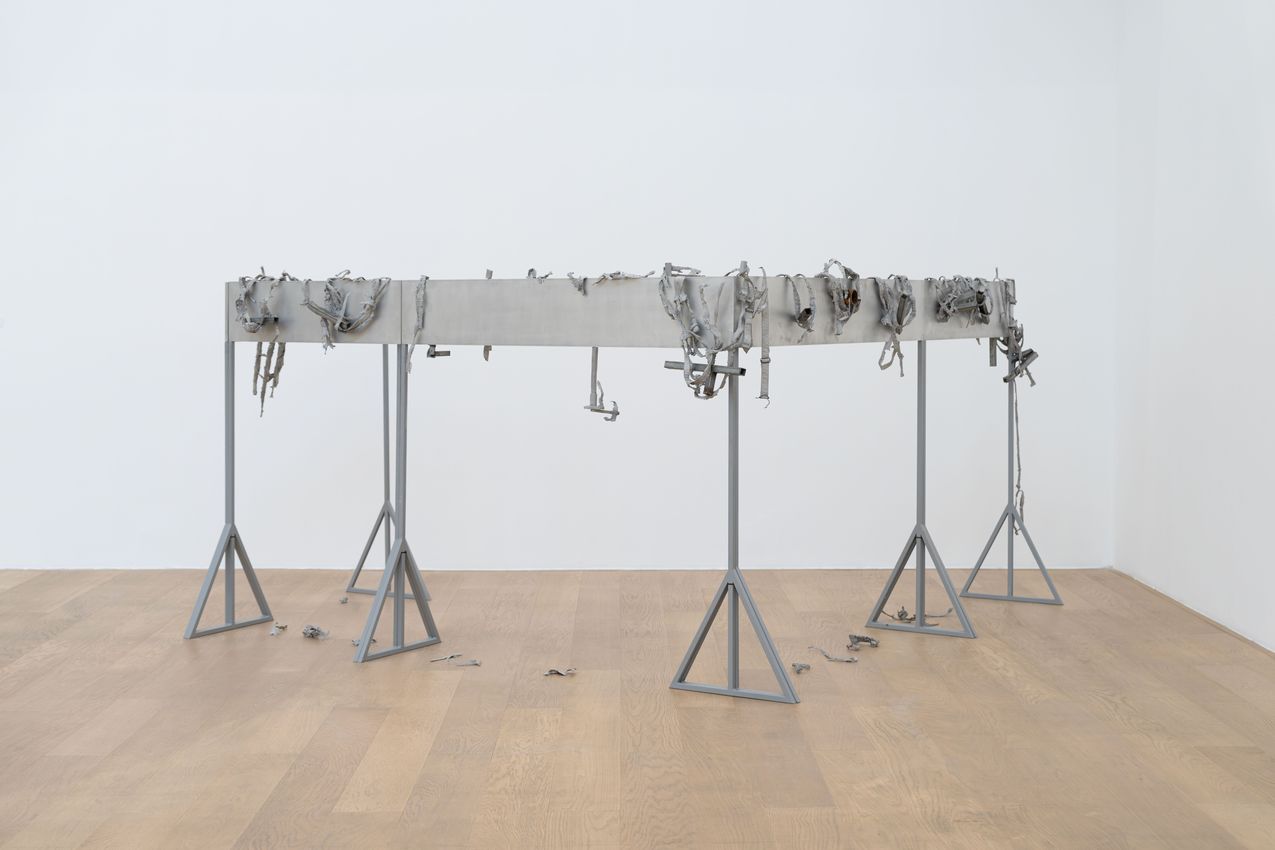
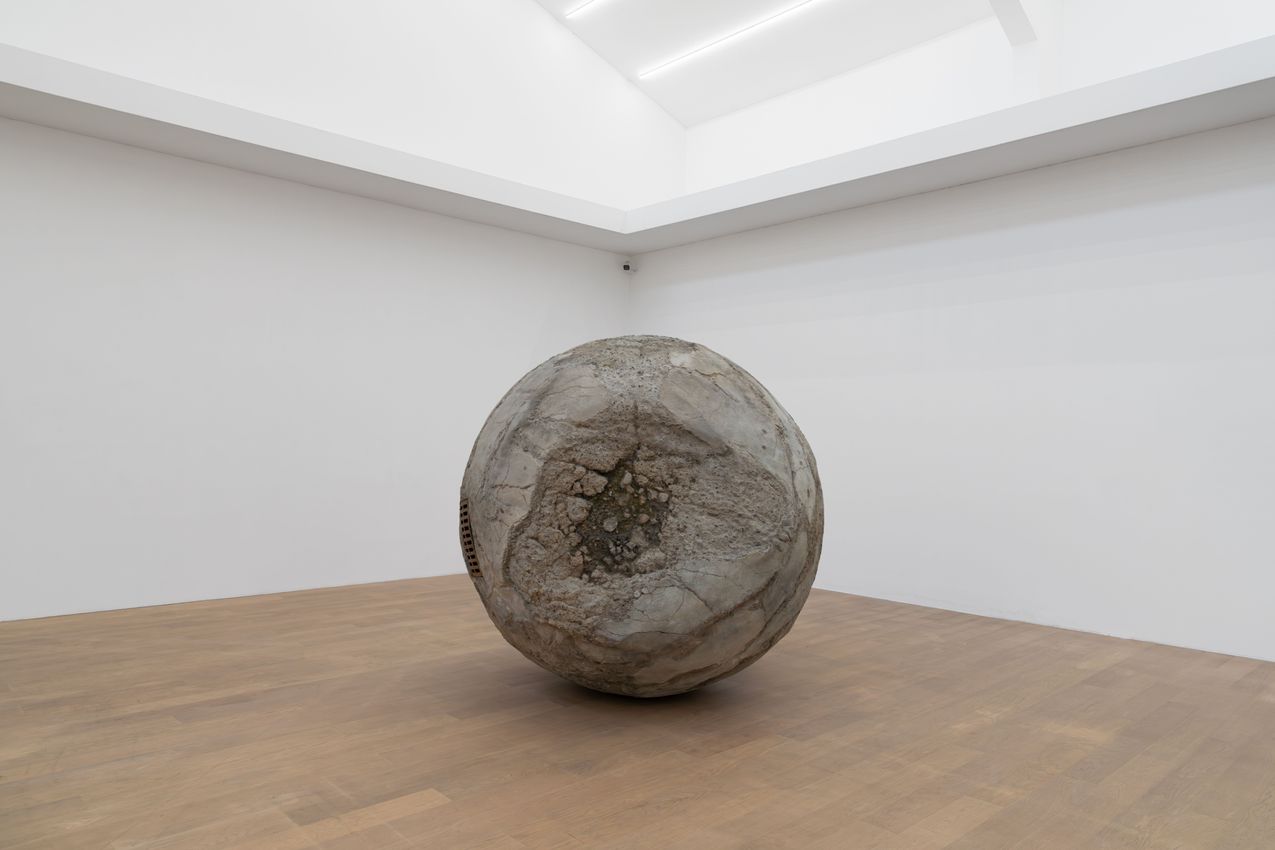
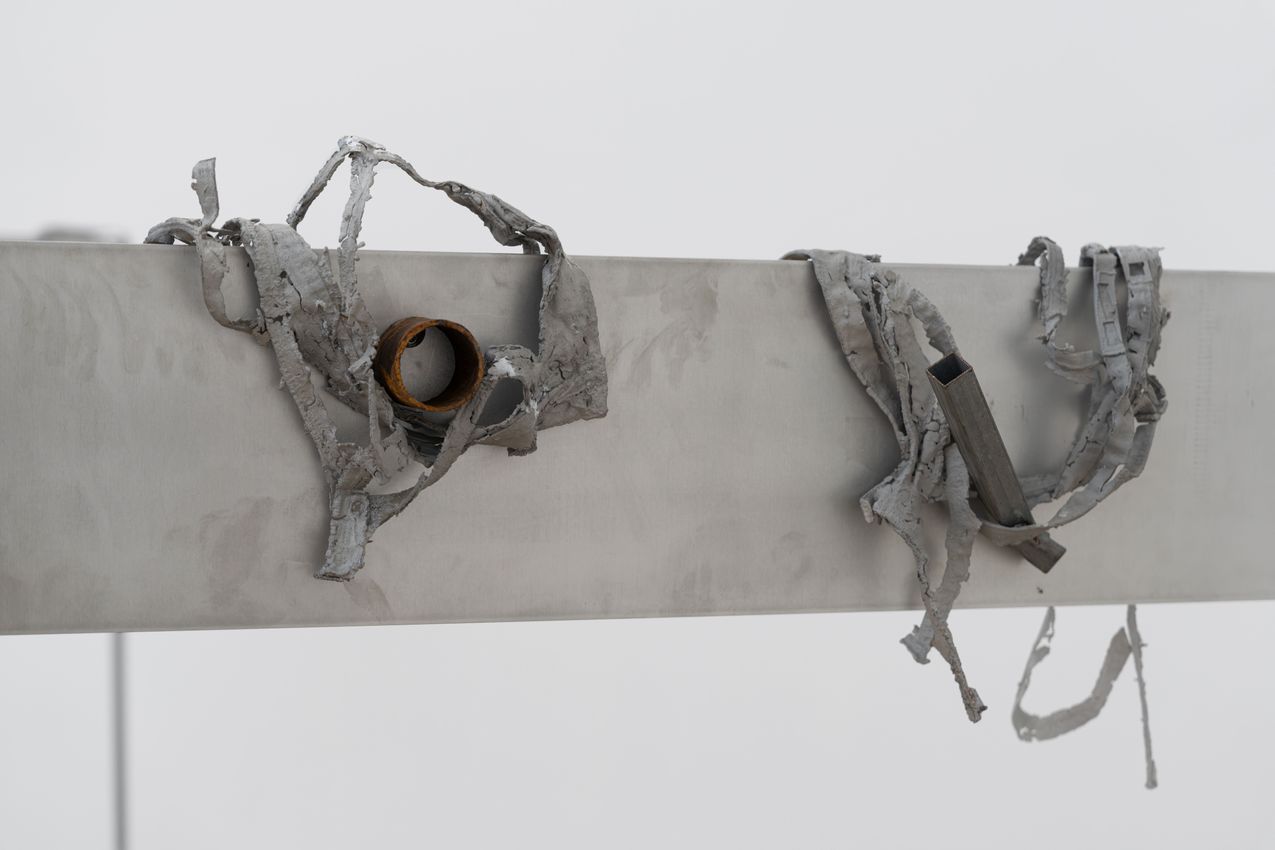
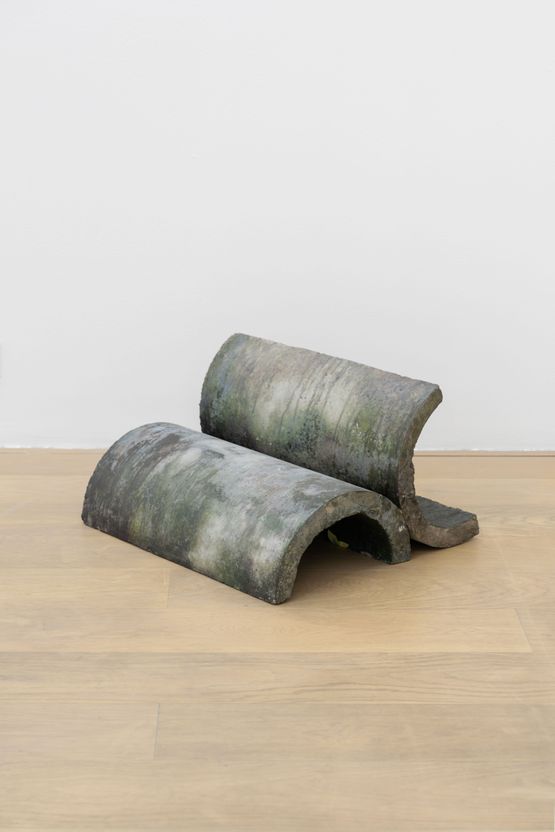
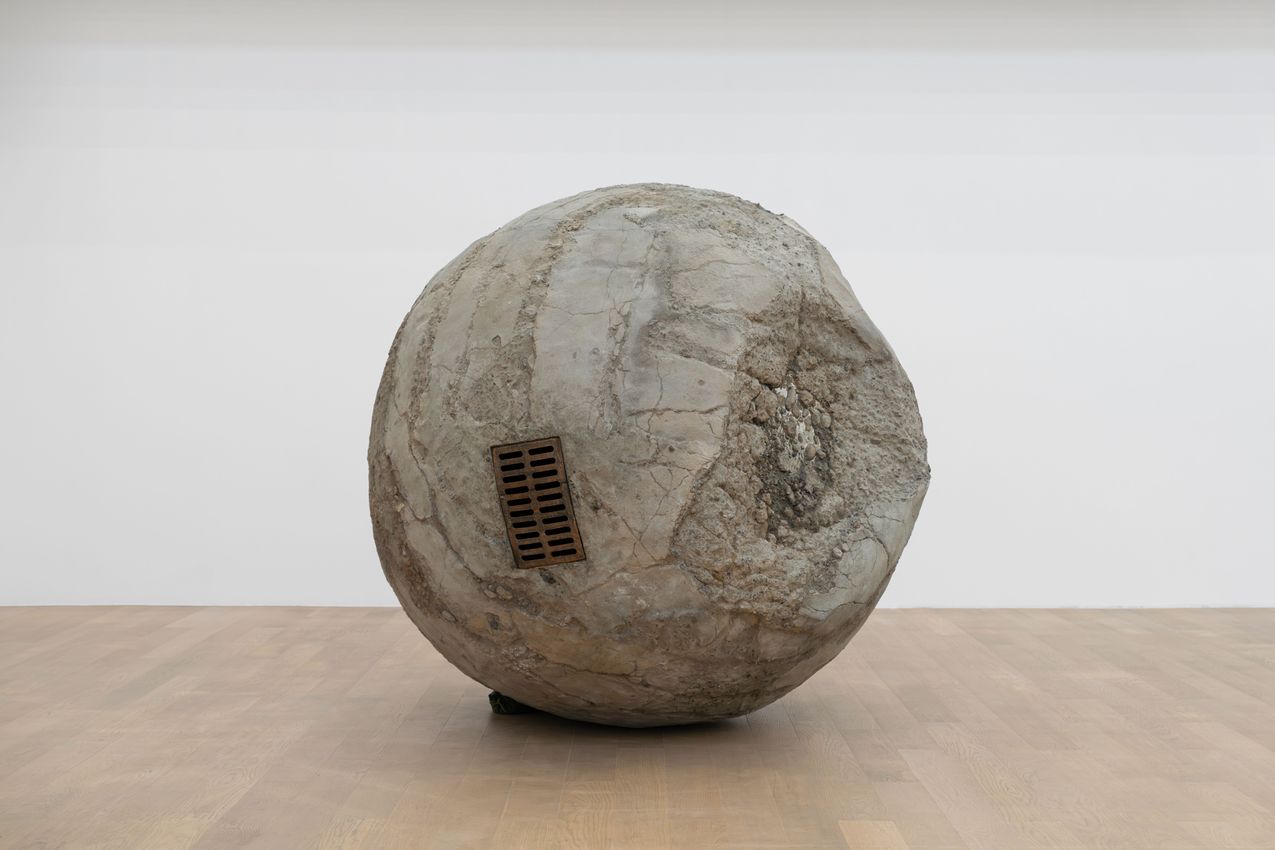
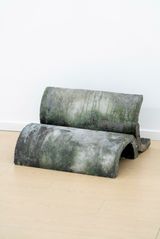
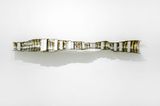
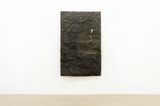
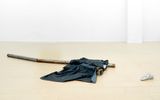
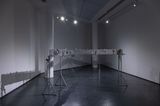
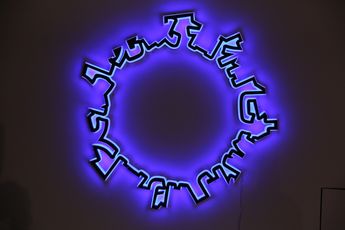
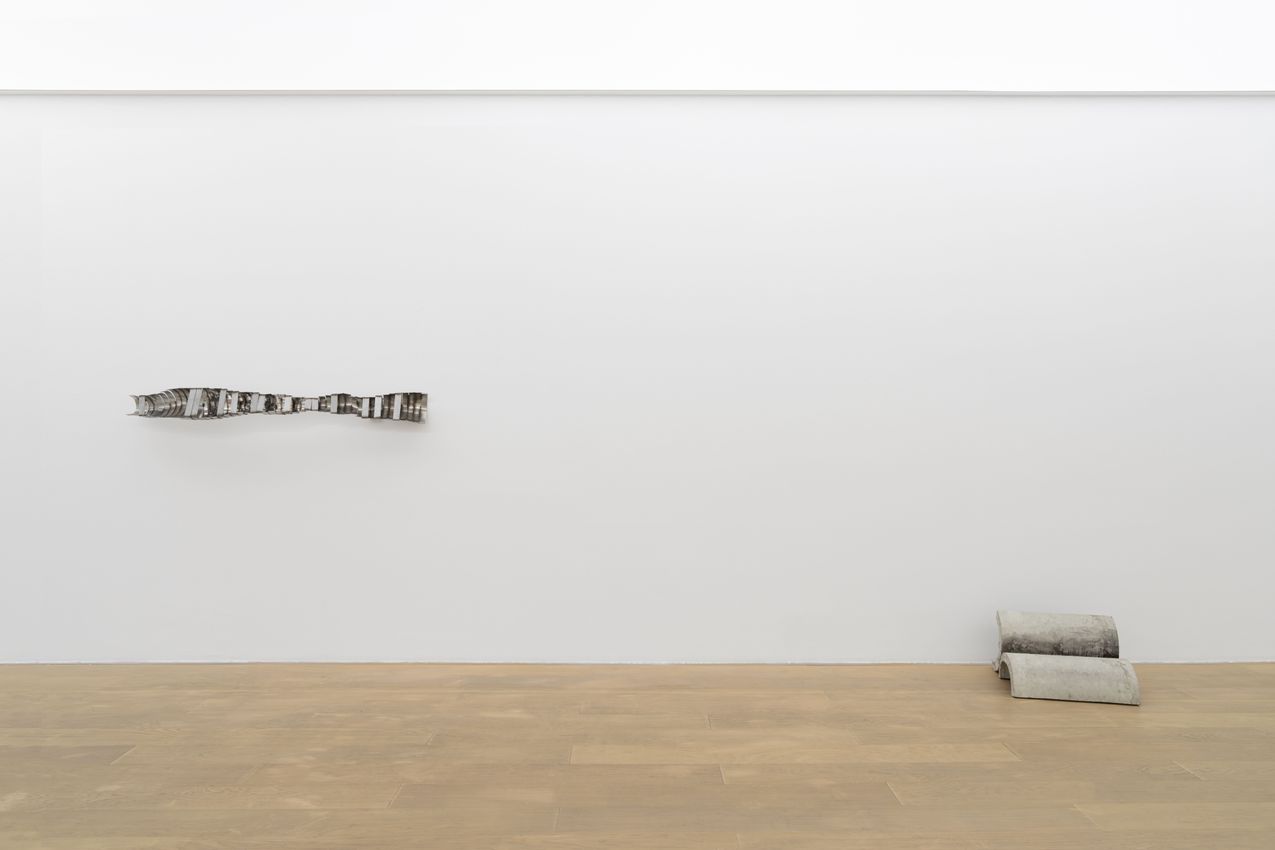
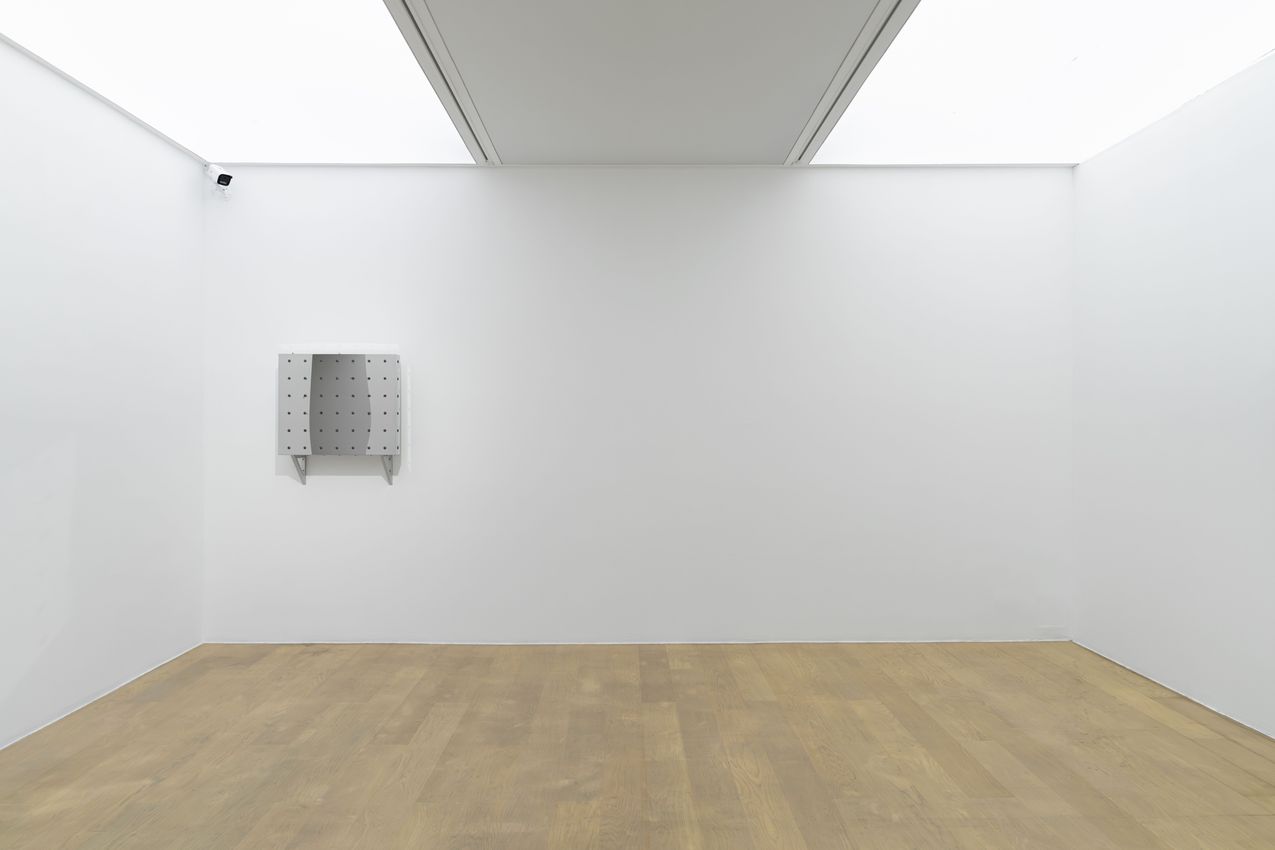
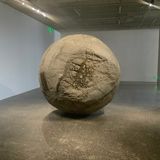
He An came of age during the years of China’s dramatic economic expansion. His installations speak the language of industrial materials, yet what he makes has never been a mere “display of readymades”: he gathers fragments from the ruins of the city, smashes them, reassembles them, and pushes industrial material toward an extreme poeticism. Cement pipes are turned out onto the floor like the “intestines of the city” exposed in broad daylight; the innards of architecture become a spectacle within the space. In the main gallery, the spherical work Love and Rockets is a cast replica of a small Beijing road—a road, rolled round and round, becomes a great ball. Its surface is pitted, uneven pavement, complete with plastic bags that stuck fast while the cement was still half-dry, and a manhole cover. Nine Foreordination looks, visually, like discarded corrugated cardboard rubbed with pencil until it carries the patina of age, congealing the temporality of everyday things into an almost painterly surface. Mother Maria, with its spine-like metal structure, pays homage to the artist Maria Lassnig; here body and matter are metaphors for one another. E1027, in mirror-polished stainless steel, responds to the fate of the architect Eileen Gray, letting space fold and open endlessly in reflection. It is not difficult to see that He An’s work always begins from everyday fragments, kneading into them meanings that exceed the material itself, constructing an epic scene cast from the scars of the city and the warmth of the individual.
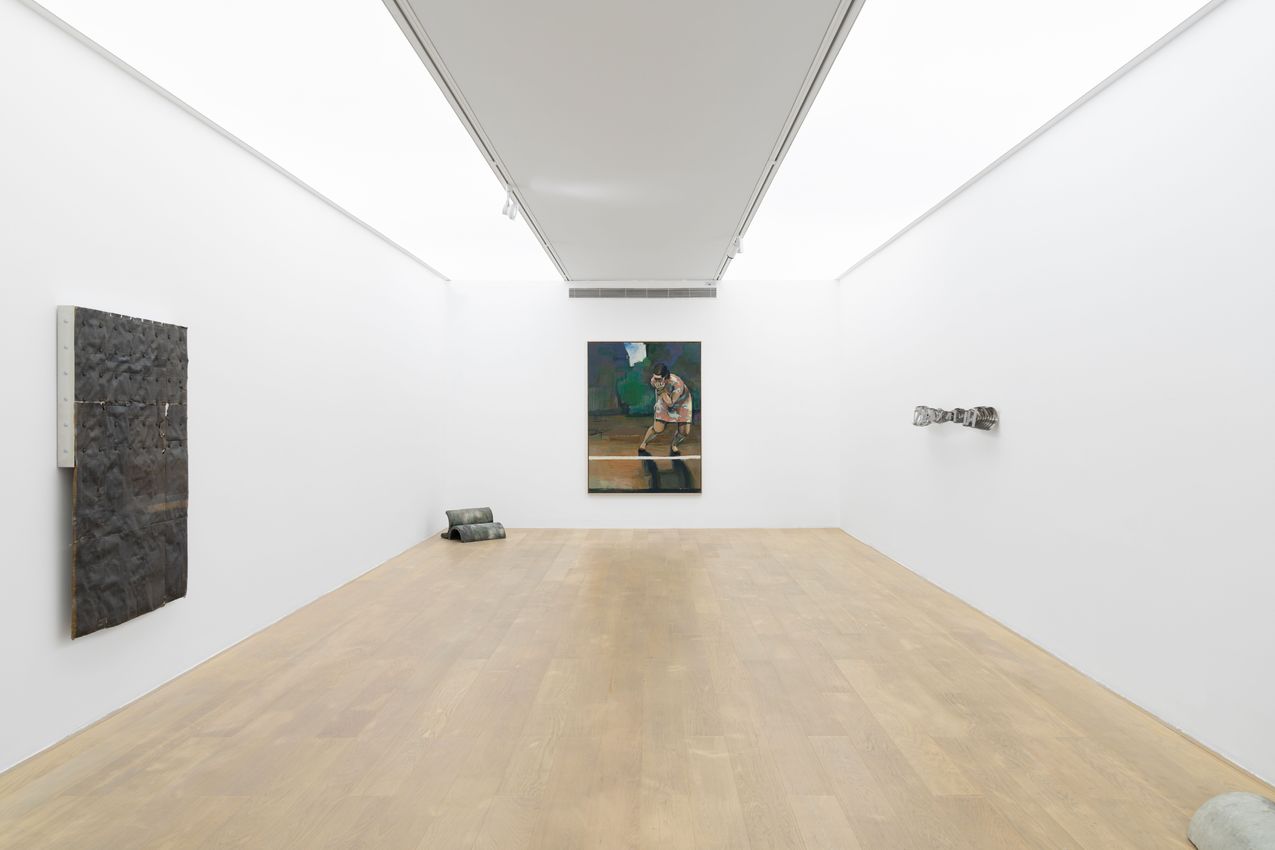
The practices of Zhang Hui and He An both begin with personal interior experience and invest the work with spiritual weight. Their art is never frivolous. Having each pursued an inward practice in depth, they visit one another spiritually through the medium of their works. In this visitation, the work itself becomes the measure by which each takes the measure of the other’s world: you use your work to measure my objects; I use mine to measure your paintings. This is an exceedingly rare kind of relation. In the act of measuring, two self-sufficient worlds open to one another, accommodate one another, and become nested within one another—not as compromise, but as reverence.
Text by Fiona Lu


Tang Contemporary Art was established in 1997 in Bangkok, later establishing galleries in Beijing and most recently Hong Kong. Tang Contemporary Art is fully committed to producing critical projects and exhibitions to promote Contemporary Chinese art regionally and worldwide and encourage a dynamic exchange between Chinese artists and those abroad.
A respected voice in contemporary art discourse.
Focusing on ambitious storytelling and insightful art-world commentary. Ocula Magazine publishes in-depth interviews, critical essays and timely analysis on the artists, exhibitions and ideas driving the global art world.
Learn more about Ocula Magazine
Showcasing the best of the art world.
Ocula partners with galleries from around the world to highlight their artists, artworks and exhibitions. Gallery membership is by application and invitation, with each member vetted by an independent panel.
Learn more about Ocula Membership
Specialises in the sale of major artworks.
Led by a team with deep ties to the world’s leading auction houses, galleries and collectors. Ocula’s advisory team offers bespoke services to high-net-worth clients from around the world who are looking to acquire the best of contemporary and modern art.
Learn more about our team and services