Press Release

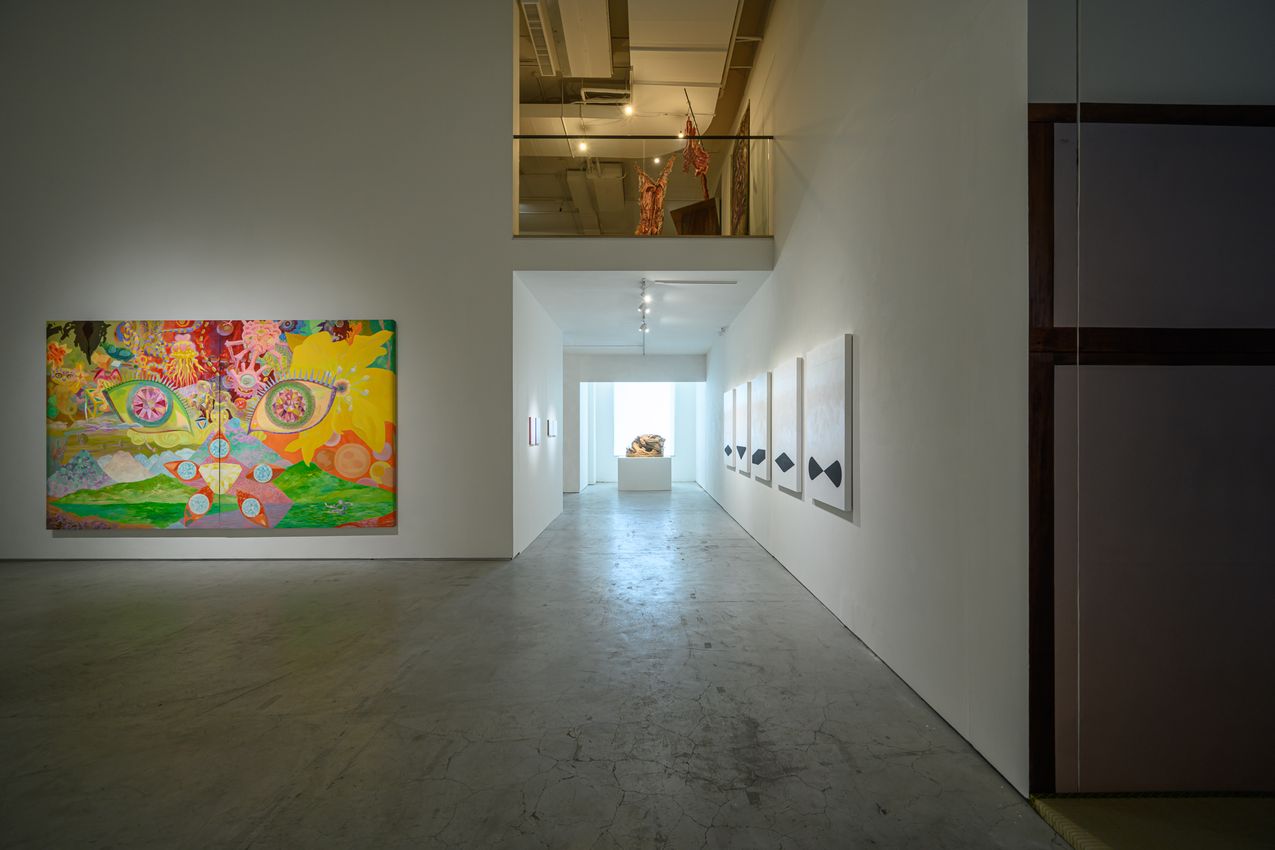
In 1998, a group of young artists founded the Hantoo Art Group in Taipei, Taiwan. Impelled by their sanguine, grassroots spirit, the group became deeply concerned about state identity, history, and culture, and highly critical of the state apparatus and the party-state education system of the ruling party Kuomintang. They internalise these past memories of authoritarian rule, which inform their respective practices. In the restless year of 1998, Hantoo indeed established itself as a group of mavericks in Taiwan’s contemporary art circle.

Twenty-five years have flown by since 1998. Nothing is the same from politics, economy, and culture, to the lives and states of mind of the Hantoo artists. Charged still with creative energy, the bright and irreverent artists 25 years ago have grown peaceful and self-contained. Their approach to art making leans gradually toward the personal and the intimate.

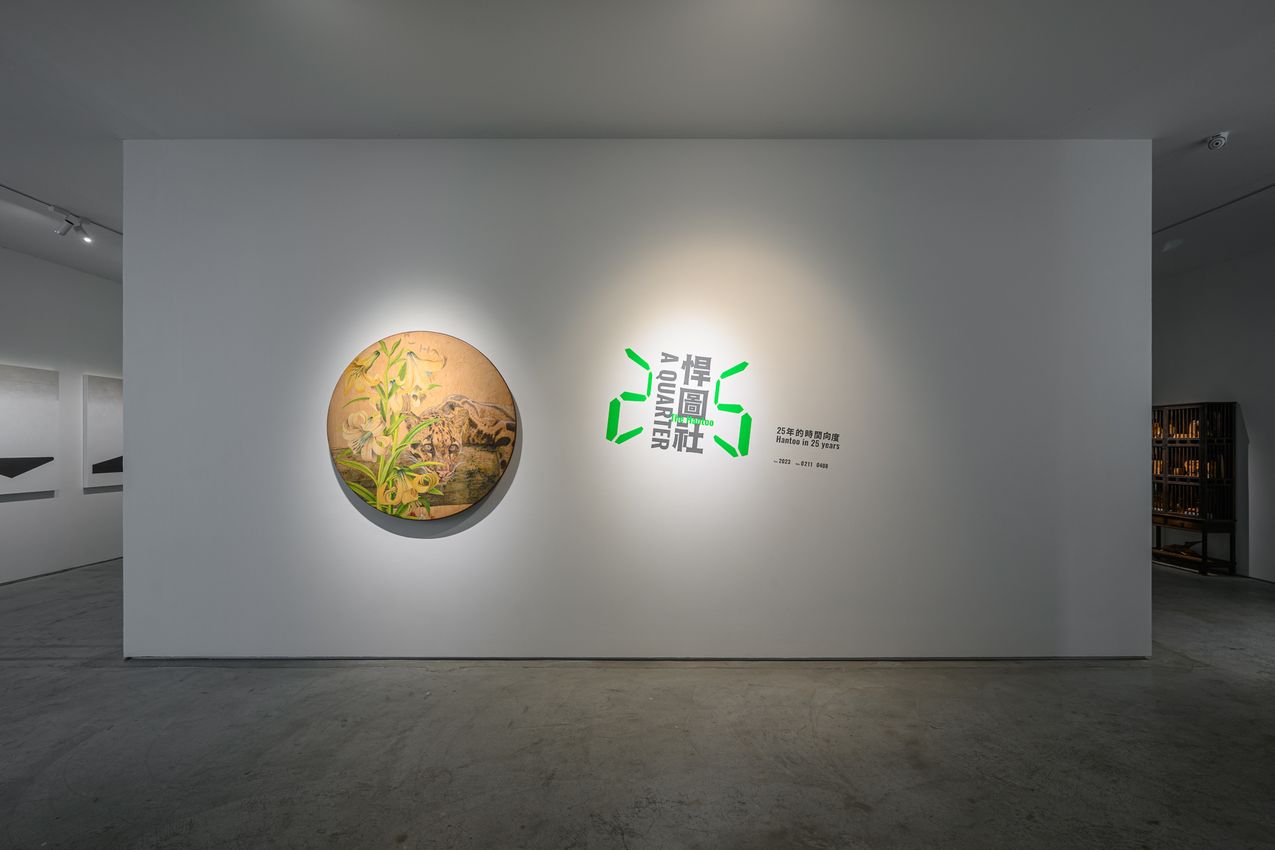
A Quarter, the title of this group exhibition, unequivocally refers to one-fourth of a century, as well as to the number 25. When the Arabic numerals 2 and 5 are presented on an electronic display, they become the mirror image of one another. A mirror reflection also parallels the artist’s state of mind as they simultaneously exist in two mirror worlds: a world of coexistence and a world of alone creative time. Long, solitary hours in a studio allows the artist to search within, where the outside world and past memories collide. A Quarter: Hantoo in 25 years delineates the vagaries of the group with an investigation of temporality, rhythm, and the changes in each artist’s work.

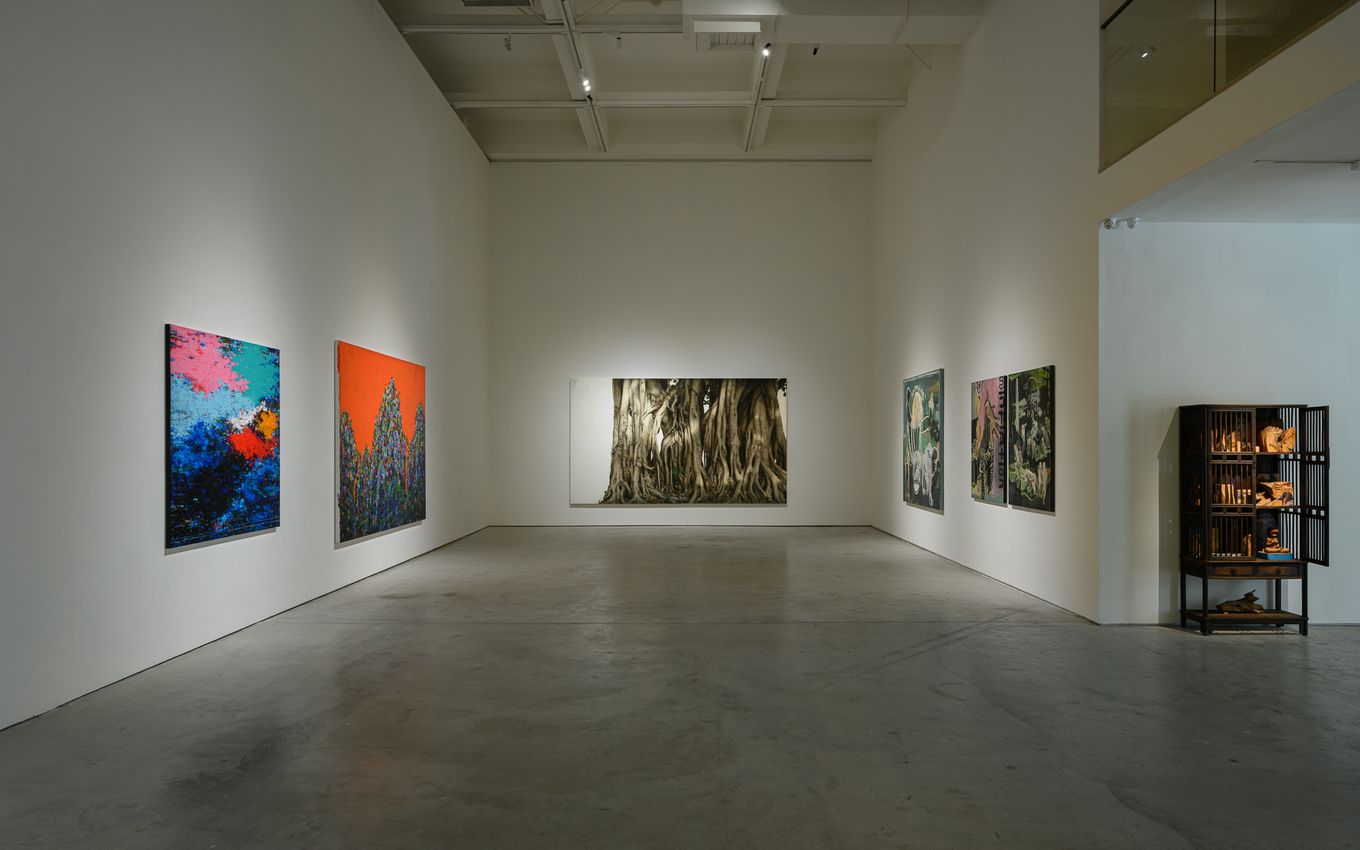
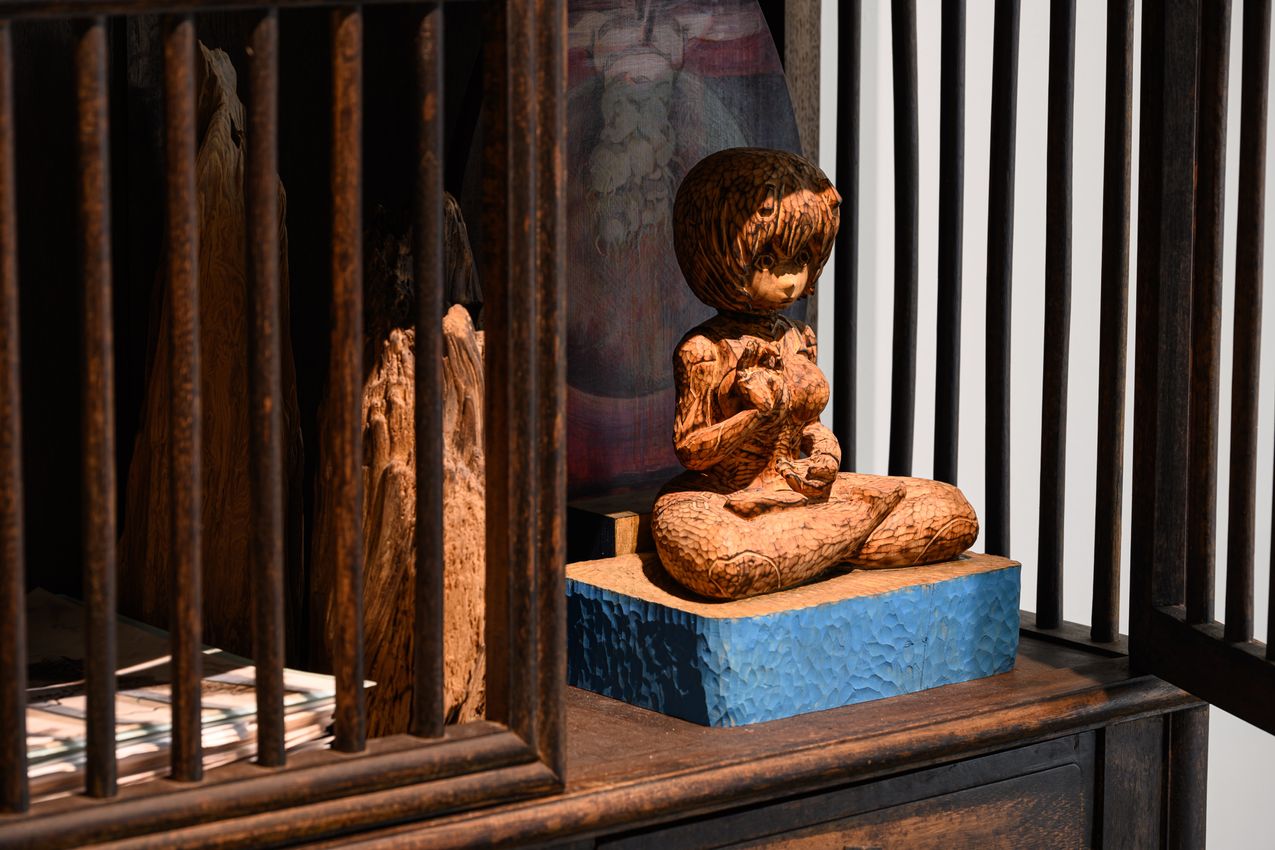
The decades-long practice of Yang Mao-Lin (b. 1953) traverses mediums, materials, and styles. His subject matter, his appropriation of anime characters, and his depiction of Taiwan’s endemic species serve not only asa metaphor for his personality, but as a gateway to memories from childhood to adulthood, transporting the viewer to Yang’s secret wonderland. For the Hantoo group exhibition, Yang unveils his three-dimensional works in a traditional Taiwanese wooden cabinet from his own private collection.

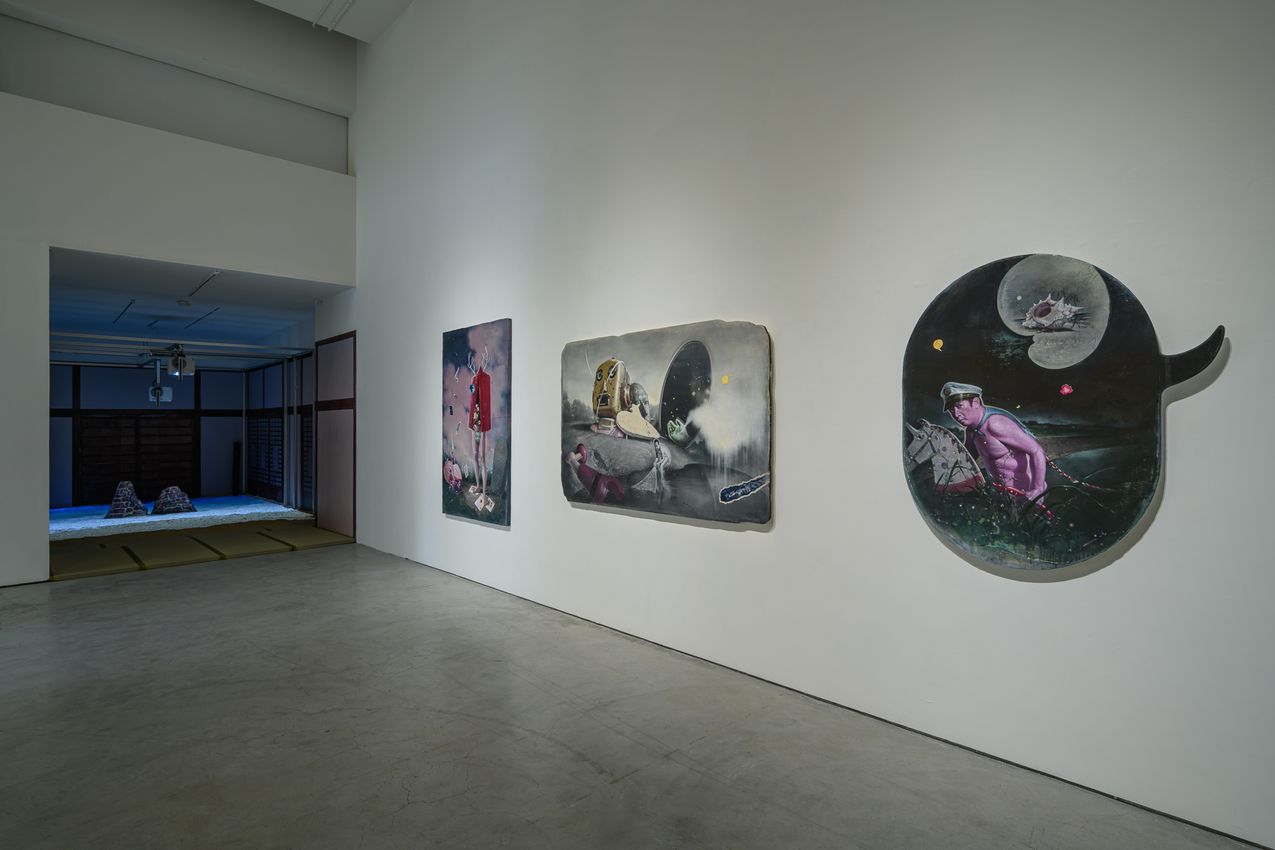
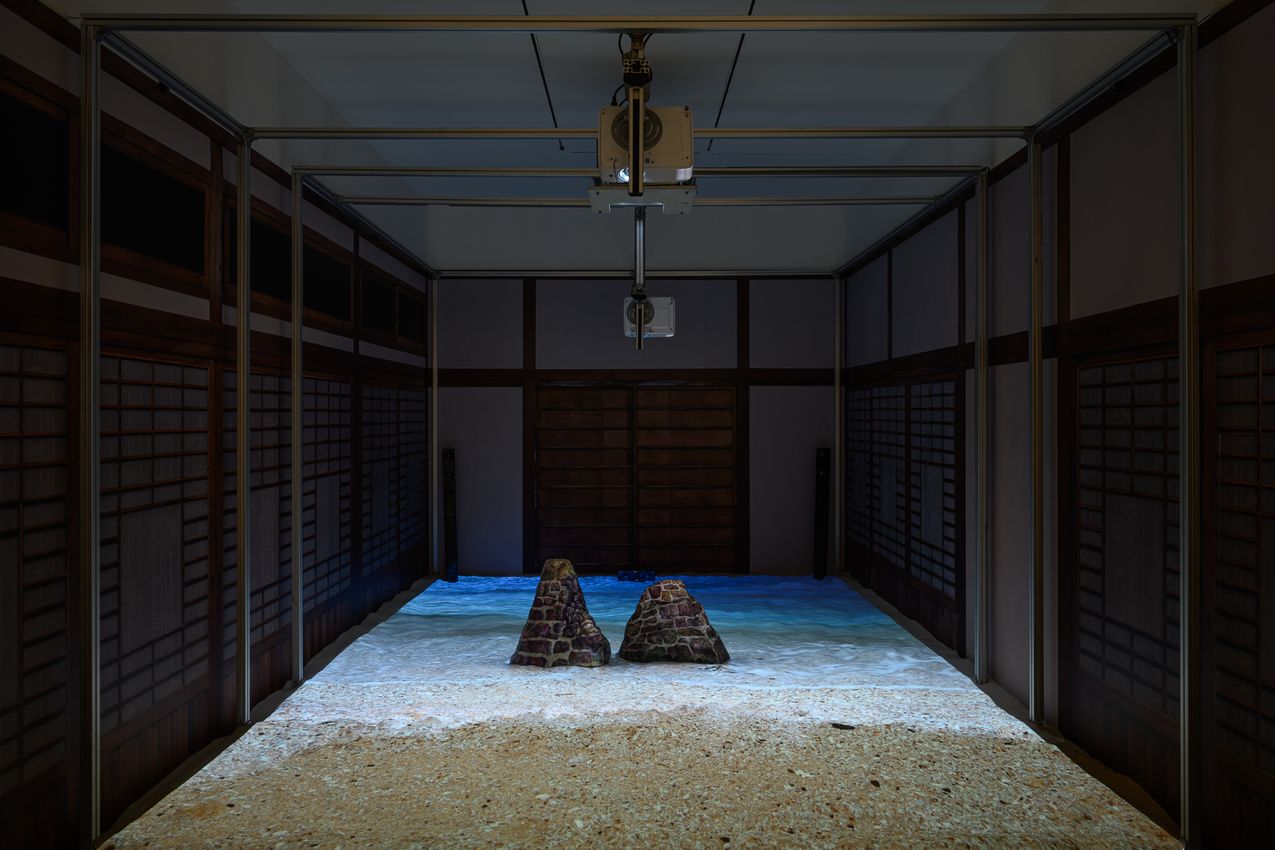
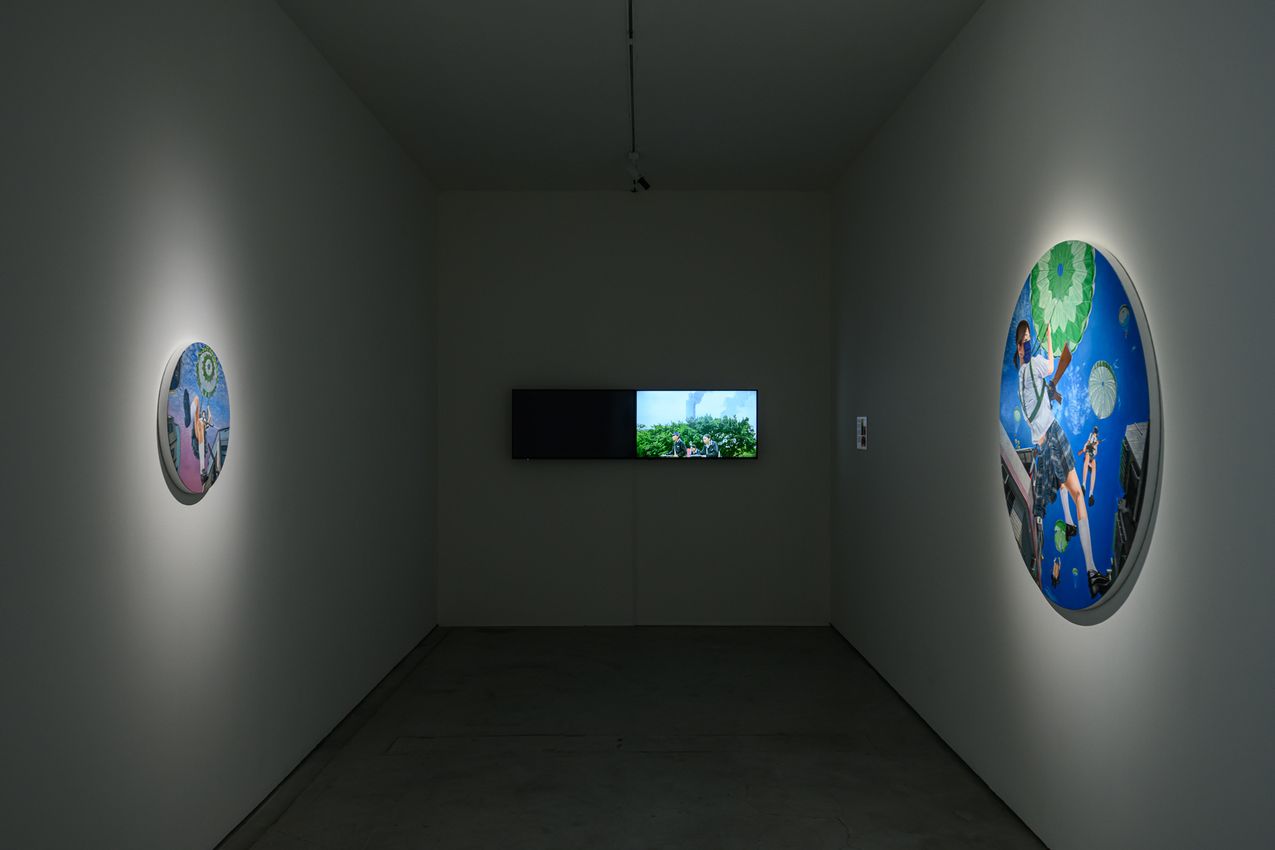
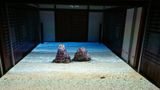
Wu Tien-Chang (b. 1956) has crafted a video and sound installation that merges the Keelung FortCommander’s Official Residence and the Dashawan bathing sea beach from the Japanese rule period. Awashitsu, or a Japanese room, is recreated, combined with a video projection of the Dashawan and the sounds of the tides, evoking memories of a past long gone. Chen Ching-Yao (b. 1976) samples the work of Taiwanese female artist Chen Chin (1907–1998), but reimagines it with a contemporary cityscape interspersed with international affairs. While the works of Wu and Chen diverge in style, both raise cultural awareness and love for the motherland in their juxtaposition of time and space. Lu Hsien-Ming (b. 1959) shifts away from his early approach of social realism that limns the concrete jungle and the underclass, and instead in recent years turns to his old tree series, which echoes his tranquil state of mind, as well as a delicate balance between humanity and nature.

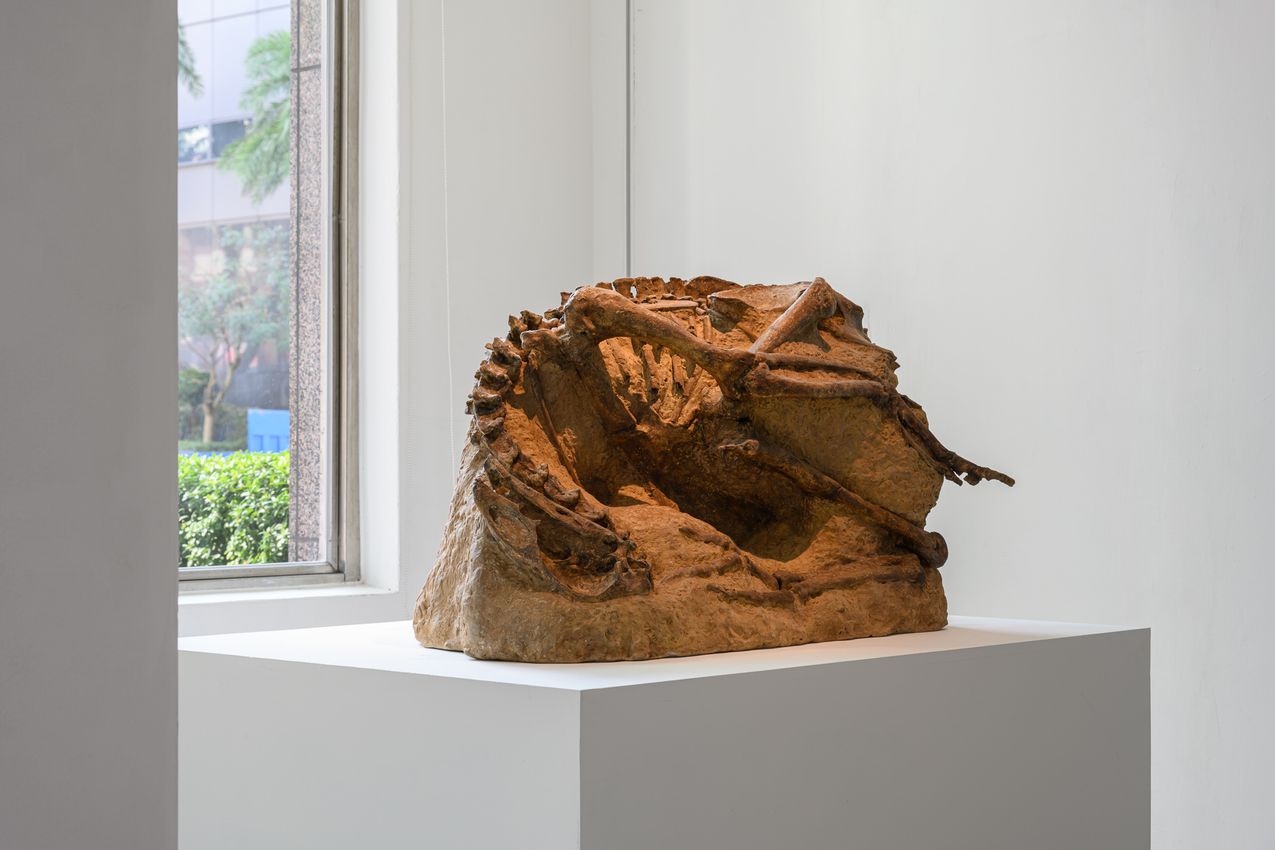
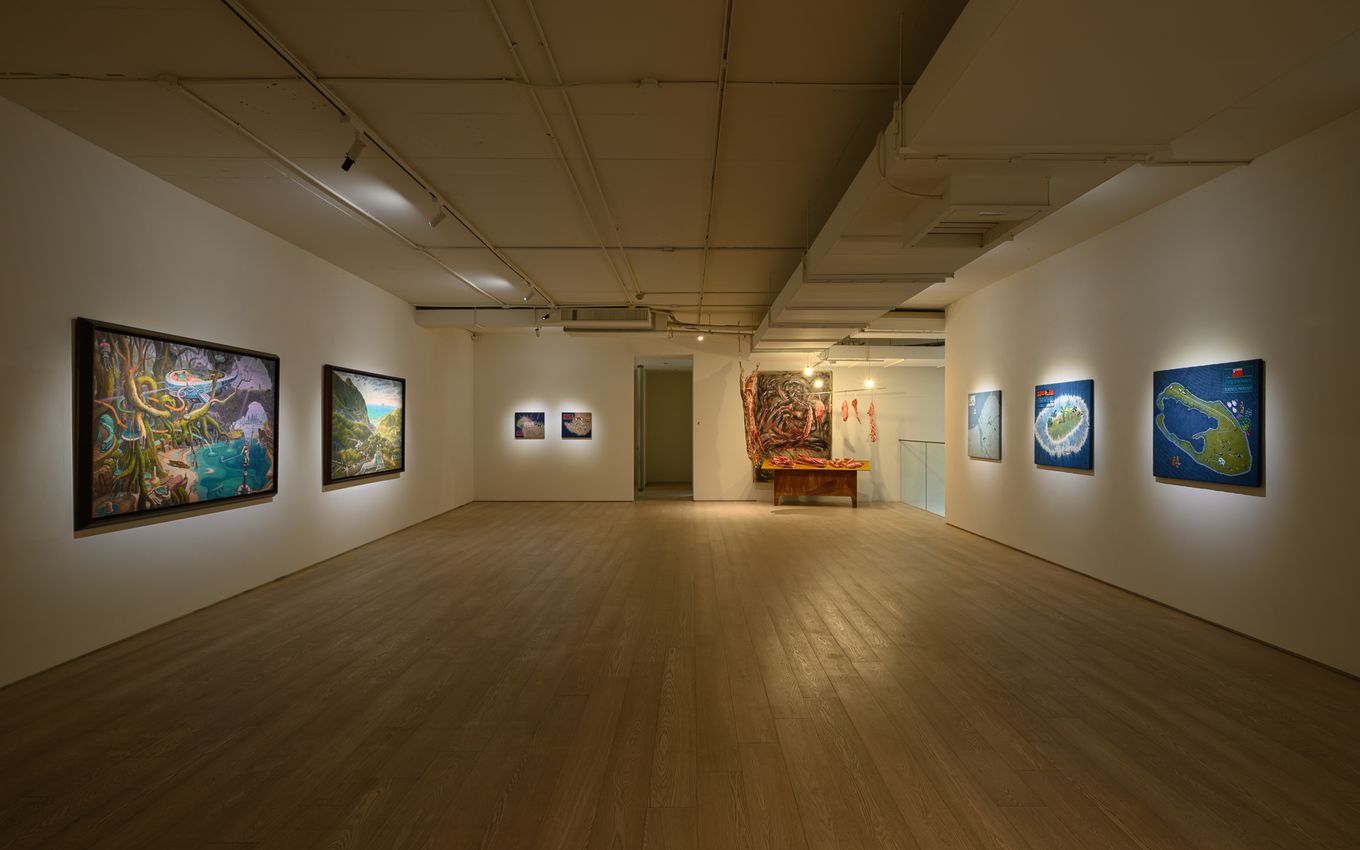
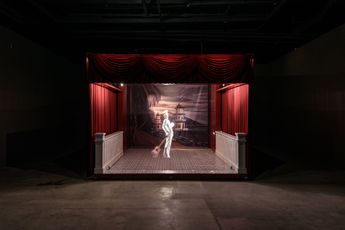
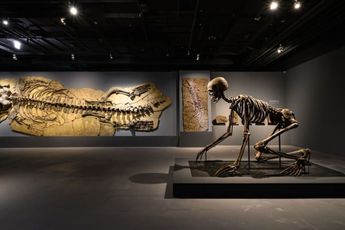
While the realist techniques of Kuo Wei-Kuo (b. 1960) conjure narratives turbid, erotic, and intimate in his subconscious, recent years have seen a more focused attempt to elicit mutuality between materials, texture, and the scale of the work. Conjoining fable and prophecy, the pseudo-ancient civilisation of Tu Wei-Cheng (b.1969) challenges the common perception of archaeology and museum, visualising the human imagination of the past and the future. Crystallising her love of Taiwan’s mountains and the native land, Deng Wen-Jen (b.1970) creates painstaking maps of Taiwan with,. embroidered, dyed fabric that traces the island’s history.Equally concerned with his hometown, Lien Chien-Hsing (b. 1962) depicts Keelung in elaborate details with a touch of magic realism commingled with whimsical fantasy. Lee Ming-Jong (b. 1961) pictures a multicolour landscape inhabited by strange and familiar creatures, bathed in wide-eyed innocence.

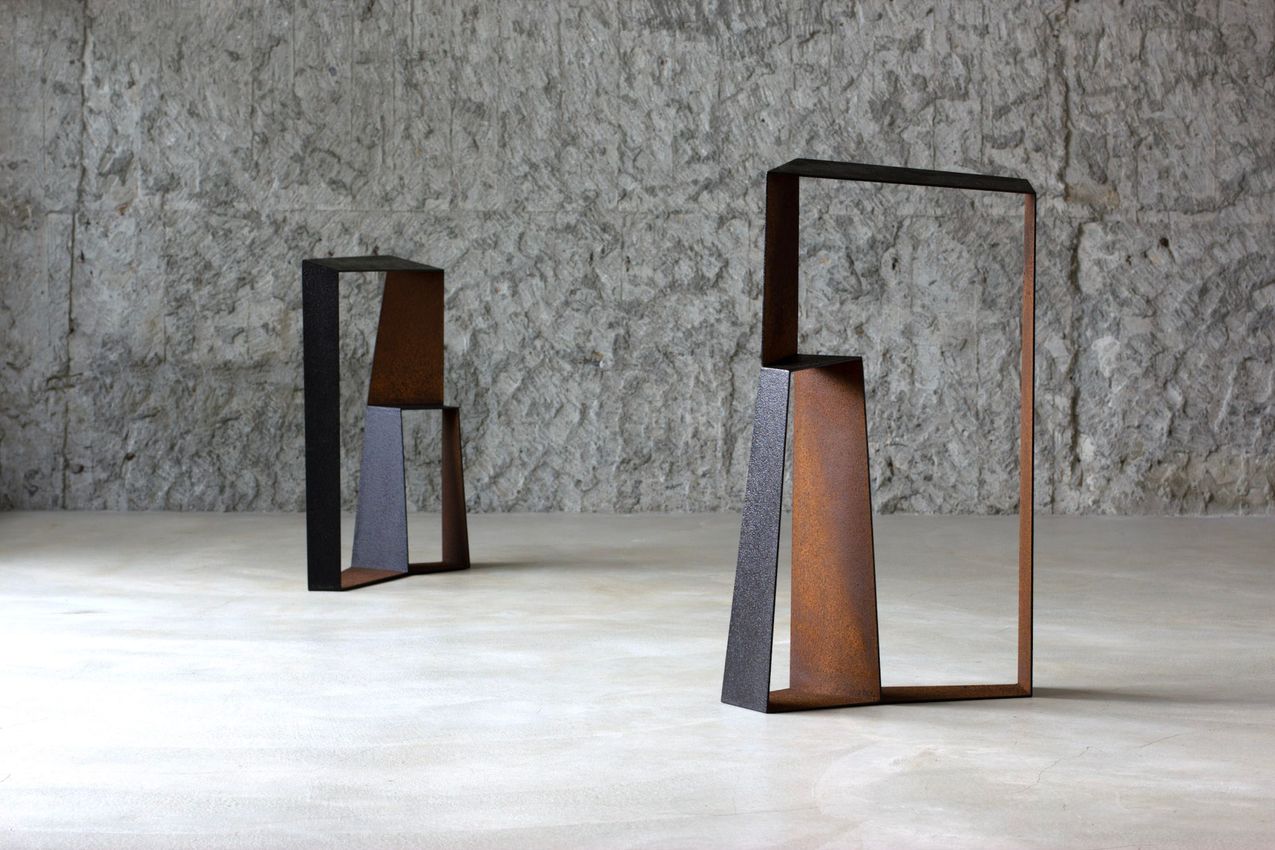
Yang Jen-Ming (b. 1962) captures conflict and harmony between sense and sensibility with his minimalist useof lines and geometric shapes. Lai Hsin-Long (b. 1964) adopts a subtle use of golden pigments mixed with acrylic paint to encapsulate his philosophy of life: to keep a low profile and improve oneself. Known for his Pork Belly series, Chang Ling (b. 1975) has in recent years pivoted toward his Illusion Society series, where loose brushwork and a bold palette define his response to social issues and personal history. The Wet MarketVendor Project of Tang Tang-Fa (b. 1965) brings contemporary art into the local traditional marketplace, allowing the viewer to ponder the relationship between culture and society.

The varying practices of Hantoo’s 13 artists mirror 13 unique facets of the group. Deeply in touch with their roots, these artists persist in their quest for life’s meaning, producing eclectic bodies of work that manifest their interiority. They have shaped the art scene of Taiwan with an ease that has been forged for a quarter of a tumultuous century, as precursors of Taiwanese contemporary art. Together as viewers, we bear witness to Hantoo’s journey into the next 25 years with unwavering commitment to art making.

Read More

Installation Views

Artists Exhibiting

Also Exhibiting at Tina Keng Gallery

About the Gallery

The Tina Keng Gallery has its roots in the Lin & Keng Gallery (1992–2009) based in Taipei, Taiwan and Beijing, China. Delving into Chinese art history, Lin & Keng was instrumental in promoting the work of Asian classical masters. The Tina Keng Gallery has continued this tradition by supporting Greater Chinese contemporary art, with a steadfast focus on nurturing Taiwanese art.

View Gallery Profile
Address
1F, No.15
Ln. 548, Ruiguang Rd.
Neihu District
Taipei
Taiwan
Opening Hours
Tuesday – Saturday
11am – 7pm
(1)
Taipei 1F, No.15, Ln. 548, Ruiguang Rd.
Tina Keng Gallery
1F, No.15, Ln. 548, Ruiguang Rd., Neihu District, Taipei, Taiwan

Opening hours
Tuesday – Saturday
11am – 7pm
The art world in focus