Press Release

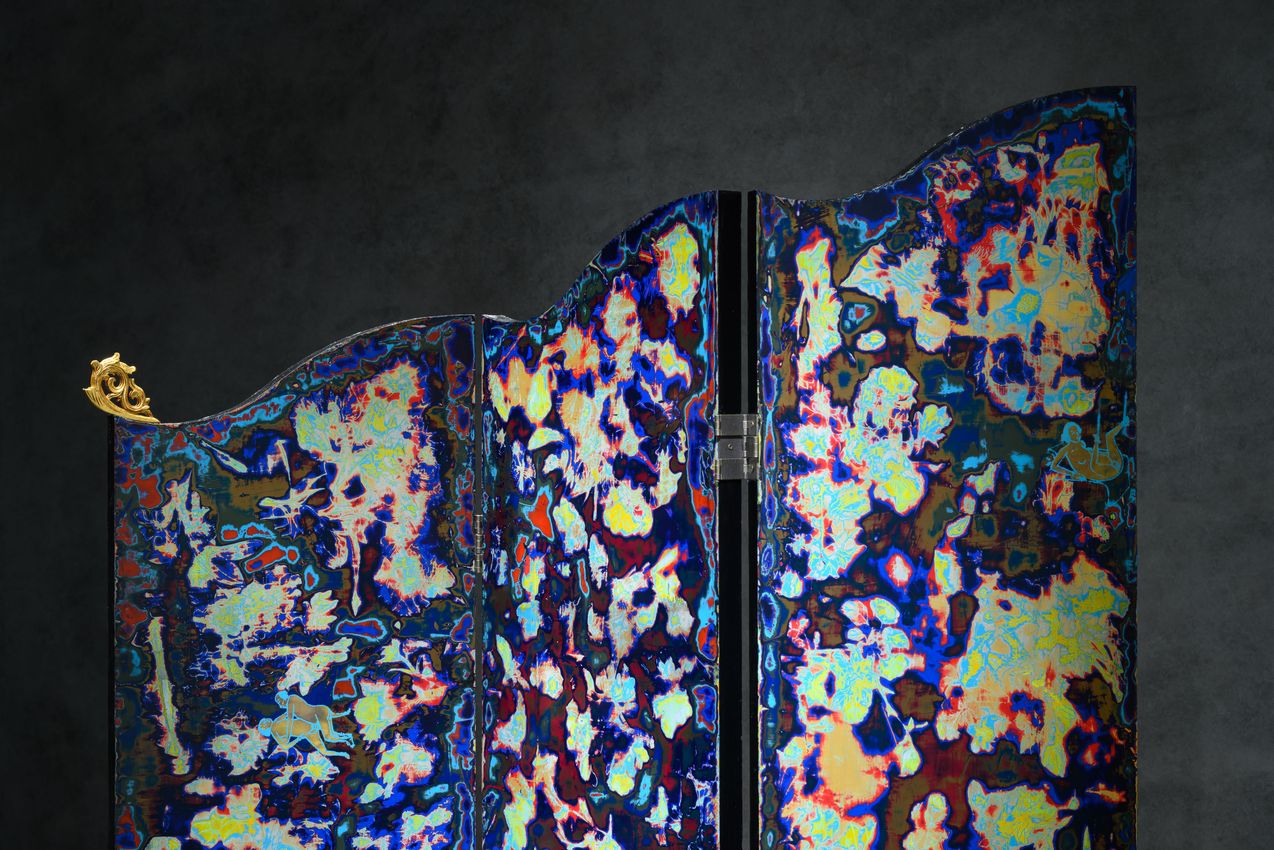
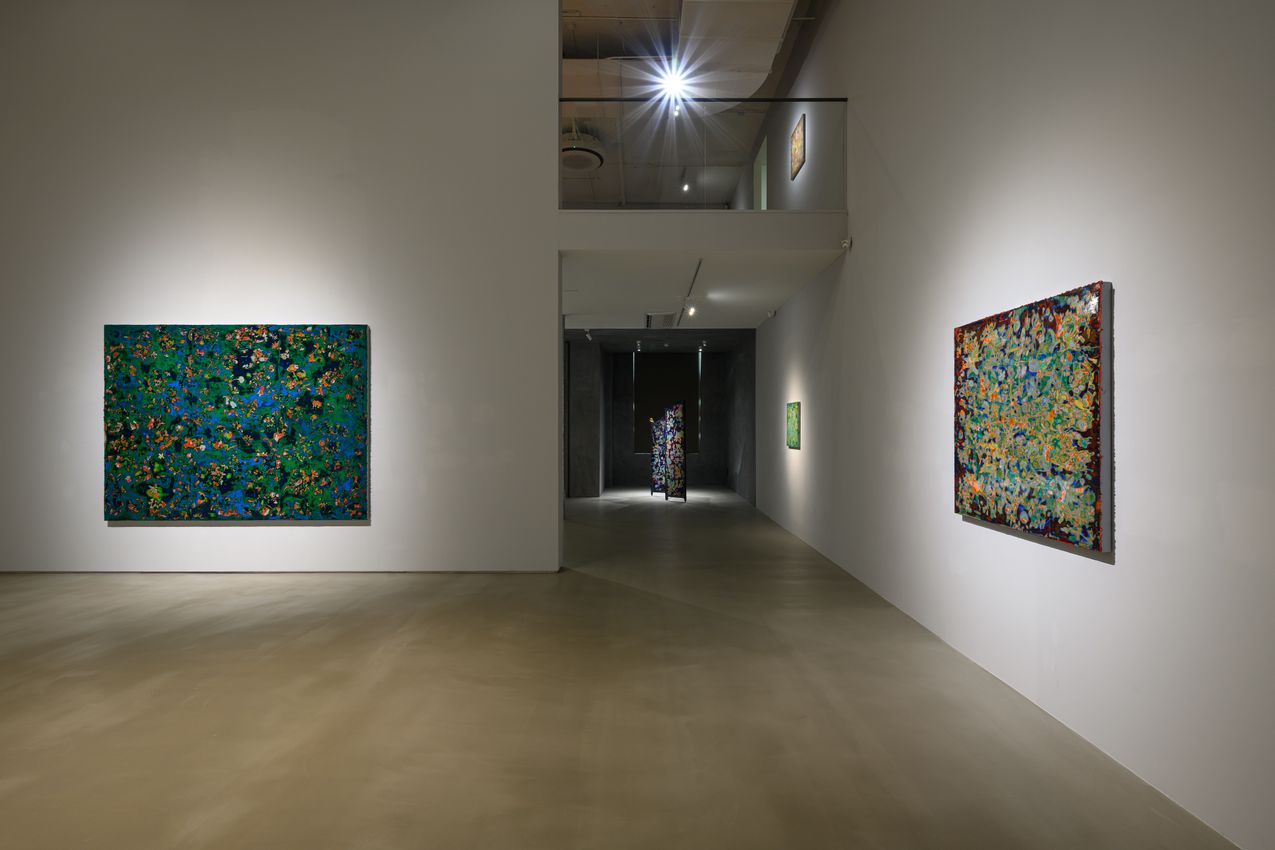
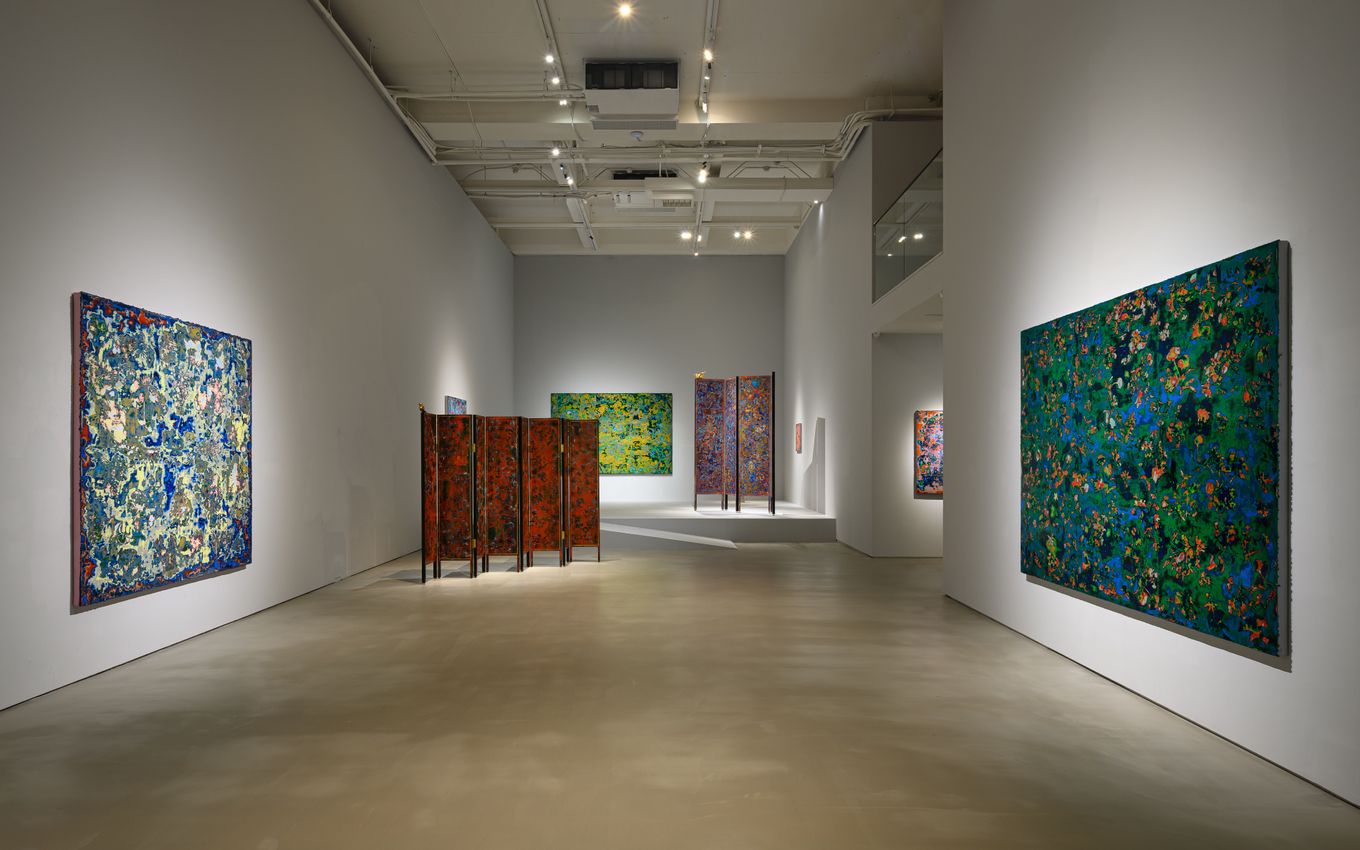
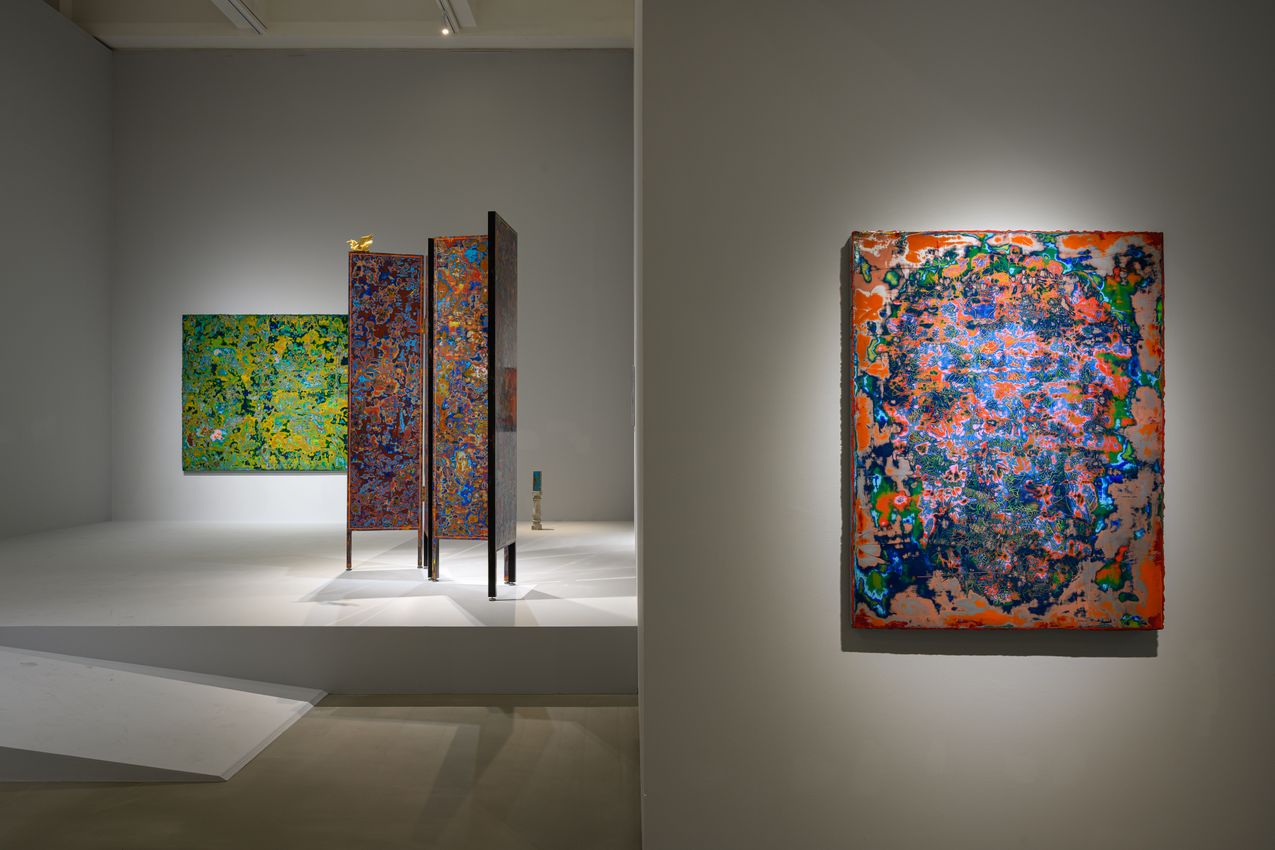
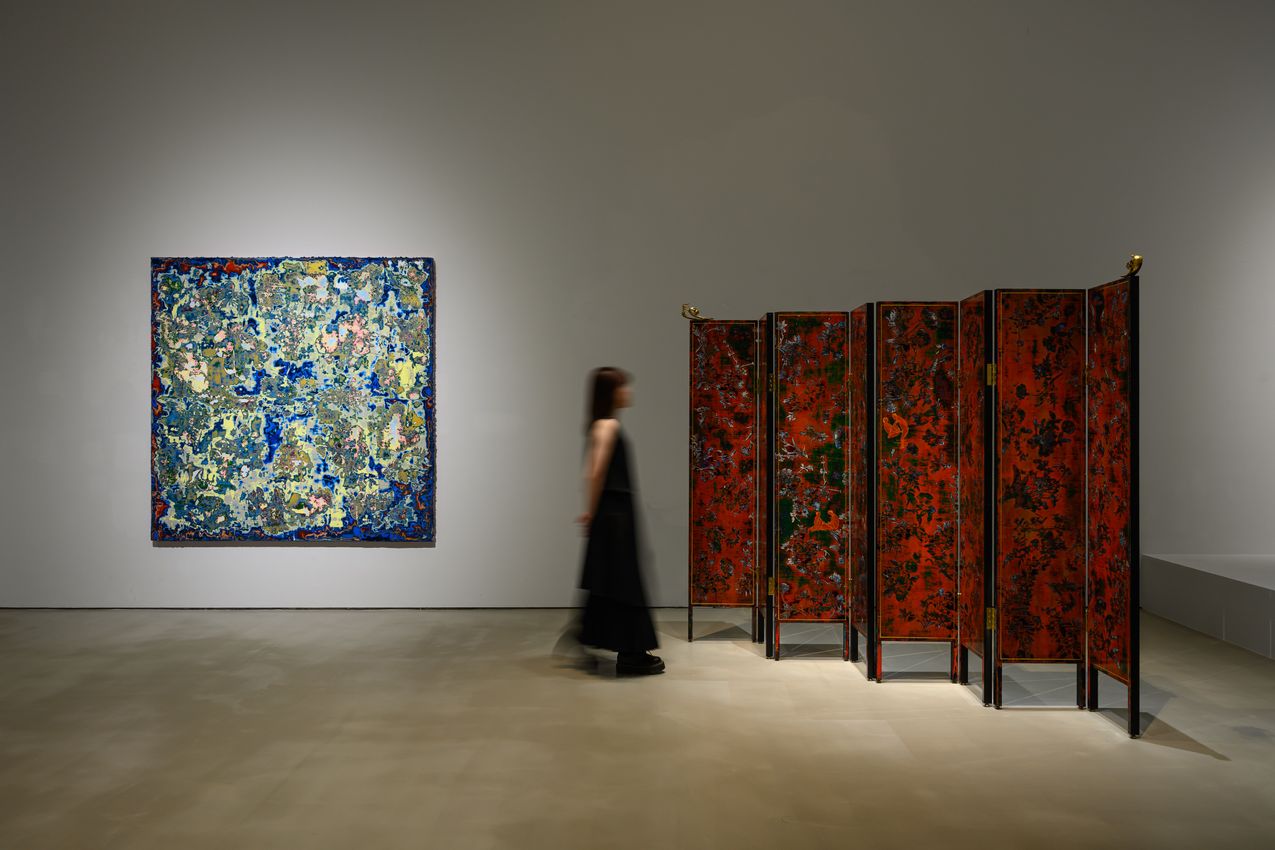
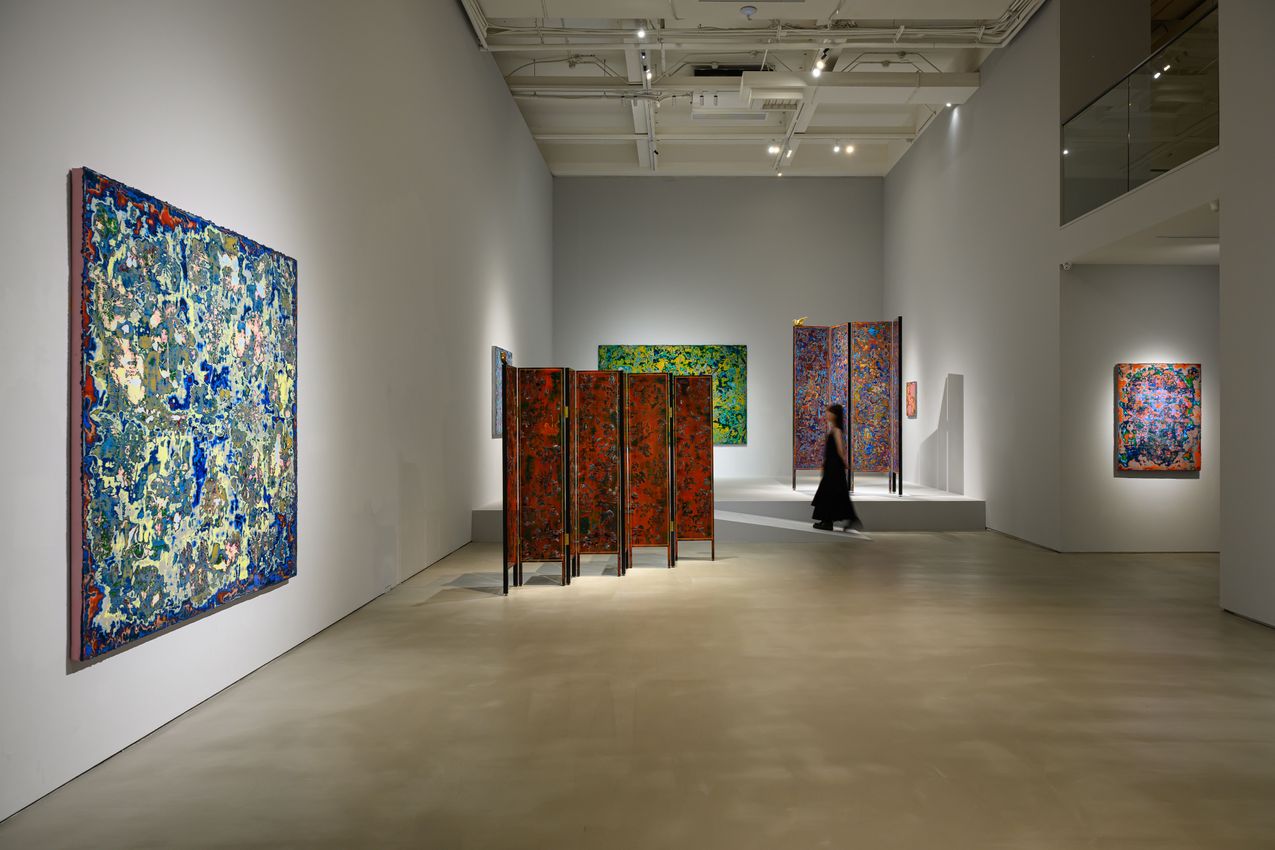
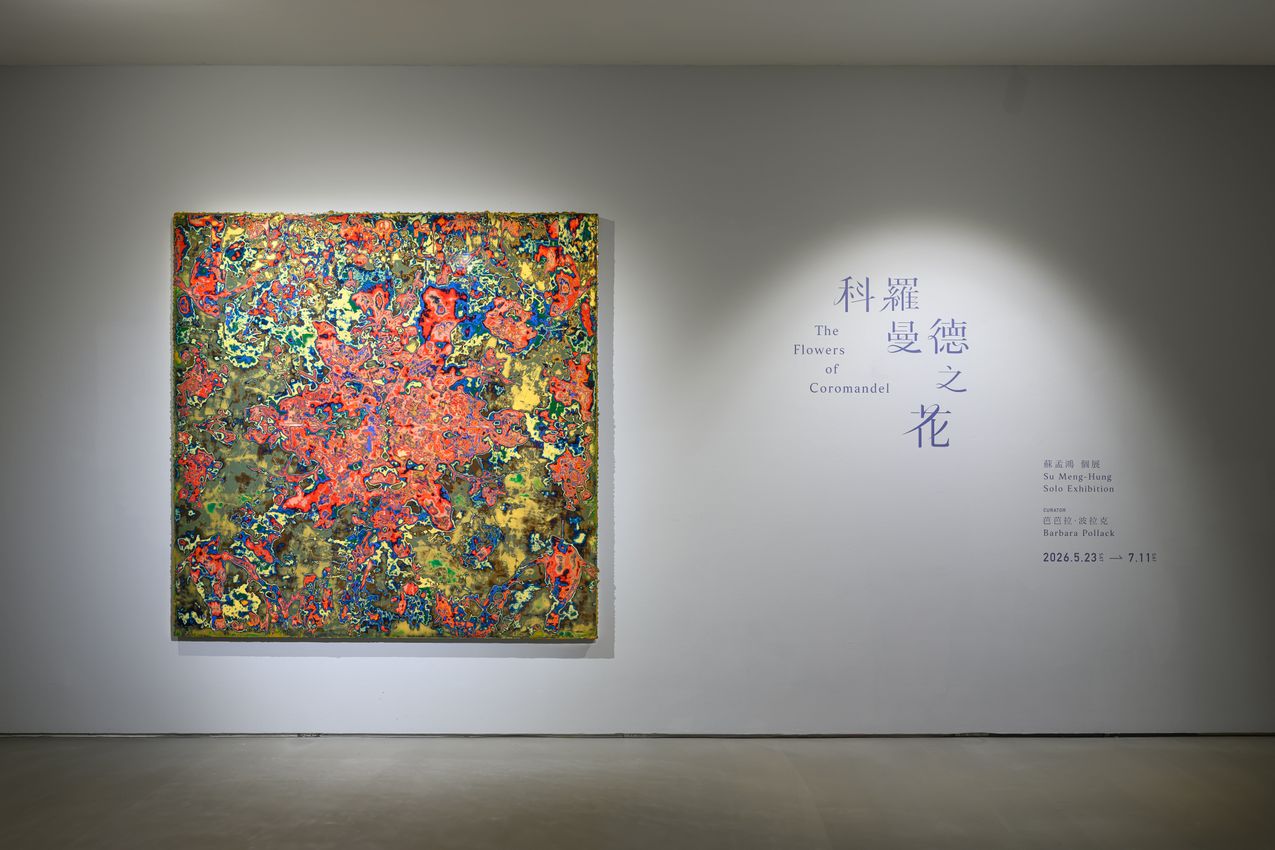
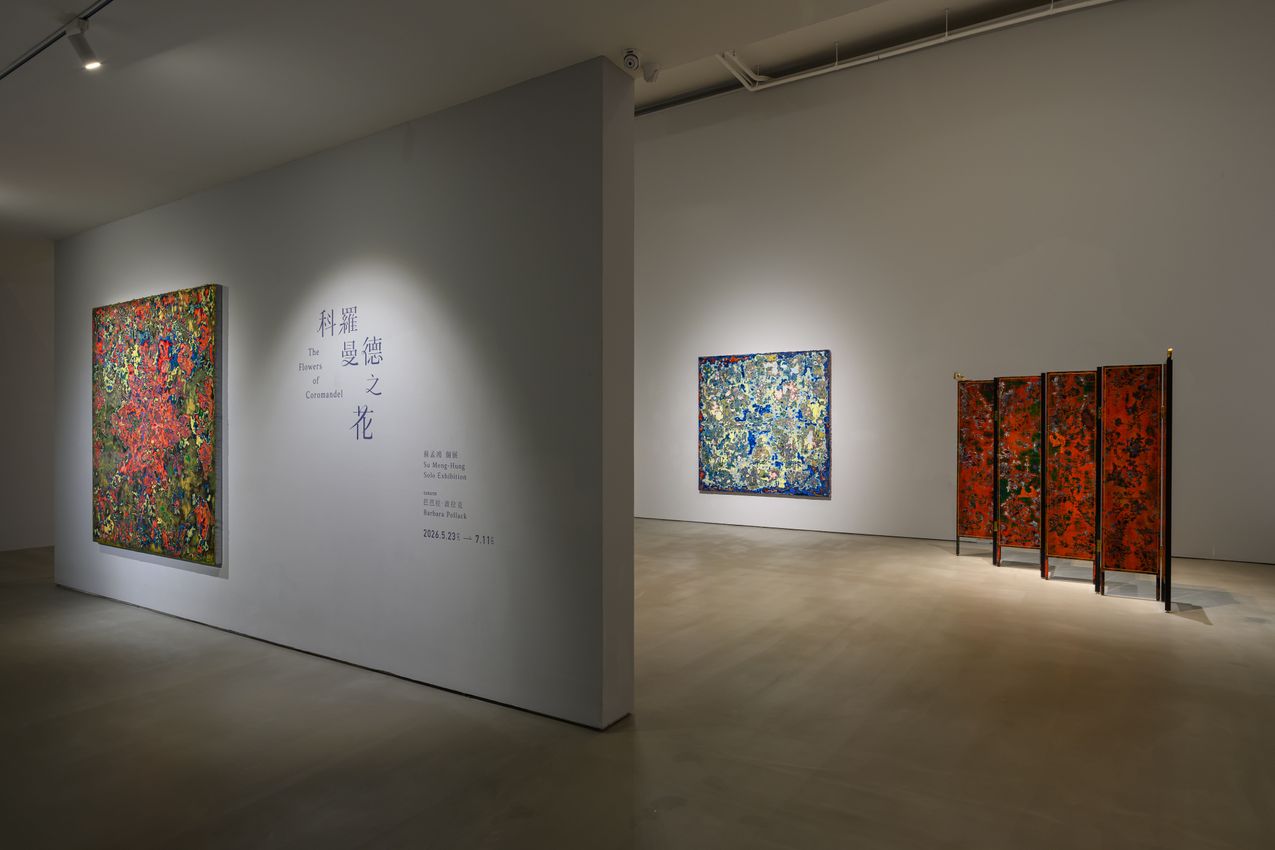
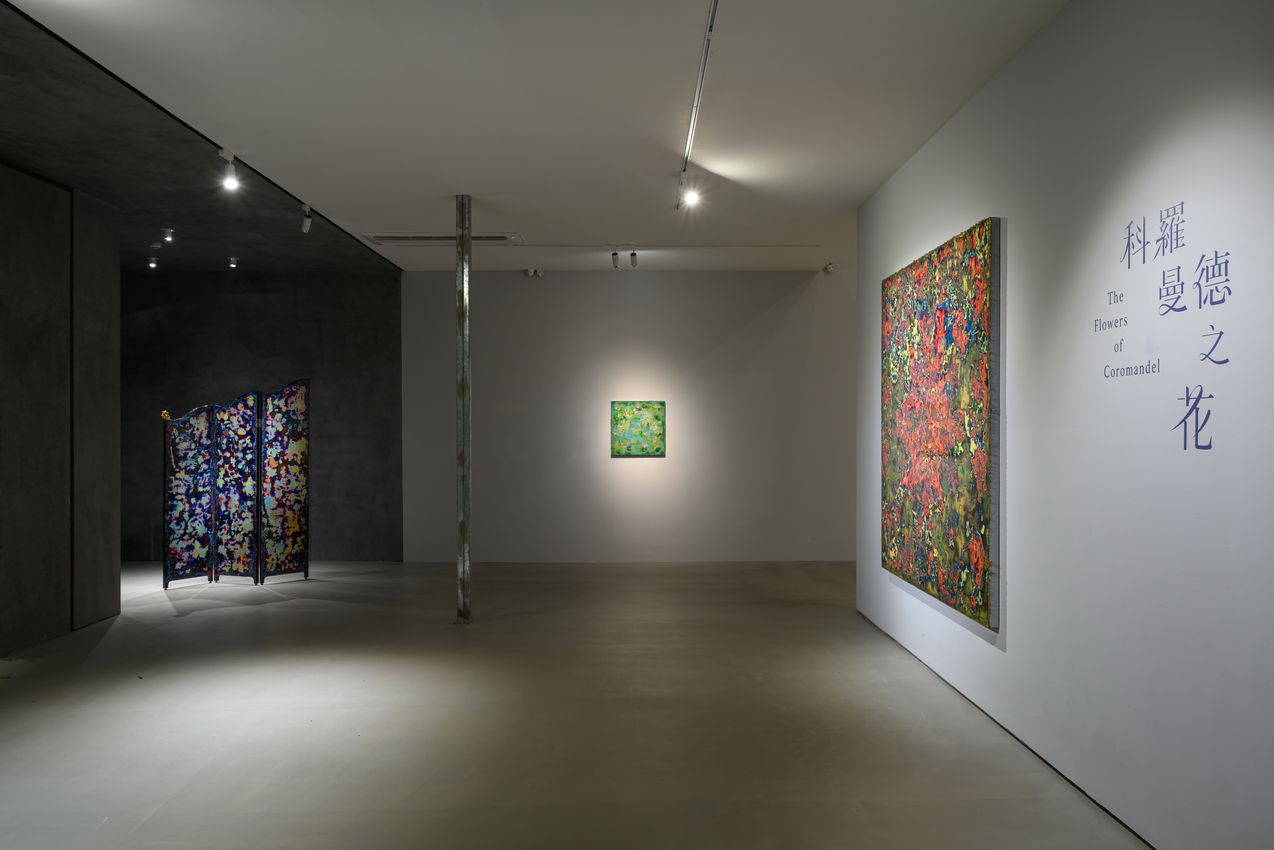
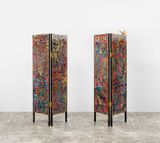
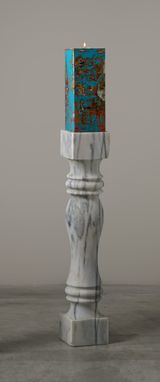
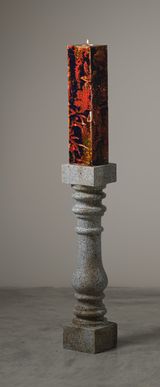
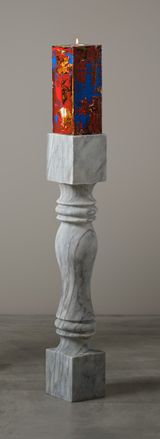
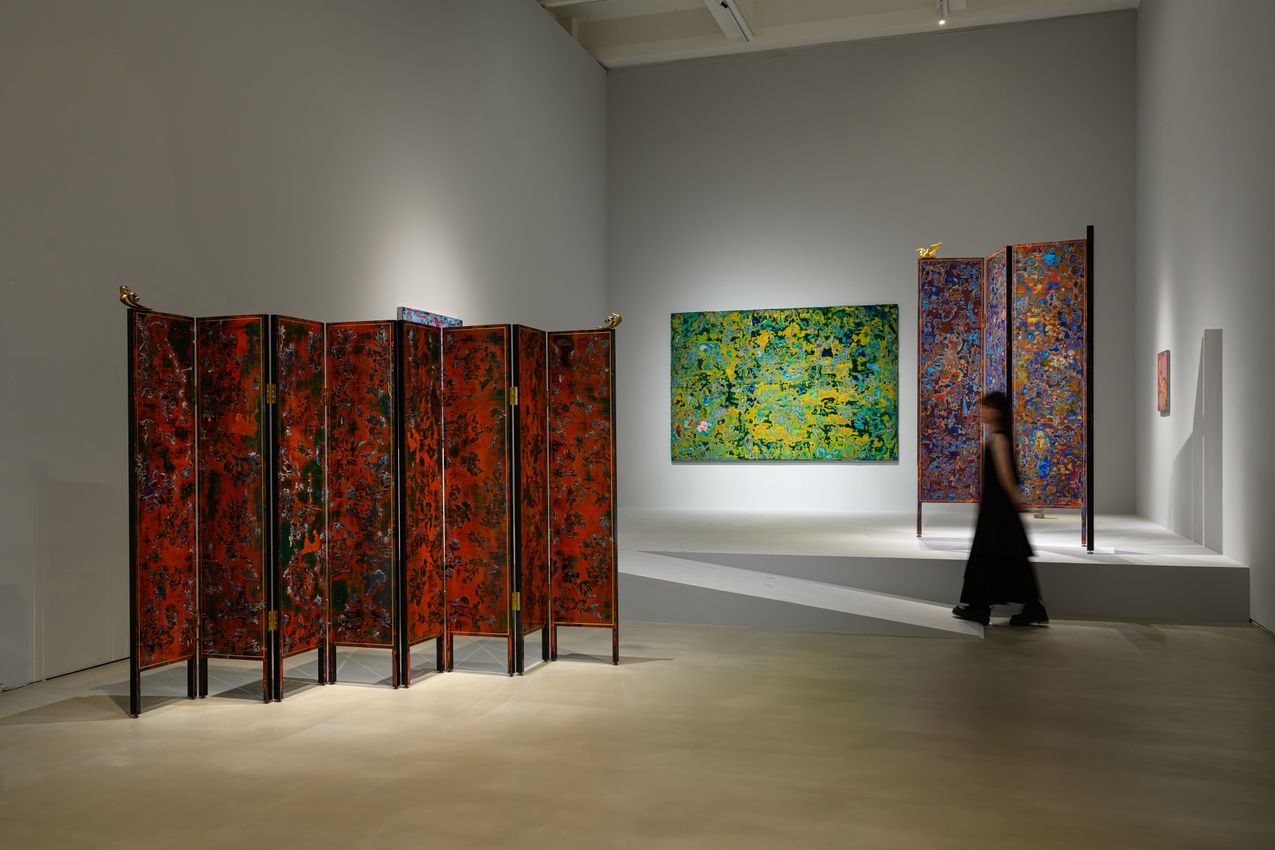
Following his presentation of a large-scale screen installation at Art Basel in Basel last year, artist Su Meng-Hung, in collaboration with American curator Barbara Pollack, unveils his new solo exhibition, The Flowers of Coromandel, at Tina Keng Gallery this May. As the artist’s most ambitious presentation in recent years, the exhibition comprises two main creative axes: two-dimensional paintings and folding screens. The title, The Flowers of Coromandel, serves as a thematic prelude, unfolding two core inquiries: the sumptuous rendition of traditional flower-and-bird motifs, and the dialectical rethinking and redefinition of “authenticity” and “appropriation.”

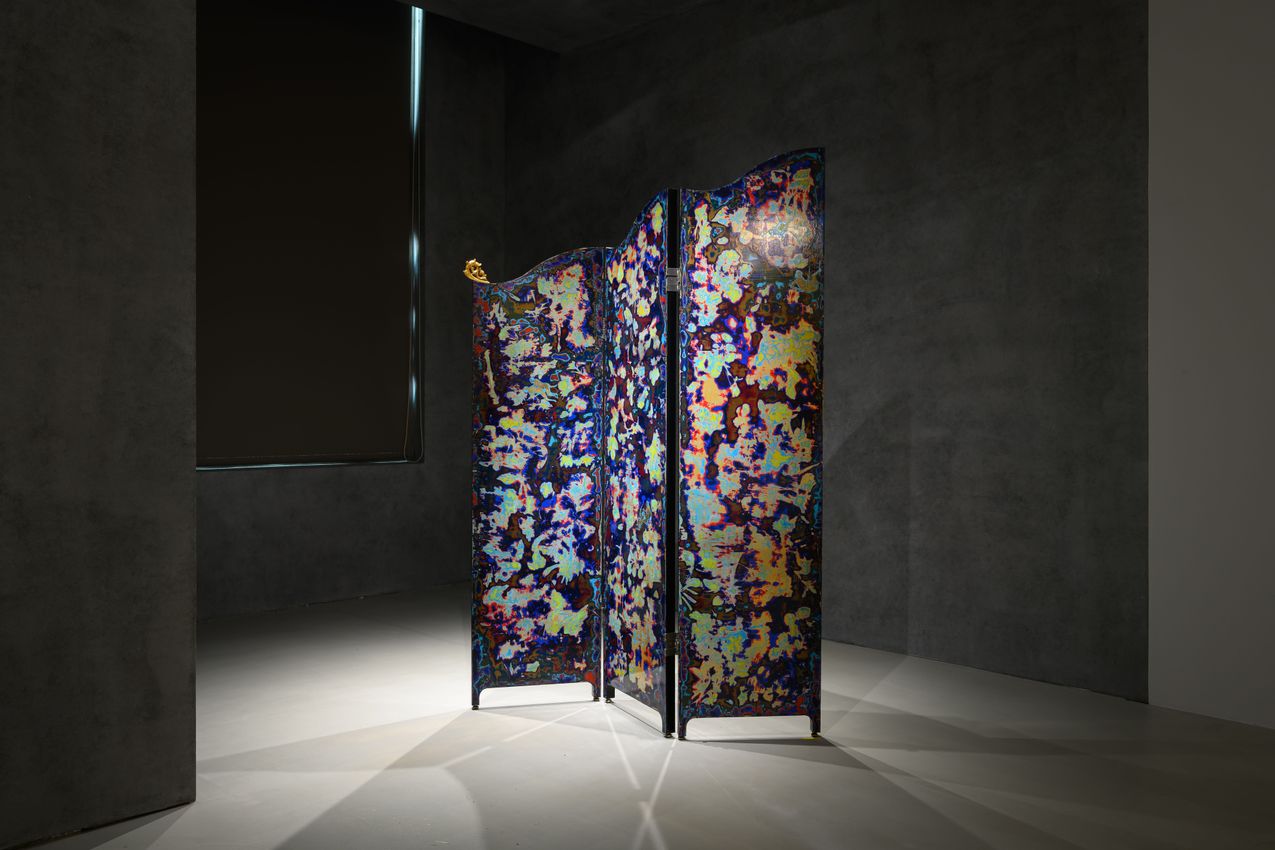
Historically, “Coromandel” refers to the kuancai (incised-color) lacquer folding screens exported from China to Europe via the Coromandel Coast of India from the 17th and 18th centuries onward. The Coromandel Coast served as a crucial transit hub for maritime trade between Europe and the Far East, and the kuancai screens exported from China were predominantly transshipped there. Due to European geographical misconceptions, the word “Coromandel” became the generic term for such Chinese folding screens, a naming convention that persists to this day.

For Su, the essence of Coromandel is a projection of imagination. His first encounter with this type of screen was through vintage photographs of French fashion legend Coco Chanel’s Paris apartment. In these images, Chinese folding screens stand alongside Western modernist paintings. The paradoxical existence of the screens reveals the West’s distorted and fascinated gaze upon the East. Furthermore, the aesthetics and techniques embodied in these screens—including biantu (variable coating lacquer), cloisonné, and mother-of-pearl inlay—fulfilled the Orientalist fantasies constructed by European nobility. Reflected in his screen works for this exhibition, the artist is precisely taking this core concept of “inauthentic beauty” and putting it into further practice.

In today’s globalized world, where sampling is readily accessible, the attempt to pursue a pure and “authentic” cultural subjectivity is no longer realistic. Su Meng-Hung openly embraces visual fragments that are often deemed unoriginal. Through “derivation” or “appropriation,” he proves another possibility for contemporary art via his unique reinterpretation, abandoning the futile pursuit of unattainable originality. Conversely, it is precisely within the collisions and fusions of the classical and the modern, the East and the West, that this “inauthentic beauty” is sublimated into a new kind of authenticity exclusive to this generation.

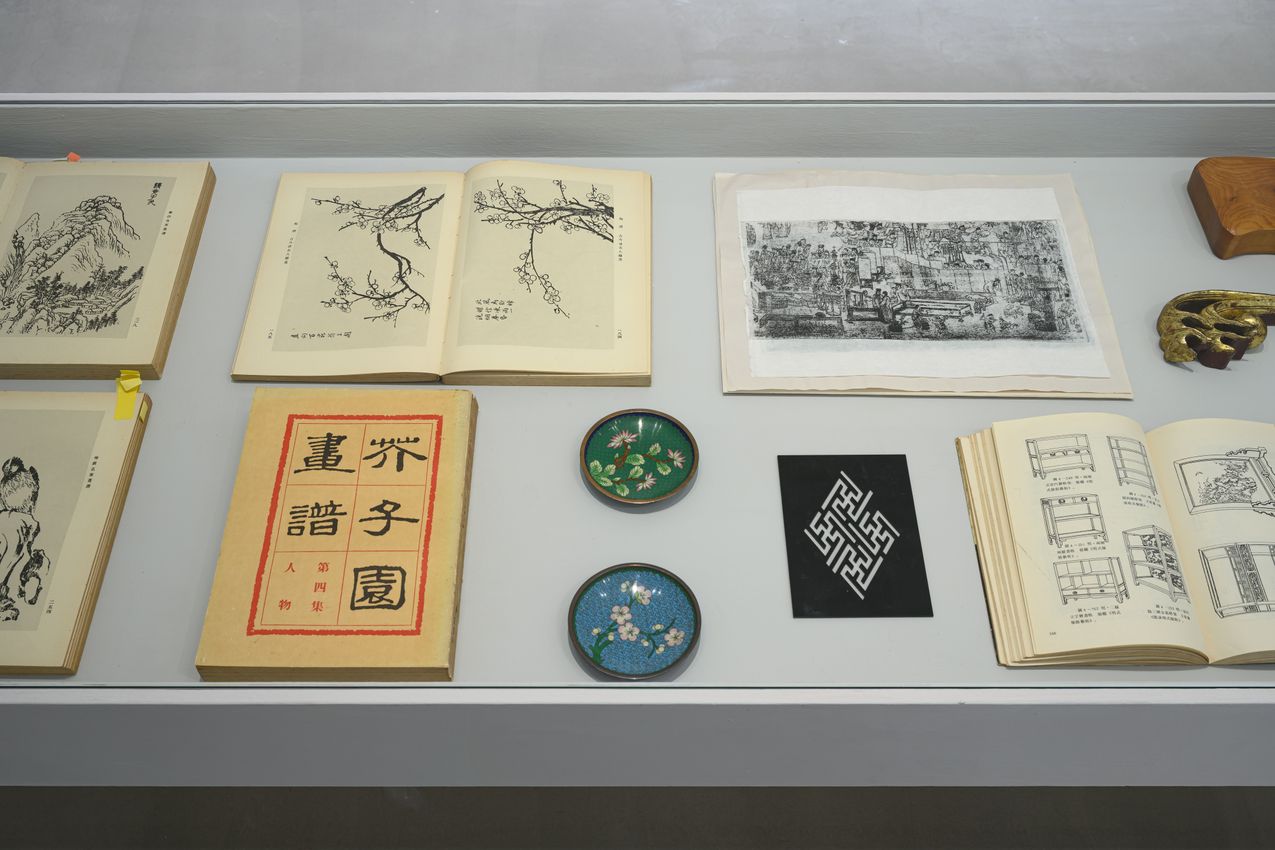
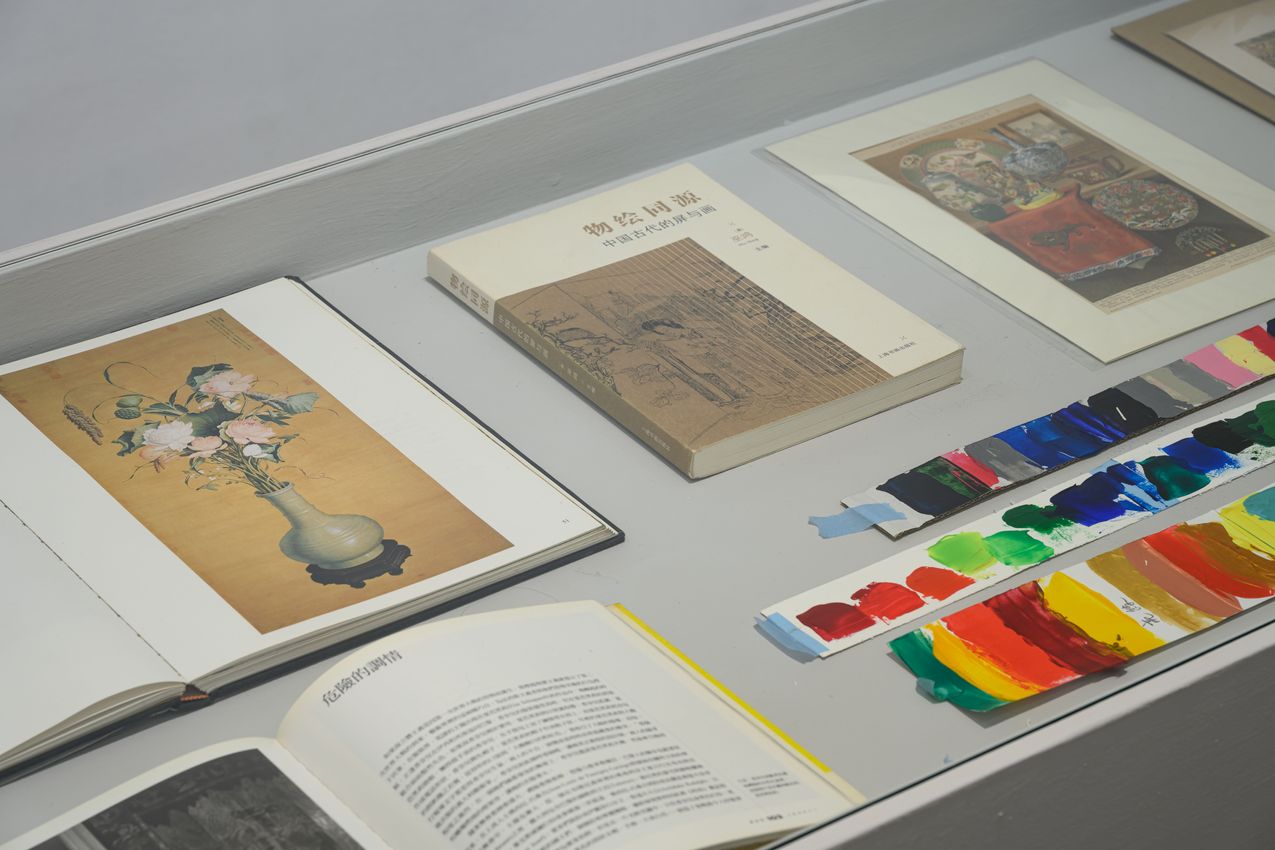
The use of flower-and-bird motifs serves as the central proposition of this exhibition, accurately embodying the aforementioned interpretation of “inauthentic beauty.” The floral and avian patterns in the works were not actually created by the artist’s own hand, but rather appropriated from various sources: 17th-century French and Dutch paintings, the classic Chinese painting manual Jieziyuan Huazhuan (Mustard Seed Garden Manual of Painting), and the works of Qing dynasty court painter Giuseppe Castiglione. Through the transfer of silkscreen printing and the polishing of biantu lacquer, the artist conceals these Eastern and Western motifs within the canvas, creating a viewing experience of tantalizing ambiguity. The highly complex manual labor of polishing, juxtaposed with the mechanical reproduction of silkscreen appropriation, perfectly reflects the artist’s subversion and dialectic of contemporary art.

Curator Barbara Pollack notes that Su Meng-Hung proposes a new method to redefine the possibilities of art in the post-globalization era. The images he appropriates are both artificial and beautiful, establishing a new tension between reality and illusion. This tension, rather than diminishing the originality of the work, constitutes the core driving force of his creation.

Following Xiang Nai Er in 2019 and Self-exoticism in 2021, and looking back at Su Meng-Hung’s creative path over the past decade, The Flowers of Coromandel undoubtedly marks the third installment of this creative chapter. Within it, we can still glimpse thoughts and visual languages resonant with his past: the use of craft techniques to interpret the materiality of pigments, the flattening of the painterly touch, and the deployment of visual symbols such as decorative patterns. However, compared to the previous two exhibitions, The Flowers of Coromandel yearns for a purer focus on the medium and on issues of painterliness. He is reluctant to overemphasize the juxtaposition or hybridization of Eastern and Western aesthetics, and has no intention of repeating the cultural discourse of the first two installments. Instead, he expects the works to be read and viewed purely as paintings. At the same time, his application of classical techniques—such as biantu, mother-of-pearl inlay, and cloisonné enamel—which gave previous works a heavy, shining lacquer-like texture, has undergone a subtle shift. Inspired by European tapestries during his recent travels, the artist layers matte varnish to simulate the warm, subdued luster of woven silk on the canvas, offering a sensory experience starkly different from the profound brilliance of his past lacquer works.

Situated in Taiwan—a place of heterogeneous hybridization flooded with visual fragments and instant symbols—all cultural products are like “Coromandel screens,” carrying the world’s longing and imagination for aesthetics. The Flowers of Coromandel is steeped in the space between the artist’s foundational Eastern aesthetics and Western Pop Art concepts, yet it reveals a splendor and harmony uniquely Su Meng-Hung’s. As we hold our breath in this balance of illusion and reality, suddenly, Su Meng-Hung quietly points us toward a possible path for the contemporary era.

Read More

Installation Views

Selected Works

Loading...
About the Artist

Su Meng-Hung works across such mediums as painting, silkscreen printing, installation, and sculpture in a creative process that manifests his attempt to transform traditional Chinese imagery of flowers and birds into a visual vocabulary of gaudy and grandiose icons, or into a cultural language of sensuous and appealing symbols. He often adapts elements of flowers and birds from the work of late Qing-dynasty painters. These visual symbols are not merely driven by the artist’s desire to ridicule social codes or to popularise the symbols in mass culture. In fact, the flowers and birds embody the taste of the aristocracy and literati.

View Artist Profile Su Meng-Hung contemporary artist
About the Gallery

The Tina Keng Gallery has its roots in the Lin & Keng Gallery (1992–2009) based in Taipei, Taiwan and Beijing, China. Delving into Chinese art history, Lin & Keng was instrumental in promoting the work of Asian classical masters. The Tina Keng Gallery has continued this tradition by supporting Greater Chinese contemporary art, with a steadfast focus on nurturing Taiwanese art.

View Gallery Profile
Address
1F, No.15
Ln. 548, Ruiguang Rd.
Neihu District
Taipei
Taiwan
Opening Hours
Tuesday – Saturday
11am – 7pm
(1)
Taipei 1F, No.15, Ln. 548, Ruiguang Rd.
Tina Keng Gallery
1F, No.15, Ln. 548, Ruiguang Rd., Neihu District, Taipei, Taiwan

Opening hours
Tuesday – Saturday
11am – 7pm
The art world in focus