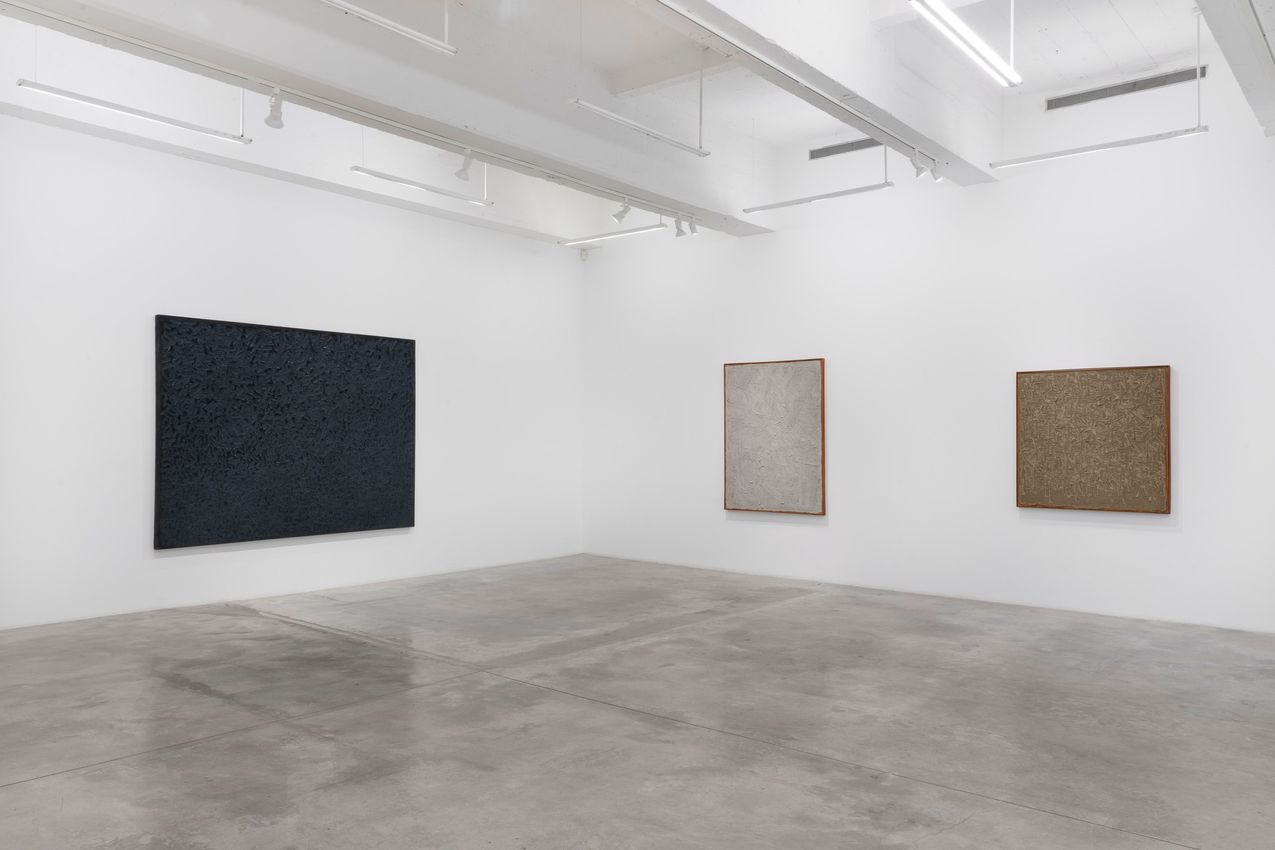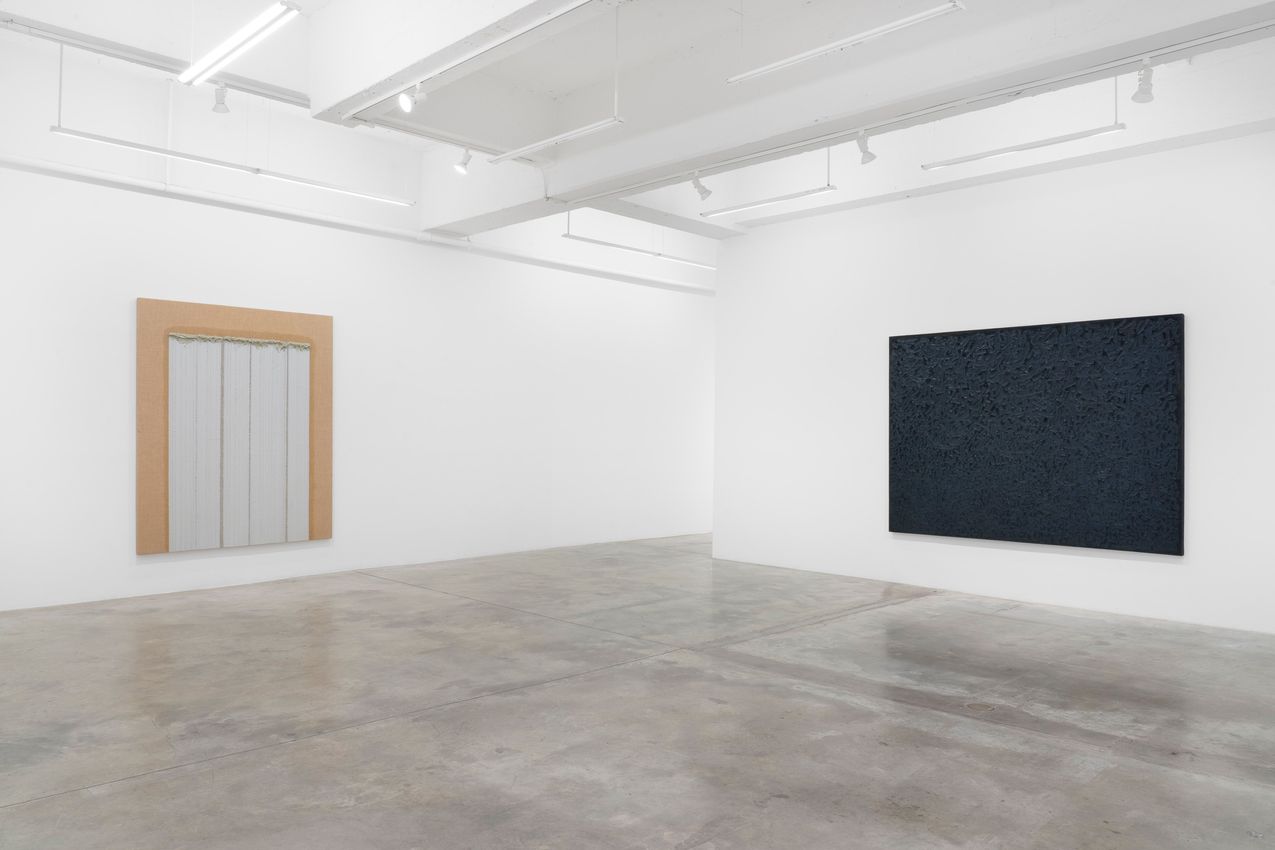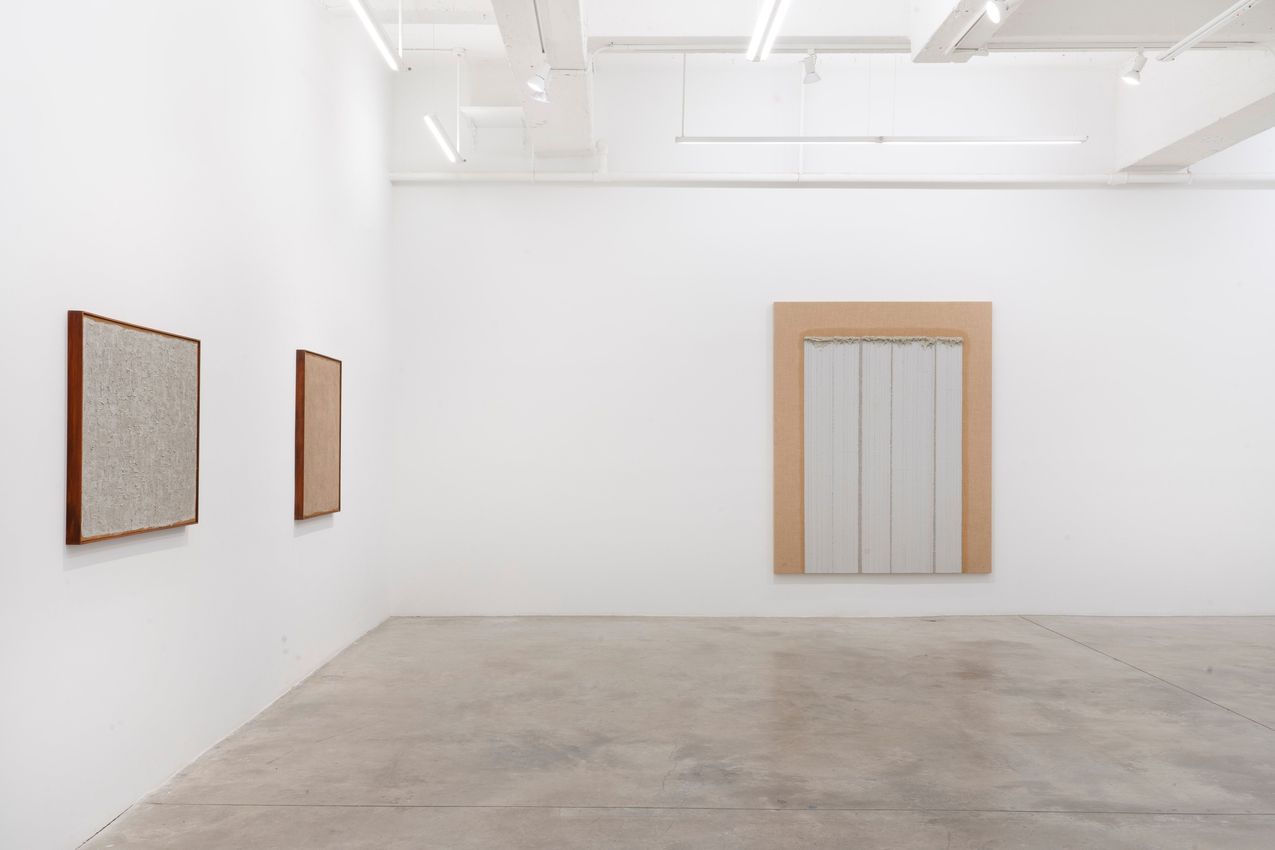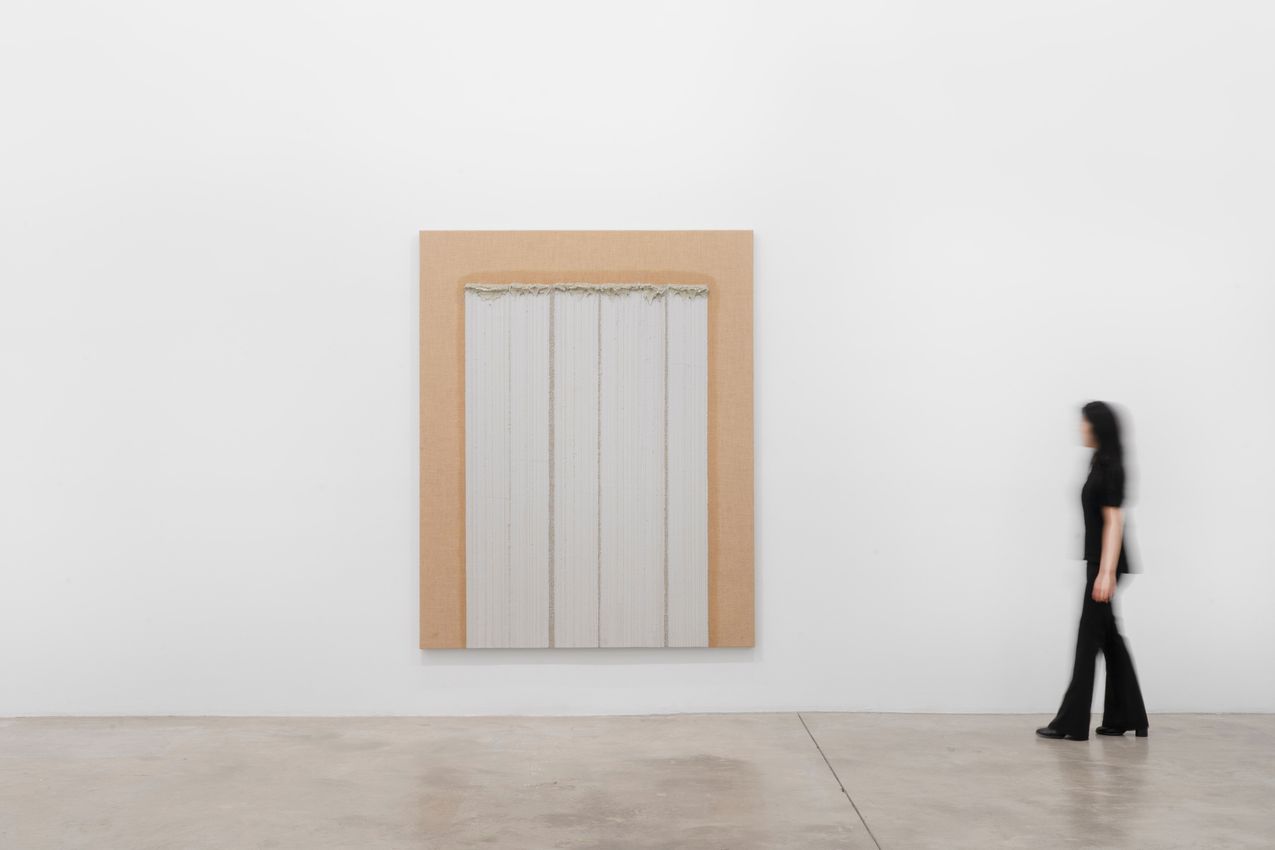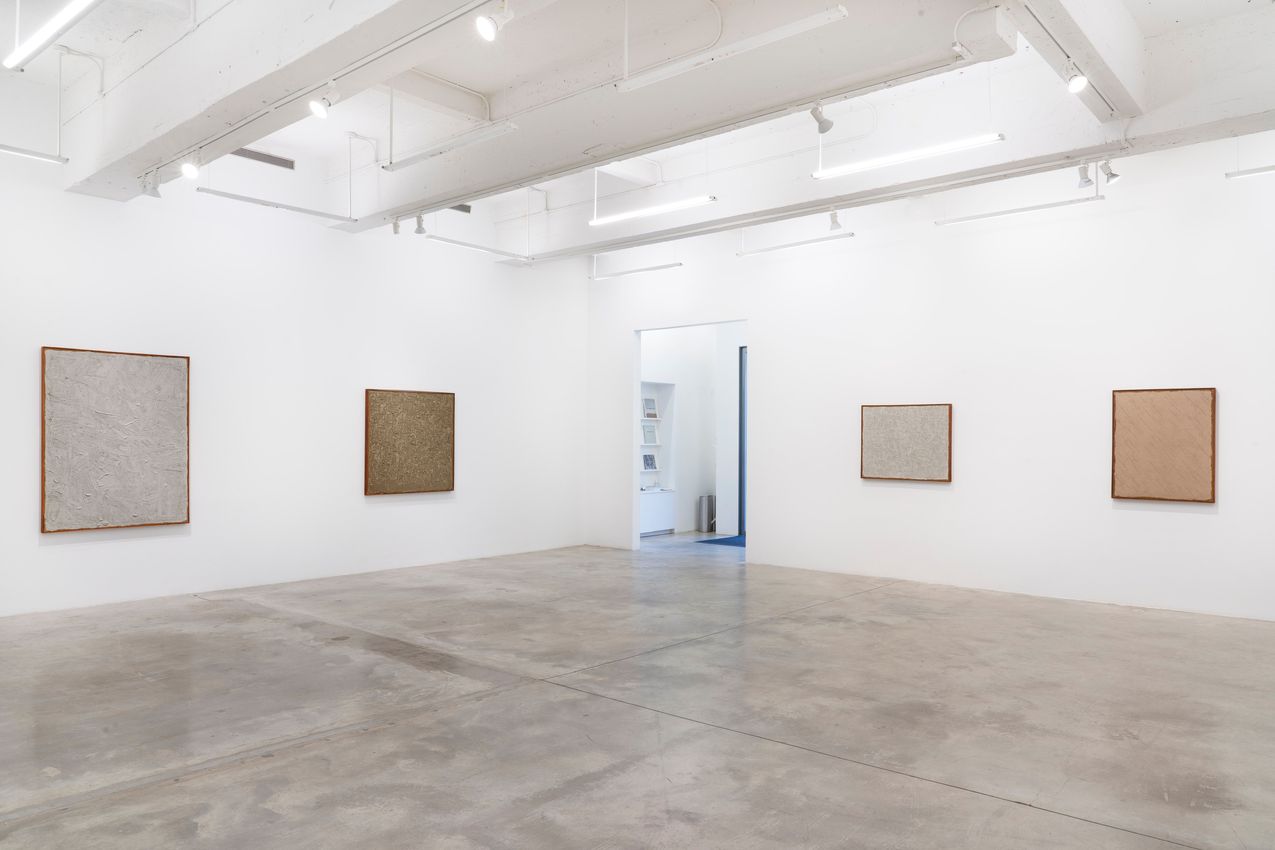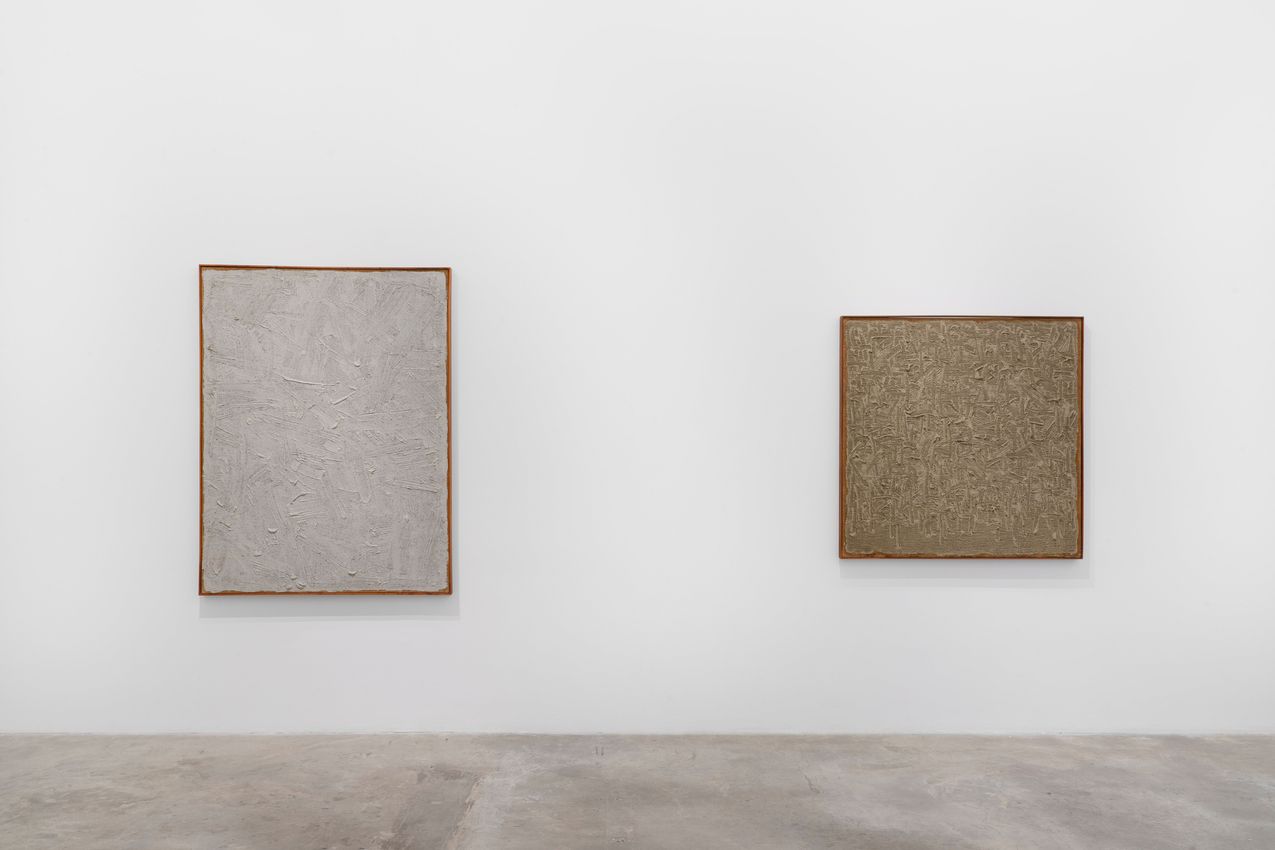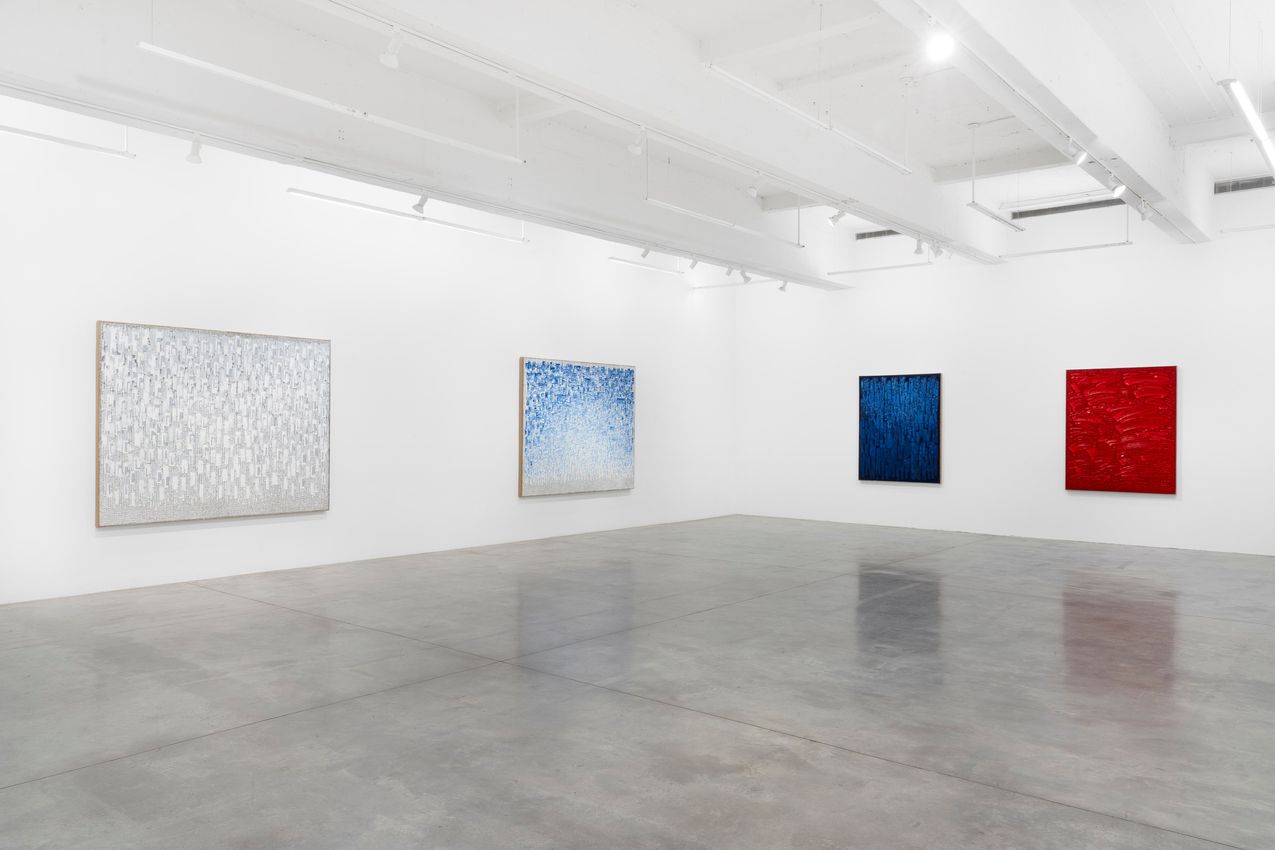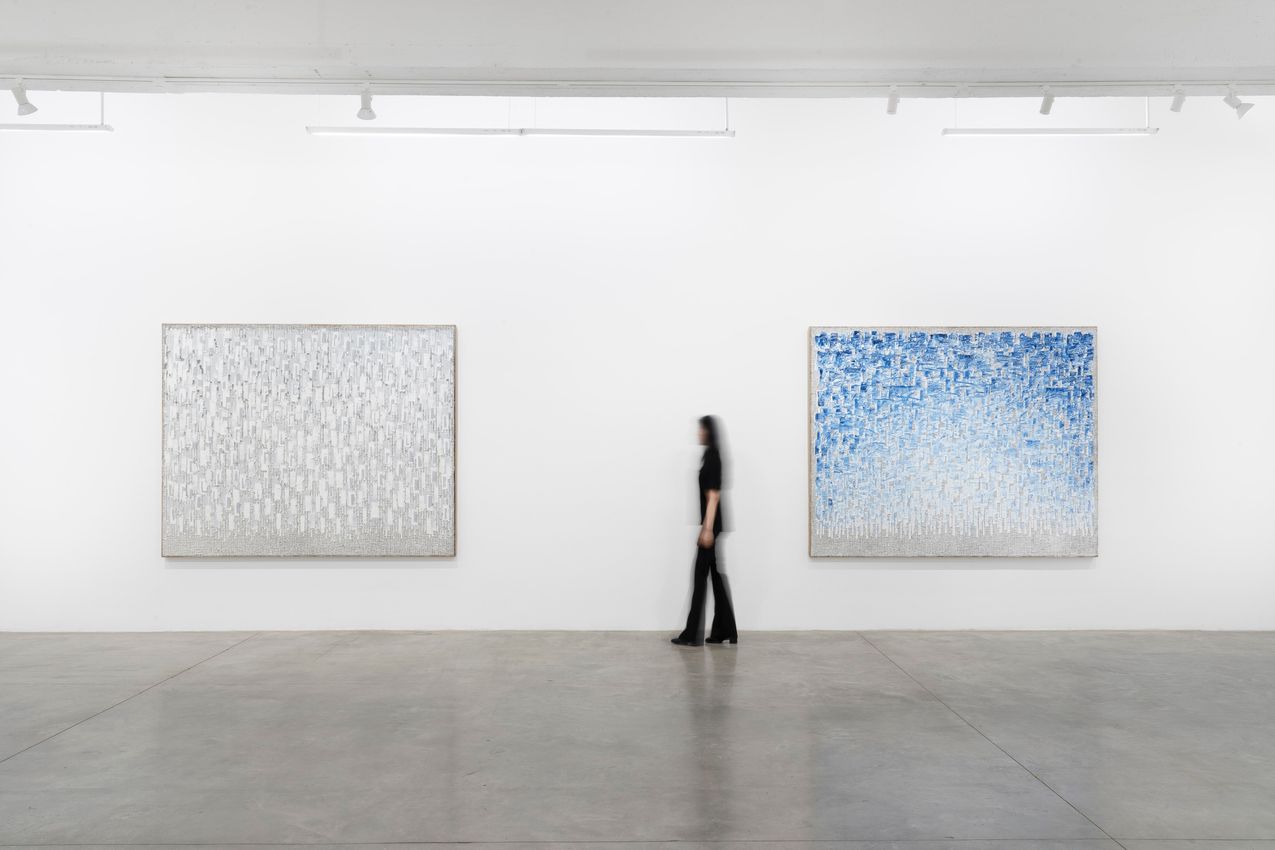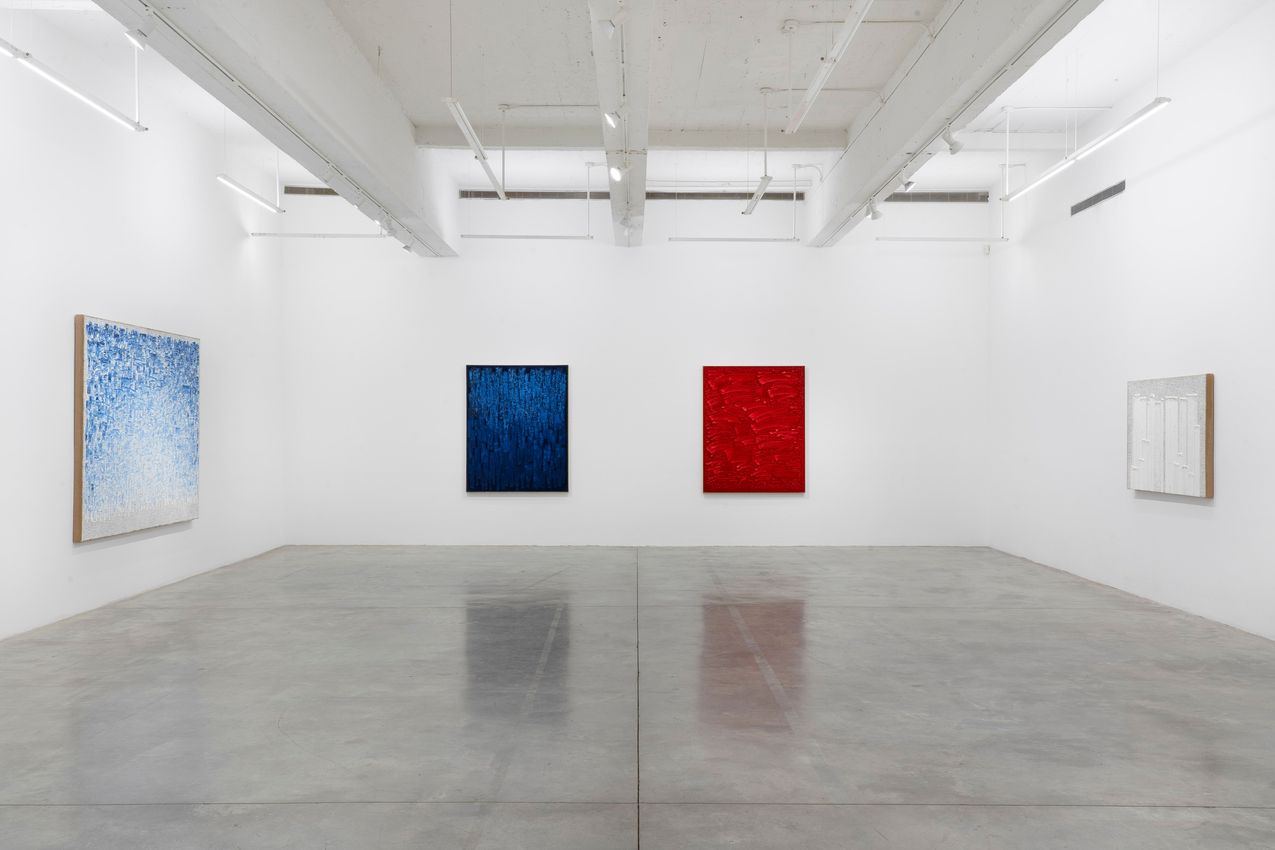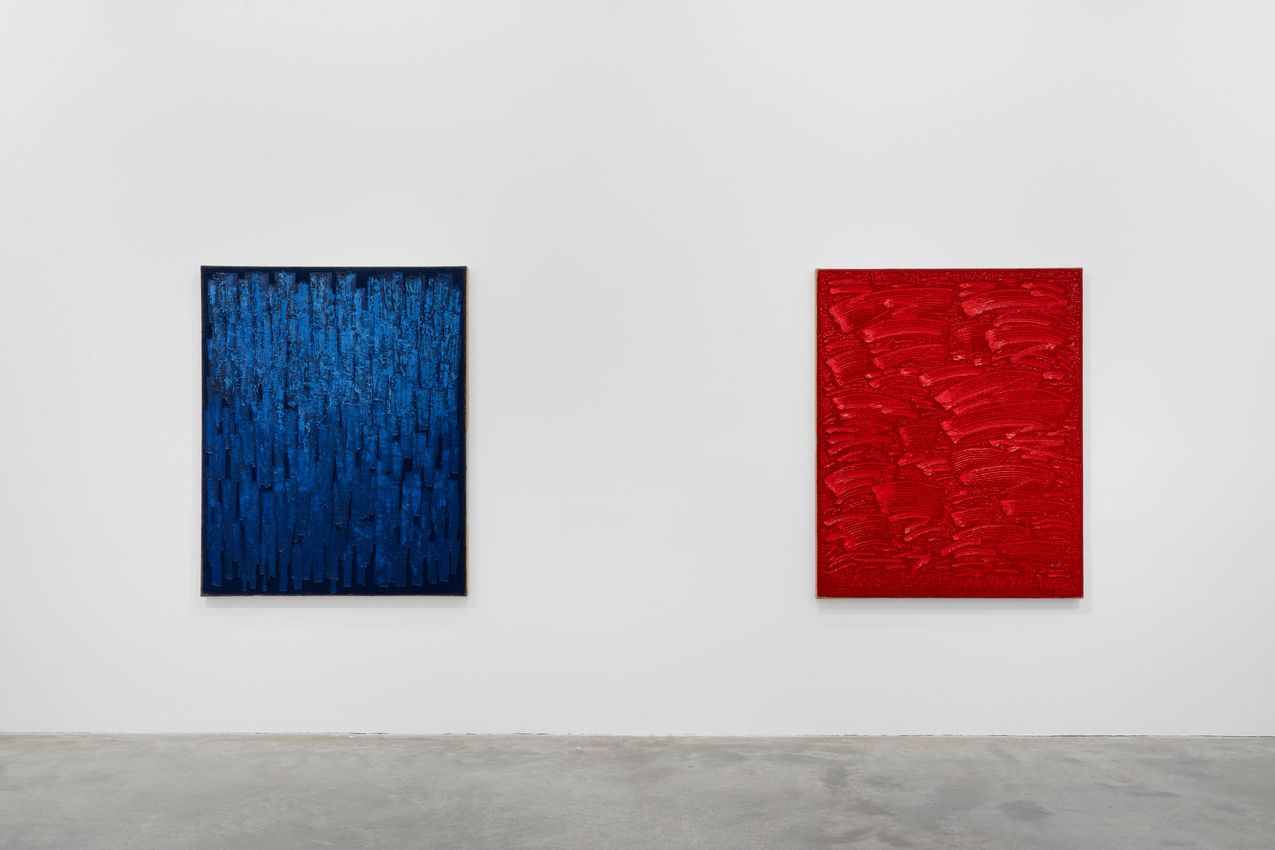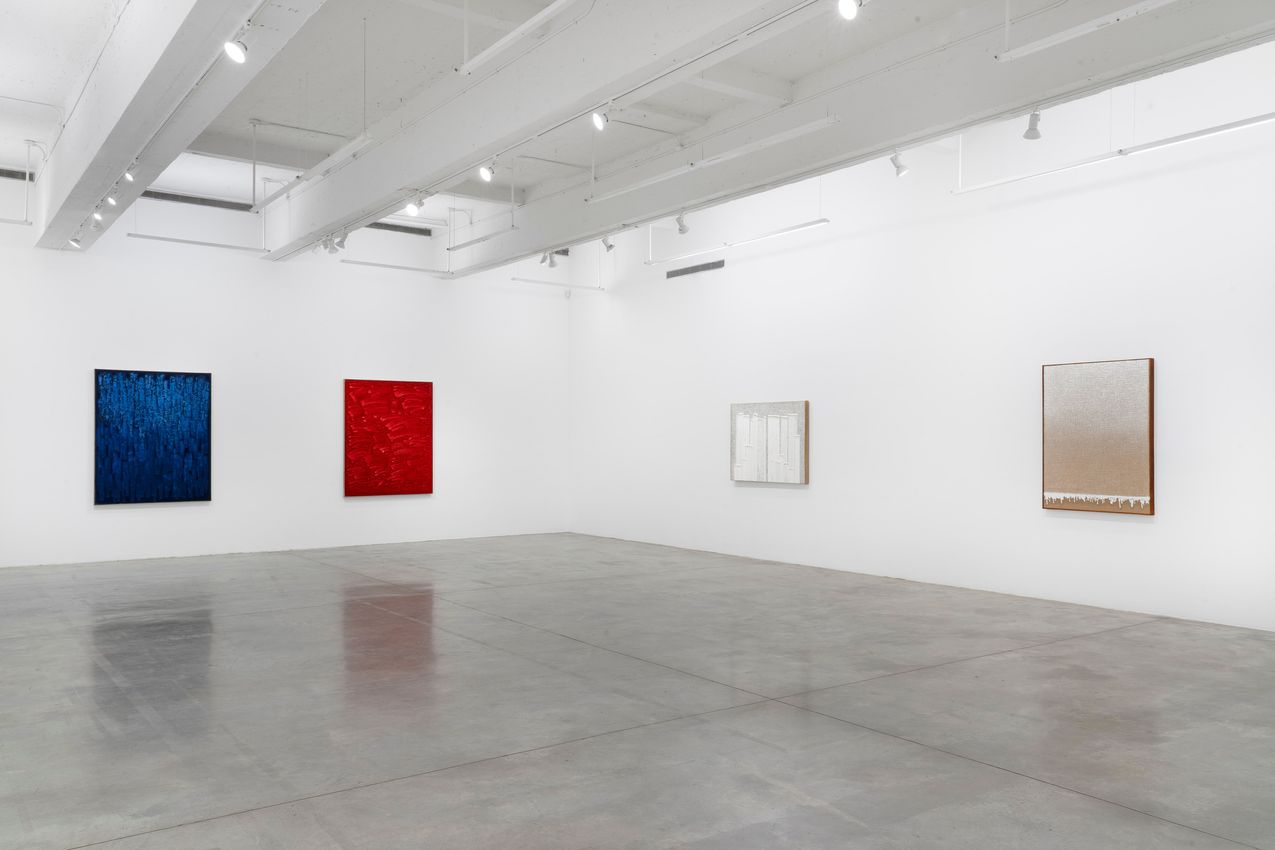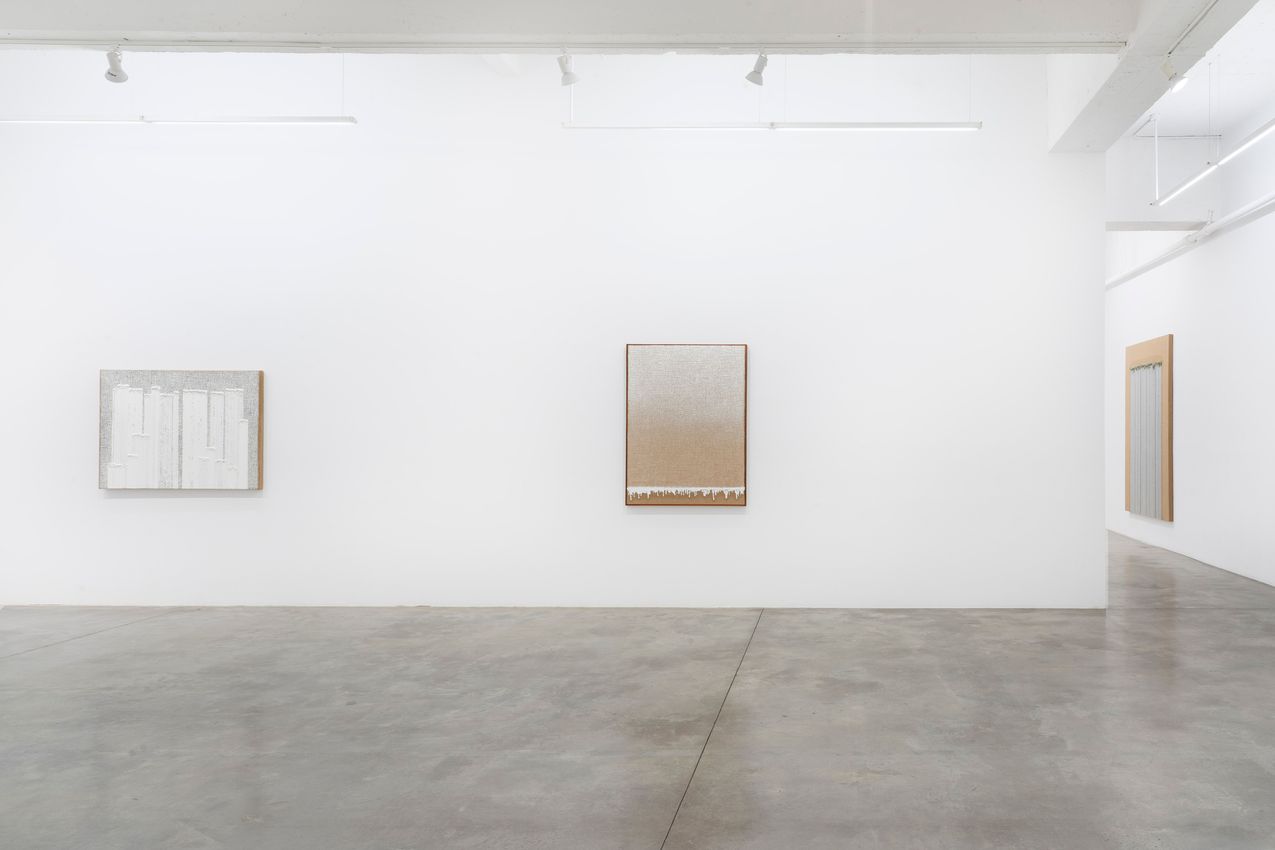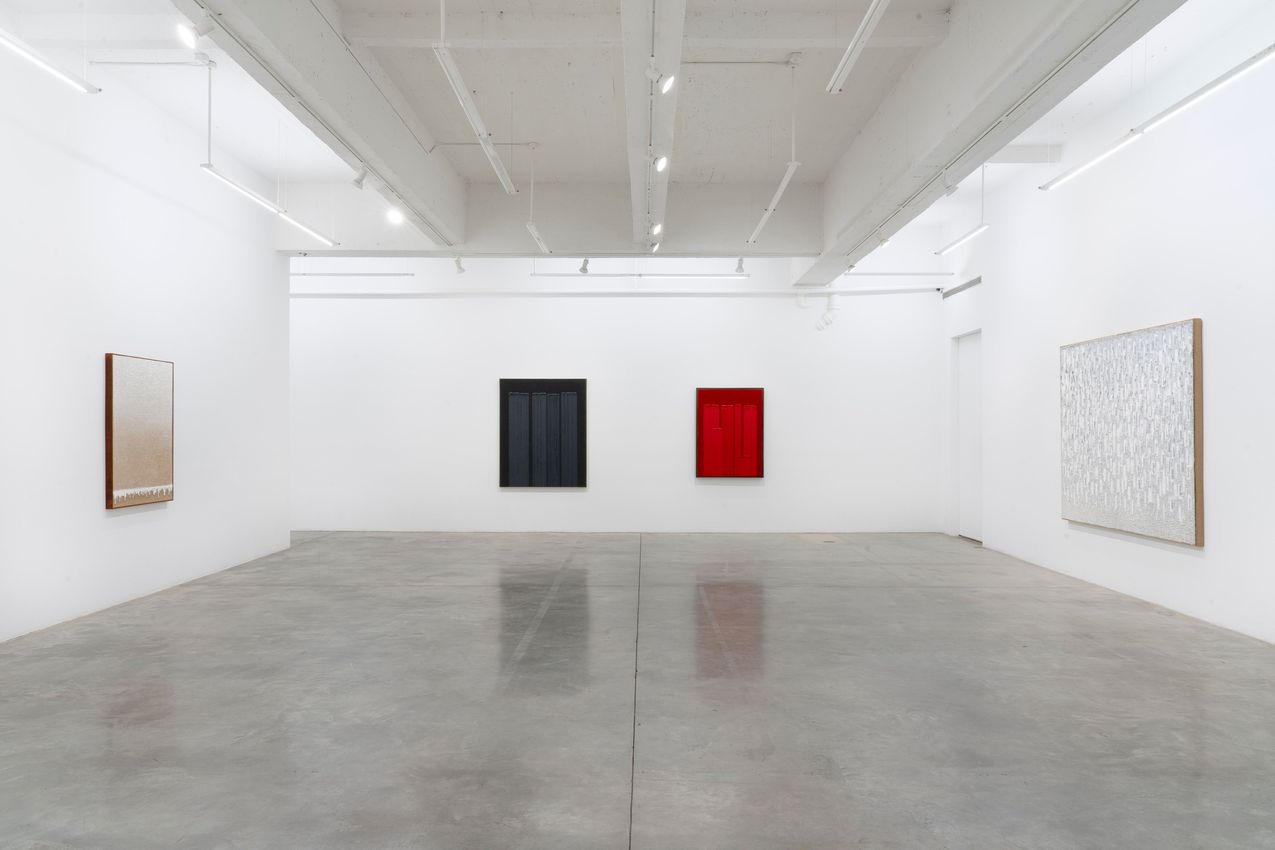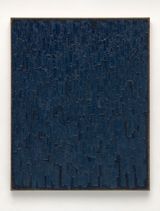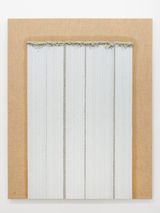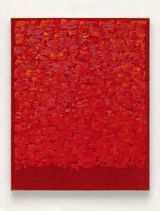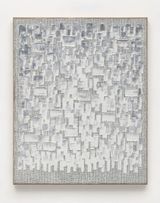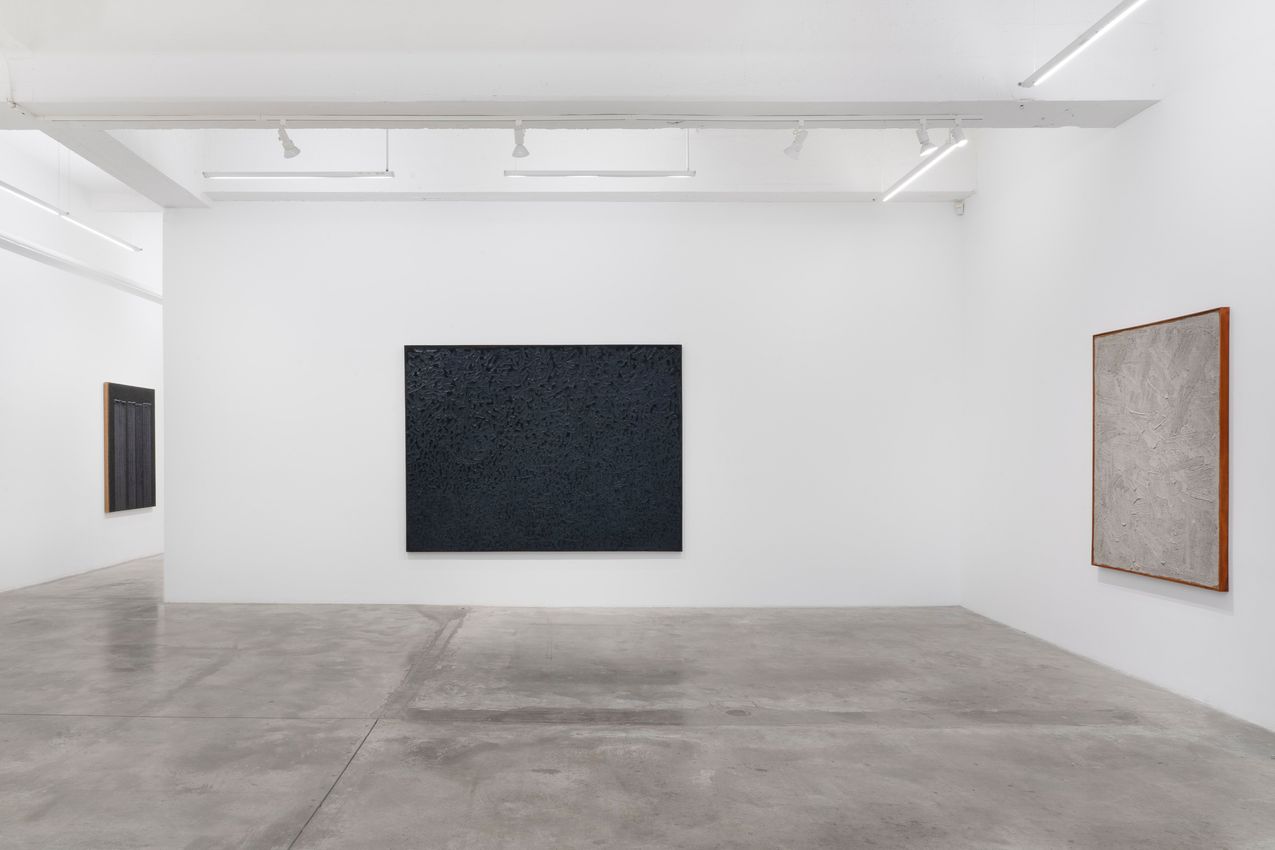
Tina Kim Gallery is pleased to announce Ha Chong-Hyun: 50 Years of Conjunction, a solo exhibition presented on the 50th anniversary of the artist’s widely celebrated Conjunction series. On view from November 7 - December 21, 2024, the exhibition will highlight major works from this signature series as it developed from 1974 to the present and will celebrate the artist’s enduring exploration of painting’s material possibilities.
Beginning with the first works made half a century ago, the essential act of the Conjunction paintings is the pushing through of oil paint from the back to the front of the artwork, so that the weave and texture of the burlap fabric becomes inextricably interwoven (or “conjoined”) with the oil. Ha’s use of burlap originated from resource constraints (burlap was an easily accessible fabric, used in army sandbags and American grain shipments after the Korean War) and from his explicit desire to work with “objects from the ruins of war”. Letting the properties of the material dictate his gestures, rather than the reverse, Ha made the first Conjunction paintings by stretching hemp over the four legs of an upturned table, and pushing paint through the loose weave of the fabric to bubble and drip over the roughly textured fibers on the other side.
Conjunction arose during a critical period of rapid industrialization and urbanization in Korea, following the end of 35 years of Japanese occupation, the Korean War, and the establishment of the Demilitarized Zone between North and South Korea in 1953. Without the signing of a peace treaty and a formal end to the war, nascent optimism in the 1960s and 70s was dampened by an extended military regime that imposed strict censorship and harsh anti-communist governance. Without the freedom to protest aloud, Ha Chong-Hyun turned to abstraction as a form of silent demonstration, using the physical method of his practice and the laborious pushing of paint to express a deeply felt resistance that could not be stated explicitly. Other artists of his generation such as Park Seo-Bo, Lee Ufan, and Kwon Young-Woo expressed a similar interest in materiality and restraint, eventually coming to be known as the Dansaekhwa movement, now seen as one of the pillars of Korean modernism.
Ha’s interest in the monochrome rejected minimalism’s penchant for the smooth and seamless, always leaving evidence of his mark making across the surface. Conjunction also marked a clear departure from his early Informel period, as well as White Paper for Urban Planning, a series of brightly colored geometric abstractions that were in dialogue with an international interest in the vocabulary of line and form. The Conjunction paintings rejected the central premise and tools of painting entirely, using rudimentary hand-made tools to push and scrape his paint through the fabric, rather than daub and spread onto the surface. Early works from the series drew from the colors of everyday life in Korea, including hues from paper, ceramics, earth, traditional roof tiles, and hemp. His contemporary Conjunction works are highly gestural, vivid, and expressive, evolving the artist’s continued devotion to experimentation and inquiry in painting.


Ha Chong-Hyun (b. 1935), a leading member of the Dansaekhwa group, began his ‘Conjunction’ series in 1970s post-war Korea and has dedicated his practice to this series ever since. Conjunction refers to the physical connection between the two most important elements of his practice, his methods and his materials, and how the two are intertwined, or ‘conjoined.’ The burlap he began to substitute in place of the more traditional canvas after the Korean War allows him to approach each painting from the reverse, pushing thick paint through the loose weave. The oil paint then emerges from the front, creating a texture that has become entirely unique to Ha’s practice. Though he has maintained these practical methods for decades, Ha continues to experiment in his works, incorporating new colors and abstract patterns.
Tina Kim Gallery is internationally recognized for its critically rigorous program that foregrounds Asian and Asian diasporic artists across generations and mediums. Founded in 2001 and located in Chelsea, the gallery works closely with artists, estates, and institutional partners to produce exhibitions, publications, and public programs of scholarly depth and critical resonance.

A respected voice in contemporary art discourse.
Focusing on ambitious storytelling and insightful art-world commentary. Ocula Magazine publishes in-depth interviews, critical essays and timely analysis on the artists, exhibitions and ideas driving the global art world.
Learn more about Ocula Magazine
Showcasing the best of the art world.
Ocula partners with galleries from around the world to highlight their artists, artworks and exhibitions. Gallery membership is by application and invitation, with each member vetted by an independent panel.
Learn more about Ocula Membership

Specialises in the sale of major artworks.
Led by a team with deep ties to the world’s leading auction houses, galleries and collectors. Ocula’s advisory team offers bespoke services to high-net-worth clients from around the world who are looking to acquire the best of contemporary and modern art.
Learn more about our team and services