



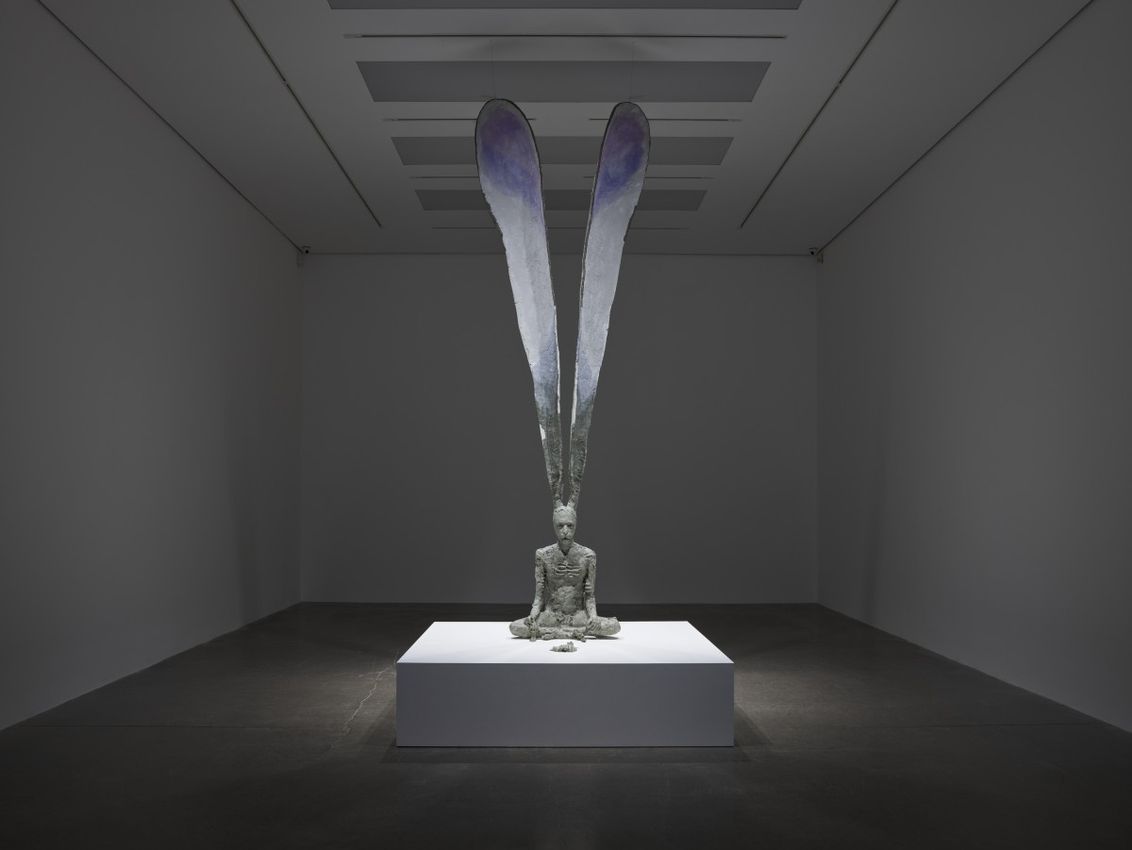
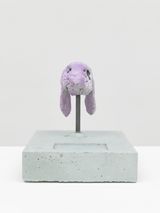
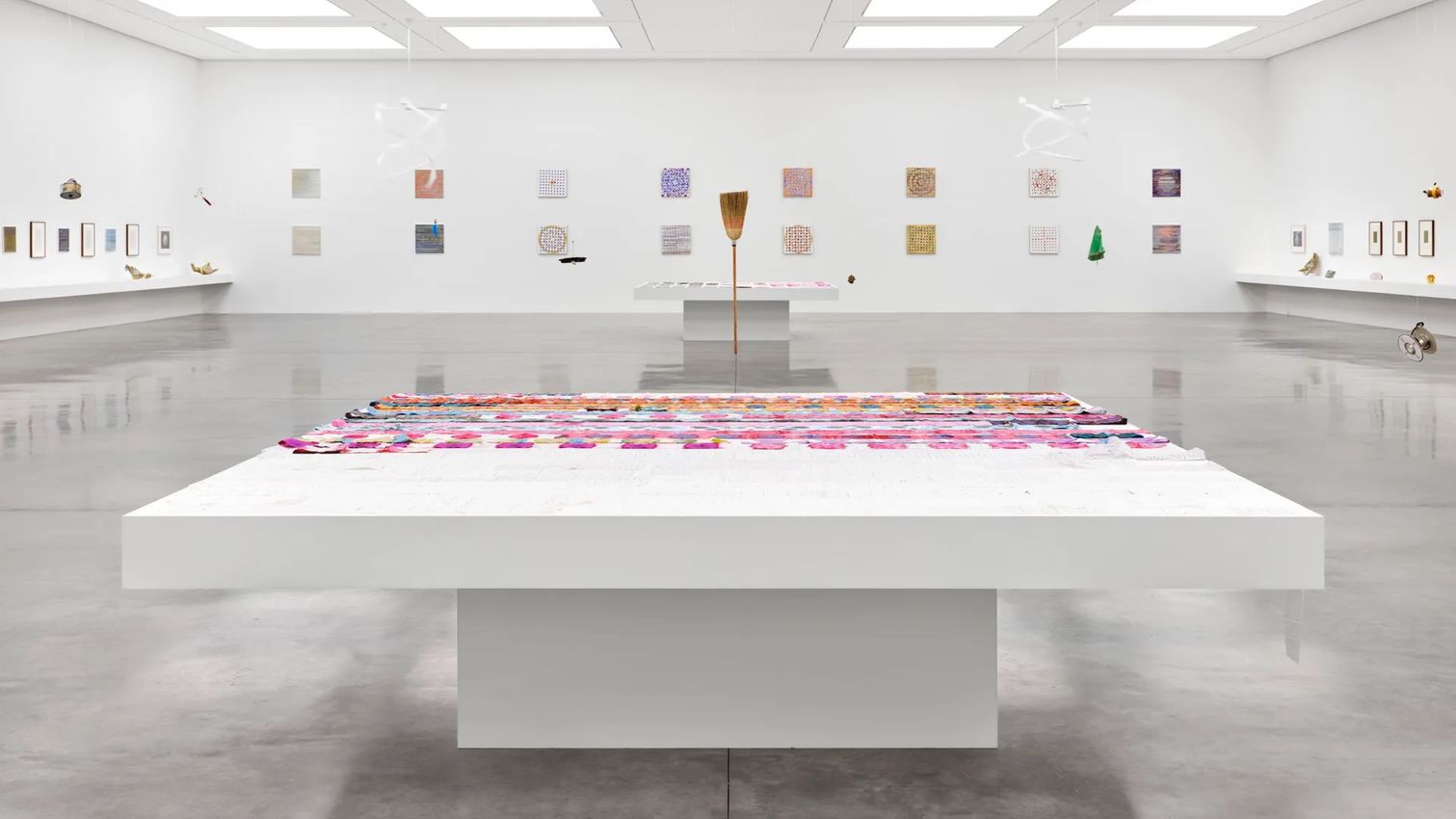
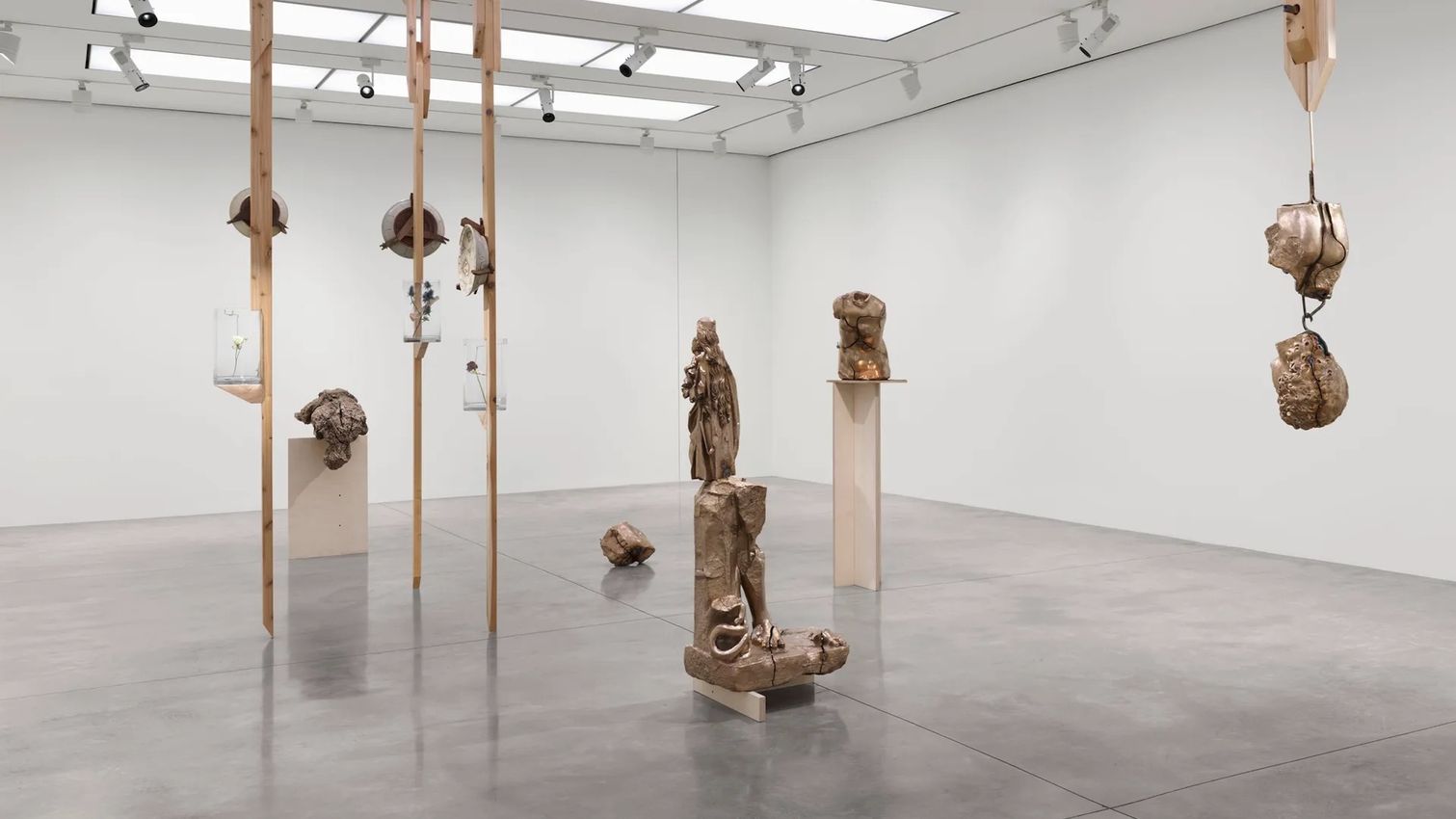
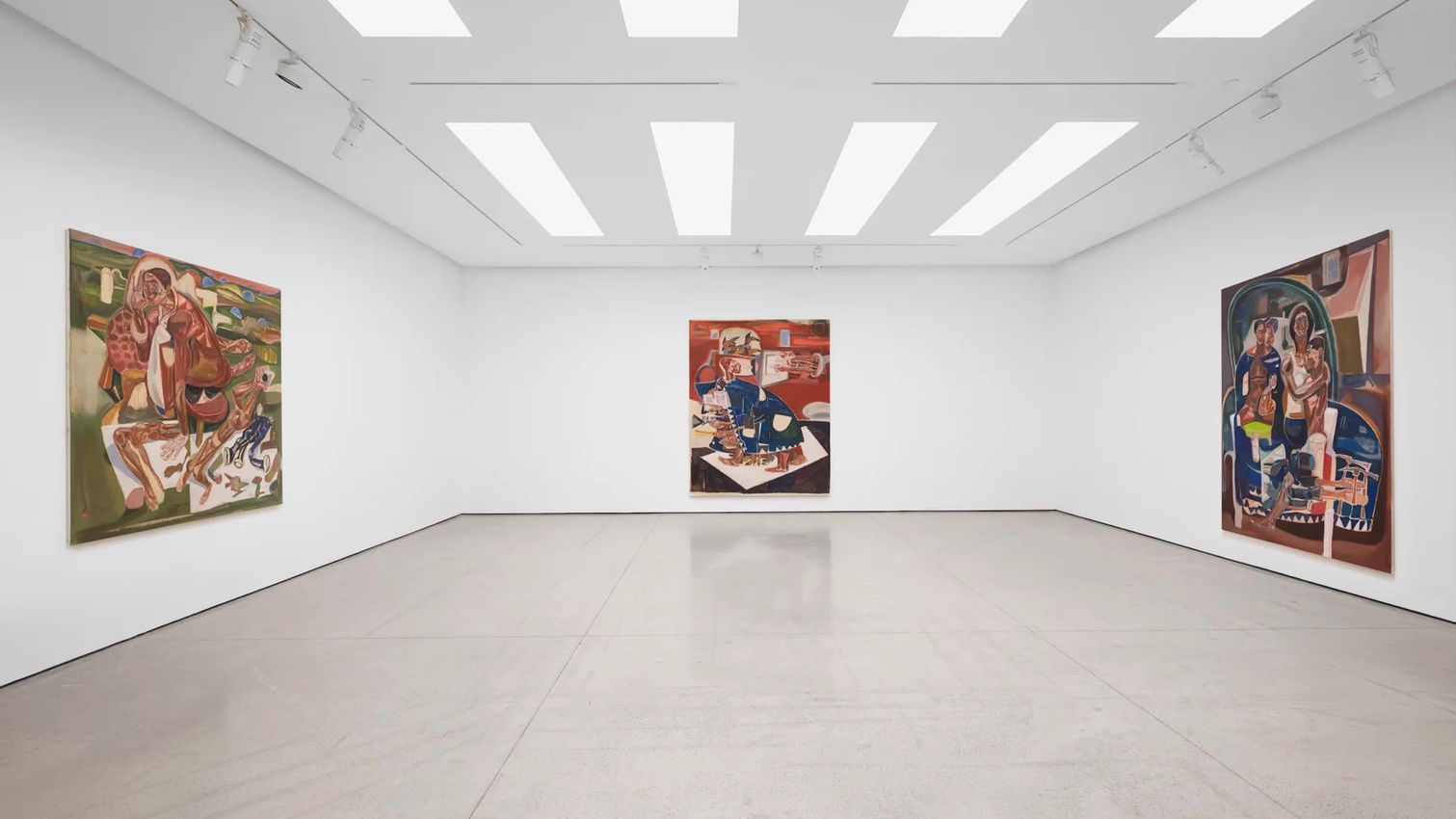
On the ground floor of the gallery we encounter a human figure with the ears of a hare, seated in yogic pose. Its giant ears, stretching almost to the ceiling, seem to probe the limits of the room, while in front of it is a burrow from which the figure appears to have excavated the very matter from which it is made. The contrast of these feet of clay and ears spread like dragonfly wings suggest that a transformation is occurring, from the material to the ethereal.
The Hare is the presiding spirit of the exhibition, whom Altmejd recognises as the Jungian archetype of the Trickster. According to Carl Jung’s theory of the collective unconscious, our ancestral memories are represented by certain universal themes and roles which appear throughout our literature, art and dreams, and these archetypes can explain our psychology. Trickster is irrational and capricious, a prankster and shapeshifter. He is Hermes, audacious thief and messenger for the Gods, and Loki the gender-switching master of disguise. For the Yoruba he travels between heaven and earth as the contradictory character Eshu, and to First Nations people he is Rabbit, Raven or Coyote, the rule breaker whose mischief brings about change. He surfaces in African-American folk tradition as Br’er Rabbit, and even appears in animated form as Bugs Bunny. The essayist Lewis Hyde, author of Trickster Makes This World (1998) tracks Trickster into the modern age, subsumed into the role of the artist, and makes a case that this playful, subversive and disruptive force is indispensable to the vitality of our culture.


David Altmejd’s work is a unique and heady mix of science and magic, science fiction and gothic romanticism: a post-apocalyptic vision which is at the same time essentially optimistic, containing as it always does the potential for regeneration, evolution and invention.


An international art powerhouse, White Cube was established in 1993 in London by art dealer Jay Jopling. In its space on Duke Street, it served as the early exhibition venue for many now internationally acclaimed British artists, including Tracey Emin, Gilbert & George, Rachel Kneebone and Antony Gormley, who still show with the gallery today.

A respected voice in contemporary art discourse.
Focusing on ambitious storytelling and insightful art-world commentary. Ocula Magazine publishes in-depth interviews, critical essays and timely analysis on the artists, exhibitions and ideas driving the global art world.
Learn more about Ocula Magazine
Showcasing the best of the art world.
Ocula partners with galleries from around the world to highlight their artists, artworks and exhibitions. Gallery membership is by application and invitation, with each member vetted by an independent panel.
Learn more about Ocula Membership

Specialises in the sale of major artworks.
Led by a team with deep ties to the world’s leading auction houses, galleries and collectors. Ocula’s advisory team offers bespoke services to high-net-worth clients from around the world who are looking to acquire the best of contemporary and modern art.
Learn more about our team and services