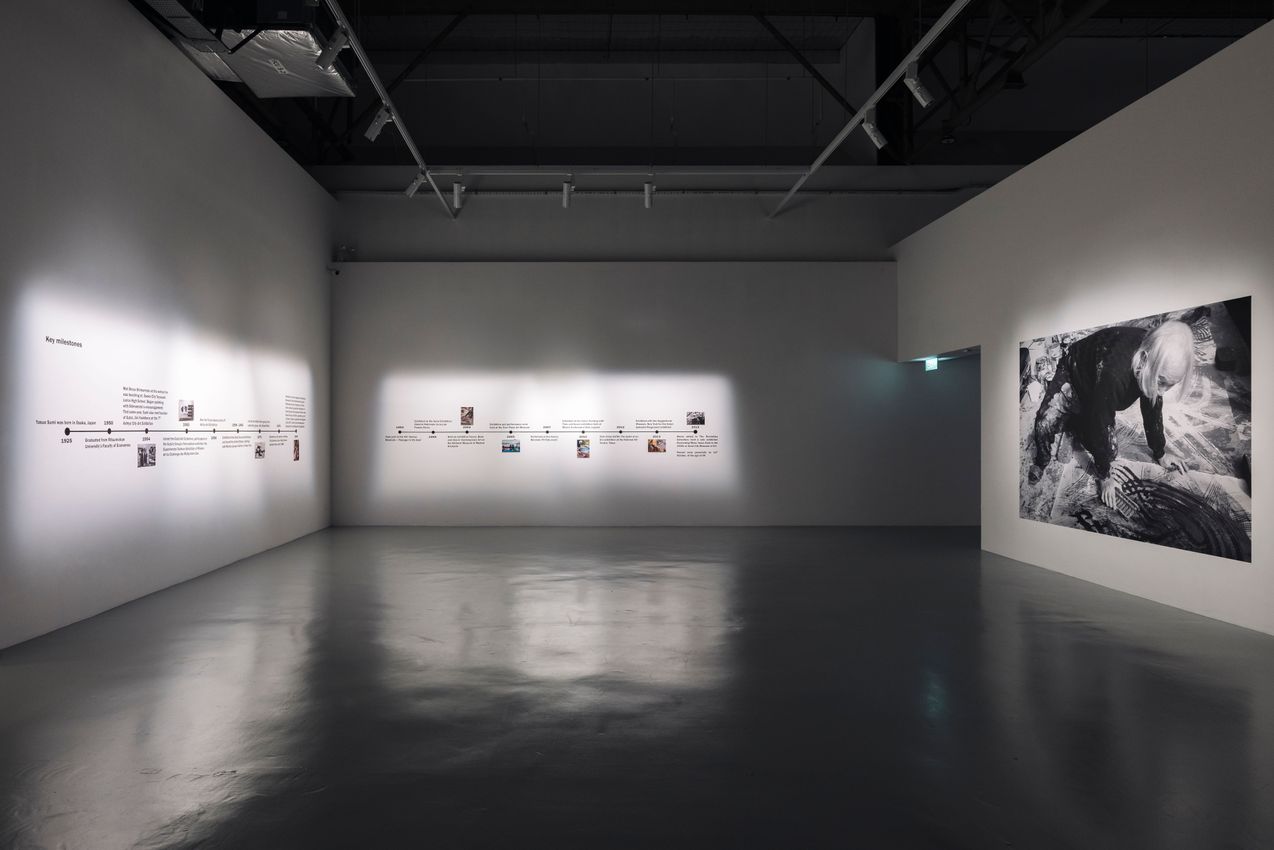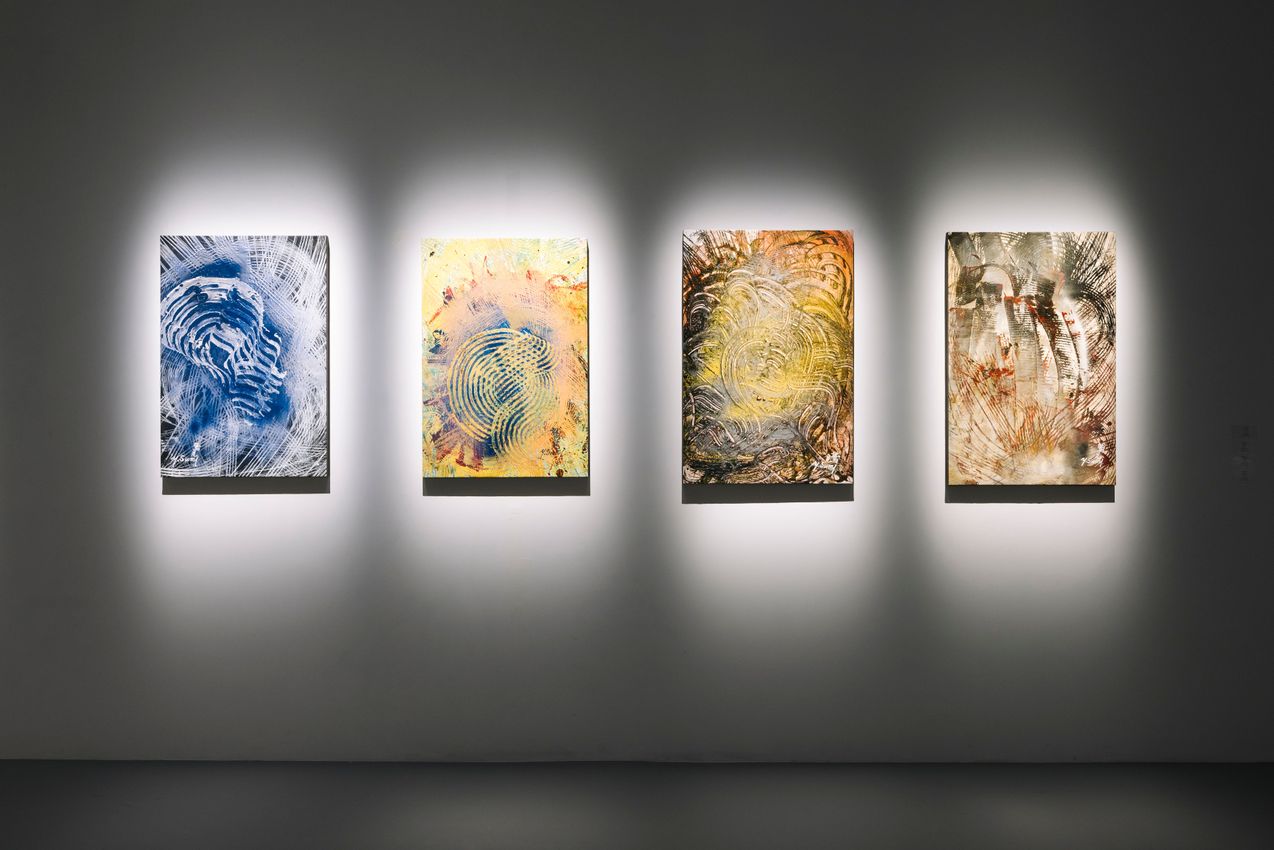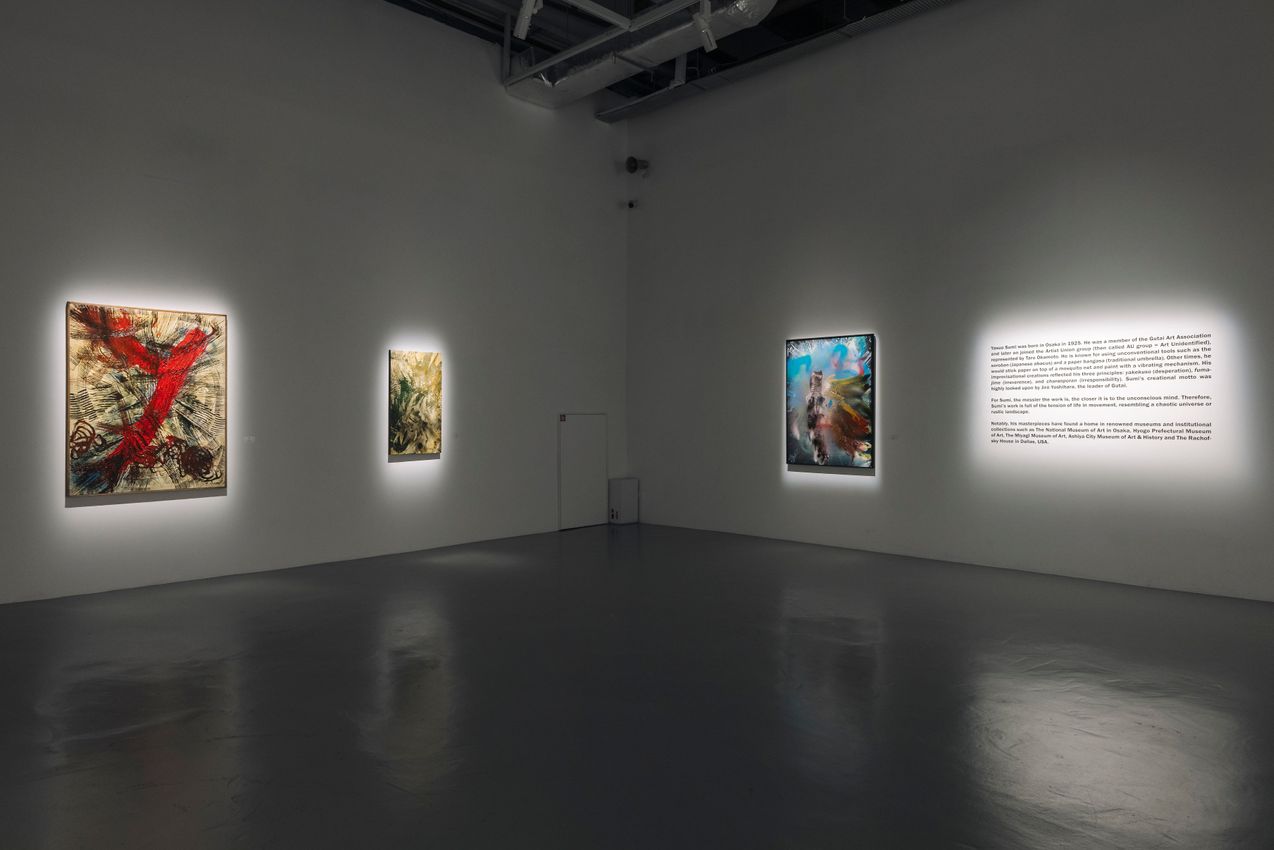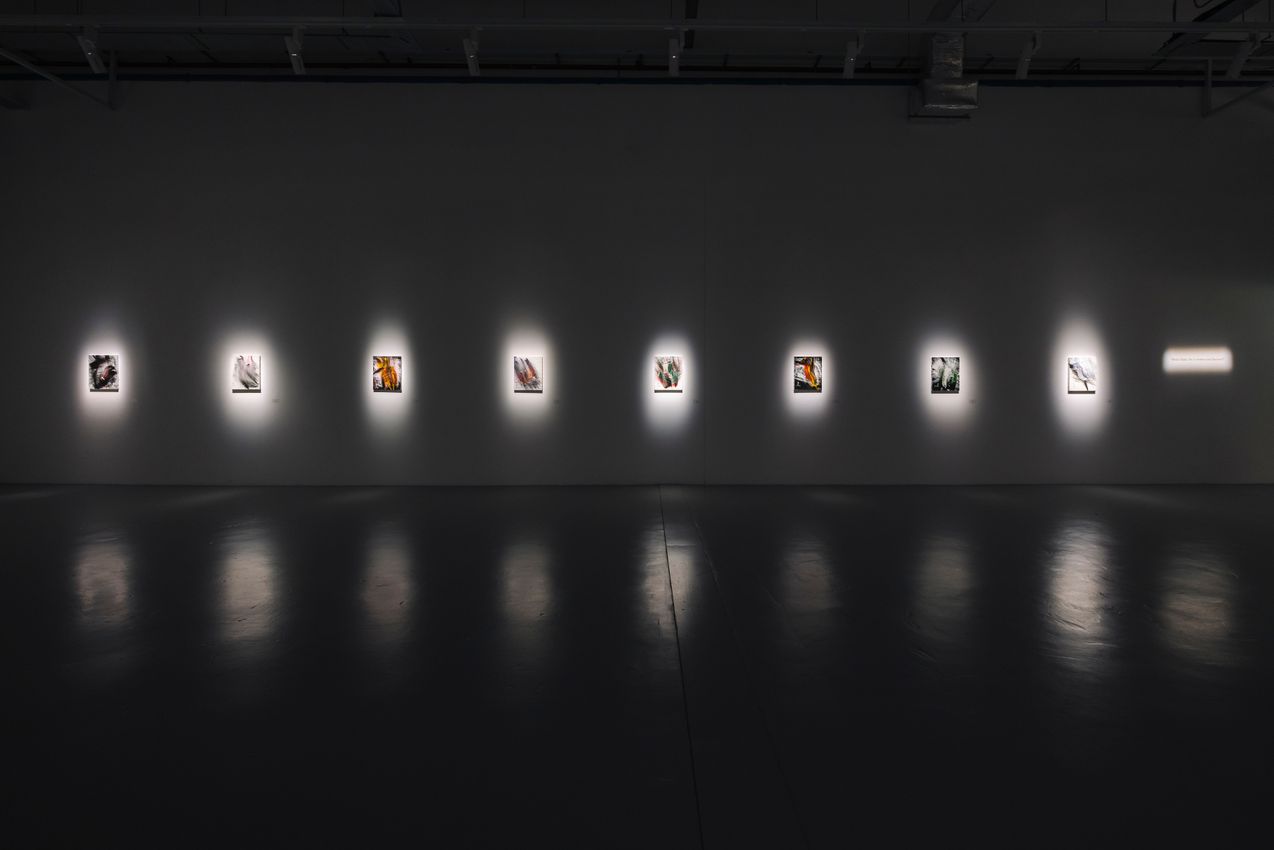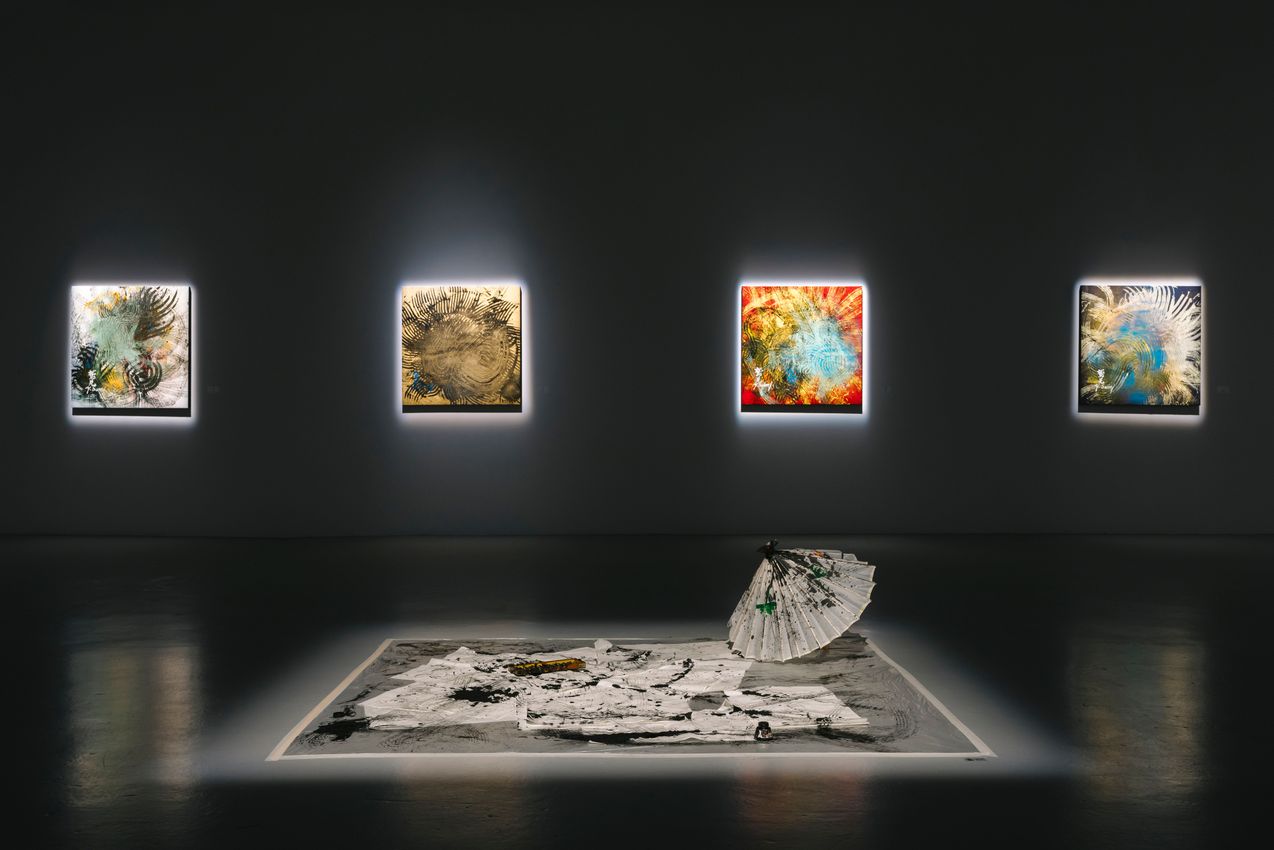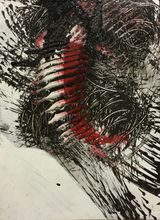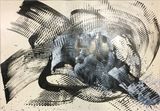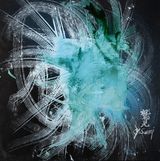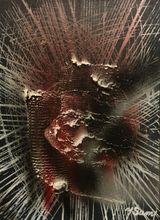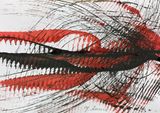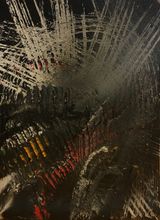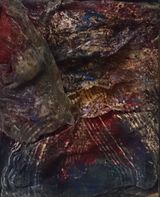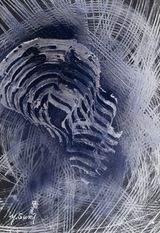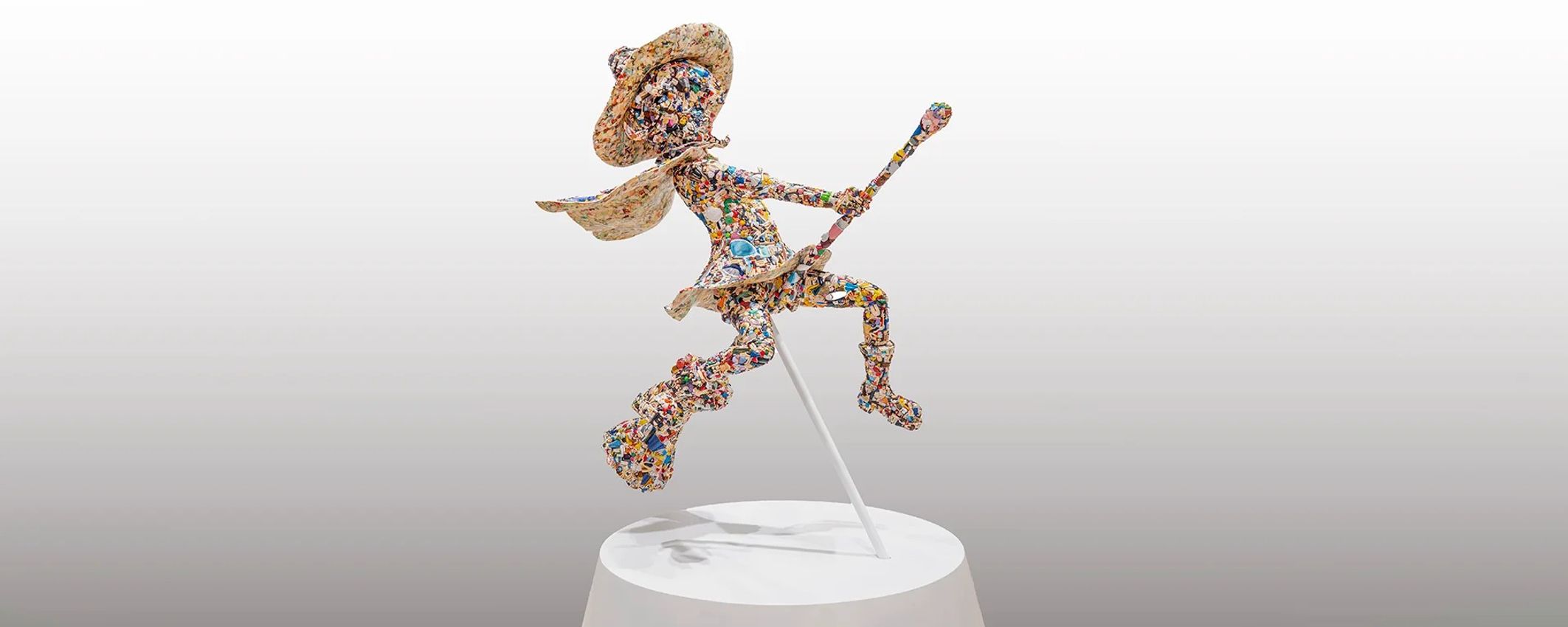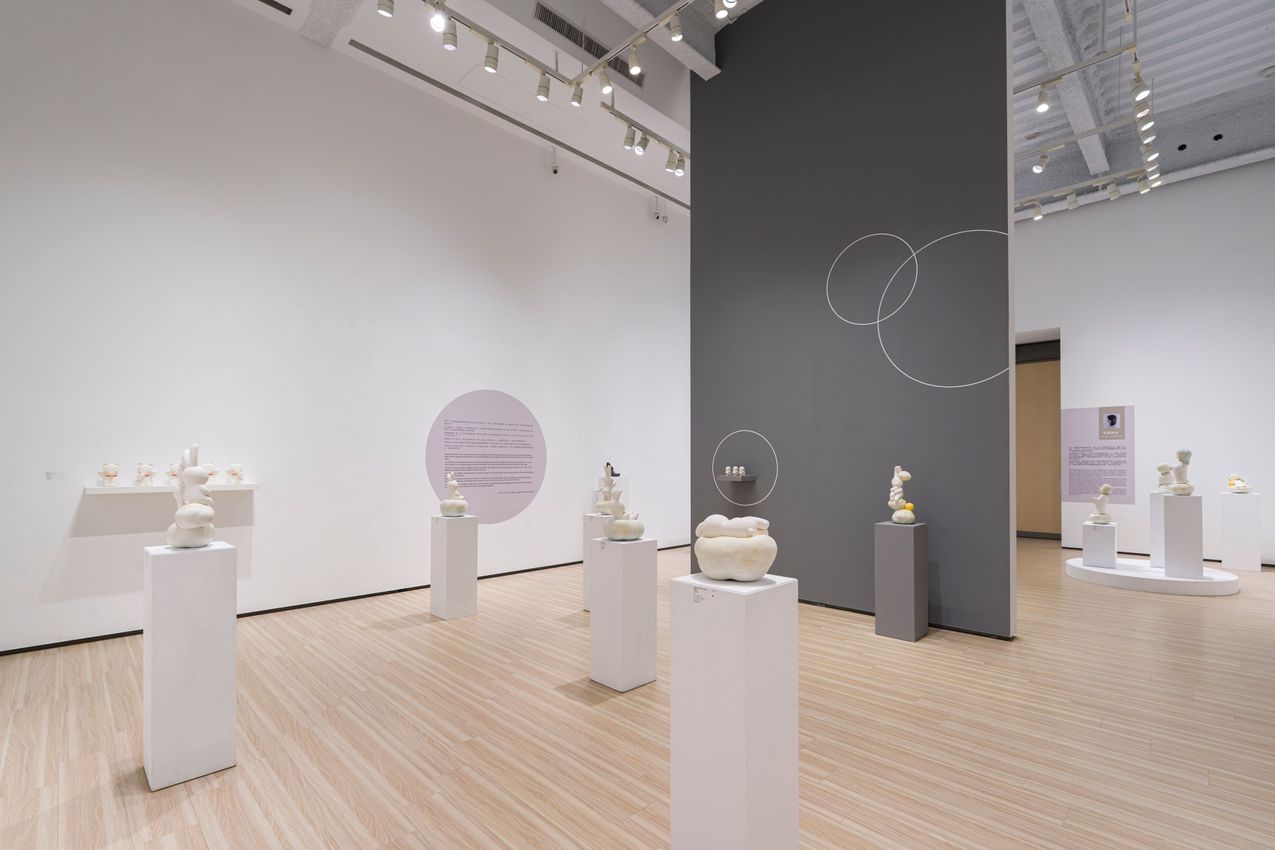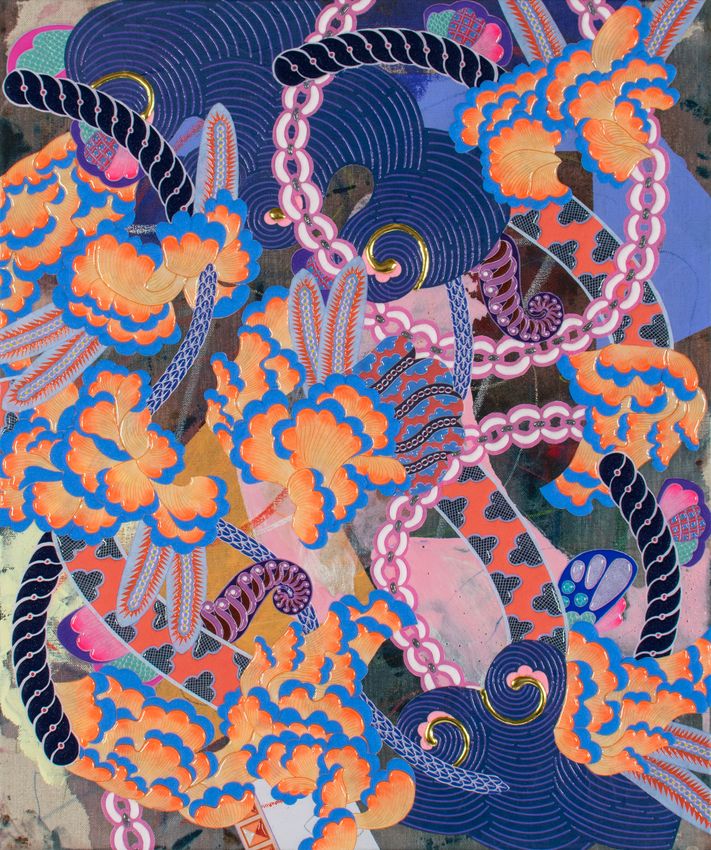




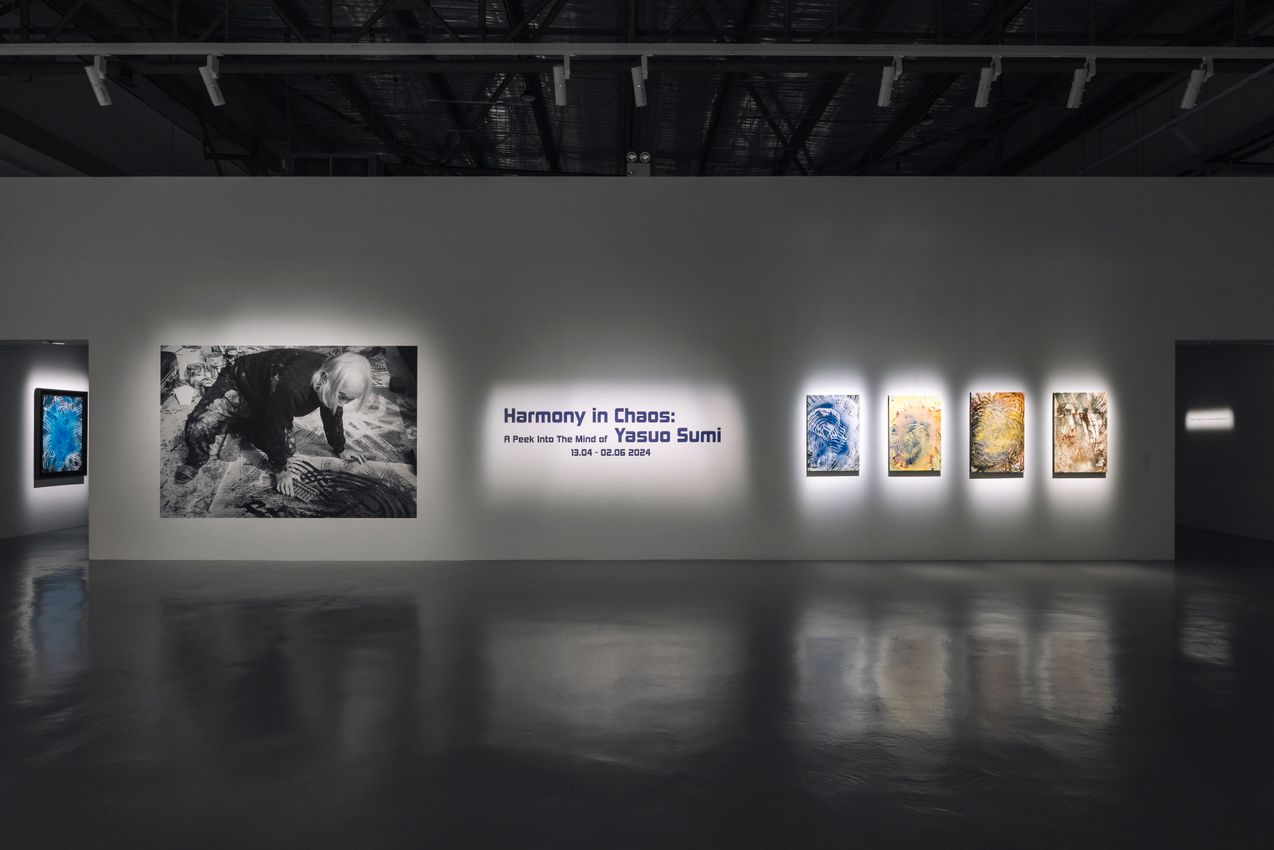
Whitestone Gallery Singapore is pleased to announce Harmony in Chaos: A Peek Into The Mind of Yasuo Sumi, the very first solo exhibition by the late pioneering Japanese artist to be held in Singapore. From works as early as the 1950s, this exhibition will showcase the various stages and events in Sumi’s career – from his participation in the Gutai Art Association to the discovery of a painting technique using an abacus and the subsequent developments that took his art activities around the world. It becomes evident that Sumi embodied a distinctly free-spirited outlook on life, a quality that resonates profoundly in his canvases. At a time when Japan’s way of thinking saw salvation in hard work and goal-oriented pursuits, and applied that thinking to the field of art, Sumi diverged from convention, pioneering an artistic stance that defied conventional norms. His motto ‘yakekuso (desperation), fumajime (absence of seriousness), charanporan (irresponsibility)’, epitomised his bold departure from established paradigms, shaping his avant-garde artistry for over 50 years.
‘Art has the power to overturn concepts. Art that doesn’t upset anything is meaningless.’
by Yasuo Sumi __
Born in Osaka in 1925, Sumi was a member of the Gutai Art Association and later on joined the Artist Union group (then called AU group = Art Unidentified), represented by Shozo Shimamoto. Sumi is known for using unconventional tools such as the soroban (Japanese abacus) and a paper bangasa (traditional umbrella). Other times, he would stick paper on top of a mosquito net and paint with a vibrating mechanism.
Yasuo Sumi starts painting while working as high school teacher alongside with Shozo Shimamoto, one of the founding members of Gutai Art Association. Sumi who uses soroban (Japanese abacus) as the material of teaching mathematics, discovers by chance that there is beautiful trace left after rolling painted soroban on paper. Since then, soroban becomes synonym for Sumi’s technique as well as vibrator and traditional umbrella. Sumi joins to Gutai in 1955 and continues to exhibit his works at each subsequent Gutai exhibition until its disbandment. The number of improvisational creations reflected his three principals “desperation, absence of seriousness, irresponsibility” is praised by the leader of Gutai, Jiro Yoshihara. As well as Shimamoto, Sumi experiences many exhibitions in Europe and USA, gets popularity especially in Italy.


A respected voice in contemporary art discourse.
Focusing on ambitious storytelling and insightful art-world commentary. Ocula Magazine publishes in-depth interviews, critical essays and timely analysis on the artists, exhibitions and ideas driving the global art world.
Learn more about Ocula Magazine
Showcasing the best of the art world.
Ocula partners with galleries from around the world to highlight their artists, artworks and exhibitions. Gallery membership is by application and invitation, with each member vetted by an independent panel.
Learn more about Ocula Membership

Specialises in the sale of major artworks.
Led by a team with deep ties to the world’s leading auction houses, galleries and collectors. Ocula’s advisory team offers bespoke services to high-net-worth clients from around the world who are looking to acquire the best of contemporary and modern art.
Learn more about our team and services