



Press Release

Whitestone Gallery Beijing is pleased to announce the upcoming Korean artists group exhibition Time In the Interstices, on view from 25 April to 6 June 2026, featuring the painting practices of four artists who employ “time” as an internal structure, with an opening reception on Saturday, 25 April, from 3:00 to 5:00 PM.
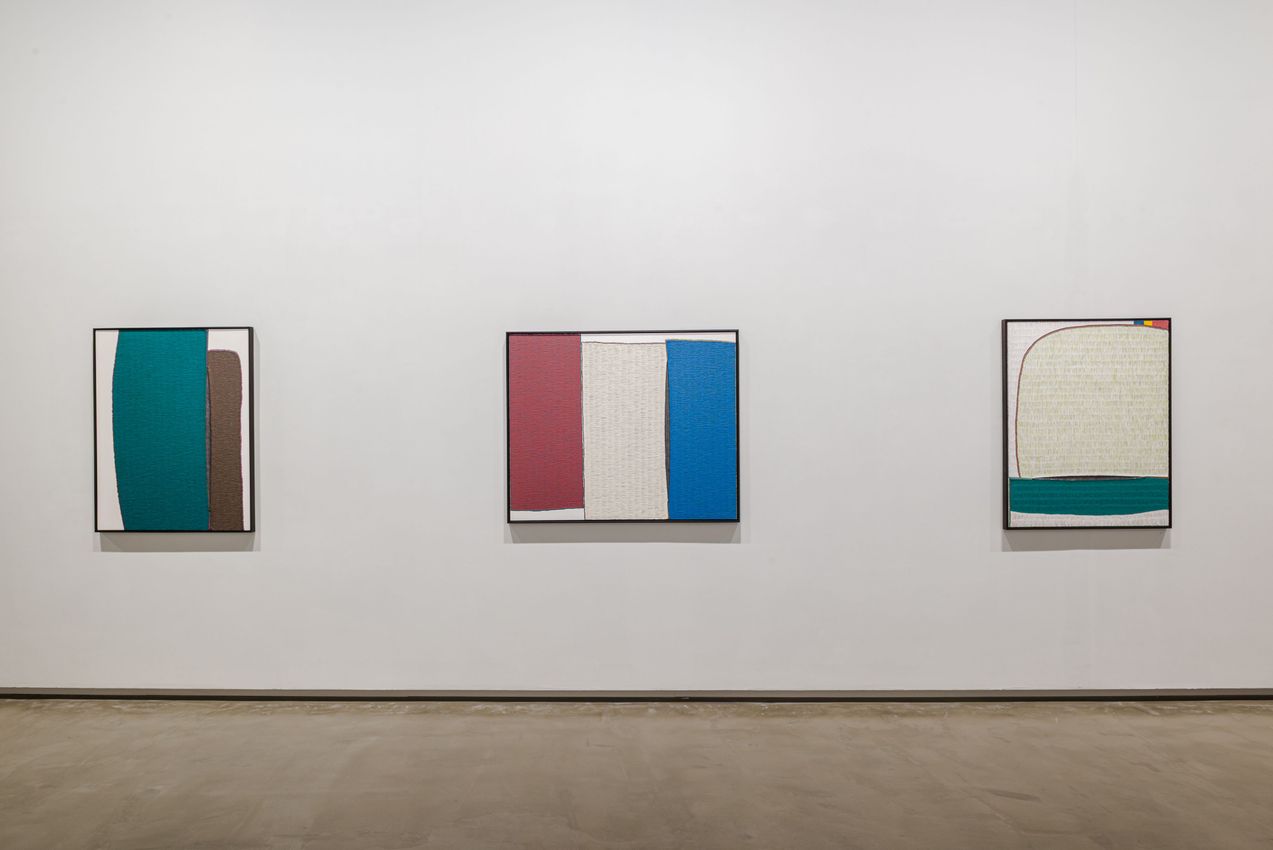
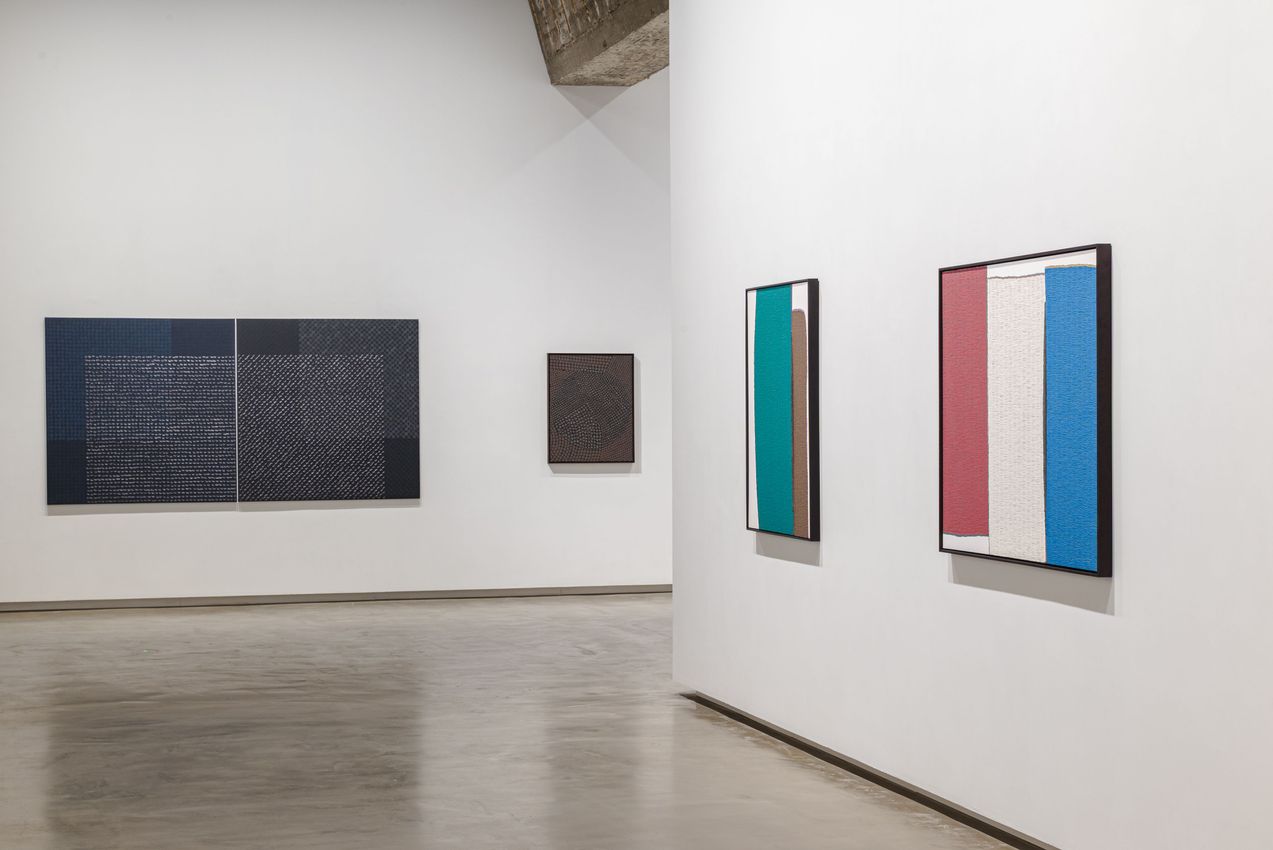
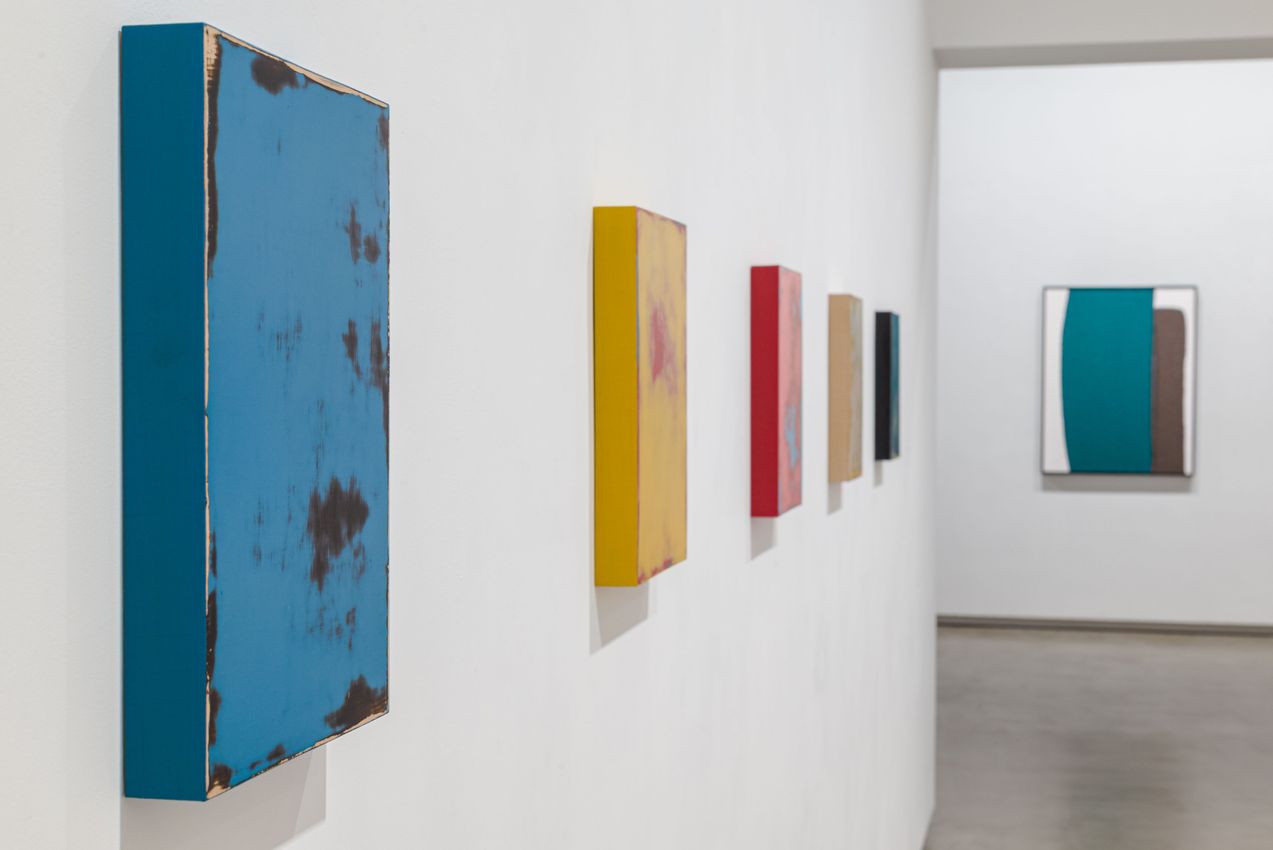
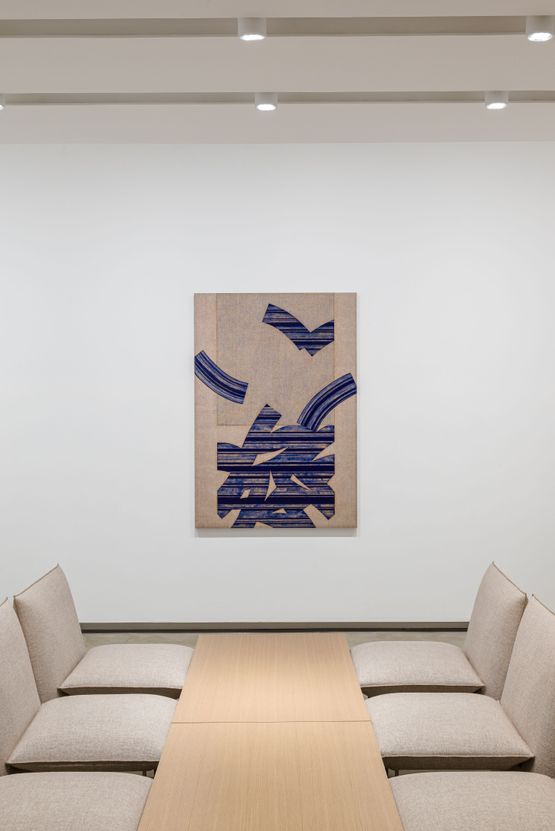
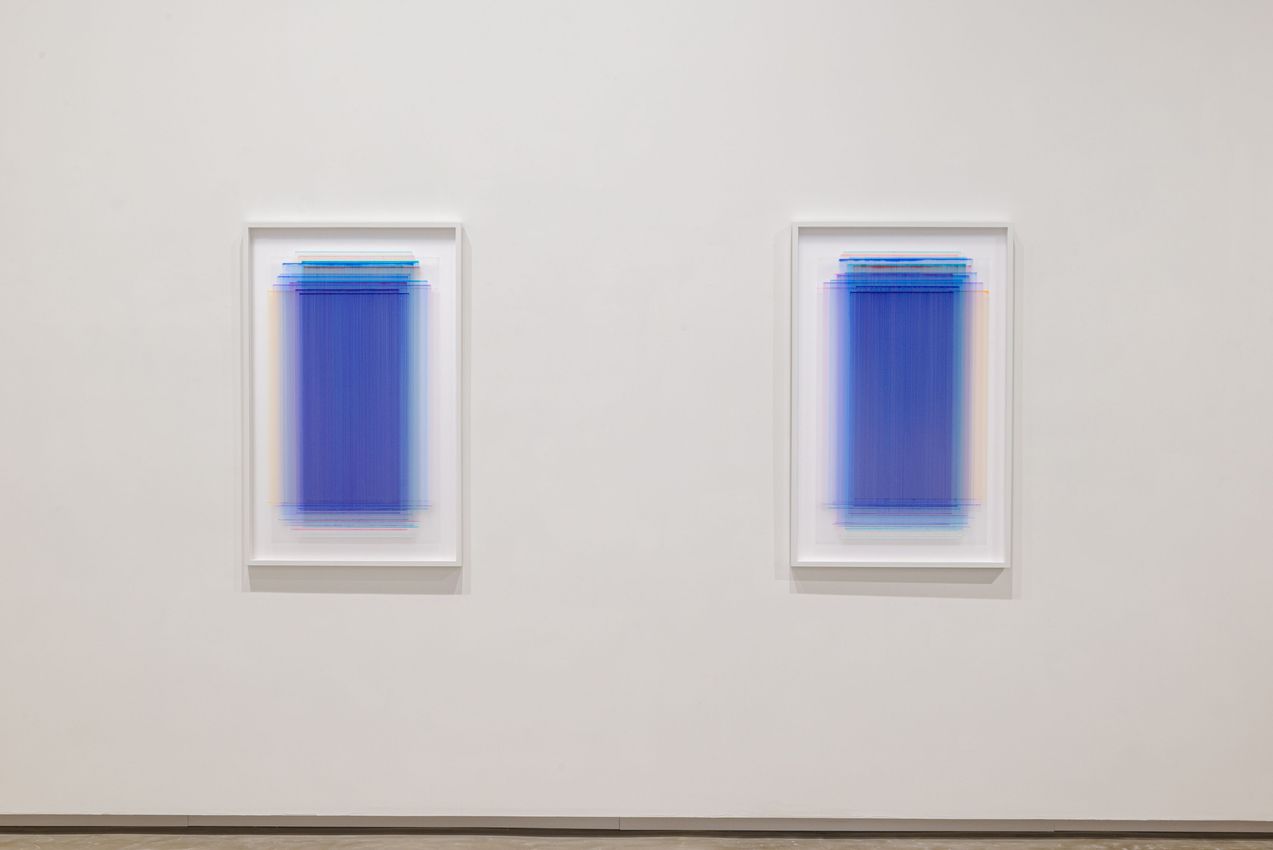
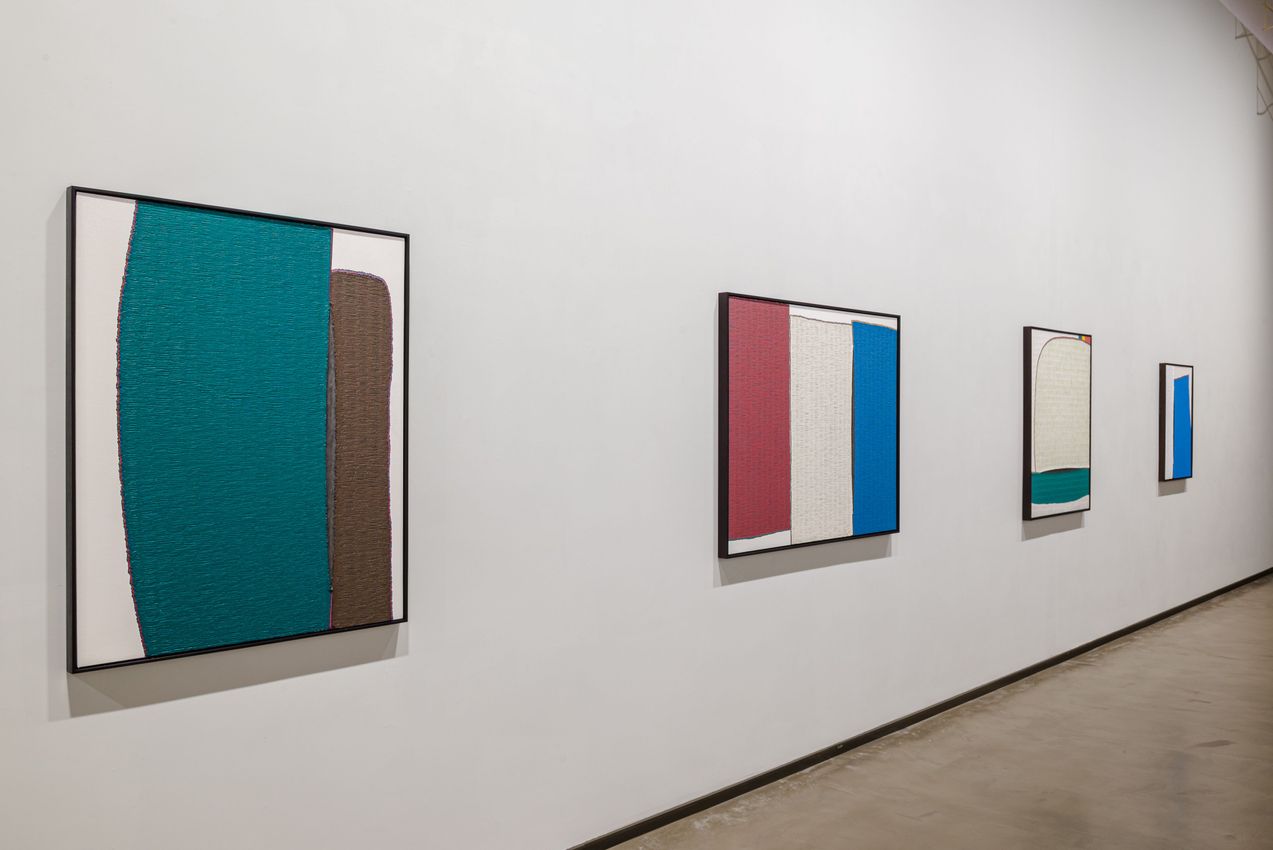
Painting is often grounded in the premise of completion: a fixed moment, a resolvable outcome. In this exhibition, that premise is set aside. The works of four Korean artists—Soonik Kwon, Seungtaik Jang, Kim Deok Han, and Lee Chae — no longer unfold around the image itself, but instead engage in an ongoing negotiation with the process of making. The image is not established in a single gesture; it emerges through repeated covering, washing, polishing, and waiting. Rather than depicting time, these works allow time to remain within the surface of the painting.

Here, time does not unfold linearly. It is distributed across different conditions: held within fissures, concealed beneath layers, sedimented into materials, and lingering in the faint traces left by repeated erasure. Time becomes an internal structure of the image, no longer functioning as an external backdrop.

Time resides within the fissure

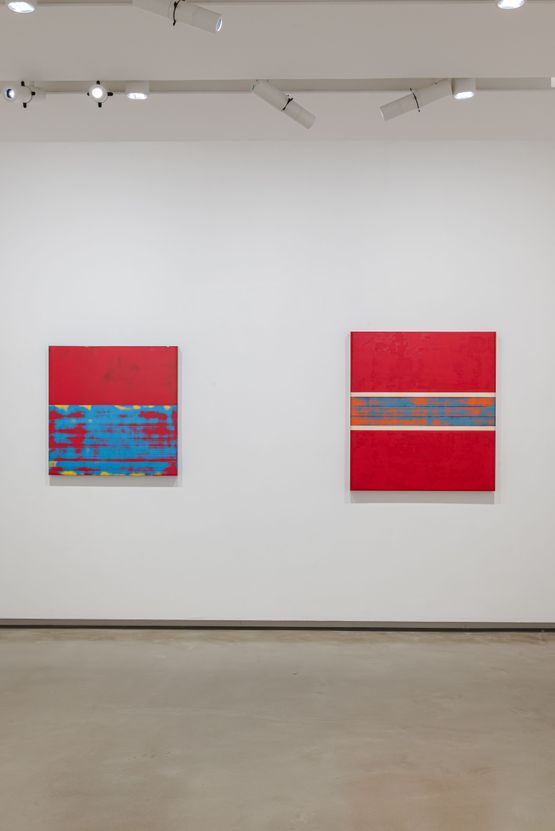
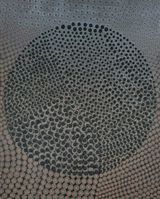
Soonik Kwon’s paintings begin with the fissure. Fine soil and pigment are repeatedly layered, while graphite is pressed into narrow cracks, transforming the “interstice” from a division into a structural element. These fissures both separate and reorganize the image. Layers of color remain visible along the edges—neither fully covered nor entirely erased. The painting no longer presents itself as a unified whole, but as an opened structure. Time does not move forward; it is held within these fissures.

Time is pressed into depth, layer by layer

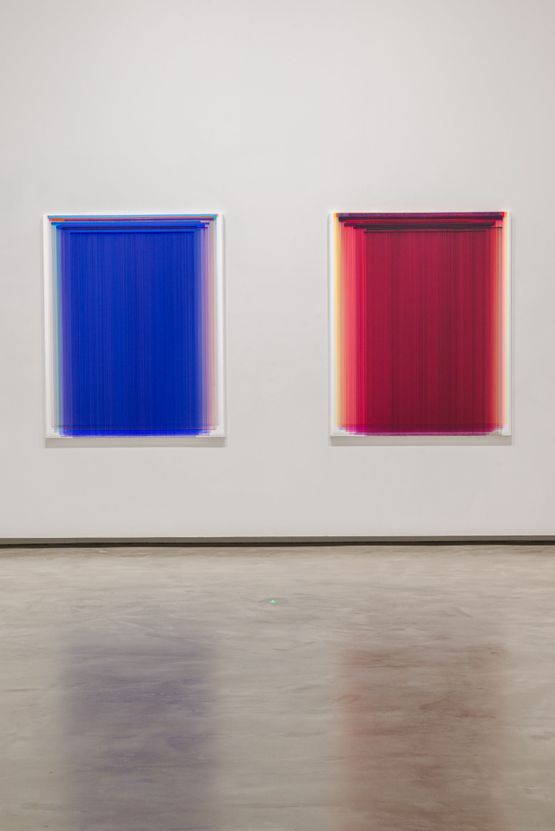
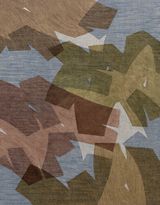
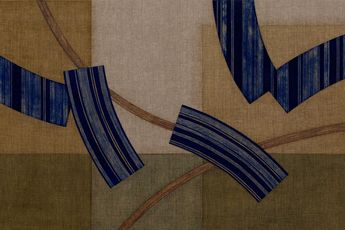
In Seungtaik Jang’s work, construction and destruction occur simultaneously. Pigment is applied and then removed; the image forms only to be disrupted again. As a result, the surface never settles into flatness, but instead suggests a depth that collapses inward and extends beneath the visible plane. Earlier traces do not disappear; they are compressed into layers, forming an invisible yet active structure. Viewing these works, the gaze moves beyond the surface into strata shaped by repeated covering and pressure. Time is embedded within the painting as sediment.

Time enters the material before it becomes image

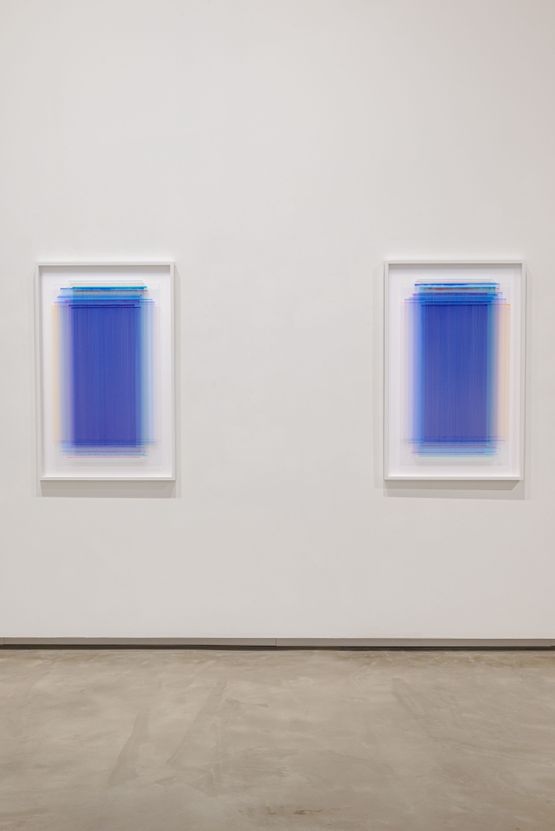
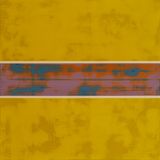
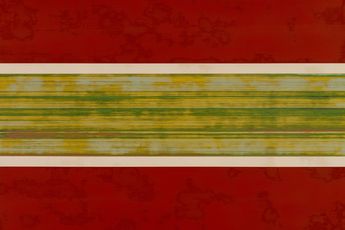
For Kim Deok Han, working with lacquer, time first inhabits the material itself. Each layer requires complete drying, making the process inherently sequential and irreversible. Before the image fully emerges, time has already accumulated within the act of making. The repeated layering and polishing do not produce immediate visual intensity, but instead create subtle shifts in tone and depth. His sense of time is sustained through the patience of materials, the order of labor, and the quiet traces left by waiting.

Time lingers as the lightest trace

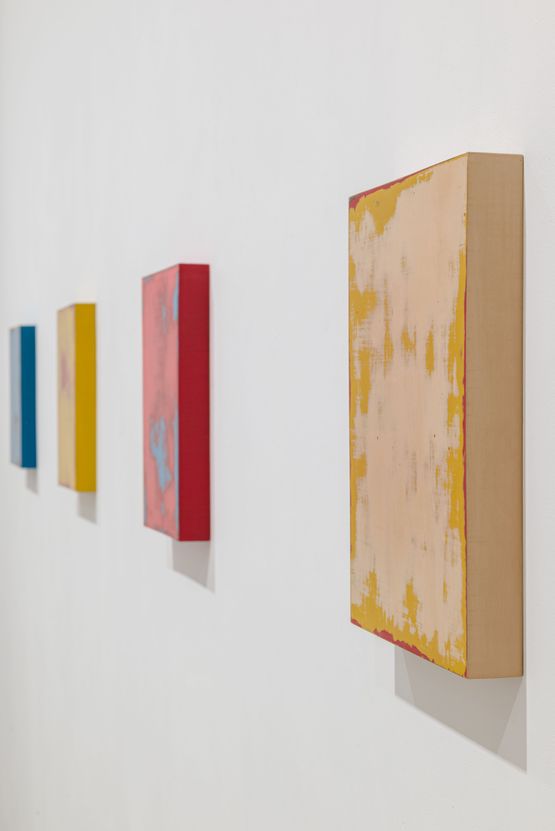
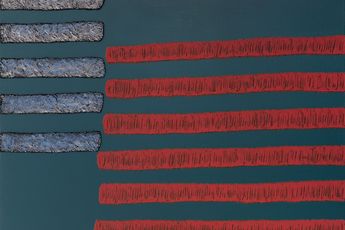
Lee Chae’s paintings are restrained and quiet. His gestures are slow and repetitive, adjusting minute variations within a single movement. Actions such as scraping, wiping, and covering do not create rupture, but maintain a subtle, breathing rhythm across the surface. Forms derived from nature are fragmented into nearly unrecognizable structures, while blue unfolds gradually across tonal variations. Change does not assert itself through image, but through nuance: a patch of emptiness, a thin veil of pigment, a barely perceptible shift. The image remains open; time is not segmented into stages but continues to surface as trace.

The practices of these four artists do not converge into a single definition of time. Instead, through different approaches, time becomes an internal condition of painting: it remains in the fissure; it is compressed into layers; it settles into material and process; it appears as the faintest trace. These differences are not resolved but held in tension. As the viewer moves among them, the paintings unfold, becoming an ongoing process rather than a fixed result.

Read More

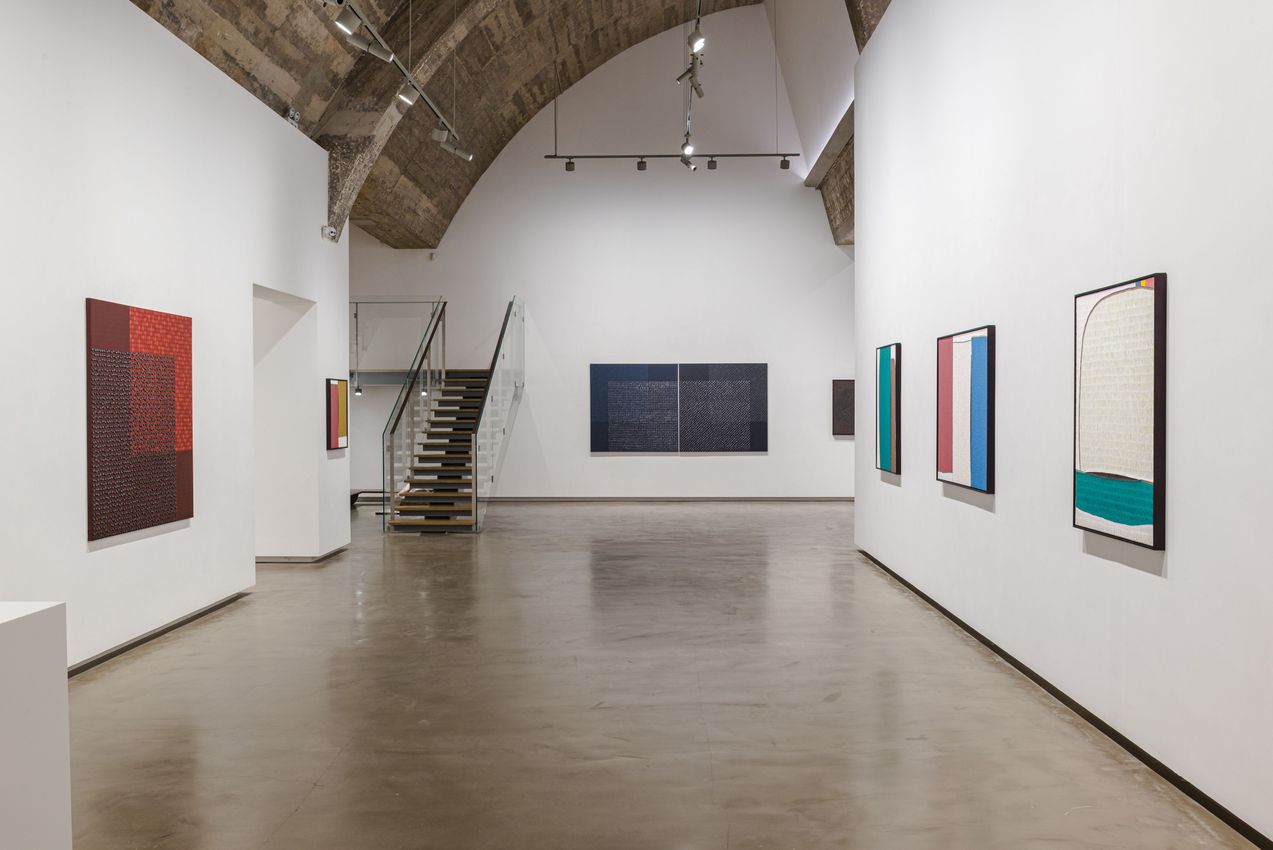
Installation Views

Artists Exhibiting

Also Exhibiting at Whitestone Gallery

Address
Sevenstar Street (E.), 798 Art District
No.4 Jiuxianqiao Road
Chaoyang District
Beijing
China
Opening Hours
Tuesday – Saturday
11am – 6pm (November - April)
11am - 7pm (May - October)
(1)
Beijing Sevenstar Street (E.), 798 Art District, No.4 Jiuxianqiao Road
Whitestone Gallery
Sevenstar Street (E.), 798 Art District, No.4 Jiuxianqiao Road, Chaoyang District, Beijing, China

Opening hours
Tuesday – Saturday
11am – 6pm (November - April)
11am - 7pm (May - October)
The art world in focus