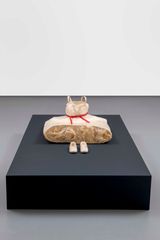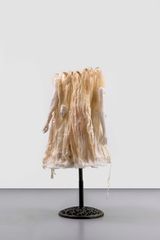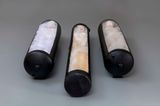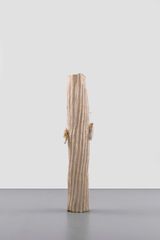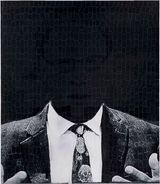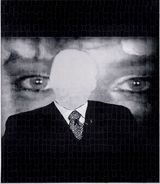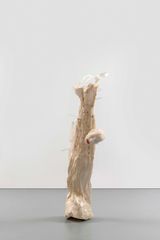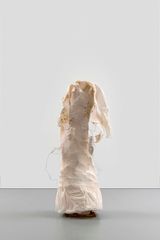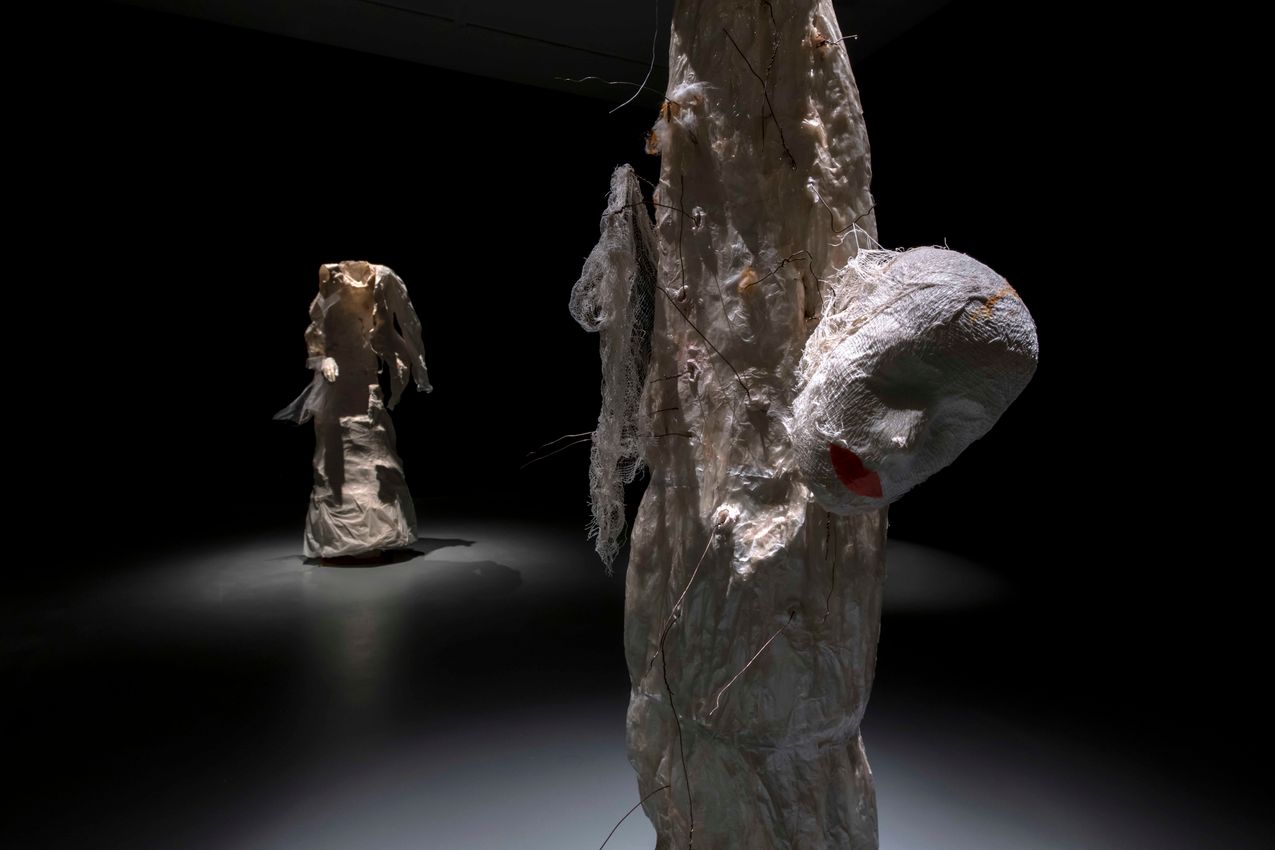
Zilberman is pleased to announce Azade Köker’s new exhibition entitled Murder of a Mannequin. The fifth solo exhibition of the artist at Zilberman can be visited between September 7 and December 4 at the main venue of the gallery in Mısır Apartment.
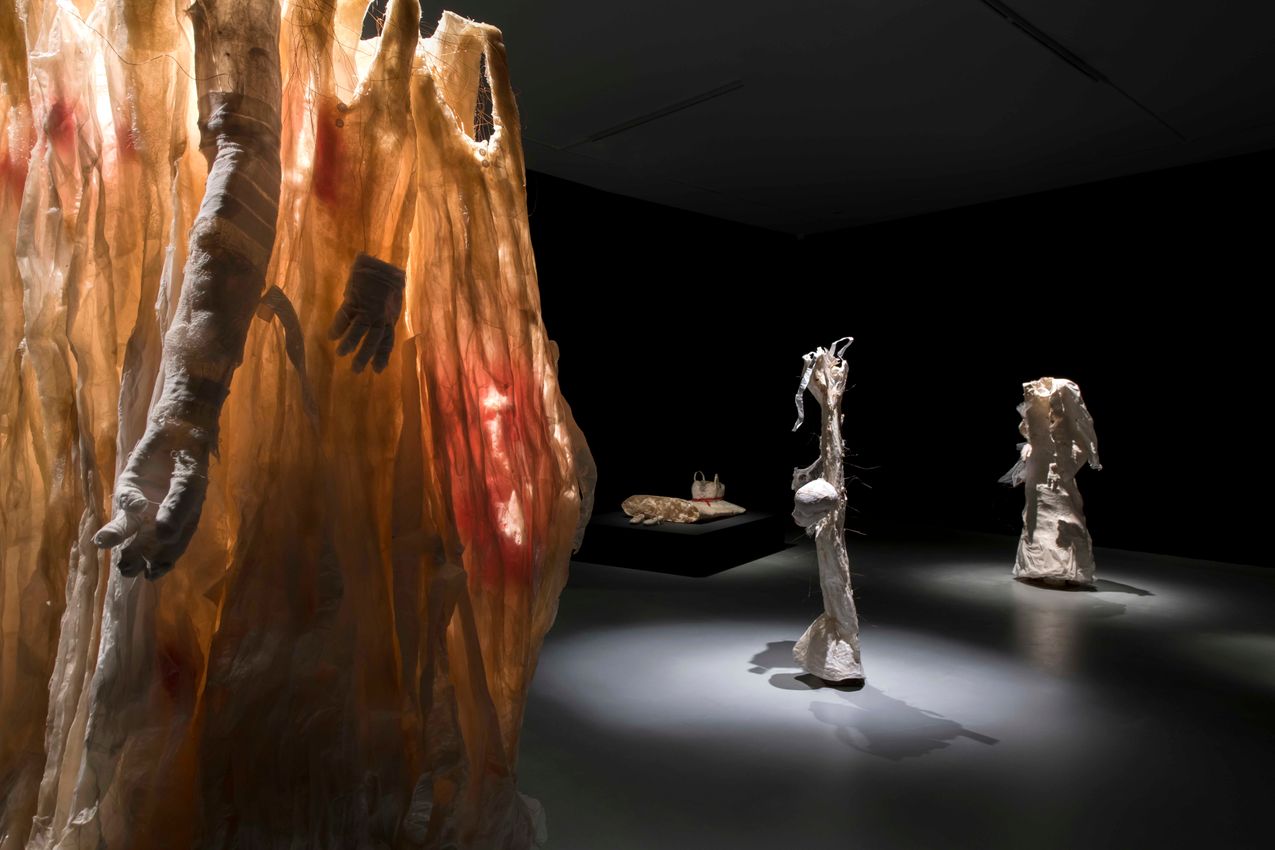
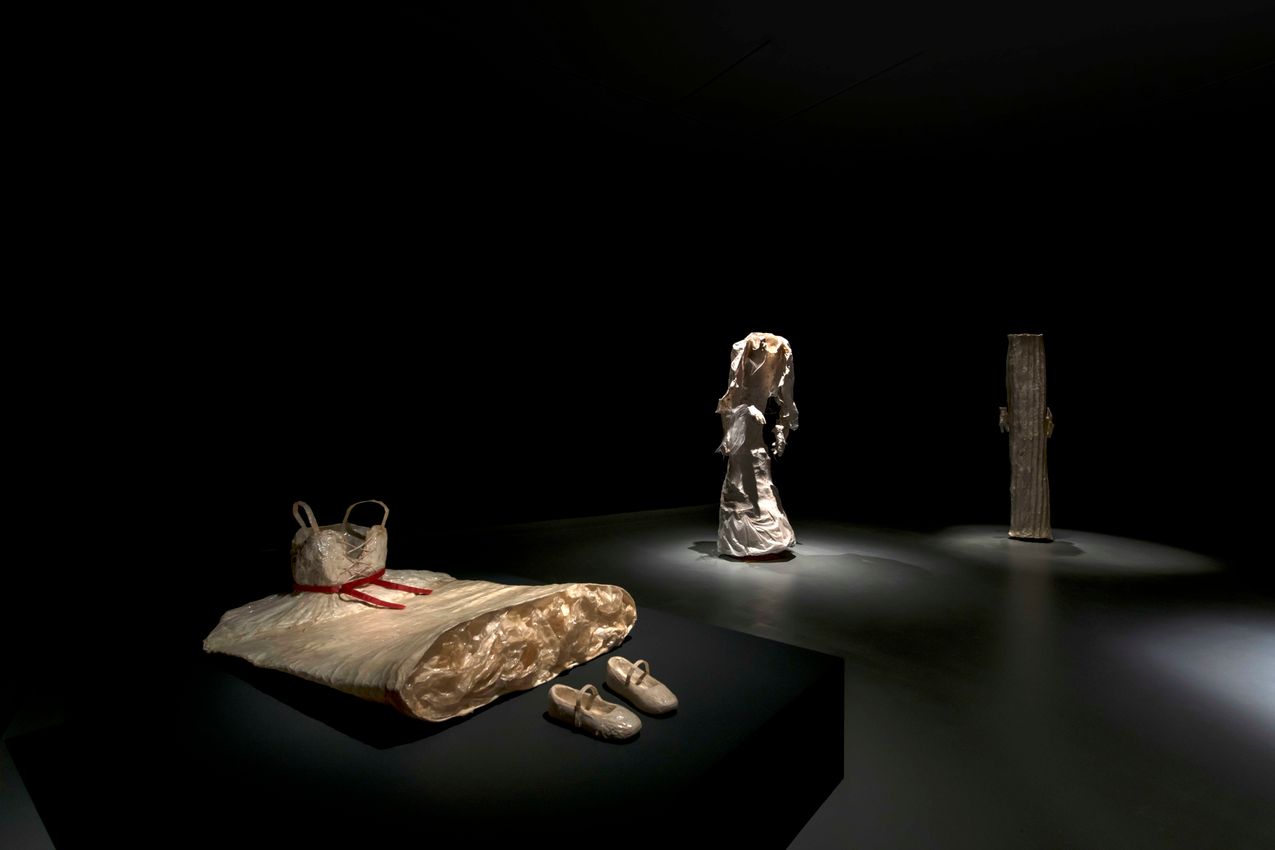
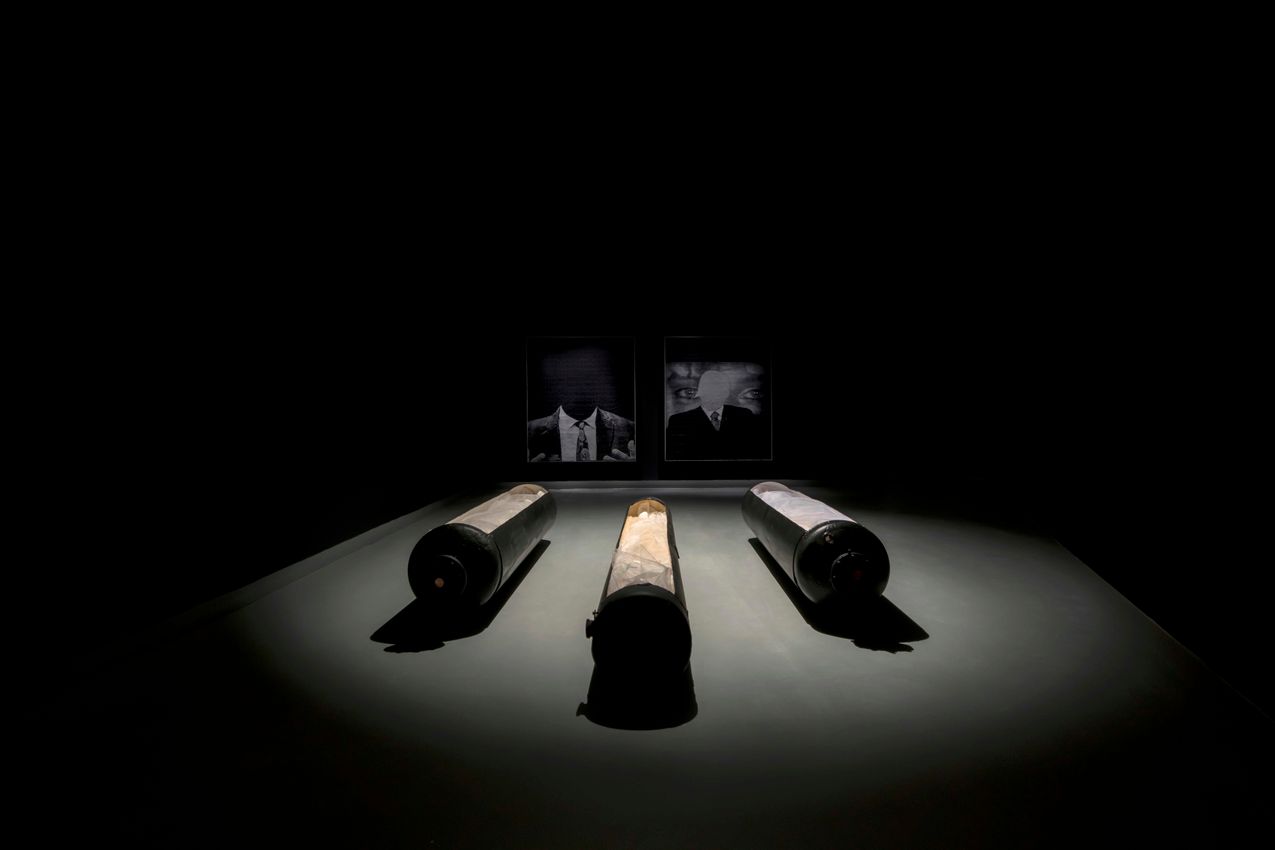
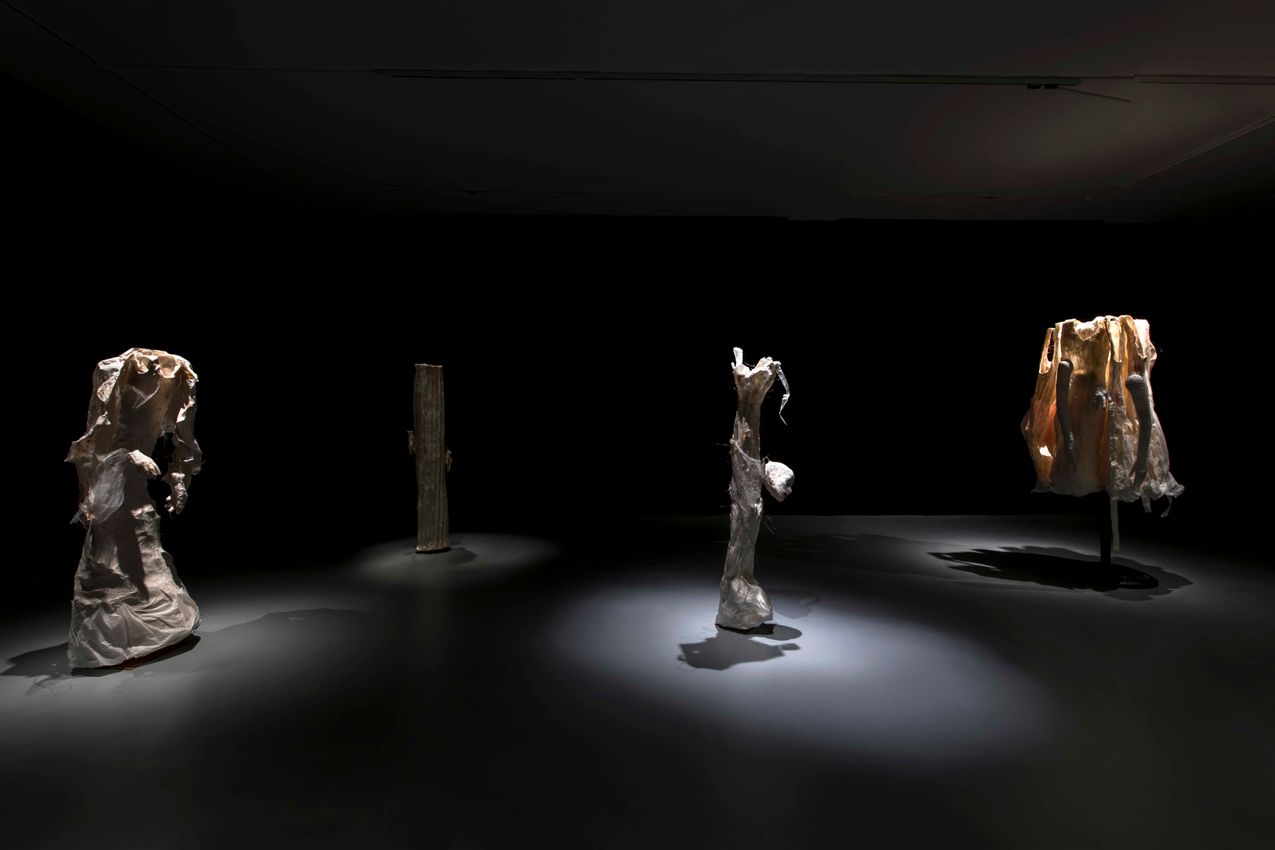
Murder of a Mannequin reflects Azade Köker’s inquiries about gender, identity, and body. The following questions that the artist puts at the center with her own words echo well with the sculptures, installations, and collages in the exhibition: “How is it that the feminine energy that is the source of the birth of the world and life disappears in the social order? What silences it, limits it, and makes it passive?”
The visual references used in the works in the exhibition acts as a documentation of the scenes of harassment and violence against women that we frequently encounter today. We come across dark trails that can be traced back to the Ancient Greek period and futuristic structures in the sculptures which take the audience to various time periods. Two main pillars feed the exhibition: the central themes of identity and belonging within Azade Köker’s early works, and the female figures the artist produced with baked clay, Terracotta in the 1990s. The surface layering tradition, which we are familiar with from Köker’s artistic practice, is reflected in the mysterious forms whose existence, absence, and permeability are mixed with each other in the paper materials she uses. The bodies, which are as voluminous as they are volatile, highlight the points where the top-down identification processes fail and reveal the fictionality of the gender system. Light identities suspended in purgatory trace the cracks through which they can leak and flow.
Azade Köker (1949, Istanbul) lives and works alternately in Berlin and Istanbul. She was a professor at the Technical University of Braunschweig in Berlin. Some of her solo exhibitions are Verblendet (Zilberman Gallery, Berlin, 2018), Everywhere, Nowhere (Zilberman Gallery Istanbul, 2016), Azade Köker (Project 4L, Elgiz Museum, Istanbul, 2015), Moving Spaces (Zilberman Gallery, 2013), State of Humanity (Milli Reasürans Art Gallery, Istanbul, 2007), Transparency of Poverty (Otto-Galeri, Munich, 2004), and Transparency of Gardens (Kunstverein, Bielefeld, 2001). Some group exhibitions she participated in are Nature in Art (MOCAK, Krakow, Poland, 2019), The Spirit of the Poet (Zentrum für verfolgte Künste, Solingen, Germany, 2019), Ultrahabitat (Zilberman Gallery Berlin, 2016), Minor Heroisms (Zilberman Gallery Istanbul, 2015), Meeting Point (Kunstverein Konstanz, Germany, 2015) and Imagination and Reality (Istanbul Modern, Istanbul, 2011).
Köker’s works are part of many private and public collections. Some of them are Akbank, Istanbul; The British Museum, London; Berlinische Galerie, Berlin; Elgiz Museum of Contemporary Art, Istanbul; Lebendiges Museum, Berlin; John Michael Kohler Arts Center, Wisconsin; Istanbul Modern. The public places where the artist’s sculptures are exhibited are as follows: Cuvry-Brunnen (Berlin), Bundesgartenschau (Berlin), Menschenlandschaften (Berlin), Frechen Museum (Düsseldorf), Bremen-Nord Zentralkrankenhaus (Bremen), Schule am Barbarossaplatz (Berlin), Schlosspark (Wolfsburg), Turkish Embassy Building (Japan), Altınpark (Ankara), Istanbul Stock Exchange (Istanbul), Aspat Art Park (Bodrum) and German Embassy Park (Ankara).
The exhibition will be accompanied by a catalog with essays by Burcu Pelvanoğlu and Alev Özkazanç, a passage from the book ‘The Sexual Politics of Meat: A Feminist-Vegetarian Critical Theory’ by Carol J. Adams, a conversation by Azade Köker and Naz Kocadere and a foreword by Naz Kocadere.
Azade Köker’s earlier works are mainly concerned with identity and belonging. The artist proposes hybridity as an inevitable survival mechanism, which is achieved through a subjectivity based on discrepancy, transparency and vulnerability. In her later works, nature is negotiated as a cultural construct. She creates images of nature inhabited by traces of human intervention, which she then deconstructs by a repeating pattern on the surface. Through this layering and reworking of the surface, she disrupts the perfection and legibility of the represented image and comments on the possibilities of paintings.


Zilberman, founded in Istanbul in 2008, stages 10–12 exhibitions every year in its gallery spaces in Istanbul and Berlin. The gallery occupies two separate floors of Mısır Apartment, one of the most famous examples of art nouveau architecture in Istanbul.
A respected voice in contemporary art discourse.
Focusing on ambitious storytelling and insightful art-world commentary. Ocula Magazine publishes in-depth interviews, critical essays and timely analysis on the artists, exhibitions and ideas driving the global art world.
Learn more about Ocula Magazine
Showcasing the best of the art world.
Ocula partners with galleries from around the world to highlight their artists, artworks and exhibitions. Gallery membership is by application and invitation, with each member vetted by an independent panel.
Learn more about Ocula Membership

Specialises in the sale of major artworks.
Led by a team with deep ties to the world’s leading auction houses, galleries and collectors. Ocula’s advisory team offers bespoke services to high-net-worth clients from around the world who are looking to acquire the best of contemporary and modern art.
Learn more about our team and services