





CATHERINE GOODMAN
b. 1961, United KingdomCatherine Goodman is a British contemporary artist whose emotionally charged paintings and drawings merge figuration and abstraction to explore memory, perception, and the psychological resonance of place.
Early Years
Born in London in 1961, Catherine Goodman studied at London’s Camberwell School of Art before completing an MA in Painting at the Royal Academy Schools. Her early education was grounded in observational drawing, a discipline that remains fundamental to her practice. In 2000, Goodman co-founded the Royal Drawing School (originally The Prince’s Drawing School) with then Prince Charles, advocating for the centrality of drawing in contemporary art education.
Goodman continues to live and work in London, where she teaches, mentors young artists, and maintains a studio practice grounded in rigorous discipline and painterly intuition.
Artworks
Catherine Goodman’s artworks are rooted in drawing, often developed into dense, tactile paintings that blur the lines between the seen and the felt. Her paintings—whether portraits, interiors, or landscapes—emerge from direct experience, infused with expressive force and psychological tension.
Drawing as Foundation
Drawing forms the structural and conceptual spine of Catherine Goodman’s contemporary art practice. Trained in rigorous observational methods, she continues to draw daily, using the act as both discipline and point of departure. Her drawings—often executed in charcoal or pencil—are not preparatory sketches but artworks in their own right, marked by expressive intensity and clarity of form. Whether capturing the curve of a figure or the geometry of a landscape, Goodman uses drawing to probe space, weight, and rhythm. This commitment to drawing as a thinking process sustains her work and underlines her belief in the foundational role it plays in art-making today.
Portraiture and Psychological Depth
Goodman’s portraits go beyond likeness to uncover something internal, unresolved, and deeply human. Her 2002 BP Portrait Award-winning painting of Alexandra Shackleton exemplifies her sensitivity to gesture, posture, and psychological charge. Whether depicting public figures or anonymous sitters, Goodman focuses on sustained looking—sometimes requiring dozens of sittings to reach an image that feels emotionally true. Her portraits are often imbued with unease or vulnerability, the brushwork unsettled, the surfaces layered and scratched. These paintings resist easy interpretation, instead holding space for ambiguity. In this way, her works act less as portraits of individuals and more as explorations of what it means to see and be seen.
Evocations of Place
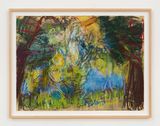
Goodman’s landscapes are not topographic but psychological. Painted from life in locations such as Varanasi, Tuscany, or the Somerset Levels, these works convey not only the visual texture of place but also the mood and memory it carries. Built from vigorous mark-making and a dense layering of oil paint, her landscape artworks often hover on the edge of abstraction—suggesting a fig tree, a crumbling wall, or sunlit paving stones without fully resolving into a scene. Instead, Goodman offers viewers an emotional geography: fragments of colour and form that evoke a sense of immersion, history, and interiority rooted in lived experience and careful observation.
Material Presence and Gesture
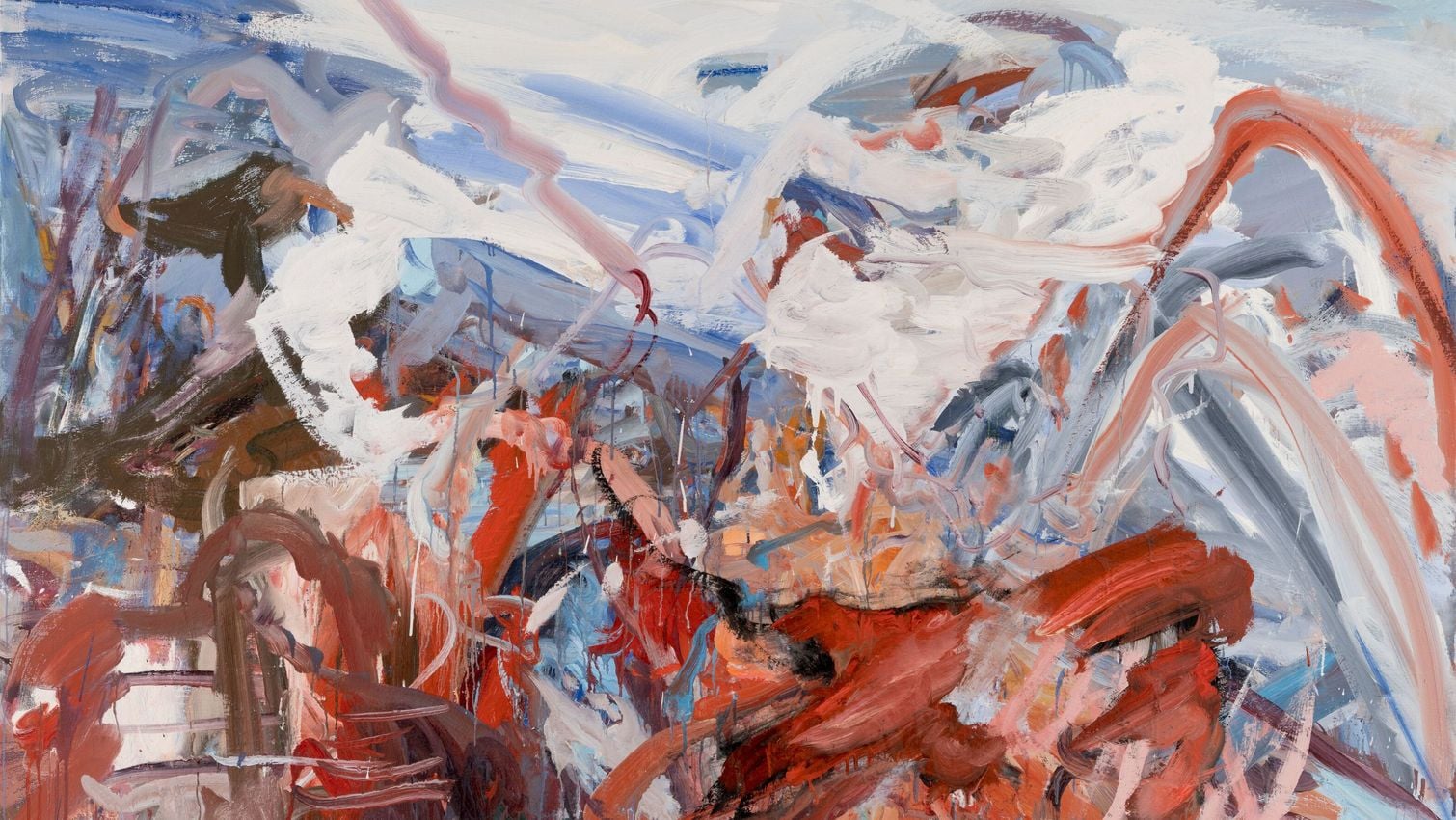
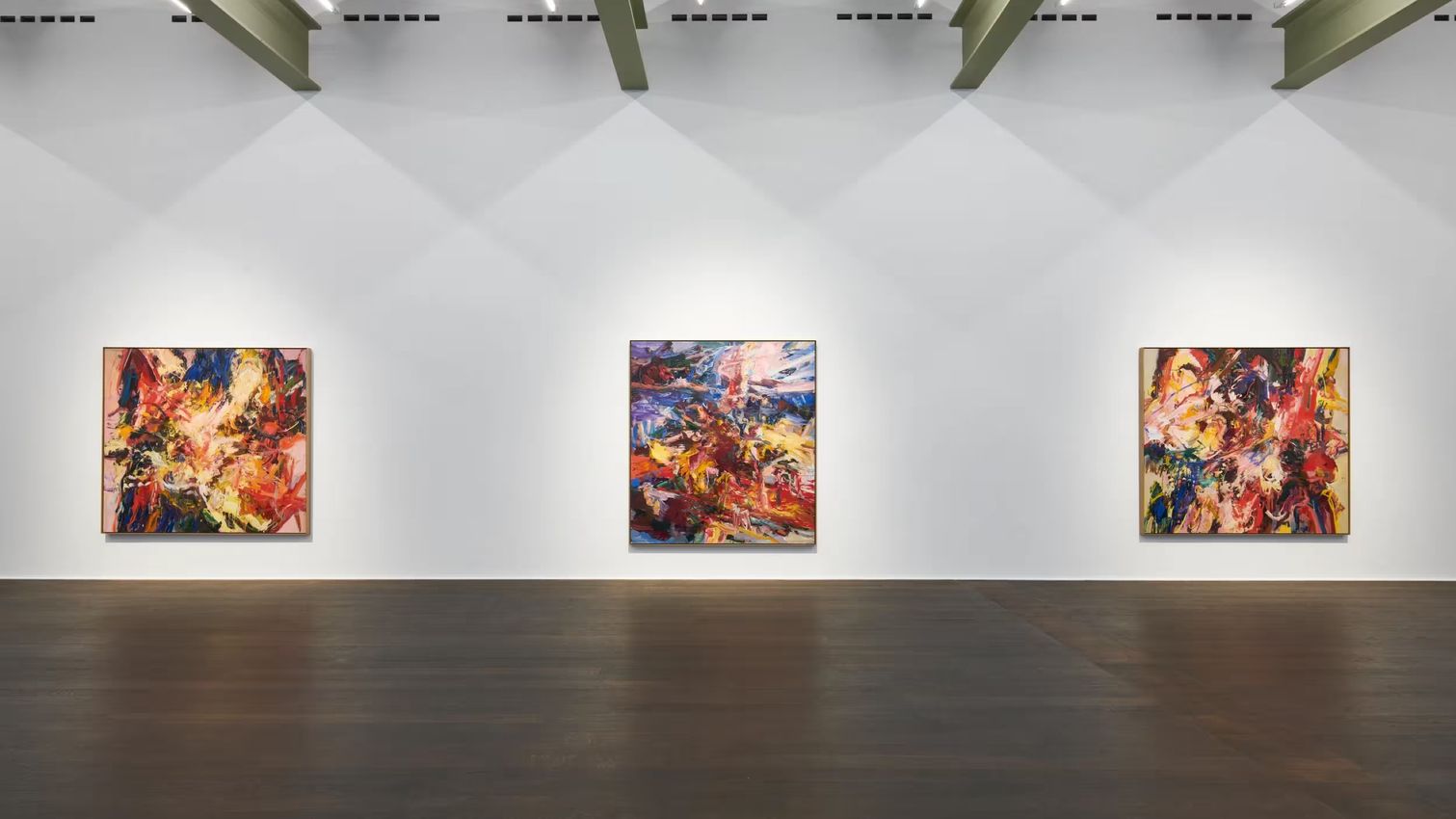
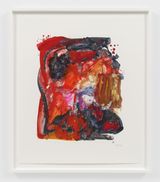
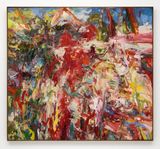
In recent years, Goodman’s work has leaned further into abstraction, where gesture, texture, and colour become the subject. Her paintings develop slowly, through cycles of application and erasure—layers of oil paint built up, then scraped back to reveal ghosts of earlier images. These expressive surfaces document time spent in the studio, allowing the viewer to trace the physical process of making. Whether abstract or representational, the materiality of her artworks—the thickness of the paint, the energy of the line—remains central. Goodman’s artistic language, always rooted in the body, speaks to both the history of painting and its enduring potential to convey presence, labour, and feeling.
Awards and Accolades
- BP Portrait Award, National Portrait Gallery (2002)
- Royal Academy Gold Medal (1987)
Exhibitions
Catherine Goodman has been the subject of both solo exhibition and group exhibitions at important institutions and blue-chip galleries. A selection of important exhibitions are provided below.
Solo Exhibitions
- Silent Music, Hauser & Wirth, New York (2025)
- Catherine Goodman. New Works, Hauser & Wirth, Los Angeles (2024)
- And everything changed..., Marlborough Gallery, London (2022)
- Portraits from Life, National Portrait Gallery, London (2014)
- Catherine Goodman, Marlborough Fine Art, London (2008)
Group Exhibitions
- A Room Hung With Thoughts. British Paintings Now, Green Family Art Foundation, Green Family Art Foundation, Dallas (2025)
- Drawing the Unspeakable, Towner Eastbourne, Eastbourne (2025)
- Whose Muse?, Palo Gallery, New York (2024)
- Two London Painters: Catherine Goodman and David Dawson, Marlborough Fine Art (2004)
Website and Instagram
Catherine Goodman’s website can be found here, and Catherine Goodman’s Instagram can be found here.
Critical Reception
Catherine Goodman’s works have been reviewed and profiled in leading publications, including Cultured Mag, House & Garden, and The Brooklyn Rail.
Catherine Goodman FAQs
What medium does Catherine Goodman primarily work in?
Catherine Goodman primarily works in oil paint and charcoal, often combining these mediums with drawing and collage to create richly layered contemporary artworks. Her paintings are known for their expressive mark-making and physical presence, while her drawings reveal a more intimate, immediate approach to line and form. Whether working on canvas or paper, Goodman engages deeply with her materials, treating them not just as tools but as collaborators in the process of discovery. Texture, gesture and density define her distinctive visual language.
What is Catherine Goodman best known for?
Catherine Goodman is best known for her emotionally charged paintings and her deep commitment to observational drawing. Her portraits, landscapes and abstract works are characterised by their gestural brushwork, psychological resonance and layered materiality. She rose to national prominence after winning the BP Portrait Award in 2002, and has since been recognised as a key figure in British contemporary art. Beyond her studio practice, she is also celebrated for co-founding the Royal Drawing School, which champions drawing as a vital tool in contemporary art education.
How does drawing influence her painting practice?
Drawing plays a central role in Catherine Goodman’s painting process. For her, drawing is not simply a preliminary step but an essential way of seeing and thinking. It informs the structure, rhythm and emotional depth of her paintings, allowing her to internalise form and develop a deep relationship with her subject. Through repeated acts of looking and mark-making, Goodman builds up visual memory and muscle, which later translate into her expressive, layered artworks. Drawing is both a discipline and a liberating force in her art.
Ocula | 2025








Explore and Follow Artists Shaping Contemporary Art
A respected voice in contemporary art discourse.
Focusing on ambitious storytelling and insightful art-world commentary. Ocula Magazine publishes in-depth interviews, critical essays and timely analysis on the artists, exhibitions and ideas driving the global art world.
Learn more about Ocula Magazine
Showcasing the best of the art world.
Ocula partners with galleries from around the world to highlight their artists, artworks and exhibitions. Gallery membership is by application and invitation, with each member vetted by an independent panel.
Learn more about Ocula Membership
Specialises in the sale of major artworks.
Led by a team with deep ties to the world’s leading auction houses, galleries and collectors. Ocula’s advisory team offers bespoke services to high-net-worth clients from around the world who are looking to acquire the best of contemporary and modern art.
Learn more about our team and services