





Picture This
Peter Bellamy’s portraiture beautifully captured the personalities of the New York art scene during a pivotal decade—so why isn’t his book more well‑known? Save to My Ocula“All artists are beautiful,” Peter Bellamy tells me. But this statement is also an accurate textual portrait of the NYC photographer himself. Looking at his photographs, it’s obvious that the person who made them has a talent for witnessing the beauty of others.
I first encountered Bellamy’s photography while researching portrait images for an Ocula story about the artist Nancy Dwyer. Peter and I followed each other on social media; I began looking at the rest of his work and finding myself drawn to its technical brilliance. Bellamy eventually asked if he could send me a copy of his 1992 book, The Artist Project, which contains around 200 portraits of artists (arranged in alphabetical order) made by Bellamy between 1980–1991 in New York.
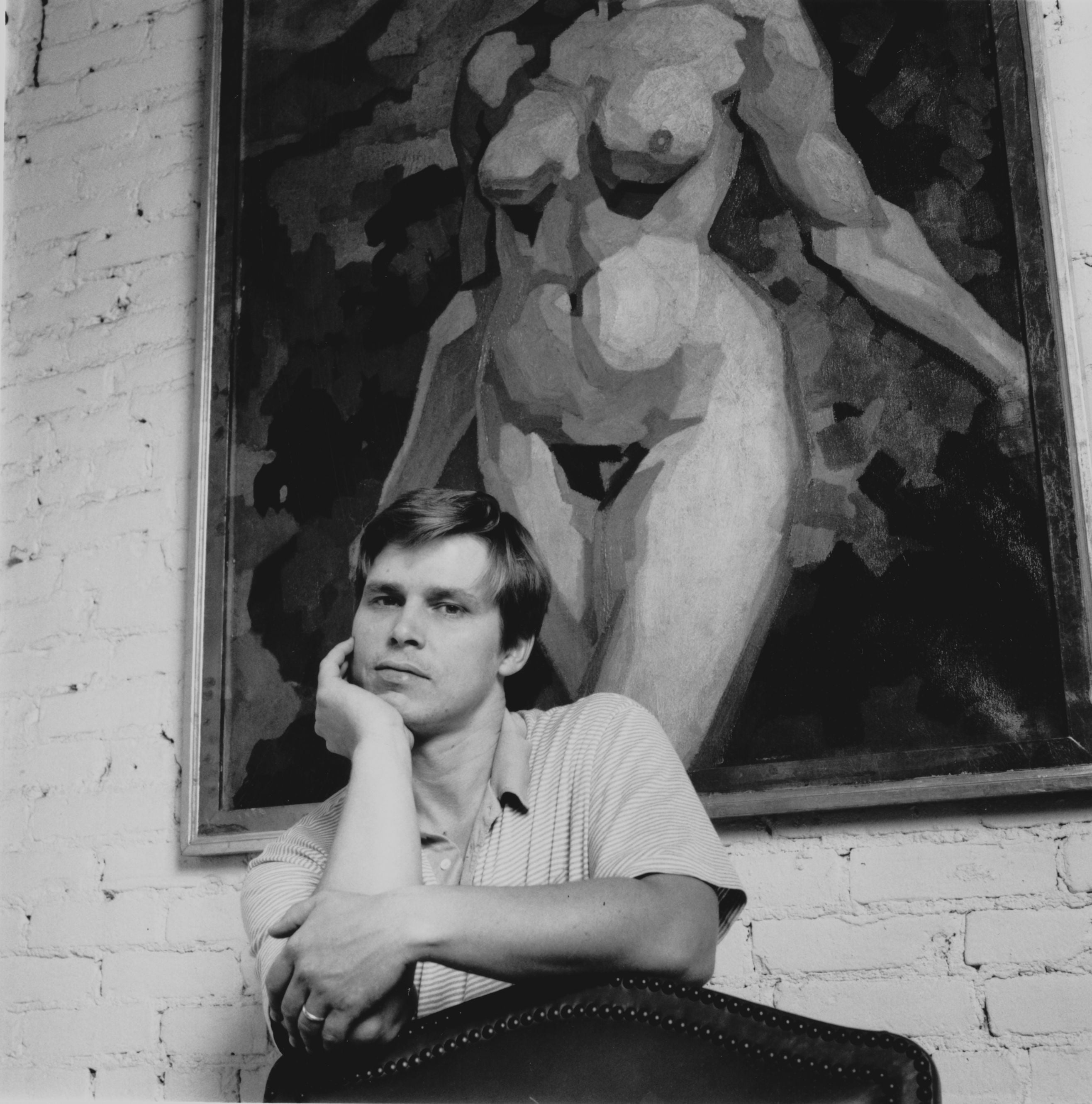
While Bellamy has gently argued with me about the fact that not every individual featured in The Artist Project is “famous”, the majority of artists he included already had, or have gone on to have, fairly major careers. Beyond this, the portraits are in themselves compelling artworks: beautifully lit, compositionally inventive, and far superior to almost any artist portrait made during this time period.
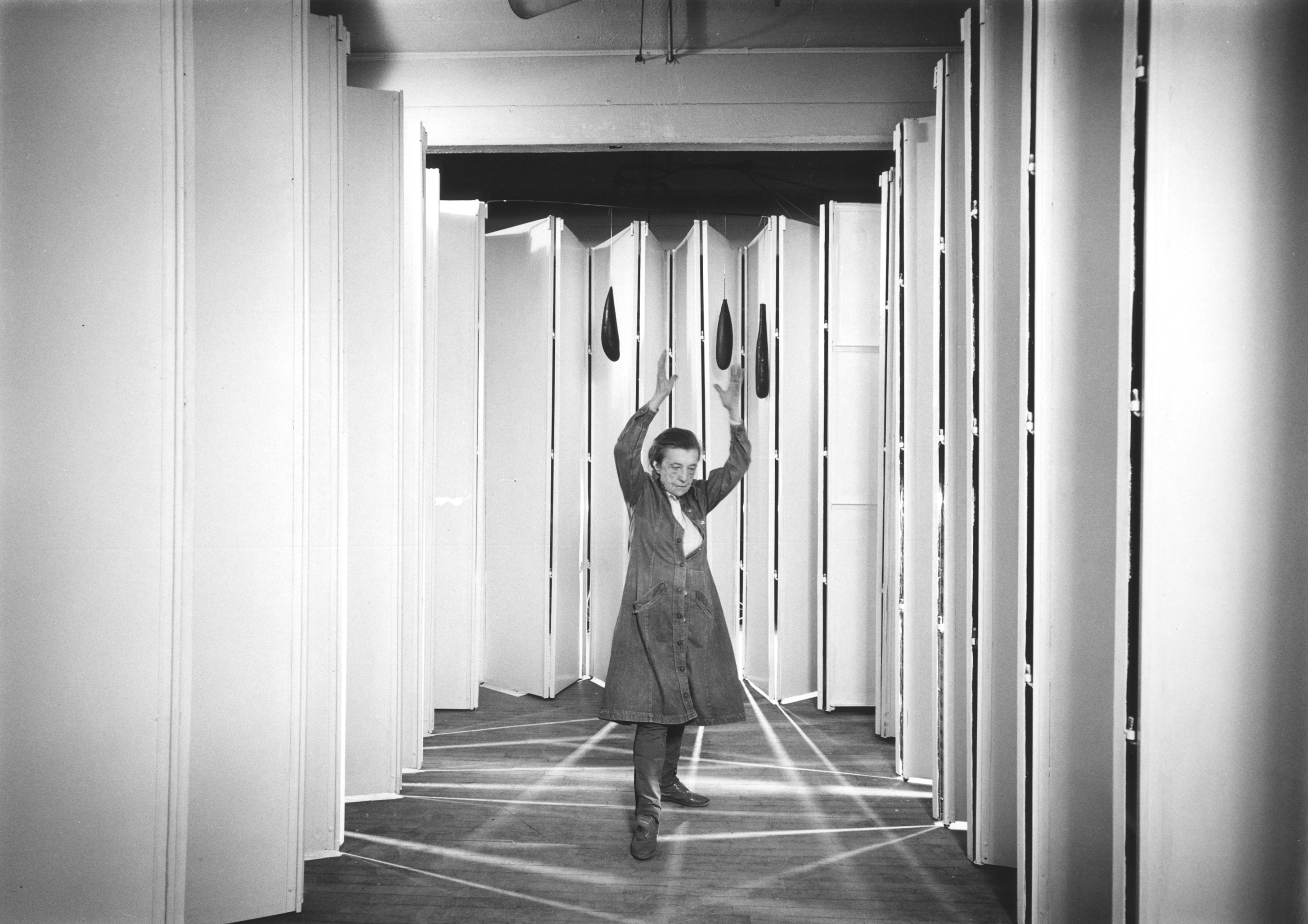
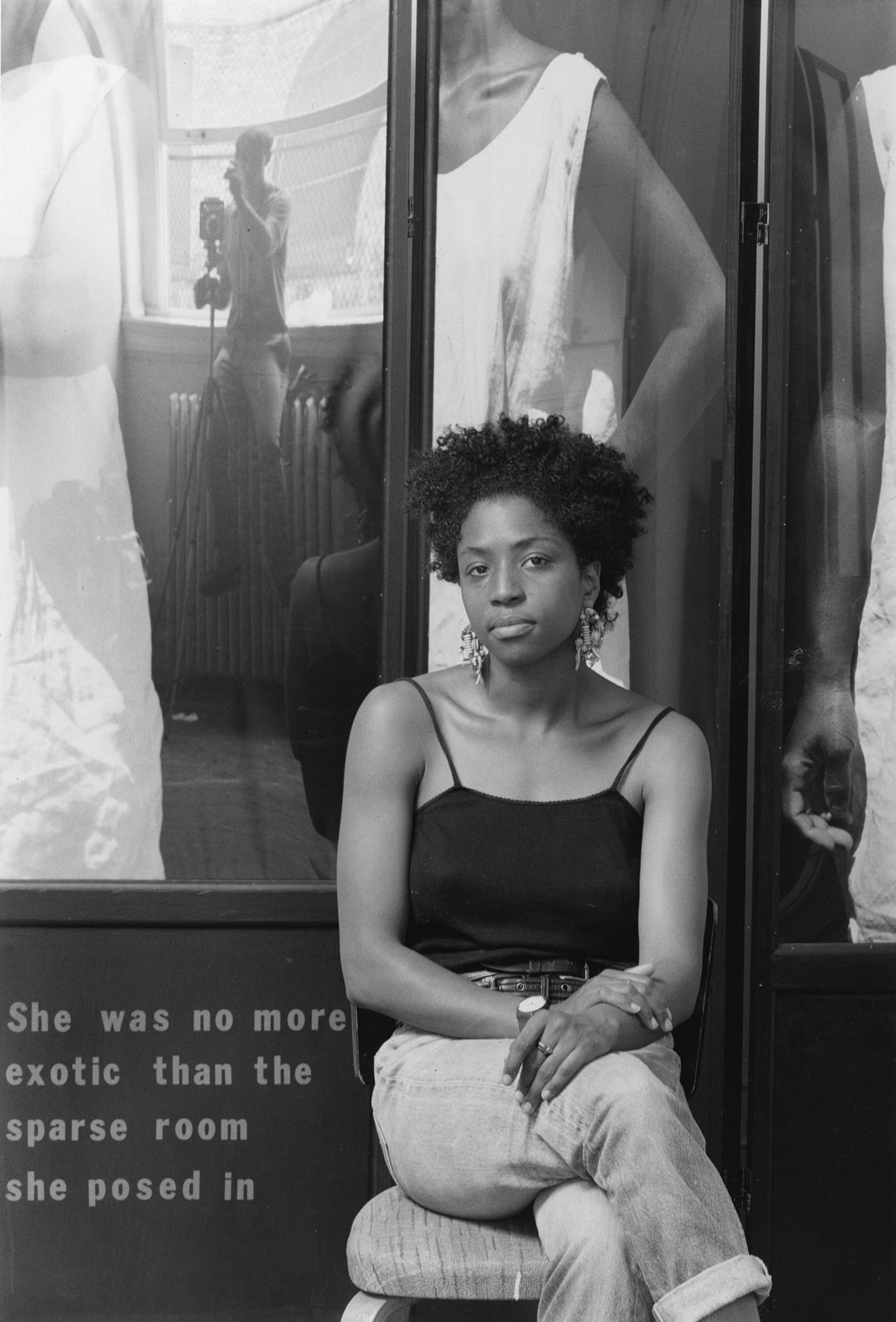
“It was back in the days of telephone books. I would just call people up,” Bellamy remembers. The book covers a vast swathe of artists born in the 20th century, including established figures such as Louise Bourgeois (whose late-career success, aged 70, arguably began after a MoMA retrospective in 1982) alongside those about to take off, including a 30-year-old Lorna Simpson at her exhibition at PS1.
While Bellamy may have accessed some of his subjects using the pre-digital version of sliding into DMs, he was also somewhat aware of the Who’s Who of the NYC art scene. During the 1960s, Bellamy attended the Allen-Stevenson School, an Upper East Side private boys’ school that still operates today. “There was a photo club, where I found I had the ability to stop time and to hold on to something. I was good at it. I started developing pictures early on, and I got attention. For me it was a way out of a life in the establishment.”
Bellamy began working in the New York darkroom of French fashion photographer Roger Prigent. “He liked what I was doing, and I appealed to his sense of ‘chic’, or whatever you want to call it. He became a dear friend, and was a friend until he died.” While Bellamy didn’t feel compelled by the fashion world, he did take from Prigent “the technique that people should look beautiful—you know, be handsome, be good-looking”.
“Under Bellamy’s gaze, the subjects seem to radiate
a magnetic attraction”
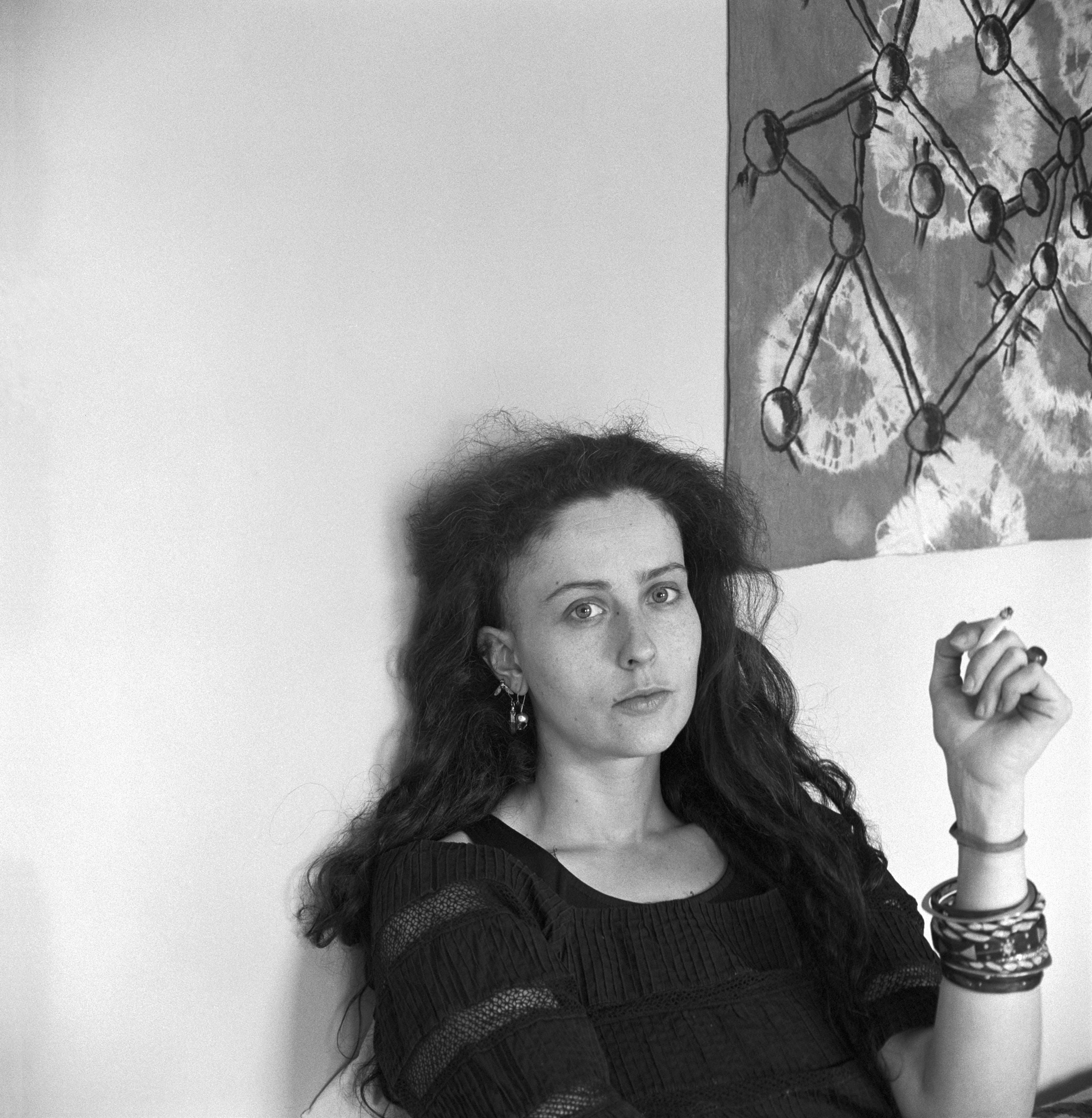
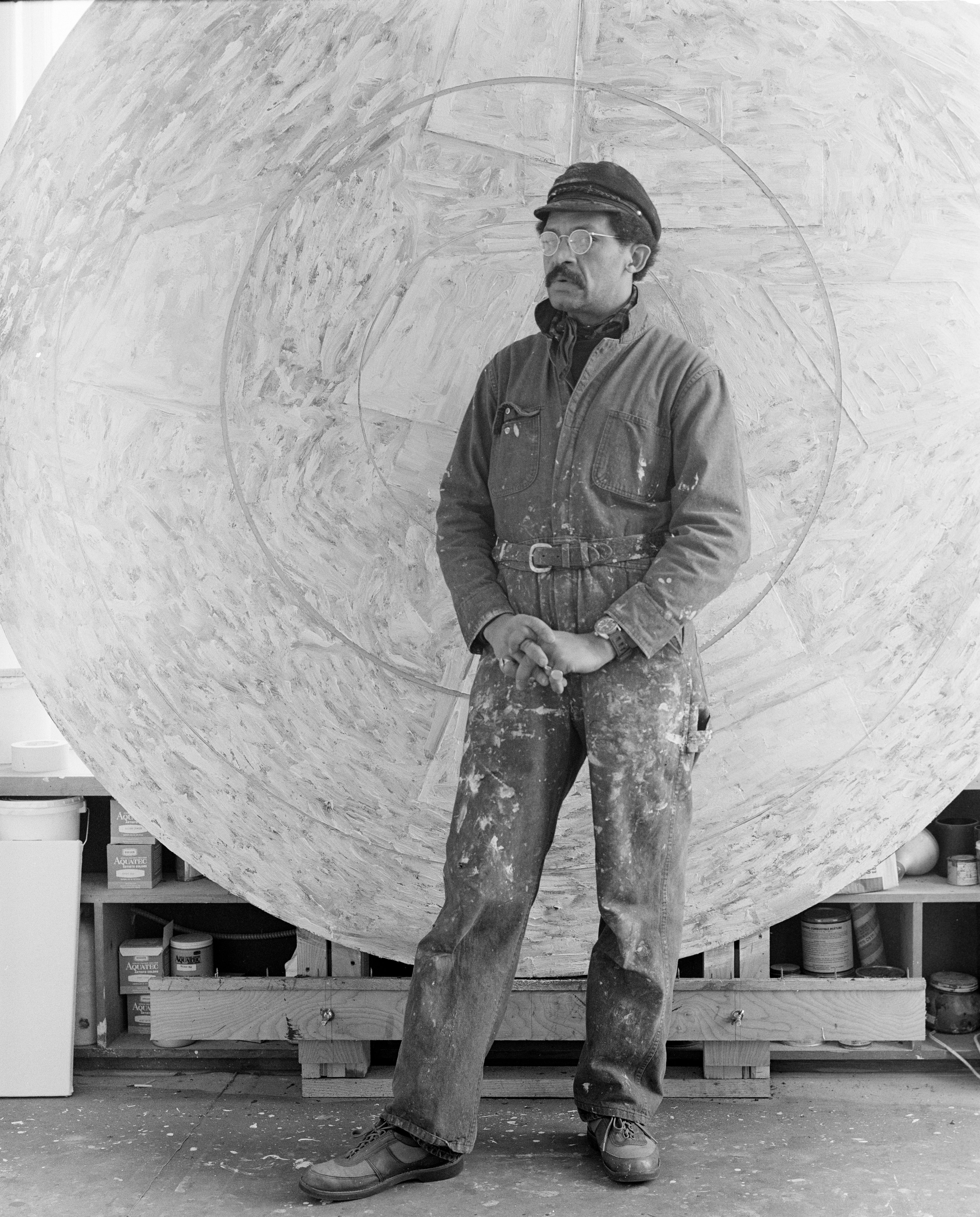
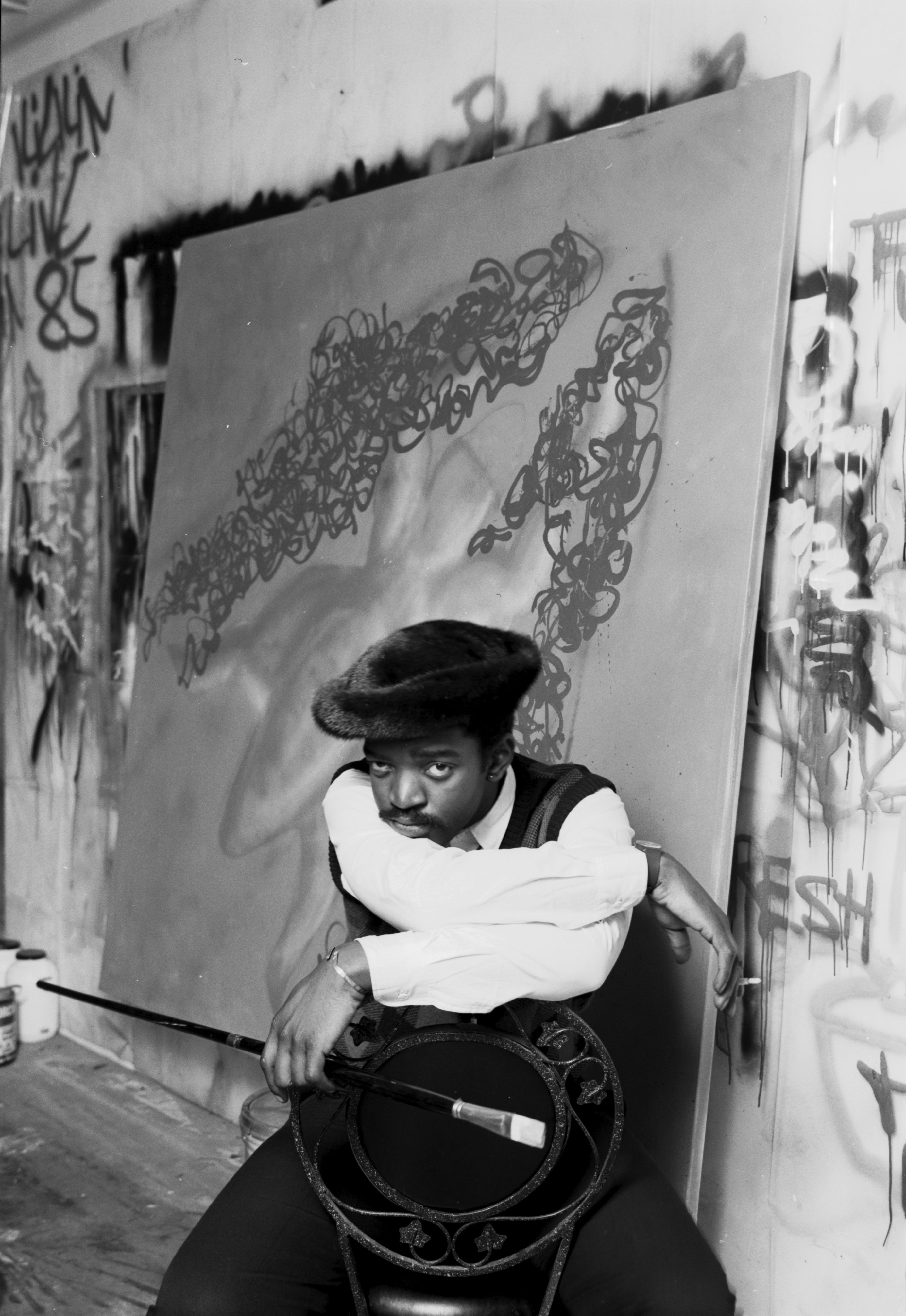
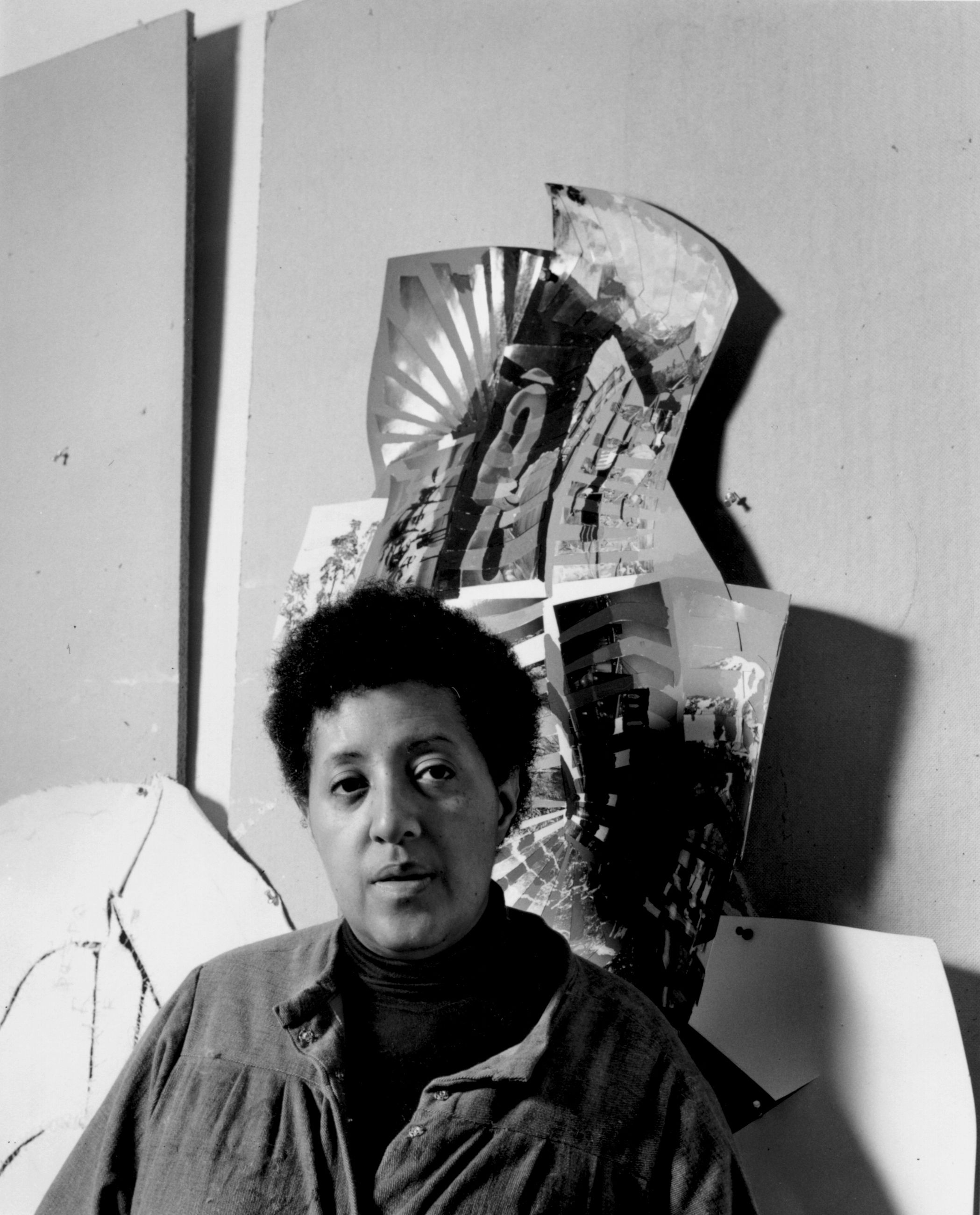
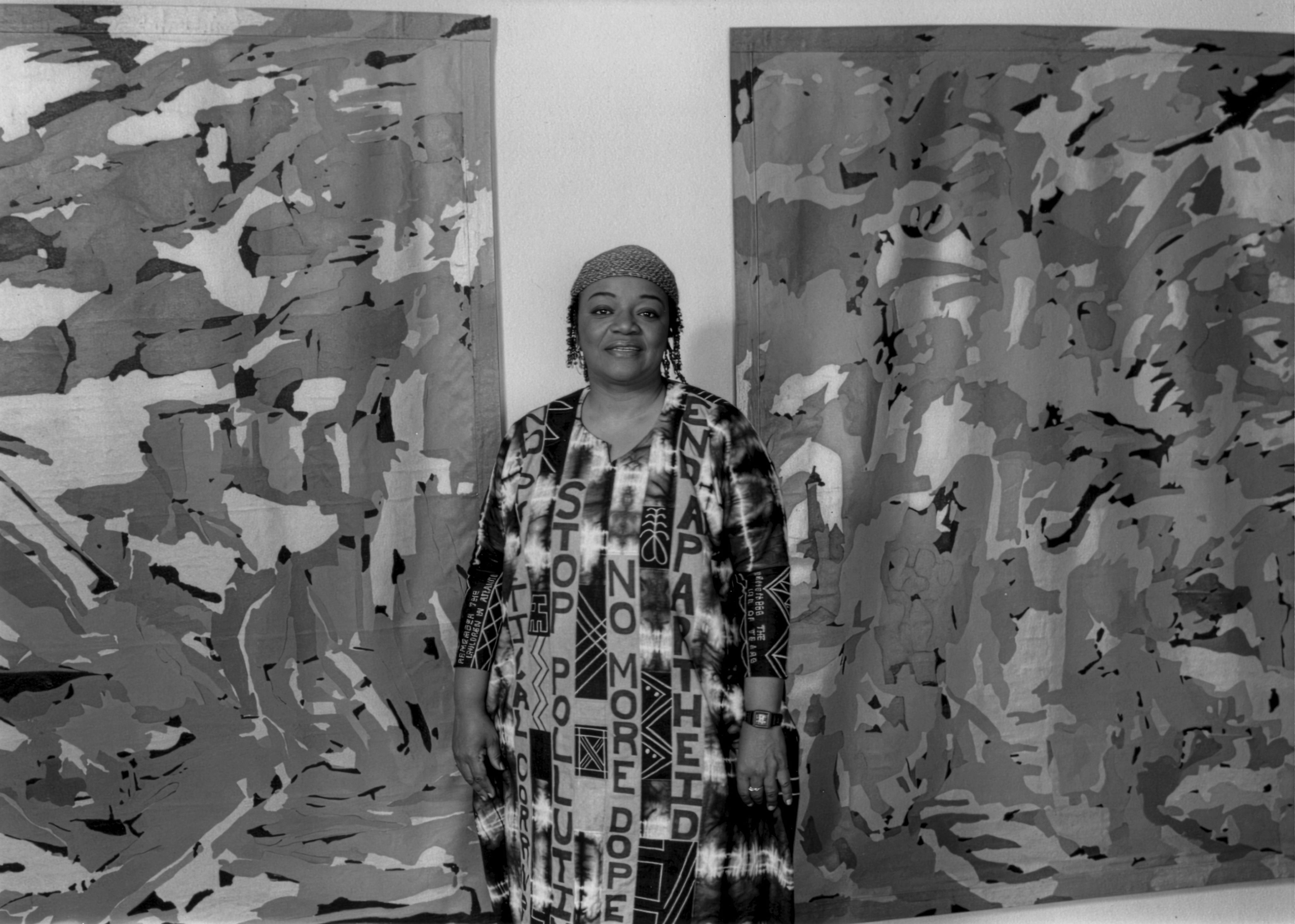
Bellamy also met the notable eccentric art dealer Jack Tilton, an early supporter of artists including David Hammons and Kiki Smith (Smith features in The Artist Project). When Bellamy told Tilton he was looking to photograph artists for a portfolio, Tilton gave him some crucial advice: “Every artist that you photograph, ask them to connect you with other artists.” The project became a series of connections.
The technical set-up for The Artist Project was minimal. “I had a Linhof and I shot 120 film. I had hot lights: little lights that I could carry. And I would sometimes do four portraits in a day.” In the book, Bellamy complements each image with a poetic reflection. (Jack Whitten’s is particularly moving: “Few men I have met had as much character, charm and courage. Painter, sculptor and survivor, this man lost two studios to fire, only to rekindle his career. The tools and instruments he uses, such as a series of wooden combs, come from his African heritage. They create a hypnotic, layered effect of stripes with depth. Tribeca, 1983.”)
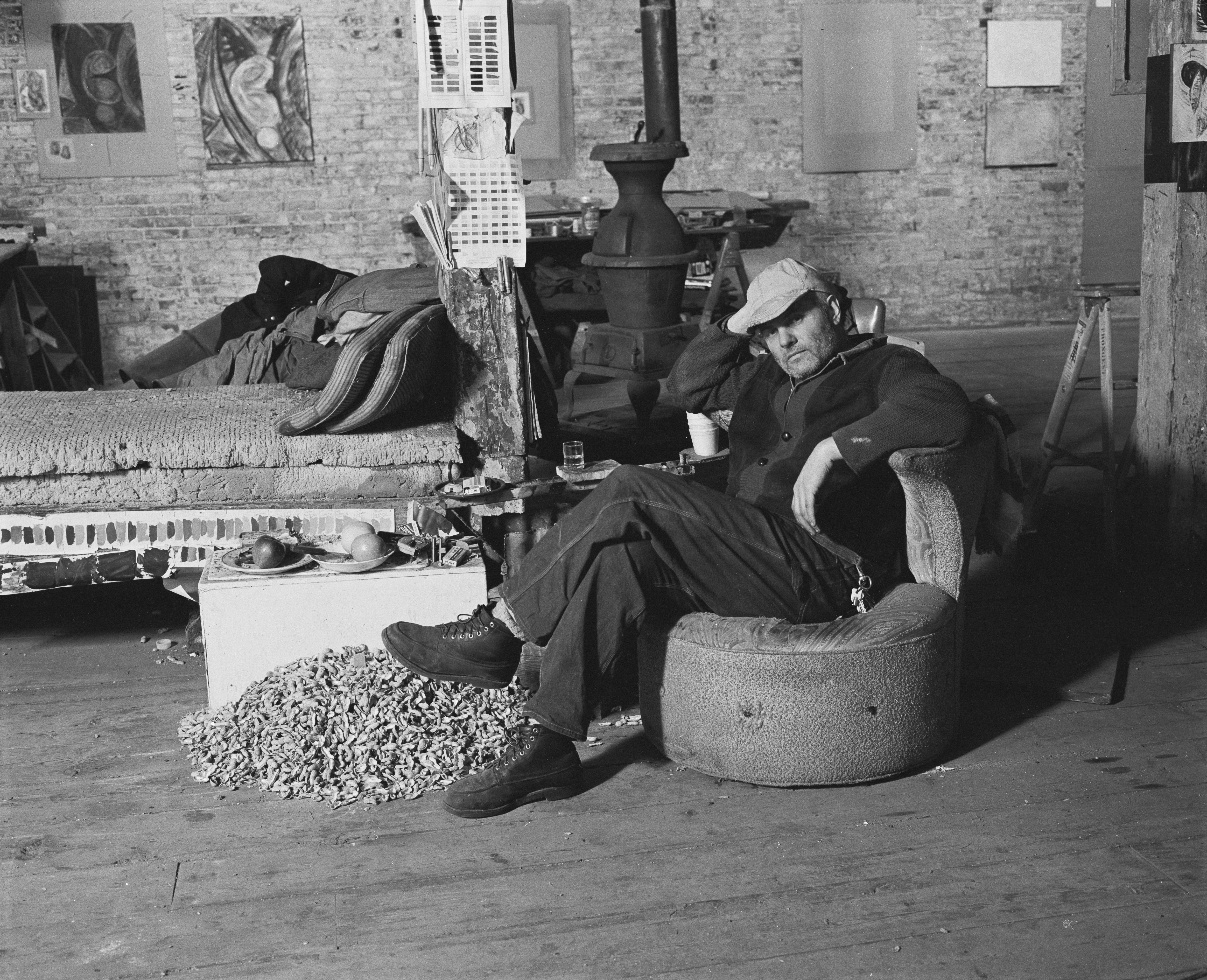
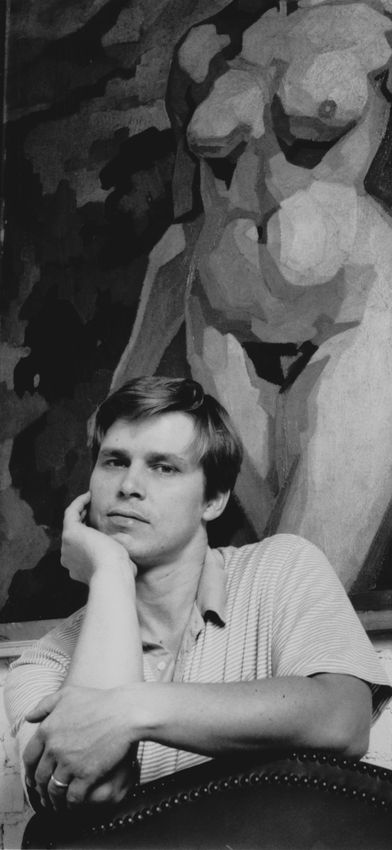
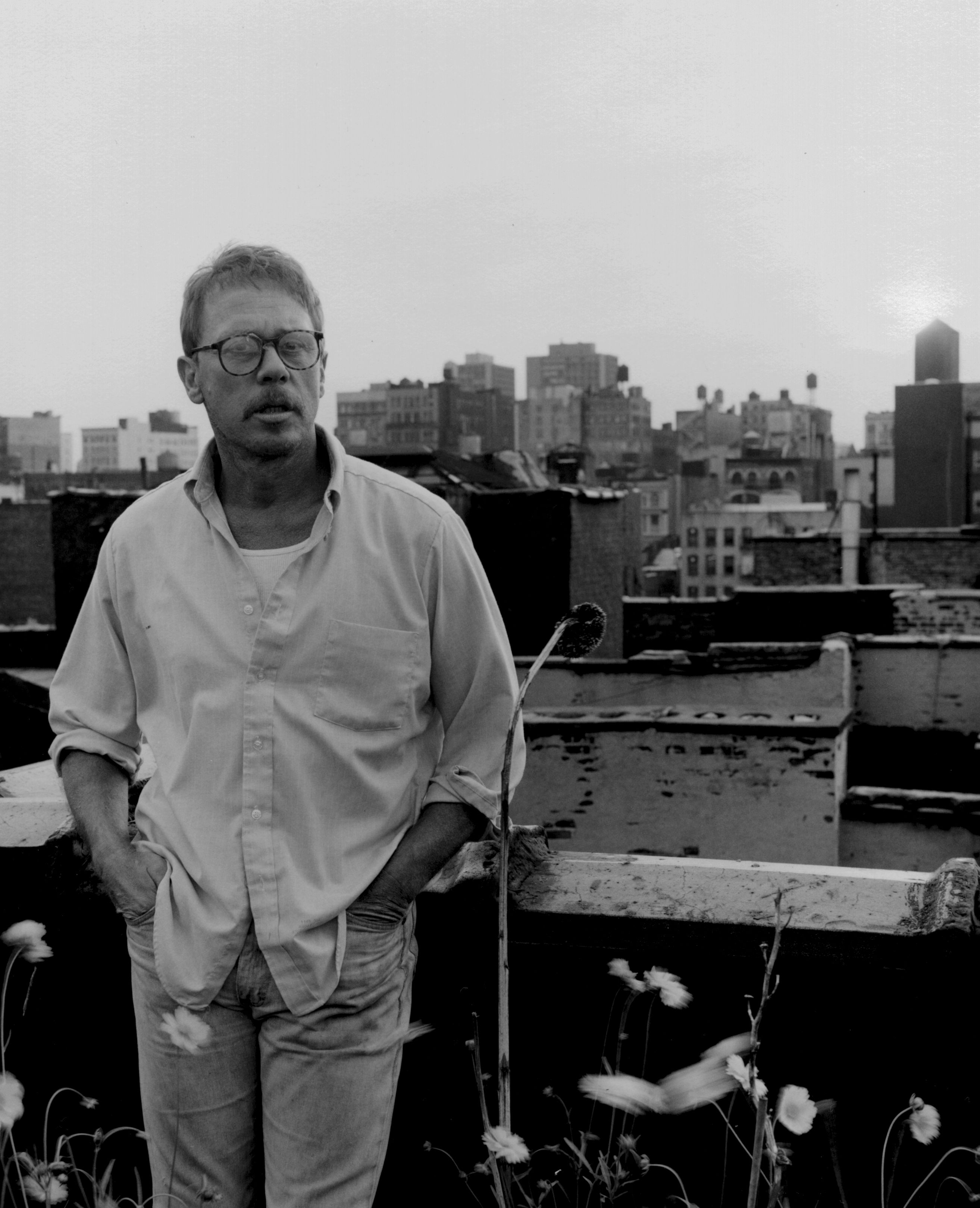
Painter Bill Jensen is pictured in his Williamsburg studio, and Bellamy’s reflection notes that he was: “A main artist source for The Artist Project. He is a recluse and only agreed to this portrait knowing I would then photograph the artists that he felt were important to the book. A circuitous route, but well worth it. Williamsburg, Brooklyn, 1983.”
“I had sort of a romantic vision of artists at that time,” says Bellamy. “Like something out of the 19th century. Bill’s a great painter, and I identified with this process that it was sort of spiritual’. What was his studio like? Well, he pissed in a bucket. It was the only building standing on South 3rd, and his landlord had threatened him with a shotgun or something. There was sort of an aura, and a genuinely Bohemian lifestyle. Which isn’t possible in New York any more.”
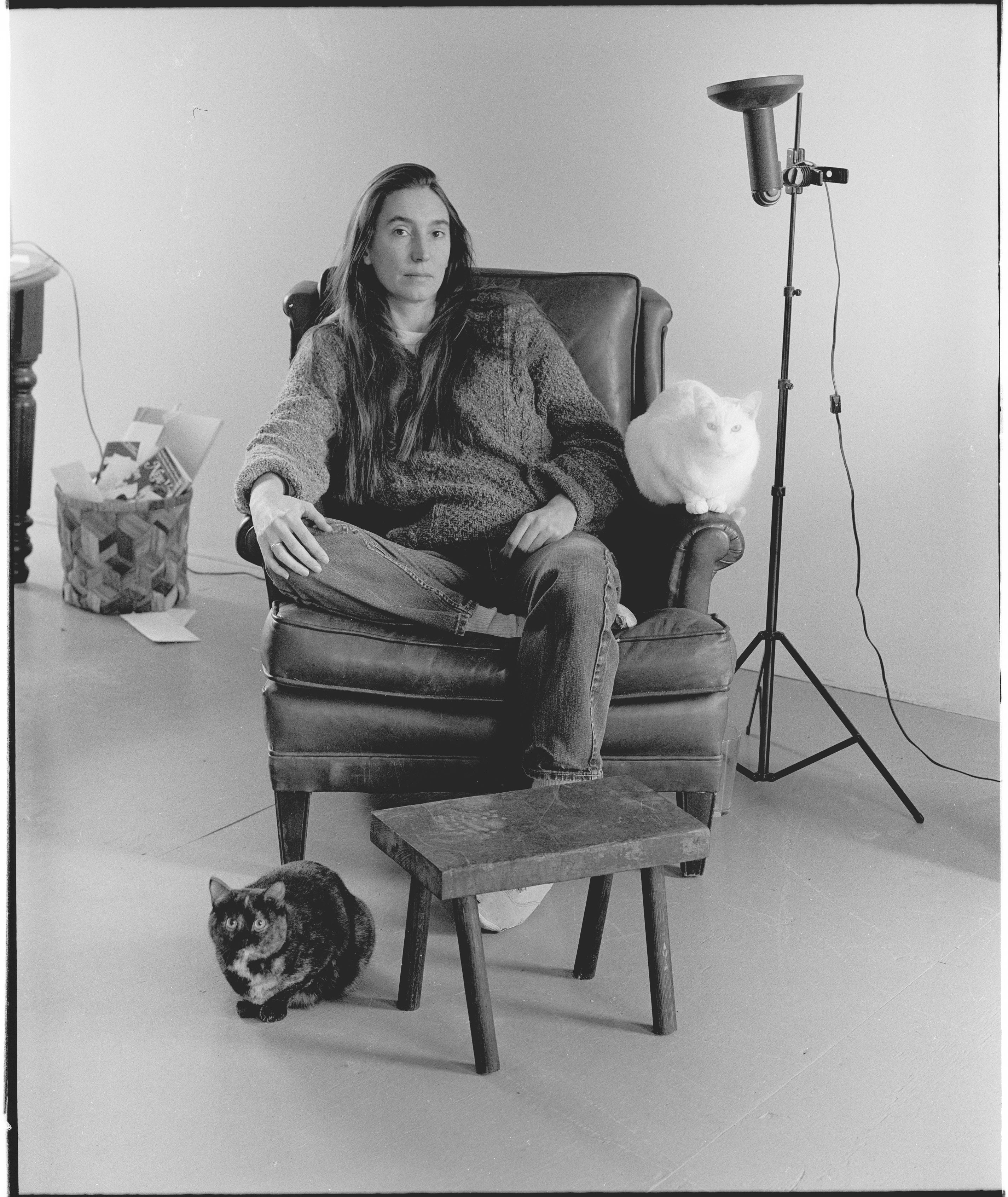

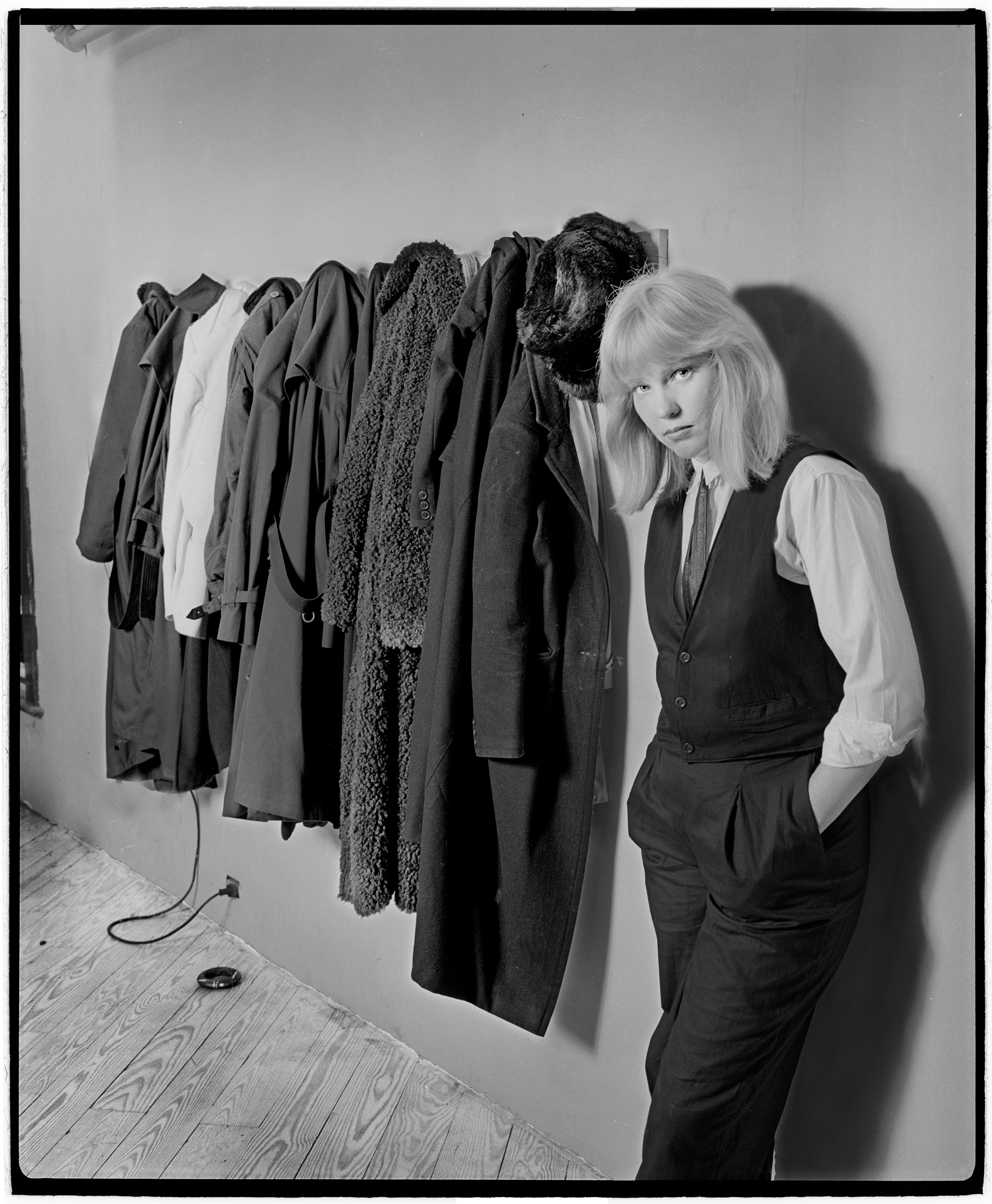
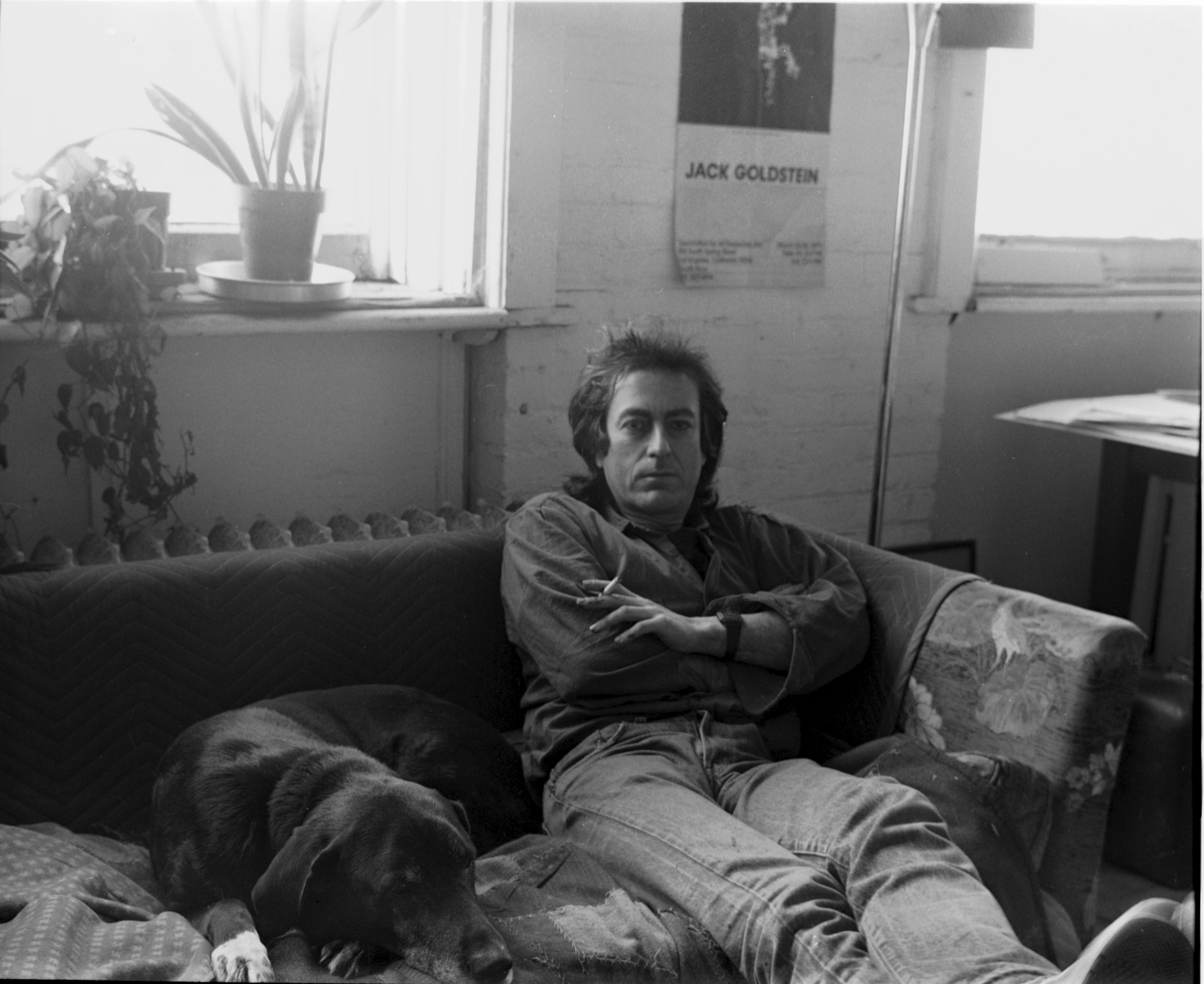
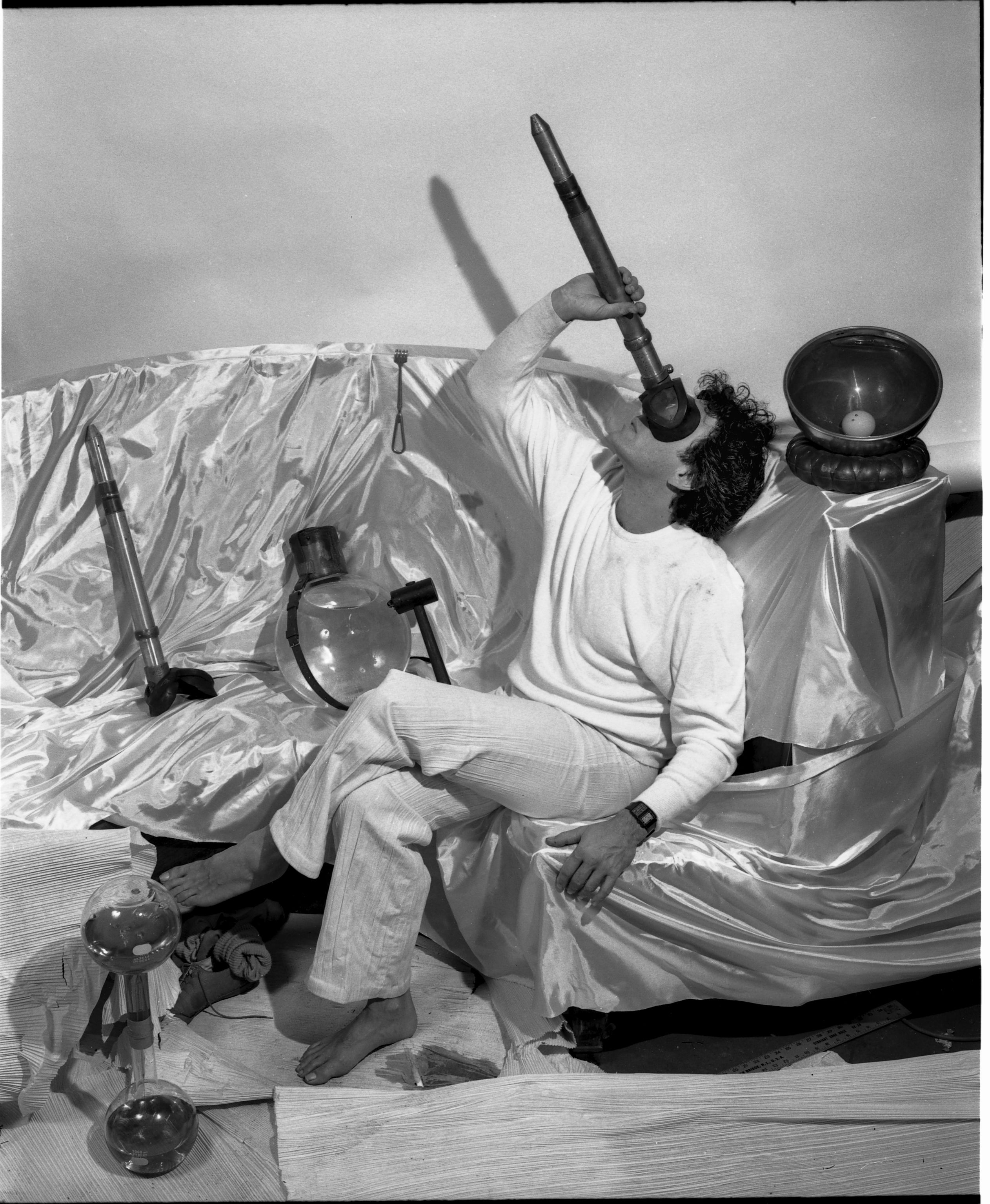
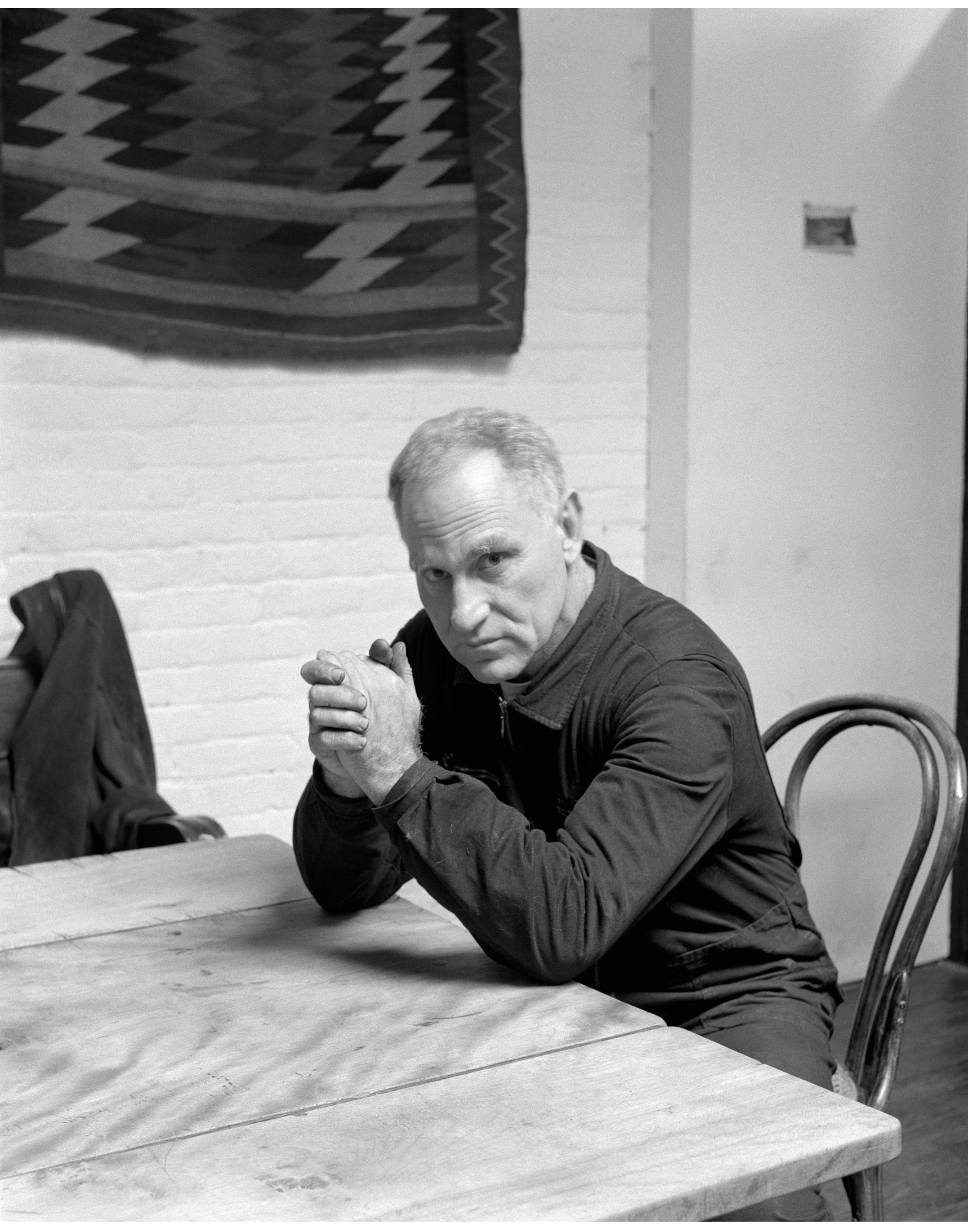
While Jensen perhaps represented a kind of platonic ideal of what an artist should be, Bellamy’s series is notable for just how many different types of artists are represented—old to young, naked to prim, injured to virile. Part of the project’s beauty lies in the fact that, under Bellamy’s gaze, all the subjects seem to radiate a magnetic attraction. As a native New Yorker, his book looks and feels like New York, the most multicultural city in the world, and includes portraits of Kenji Fujita, Fab 5 Freddy and Howardena Pindell, among many others. “If you’re a woman and an artist, I’ll photograph you,” says Bellamy. “If you’re a Black artist, I’ll photograph you. I can’t just do this thing where it’s just, like, a white world.”
Bellamy finished the project in 1991. After a deal fell through with a publisher—“I mean, things were crazy in the 1980s. Everybody would be, like, leaving town in a stolen car…’”—he raised the money himself to publish the book in 1992. “I loaded up a car with books, and I went out and sold it myself in bookstores. I was just driving around the country, into the next city with books in the trunk of a Volkswagen. It was high adventure. And I gave copies to the artists, which cut into the sales.”
“His book looks and feels like New York, the most multicultural city in the world”
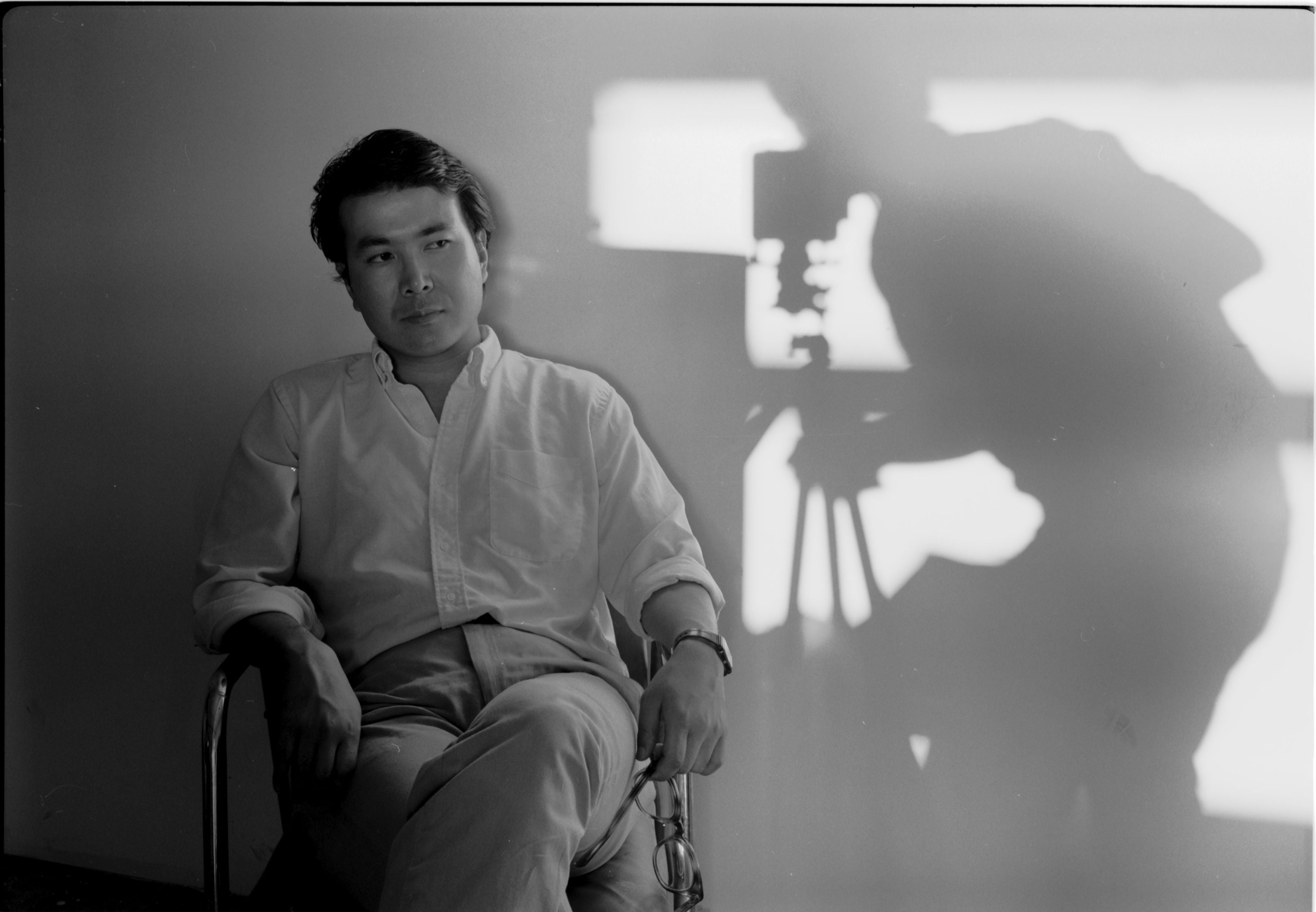
I would venture to guess that, back then, this book wouldn’t have had the same “wow” factor it does now; today’s art world is more global and more aware of its own glamour. In the book, I see, in elegant frame after elegant frame, a parade of nearly all the most important American artists of the late 20th and early 21st century. Although there are notable exclusions, whom Bellamy photographed but who then backed out and threatened legal action if their images were published. (I bet you can guess who they are.)
Still, I am bewildered at this book’s relatively low profile. Back then, says Bellamy, people didn’t see The Artist Project as a project of global importance. “I mean, it was kind of like a yearbook.” And he mentions that not all the artists in it “made it” in the way that, say, Jeff Koons and Kiki Smith did. I would argue that this is what gives this project its true value. Flipping the pages, one discovers that the darkness and lightness emanating from every human being, no matter how talented or forgotten, is always something significant to behold. As Bellamy asserts: “It’s a reflection of humanity.” —[O]
Main image: Bill Jensen. Photo: Peter Bellamy.





A respected voice in contemporary art discourse.
Focusing on ambitious storytelling and insightful art-world commentary. Ocula Magazine publishes in-depth interviews, critical essays and timely analysis on the artists, exhibitions and ideas driving the global art world.
Learn more about Ocula Magazine
Showcasing the best of the art world.
Ocula partners with galleries from around the world to highlight their artists, artworks and exhibitions. Gallery membership is by application and invitation, with each member vetted by an independent panel.
Learn more about Ocula Membership
Specialises in the sale of major artworks.
Led by a team with deep ties to the world’s leading auction houses, galleries and collectors. Ocula’s advisory team offers bespoke services to high-net-worth clients from around the world who are looking to acquire the best of contemporary and modern art.
Learn more about our team and services