






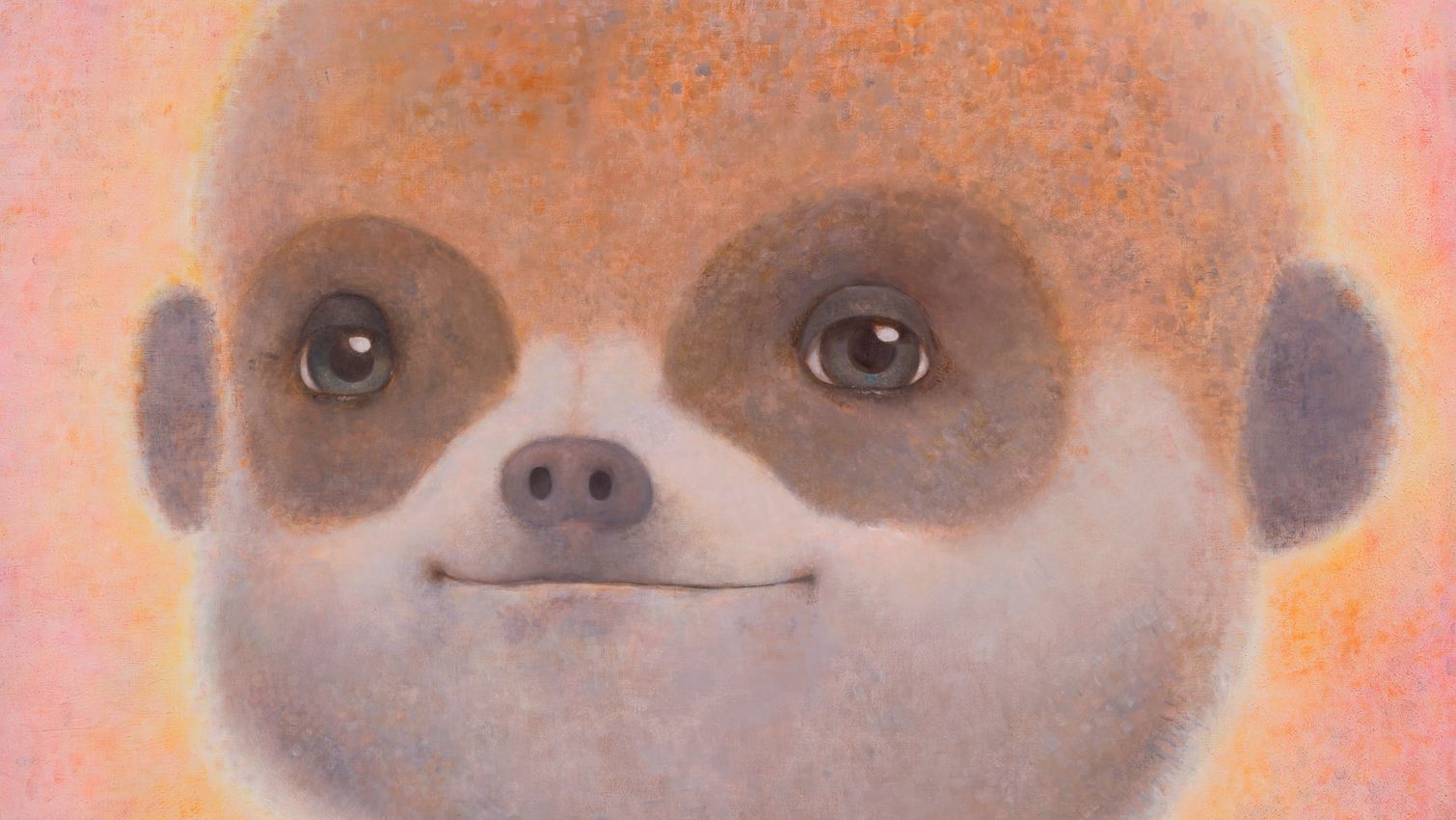
OTANI WORKSHOP
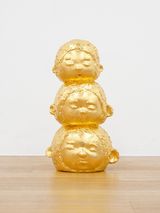
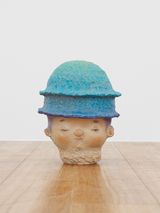
b. 1980, JapanOtani Workshop is the artistic identity of Shigeru Otani, whose sculptures and paintings of playful childlike figures build out a distinct mythology informed by Japanese culture and a rich understanding of ceramic traditions and materiality.
Early years and influences
Born in Shiga Prefecture in 1980, Shigeru Otani studied sculpture at the Osaka University of Arts, where he studied the work of sculptors like Alberto Giacometti. In 2005, he adopted the name Otani Workshop for his artistic output. Despite the moniker’s suggestion of a collective, the artworks are just the output of a singular artist.
Otani Workshop was based out of Shigaraki for many years, an area of Japan with an 800-year-old ceramic tradition. However, when seeking access to a kiln big enough to enable much larger ceramic works, Otani discovered an old tile factory on Awaji Island, near Kobe, where the artist’s studio is now located.
Artworks
Subjects and themes
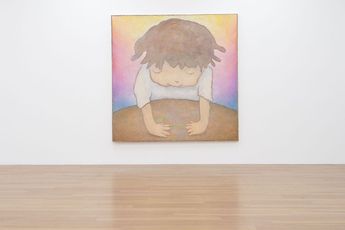
Otani’s artworks often depict playful childlike figures, with recurring characters like Tanilla—a cheeky Godzilla-like dinosaur. Across both sculpture and paintings, the subjects of Otani’s works present an intuitive act of worldbuilding, drawing on childhood nostalgia, Japanese folklore, and the Shinto concept of yorishiro, where objects become inhabited by spirits.
Techniques
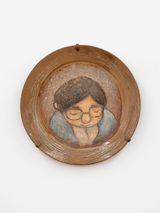
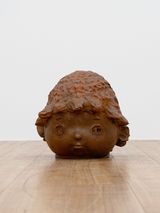
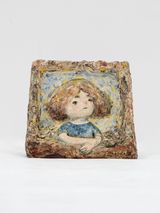
Otani’s early exposure to Shigaraki ware and its earthy, tactile surfaces has been foundational to his material sensibility. This grounding in traditional craft underpins a practice that continually pushes against the aesthetic conventions of both Japanese ceramics and contemporary sculpture.
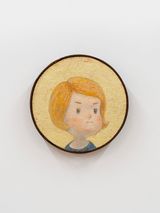
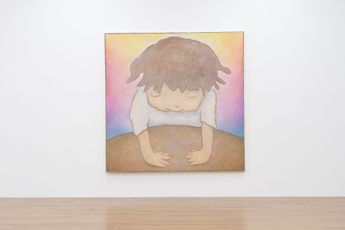
While best known for sculpture, Otani also produces bold works on paper and canvas, often featuring Tanilla and other characters in dreamlike environments. These works extend his sculptural imagination into two dimensions, revealing a process-driven aesthetic and interest in textural affect.
Exhibitions
Solo Exhibitions
- Monsters in My Head, Vancouver Art Gallery (2025)
- Tanilla Tanilla Tanilla, Kaikai Kiki Gallery, Tokyo (2024)
- Portraits, Perrotin, Hong Kong (2023)
- _Hand, Eye, and Sou_l, Perrotin, Seoul (2022)
- When I Was Seventeen, I Learned About Giacometti From My Art Teacher and Became Drawn to Sculpture - and So I Make Sculptures Now., Kaikai Kiki Gallery, Tokyo (2016)
Group Exhibitions
- Head in the Clouds, Perrotin Tokyo (2022)
- Bubblewrap, Contemporary Art Museum Kumamoto, Kumamoto (2018)
- Murakami Takashi‘s Superflat Consideration on Contemporary Ceramics, Towada Art Center, Aomori (2017)
Website and Instagram
Otani Workshop’s profile on Instagram.
Otani Workshop FAQs
Where can I see Otani Workshop’s work in person?
Otani Workshop’s sculptures have been exhibited at Perrotin galleries in New York, Paris, Hong Kong, and Seoul. In Tokyo, Kaikai Kiki Gallery frequently showcases new works. His larger-scale outdoor sculptures can be viewed on Awaji Island and Otani’s artworks have also been shown at international art fairs such as Art Basel Hong Kong. Follow the artist on Ocula to stay tuned for updates.
Why is the artist called ‘Otani Workshop’?
‘Otani Workshop’ reflects the nature of Otani’s studio practice and the idea that the work is produced by an evolving process or entity, rather than a single authorial voice. It also playfully echoes traditional ceramic ateliers.
What is the significance of the Tanilla character?
Tanilla is a hybrid creature inspired by Otani’s childhood fascination with dinosaurs and kaiju. It represents a recurring spirit or vessel through which the artist explores transformation, emotion, and humour. Tanilla appears across media and scales.
How does Otani Workshop’s work relate to Japanese tradition?
Otani’s practice is rooted in the Shigaraki ceramic tradition but subverts its conventional forms through expressive modelling and playful subject matter. He invokes the concept of ‘yorishiro’—objects that attract spirits—to imbue his works with a ceremonial and spiritual dimension.
What materials does Otani Workshop use?
Primarily Shigaraki clay, but also bronze, wood, mixed media, and two-dimensional materials like acrylic and pencil on paper. His surfaces are often coarse and textured, emphasising materiality and process, whilst generating a hazy, dream-like affect.
Ocula | 2025







Explore Otani Workshop's Exhibitions





Explore and Follow Artists Shaping Contemporary Art
A respected voice in contemporary art discourse.
Focusing on ambitious storytelling and insightful art-world commentary. Ocula Magazine publishes in-depth interviews, critical essays and timely analysis on the artists, exhibitions and ideas driving the global art world.
Learn more about Ocula Magazine
Showcasing the best of the art world.
Ocula partners with galleries from around the world to highlight their artists, artworks and exhibitions. Gallery membership is by application and invitation, with each member vetted by an independent panel.
Learn more about Ocula Membership
Specialises in the sale of major artworks.
Led by a team with deep ties to the world’s leading auction houses, galleries and collectors. Ocula’s advisory team offers bespoke services to high-net-worth clients from around the world who are looking to acquire the best of contemporary and modern art.
Learn more about our team and services