





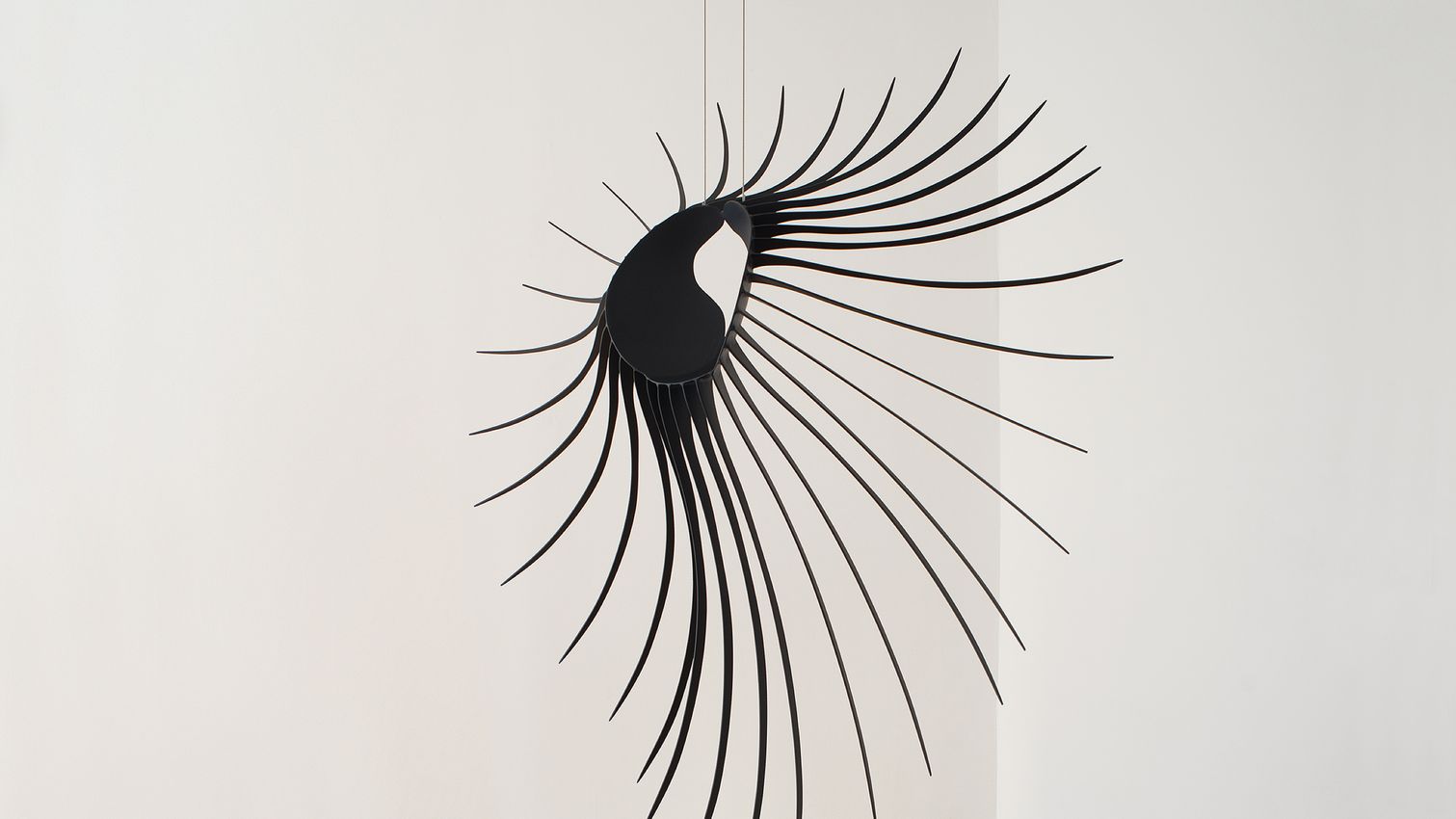
RUI CHAFES
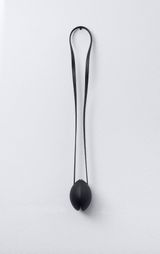
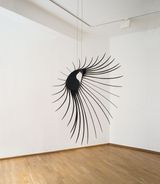
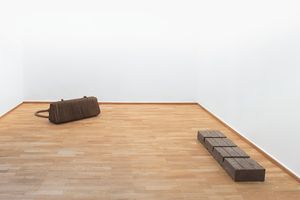
b. 1966, PortugalHis enigmatic and mysterious sculptures are almost always made of iron, painted black, with an uncommon coherence and rigour which, to paraphrase the artist, are shadows or negatives of a world that imprisons emptiness, silence in its most absolute form: cocoons, nests, insects, armour, masks or elements of clothing represent both a memory and a skin that protect and testify to an absent body. In essence, Chafes seeks to achieve immateriality and represent the invisible, defying the limits of iron and the imponderable.
Rui Chafes was born in Lisbon in 1966. Between 1990 and 1992, he studied with Gerhard Merz at the Kunstakademie Dusseldorf in Germany. During this stay, steeped in German culture, he translated Novalis’ Fragments into Portuguese. He soon began an international career, representing Portugal at the Venice Biennale (in 1995 with José Pedro Croft and Pedro Cabrita Reis) and then at the São Paulo Biennale (in 2004, in a project with the dancer and choreographer Vera Mantero). Several of his sculptures are now in public collections in Portugal and abroad. In 2004 he received the Robert-Jacobsen Sculpture Prize from the Würth Foundation in Germany and in 2015 the Pessoa Prize in Portugal, and in 2021 the AICA Prize.
In 2022, he had an exhibition with Pedro Costa and Paulo Nozolino at the Centre Pompidou and a major solo exhibition in 2022–2023 at the Serralves Foundation in Porto. In 2023, the exhibition “Alberto Giacometti - Rui Chafes” took place from 18 May to 25 September, at the Gulbenkian Foundation in Lisbon.
Courtesy Galerie Bernard Bouche





Explore and Follow Artists Shaping Contemporary Art
A respected voice in contemporary art discourse.
Focusing on ambitious storytelling and insightful art-world commentary. Ocula Magazine publishes in-depth interviews, critical essays and timely analysis on the artists, exhibitions and ideas driving the global art world.
Learn more about Ocula Magazine
Showcasing the best of the art world.
Ocula partners with galleries from around the world to highlight their artists, artworks and exhibitions. Gallery membership is by application and invitation, with each member vetted by an independent panel.
Learn more about Ocula Membership
Specialises in the sale of major artworks.
Led by a team with deep ties to the world’s leading auction houses, galleries and collectors. Ocula’s advisory team offers bespoke services to high-net-worth clients from around the world who are looking to acquire the best of contemporary and modern art.
Learn more about our team and services