Press Release

DOOSAN Art Center DOOSAN Gallery is pleased to present sent in spun found from 22 October to 13 December 2025. The exhibition brings together two artists —New York-based artist Gi (Ginny) Huo and Seoul-based artist Cha Yeonså—and is co-curated by DOOSAN Art Center curator Hyejung Jang and New York-based curator Lumi Tan.

sent in spun found is an exhibition about the legacy left behind and the things discovered in the chain of sending—sent to someone or somewhere by choice or force, and returned. With distinctly different approaches and unique visual languages, Huo and Cha address family and religion, social phenomena, and the instincts that arise from them, drawn from their personal experiences. Their stories involve crossing boundaries based on ‘a certain faith’: Huo’s work begins with her family’s journey across the Pacific Ocean in search of a better life and spiritual duty, while Cha’s work explores the grief and care of many beings who have crossed the boundary between life and death through their father’s legacy. Through their work, Huo and Cha reflect on their respective histories, attempting to reinterpret them, share them for/with others, and reframe marginalized stories and beings. In this process, their extreme intimacy as insiders and their perspective as outsiders constantly intersect.

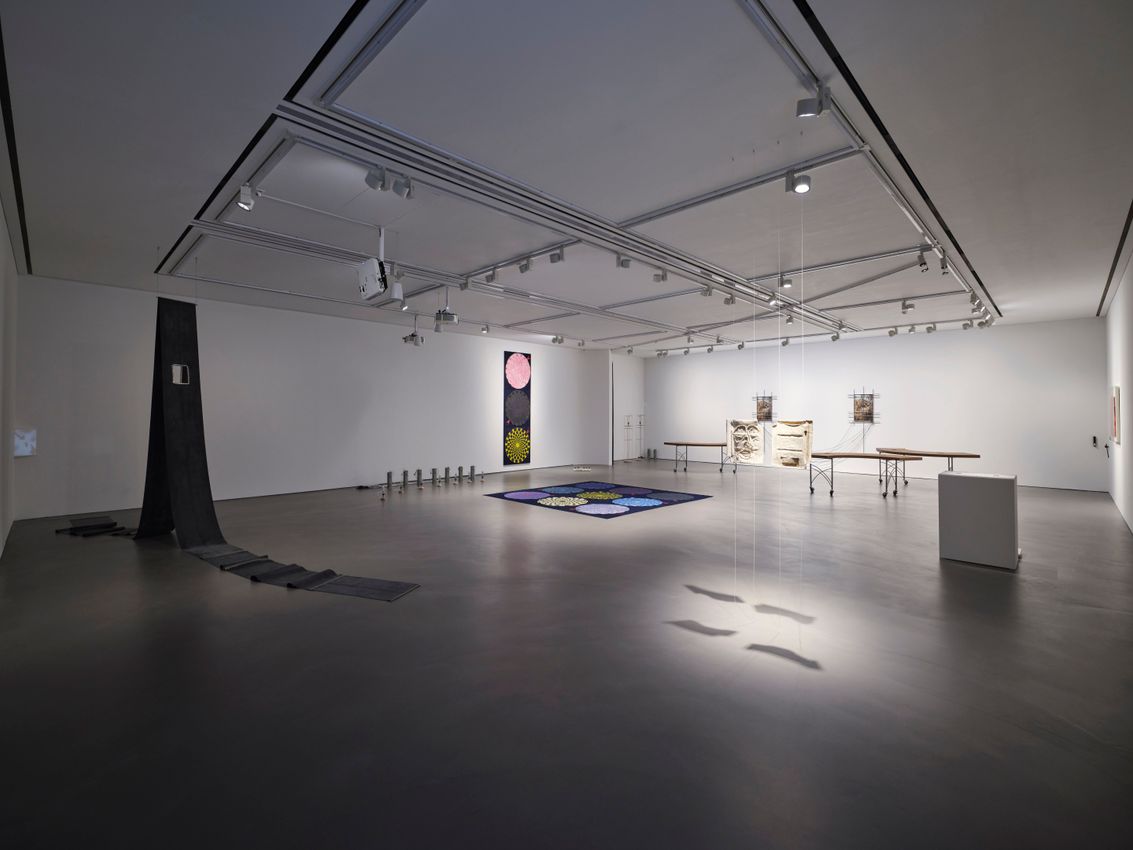
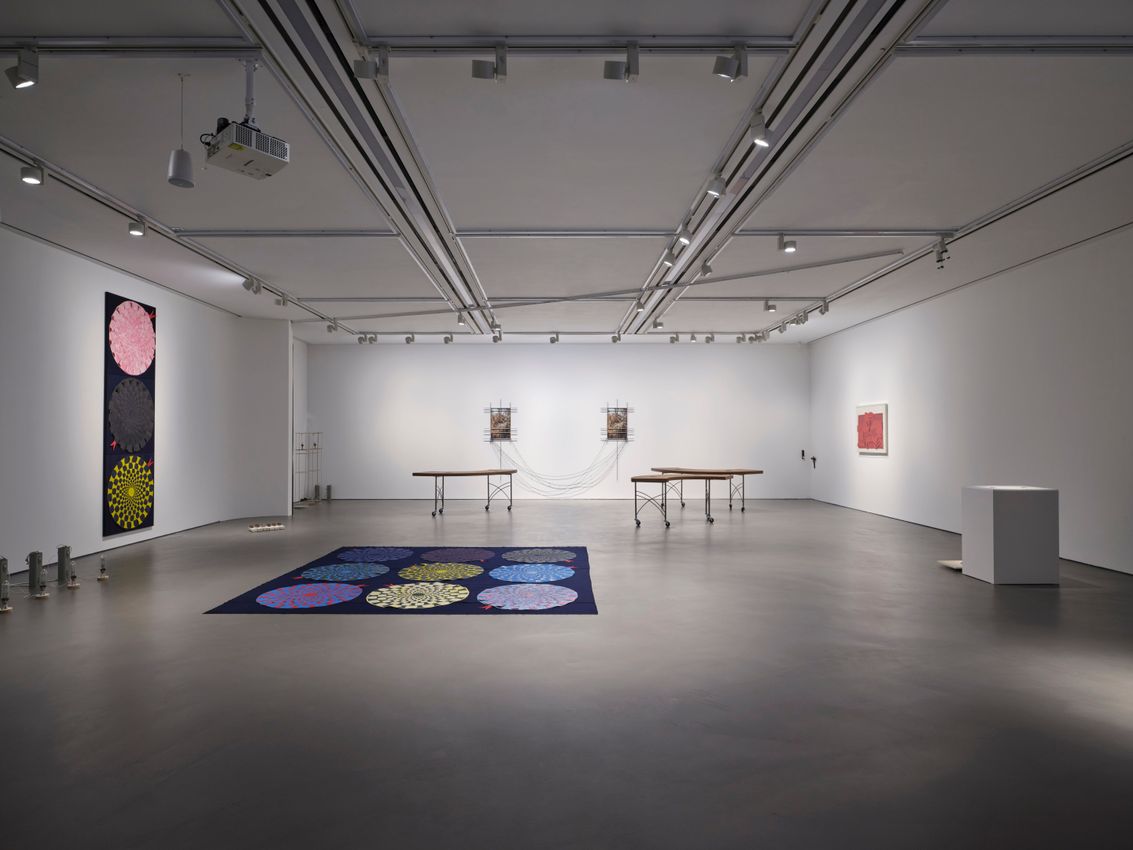
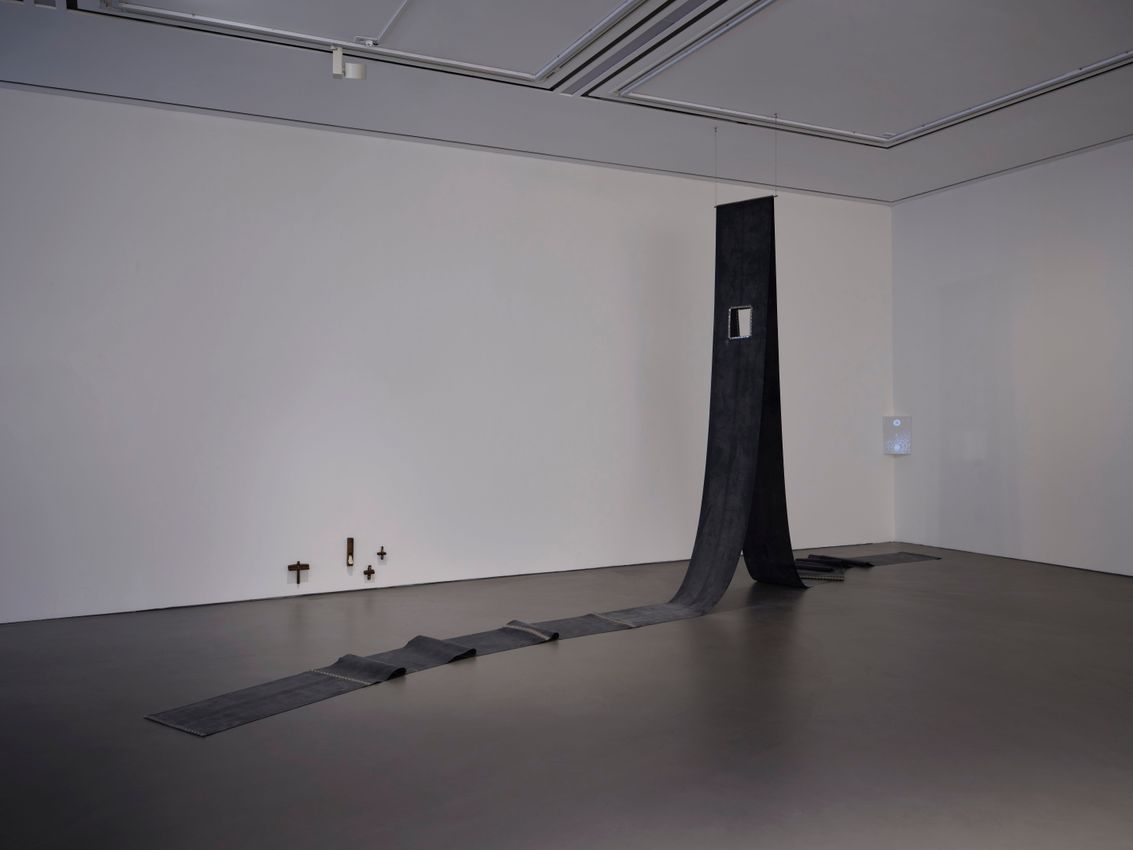
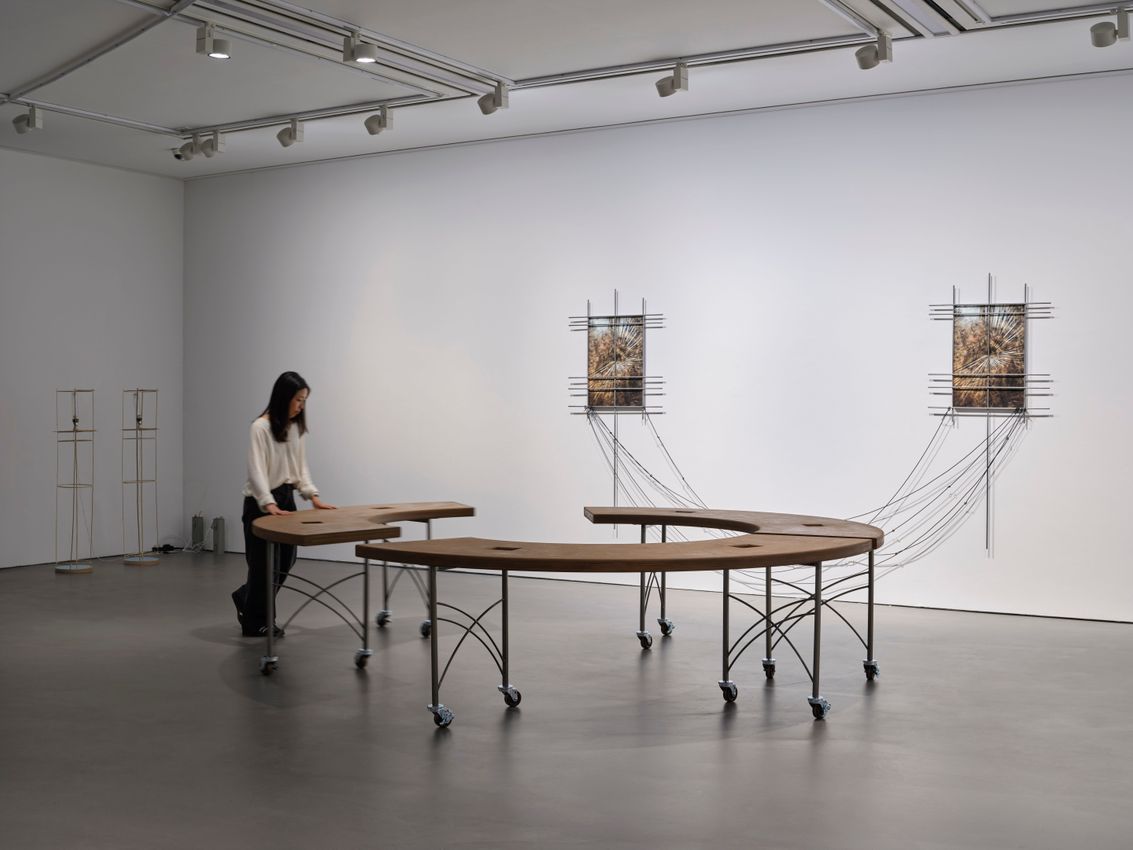
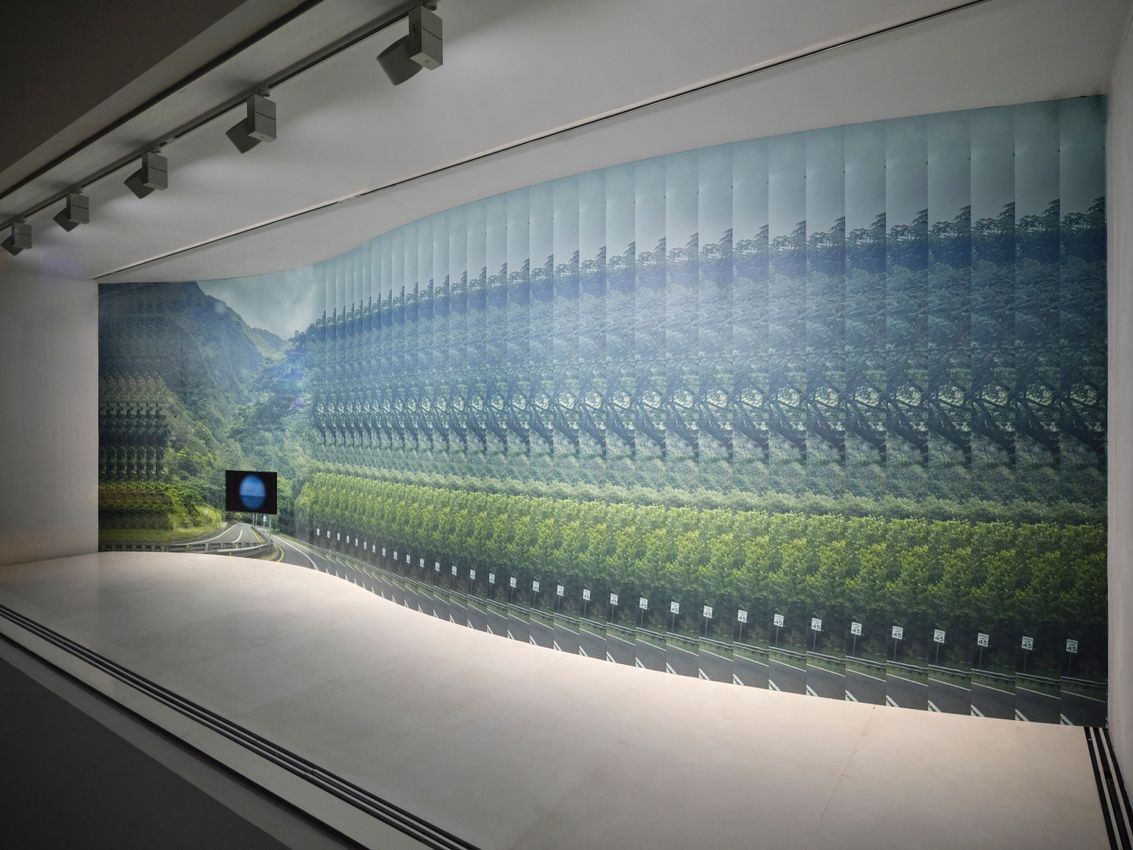
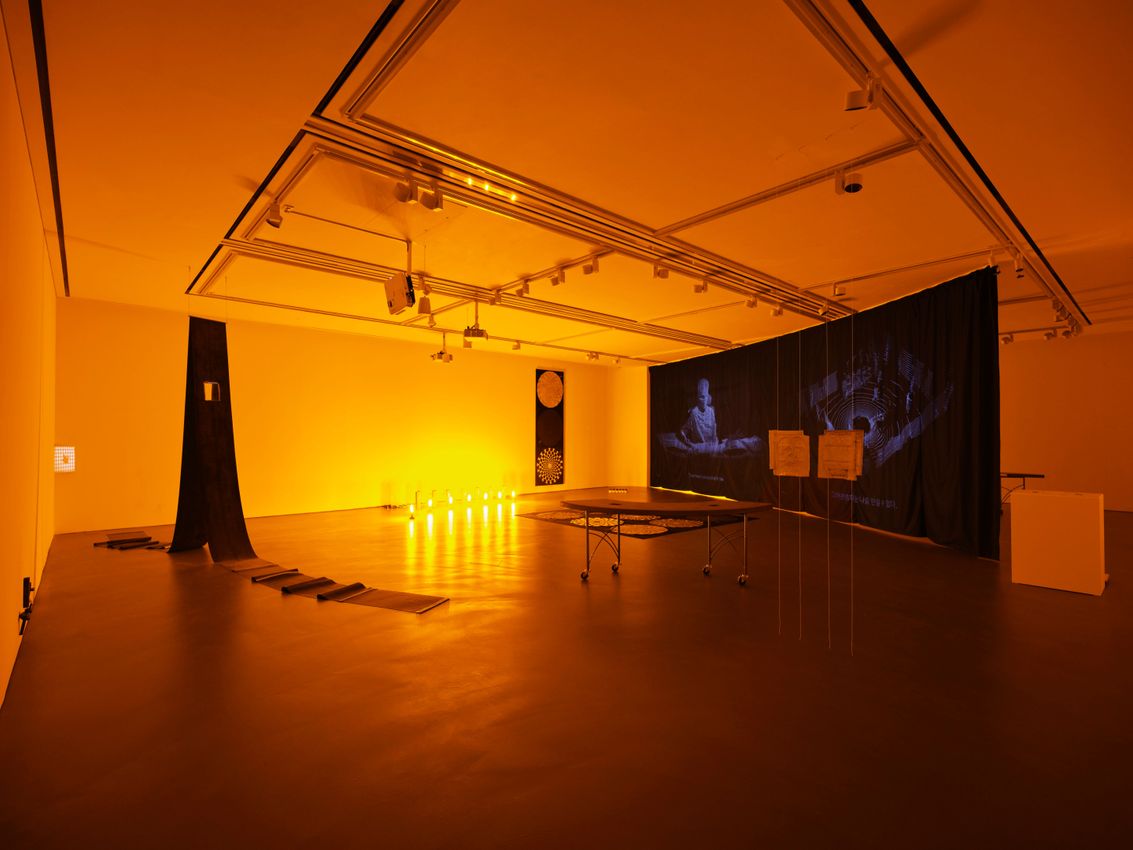
In the window, a video installation by Gi (Ginny) Huo acts as an introduction and coda, rather than a portal, to the exhibition within. An image of a lush landscape seen through a car window seems to stutter or glitch, and is paired with an ambient travelogue featuring footage from Huo’s first visit to her birthplace in Hawai‘i in twenty years. Huo’s work has long examined the legacies of religious systems, drawing from her upbringing in the Mormon Church. For this exhibition, Huo brings together the concepts of isolation, protection, and insulin (in relation to sugar) through their shared etymology in the Latin root ‘insula,’ meaning island. Contemplating on the historical location of where Huo’s family lived in Hawai‘i, the Mormon Church in the late 1800s purchased thousands of acres in Lā‘ie to be used as a sugar plantation, which is now a tourist center housing institutions such as Brigham Young University-Hawai‘I and the Lā‘ie Temple. The original call for the land to be a “gathering place” denotes how the formation of communities—religious and otherwise—often necessitate exclusion, and gain power through their insularity and a cultivated need for protection from other ideas. These beliefs also drive the concept of movement as mission—which collectivist cultures such as religion or the military can complicate as moral choice. Huo examines these concepts of land, labor, and occupation in industrial materials such as a floor-to-ceiling rubber sculpture which echoes a conveyor belt, or tangled cords referencing the telephone lines seen from Huo’s grandmother’s window. Frames and forms allow for macro and micro perspectives from their viewers; for instance, archival images of the Lā‘ie sugar plantation are replicated in intimate drawings set into ‘island’ sculptures, while an extreme closeup of insulation material photographed from Huo’s parents’ house dwells in the ambiguity of inherited history.

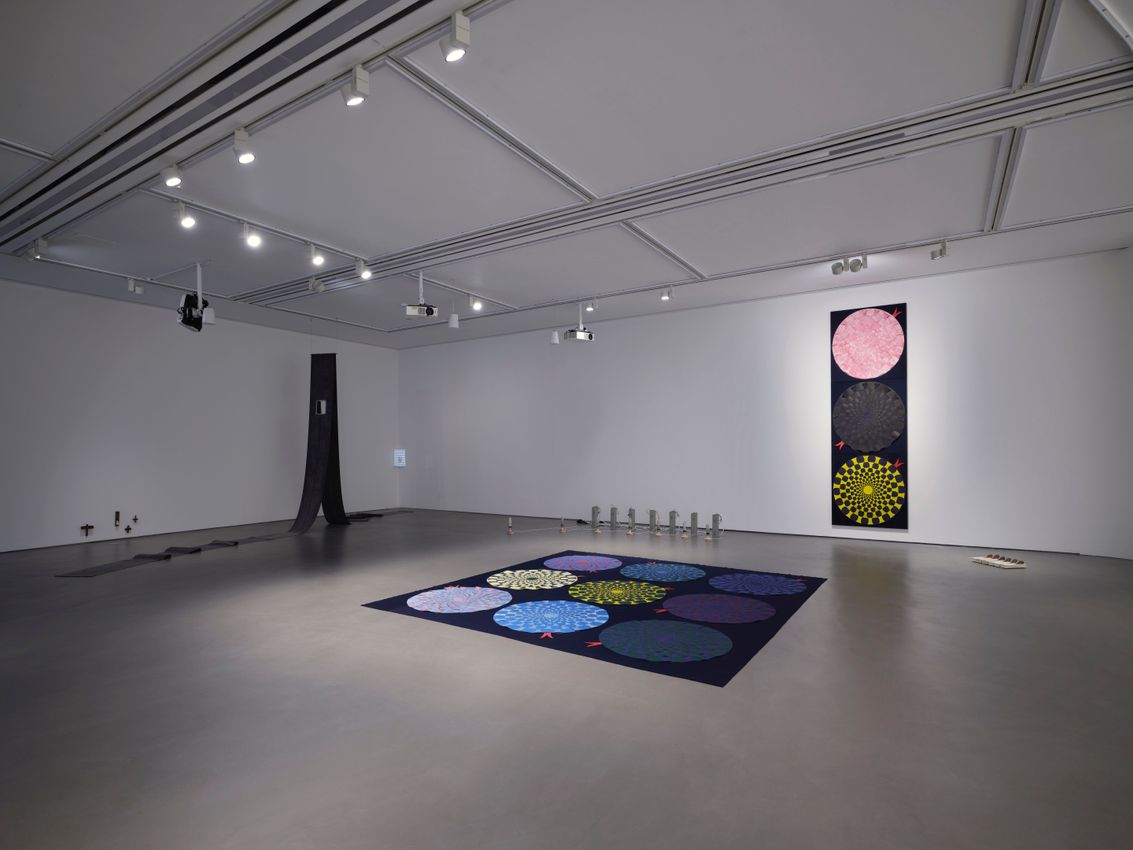
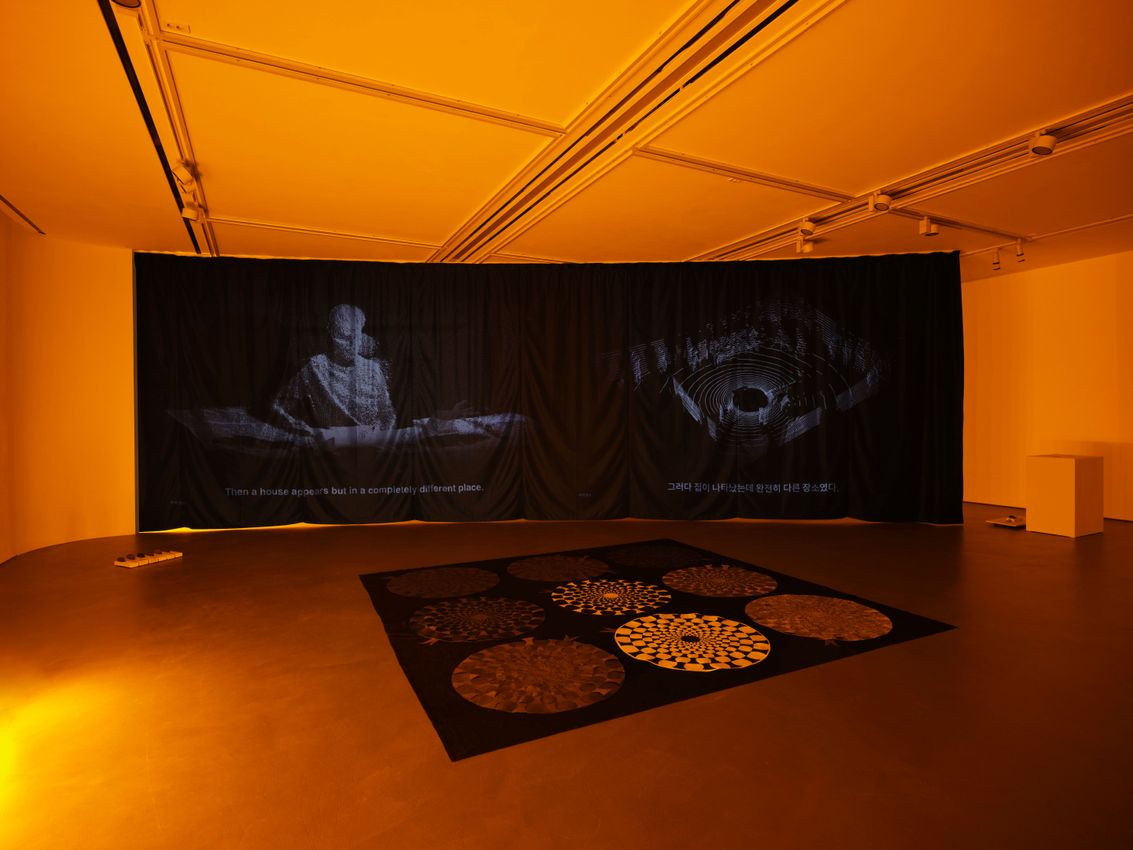
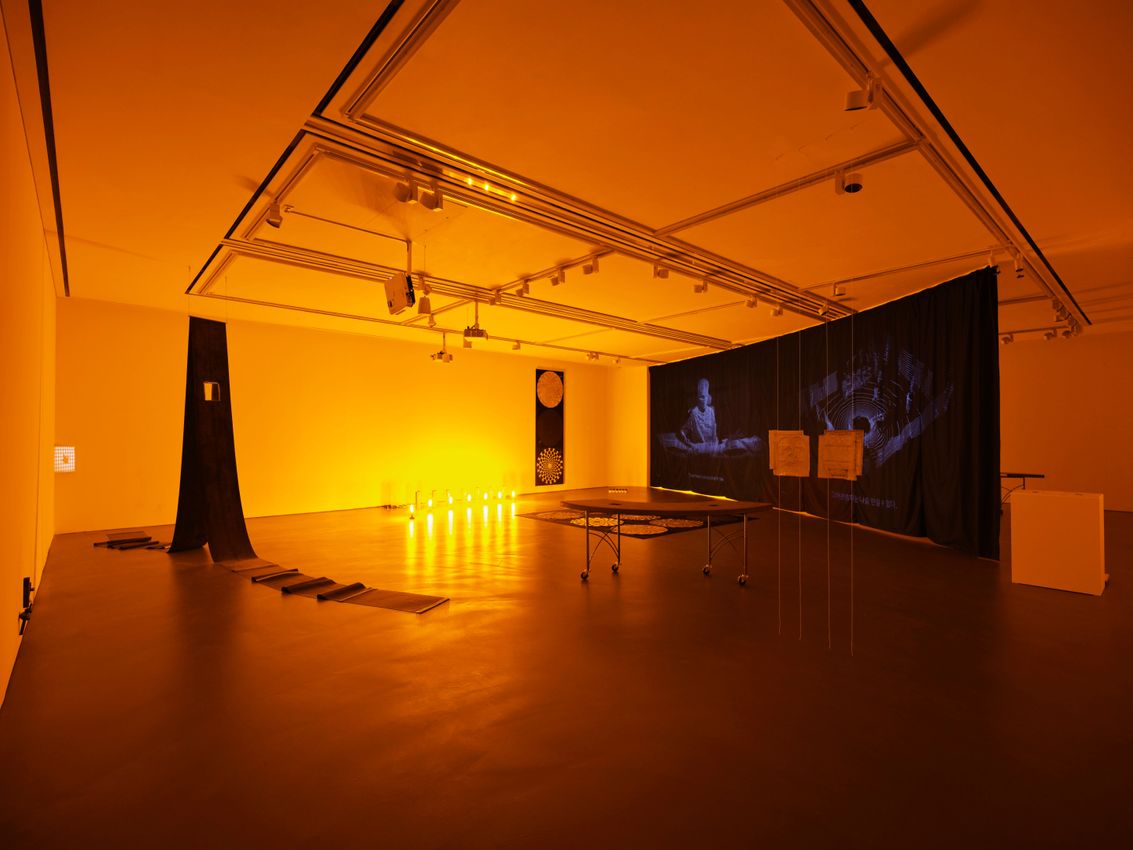
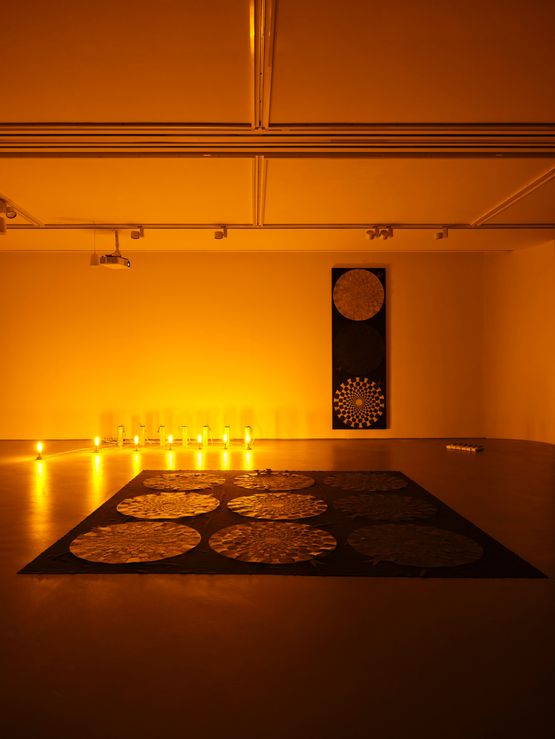
Cha Yeonså circles around lives connected and lives severed through the body—commemorating, caring for, and reconnecting them. In particular, their recent, recurring use of dak paper (mulberry paper) began as an attempt to dispose of the pile of colored dak paper left behind after their father’s sudden death. The creative process of cutting paper and drawing unclaimed bodies resembles Cheondojae (薦度齋, a Buddhist ritual for the deceased), including Suryukjae (水陸齋, the Water and Land Rite) as a great assembly for all wandering beings. The resulting works mourn the deaths and losses Cha has experienced, and furthers the deaths in the images they repetitively gaze at—the deaths of the nameless and of all marginalized beings. In this exhibition, the paper they inherited is cut and woven anew, forming multiple colorful coiled snakes, each biting the tail of the other to begin again. The illusion created by these never-ending ‘rotating’ circles sublimates the sorrow of dead bodies and non-human beings and becomes the stage for the performances Those Cats! (9 Lives and Resurrected Mother) with scripts based on poems by Kim Eon Hee and Sylvia Plath. The structure and motivations of the performances follow the patterns of the cut paper and cite the exuberant, erotic, and debilitating cycles of destruction and rebirth from Cha’s literary references. Thus, it becomes a place where shattered beings are resurrected and confront their fears. Meanwhile, a white mask, stained with iron rust, is Cha’s commemoration for those who arrived in a state of decapitation, and are thus unknown and often unclaimed. Additionally, the tongue sculptures made from used hand planes intertwining with acts of licking, washing, and plaining, are scattered throughout the space extend the gesture of invitation. These sculptures and the mask permit bodies to emerge within the other living figures in the exhibition, whether it is the artist, performer or audience.

Every day at 6 PM, the lighting shifts and the colors in sent in spun found fade away. The words of another writer, Aglaja Veteranyi, enters into the space through critic Hyosil Yang’s reading in a video by Cha. As one way of perceiving has closed, another opens. This loss of visual information does not conceal, but places the viewer in a moment of recalibration to cross over to another side of their experience. It echoes where Huo’s family once sought belonging, and where Huo was born, and what Huo and Cha strive to understand in the oscillation between boundaries in their practice. In this light which leaves only the contours of images and materials visible, all beings within the exhibition suddenly animate in a different way than moments before. This displacement allows us to grapple with the meaning of what remains, of gathering, and bridging these anew.

Read More

Installation Views

Artists Exhibiting

About the Gallery

DOOSAN Art Center DOOSAN Gallery is a non-profit institution founded in 2007 by the DOOSAN Yonkang Foundation in Seoul. DOOSAN Art Center DOOSAN Gallery contributes to the expansion and internationalisation of Korean contemporary art through a variety of national and international programs, including solo and group exhibitions, international residency programs, and the DOOSAN Curator Workshop to discover and support emerging curators.

View Gallery Profile
Address
15 Jongno 33-gil,
Jongno-gu Doosan Art Center 1F
Seoul
South Korea
Opening Hours
Tuesday – Saturday
11am – 7pm
(1)
Seoul 15 Jongno 33-gil,, Jongno-gu Doosan Art Center 1F
DOOSAN Art Center DOOSAN Gallery
15 Jongno 33-gil,, Jongno-gu Doosan Art Center 1F, Seoul, South Korea
+82 2 708 5050
http://doosangallery.com

Opening hours
Tuesday – Saturday
11am – 7pm
The art world in focus