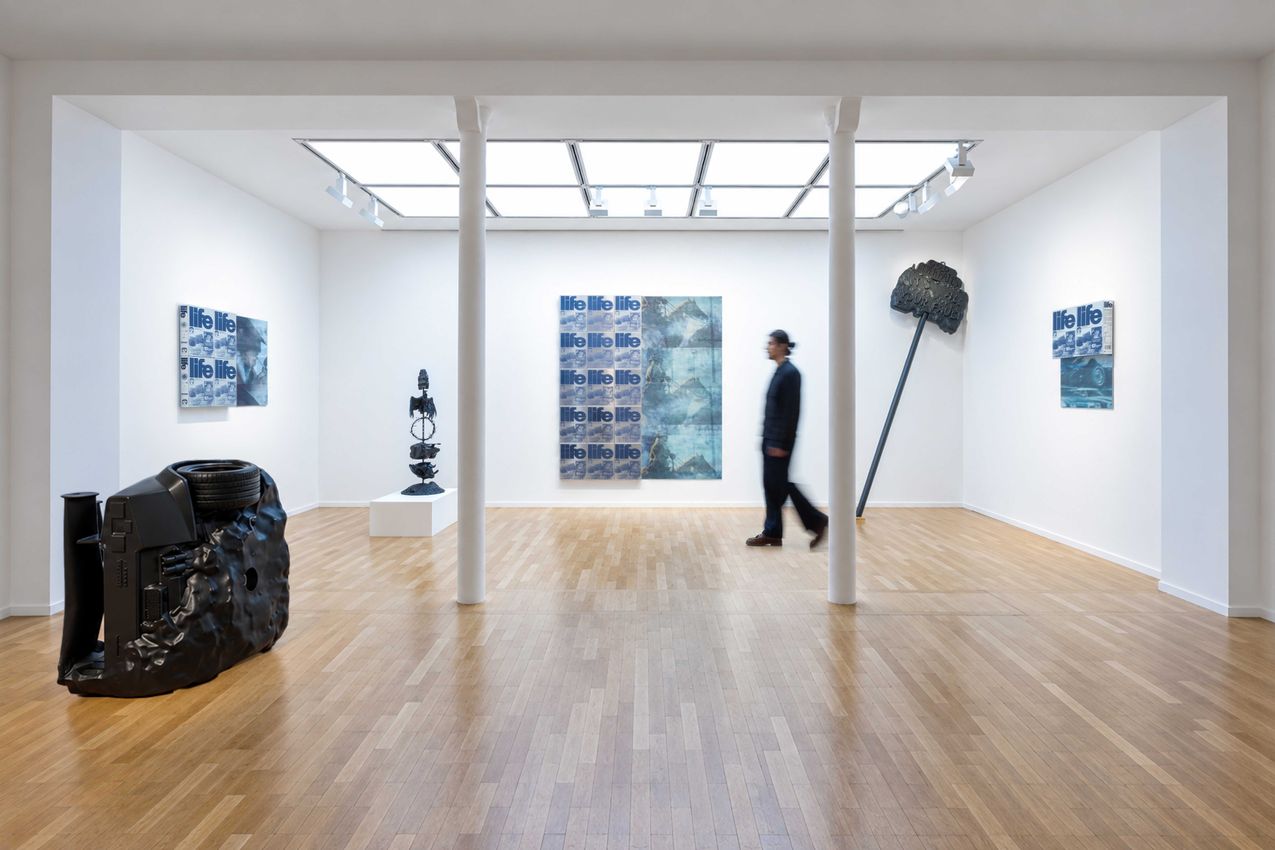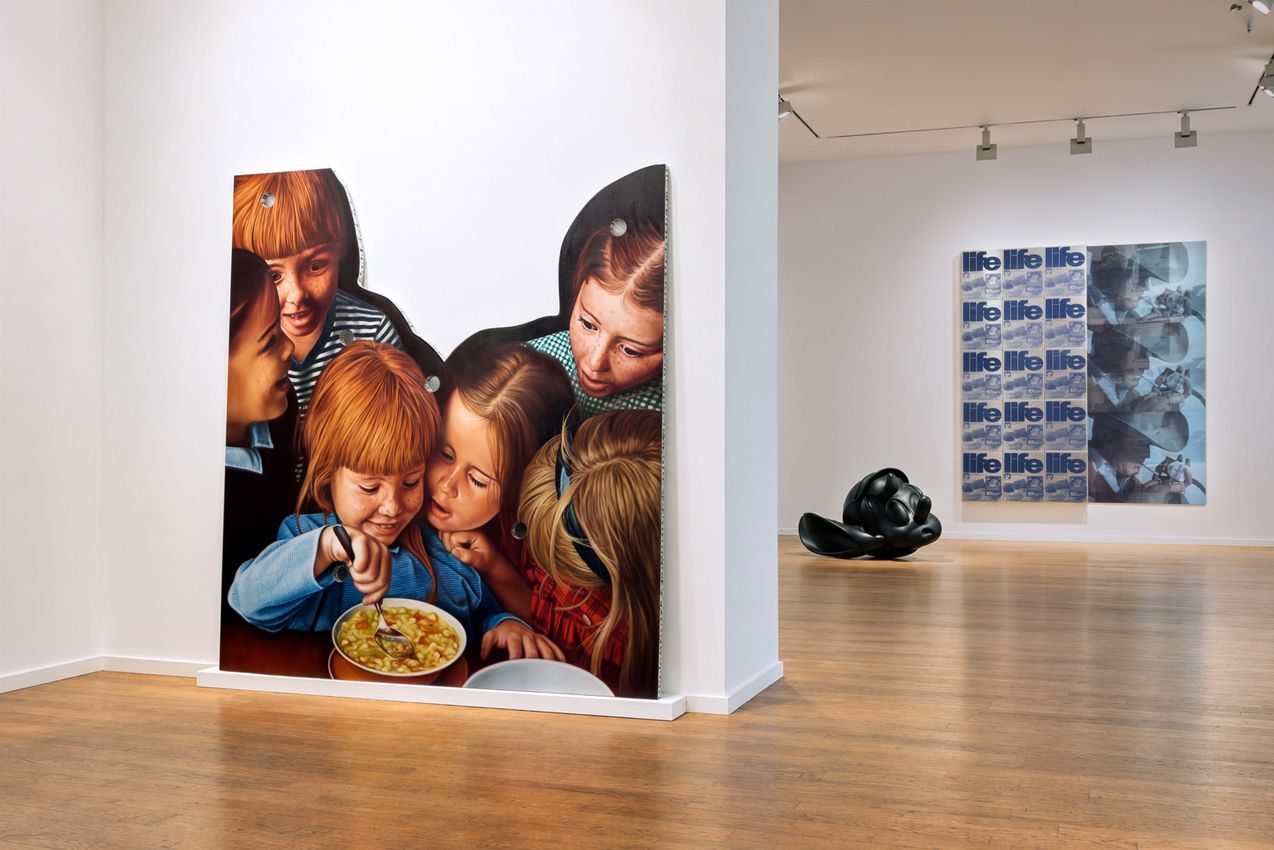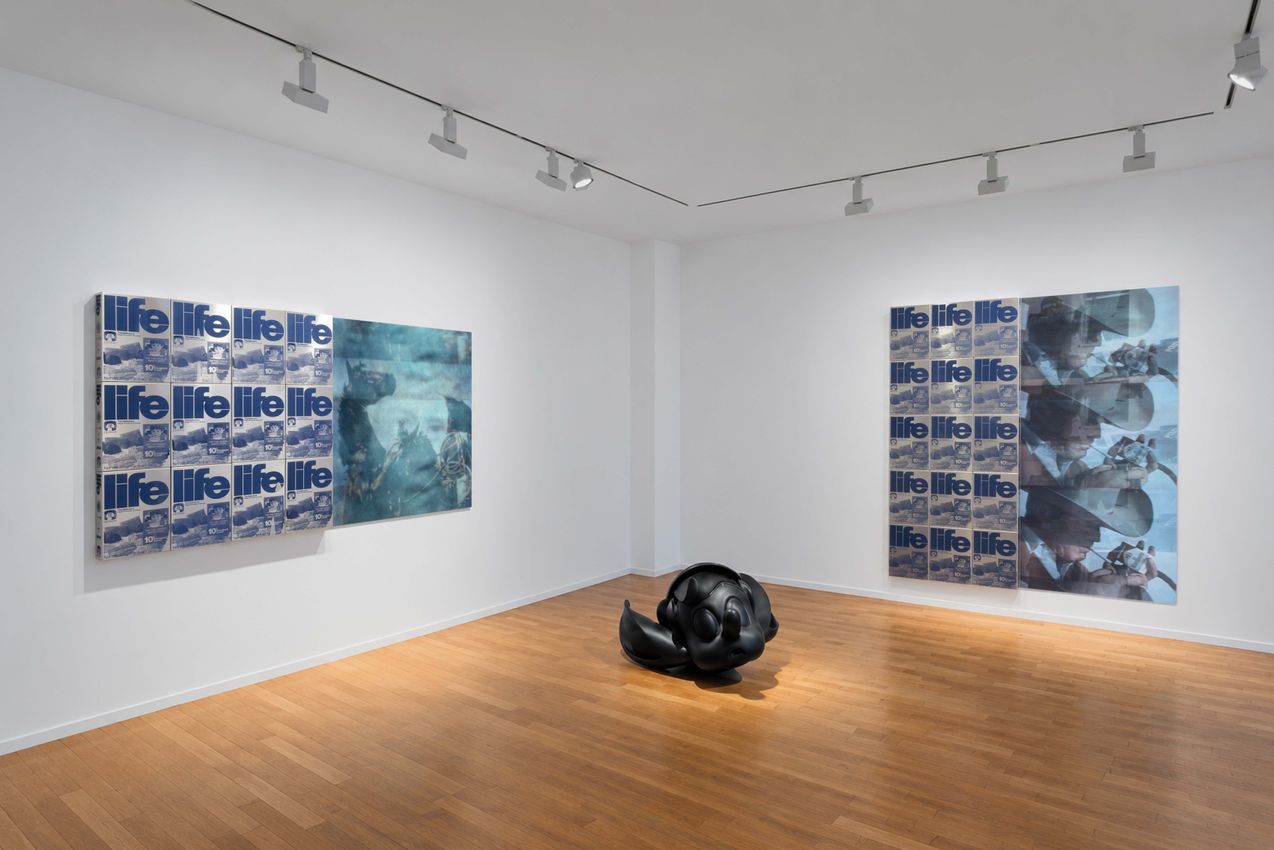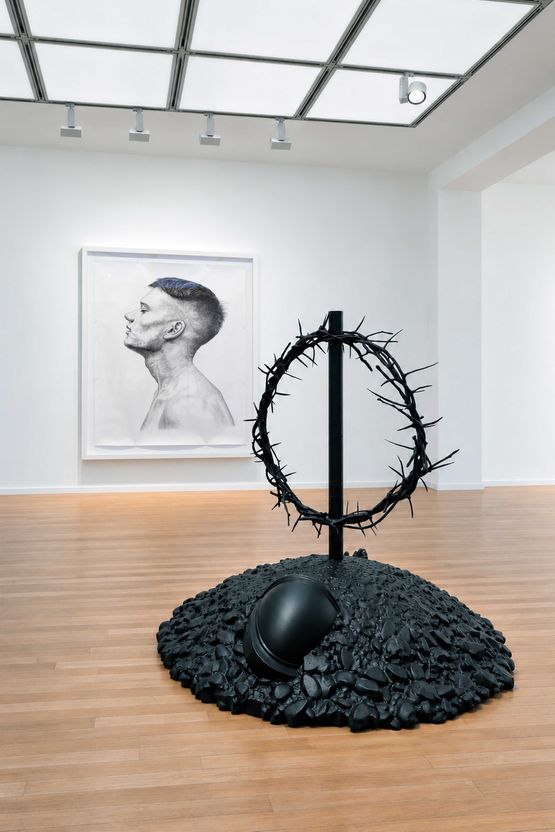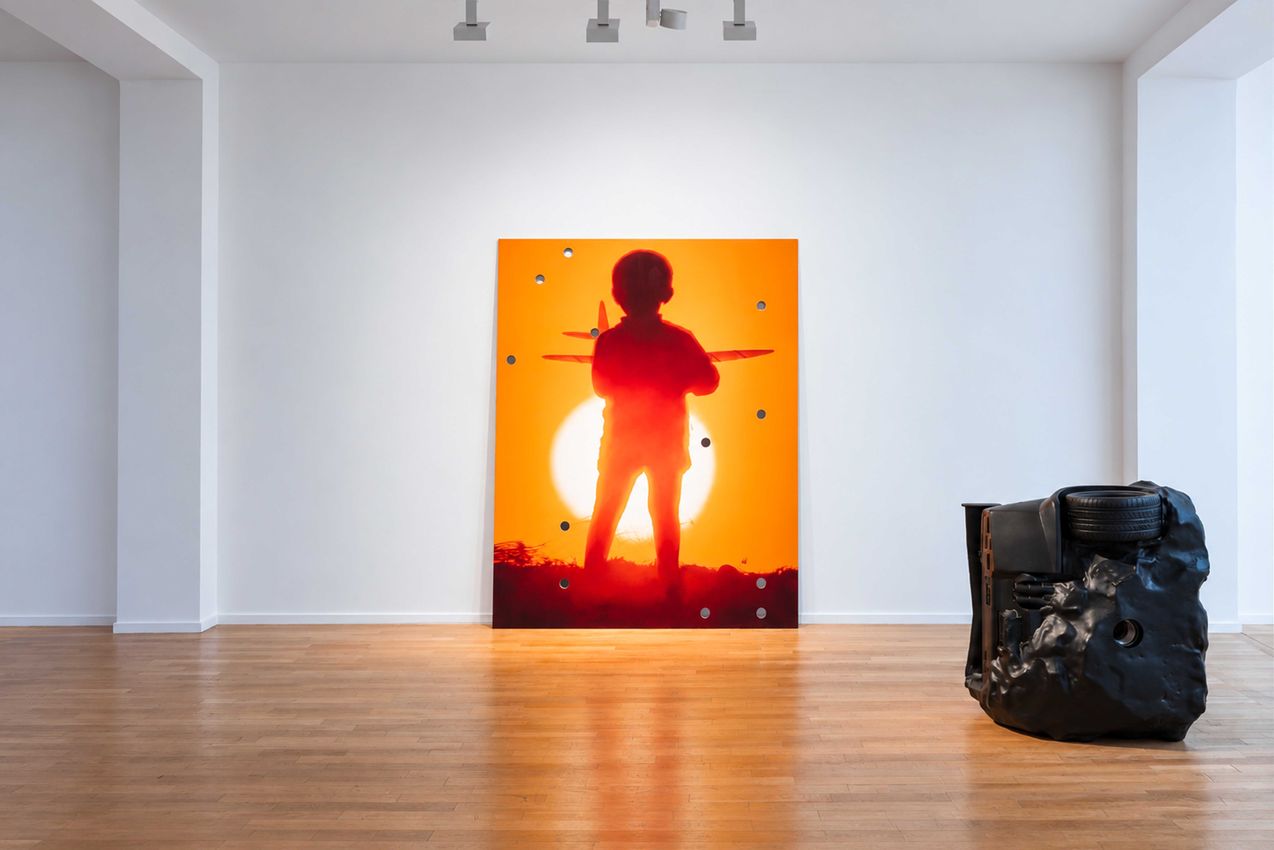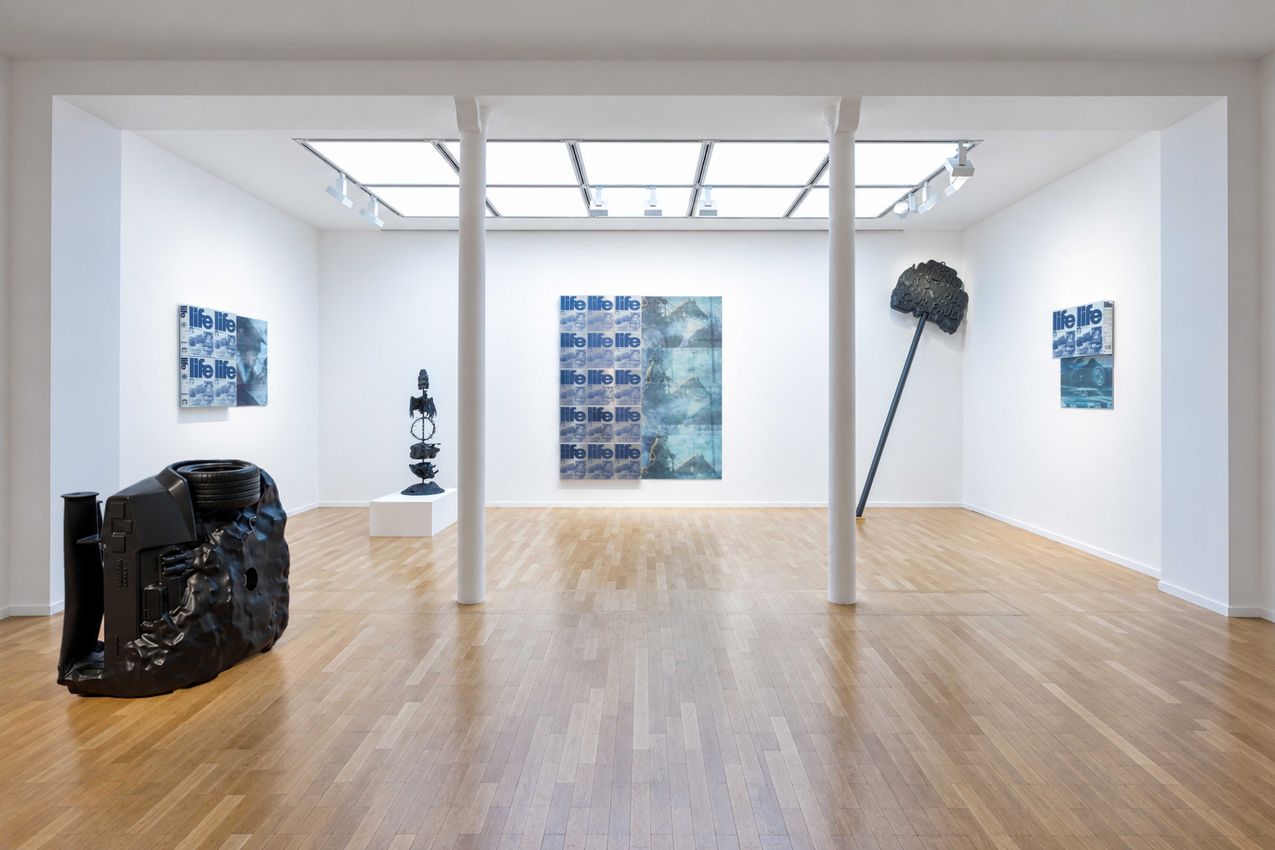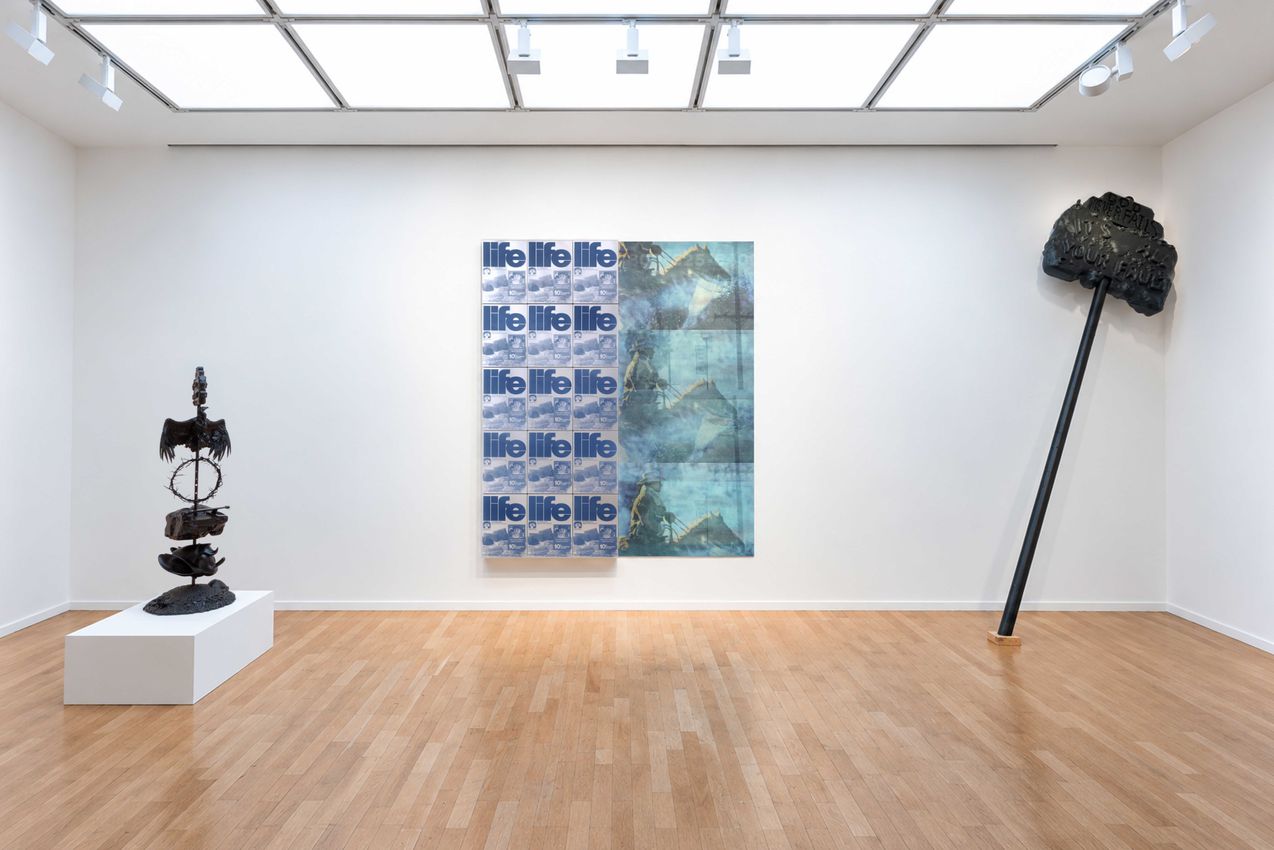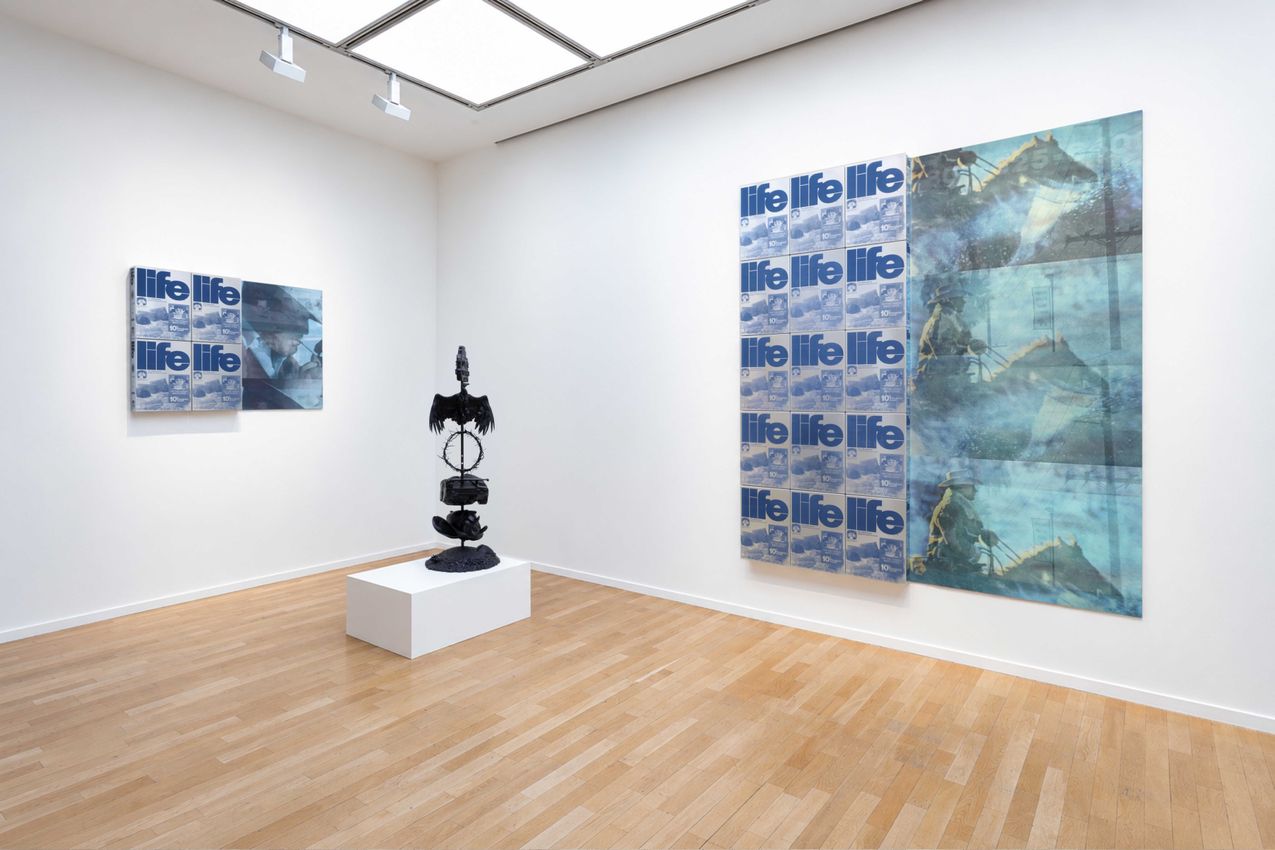




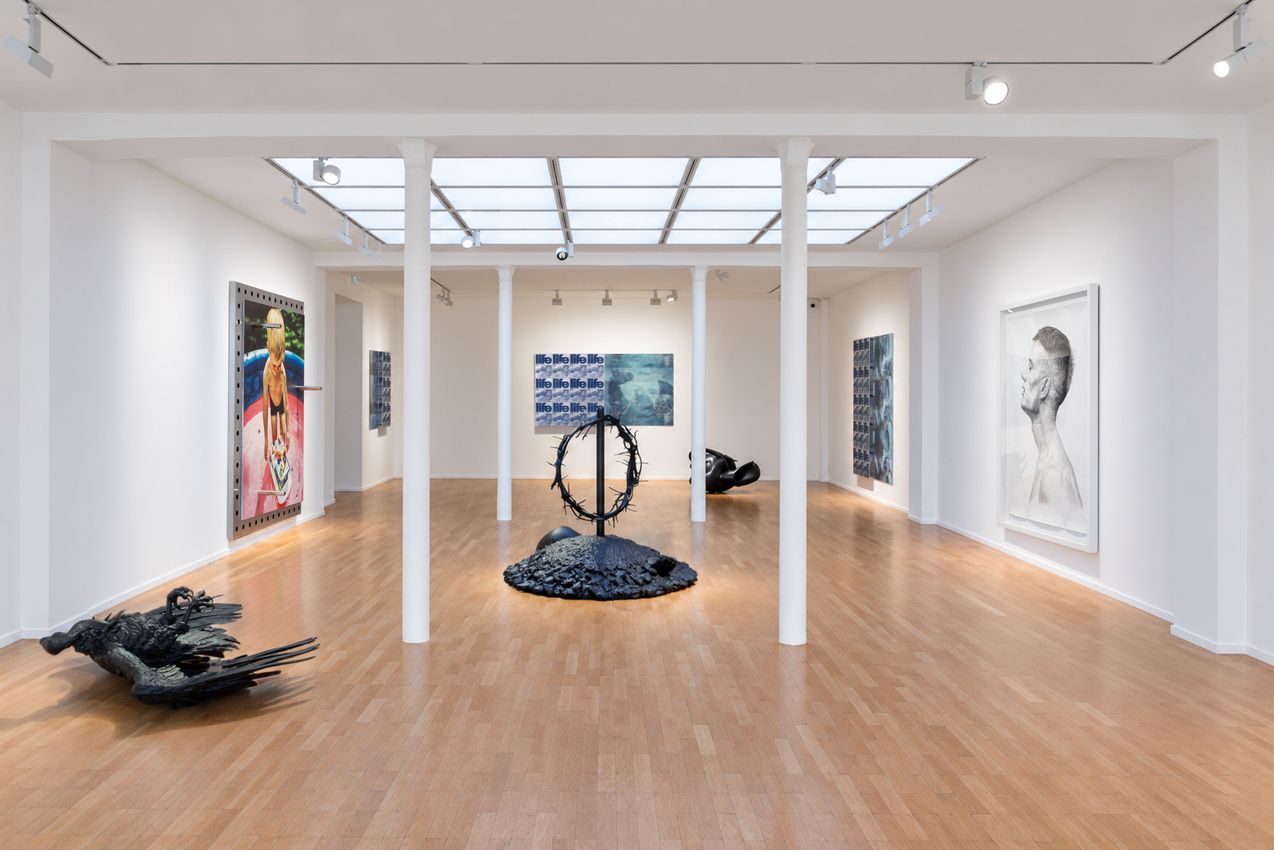
”Permanent Display_”_, the new solo exhibition by ROBIN KID at TEMPLON, Paris, questions how our culture, increasingly dominated by social media and A.I., harvests and merchandises our intimate and collective memories into consumable goods, depriving today’s youth of its present by reselling them permanent nostalgia of an imagined past**.******
Templon is pleased to present “Permanent Display_”_, Robin Kid’s fourth solo exhibition with the gallery.
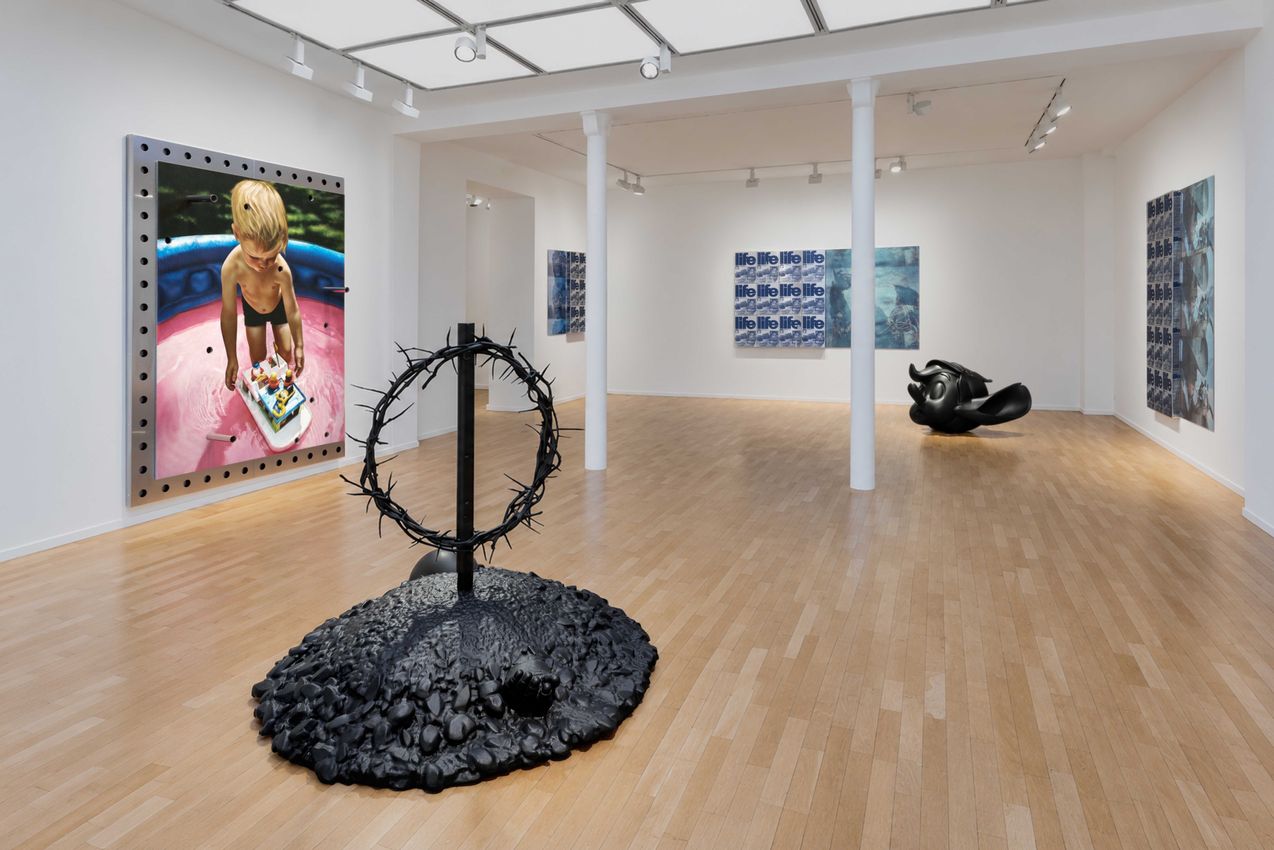
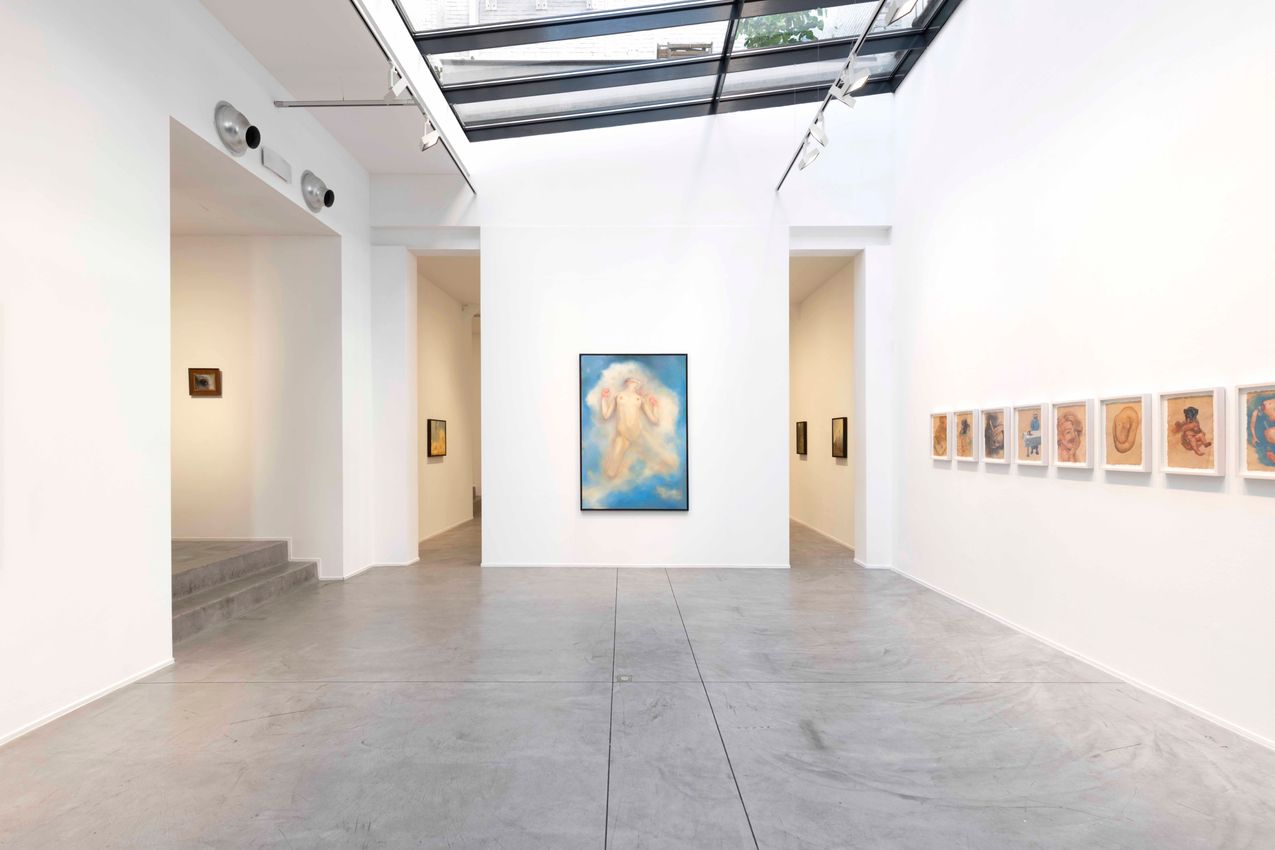
Conceived around the first presentation of works from his new LIFE series, the exhibition places a focused selection of works from the past decade into dialogue with this new body of work, allowing them to be encountered within a new constellation of meanings. Together, these works reveal the continuity of an artistic practice that examines how inherited cultural images shape our experience of the present
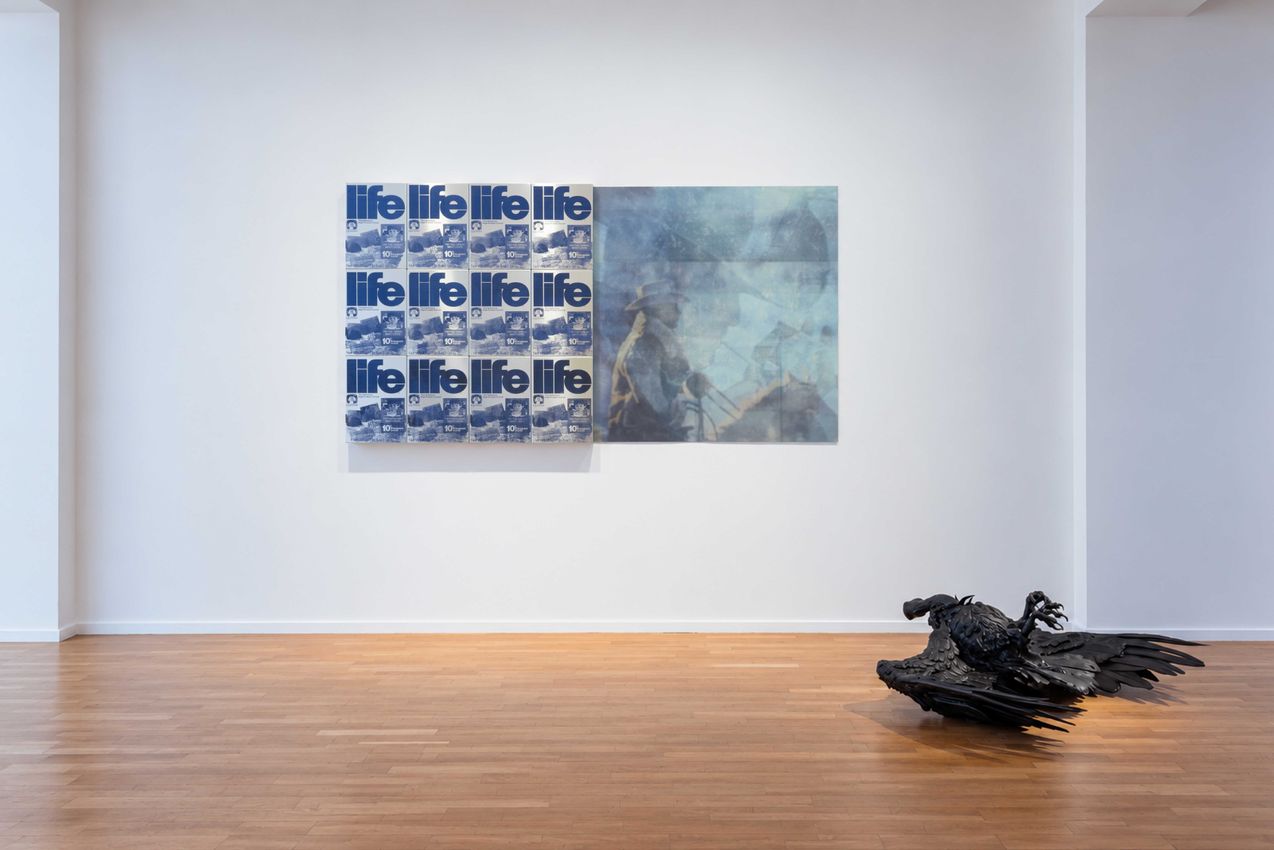
At the centre of the exhibition is LIFE, a new body of work developed by the artist over several years. Its conceptual origin can be traced to a lyric from The Doors’ 1968 song The Unknown Soldier: ”Breakfast where the news is read, television children fed, bullet strikes the helmet’s head.” Compressing domestic routine, mass media, advertising, and political violence into a single everyday scene, the song has become a lasting catalyst for Kid’s thinking. More than half a century later, the lyric’s observation feels strikingly contemporary. News, entertainment, advertising, and conflict continue to arrive through the same uninterrupted streams of images.
Combining silkscreened aluminum cereal boxes with layered paintings derived from images already shaped by reproduction – television broadcasts, news media, advertising, cowboy films, and social media – LIFE transforms disposable consumer packaging into permanent structures of display. Arranged in serial formations recalling both supermarket shelving and minimalist repetition, familiar images appear in successive states of legibility and erosion. Repeated until they begin to forget themselves, the works examine what happens when images survive longer than the worlds that produced them.
Growing up in a small Dutch mining town bordering an American military base, Kid first encountered America through his garden fence. Beyond it stood a recreated American suburb with its rows of white houses built for U.S. military families. A place he could glimpse but never enter. Back inside his own home, television filled the living room with cowboys, cartoons, commercials, sitcoms, and the evening news. As a child, the suburb beyond the fence became an extension of the television screen. That collapse between lived experience and mediated image continues to shape Kid’s work.
Throughout “Permanent Display_”, familiar figures of American culture return less as symbols of a national identity than as fragments of a visual vocabulary shared worldwide. Detached from their original contexts and continually reintroduced, they persist as fragments of a collective memory whose meanings become increasingly detached from the worlds that produced them. Cowboys, television broadcasts, suburban scenes, and domestic rituals return not as historical documents, but as images whose meanings continue to shift each time they reappear. As cultural theorist Mark Fisher observed, contemporary culture increasingly recycles its own past at the expense of imagining its future. “Permanent Display”_ explores what happens when images outlive the worlds that gave them meaning.

The gallery was founded in 1966 by Daniel Templon, who was then only 21. It first opened rue Bonaparte, in Saint-Germain-des-Prés in Paris, before moving in 1972 to its current location, rue Beaubourg, in the Marais, close to the Pompidou Centre, which opened in 1977. Daniel Templon first gained recognition by exhibiting conceptual and minimal artists such as Martin Barré, Christian Boltanski, Donald Judd, Joseph Kosuth, Richard Serra. In the seventies and eighties, Daniel Templon was one of the pioneers of the contemporary art and introduced many important American artists to the French public: Dan Flavin, Ellsworth Kelly, Willem de Kooning, Frank Stella, Andy Warhol. The gallery quickly became one of the references in contemporary art in France. In 1972, Daniel Templon and Catherine Millet co-founded the monthly art magazine ART PRESS.

A respected voice in contemporary art discourse.
Focusing on ambitious storytelling and insightful art-world commentary. Ocula Magazine publishes in-depth interviews, critical essays and timely analysis on the artists, exhibitions and ideas driving the global art world.
Learn more about Ocula Magazine
Showcasing the best of the art world.
Ocula partners with galleries from around the world to highlight their artists, artworks and exhibitions. Gallery membership is by application and invitation, with each member vetted by an independent panel.
Learn more about Ocula Membership

Specialises in the sale of major artworks.
Led by a team with deep ties to the world’s leading auction houses, galleries and collectors. Ocula’s advisory team offers bespoke services to high-net-worth clients from around the world who are looking to acquire the best of contemporary and modern art.
Learn more about our team and services