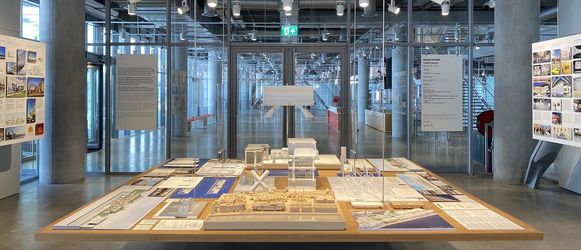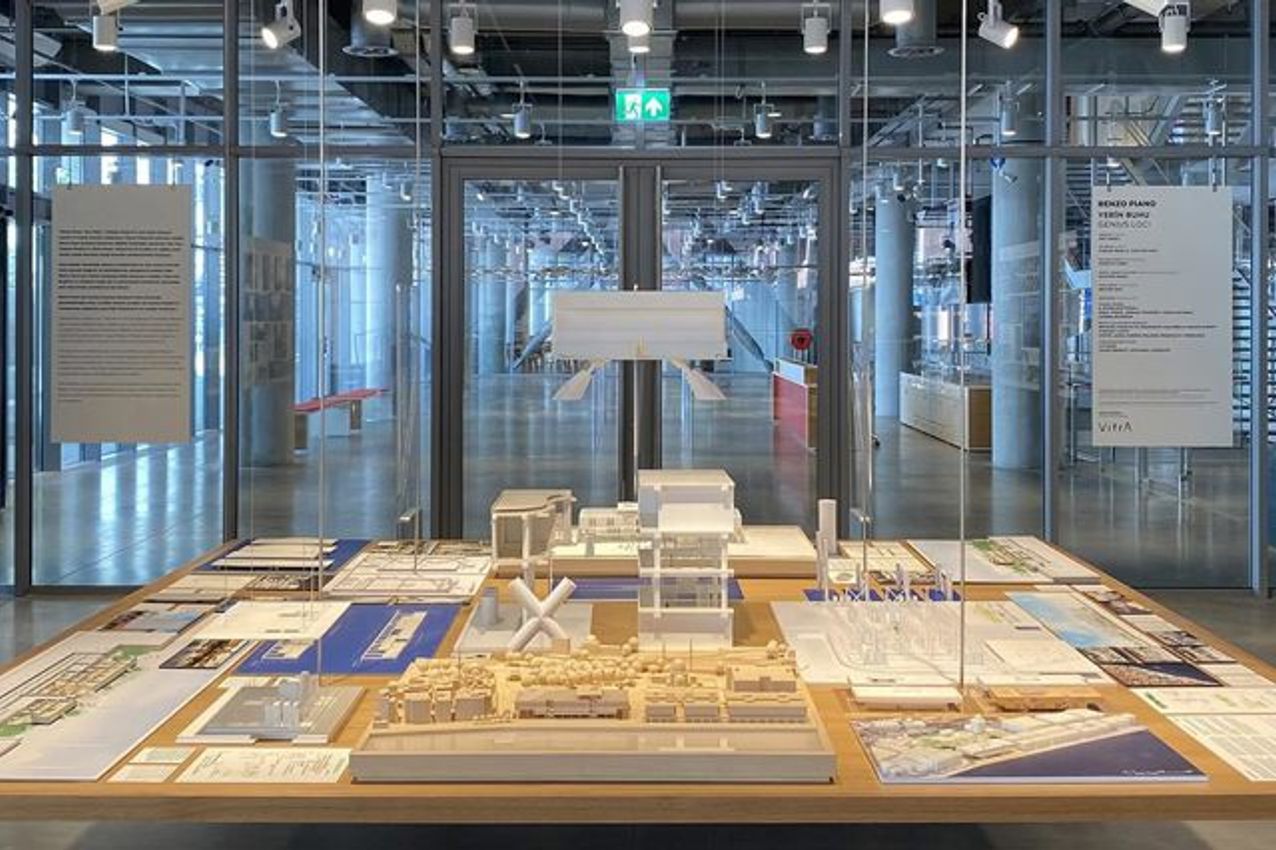
“Renzo Piano: Genius Loci” focuses on the architecture of Istanbul Modern’s new museum building and its design and construction process, which spanned six years. Designed by Renzo Piano Building Workshop (RPBW), the new building greets art lovers at the same location where Istanbul Modern opened its doors in 2004 as Turkey’s first museum of modern and contemporary art. The title of the exhibition refers to the architectural understanding of Renzo Piano, whose vision is to integrate tangible elements and non-physical qualities of the building site. “Renzo Piano: Genius Loci” examines in detail the design process and structural components of the new museum building, which Piano designed taking inspiration from the light and atmosphere unique to the Bosphorus and Istanbul. The exhibition also surveys the various artistic and cultural projects that Renzo Piano has realized throughout his career in different parts of the world as well as the transformation Istanbul Modern has undergone since its foundation. “Renzo Piano: Genius Loci” is located at the entrance of the library on the museum’s ground floor, which is open to the public free of charge. A Turkish-English monograph on Istanbul Modern’s new building, prepared by the Renzo Piano Foundation as part of the book series on RPBW buildings, presents the reader with a record of the new building’s journey.

Born into a family of builders, Piano connects his coastal upbringing in Genoa to the evolution of certain constants in his architecture: an obsession with light and its effect on the dynamic potential of built space. He formed the Piano & Rogers Atelier with Richard Rogers in 1971. The same year, the London–based studio won the commission for the Centre Georges Pompidou in Paris—an audacious challenge that transformed the academic idea of the museum into a highly flexible toolbox building, with all technical functions fully exposed. Since then, Piano has become the most sought-after museum architect in the world for his ability to harmonise buildings with their surroundings and the artworks exhibited within them. Innovative technologies enhance these highly functional spaces, but succumb visually to the serene formal neutrality, guided by natural light, for which the Building Workshop is known—which Piano refers to as ‘the immaterial elements of space.’


A respected voice in contemporary art discourse.
Focusing on ambitious storytelling and insightful art-world commentary. Ocula Magazine publishes in-depth interviews, critical essays and timely analysis on the artists, exhibitions and ideas driving the global art world.
Learn more about Ocula Magazine
Showcasing the best of the art world.
Ocula partners with galleries from around the world to highlight their artists, artworks and exhibitions. Gallery membership is by application and invitation, with each member vetted by an independent panel.
Learn more about Ocula Membership

Specialises in the sale of major artworks.
Led by a team with deep ties to the world’s leading auction houses, galleries and collectors. Ocula’s advisory team offers bespoke services to high-net-worth clients from around the world who are looking to acquire the best of contemporary and modern art.
Learn more about our team and services