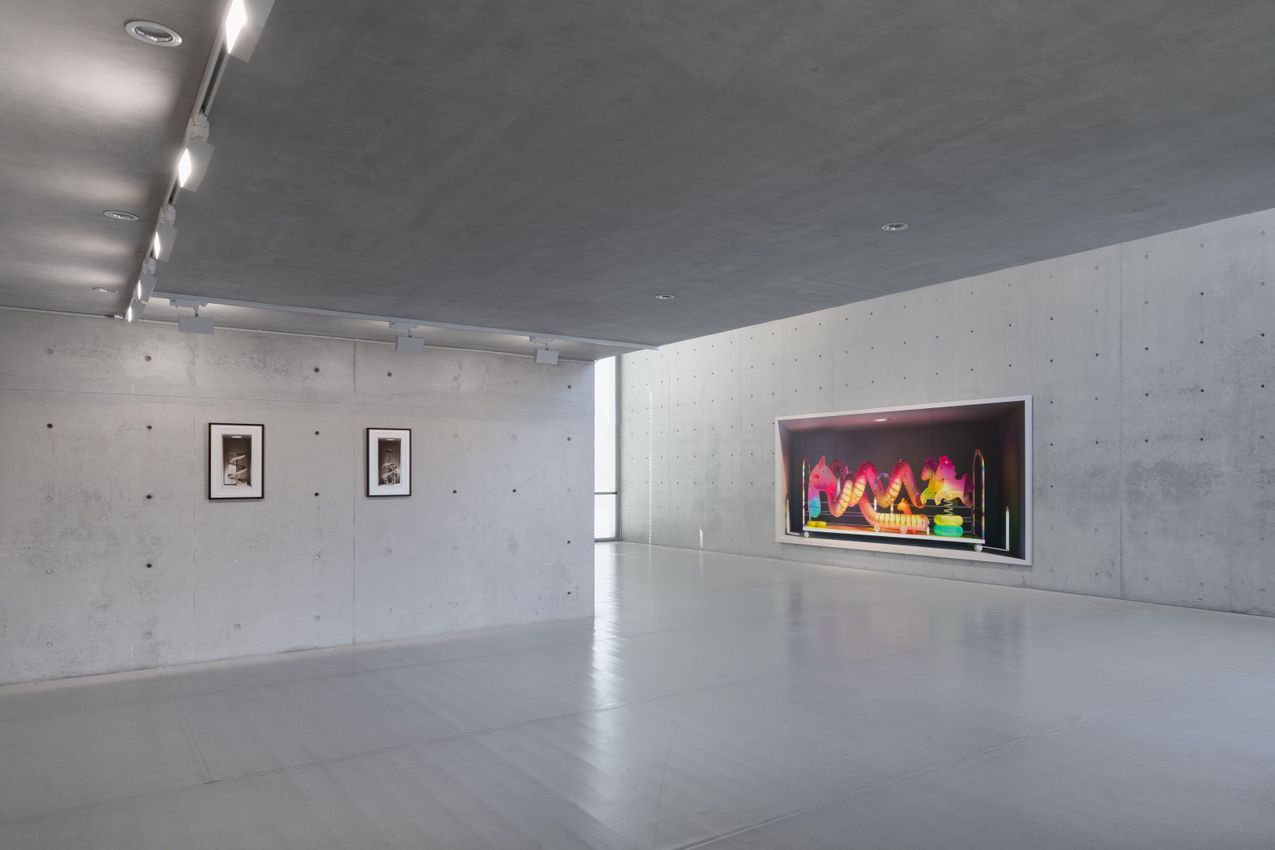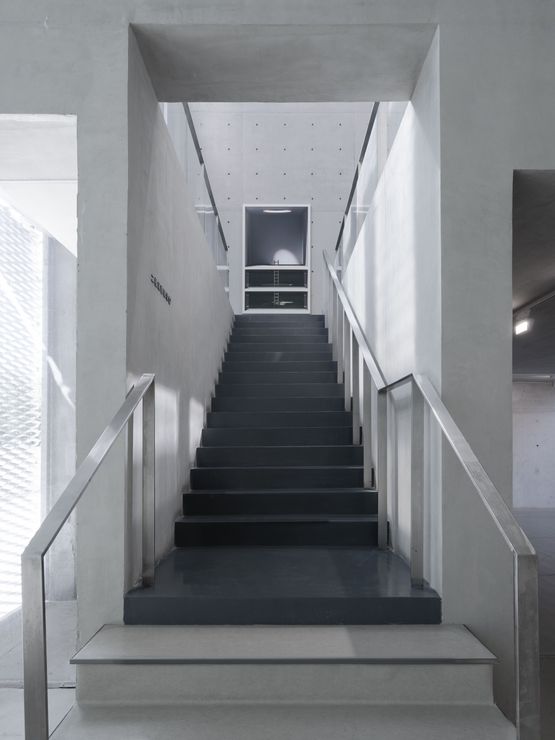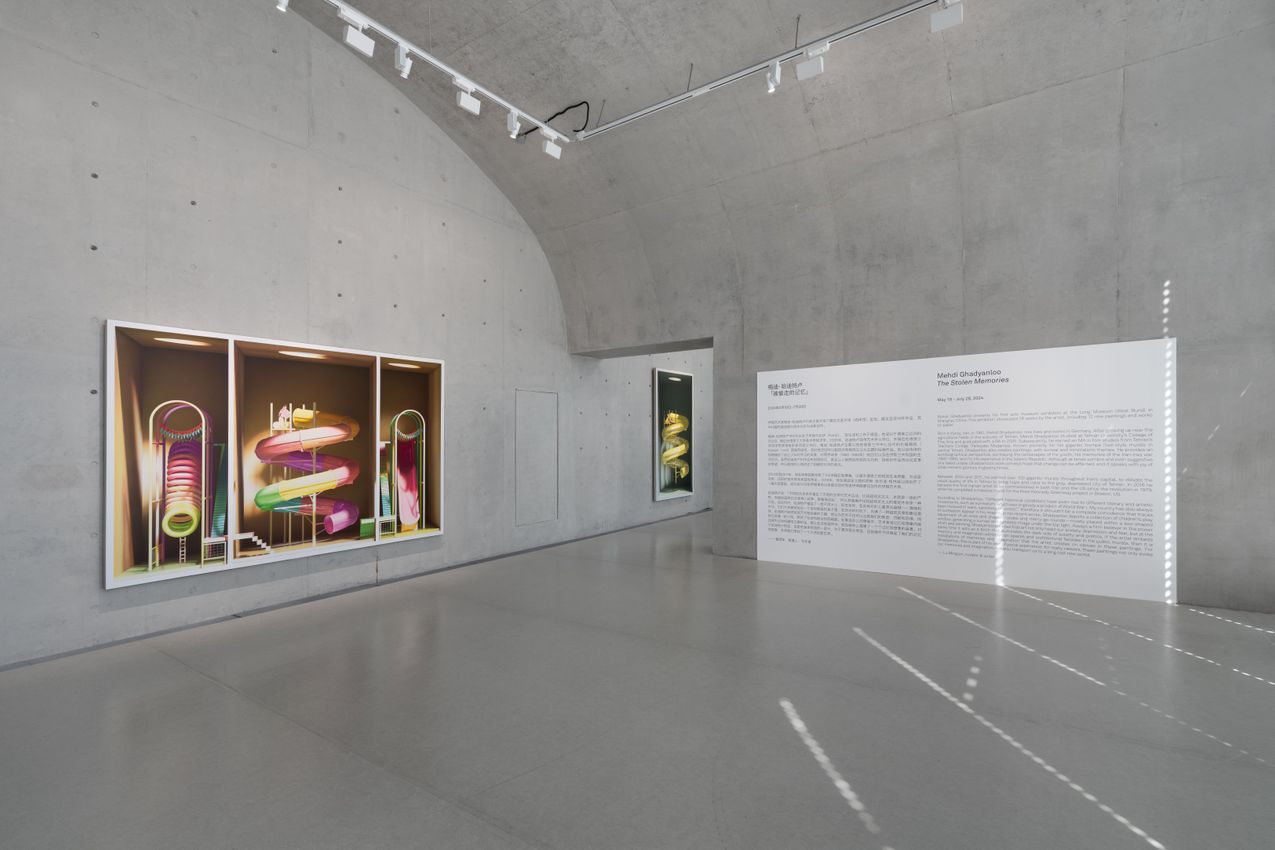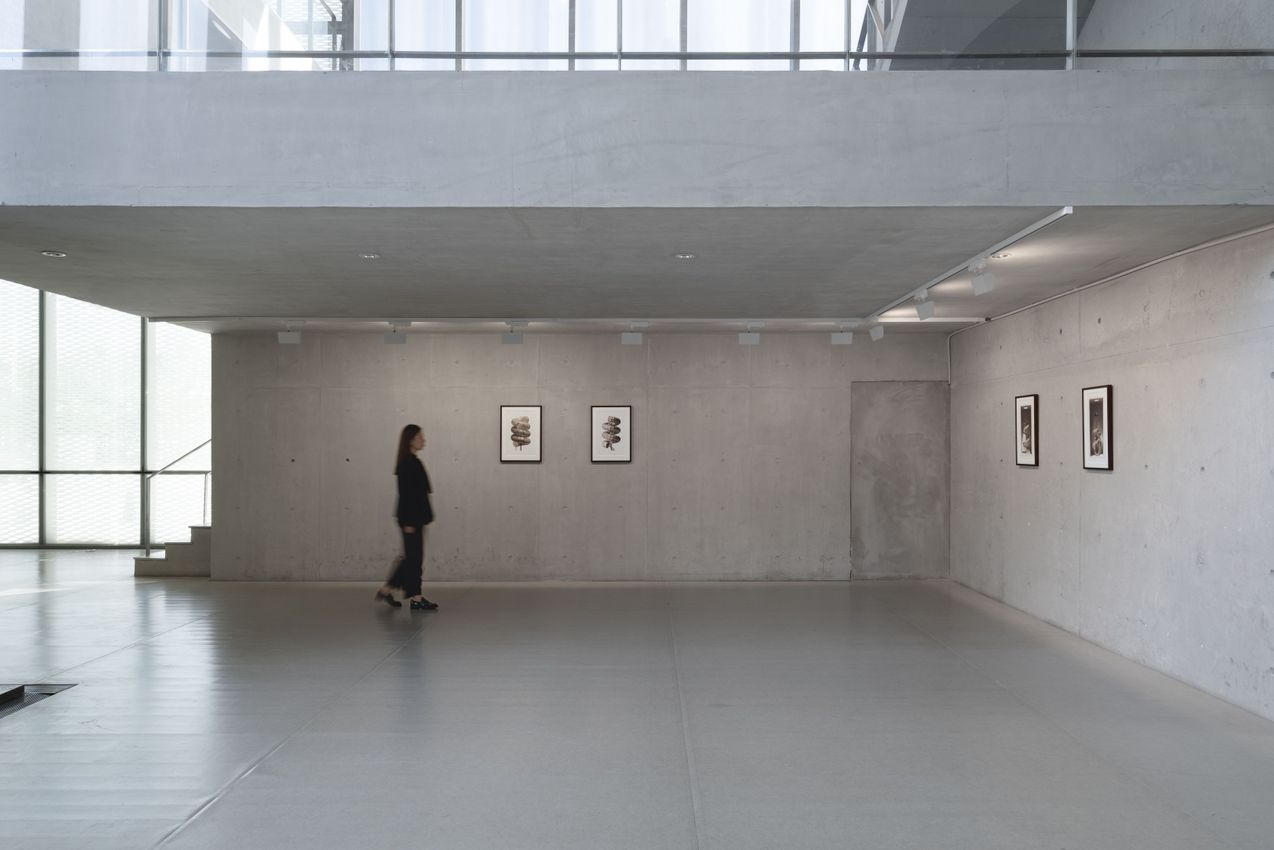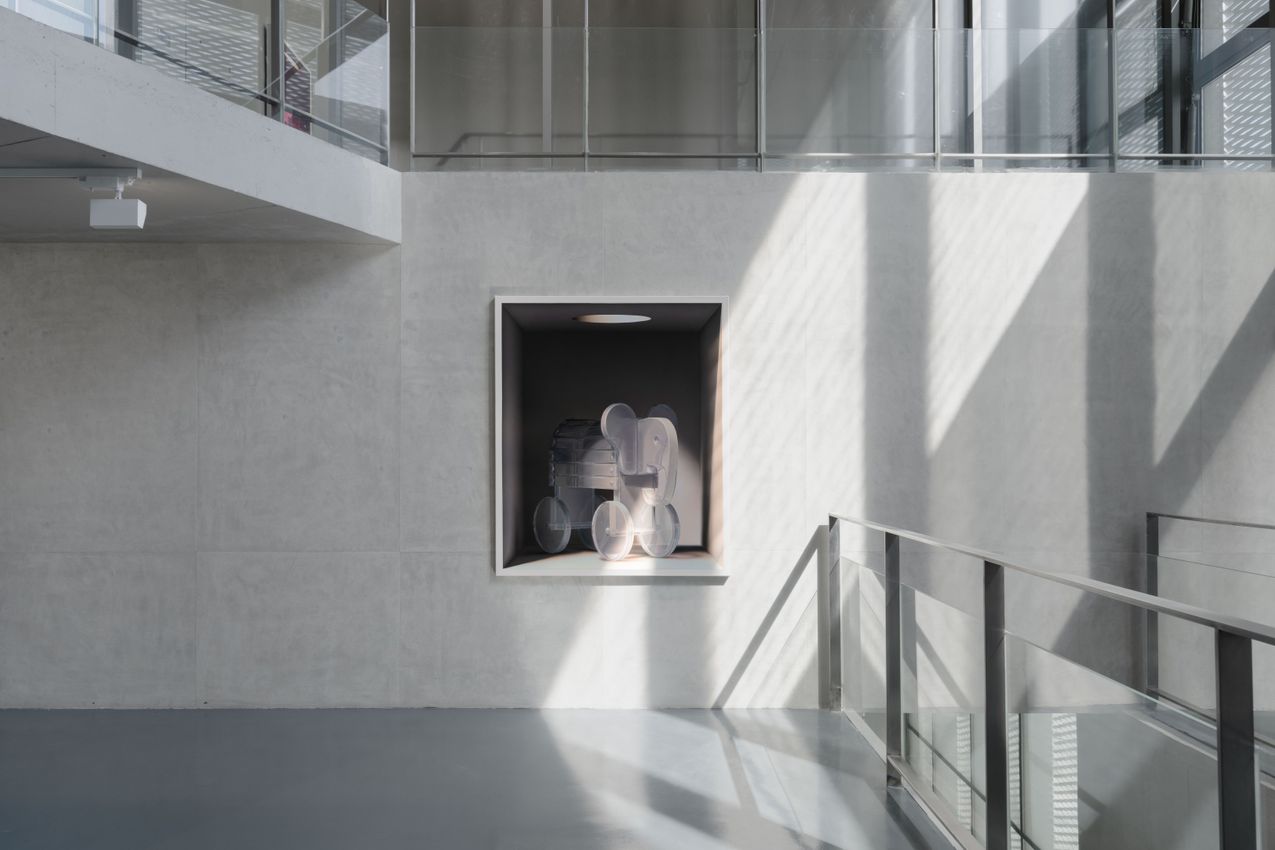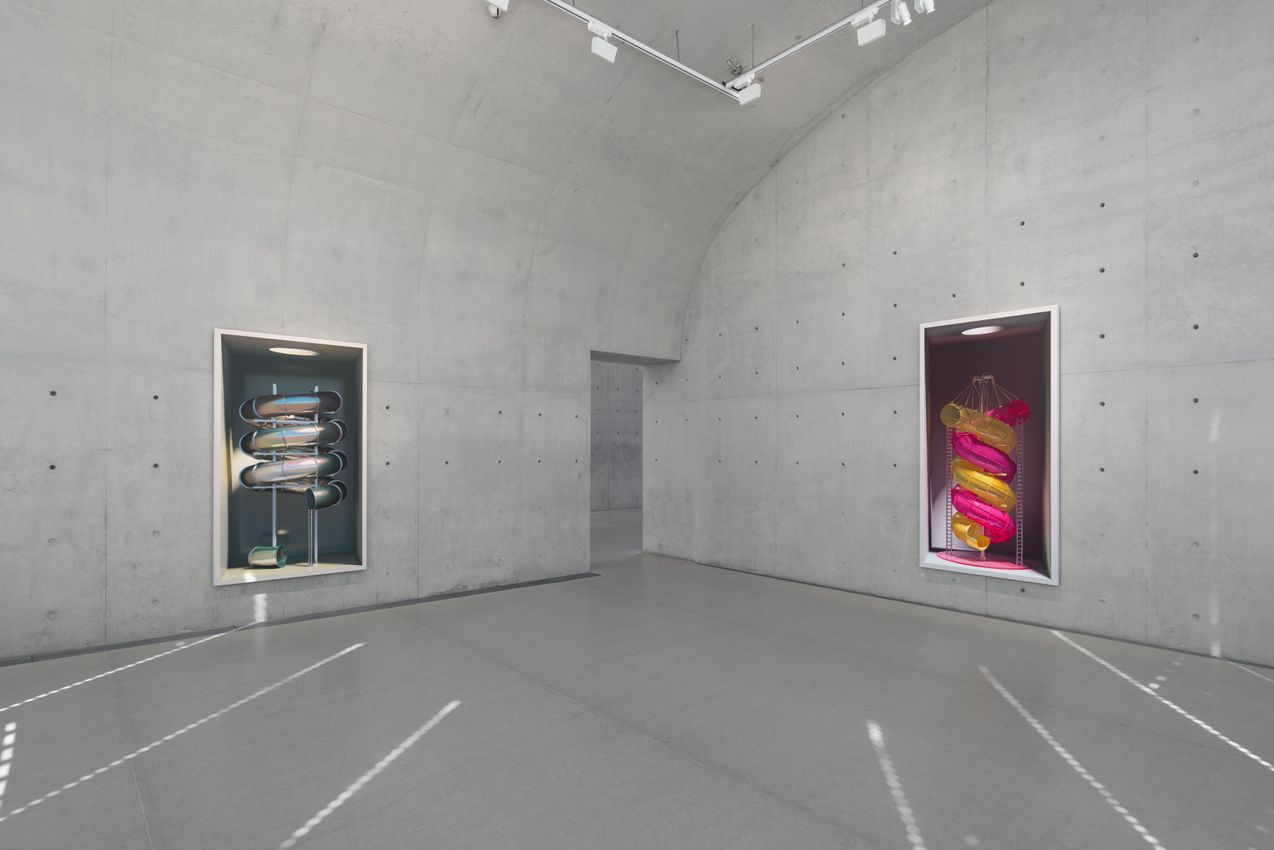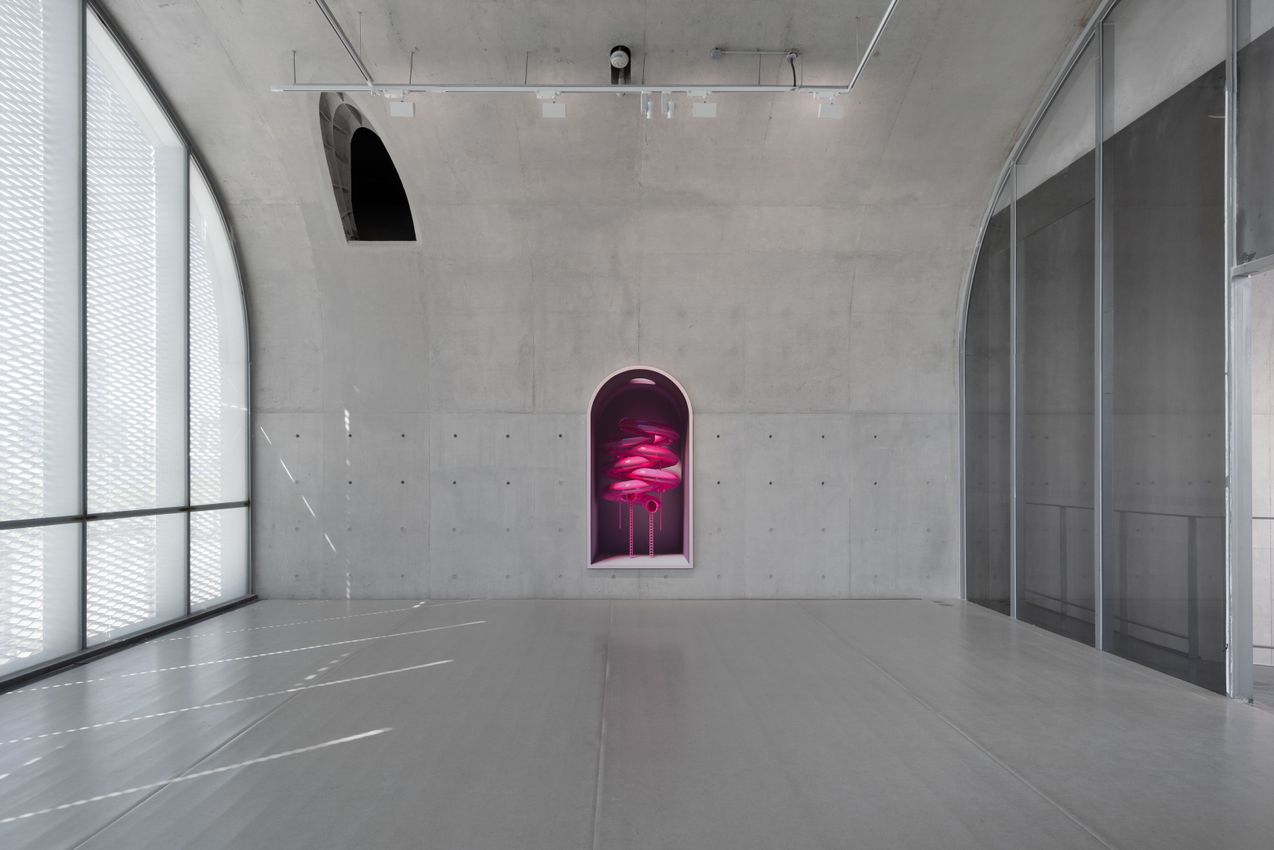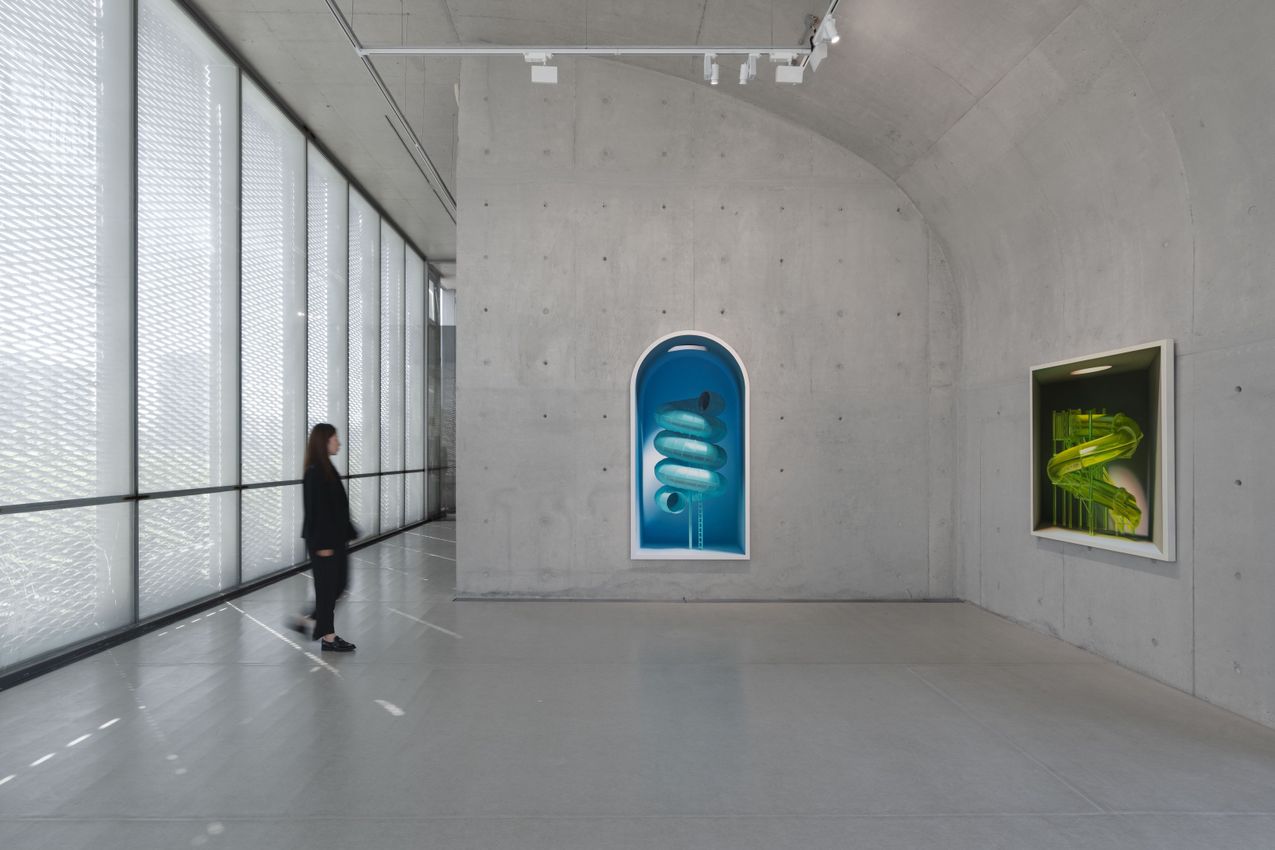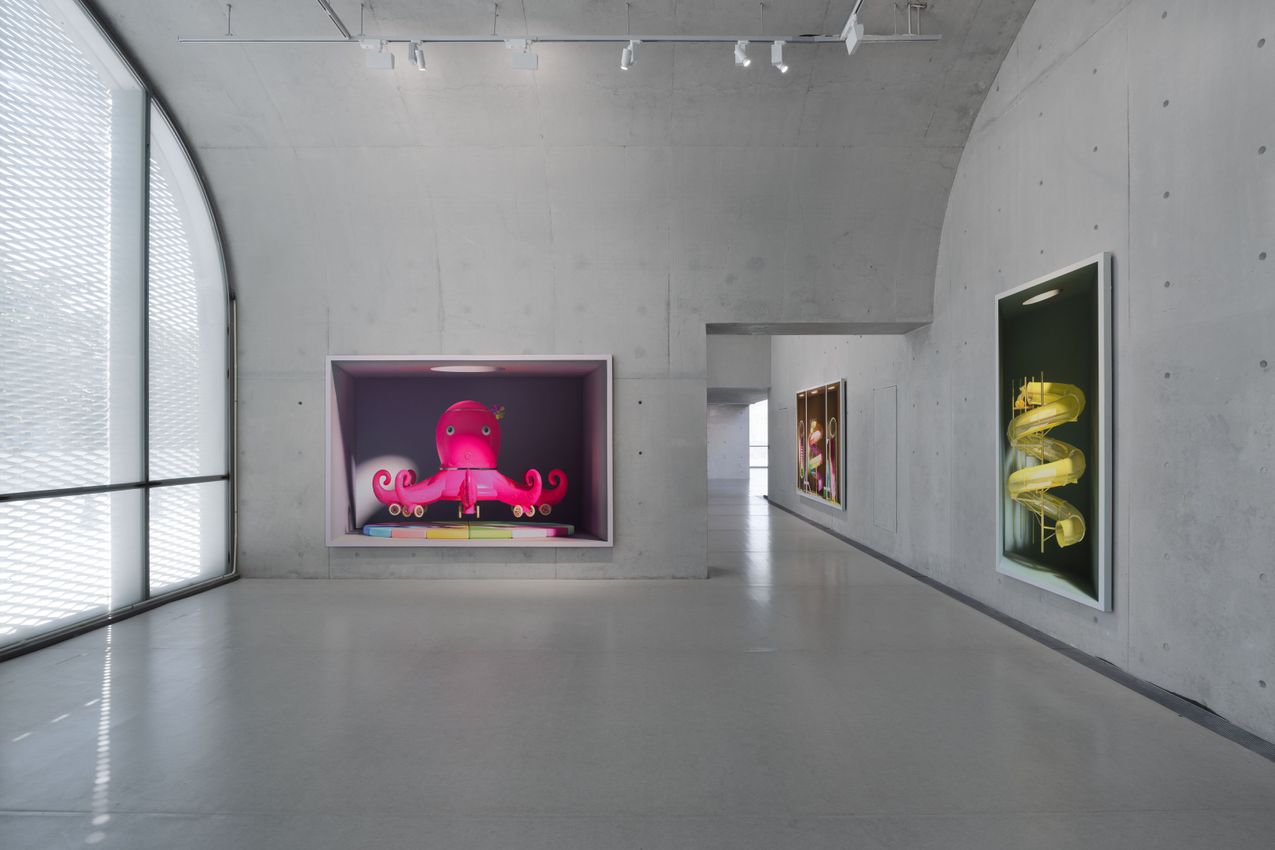
Mehdi Ghadyanloo, will present his first solo museum exhibition at Long Museum (West Bund), in Shanghai China. Featuring 12 new paintings and works on paper alongside older works, the exhibition will be on view from May 18 to July 28.
Mehdi Ghadyanloo was born in 1981 in Karaj, a northern city in Iran. Two years earlier, Ruhollah M. Khomeini, a Shiite Muslim leader in Iran, launched a revolution to overturn the Pahlavi dynasty and implement “total Islamisation” throughout the country. The revolution was successful in February 1979, and the Islamic Republic was established. Khomeini’s ascension to power represented the triumph of an anti-Western, secular Islamic revival movement. More than a year later, the Iran-Iraq War began and lasted until 1988. Ghadyanloo grew up in an era of theocratic government and conflict, with his father reportedly serving on the front lines.
As such, Ghadyanloo’s yearning for a better life had been with him since boyhood, until one day, when he had the opportunity to pick up a brush and pour out his fantasies on urban street corners, he finally found true release. In an open call for artists to beautify the city of Tehran by the municipality of Tehran, Ghadyanloo has produced over a hundred public murals in Tehran alone, scattered throughout the city.
However, the artist chose not to paint on the well-known religious architectural treasures of Iranian past, but rather grace the contemporary industrial-style structures in shades of grey and white left from the unmature modernised Tehran that started its urban planning from pre revolution, thus erasing the grey and somber ambiance of the city while evoking moments of joy for the city’s residents. Perhaps this affected the artist to not work with religious motifs, or reshape their sanctity and symbolism. Instead, he cleverly integrates his boundless surrealist imagination and spatial narratives into the architecture, allowing the buildings to blend in with the natural environment through a dream-like manner.
Thus, when you come to a cramped street corner and look up, what appears to be a meadow nearby, upon closer inspection, turns out to be a painting on the facade of a building; when you ascend to the top of a building, what appears to be an ocean with a deep vortex in the middle, once approached, feels as though you could fall in at any moment... These paintings remind us of a famous anecdote from Giorgio Vasari’s The Lives of the Artists: “One day, Giotto painted a fly on the nose of a figure started by his teacher Cimabue, and when Cimabue returned to the painting, he tried to swat it away several times before realising he had been tricked.” However, creating optical illusions is not Ghadyanloo’s true purpose. More often, what we see is a hollow Islamic-style arch floating in the air like a mirage; a giant semi-hollow coloured installation wrapped within a cluster of grey buildings; a huge spiral hole through the centre of a building, with onlookers around the hole looking at the audience “gazing up” (reminding me of the ceiling frescoes by the Italian Renaissance painter Andrea Mantegna in the Ducal Palace of Mantua)...The artist creates one absurd, humorous, and childlike utopian scene after another, permeating buildings and transcending time and space, much like the artificial environment of “The Truman Show.” As the audience walks from place to place, an unconscious elevation and unease arise within, and at that moment, it seems as if the entire city, even the entire world, might take flight.
In “Manifestoes of Surrealism” by André Breton, he writes: “I believe in the future resolution of these two states, dream and reality, which are seemingly so contradictory, into a kind of absolute reality, a surreality...if one may so speak.” Surrealism is more than just the recreation of dreams or a rejection of reality, but a balance between two seemingly contradictory states, or rather a revelation of their contradictions, which then appeals to a broader and more brilliant reality.
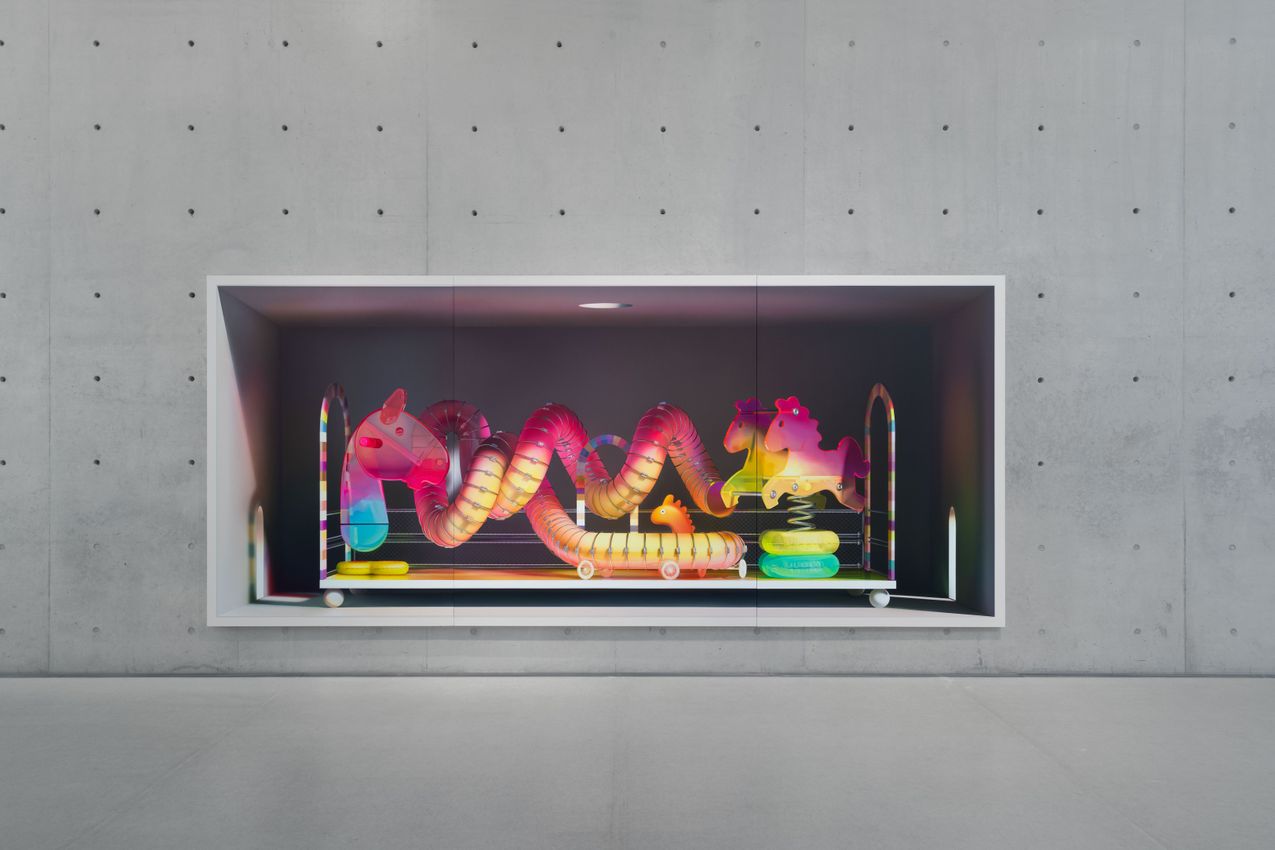
The most common motifs in Ghadyanloo’s murals are display windows (or boxes) and playground equipment for children, which are evidently related to his childhood memories. After all, in a war-torn era, being able to play outside freely was an unattainable luxury for a child. When the war ended and free play became allowed, his boyhood had already passed. Thus, what could not be can only be placed in a series of display windows (or boxes), laid out on canvas. Ghadyanloo has previously stated that “Different historical conditions have given rise to different literary and artistic movements, such as surrealism, which was originally a product of World War I. My country has also always been involved in wars, sanctions or unrest, so it shouldn’t be a complete coincidence that traces of surrealism appear in the images.”
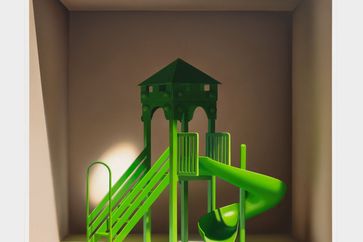
In his recent works, Ghadyanloo depicts a collection of children’s play equipment of all sizes and shapes—slides and merry-go-rounds—mostly placed within a box-shaped window, generating a surreal and symbolic image under the top light. Always a firm believer in the power of art and painting, Ghadyanloo believes that art not only heals our anxiety, depression and fear, but at the same time it acts as a torch that illuminates the dark side of society and politics. If the artist embeds memory and imagination within urban spaces and architectural facades in his public murals, then it is installations of memories and imagination that the artist creates on canvas in these paintings. For Ghadyanloo, this is part of his own physical experience; for many viewers, these paintings not only evoke our memories and imagination, but also transport us to a long-lost new world.— Lu Mingjun, curator and writer


Mehdi Ghadyanloo combines minimalist themes and a surrealist aesthetic in his trompe-l’œil paintings, using acrylic, oil, or watercolour. He began his career as a muralist in Tehran in the early 2000s, when, following a call for proposals by the city, he produced almost one thousand gigantic wall paintings, including dreamlike landscapes and science-fiction scenes.

Founded by Chinese couple collectors, Mr. Liu Yiqian and his wife, Ms. Wang Wei, the Long Museum owns two huge places for exhibition and related functions: Long Museum Pudong and Long Museum West Bund. Located respectively in Pudong New Area and Binjiang, Xuhui District, they constitute a unique ecosystem of art in Shanghai: “One City, Two Museums.” As the largest private institution of collection in China, the Long Museum boasts of the richest collection nationwide.

A respected voice in contemporary art discourse.
Focusing on ambitious storytelling and insightful art-world commentary. Ocula Magazine publishes in-depth interviews, critical essays and timely analysis on the artists, exhibitions and ideas driving the global art world.
Learn more about Ocula Magazine
Showcasing the best of the art world.
Ocula partners with galleries from around the world to highlight their artists, artworks and exhibitions. Gallery membership is by application and invitation, with each member vetted by an independent panel.
Learn more about Ocula Membership

Specialises in the sale of major artworks.
Led by a team with deep ties to the world’s leading auction houses, galleries and collectors. Ocula’s advisory team offers bespoke services to high-net-worth clients from around the world who are looking to acquire the best of contemporary and modern art.
Learn more about our team and services