



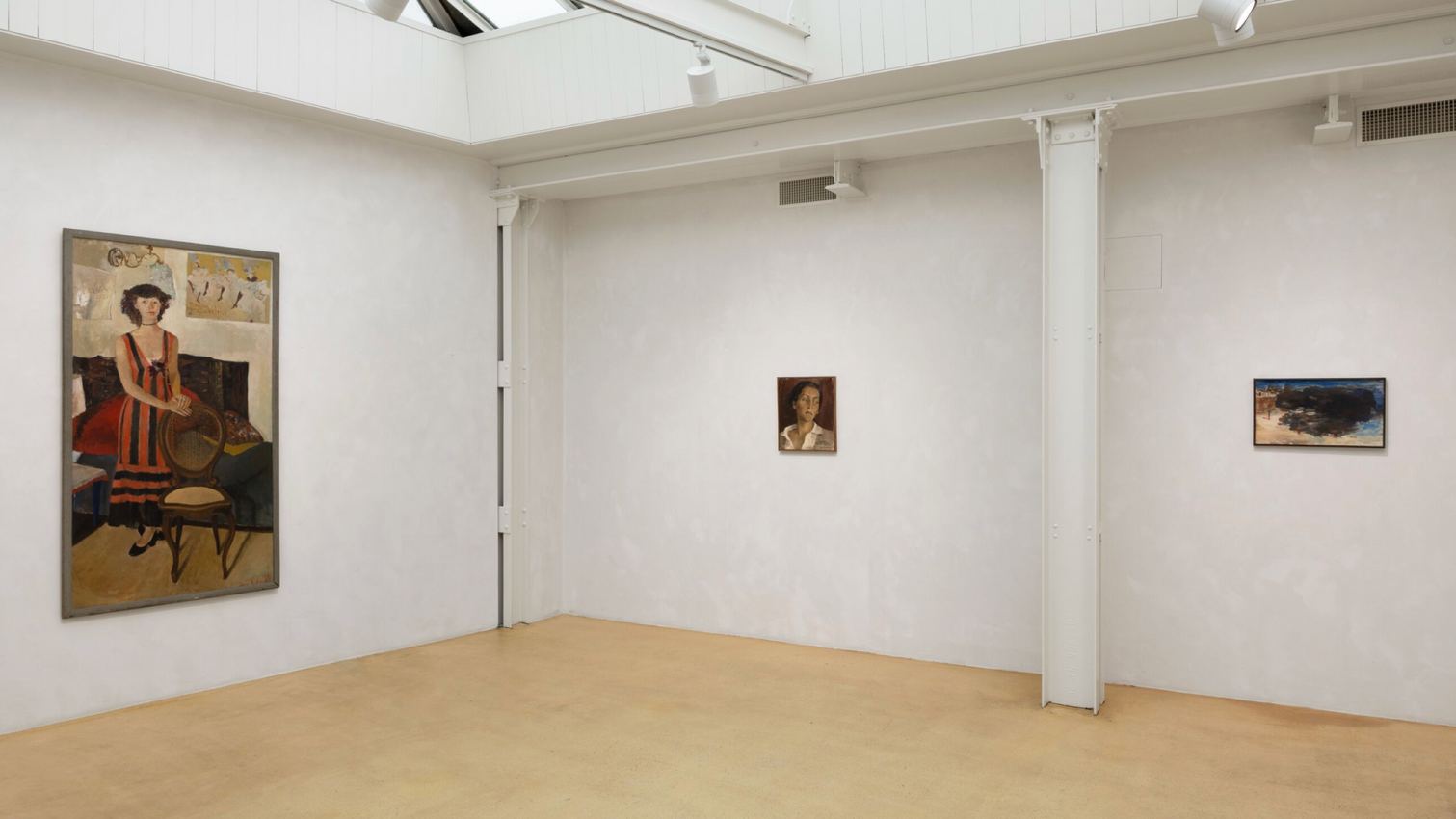
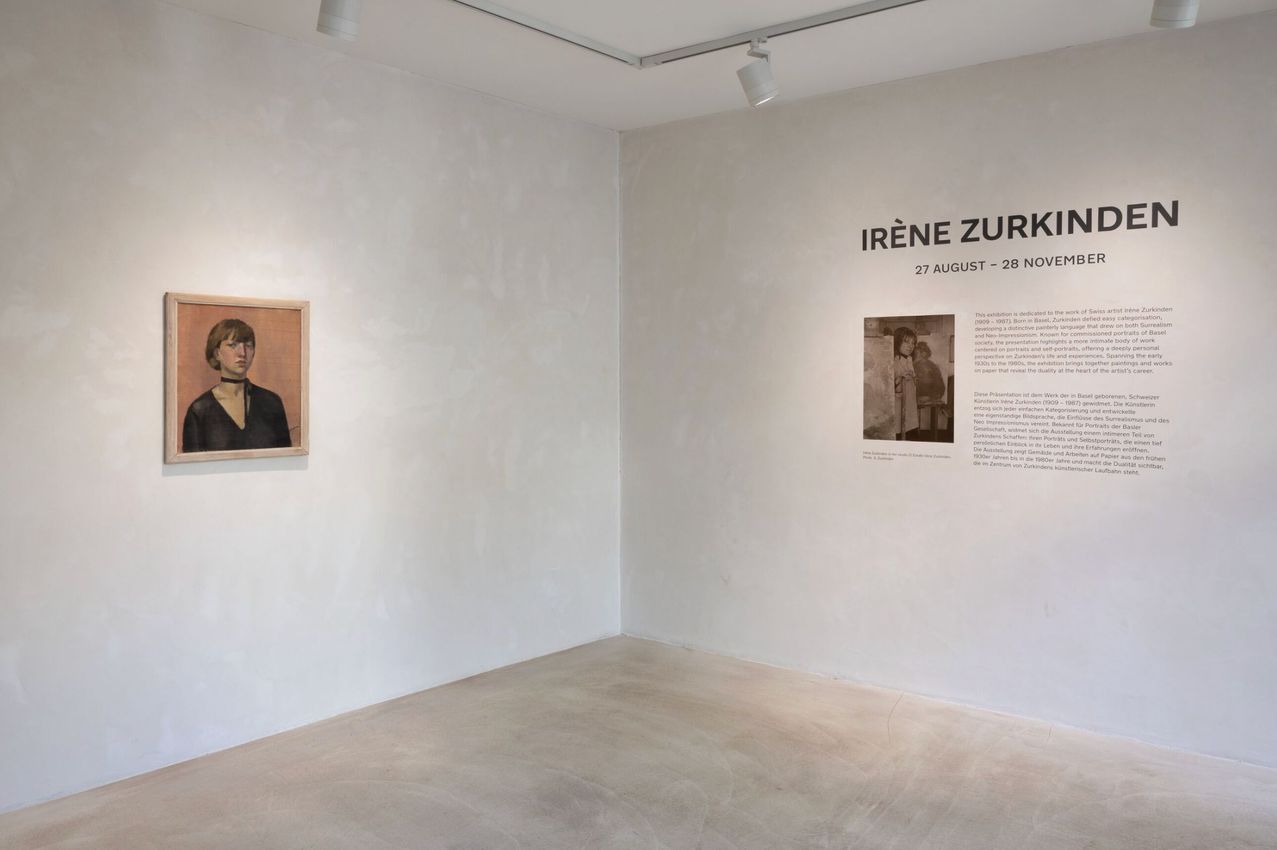
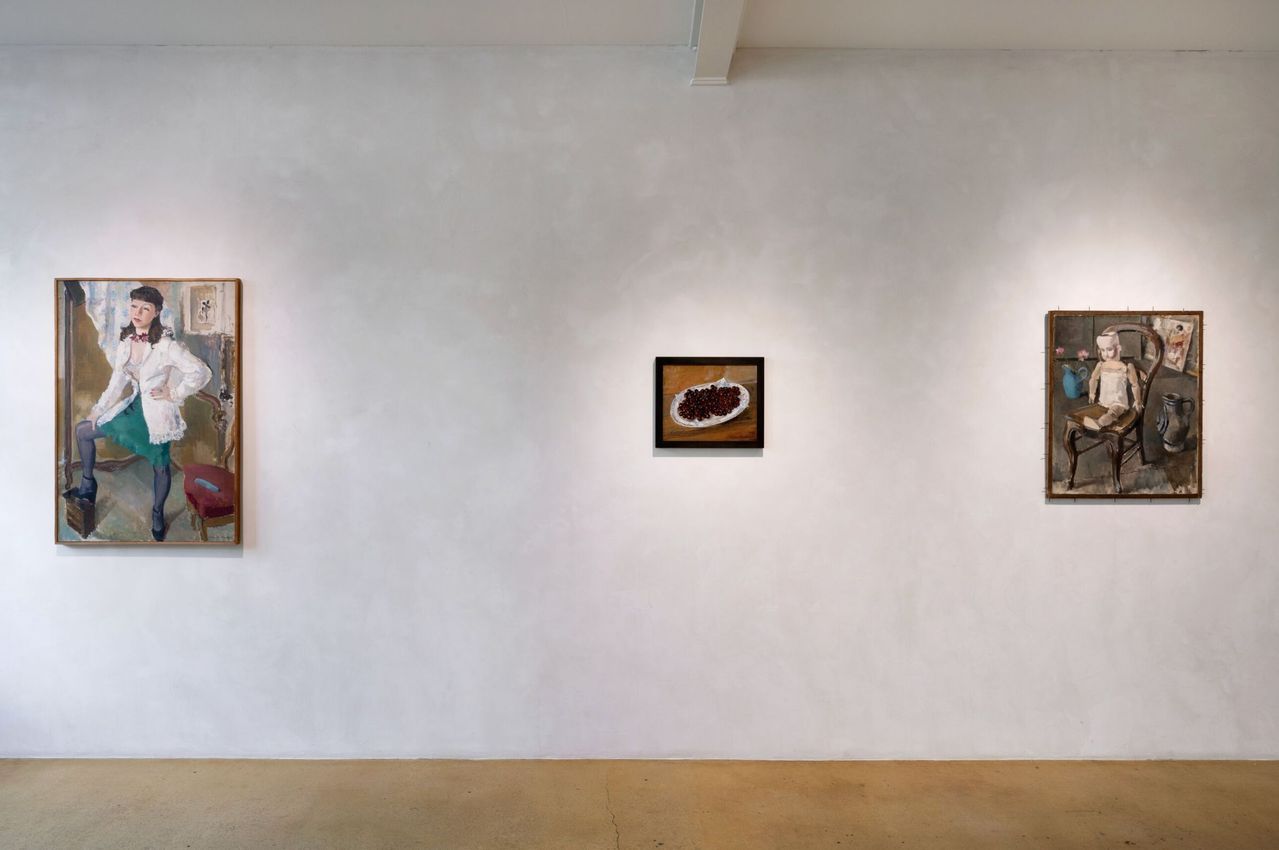
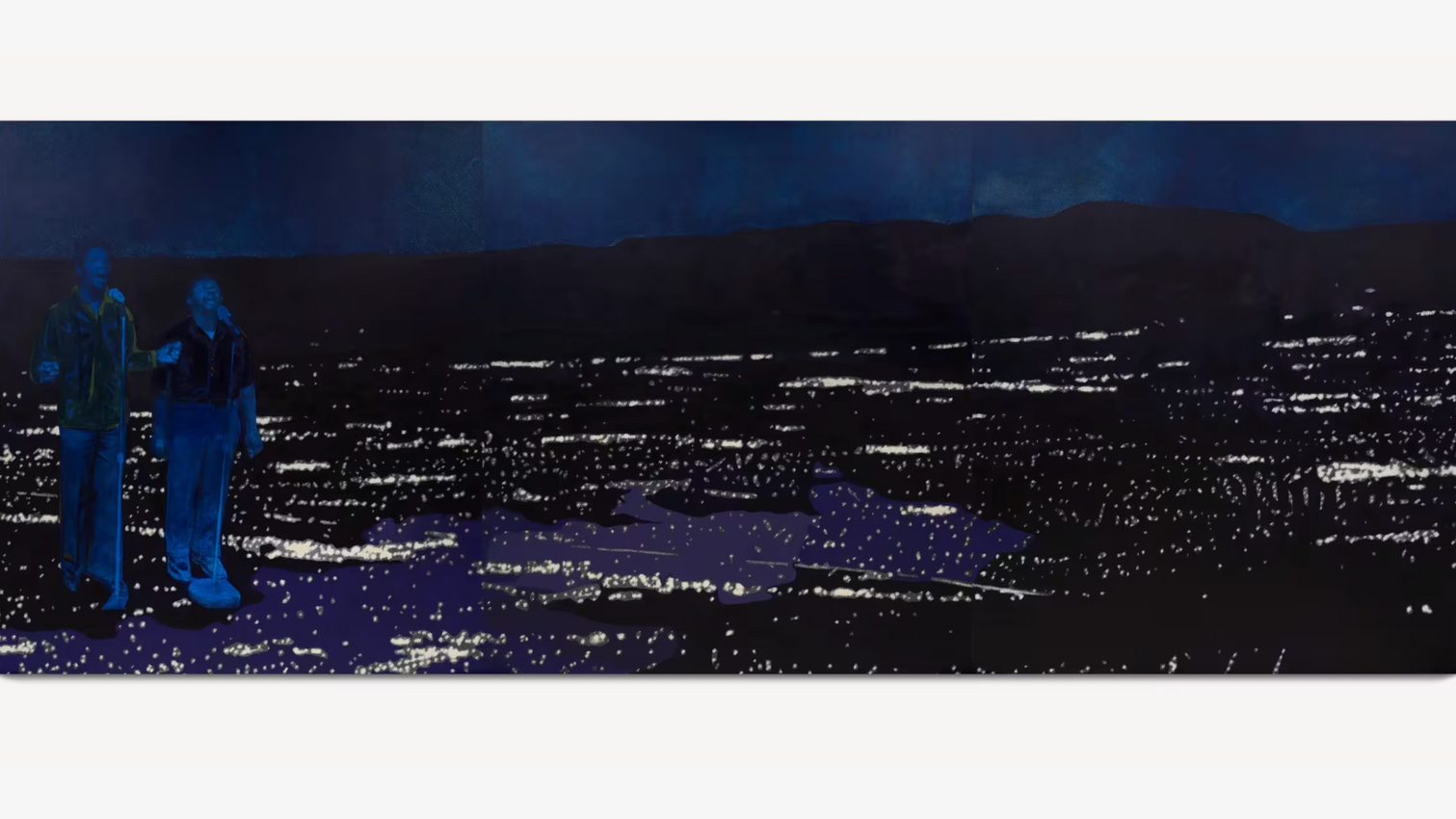
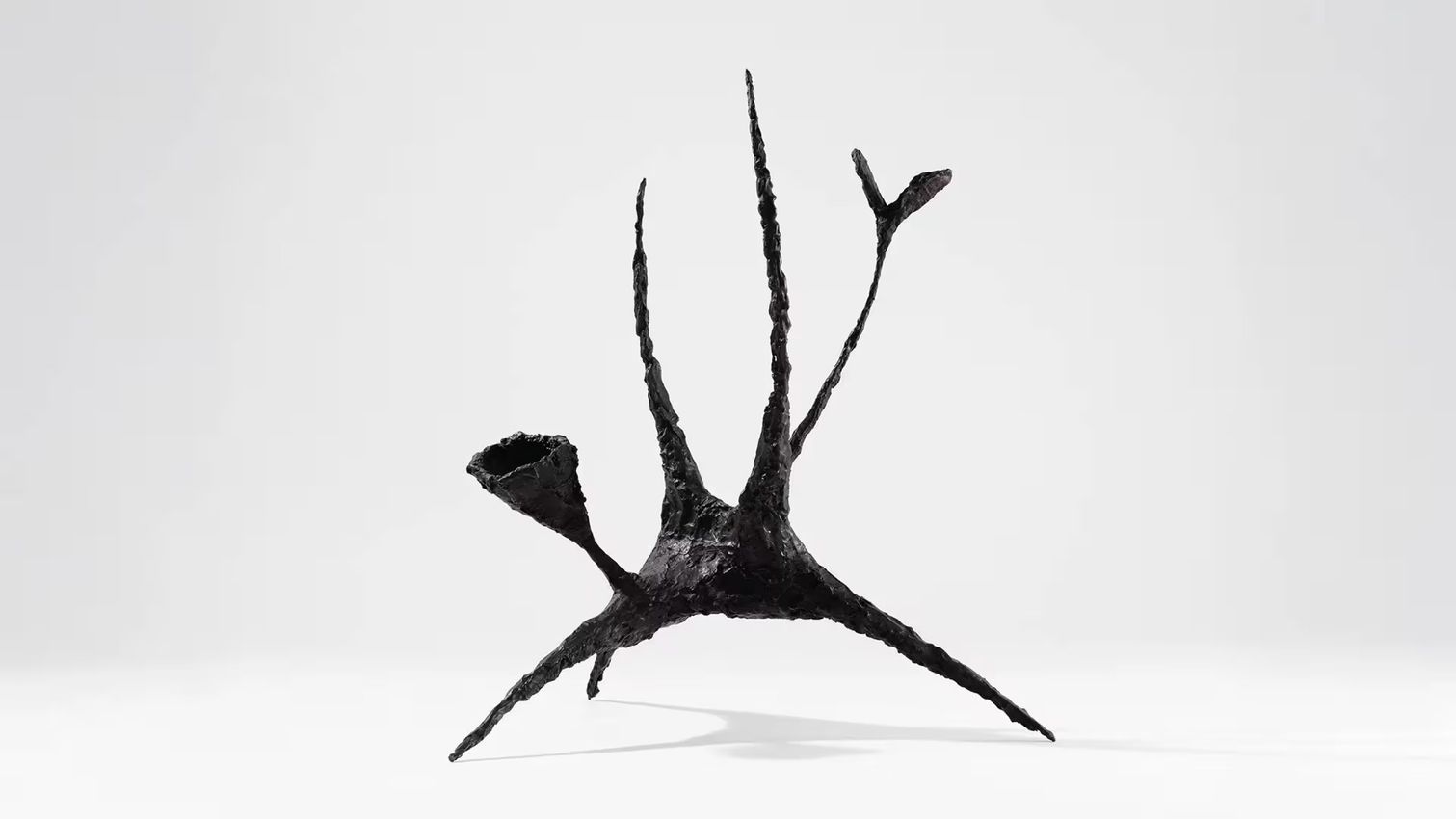
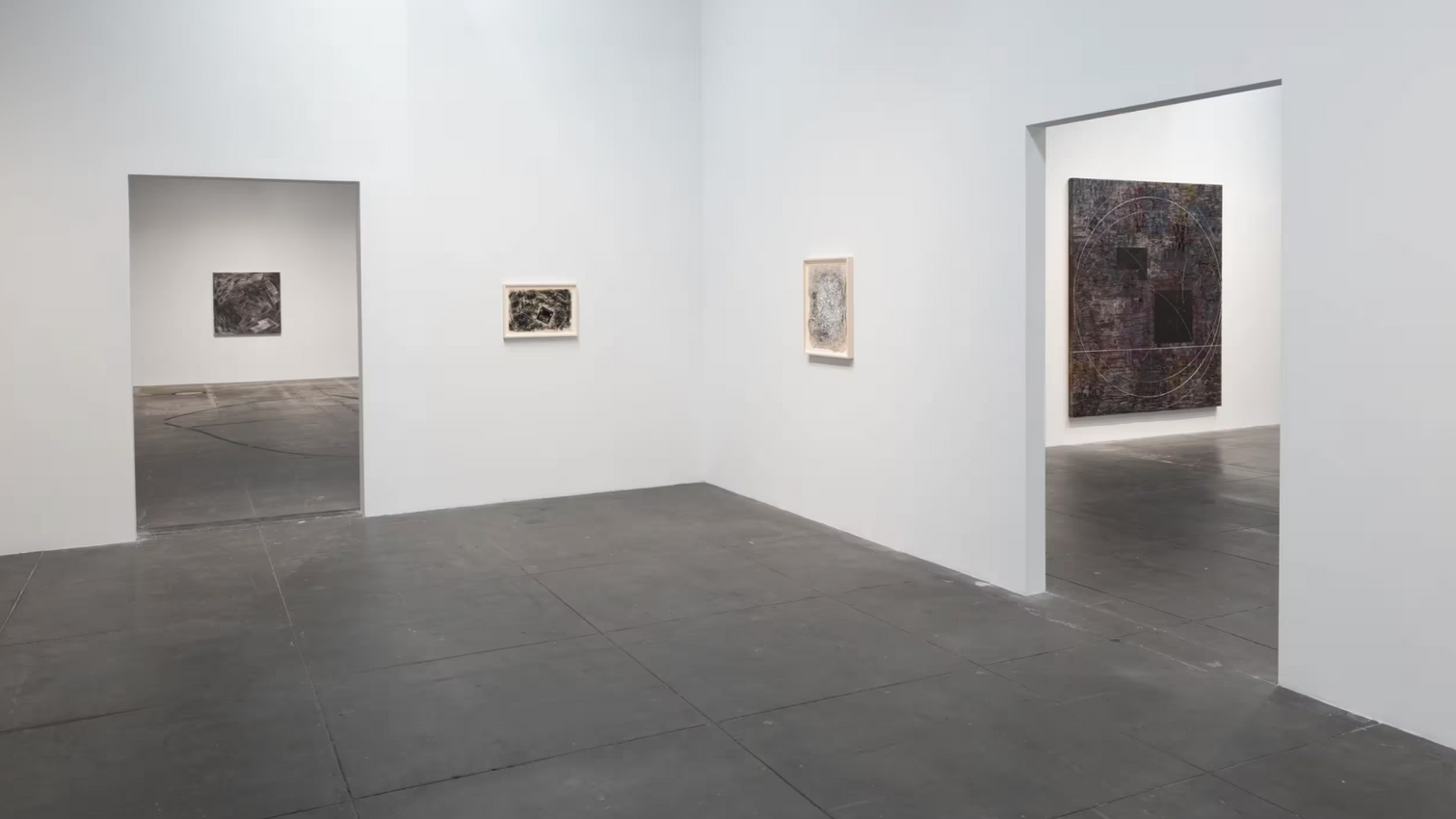
This August, Hauser & Wirth Basel presents a solo exhibition dedicated to the work of Swiss artist Irène Zurkinden (1909 – 1987). Known for her commissioned portraits of Basel society, this presentation highlights a more intimate body of portraits and self-portraits, offering a deeply personal perspective on Zurkinden’s life. Spanning the early 1930s to the 1980s, the exhibition brings together paintings and works on paper that reveal the duality at the heart of the artist’s career.
Born in Basel in 1909, Zurkinden initially trained to become a fashion illustrator before moving to Paris in 1929 to study at the Académie de la Grande Chaumière. There, she embraced the city’s liberated culture and became a part of its vibrant artistic milieu, cultivating a social circle that included Salvador Dalí, Man Ray and Kiki de Montparnasse. In 1932, Zurkinden convinced her friend, Meret Oppenheim, to join her in Paris, setting in motion a chain of events that led to the creation of Oppenheim’s iconic ‘Object (Le déjeuner en fourrure)’ (1936). One of Zurkinden’s many portraits of Oppenheim appears in the exhibition, alongside depictions of friends including the artist Lotti Kraus, the dancer Marie-Eve Kreis and the Argentine-British painter Eileen Agar.
Zurkinden, an extraordinarily gifted portraitist, moved easily between the commissions she created for wealthy Swiss families and the more personal canvases on view in Basel, contrasting the studied neutrality of the former with the rich interiority captured in the latter. Other works, such as ‘Vally’ (1946), reflect the artist’s fascination with the female form, imbued with strength and sensuality. Radical in the context of mid-century Switzerland and progressive even by liberal standards of the time, Zurkinden pursued romantic relationships with both men and women and later embarked on a decade-long relationship with the German Afro-Brazilian jazz musician Kurt Fenster, with whom she had two children.
Zurkinden never adhered to one school or movement but rather pursued a determinedly singular practice that drew on both surrealism and neo-impressionism. Though immersed in surrealist circles, she set herself apart by looking back to the 19th Century, recontextualising traditional techniques and motifs in service of her strikingly personal, progressive vision. At the same time, Zurkinden remained attentive to the ideas of her contemporaries, and a selection of ink drawings reveals the enduring influence of surrealism throughout her career, from the sense of whimsy that infuses works such as ‘Ohne Titel (Surrealistische Zeichnung (Surrealist Drawing))’ (ca. 1930s) to her deconstruction of the body in ‘Hände (Hands)’ (1952).
From the late 1920s through to the 1960s, Zurkinden also painted numerous self-portraits, which speak at once to the artist’s playful self-dramatisation and to the strength required to live so individualistically. The compelling full-length nude ‘Selbstbildnis (Self-Portrait)’ (ca. 1939) demonstrates the unflinching frankness with which Zurkinden portrayed her own body, while another early self-portrait from 1927, shows her looking out of the canvas with an intense, challenging gaze. The artist also captured her own likeness in a number of intimate works on paper depicting her and Fenster, whom she met in 1934. Having lived between Paris and Basel, the outbreak of World War II forced the couple to settle in Switzerland, where Zurkinden joined the Basel-based anti-fascist collective Gruppe 33—making her, alongside Oppenheim, one of just two female members.
After the war, Zurkinden returned to spending time in Paris. She began to accept theatre commissions for set and costume design as well as portraits and illustrations, and travelled extensively through Spain, Italy and Morocco. Although she exhibited regularly until her death in 1987, Zurkinden’s contributions to 20th-century art remained comparatively overlooked. Ranging from tender to experimental, playful to resolute, the works on view in Basel assert the visionary nature of Zurkinden’s practice while offering a window into an extraordinary life.


A respected voice in contemporary art discourse.
Focusing on ambitious storytelling and insightful art-world commentary. Ocula Magazine publishes in-depth interviews, critical essays and timely analysis on the artists, exhibitions and ideas driving the global art world.
Learn more about Ocula Magazine
Showcasing the best of the art world.
Ocula partners with galleries from around the world to highlight their artists, artworks and exhibitions. Gallery membership is by application and invitation, with each member vetted by an independent panel.
Learn more about Ocula Membership

Specialises in the sale of major artworks.
Led by a team with deep ties to the world’s leading auction houses, galleries and collectors. Ocula’s advisory team offers bespoke services to high-net-worth clients from around the world who are looking to acquire the best of contemporary and modern art.
Learn more about our team and services