


Press Release

On the occasion of the 130th anniversary of his death, the Musée d’Orsay is giving pride of place to Impressionist painter Gustave Caillebotte (1848-1894). While the exhibition dedicated to the artist, “Caillebotte, Painting men”, mainly presents his artistic output, this exceptional exhibition also pays tribute to his work as a collector and donor.

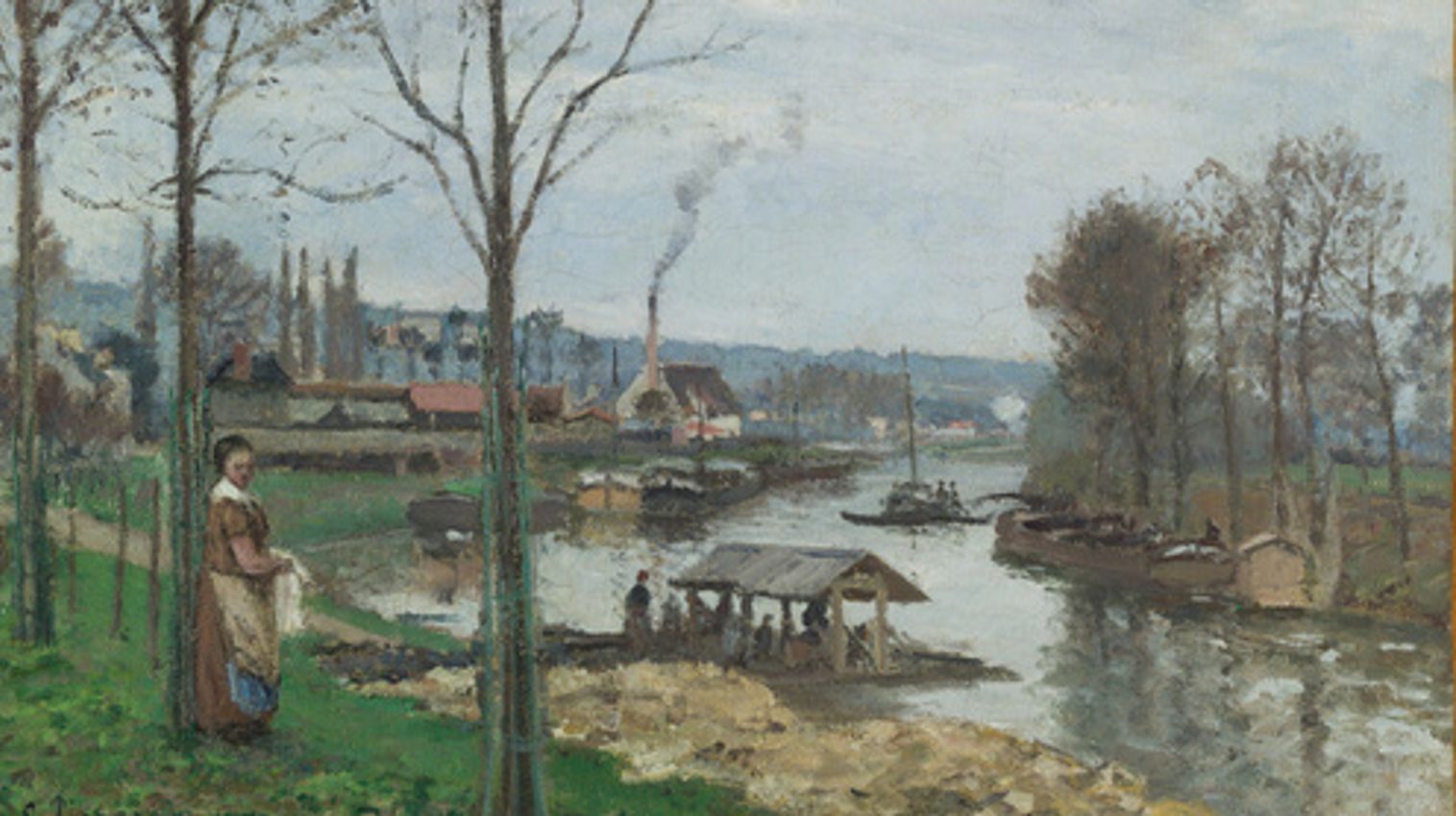
From a wealthy background, Caillebotte acquired more than seventy pieces by Cezanne, Degas, Manet, Millet, Monet, Pissarro, Renoir, and Sisley. He assembled a remarkable collection of modern art, a legacy for future generations, while providing financial support for his Impressionist friends. Indeed, in 1876, at only 28 years old, he wrote a will in which he bequeathed this collection to the French government.

He stated that the paintings should all be exhibited at the Musée du Luxembourg in Paris (then called the “musée des artistes vivants”), then eventually moved to the Louvre. The government initially accepted this bequest, but difficulties arose with exhibiting the works at the Musée du Luxembourg, which was too small and overcrowded.

After lengthy discussions between Martial Caillebotte, the artist’s brother, Renoir, the executor of his will, and the museums’ administrative departments, a compromise was found: the bequest would only comprise a selection of forty works, but all of them would be exhibited.

They became part of the national collections in 1896. In February 1897, the Caillebotte room opened to the public. At that time, it was unprecedented to see such a large collection of Impressionist works in a museum. It was thanks to Caillebotte’s generosity and determination that Impressionism finally gained official recognition in France.

Usually on display in different areas of the Musée d’Orsay, the pictures in the Caillebotte bequest will be reunited for the duration of the exhibition “Caillebotte. Painting men”. For conservation reasons, the Degas pastels and the Millet drawings from the Caillebotte bequest will not be exhibited.

Read More
About the Gallery

The history of the museum, of its building is quite unusual. In the centre of Paris on the banks of the Seine, opposite the Tuileries Gardens, the museum was installed in the former Orsay railway station, built for the Universal Exhibition of 1900. So the building itself could be seen as the first “work of art” in the Musee d’Orsay, which displays collections of art from the period 1848 to 1914.

View Gallery Profile
Address
Esplanade Valéry Giscard d'Estaing
Paris
France
Opening Hours
Tuesday – Sunday
9.30am – 6pm
Closed Monday
(1)
Paris Esplanade Valéry Giscard d'Estaing
Musée d'Orsay
Esplanade Valéry Giscard d'Estaing, Paris, France

Opening hours
Tuesday – Sunday
9.30am – 6pm
Closed Monday
The art world in focus
