





From the Ashes
Kelly Akashi lost her home in the 2025 Los Angeles wildfires. Still navigating the aftermath, her exhibition, Heirloom, gives her a chance to examine the psychological weight and meaning of familiar objects as she recreates them sculpturally. Save to My Ocula
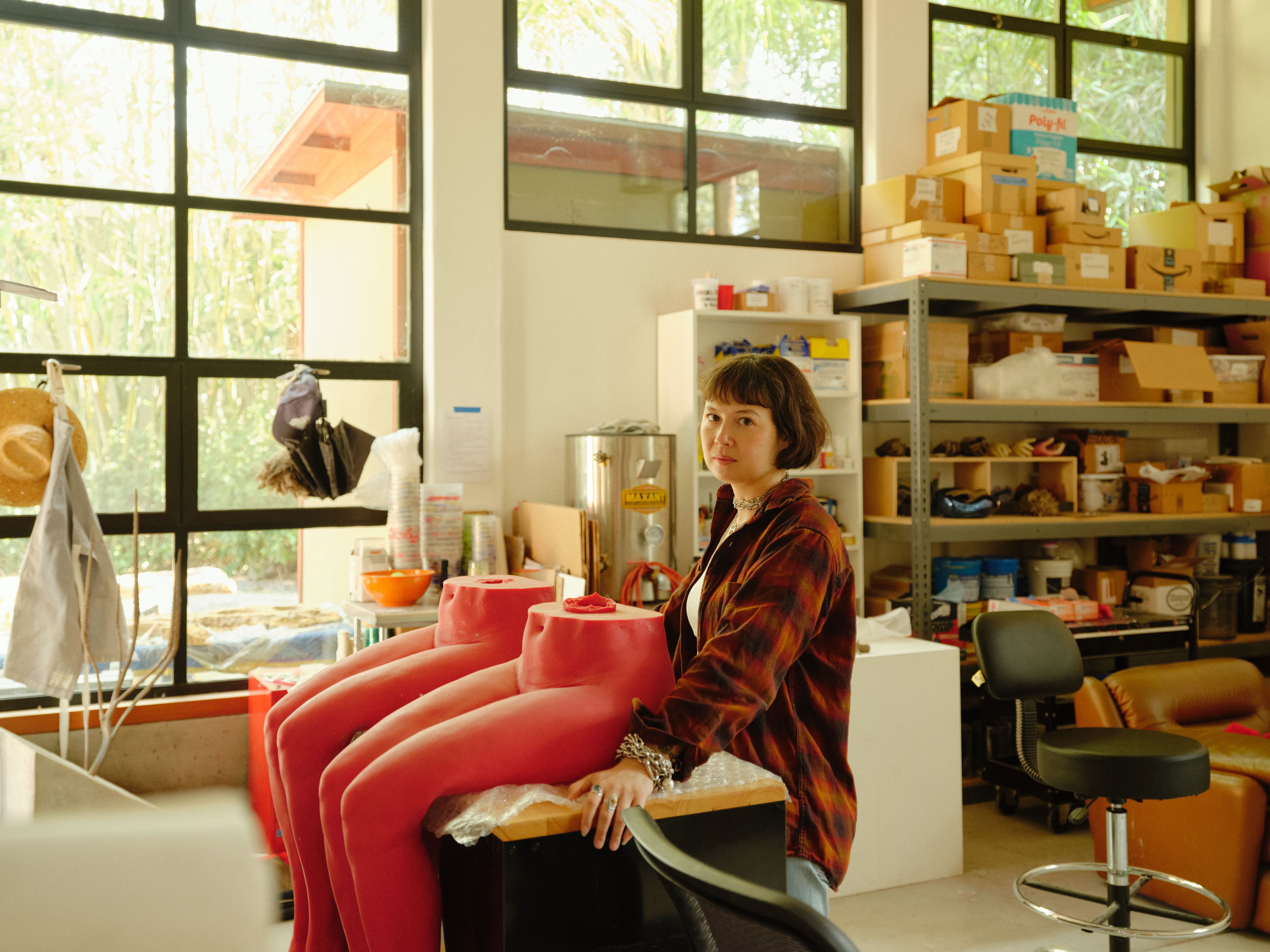
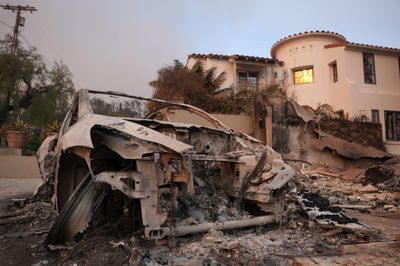
More than 9,000 buildings were destroyed when wildfires ripped through Altadena and Pasadena in Los Angeles in January 2025. One of the homes that was taken belonged to the Los Angeles-based sculptor Kelly Akashi, who describes evacuating with her cat Turnip and a few belongings as “very dramatic”. The experience remains “very intense for me to reconcile with”, she says.
Ever since the Eaton Fire (as it is known), Akashi has been searching for meaning amid the wreckage. She brought friends to see the only structure still standing from her house, her chimney. She collected the charred branches from her rose bushes, which miraculously survived. She gathered the ash from her library and scraps from her grandmother’s singed doilies. “I’m not going to let this mean nothing,” Akashi tells me. “I’m not going to let this get taken away.” Though remarkably open, with a dash of engaging native Californian breeziness, during our conversation Akashi was still perceptibly figuring out how to fully articulate the enormity of her experience.
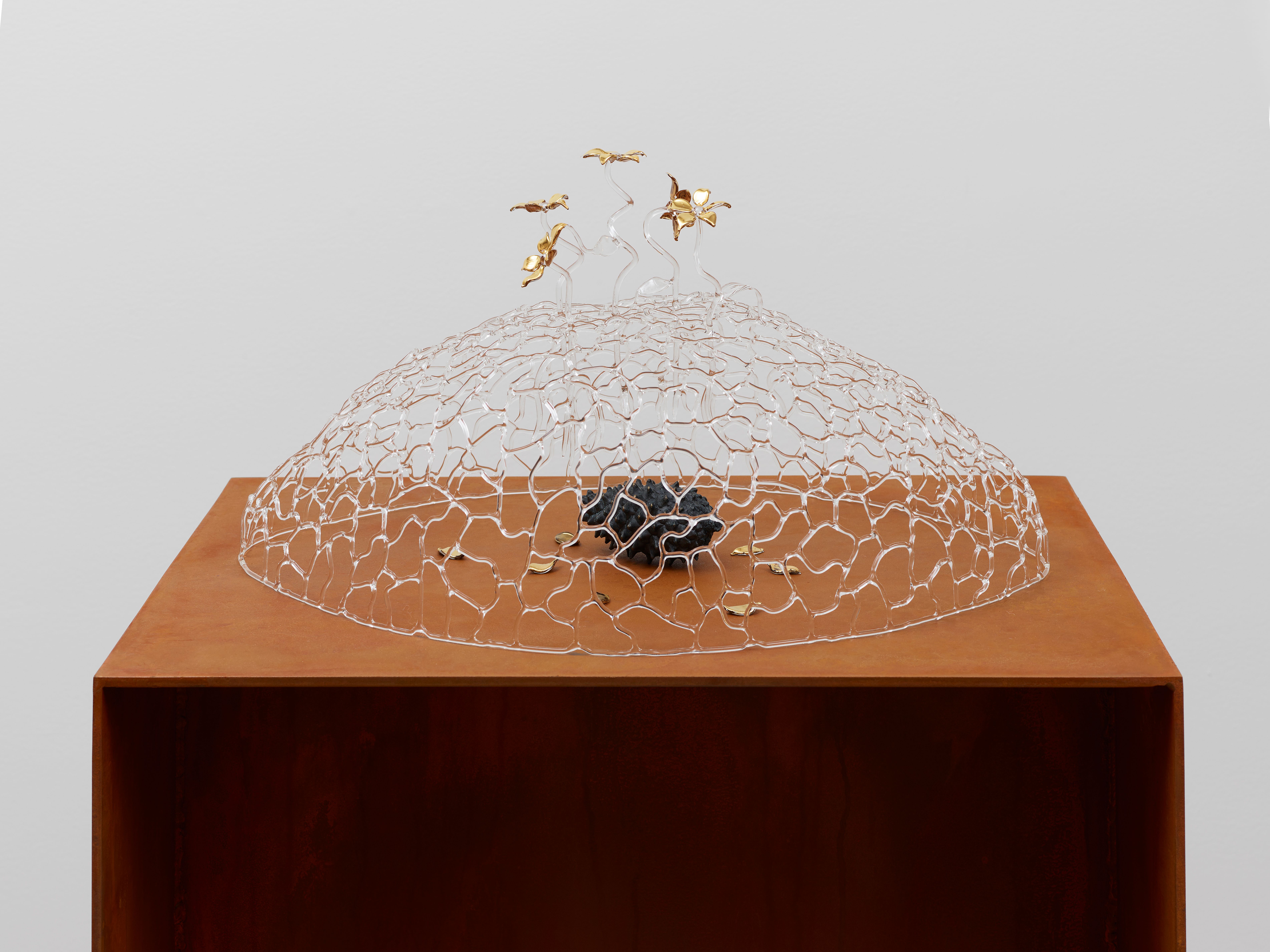
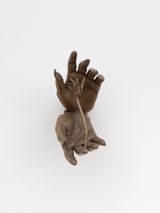
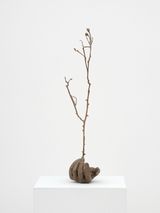
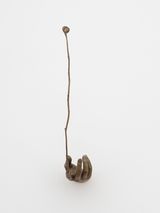
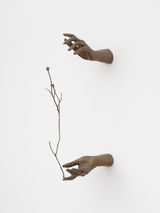
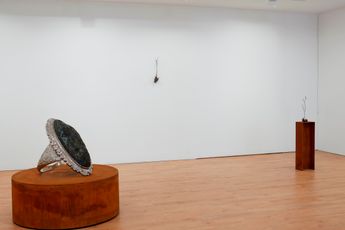
Akashi has brought that desire for understanding into her work. She has been converting the remnants of her old life into sculptures that portray “moving on after the disaster, letting go”. The result is on view in an exhibition titled Heirloom at Lisson Gallery in Chelsea, New York City. The show ranges from paradoxically delicate Corten steel hanging sculptures, representing scraps of a tablecloth made by her grandmother, to disembodied hands jutting from the walls at various heights, grasping seemingly floating flowers and stems, to blown-glass plants. It serves as a memorial to what the fire took away, but also to what remains.
“I’m not going to let this get taken away”
At the heart of the exhibition is a recreation of a treasured keepsake that didn’t survive the blaze: her grandmother’s ring, which is reborn and enlarged in the outsized Monument (Heirloom) (2026). Though beloved, the ring was not among the items Akashi grabbed as she evacuated. “You fool yourself into thinking, ‘I must have taken it,’ but then it’s not in that little bag of the few things I have,” she says. Akashi set out to reproduce the ring through zooming in on her own fingers in grainy photographs and, mostly, scouring her own memory. “The stone surface is based on my memory of touch,” she says. “A lot of my memories of the house relate to what it felt like. Touch is what takes me back.” She wanted to make the ring monumental in size as a reflection of its enormous personal significance. “It becomes so big in your mind. For me, this is an opportunity to think about larger-than-life sculptural recreations of familiar objects as a way to talk about their psychological weight and implications.”
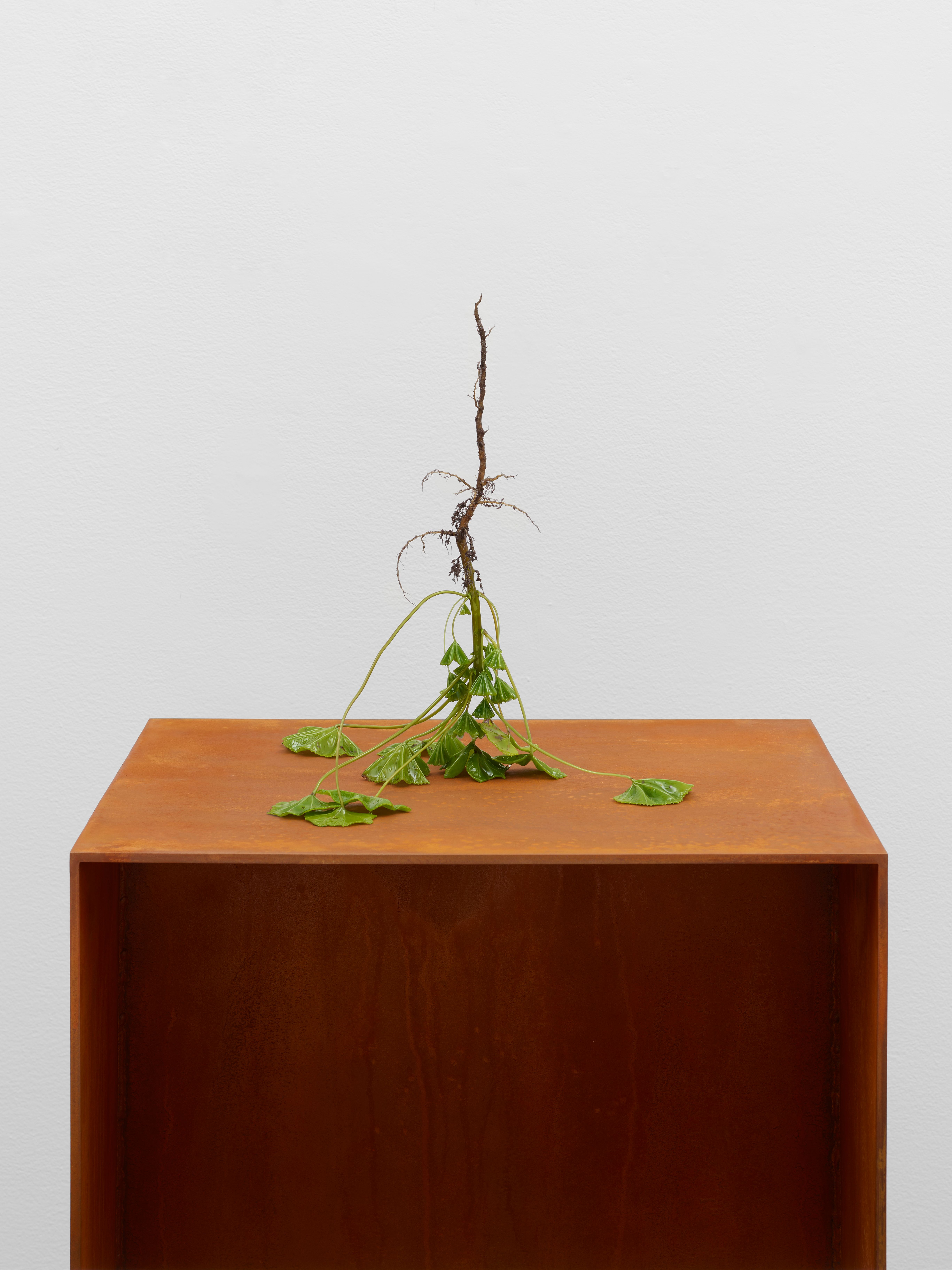
Elsewhere, Akashi either directly employs or references the materials she culled from the rubble of her home. She cast the prickly stems from her rose bushes in bronze, placing them precariously in outstretched sculptural hands. She turned the ash from her books into mandala-like recreations of her grandmother’s doilies, which she compares to the ash-strewn mosaic floors left after the volcanic eruption at Pompeii. She used blown glass to form the web-like root system of a mallow plant, which, she says, “has taken over a lot of properties due to the disturbed soil”.
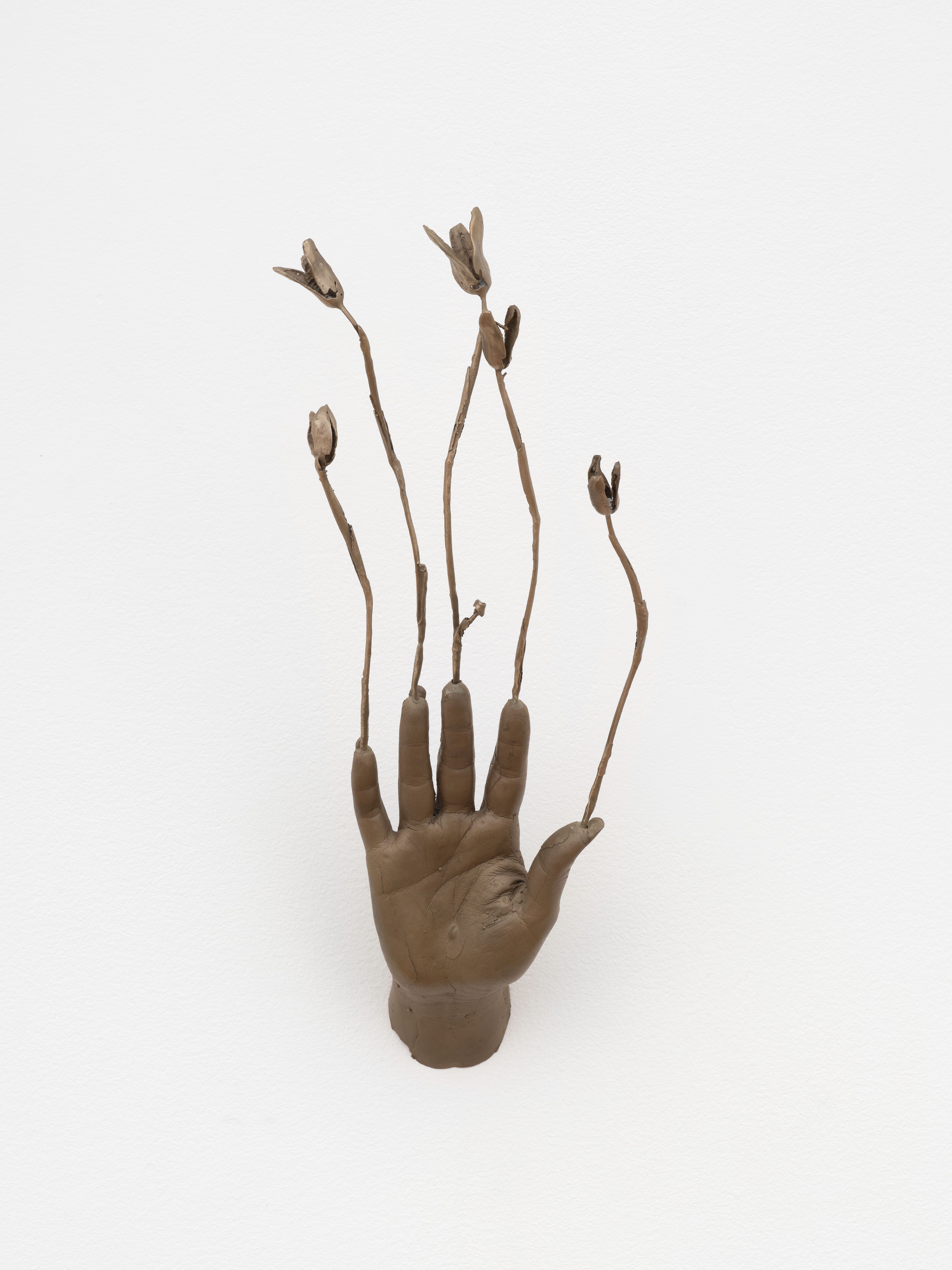
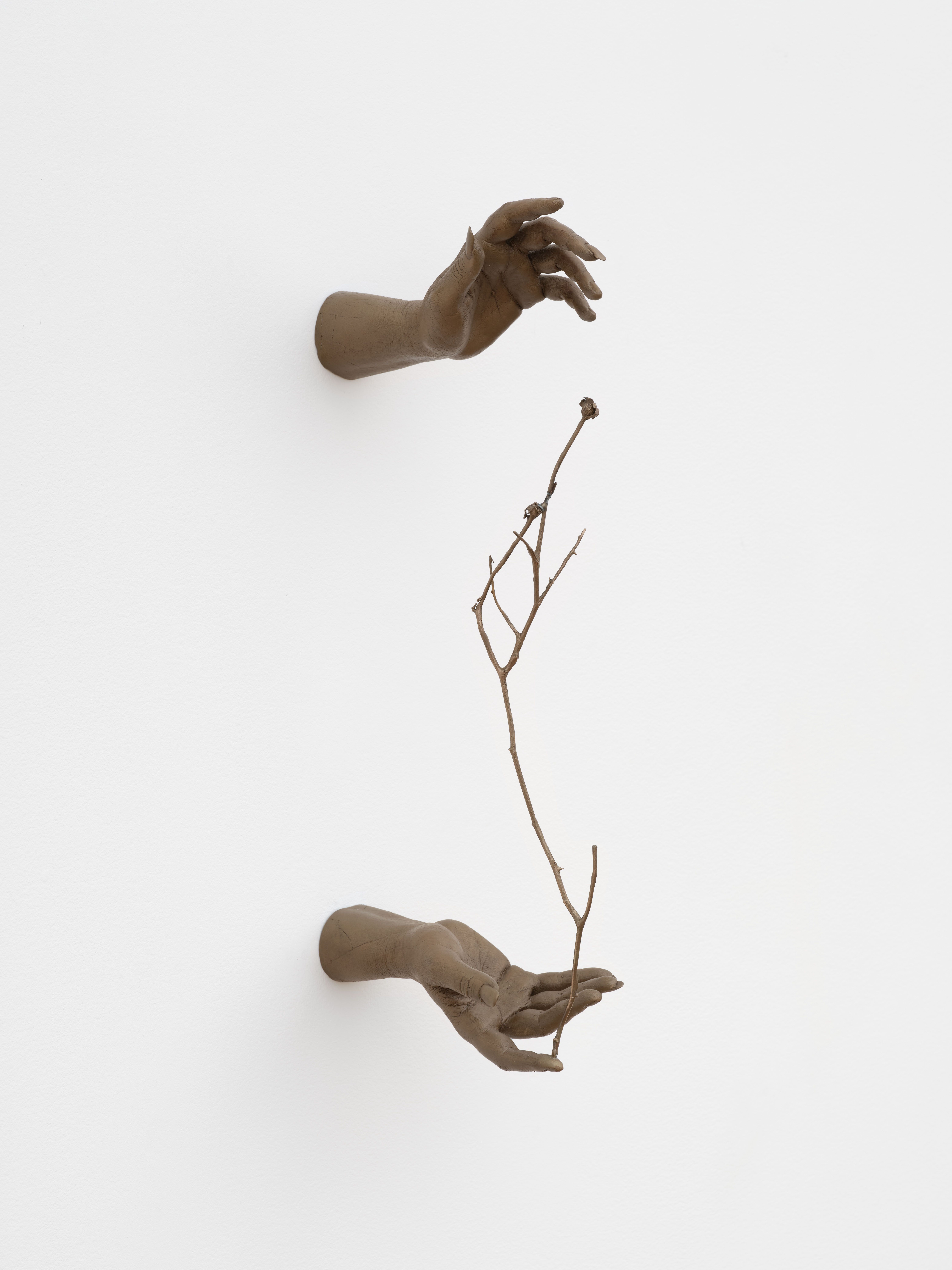
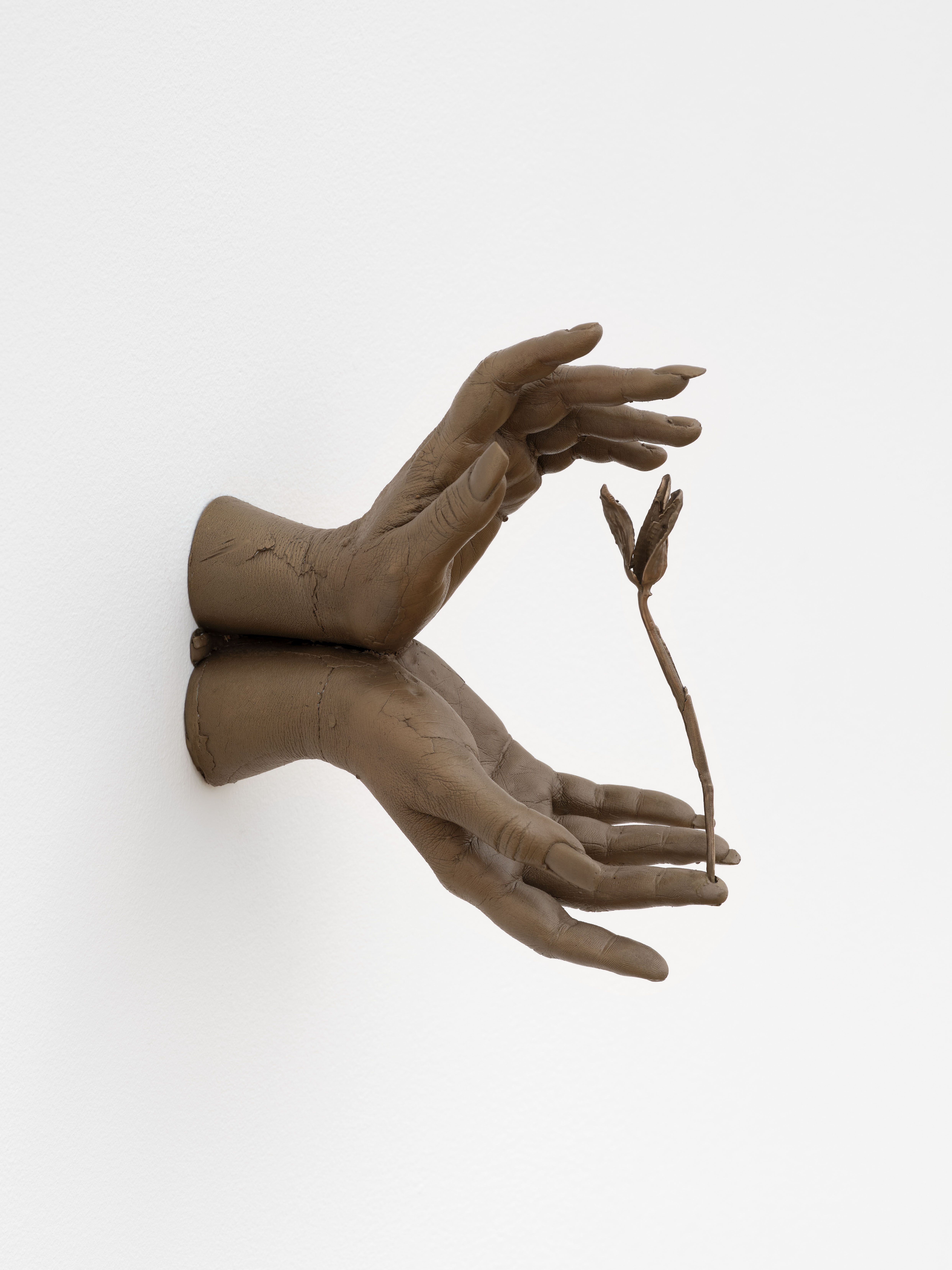
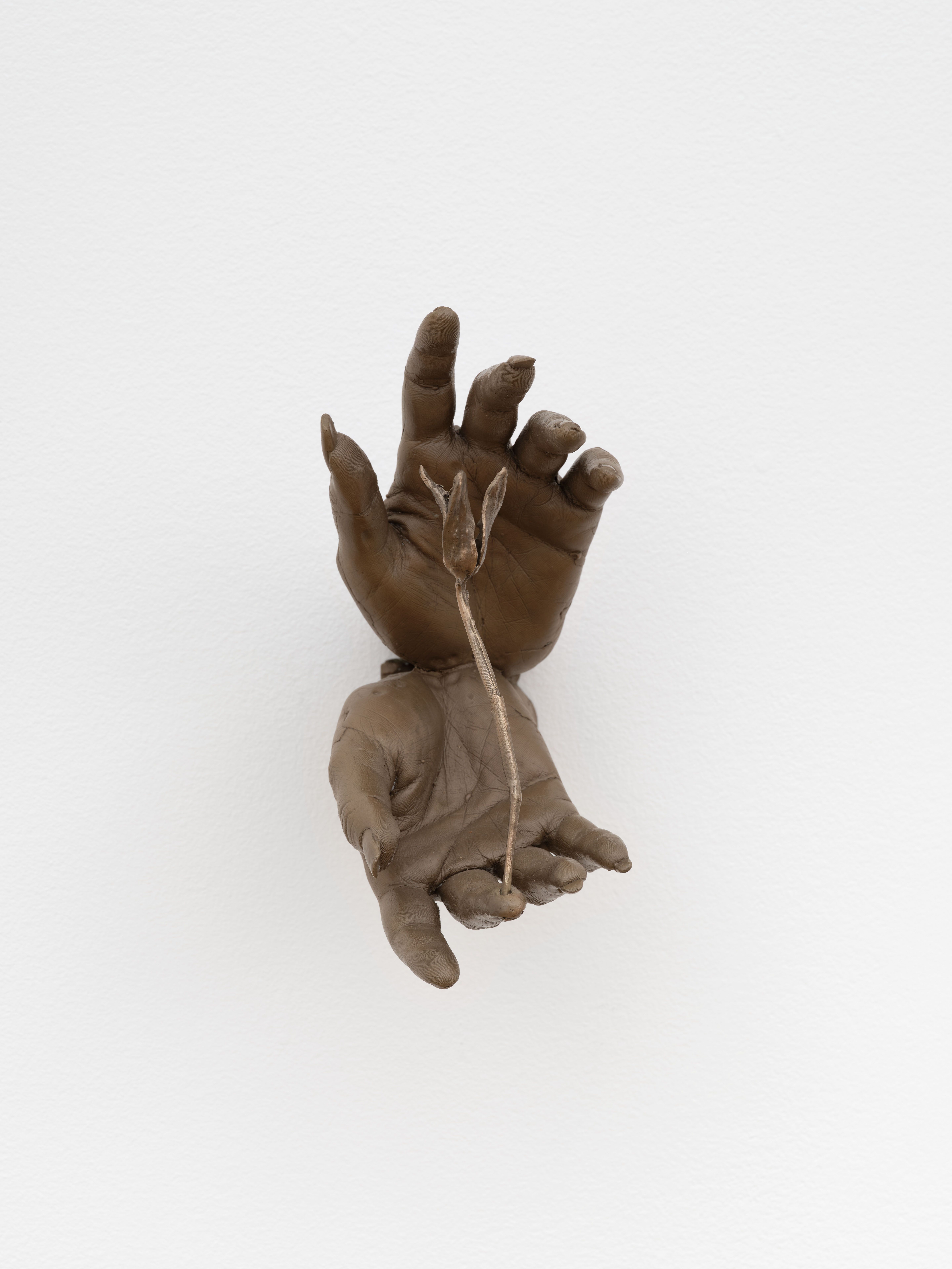
Both the show at Lisson and a new commission for the Whitney Museum’s ongoing Biennial address a deeply personal and harrowing loss. Monument (Altadena) (2026) is a glass-brick recreation of the resilient chimney of Akashi’s home, now sitting on the Whitney’s terrace, overlooking the Manhattan skyline. However, she has found that viewers have connected with her public grappling with grief and displacement in surprising and fulfilling ways. She recalls one attendee at the Whitney Biennial’s opening who shared that they had lived through Hurricane Katrina and “understood [the piece] immediately”. “There’s a wonderful exchange happening where people are meeting me in this space of extreme vulnerability. It’s a lot to put this out there and see if people are willing to meet me,” she says. We need “more spaces for talking about these experiences because they matter and can crush people. They would crush me if I couldn’t share them with other people”.
“Touch is what takes me back”
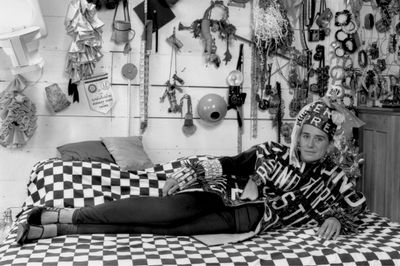
Akashi’s engagement with displacement did not start with the Eaton fire. Born in Los Angeles in 1983 to Japanese-American parents, she originally trained in photography at Otis College of Art and Design after being inspired by Nan Goldin. More recently, she returned to the medium for the powerful black-and-white photographic series Witness (2022), which documents the former site of a Japanese internment camp in Poston, Arizona, where her grandparents, her father and his siblings were interned during the Second World War. After the attack on Pearl Harbour, the United States government forcibly removed and incarcerated around 120,000 Japanese Americans in 10 concentration camps throughout the United States. Akashi’s father, who died when the artist was 21, rarely spoke about this part of his life, driving her to mend these gaps in her family’s history through her artistic practice. “There are things that family members don’t tell you, and you just wonder, or they say: ‘You don’t want to know.’ Some don’t want to pass their baggage on to you. These aren’t material concepts, but they have weight and mass. As a sculptor, that’s interesting to play with,” she says.
Sculpture’s ability to address inheritance through its own lineage of craft traditions is part of what drew Akashi to the discipline. Though getting a kick out of experimenting with new sculptural practices—for example, studying glass-blowing—her practice notably shifted after the wildfire. Namely, she embraced a more collaborative approach. She cites her work with Christian Inga, who helped her produce Monument (Altadena) (2026) as an example. A second-generation mason, Inga began his training at the age of seven. “He embodies so much amazing knowledge,” she marvels. “I can’t embody that. It would be foolish for me to pretend I could.”
A year and a half after the fires, Altadena now sits “between a kind of death and life,”, as Akashi says, comprised of cleared lots, built houses and burned lots. That resilient chimney still stands on her property, now joined by a garden, while her neighbours continue to “take a leap of faith” and rebuild. “I’ll get there at some point,” she says. For now, she is focused on connecting with viewers, a motivation central to her forthcoming 2026 public commission at JFK Airport’s New Terminal One, which she tells me will include representations of flowers native to New York state that have proliferated throughout the world, as well as a charm bracelet. When asked about her conception of the project, she explains, “Public art can communicate ideas to future generations. I do care what people think now, but I see this as an opportunity to send a message to the future.” —[O]
Kelly Akashi, Heirloom (until 25 July) at Lisson Gallery, New York City.
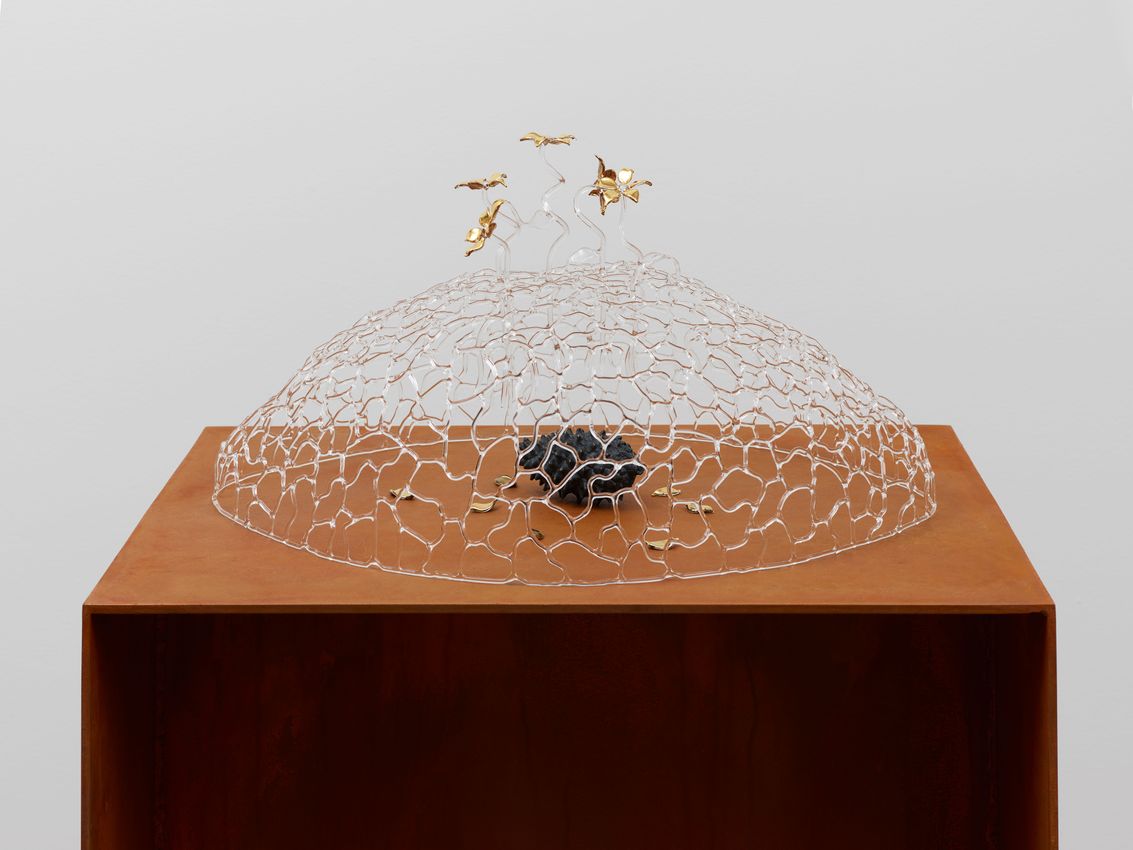
Main image: Kelly Akashi, Pine Bed (2026). Flame-worked and gold-enameled borosilicate glass, patinated lost-wax cast bronze, weathering steel. © Kelly Akashi. Courtesy Lisson Gallery.











A respected voice in contemporary art discourse.
Focusing on ambitious storytelling and insightful art-world commentary. Ocula Magazine publishes in-depth interviews, critical essays and timely analysis on the artists, exhibitions and ideas driving the global art world.
Learn more about Ocula Magazine
Showcasing the best of the art world.
Ocula partners with galleries from around the world to highlight their artists, artworks and exhibitions. Gallery membership is by application and invitation, with each member vetted by an independent panel.
Learn more about Ocula Membership
Specialises in the sale of major artworks.
Led by a team with deep ties to the world’s leading auction houses, galleries and collectors. Ocula’s advisory team offers bespoke services to high-net-worth clients from around the world who are looking to acquire the best of contemporary and modern art.
Learn more about our team and services