



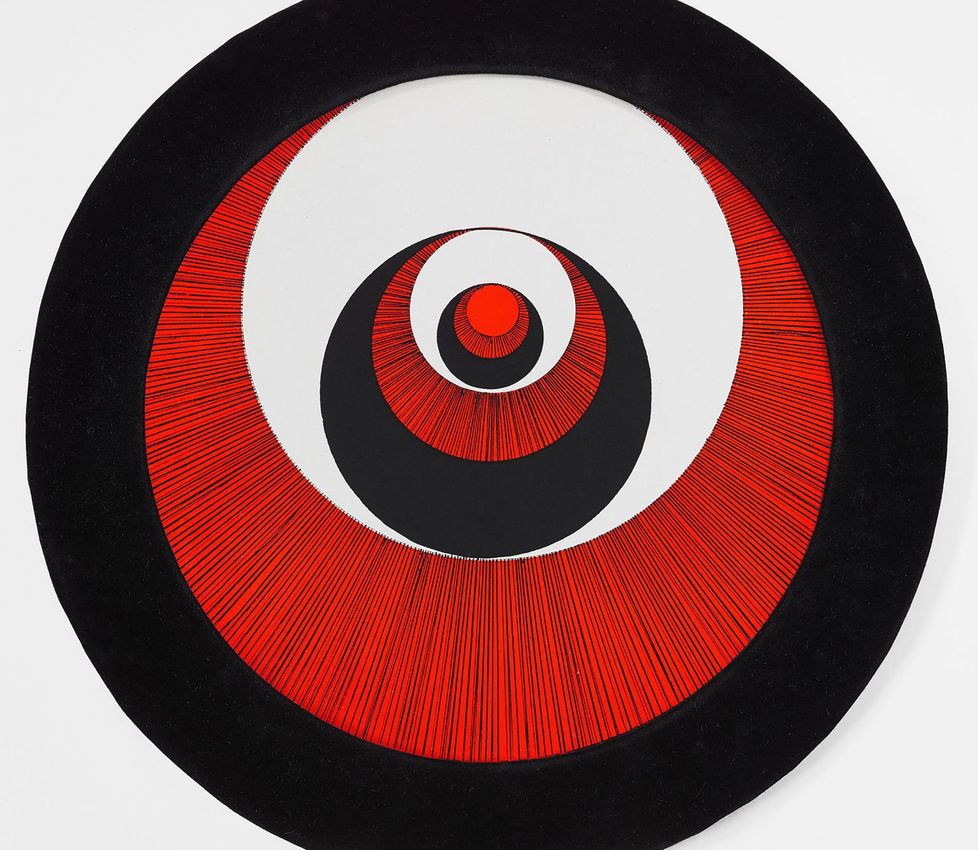
“Why is this art?” is a question often asked by viewers of contemporary art. It is virtually impossible to answer it without referring to the work of Marcel Duchamp (1887–1968). Over a six-decade career, Duchamp challenged the very definition of the artwork, ushering in a new era of creative license—the reverberations of which are still felt today. While resistant to ”-isms,” Duchamp had a hand in modern art movements ranging from Cubism to Surrealism to Pop. His pursuits were marked by continuous reinvention and deliberate inconsistency: “I have forced myself to contradict myself in order to avoid conforming to my own taste.”
With its fragmentation of the human form, Duchamp’s painting Nude Descending a Staircase (No. 2) (1912) produced shockwaves when it debuted at the legendary Armory Show in New York in 1913. His invention of the readymade as a form of sculpture forever altered the parameters of art and authorship, epitomized by his scandalous work Fountain (1917), a mass-produced urinal turned on its side and signed with the pseudonym “R. Mutt.” And his monumental painting-on-glass The Bride Stripped Bare by Her Bachelors, Even (The Large Glass) (1915–23) liberated painting as a medium from both the canvas and the wall. For the next 50 years, Duchamp continued to innovate in unexpected ways. For his “portable museum,” The Box in a Valise (1935–41), the artist painstakingly reproduced his life’s work to date in miniature.
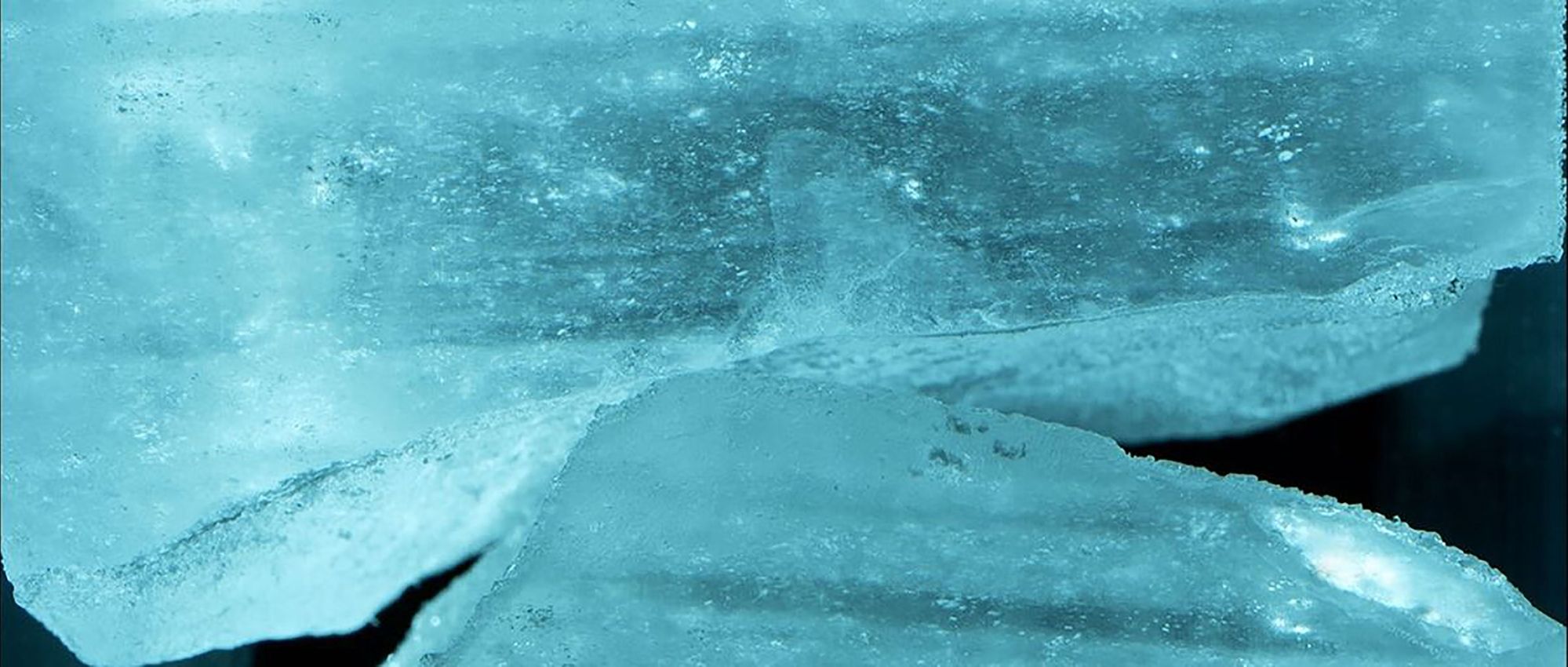
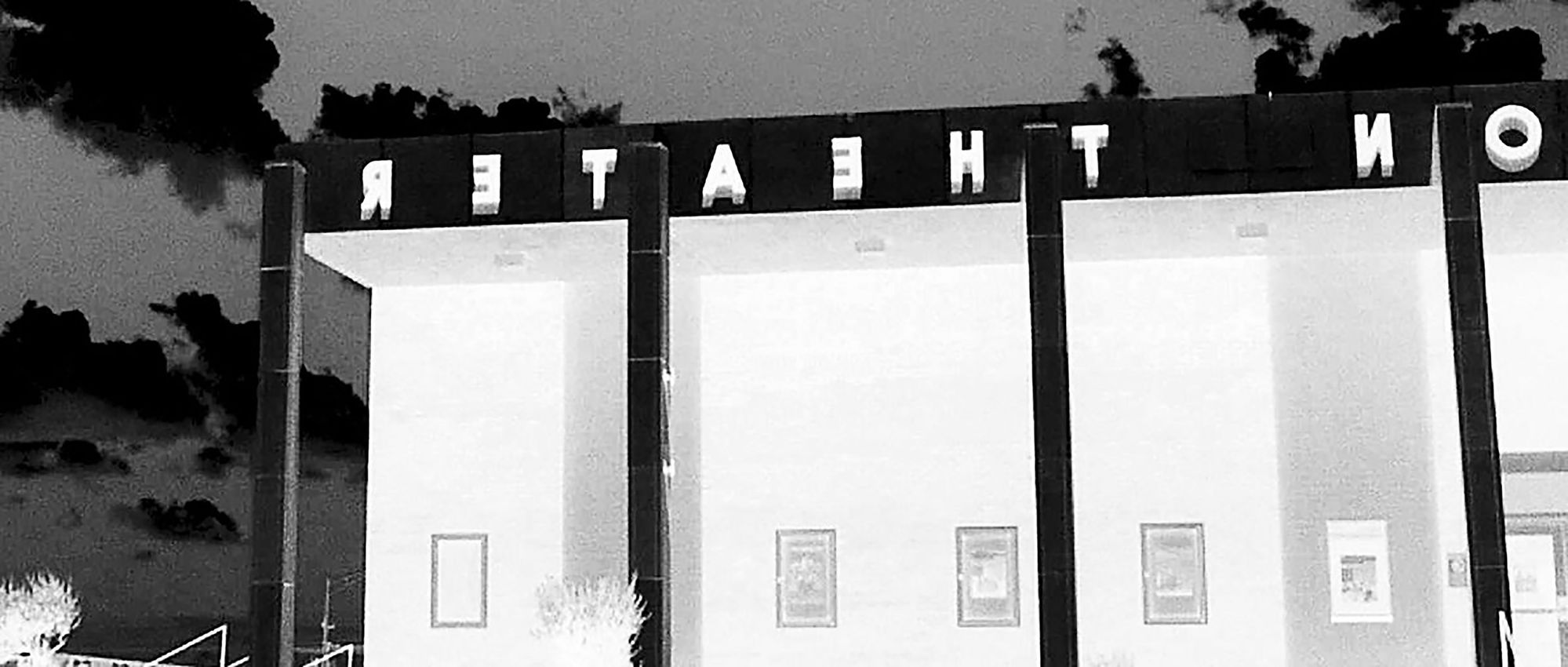
Featuring some 300 artworks, this exhibition marks the first retrospective of the artist’s work in the United States since 1973. Scholarship mining the artist’s famously enigmatic work has flourished in the intervening half-century—as have myths and misconceptions. This exhibition offers a sweeping account of Duchamp’s multifaceted career across all mediums from 1900 to 1968, offering today’s audience the first opportunity to view the full breadth of his creative output.
Marcel Duchamp was a French-born artist (1887–1968) whose radical approach to painting, readymades, and language transformed 20th-century art and laid the groundwork for conceptual practice. Best known for works such as Nude Descending a Staircase (No. 2) (1912), Fountain (1917), and The Bride Stripped Bare by Her Bachelors, Even (The Large Glass) (1915–1923), Duchamp shifted attention from visual pleasure to the idea behind the artwork.


The Museum of Modern Art (MoMA) is an iconic institution located in Midtown Manhattan, New York City, celebrated for its pioneering collection and innovative architecture. Renowned for housing one of the world’s most significant collections of modern and contemporary art, MoMA is a must-visit destination for art enthusiasts.

A respected voice in contemporary art discourse.
Focusing on ambitious storytelling and insightful art-world commentary. Ocula Magazine publishes in-depth interviews, critical essays and timely analysis on the artists, exhibitions and ideas driving the global art world.
Learn more about Ocula Magazine
Showcasing the best of the art world.
Ocula partners with galleries from around the world to highlight their artists, artworks and exhibitions. Gallery membership is by application and invitation, with each member vetted by an independent panel.
Learn more about Ocula Membership

Specialises in the sale of major artworks.
Led by a team with deep ties to the world’s leading auction houses, galleries and collectors. Ocula’s advisory team offers bespoke services to high-net-worth clients from around the world who are looking to acquire the best of contemporary and modern art.
Learn more about our team and services
