





Agosto Machado, Chinese-Spanish-Filipino-American Artist, Has Died

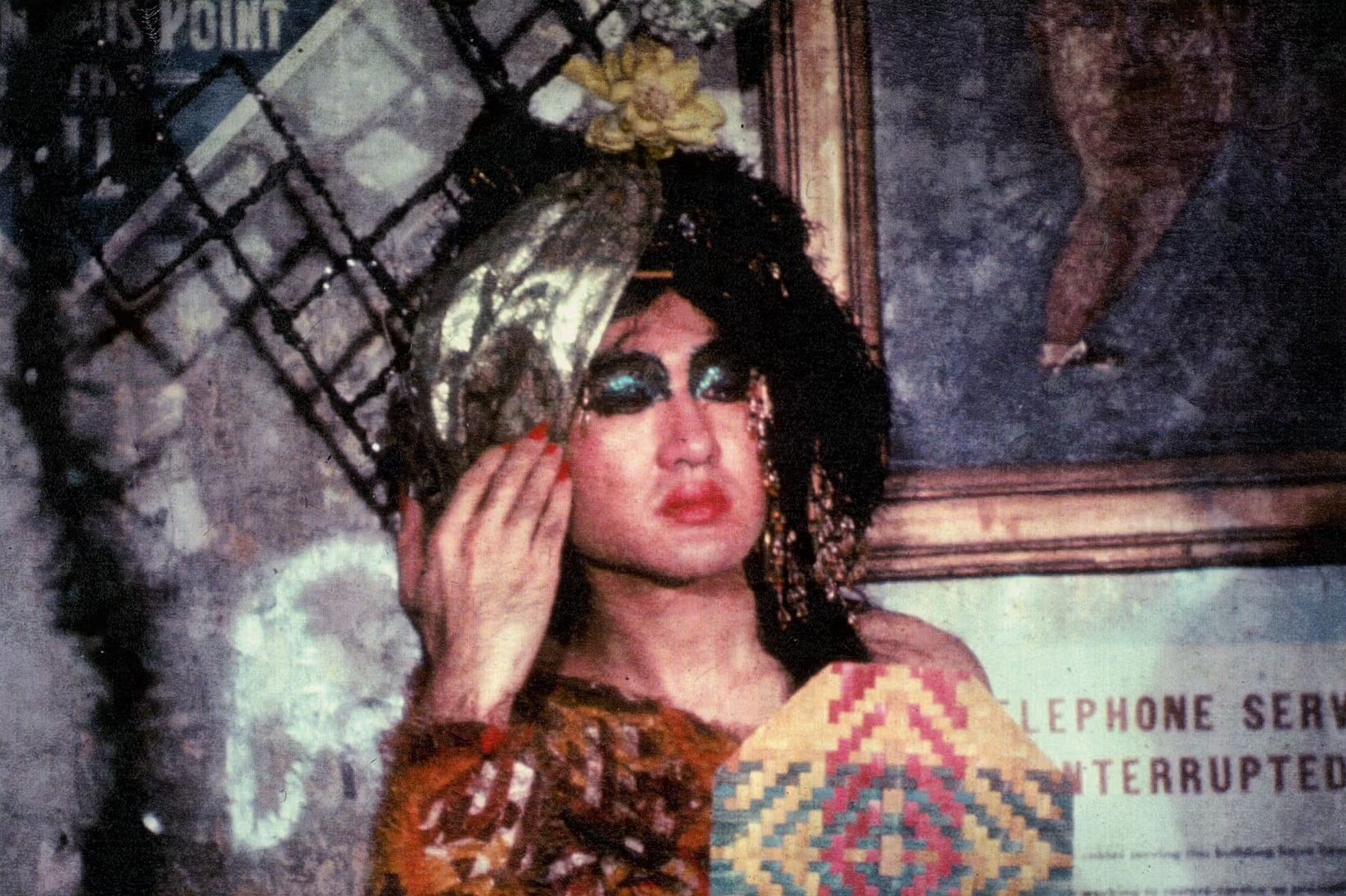
Peter Hujar, Agosto Machado (1980) © The Peter Hujar Archive/Artists Rights Society (ARS), New York

The New York-based performance artist, activist and archivist Agosto Machado has died following a brief illness. Machado was represented by Gordon Robichaux, who described him in memoriam on Sunday as ‘a vital participant in and witness to cultural and creative life in New York from the early sixties on, from art, theater, performance, and film to social and political counterculture and the dawn of the gay liberation movement.’
Machado believed he ‘came into being’ in 1959, according to the gallery, when he assumed a pseudonym inspired by China Machado, the first Asian model to appear on the cover of a major fashion magazine.
The artist lived an extraordinary existence, participating in the Stonewall Rebellion in 1969, which marked a turning point in the fight for gay rights. This event galvanised many in the community, including Machado’s close friend, the activist Marsha P. Johnson.
“This is real life. That’s real blood. We’re going to fight the police. We’re throwing things,” Machado told August Bernadicou, executive director of The LGBTQ History Project, recalling his feelings at the time. “Get butch, girlfriend. Come on.” Bernadicou also says that Machado, who never revealed his true age, ‘always told me he was 21.’
In the years that followed Stonewall, Machado became known for his work in avant garde theatre and performance. Beginning in the AIDS era of the mid-1980s, he also served as a caretaker to many who were affected by the illness and weren’t given the support and care Machado knew they needed.
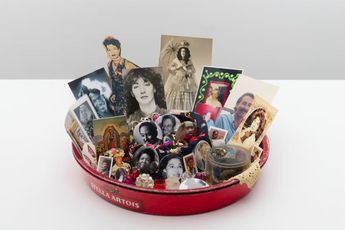
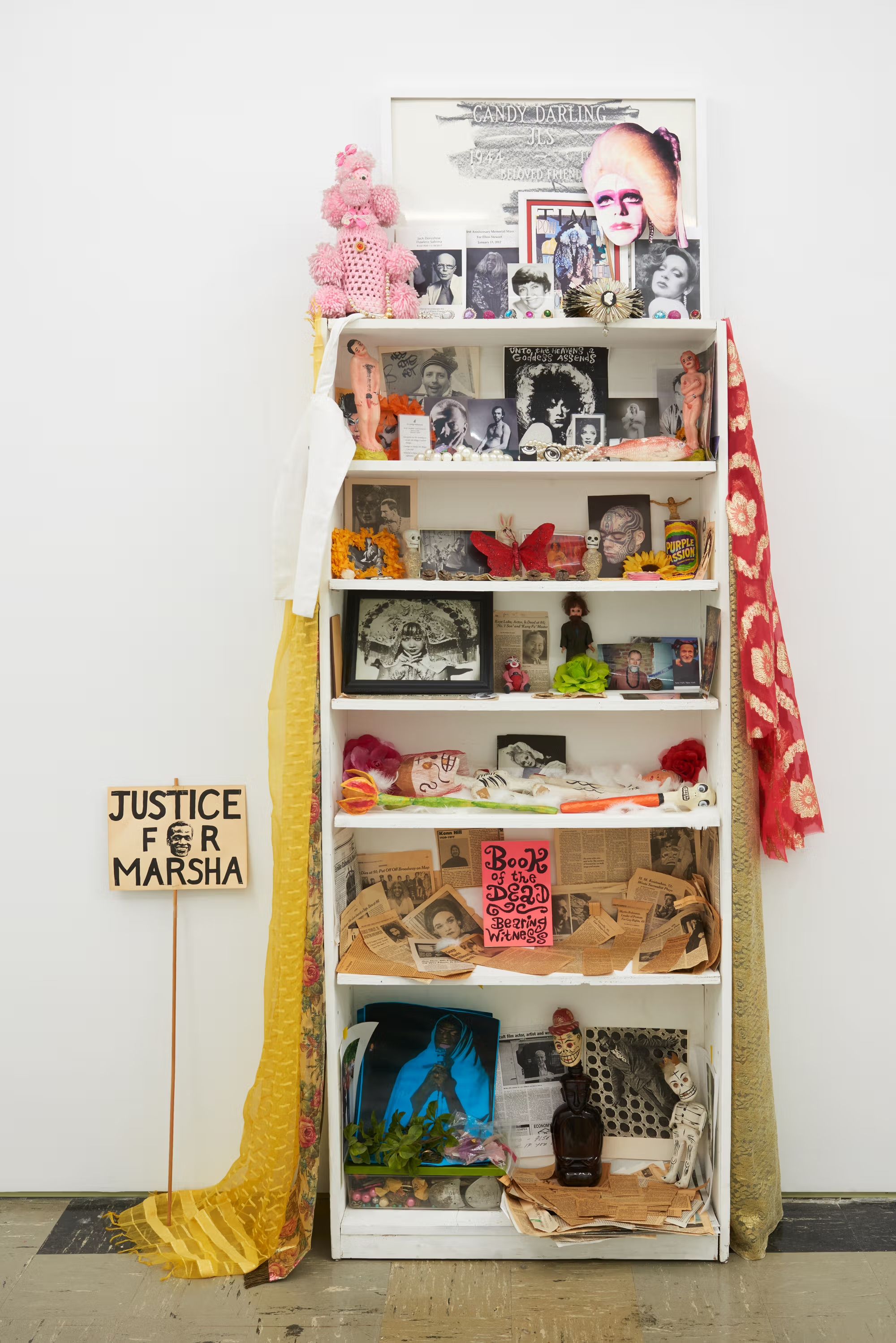
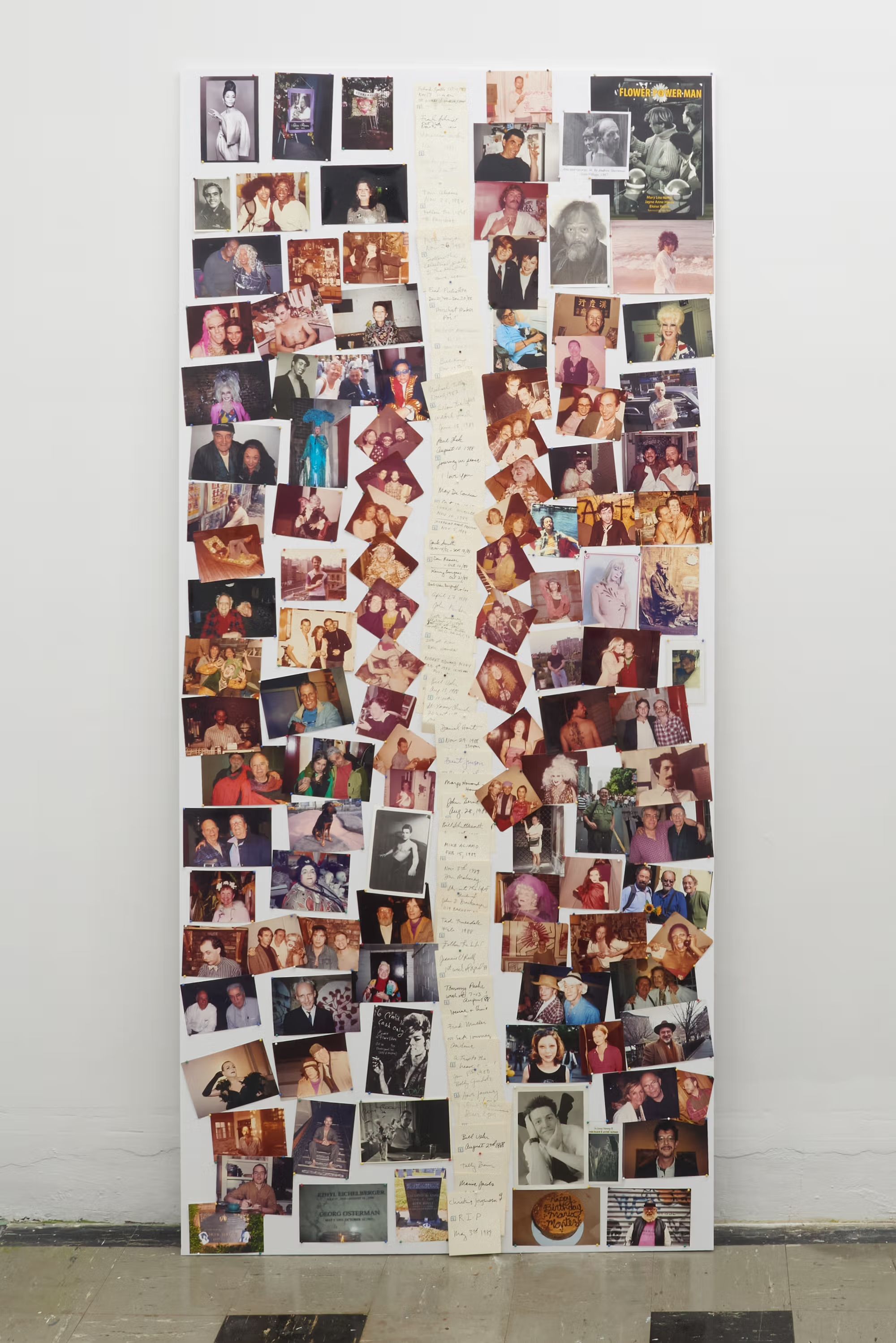
This caretaking extended beyond the individuals themselves and carried over to the belongings that they left behind when they died. Over the years, Machado became an archivist of the ephemera of his deceased friends, often using their images and objects to make ‘shrine’ and ‘altar’ sculptures to memorialise them. Earlier this month, Machado’s sculptures featured prominently in the Whitney Biennial, the longest-running survey of contemporary art in the United States.
These works carry on the legacy of Machado’s devotion to his friends and celebrate his belief that their spirits live on in these objects. In a video made for MoMA in 2025, Machado explained his practice by stating: ‘I’ve always done shrines and memorials of those who are dead, where you could see our lives, our gay relationships, and our expressions… I feel the energy of the mementos or the image of the people that I want to display…’
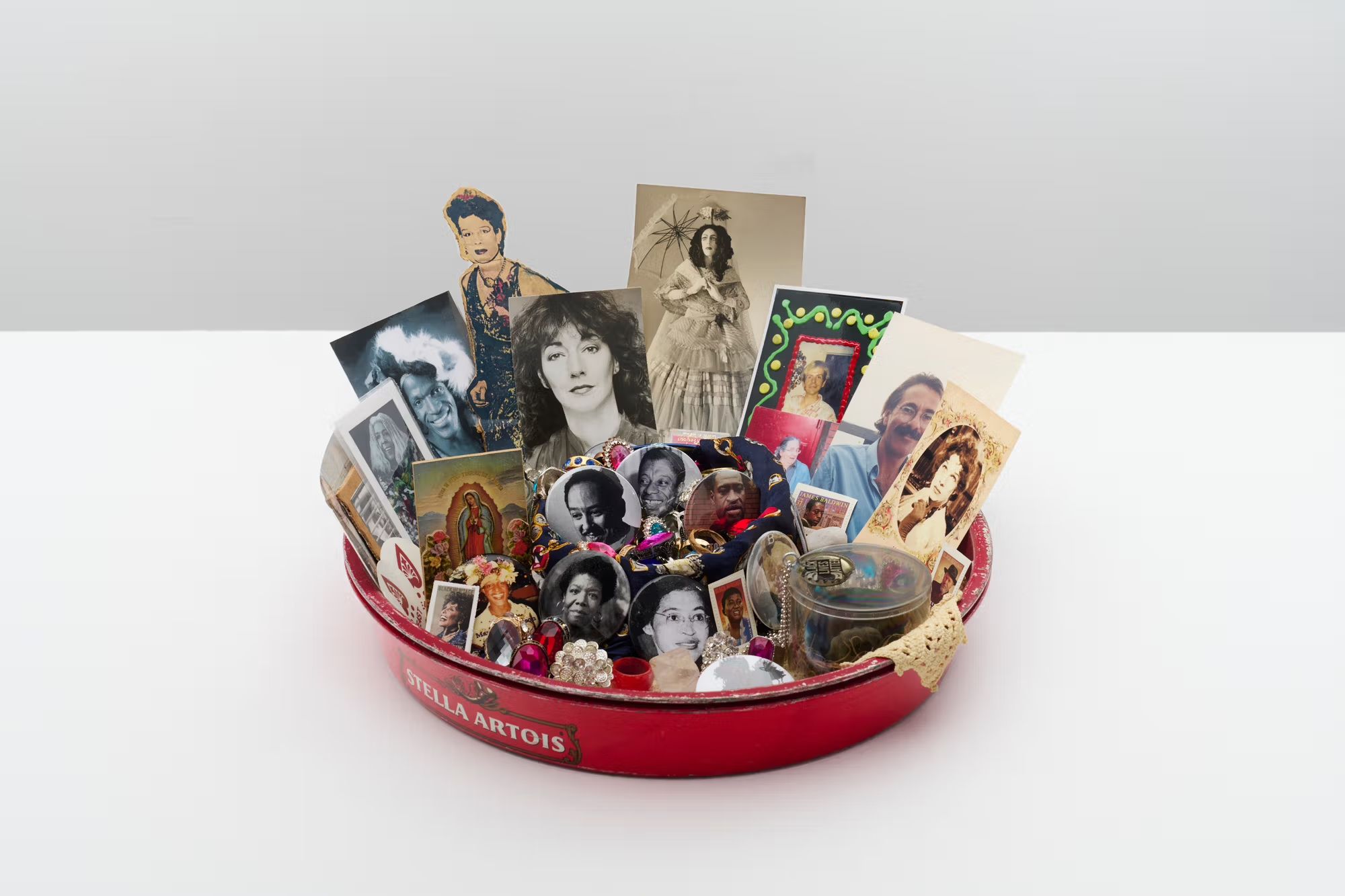
While his death represents the passing of one of New York’s most compassionate and storied artists, Machado (who believed in reincarnation), would likely not have wanted the end of his life to be viewed as loss. As he told Bernadicou, ‘I believe that all experiences are positive. We’re all part of life. Lesson: you’re born, you live, you die. And this is why life is a gift. This is your opportunity to experience and pursue the possibilities and potential of what is out there, no matter what. I had a very rich and full fantasy life.’





A respected voice in contemporary art discourse.
Focusing on ambitious storytelling and insightful art-world commentary. Ocula Magazine publishes in-depth interviews, critical essays and timely analysis on the artists, exhibitions and ideas driving the global art world.
Learn more about Ocula Magazine
Showcasing the best of the art world.
Ocula partners with galleries from around the world to highlight their artists, artworks and exhibitions. Gallery membership is by application and invitation, with each member vetted by an independent panel.
Learn more about Ocula Membership
Specialises in the sale of major artworks.
Led by a team with deep ties to the world’s leading auction houses, galleries and collectors. Ocula’s advisory team offers bespoke services to high-net-worth clients from around the world who are looking to acquire the best of contemporary and modern art.
Learn more about our team and services