





At Art Miami, the City’s Original Art Fair, Everyone Is Invited
Since the pioneering art fair opened 35 years ago, followed by sister fairs CONTEXT and Aqua Art Miami, it has acted as a catalyst to draw international attention to the U.S. city. Director Nick Korniloff reveals his highlights from this year’s edition. Save to My OculaMiami Art Week is one of the most ebullient events in the global art world calendar. Kicking off in early December, it draws high-profile collectors, artists, and a mass of celebrities to the U.S. city’s galleries and beaches. Art Miami was the first fair to open, 35 years ago. It now holds a pivotal position in Miami Art Week, along with its younger sister fairs CONTEXT and Aqua Art Miami, which launched in 2012 and 2005, respectively.
Nick Korniloff took over as director in 2008, combining blue-chip modern and contemporary works, while spotlighting experimental emerging and mid-career artists. Here, he shares his highlights from Art Miami’s three fairs, which see artists wrestling with artificial intelligence, works delving into ocean conservation, and a decisive return to tactile, traditional techniques.
ES: Art Miami has been running for 35 years. How has the city’s cultural landscape evolved in that time?
NK: When we began 35 years ago, we were pioneers. The arrival of institutions like the Pérez Art Museum Miami, the Institute of Contemporary Art, and the Rubell Museum has created a formidable artisanal bedrock. The growth of galleries in neighbourhoods like Allapattah, Little River, Wynwood, and the Design District has helped bring a diverse group to our community. We’ve seen Miami transform from a seasonal destination to being full of residents who are focused on the arts and culture of this great city. Our fair has grown in tandem with this, acting as a catalyst to draw international attention.
ES: How would you describe the atmosphere that you want to create at Art Miami and its sister fairs?
NK: They should feel impactful and rigorous under a curatorial and investor’s eye, a place for meaningful dialogue and discovery. We also want them to feel energising, welcoming, and inspirational to those who may not be in the everyday art world. They’re a place where seasoned collectors, first-time buyers, curious students, and passionate artists can feel equally inspired and at home.
ES: What are the main trends that have surfaced across the three fairs this year?
NK: There’s a profound engagement with materiality and process, with artists returning to the handmade and tactile, using traditional techniques to explore contemporary themes. We’re also seeing a strong trend towards figurative work that explores identity and narrative, with a fresh, surreal, or poetic lens. Additionally, there’s a noticeable and welcome push towards art that addresses sociopolitical and environmental concerns, but rarely in a didactic way. It’s more about asking questions than providing answers.
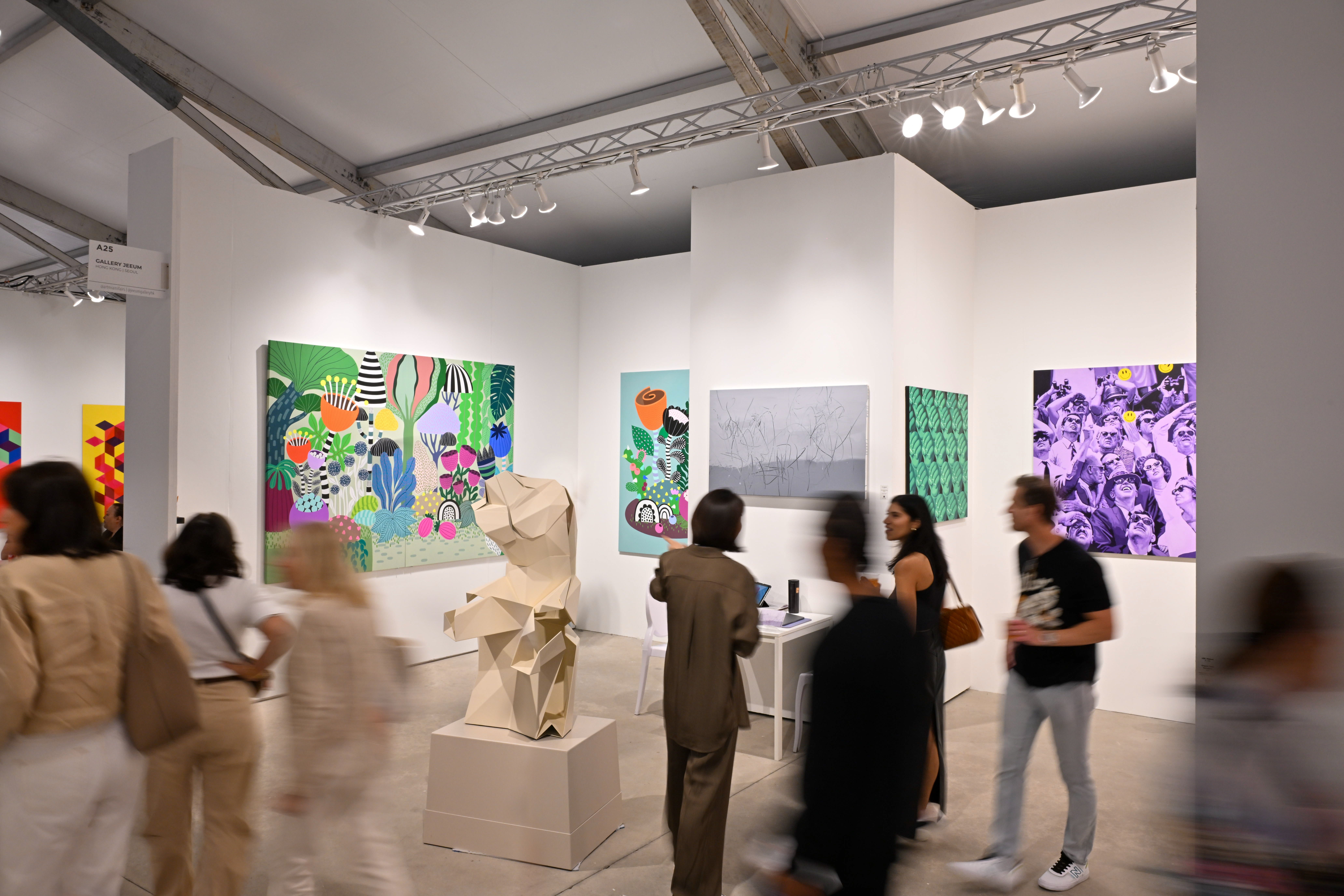
ES: Art Miami features galleries from 24 countries. Are there any new art scenes highlighted this year that you have felt particularly inspired by?
NK: The work coming out of Seoul is incredibly sophisticated, blending hypermodern digital influences with deep, traditional aesthetics. The storytelling is powerful, the use of colour is fearless, and the technical skill is extraordinary.
ES: And are there any featured galleries based in Miami who you feel encapsulate the city’s creative edge?
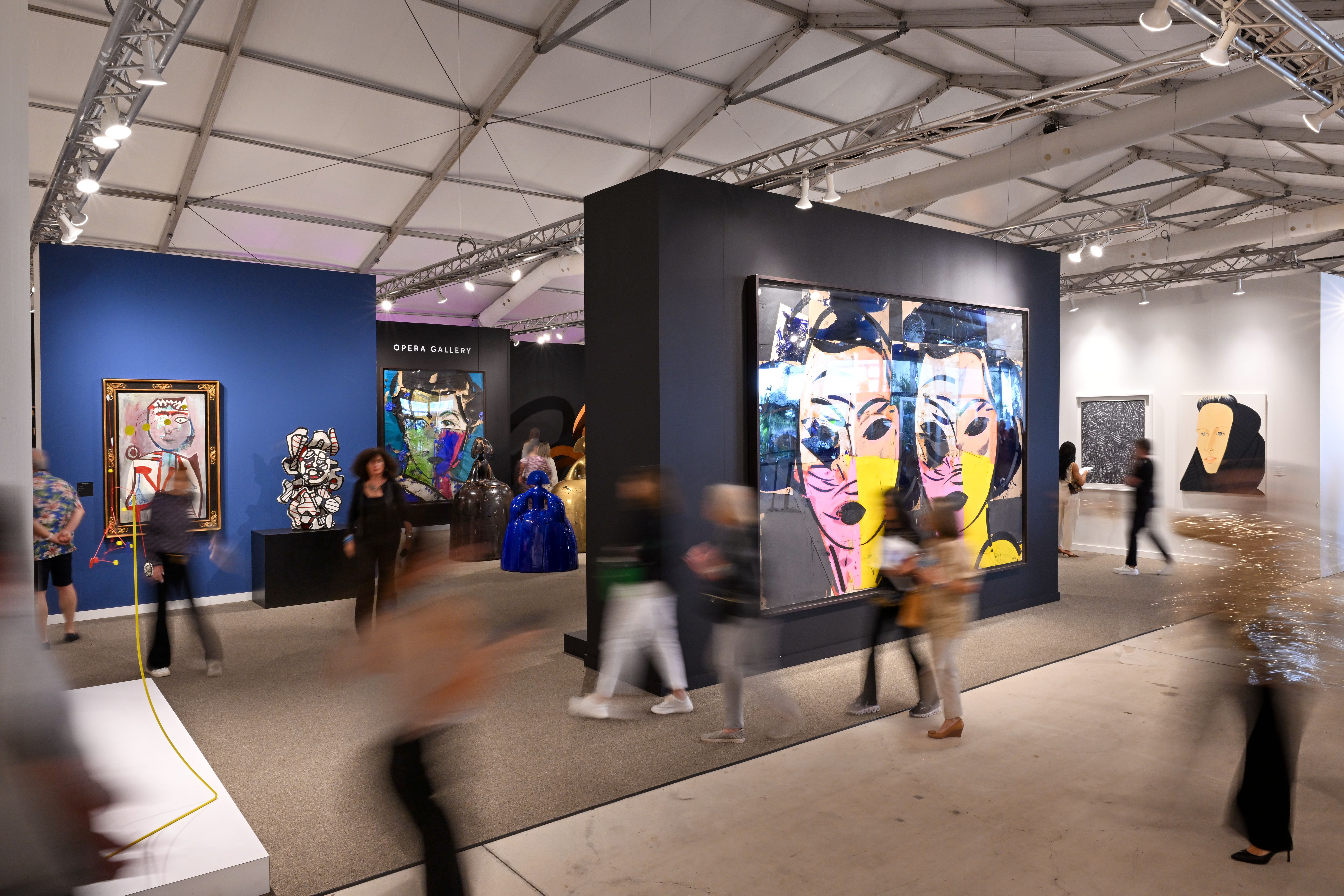
NK: To name a few, galleries like Cernuda Arte, Ascaso Gallery, Duque Arango, and Opera Gallery come to mind. They have been instrumental in defining and sustaining Miami’s creative edge for years, consistently championing artists who are unafraid to take risks.
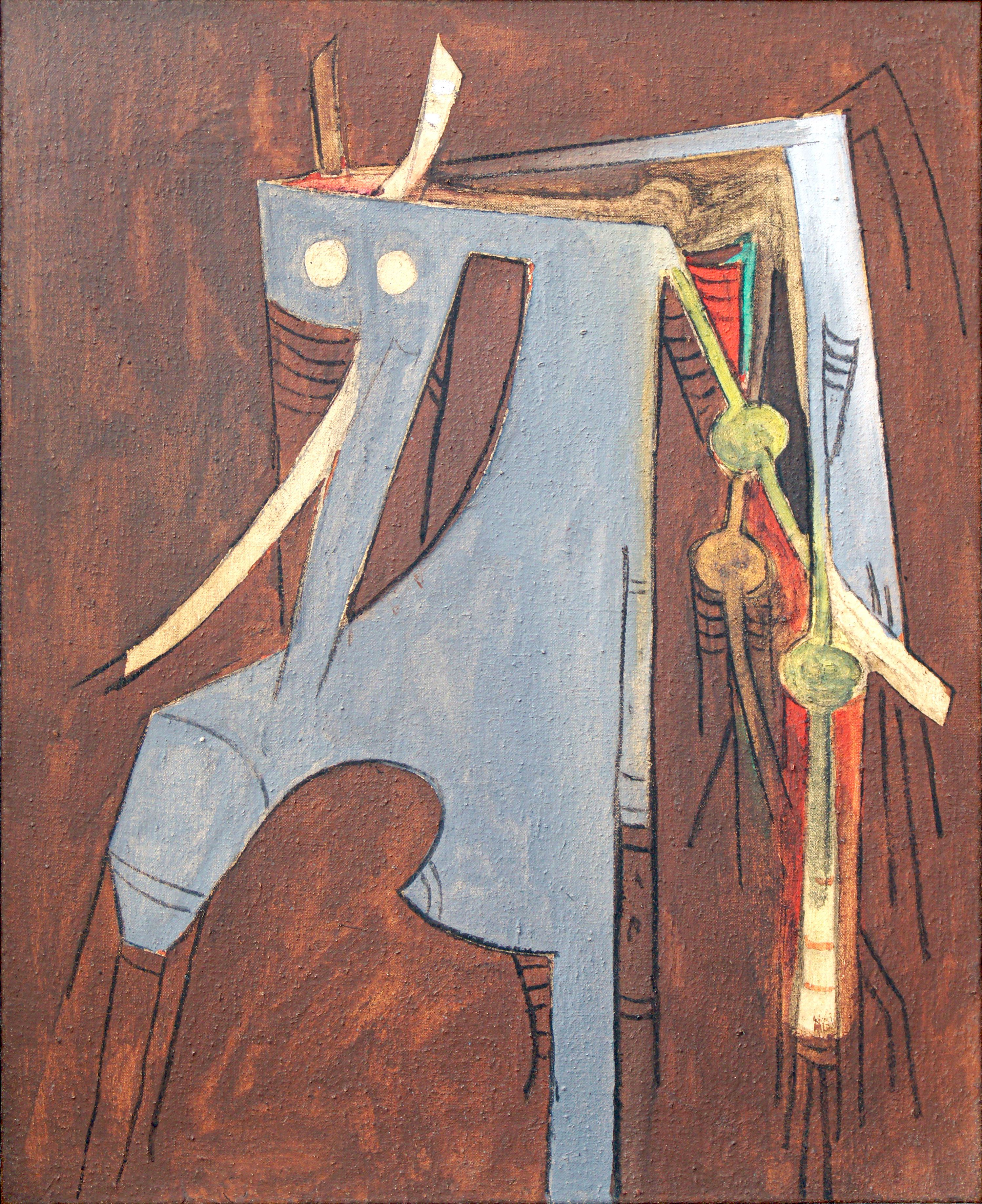

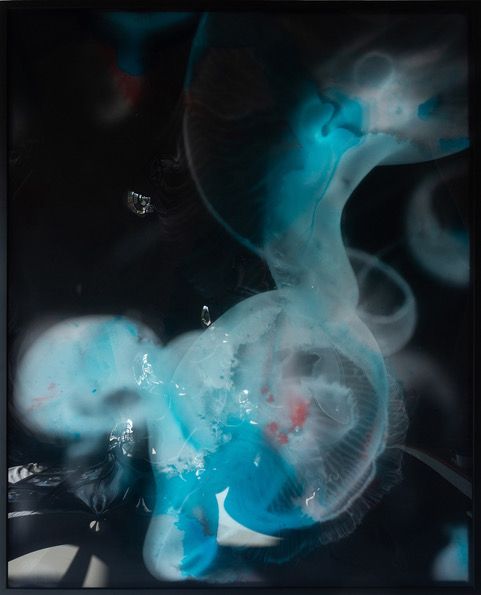
ES: CONTEXT has a strong focus on mid-career and emerging artists. Could you share a few lesser-known names who you are excited for visitors to discover?
NK: CONTEXT is the heartbeat of discovery for our fairs. I’m particularly excited about Alessio Ceruti with Cinq Gallery. Ceruti beautifully explores the relationship between humans and nature through sculpture, painting, video, and installation. His pieces draw attention to ocean conservation, inviting viewers into contemplative spaces where environmental urgency meets artistic imagination.
ES: Experimentation is an important aspect of CONTEXT. What are the most innovative practices included this year?
NK: One of the exhibitions that sparks my intrigue is Blackdove. Marc Billings, the streaming service’s founder and CEO, positions digital art within the fine art canon, treating each genre with the rigour typically reserved for painting or sculpture. Blackdove’s exhibition spotlights an exceptional roster of digital visionaries, including Zach Lieberman, Yoshi Sodeoka, Alan Bolton, Jamie Scott, Jacopo di Cera, Kelly Boesch, Punkmetender, Moonwalker, and Annibale Siconolfi.
ES: What kind of work do you expect visitors to be looking for this year, and how does this reflect the wider U.S. art scene at this moment?
NK: Life imitates art and vice versa. In the current economic and social climate, we’re noticing the integration of tech and AI. Collectors are being more deliberate, seeking works with both proven investment potential and deep personal resonance. There’s a strong appetite for tangible skill, work that demonstrates an artist’s command of their medium. Miami has also always had a distinct taste; we embrace bold colour, narrative, and a certain exuberance that might be more subdued in other markets. —[O]
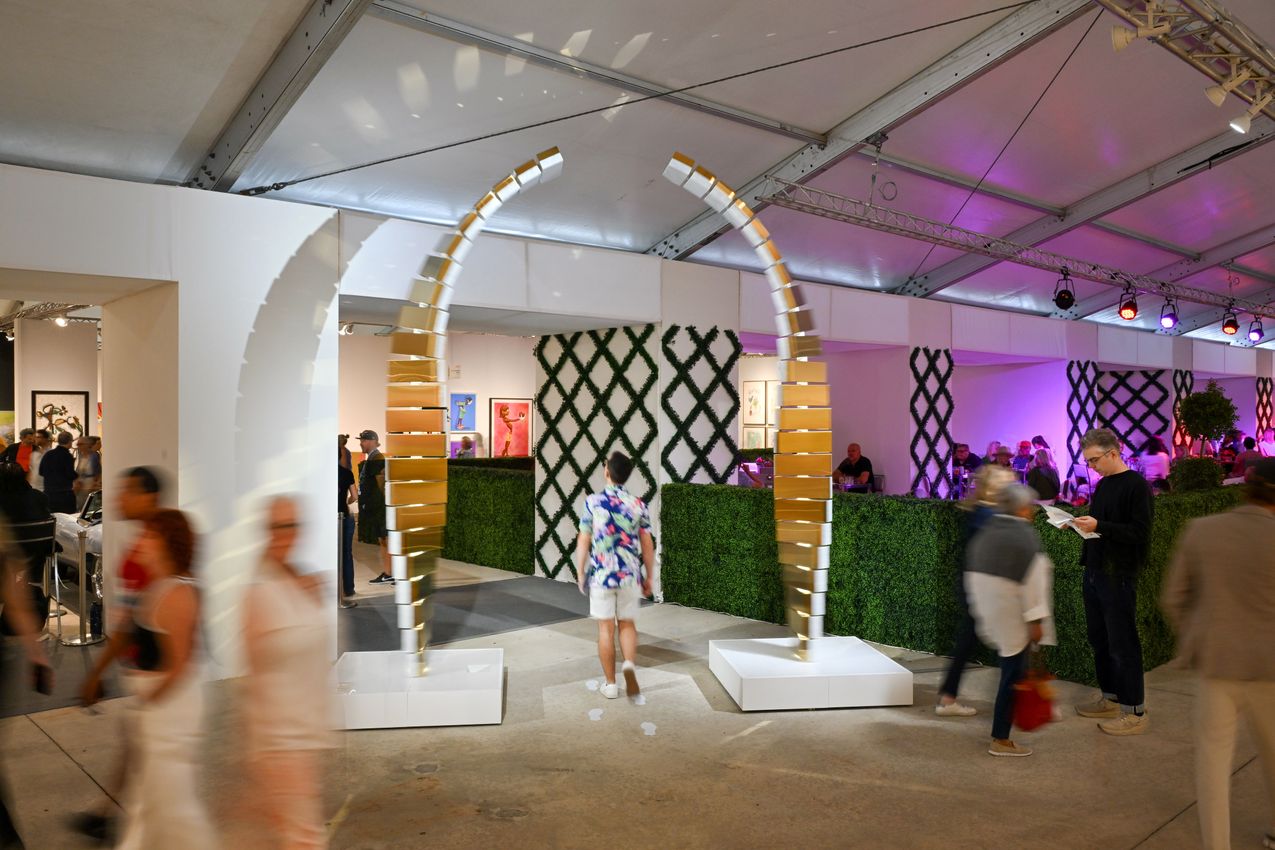
Main image: Art Miami 2024 (7–9 December 2024). © Art Miami. Photo: Ken Hayden




A respected voice in contemporary art discourse.
Focusing on ambitious storytelling and insightful art-world commentary. Ocula Magazine publishes in-depth interviews, critical essays and timely analysis on the artists, exhibitions and ideas driving the global art world.
Learn more about Ocula Magazine
Showcasing the best of the art world.
Ocula partners with galleries from around the world to highlight their artists, artworks and exhibitions. Gallery membership is by application and invitation, with each member vetted by an independent panel.
Learn more about Ocula Membership
Specialises in the sale of major artworks.
Led by a team with deep ties to the world’s leading auction houses, galleries and collectors. Ocula’s advisory team offers bespoke services to high-net-worth clients from around the world who are looking to acquire the best of contemporary and modern art.
Learn more about our team and services