The art world in focus
Subscribe to our newsletter for news and insights on artists, galleries and exhibitions.

In 1937, a young student named Xueshan (“Snow Mountain”), set out from Yunnan province to travel to Beijing to pursue his studies. At the time, journeys required travellers to passage on the French-built railway to Haiphong before they could continue by ship. In his account of the trip, Xueshan recorded that the indigenous Nakhi villagers, who lived near the Himalayan foothills in Yunnan and with whom he was travelling, were shocked by the train. Being newly confronted with the strictness of the timekeeping required to travel by railway, they protested being woken before their usual morning call, the rooster’s crow, in order to catch the train. Preserved in Xueshan’s written account, the complaint is re-enacted in Yunnan-born artist Cheng Xinhao’s film It Is Midnight, and the Rooster Hasn’t Crowed (2025).
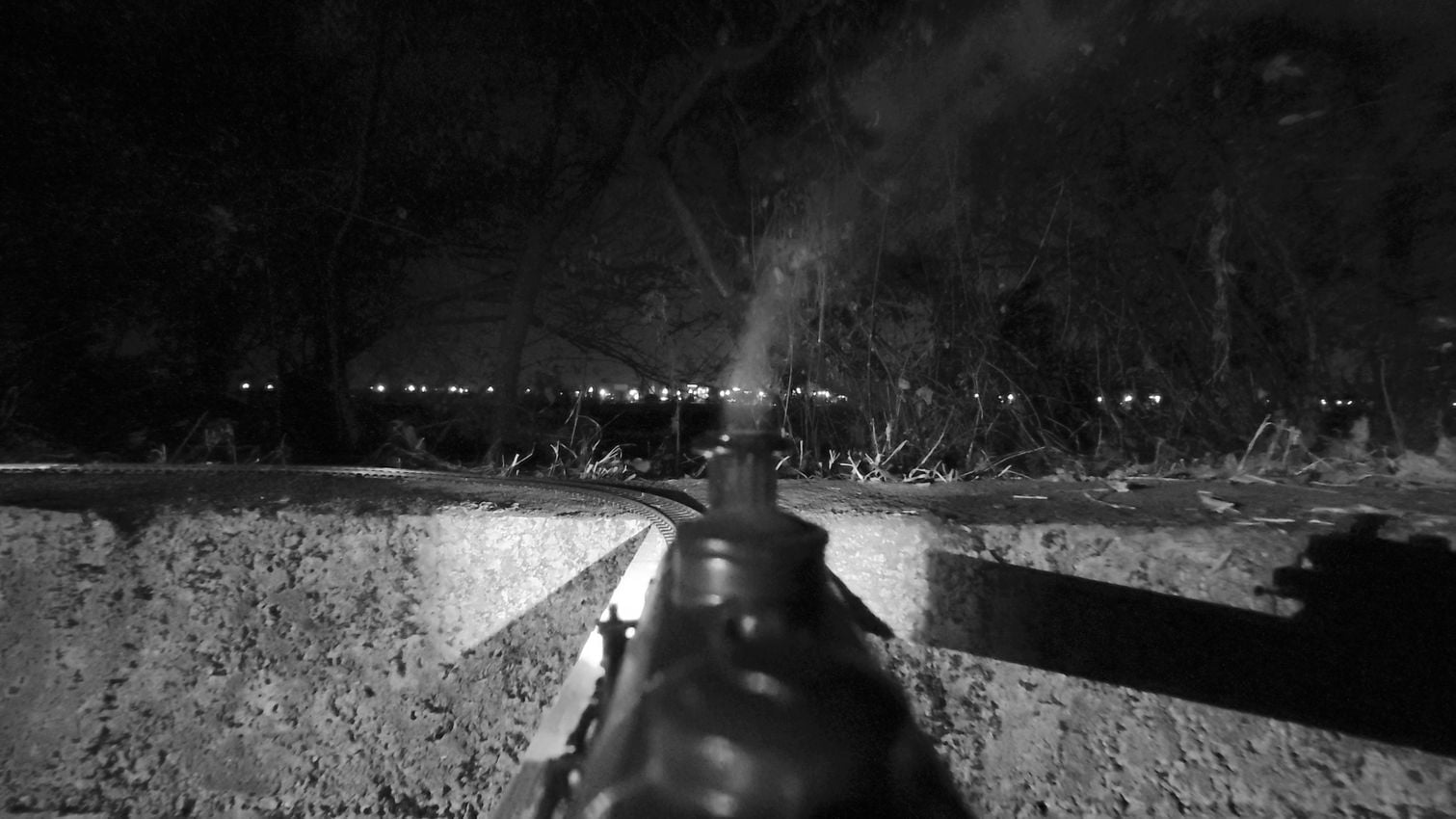
In the film, Cheng reconstructs this encounter through an elaborate miniature railway he constructed in Lijiang, home to the Nakhi people. He worked in collaboration with Nakhi critic and curator He Wenzhao, who re-enacts the experience of an earlier Nakhi railway passenger. Shot in the black of night, partly from the perspective of a moving model train and partly from that of an onlooker watching the train chug past different passengers as they wait, the film juxtaposes recorded environments with footage of actual rail travel. In its miniature form, the train appears as a piece of cinematic apparatus while simultaneously assuming the charm of a toy.
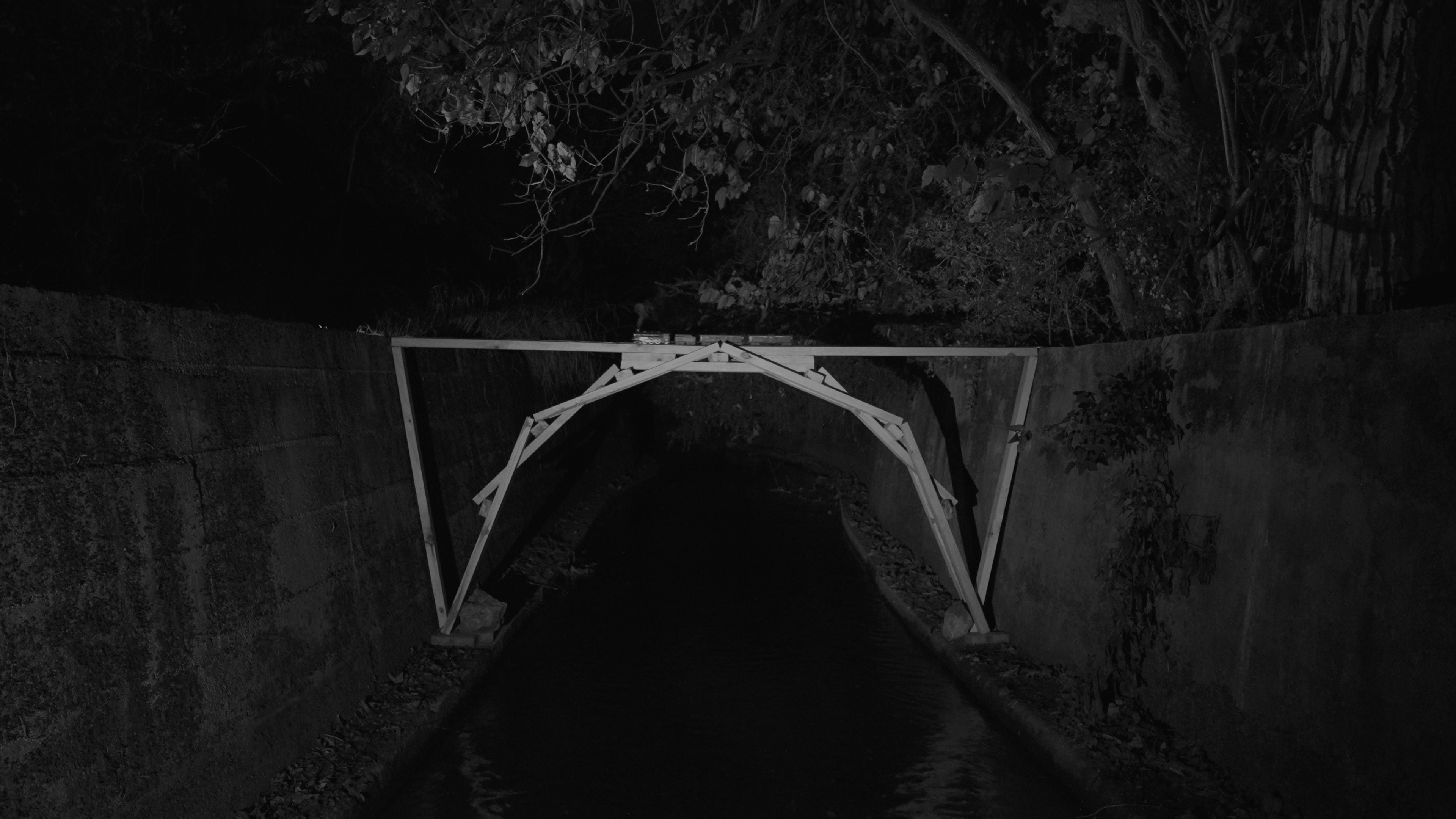
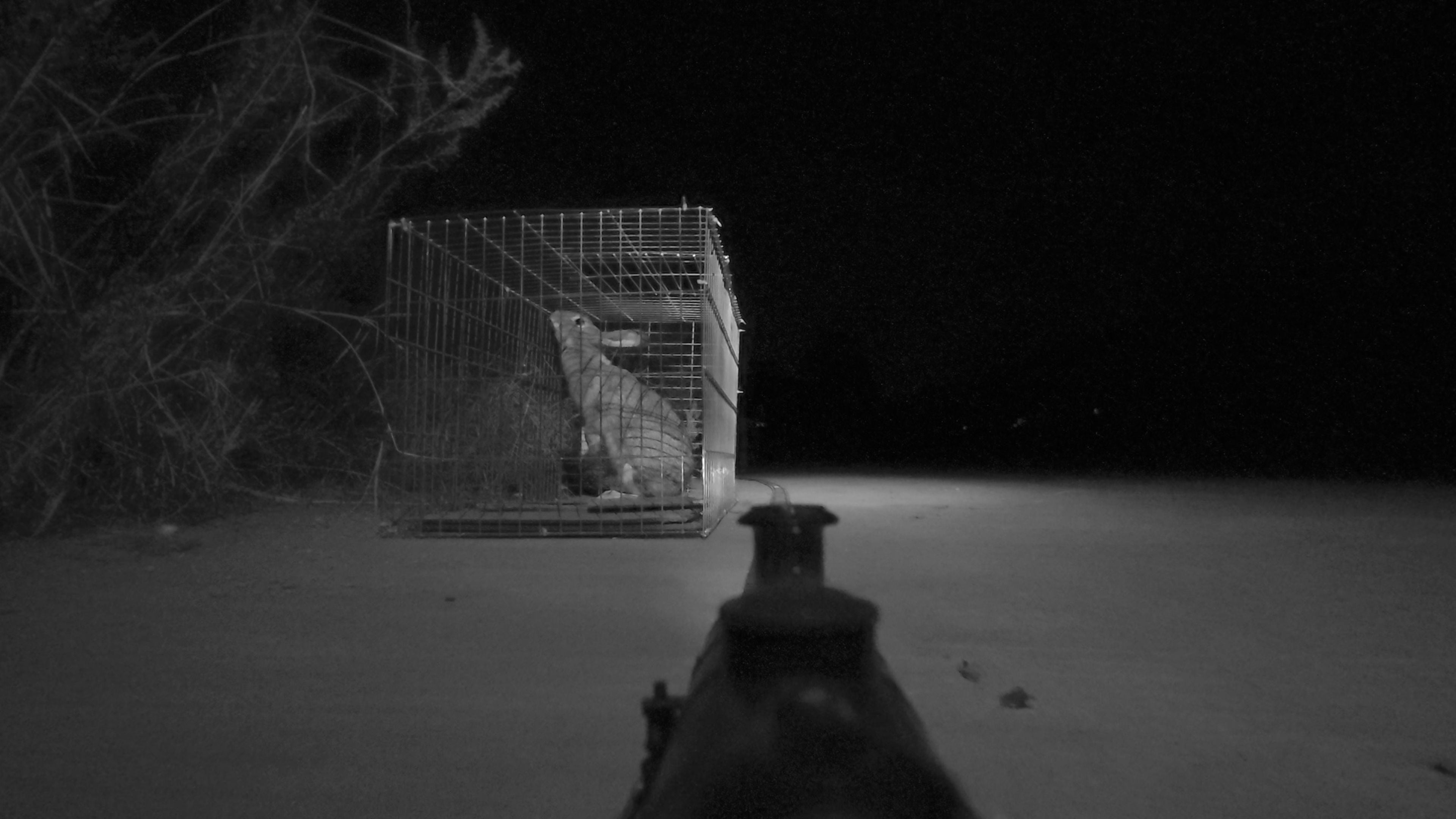
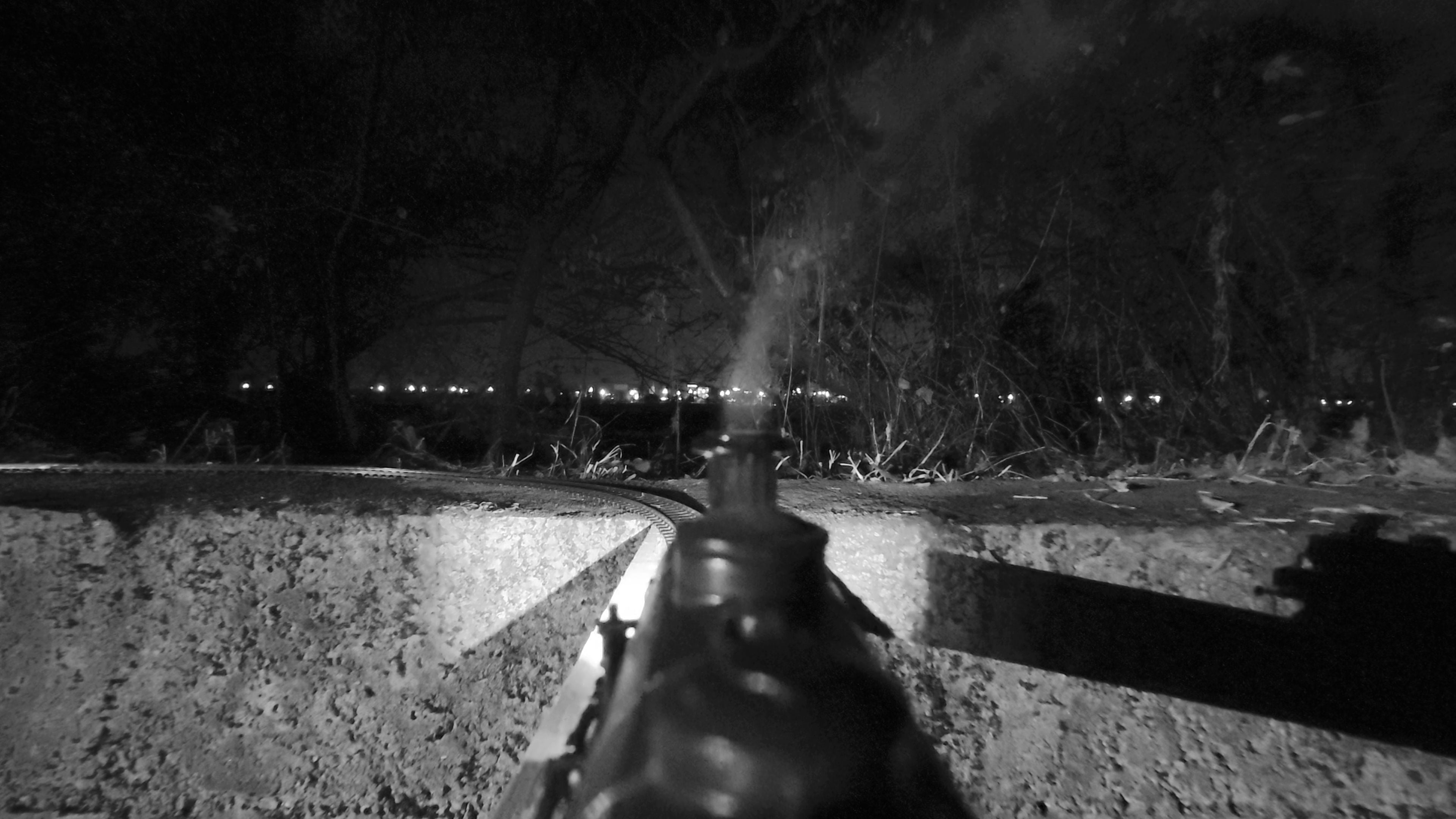
Within this model-scale world, a hare in a cage grazes, undisturbed, as the train passes. The sequence is in fact a tableau vivant referencing Where No One Has Been Before (1954), a well-known woodblock print by Guandong-born artist Liang Yongtai that depicts small hares gazing upward at a railway’s arched bridge, admiring the technological sublime, a quintessential theme of socialist modernity. Cheng reinterprets the print through the 1937 Nakhi travelogue, which eventually finds voice in the appearance of his collaborator He Wenzhao. Performing the travelogue in his mother tongue, He Wenzhao complicates the premise of Where No One Has Been Before—the title becomes unstable in the presence of the Indigenous people who have long lived in the region.
“The train appears as a piece of cinematic apparatus while simultaneously assuming the charm of a toy”
As part of the installation at Tabula Rasa Gallery, as the film plays, another model train circles within a red-brick-built gorge while silhouettes of hares are projected on to the wall. The motif of hares beneath a bridge is reintroduced here, too. The miniature train passes through the frame of a broken window, linking the installation to a second episode from the original 1937 travelogue. In this account, the author throws away the opium pipe of a Nakhi smoker, thereby compelling him to quit and acquire, in the process, a “civilised” modern body.
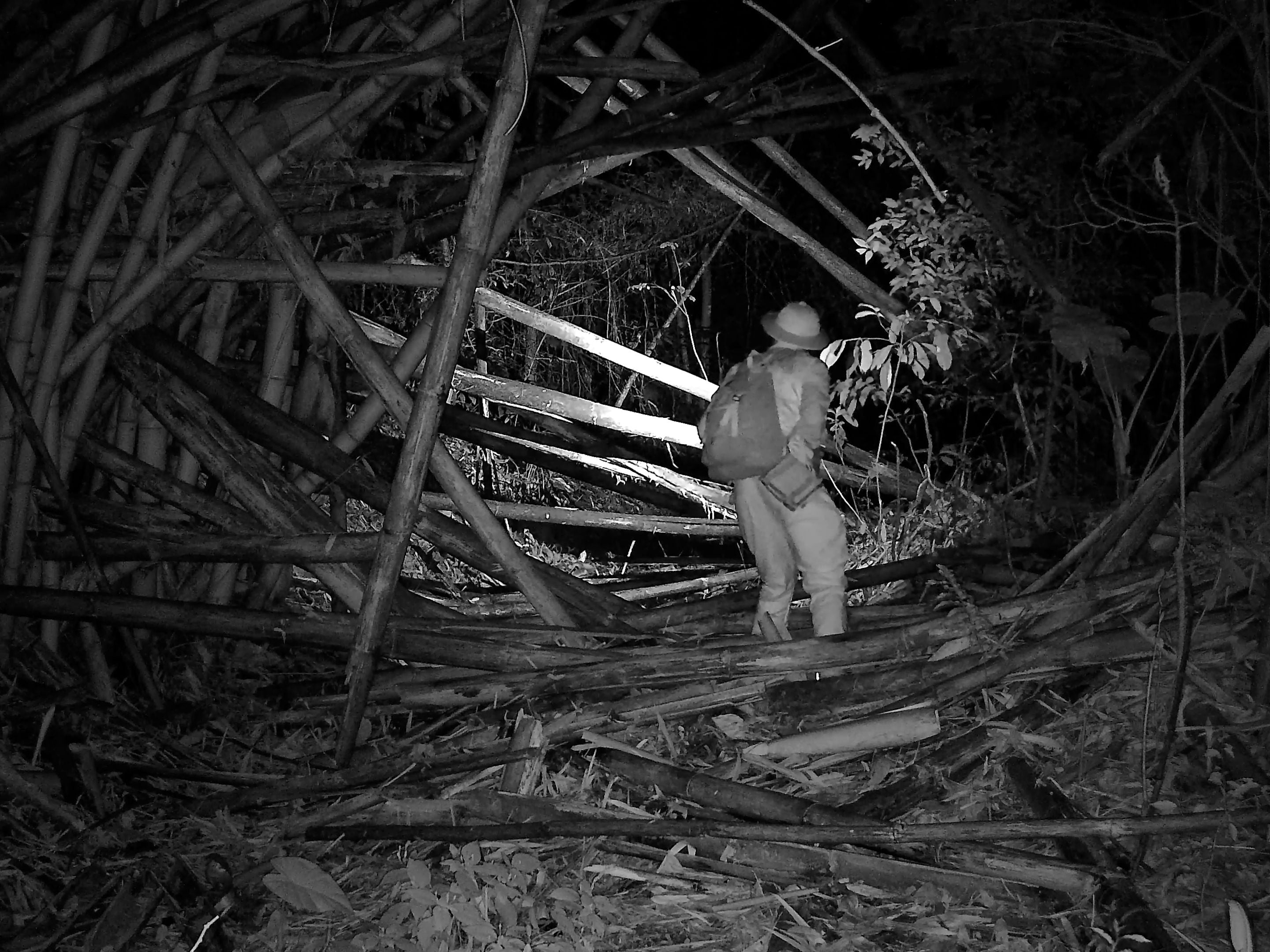
In restaging this episode, the artist seems to place himself in the role of the travelogue’s author, a representative of the Han people—the Chinese ethnic majority from which Cheng descends—inviting a comparison between the writer who sought to civilise the Indigenous subject and Cheng’s own position as an artist looking back on it. Such hierarchies of civilisation have been perpetuated within Chinese-centred state narratives, and Cheng places himself in a structurally similar observational role.
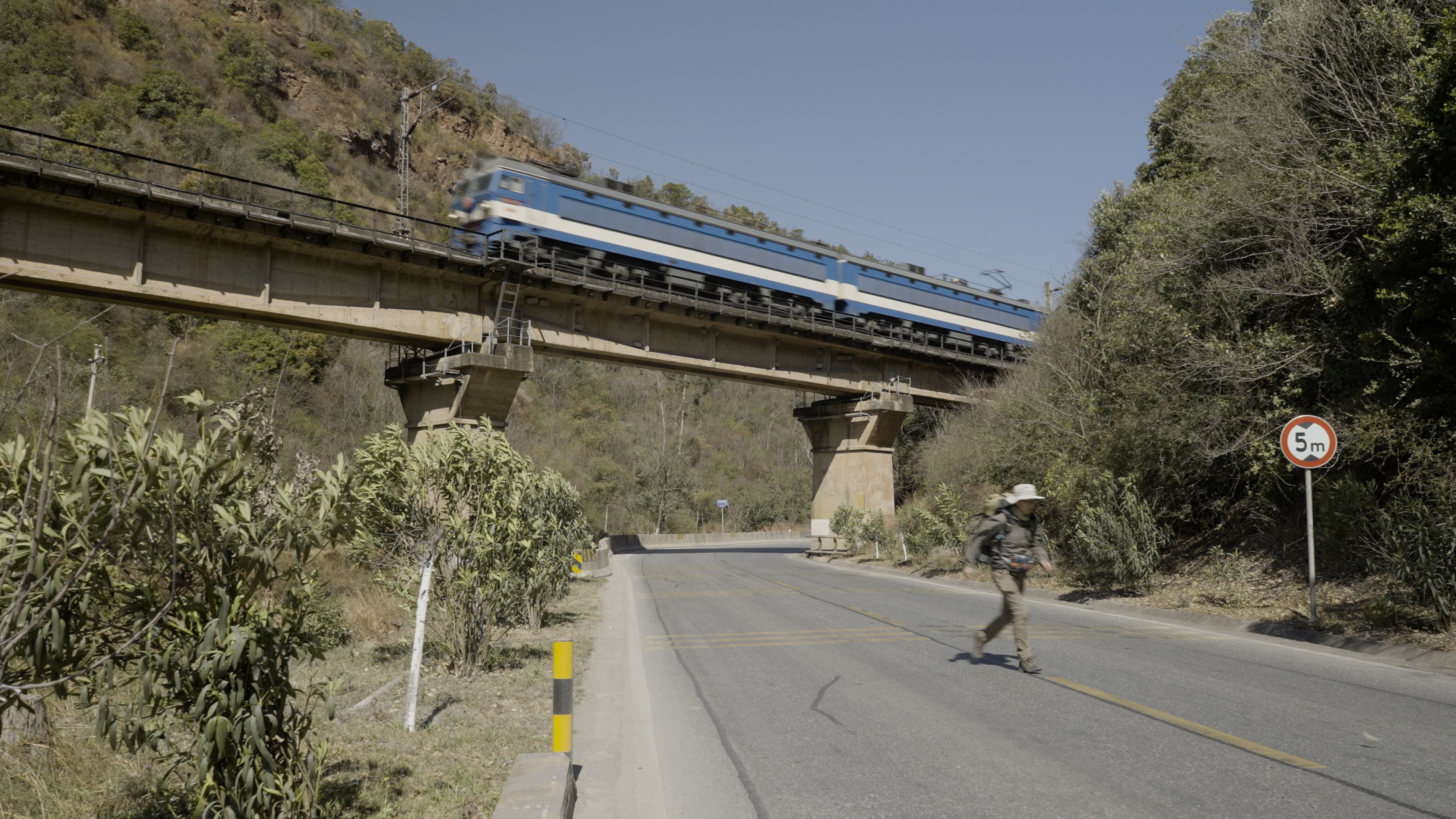
Cheng is known for his videoworks of long-duration walks through the mountainous landscapes of his native south-west China, where railways, caravan routes and tunnels bear the traces of ecological change and political intervention. He often films in extended takes that turn his body into a kind of measuring device for terrain and temporality. Those pieces retain this documentary sensibility yet this work takes on a more theatrical air. Cheng returns railway modernity to a register of reverie, where childhood fascination with the means of transport itself is reactivated through a form of children’s entertainment: the model railway, play, the simple pleasure of staging and restaging, and the tactile engagement of a model train looping around its circuit. —[O]


A respected voice in contemporary art discourse.
Focusing on ambitious storytelling and insightful art-world commentary. Ocula Magazine publishes in-depth interviews, critical essays and timely analysis on the artists, exhibitions and ideas driving the global art world.
Learn more about Ocula Magazine
Showcasing the best of the art world.
Ocula partners with galleries from around the world to highlight their artists, artworks and exhibitions. Gallery membership is by application and invitation, with each member vetted by an independent panel.
Learn more about Ocula Membership
Specialises in the sale of major artworks.
Led by a team with deep ties to the world’s leading auction houses, galleries and collectors. Ocula’s advisory team offers bespoke services to high-net-worth clients from around the world who are looking to acquire the best of contemporary and modern art.
Learn more about our team and services